
MillimeterWave Full Duplex Radios Vaibhav Singh Susnata Mondal
Millimeter-Wave Full Duplex Radios Vaibhav Singh, Susnata Mondal, Akshay Gadre, Milind Srivastava, Jeyanandh Paramesh, Swarun Kumar

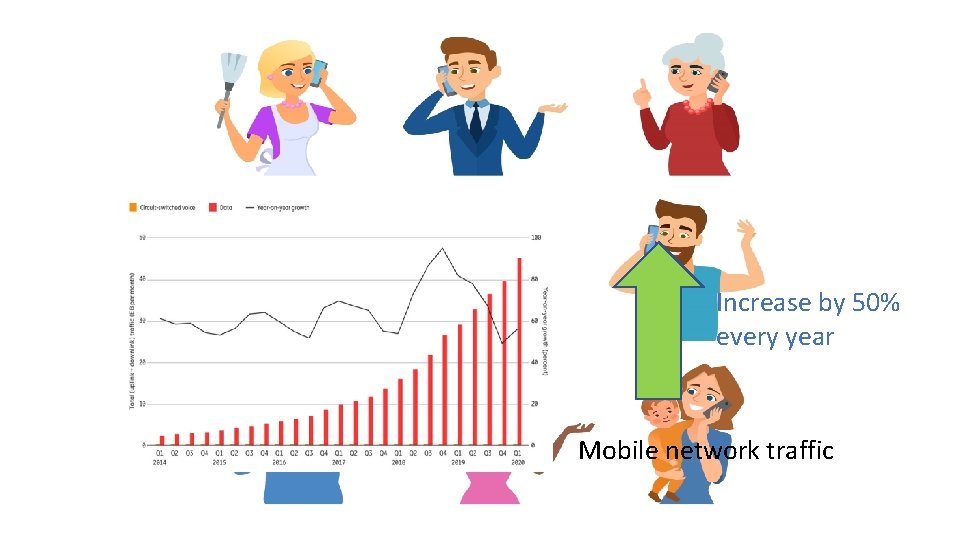
Increase by 50% every year Mobile network traffic
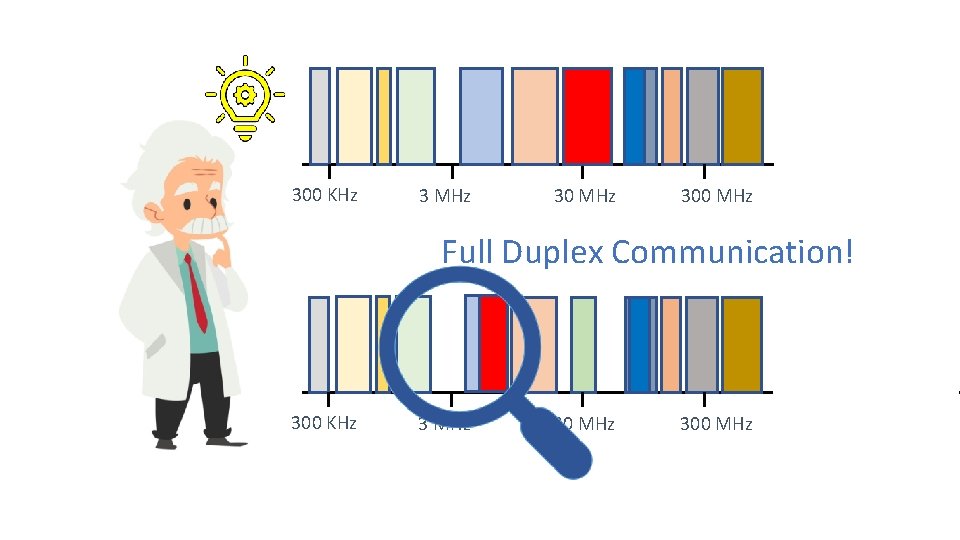
300 KHz 3 MHz 300 MHz 3 GHz Full Duplex Communication! 300 KHz 3 MHz 300 MHz 3 GHz
5
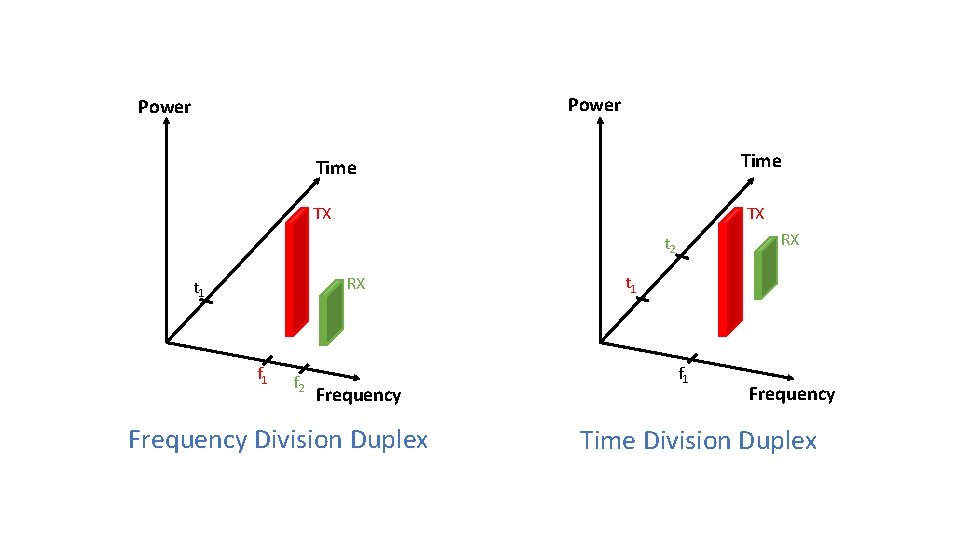
Power Time TX TX RX t 2 RX t 1 f 2 Frequency Division Duplex t 1 f 1 Frequency Time Division Duplex
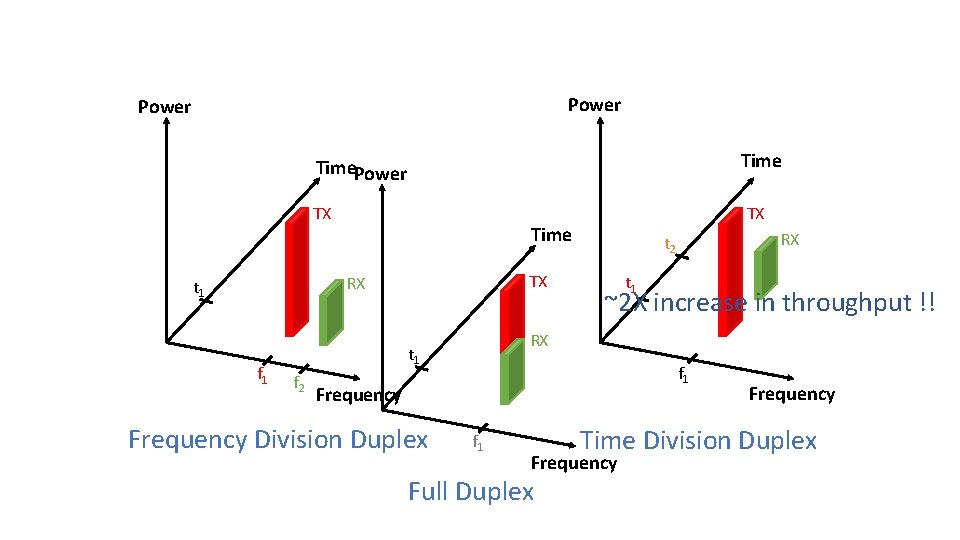
Power Time. Power TX Time TX RX t 1 f 1 t 1 ~2 X increase in throughput !! f 1 Frequency Division Duplex RX t 2 RX t 1 f 2 TX f 1 Time Division Duplex Frequency Full Duplex Frequency
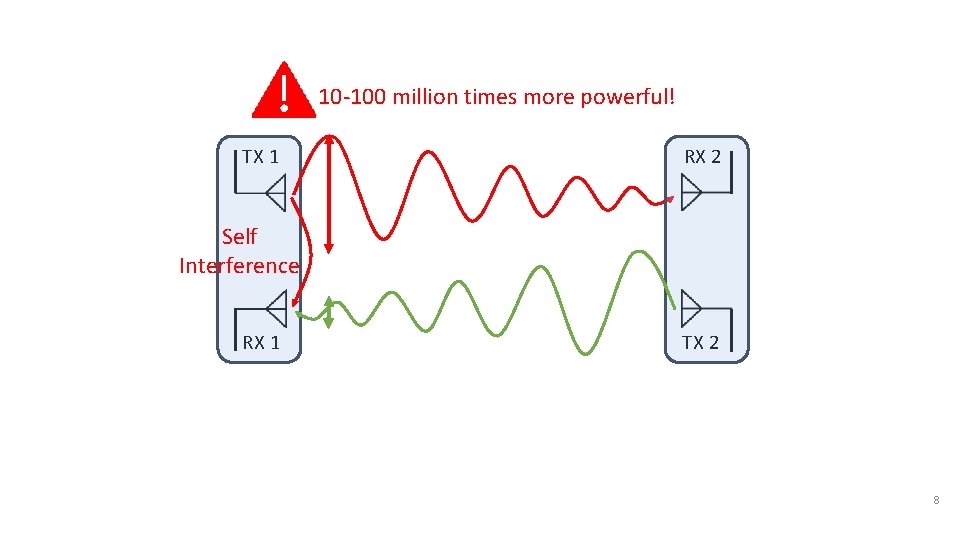
10 -100 million times more powerful! TX 1 RX 2 Self Interference RX 1 TX 2 8
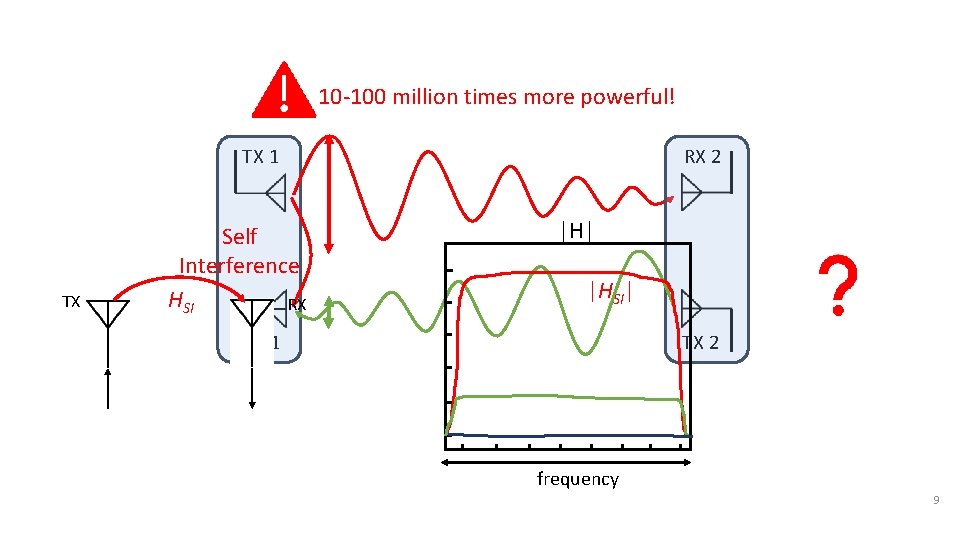
10 -100 million times more powerful! TX 1 TX Self Interference HSI RX RX 2 |H| |HSI| TX 2 RX 1 frequency 9
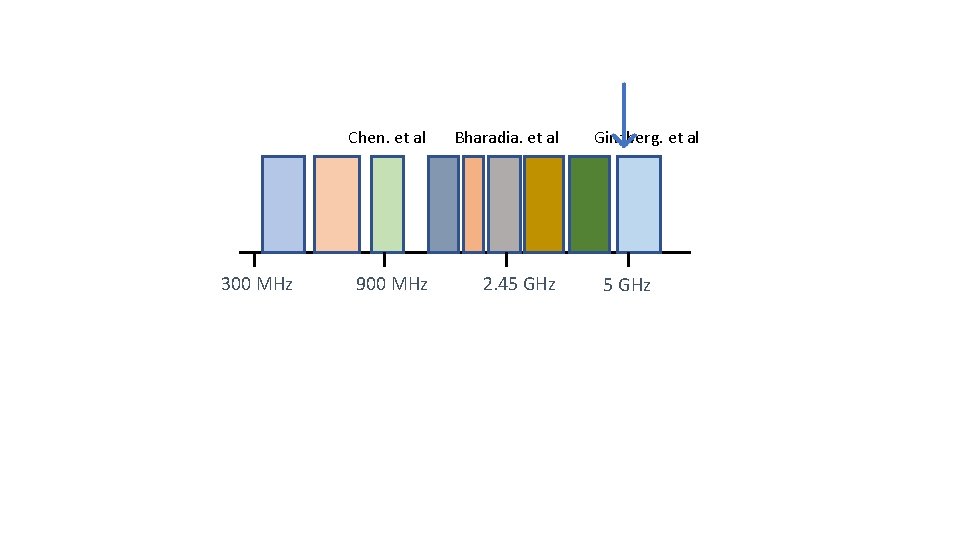
300 MHz Chen. et al Bharadia. et al 900 MHz 2. 45 GHz Ginzberg. et al 5 GHz 30
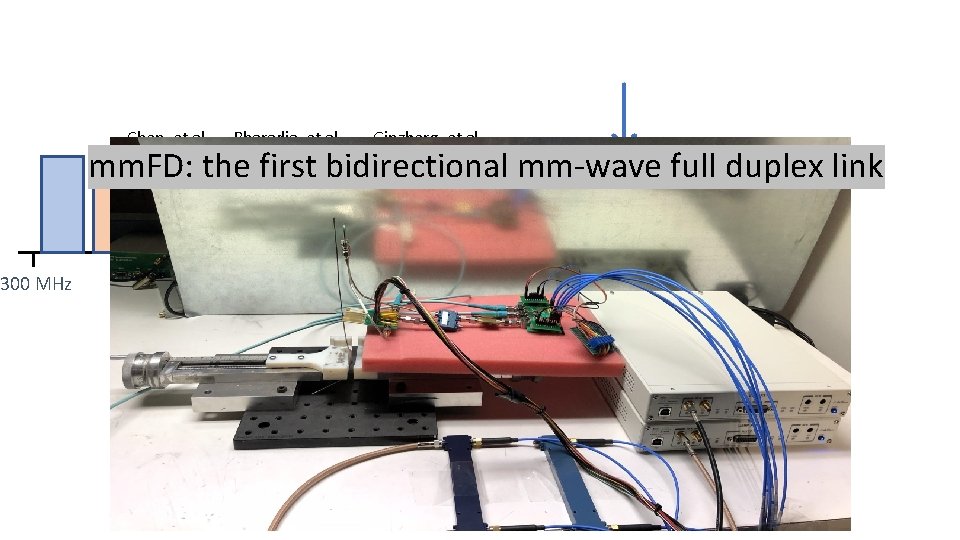
Chen. et al Bharadia. et al 900 MHz 2. 45 GHz Ginzberg. et al mm. FD: the first bidirectional mm-wave full duplex link 300 MHz 5 GHz 300 GHz
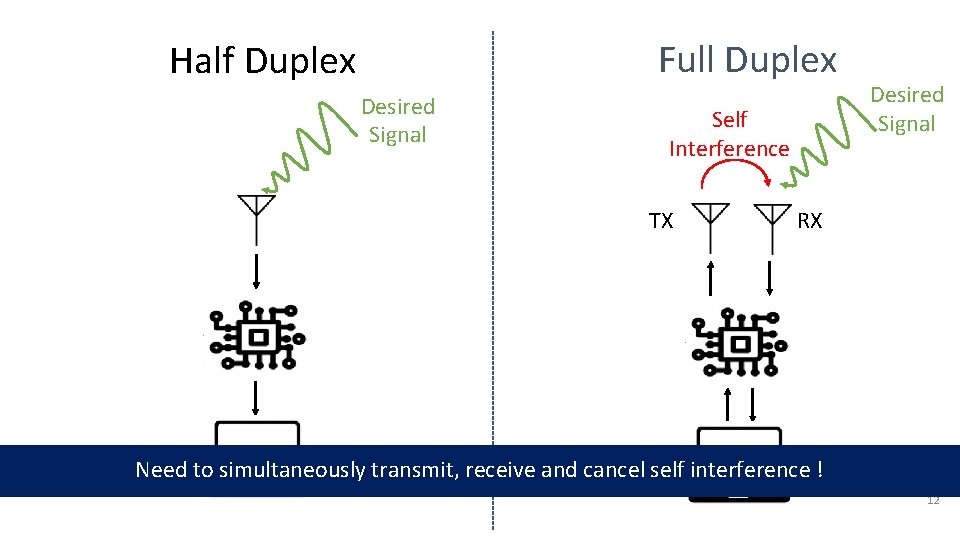
Full Duplex Half Duplex Desired Signal Self Interference TX Desired Signal RX Need to simultaneously transmit, receive and cancel self interference ! 12
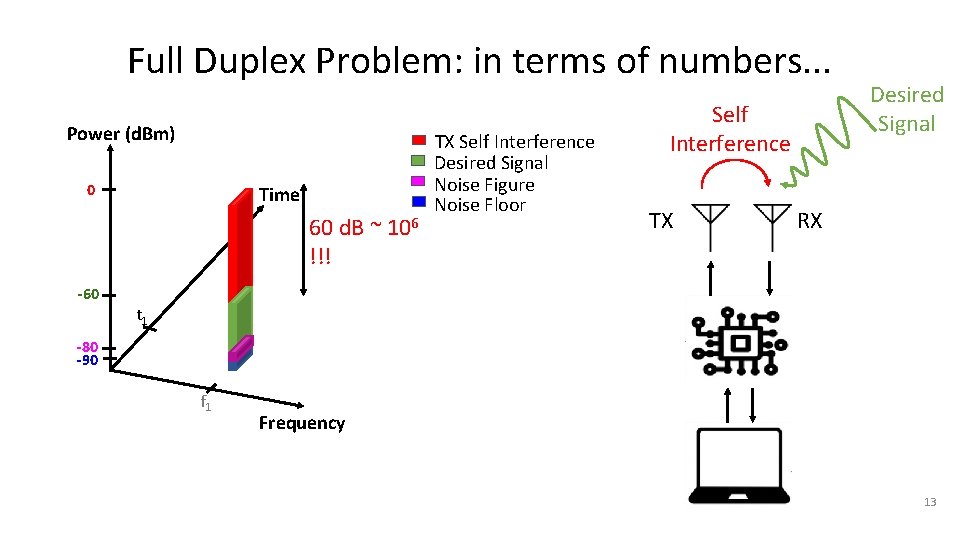
Full Duplex Problem: in terms of numbers. . . Power (d. Bm) 0 Time 60 d. B ~ 106 !!! TX Self Interference Desired Signal Noise Figure Noise Floor Self Interference TX Desired Signal RX -60 t 1 -80 -90 f 1 Frequency 13
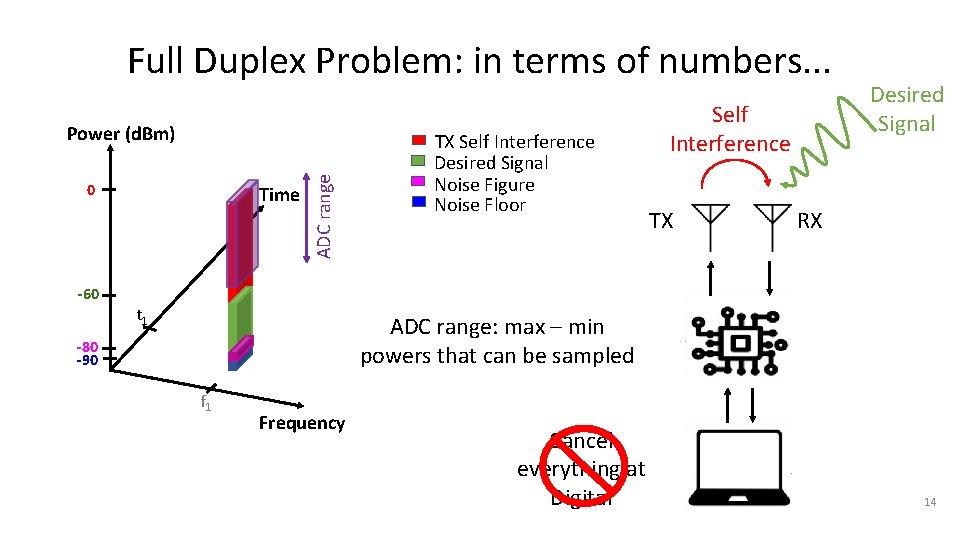
Full Duplex Problem: in terms of numbers. . . 0 Time ADC range Power (d. Bm) TX Self Interference Desired Signal Noise Figure Noise Floor Self Interference TX Desired Signal RX -60 t 1 ADC range: max – min powers that can be sampled -80 -90 f 1 Frequency Cancel everything at Digital 14
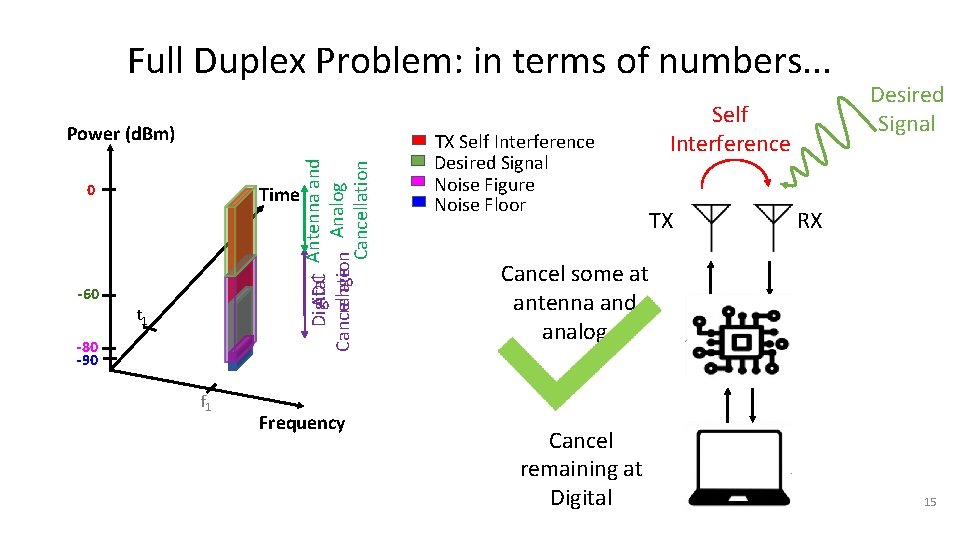
Full Duplex Problem: in terms of numbers. . . ADC Antenna and Digital range Analog Cancellation Power (d. Bm) 0 Time -60 t 1 -80 -90 f 1 Frequency TX Self Interference Desired Signal Noise Figure Noise Floor Self Interference TX Desired Signal RX Cancel some at antenna and analog Cancel remaining at Digital 15
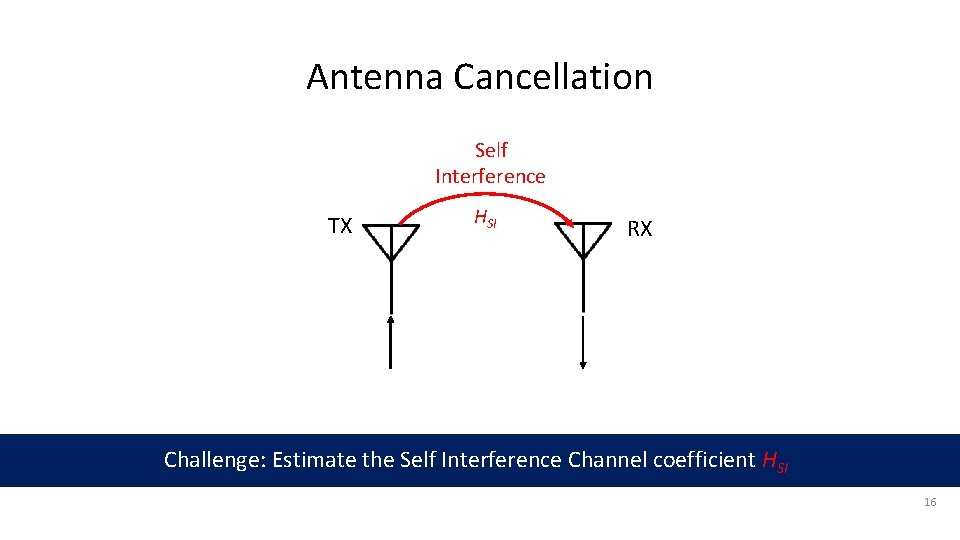
Antenna Cancellation Self Interference TX HSI RX Challenge: Estimate the Self Interference Channel coefficient HSI 16
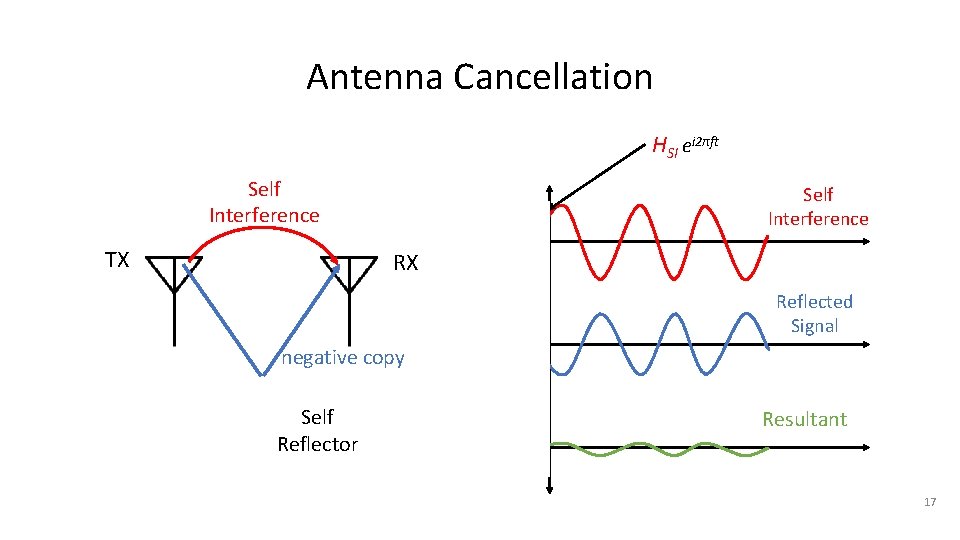
Antenna Cancellation HSI ei 2πft Self Interference TX Self Interference RX Reflected Signal negative copy Self Reflector Resultant 17
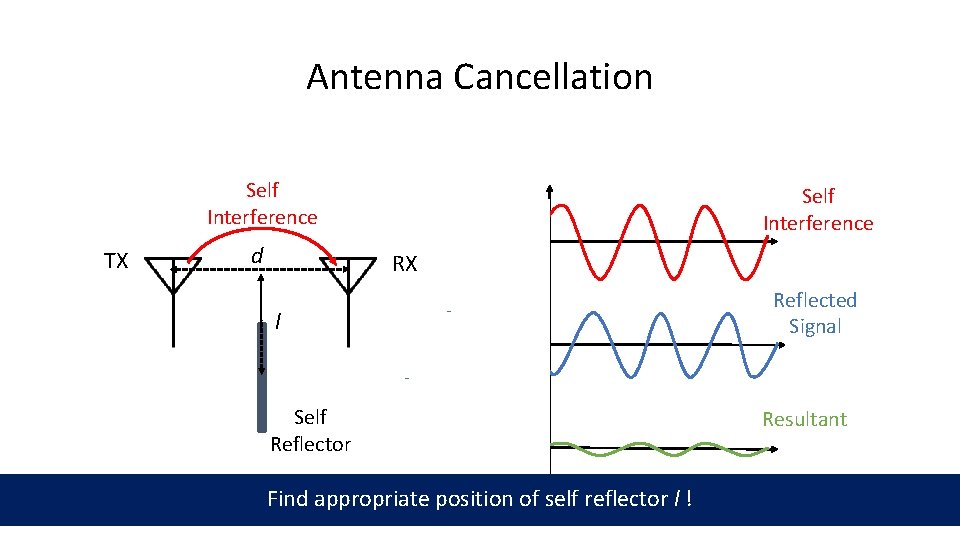
Antenna Cancellation Self Interference TX d Self Interference RX l Self Reflector Find appropriate position of self reflector l ! Reflected Signal Resultant 18
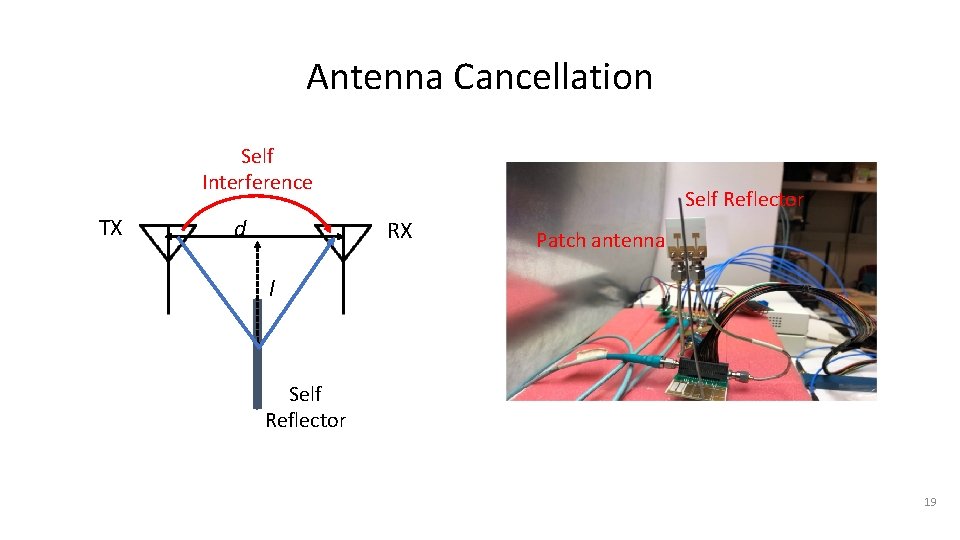
Antenna Cancellation Self Interference TX d Self Reflector RX Patch antenna l Self Reflector 19
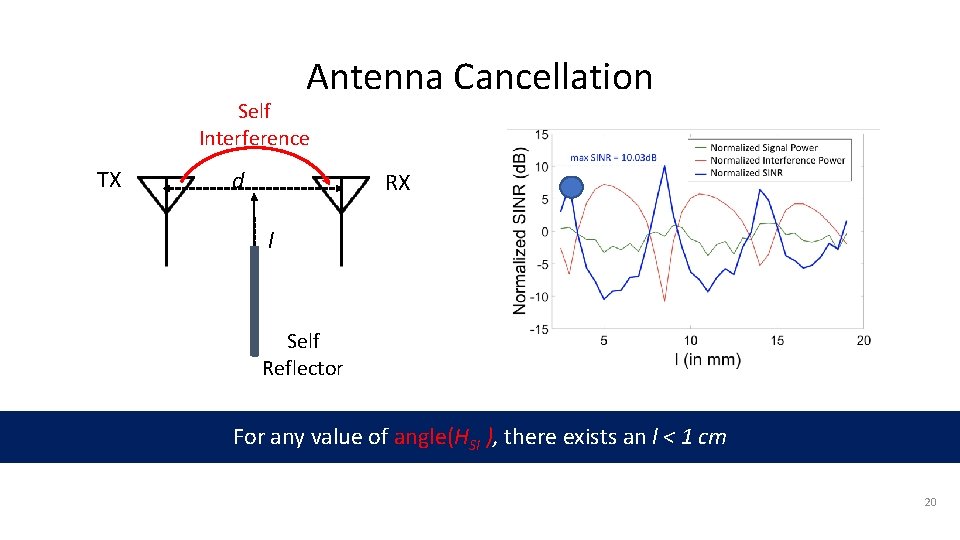
Antenna Cancellation Self Interference TX d RX l Self Reflector For any value of angle(HSI ), there exists an l < 1 cm 20
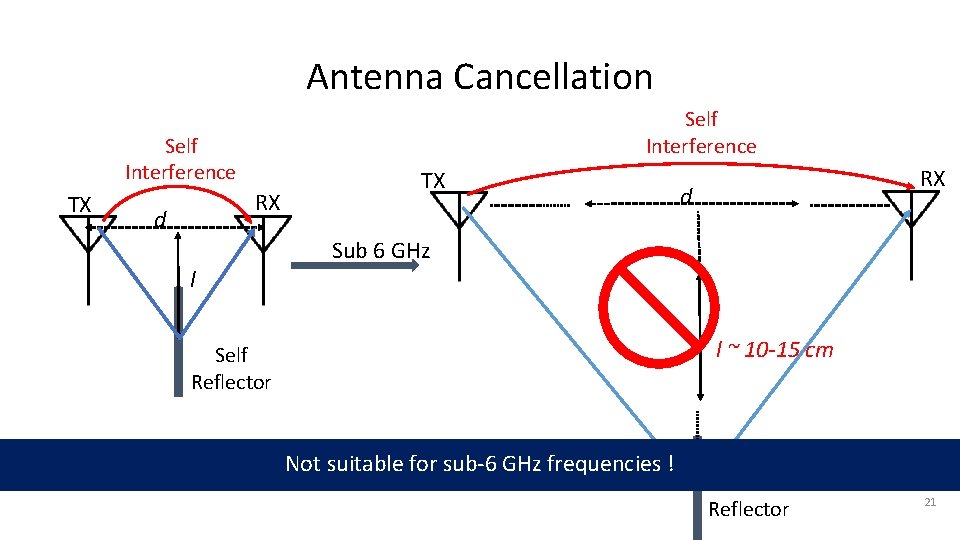
Antenna Cancellation Self Interference TX RX d l TX RX d Sub 6 GHz l ~ 10 -15 cm Self Reflector Not suitable for sub-6 GHz frequencies ! Self Reflector 21
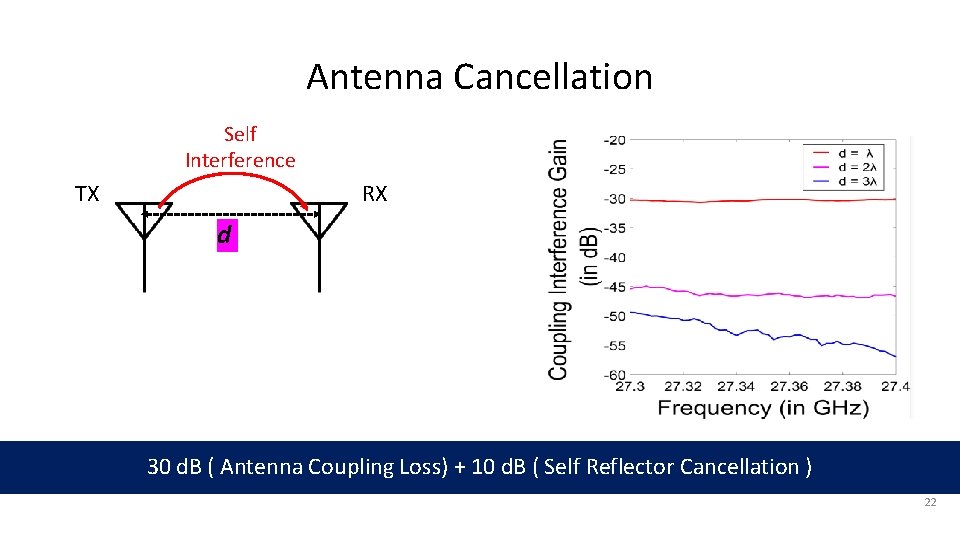
Antenna Cancellation Self Interference TX RX d 30 d. B ( Antenna Coupling Loss) + 10 d. B ( Self Reflector Cancellation ) 22
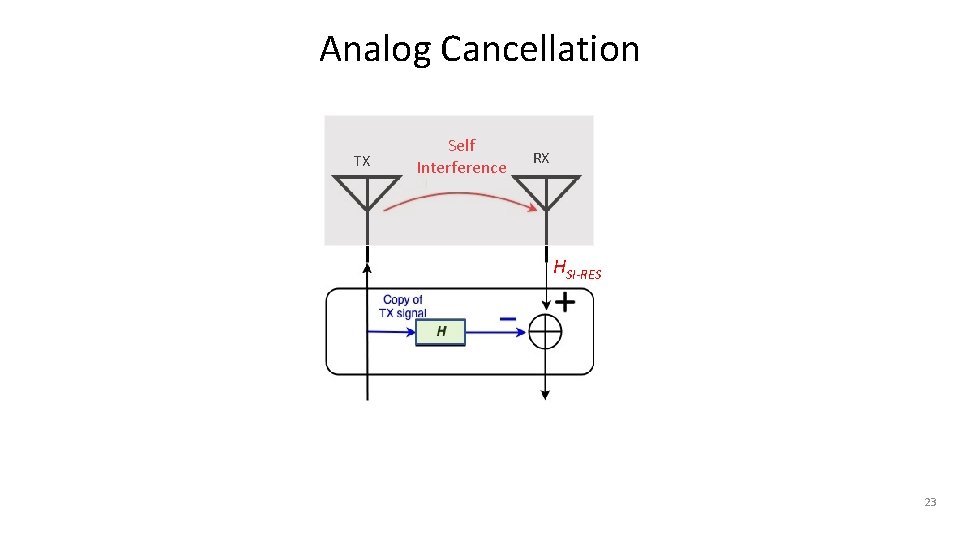
Analog Cancellation TX Self Interference RX HSI-RES 23
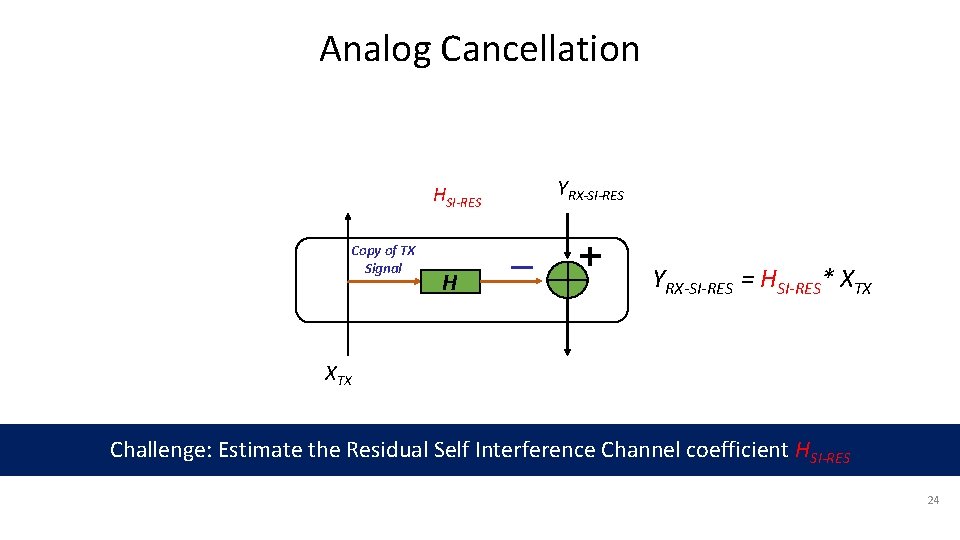
Analog Cancellation HSI-RES Copy of TX Signal H YRX-SI-RES = HSI-RES* XTX Challenge: Estimate the Residual Self Interference Channel coefficient HSI-RES 24
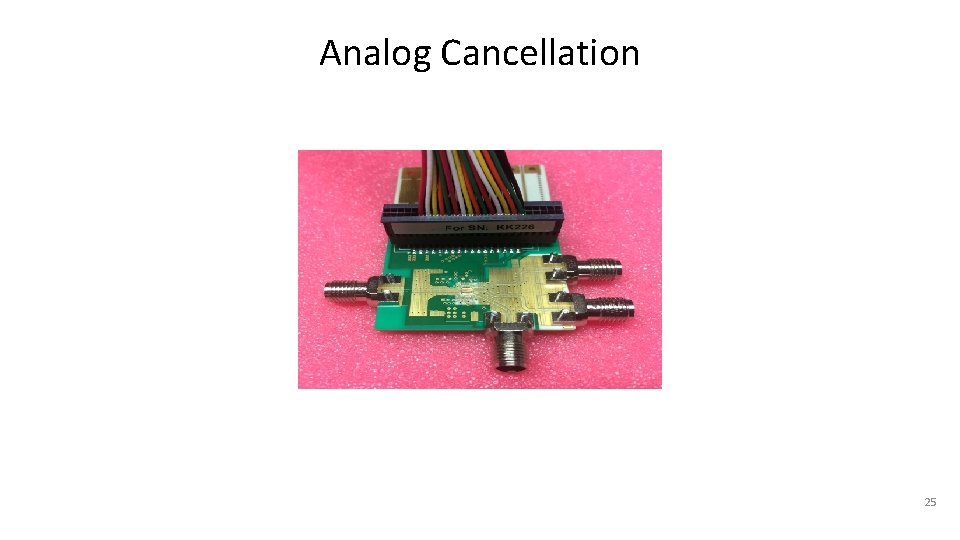
Analog Cancellation 25
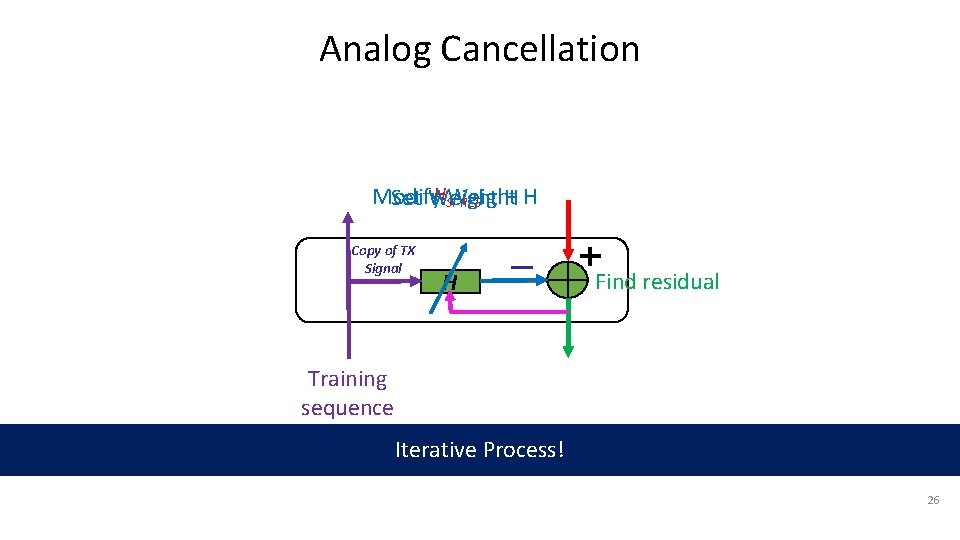
Analog Cancellation HSI-RES Modify Weight Set Weight HH Copy of TX Signal H Find residual Training sequence Iterative Process! 26
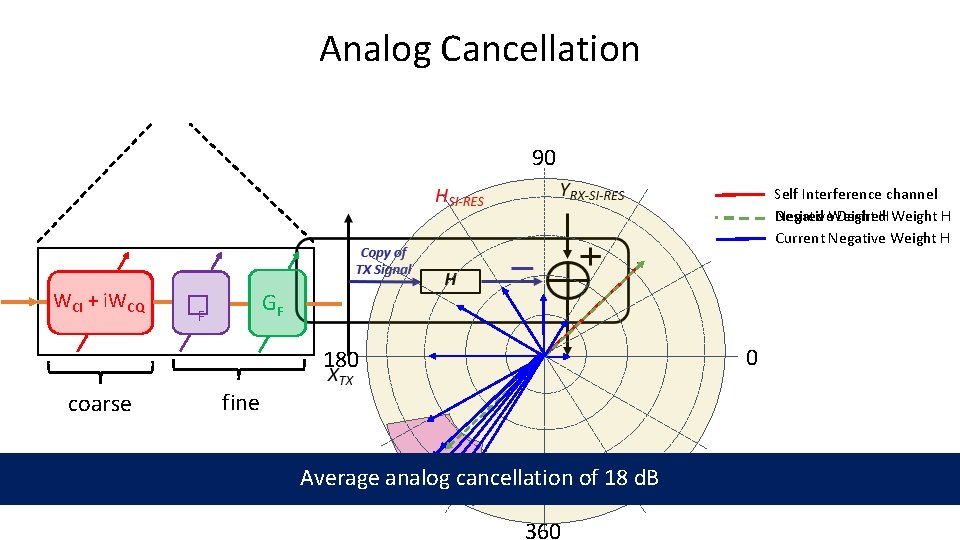
Analog Cancellation 90 Self Interference channel Negative. Weight Desired. H Weight H Desired Current Negative Weight H WCI + i. WCQ GF �F 0 180 coarse fine Average analog cancellation of 18 d. B 27 360
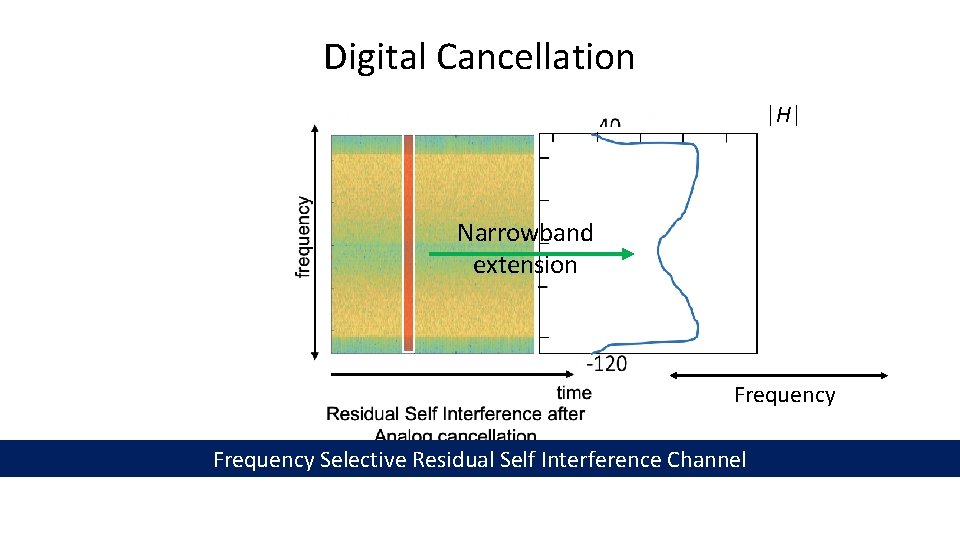
Digital Cancellation |H| Narrowband extension Frequency Selective Residual Self Interference Channel
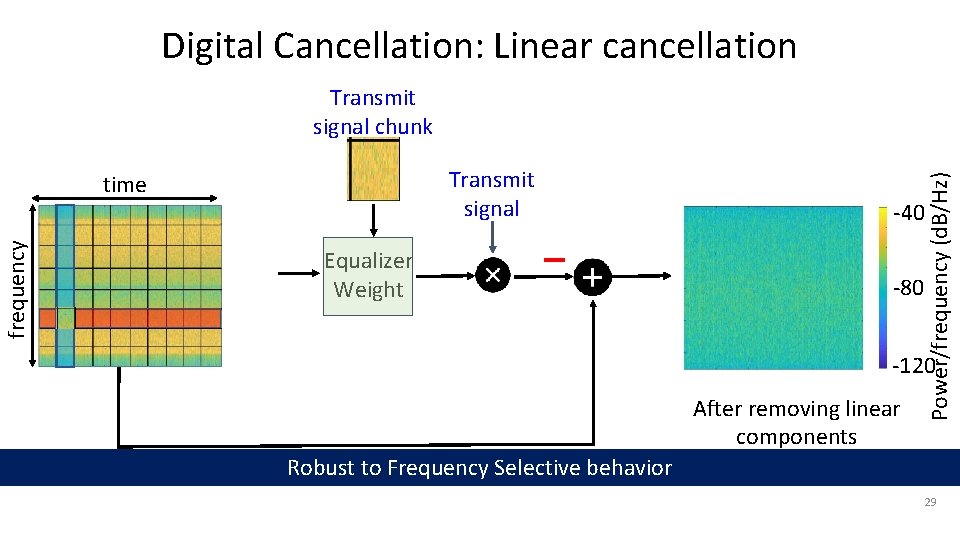
Digital Cancellation: Linear cancellation Transmit signal frequency time Equalizer Weight Power/frequency (d. B/Hz) Transmit signal chunk -40 -80 -120 After removing linear components Robust to Frequency Selective behavior 29
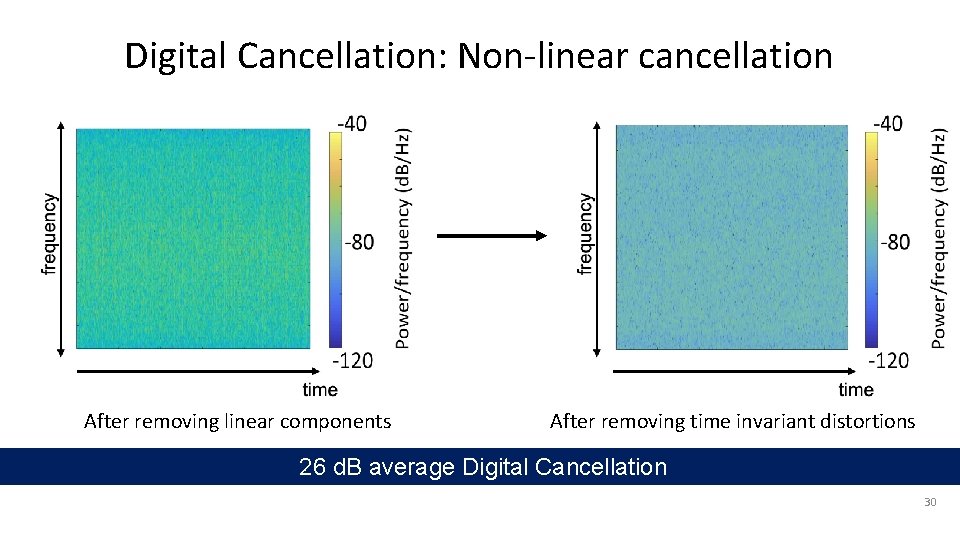
Digital Cancellation: Non-linear cancellation After removing linear components After removing time invariant distortions 26 d. B average Digital Cancellation 30
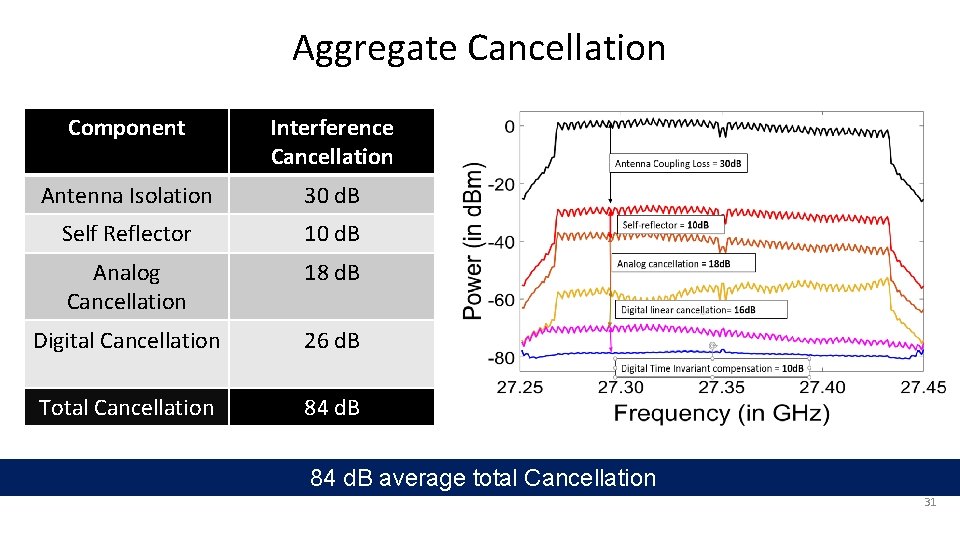
Aggregate Cancellation Component Interference Cancellation Antenna Isolation 30 d. B Self Reflector 10 d. B Analog Cancellation 18 d. B Digital Cancellation 26 d. B Total Cancellation 84 d. B average total Cancellation 31
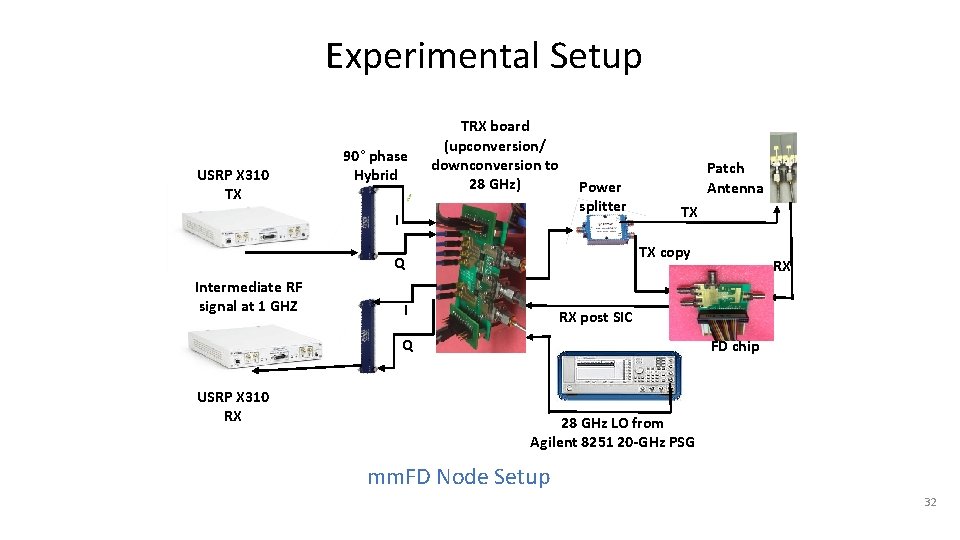
Experimental Setup USRP X 310 TX 90° phase Hybrid TRX board (upconversion/ downconversion to 28 GHz) I Power splitter TX TX copy Q Intermediate RF signal at 1 GHZ Patch Antenna I RX post SIC Q USRP X 310 RX RX FD chip 28 GHz LO from Agilent 8251 20 -GHz PSG mm. FD Node Setup 32
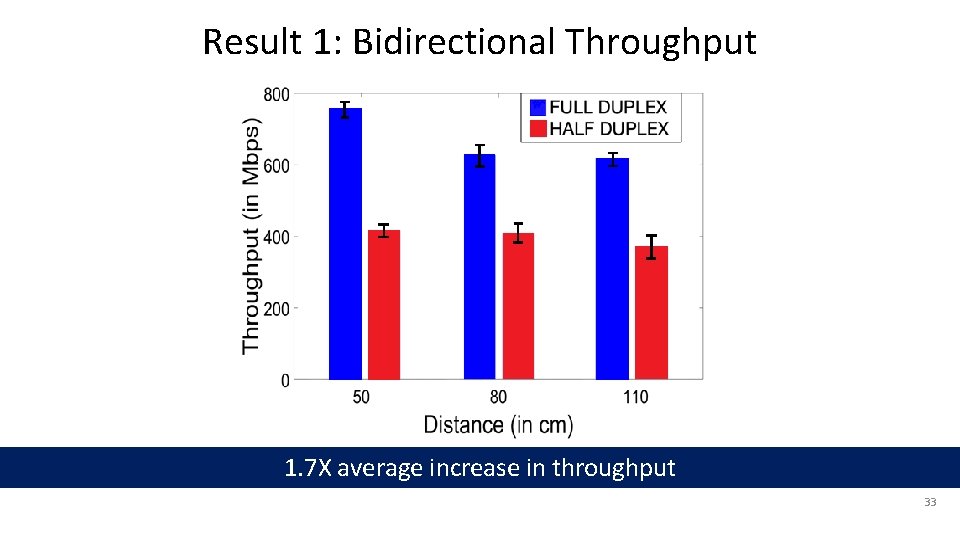
Result 1: Bidirectional Throughput 1. 7 X average increase in throughput 33
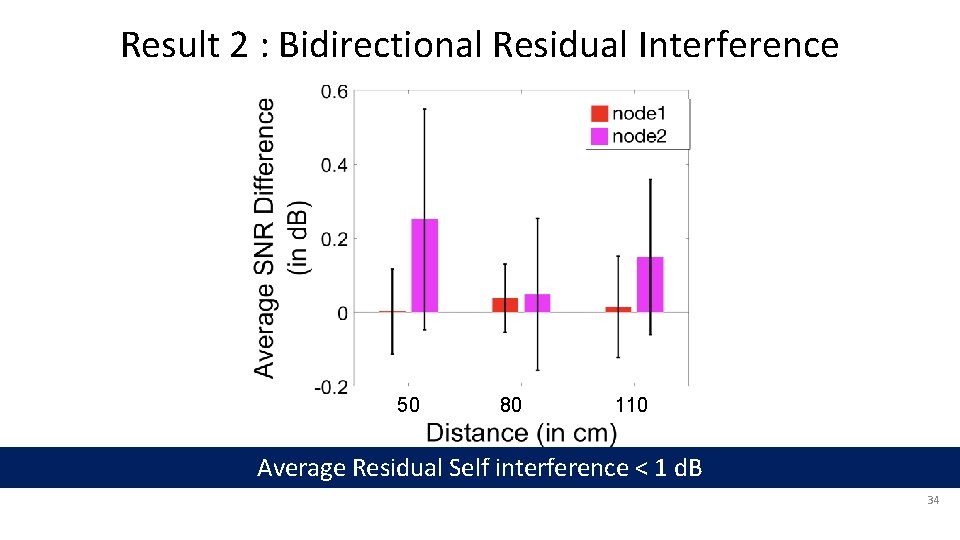
Result 2 : Bidirectional Residual Interference 50 80 110 Average Residual Self interference < 1 d. B 34
Millimeter-Wave Full Duplex Radios • First Bi-directional mm. Wave Full Duplex Link at 28 GHz • Achieves ~84 d. B self average self interference cancellation • 1. 7 X increase in throughput compared to HD systems https: //www. witechlab. com/mmfd. html 35
- Slides: 35