
Millennial solar irradiance forcing Hallstatts cycle in the
- Slides: 21
Millennial solar irradiance forcing (Hallstatt’s cycle) in the terrestrial temperature variations Zharkova V. V. 1, Shepherd S. J. 2 and Popova E. 3 1 – Northumbria University, Newcastle, UK 2 – Le Sorbonne Universite, France 3 - Skolkovo Institute of Science and Technology, Russia
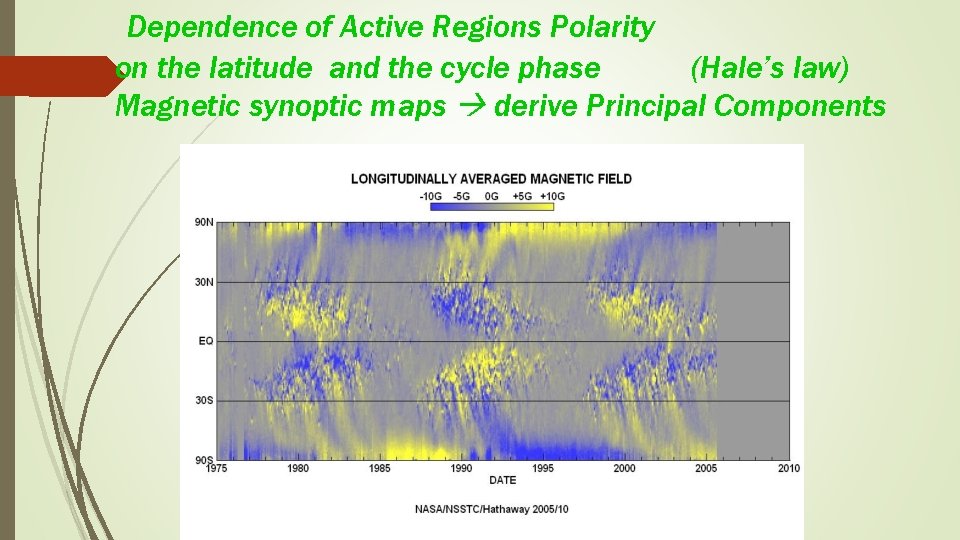
Dependence of Active Regions Polarity on the latitude and the cycle phase (Hale’s law) Magnetic synoptic maps derive Principal Components
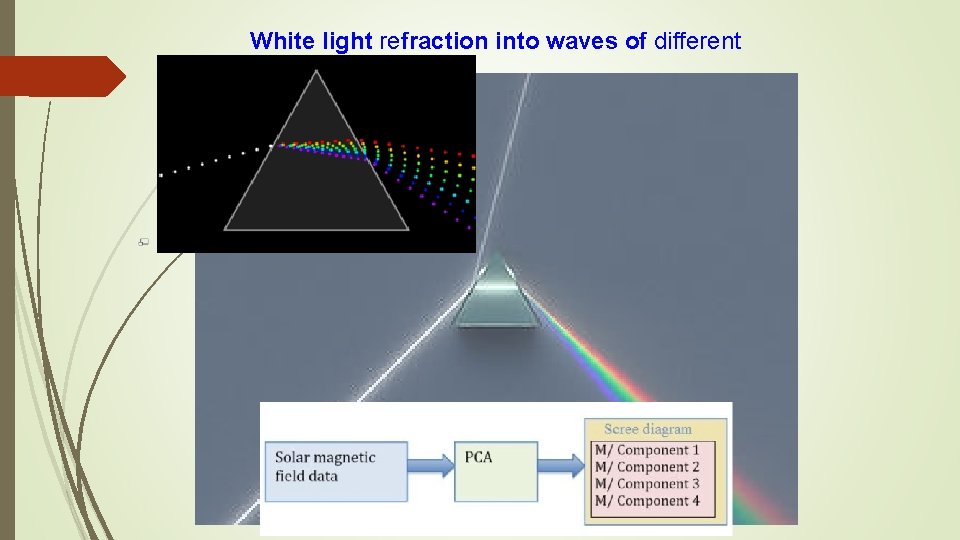
White light refraction into waves of different colours
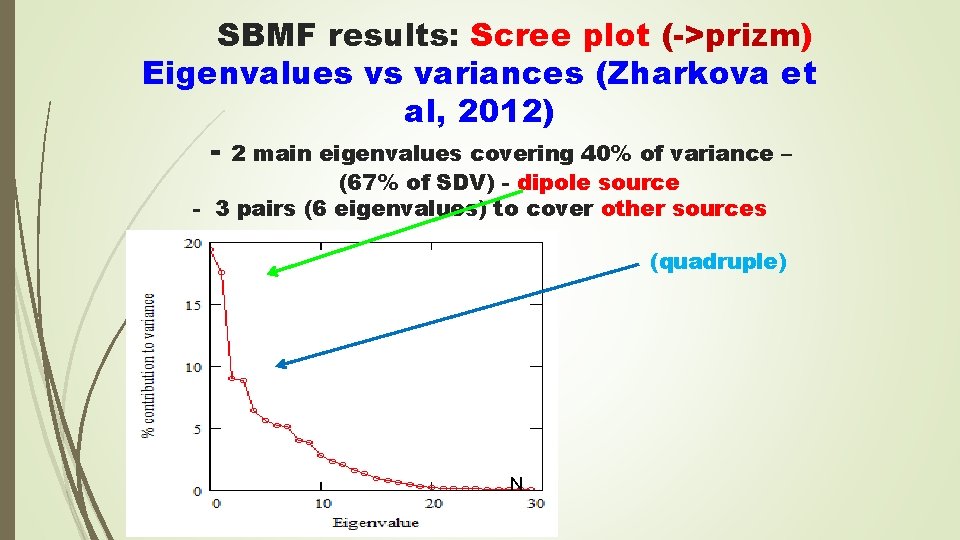
SBMF results: Scree plot (->prizm) Eigenvalues vs variances (Zharkova et al, 2012) - 2 main eigenvalues covering 40% of variance – (67% of SDV) - dipole source - 3 pairs (6 eigenvalues) to cover other sources (quadruple) N
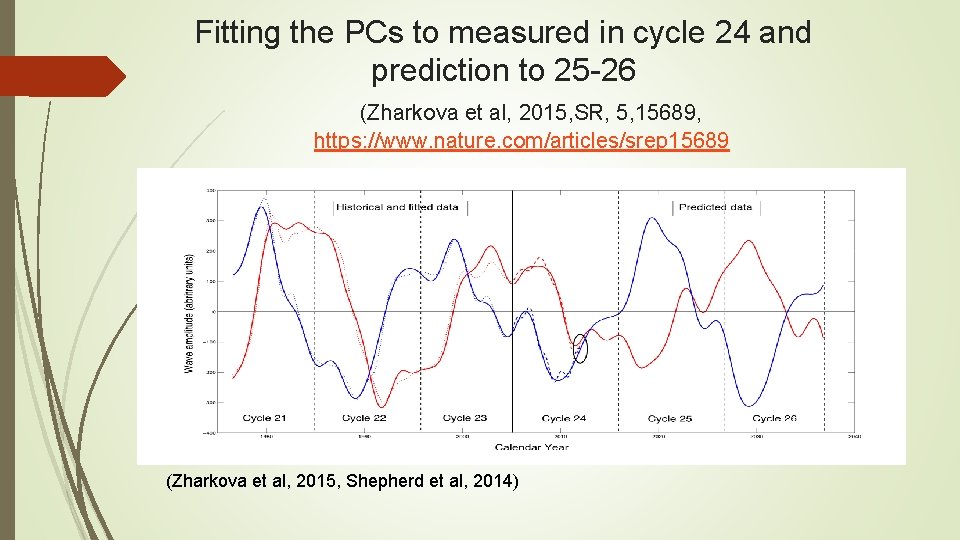
Fitting the PCs to measured in cycle 24 and prediction to 25 -26 (Zharkova et al, 2015, SR, 5, 15689, https: //www. nature. com/articles/srep 15689 (Zharkova et al, 2015, Shepherd et al, 2014)
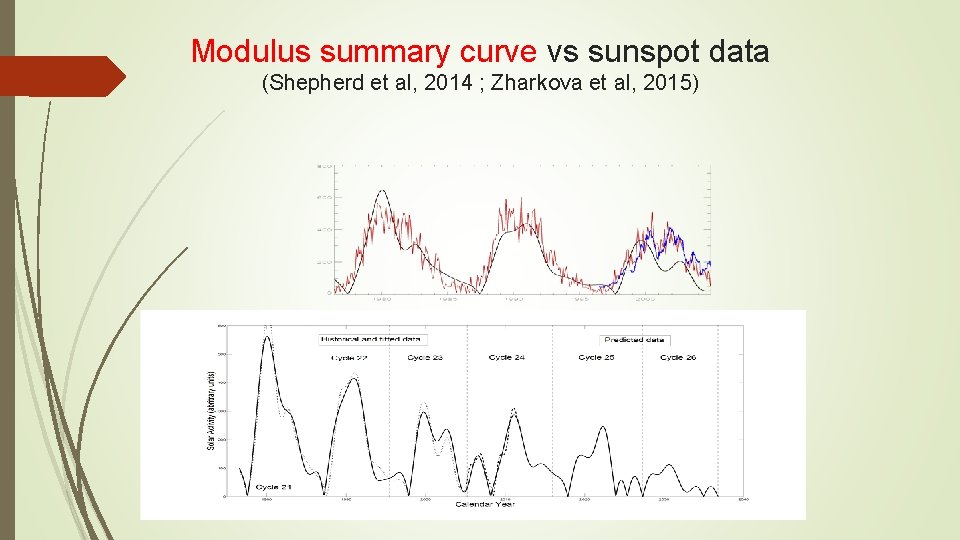
Modulus summary curve vs sunspot data (Shepherd et al, 2014 ; Zharkova et al, 2015)
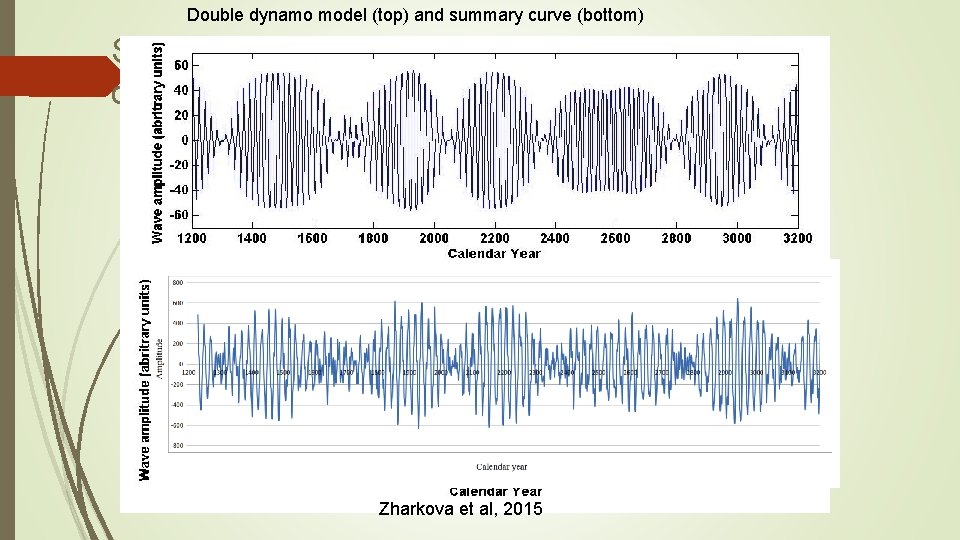
Double dynamo model (top) and summary curve (bottom) Summary dynamo wave on the millennium scale (Zharkova et al, 2015, Nature SR) Zharkova et al, 2015
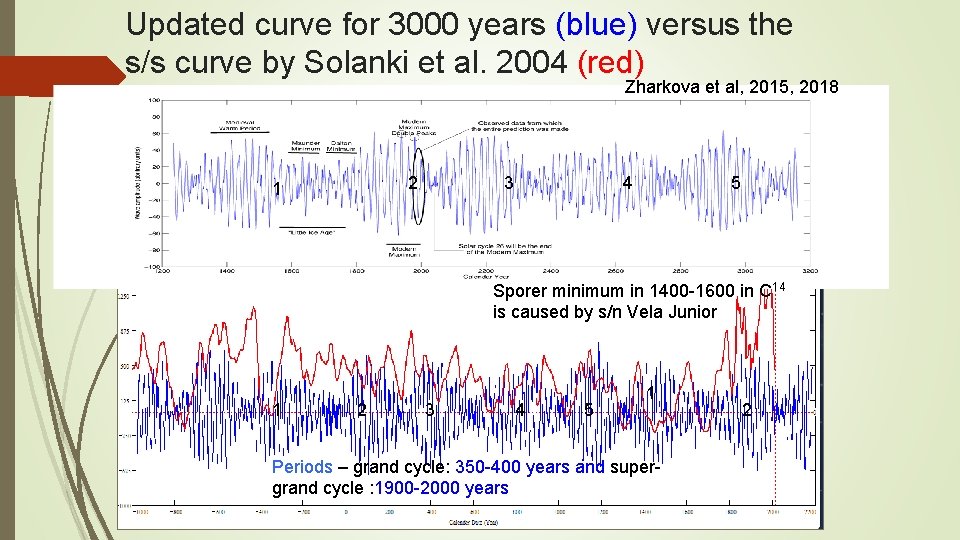
Updated curve for 3000 years (blue) versus the s/s curve by Solanki et al. 2004 (red) Zharkova et al, 2015, 2018 2 1 3 4 5 Sporer minimum in 1400 -1600 in C 14 is caused by s/n Vela Junior 1 2 3 4 5 1 Periods – grand cycle: 350 -400 years and supergrand cycle : 1900 -2000 years 2
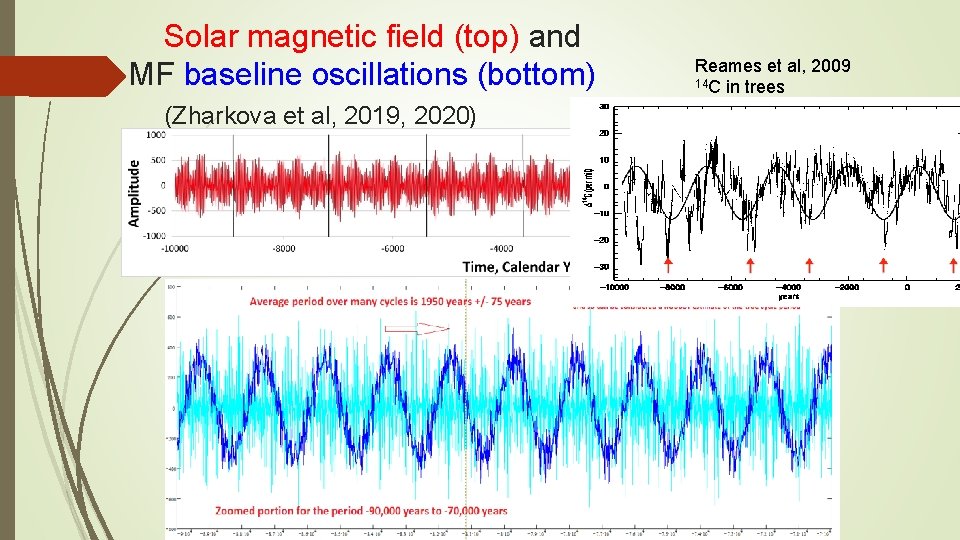
Solar magnetic field (top) and MF baseline oscillations (bottom) (Zharkova et al, 2019, 2020) Reames et al, 2009 14 C in trees
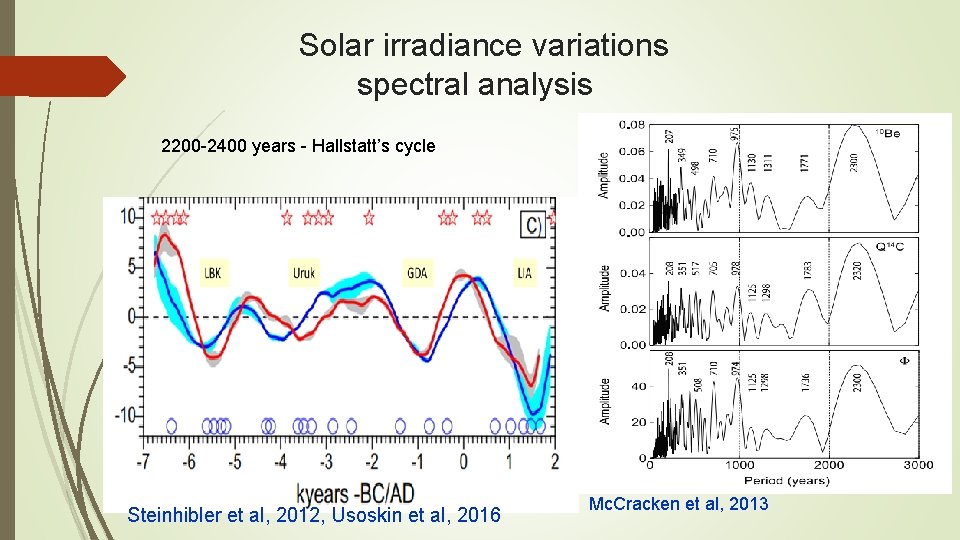
Solar irradiance variations spectral analysis 2200 -2400 years - Hallstatt’s cycle Steinhibler et al, 2012, Usoskin et al, 2016 Mc. Cracken et al, 2013
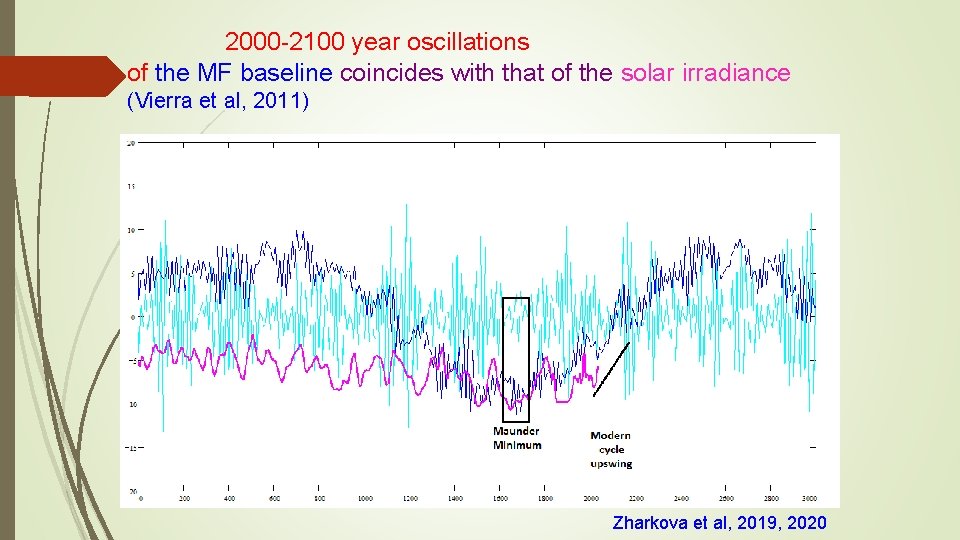
2000 -2100 year oscillations of the MF baseline coincides with that of the solar irradiance (Vierra et al, 2011) Zharkova et al, 2019, 2020
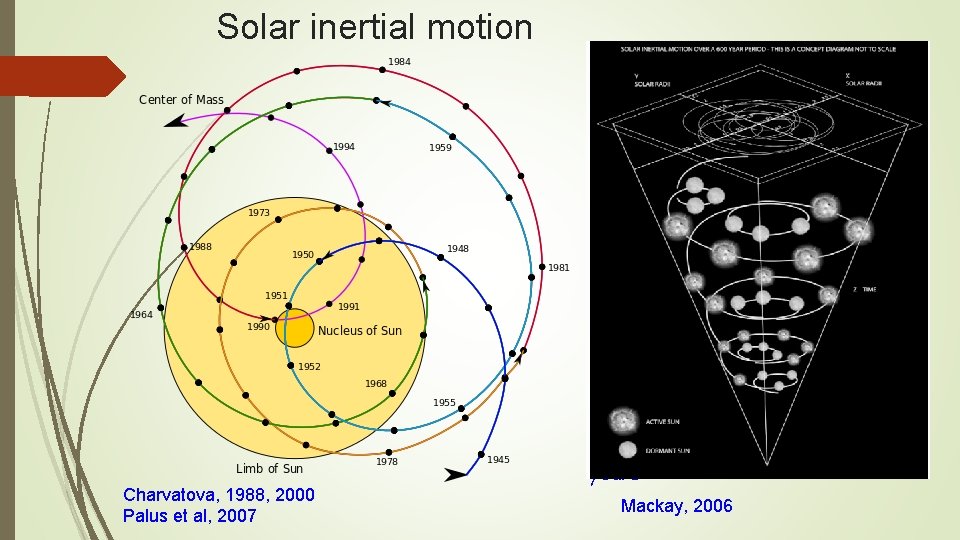
Solar inertial motion Sun’s axial rotation (or spin) changes due to changes in the Sun’s orbital revolution (speed along its orbit about the solar system barycenter) because of the varying distance from the barycenter Period of one trifall – ~370 years Charvatova, 1988, 2000 Palus et al, 2007 Full repeat – ~2200 years Mackay, 2006
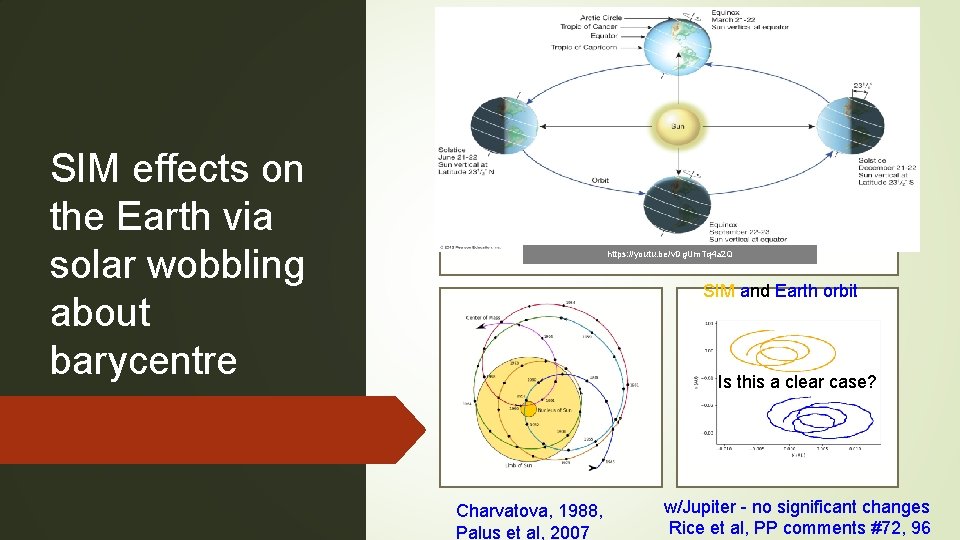
SIM effects on the Earth via solar wobbling about barycentre https: //youtu. be/v. Dg. Um. Tq 4 a 2 Q SIM and Earth orbit Is this a clear case? Charvatova, 1988, Palus et al, 2007 w/Jupiter - no significant changes Rice et al, PP comments #72, 96
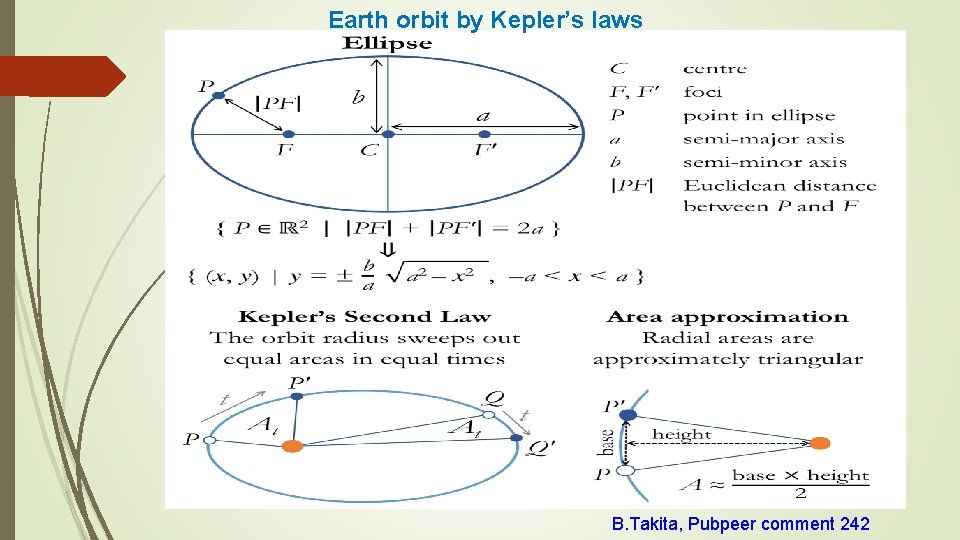
Earth orbit by Kepler’s laws B. Takita, Pubpeer comment 242
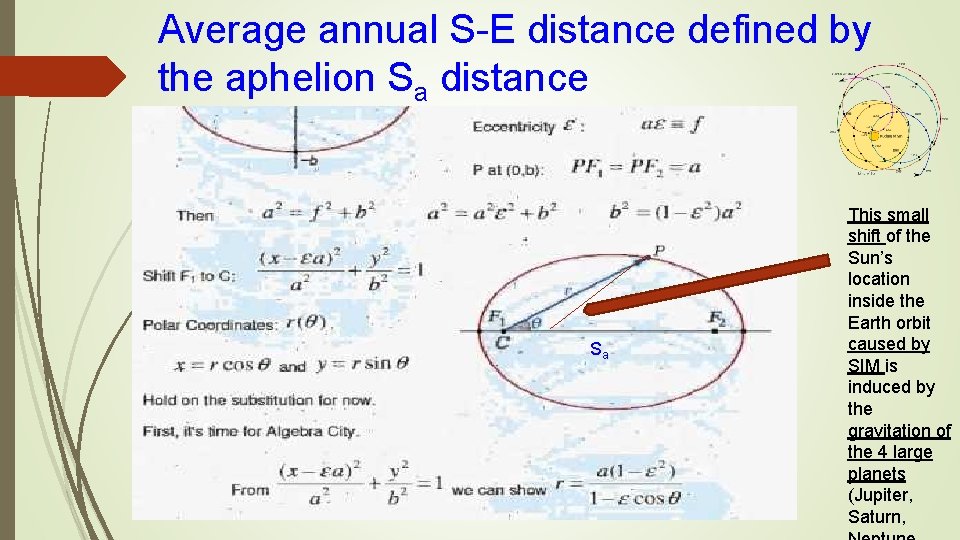
Average annual S-E distance defined by the aphelion Sa distance Sa This small shift of the Sun’s location inside the Earth orbit caused by SIM is induced by the gravitation of the 4 large planets (Jupiter, Saturn,
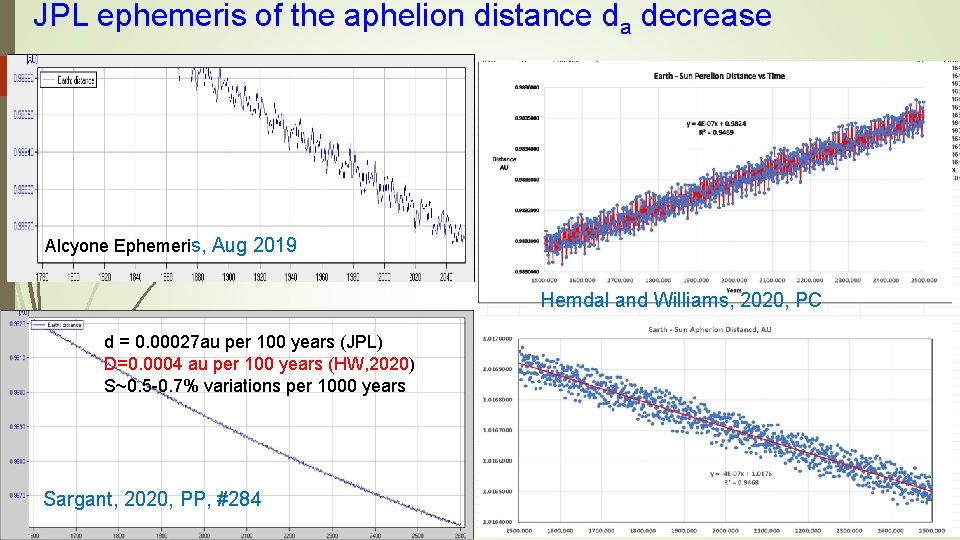
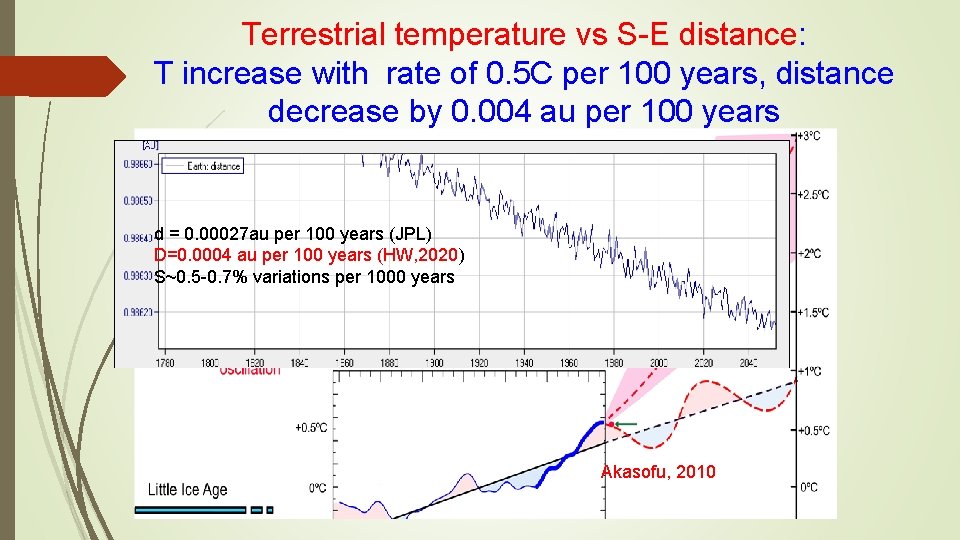
JPL ephemeris of the aphelion distance da decrease Alcyone Ephemeris, Aug 2019 Hemdal and Williams, 2020, PC d = 0. 00027 au per 100 years (JPL) D=0. 0004 au per 100 years (HW, 2020) S~0. 5 -0. 7% variations per 1000 years Sargant, 2020, PP, #284
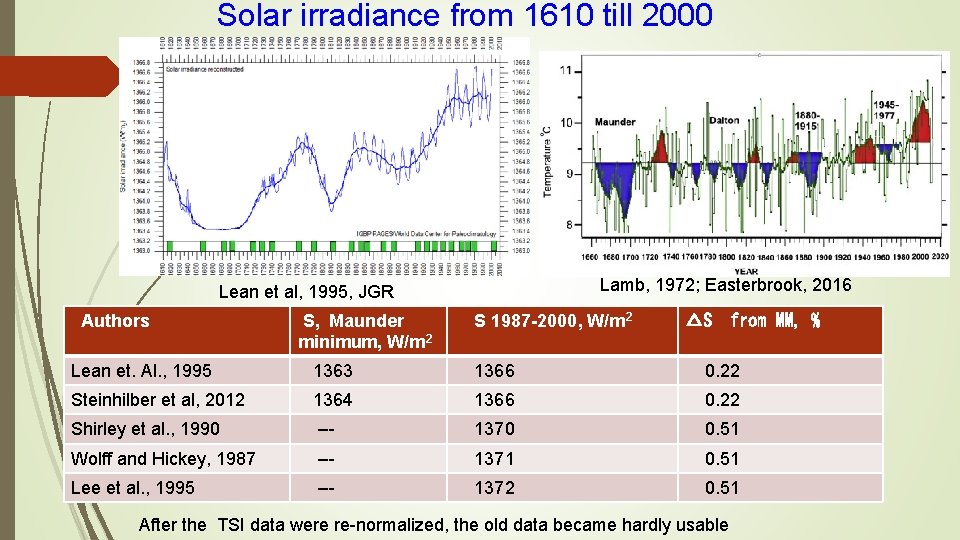
Solar irradiance from 1610 till 2000 Lamb, 1972; Easterbrook, 2016 Lean et al, 1995, JGR Authors S, Maunder minimum, W/m 2 S 1987 -2000, W/m 2 △S from MM, % Lean et. Al. , 1995 1363 1366 0. 22 Steinhilber et al, 2012 1364 1366 0. 22 Shirley et al. , 1990 --- 1370 0. 51 Wolff and Hickey, 1987 --- 1371 0. 51 Lee et al. , 1995 --- 1372 0. 51 After the TSI data were re-normalized, the old data became hardly usable
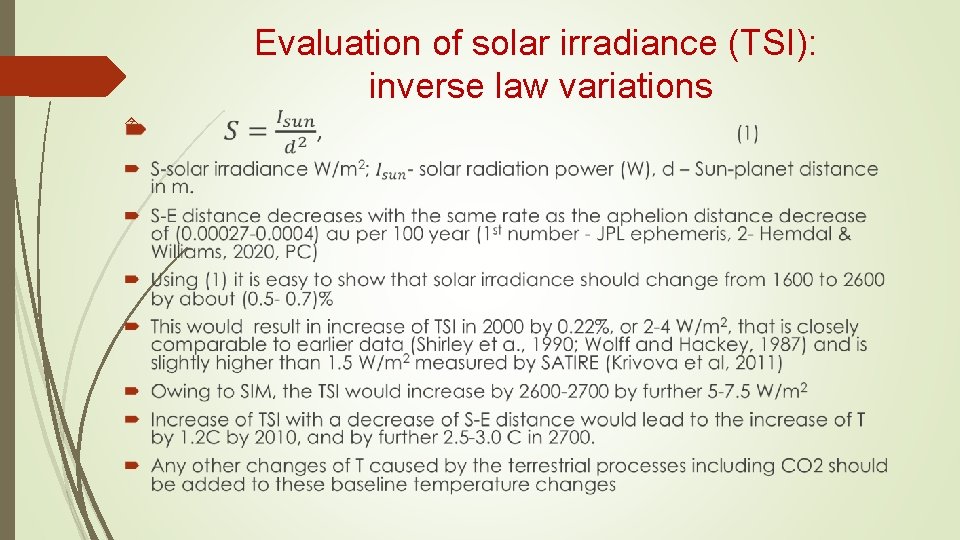
Evaluation of solar irradiance (TSI): inverse law variations
Terrestrial temperature vs S-E distance: T increase with rate of 0. 5 C per 100 years, distance decrease by 0. 004 au per 100 years d = 0. 00027 au per 100 years (JPL) D=0. 0004 au per 100 years (HW, 2020) S~0. 5 -0. 7% variations per 1000 years Akasofu, 2010
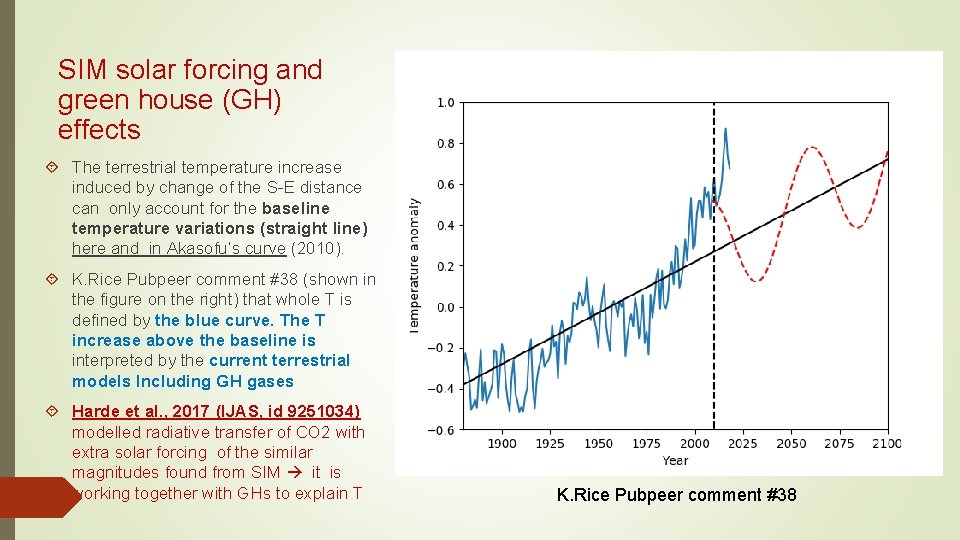
SIM solar forcing and green house (GH) effects The terrestrial temperature increase induced by change of the S-E distance can only account for the baseline temperature variations (straight line) here and in Akasofu’s curve (2010). K. Rice Pubpeer comment #38 (shown in the figure on the right) that whole T is defined by the blue curve. The T increase above the baseline is interpreted by the current terrestrial models Including GH gases Harde et al. , 2017 (IJAS, id 9251034) modelled radiative transfer of CO 2 with extra solar forcing of the similar magnitudes found from SIM it is working together with GHs to explain T K. Rice Pubpeer comment #38
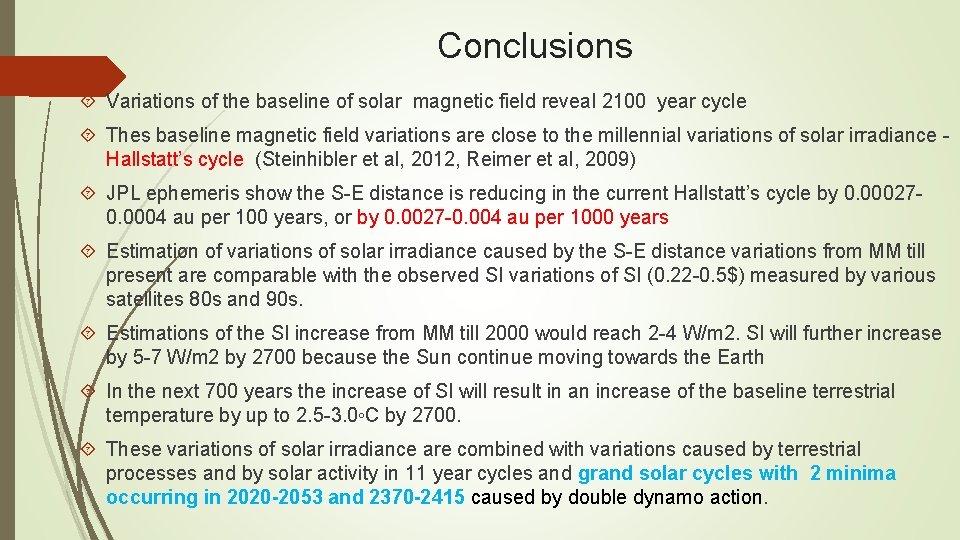
Conclusions Variations of the baseline of solar magnetic field reveal 2100 year cycle Thes baseline magnetic field variations are close to the millennial variations of solar irradiance Hallstatt’s cycle (Steinhibler et al, 2012, Reimer et al, 2009) JPL ephemeris show the S-E distance is reducing in the current Hallstatt’s cycle by 0. 000270. 0004 au per 100 years, or by 0. 0027 -0. 004 au per 1000 years Estimation of variations of solar irradiance caused by the S-E distance variations from MM till present are comparable with the observed SI variations of SI (0. 22 -0. 5$) measured by various satellites 80 s and 90 s. Estimations of the SI increase from MM till 2000 would reach 2 -4 W/m 2. SI will further increase by 5 -7 W/m 2 by 2700 because the Sun continue moving towards the Earth In the next 700 years the increase of SI will result in an increase of the baseline terrestrial temperature by up to 2. 5 -3. 0◦C by 2700. These variations of solar irradiance are combined with variations caused by terrestrial processes and by solar activity in 11 year cycles and grand solar cycles with 2 minima occurring in 2020 -2053 and 2370 -2415 caused by double dynamo action.