
Migration Facts and theory Migration The typology migrants
- Slides: 28
Migration Facts and theory
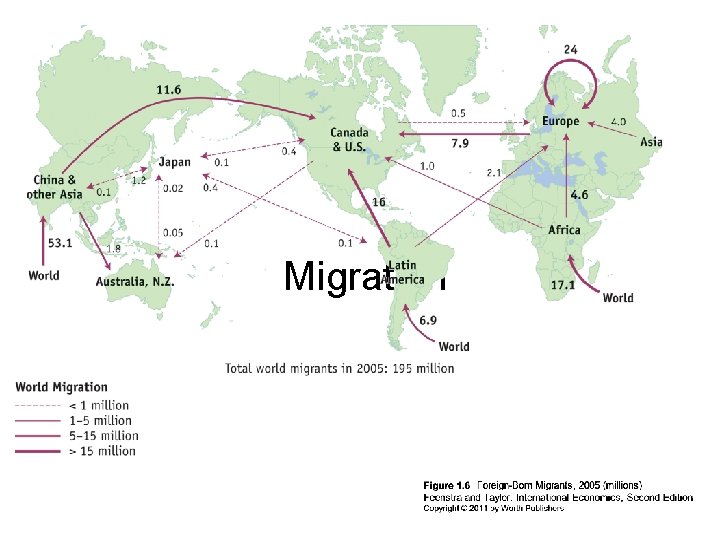
Migration
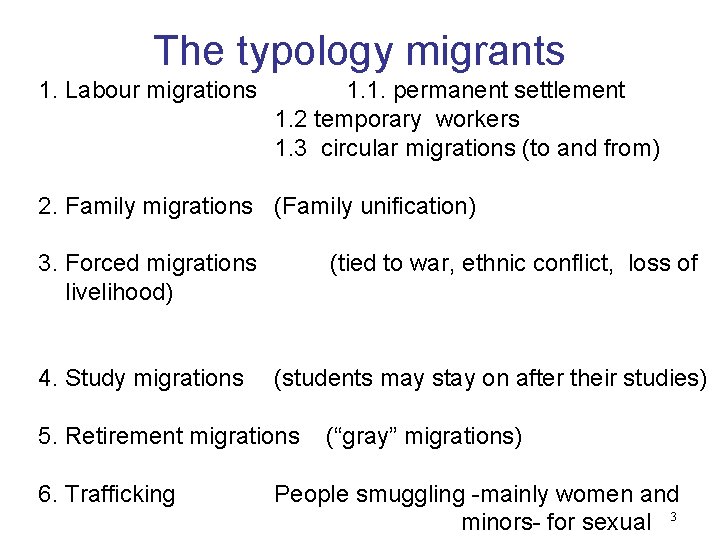
The typology migrants 1. Labour migrations 1. 1. permanent settlement 1. 2 temporary workers 1. 3 circular migrations (to and from) 2. Family migrations (Family unification) 3. Forced migrations livelihood) 4. Study migrations (tied to war, ethnic conflict, loss of (students may stay on after their studies) 5. Retirement migrations 6. Trafficking (“gray” migrations) People smuggling -mainly women and minors- for sexual 3
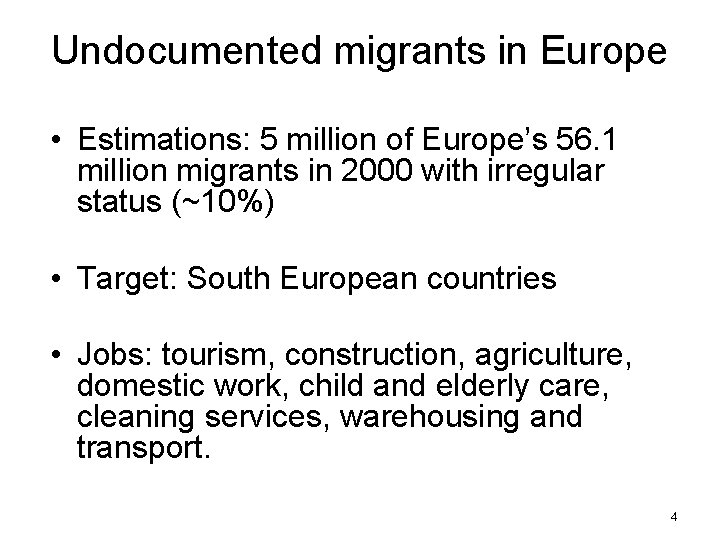
Undocumented migrants in Europe • Estimations: 5 million of Europe’s 56. 1 million migrants in 2000 with irregular status (~10%) • Target: South European countries • Jobs: tourism, construction, agriculture, domestic work, child and elderly care, cleaning services, warehousing and transport. 4
Three directions in EU migration flows • Historical flows immigration countries (FR, BE, DE, NL, UK, SW, DK) • Large numbers of asylum seekers (resulting from conflict in Yugoslavia, Iraq war, Afghanistan, Kosovo) • Post 2000 increasing inflows of East Europeans especially to UK, SW, DK • Comprises of Greece, Italy, Portugal and Spain plus Cyprus and Malta starting get migrants (most of them undocumented in the middle of 90 s) 5
Migration: gender composition • Women: 50% • Case of migration from South America: the number of migrant women exceeded the number of migrant men • In Africa and Asia, migrant men were in the majority. 6
Eastern countries • The East European member states are senders and receivers of migrants • They present young, mostly skilled labour migrants of cultural proximity and ethnic affinity to west-north Europeans. 7
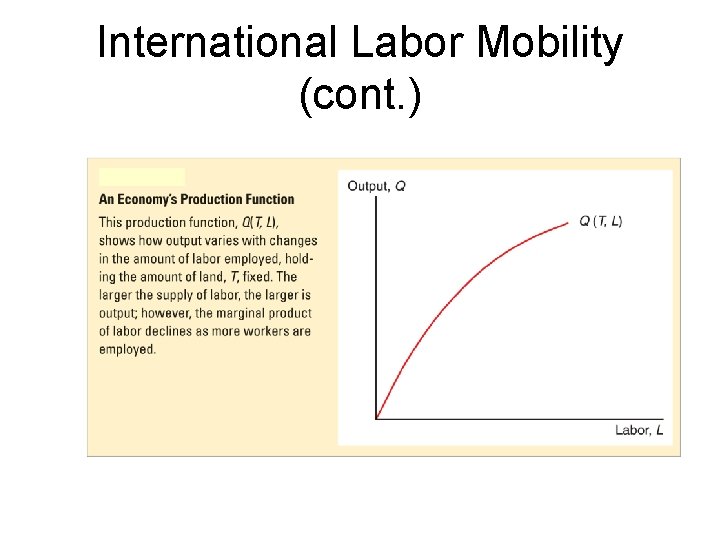
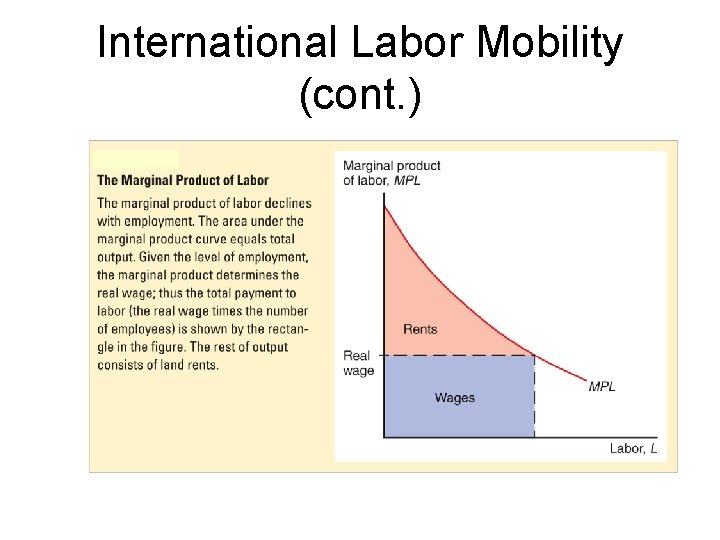
International Labor Mobility (cont. )
International Labor Mobility (cont. )
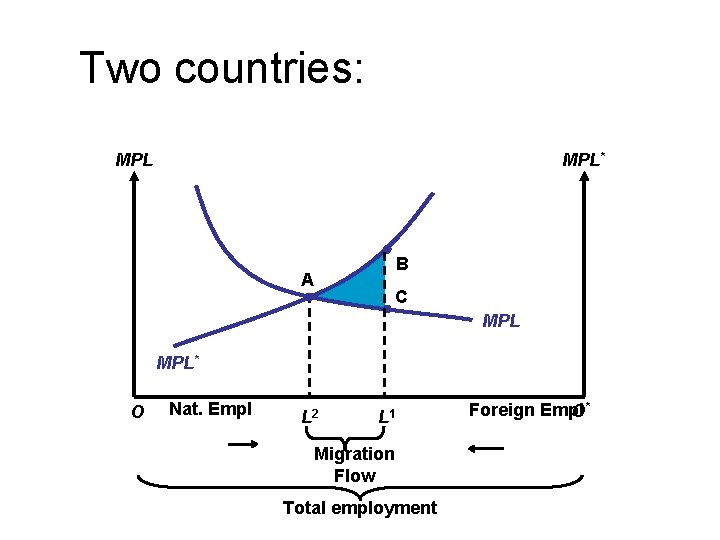
Two countries: MPL* A B C MPL* O Nat. Empl L 2 L 1 Migration Flow Total employment Foreign Empl O*
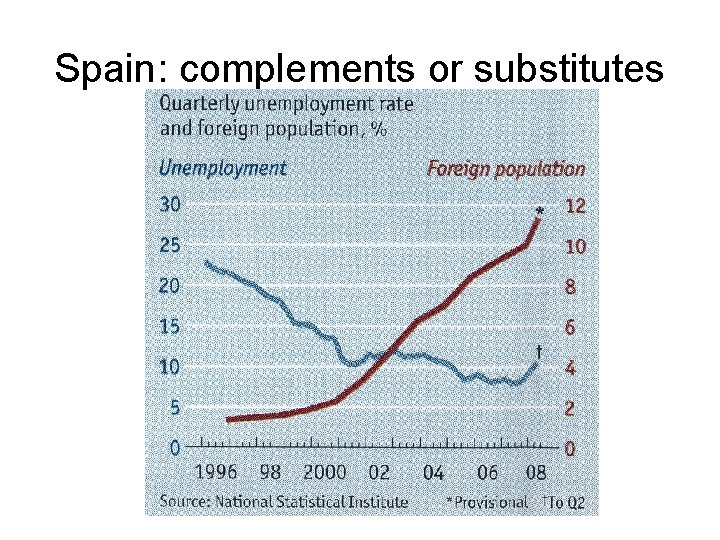
Labor market issues in host countries • Complements or substitutes ? • Something other …
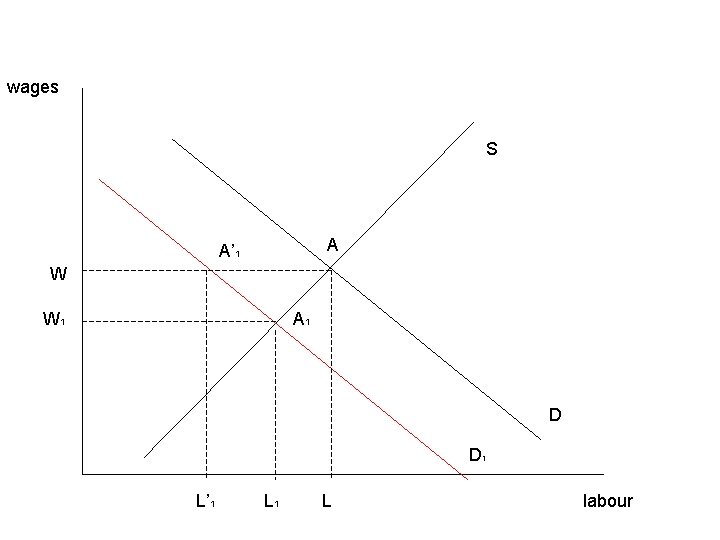
wages S A A’ 1 W W 1 A 1 D D 1 L’ 1 L labour
Economic issues • Migration and remittances • Migration and local development
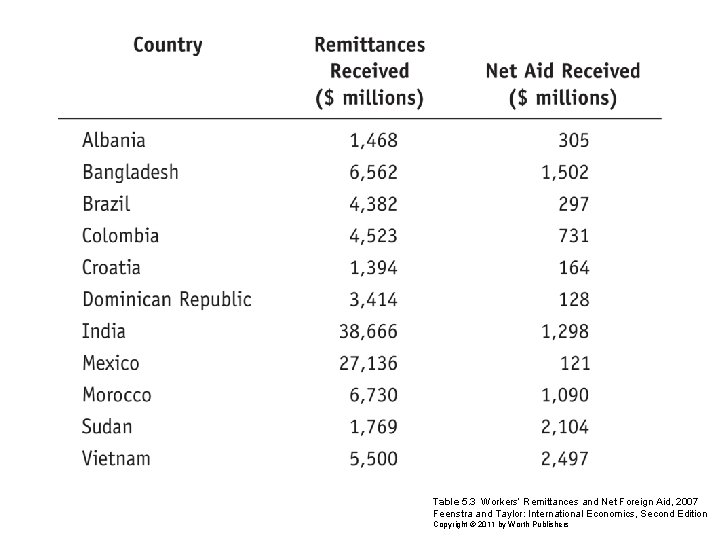
Table 5. 3 Workers’ Remittances and Net Foreign Aid, 2007 Feenstra and Taylor: International Economics, Second Edition Copyright © 2011 by Worth Publishers
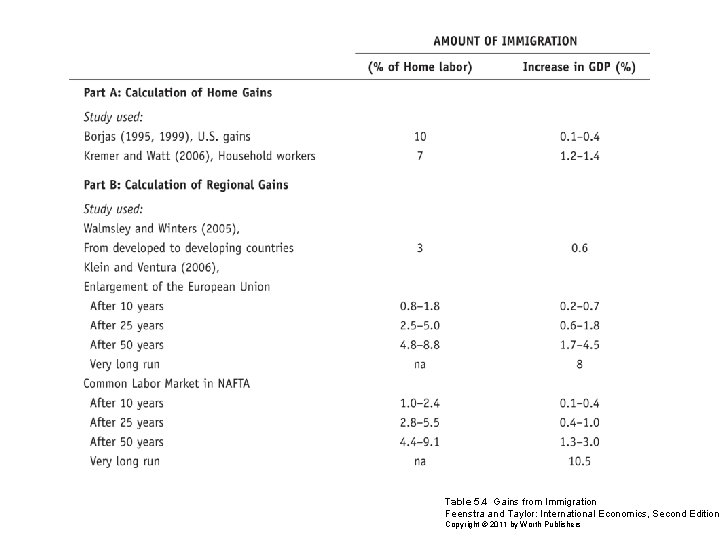
Table 5. 4 Gains from Immigration Feenstra and Taylor: International Economics, Second Edition Copyright © 2011 by Worth Publishers
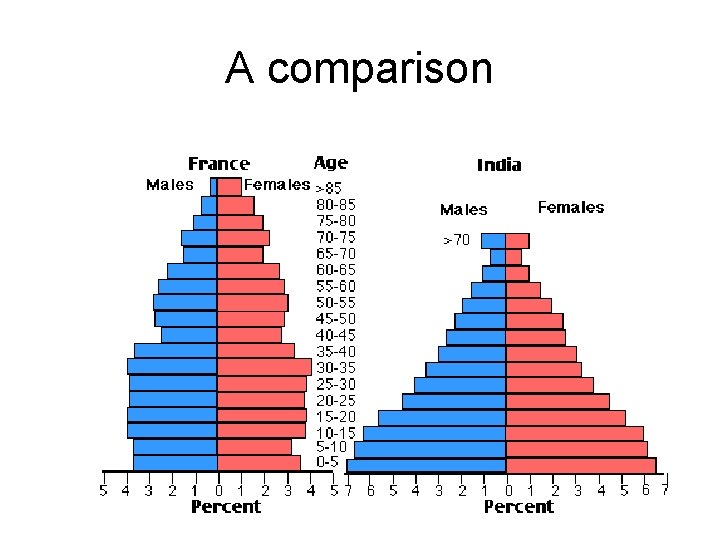
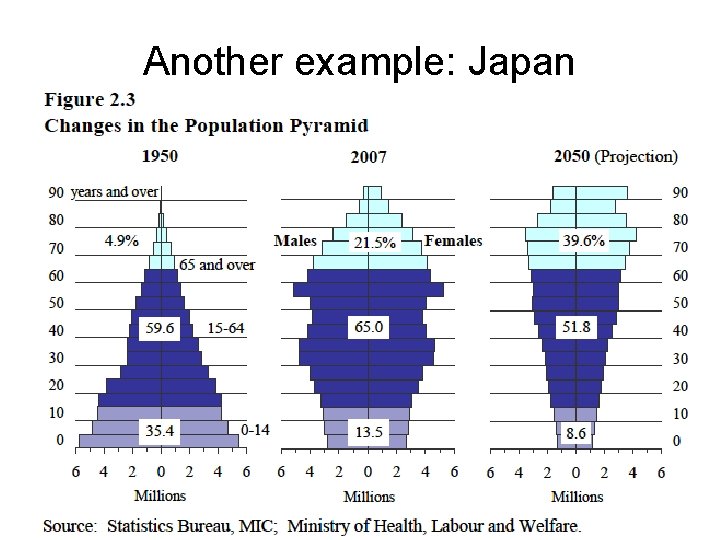
Migration and demography Open issues: • Aging of the population • Fertility
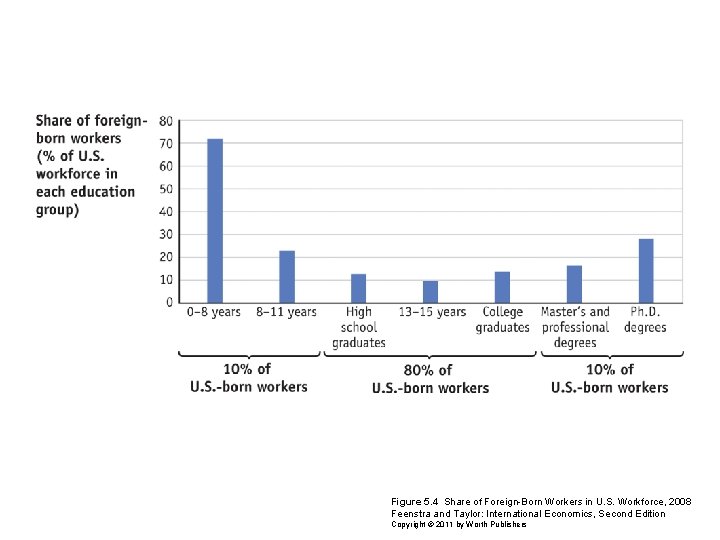
Figure 5. 4 Share of Foreign-Born Workers in U. S. Workforce, 2008 Feenstra and Taylor: International Economics, Second Edition Copyright © 2011 by Worth Publishers
A comparison
Another example: Japan
Population pyramid Brownse this website: http: //populationpyramid. net/
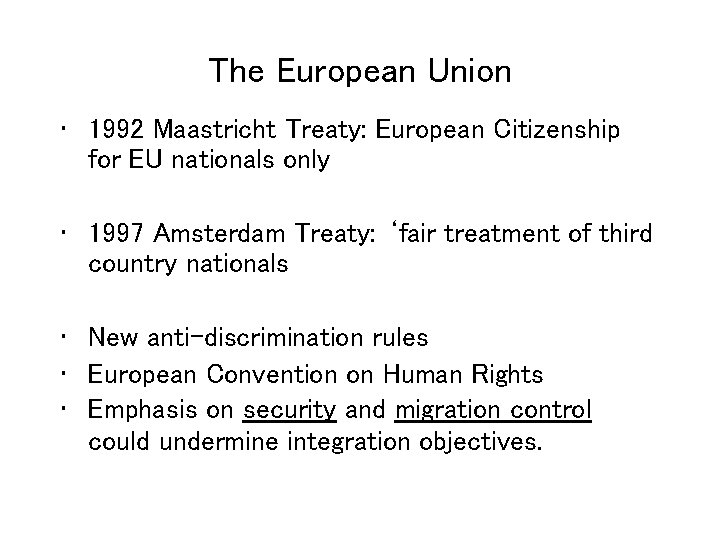
The European Union • 1992 Maastricht Treaty: European Citizenship for EU nationals only • 1997 Amsterdam Treaty: ‘fair treatment of third country nationals • New anti-discrimination rules • European Convention on Human Rights • Emphasis on security and migration control could undermine integration objectives.
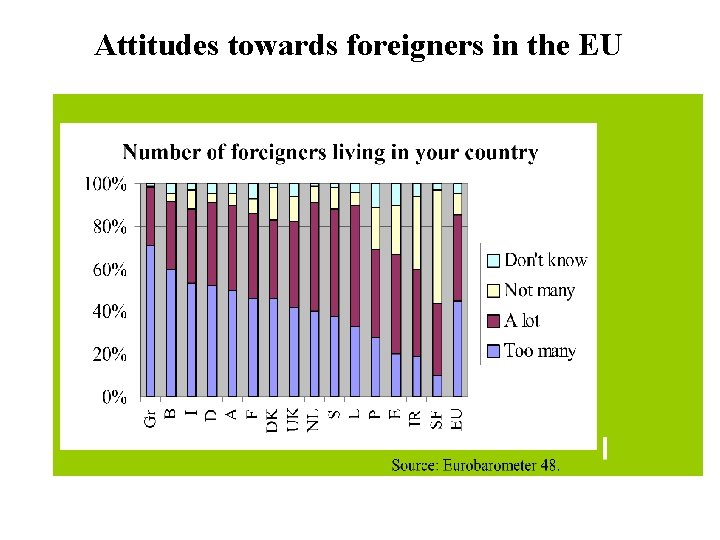
Attitudes towards foreigners in the EU
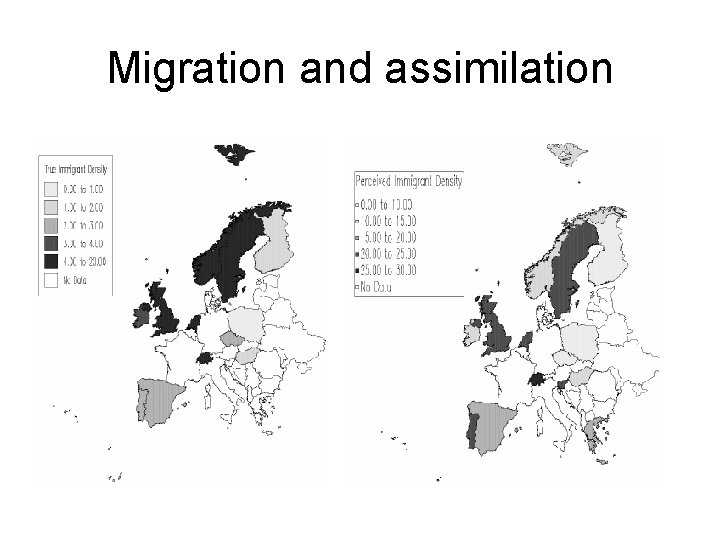
Migration and assimilation
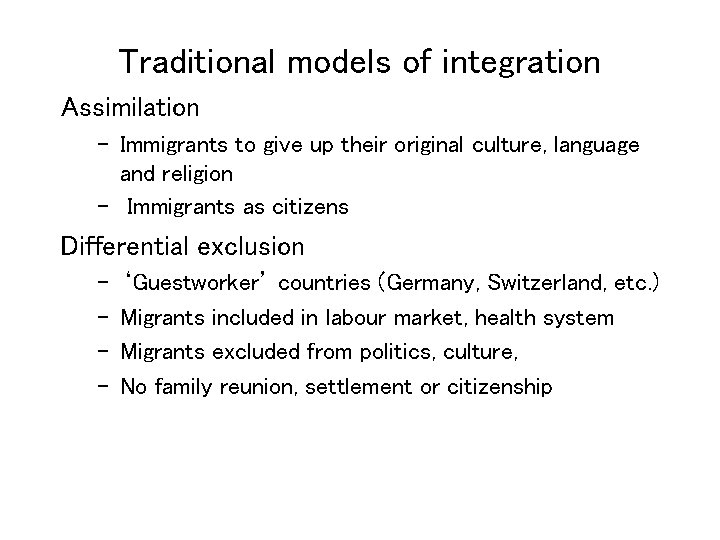
Traditional models of integration Assimilation – Immigrants to give up their original culture, language and religion – Immigrants as citizens Differential exclusion – – ‘Guestworker’ countries (Germany, Switzerland, etc. ) Migrants included in labour market, health system Migrants excluded from politics, culture, No family reunion, settlement or citizenship
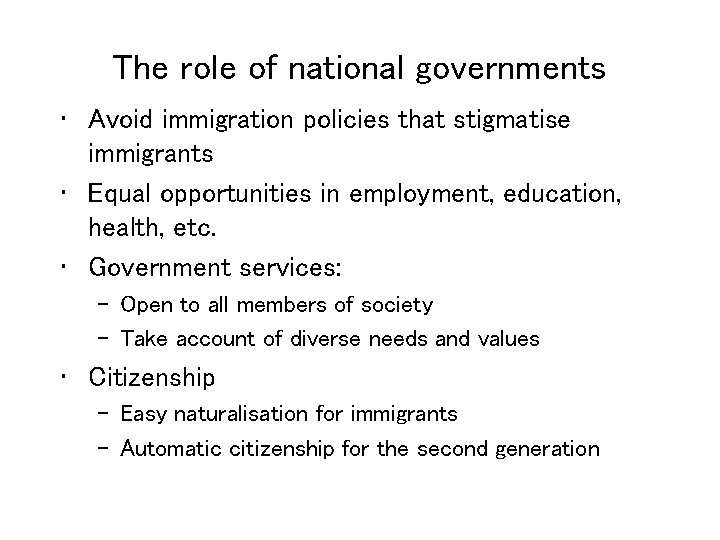
The role of national governments • Avoid immigration policies that stigmatise immigrants • Equal opportunities in employment, education, health, etc. • Government services: – Open to all members of society – Take account of diverse needs and values • Citizenship – Easy naturalisation for immigrants – Automatic citizenship for the second generation
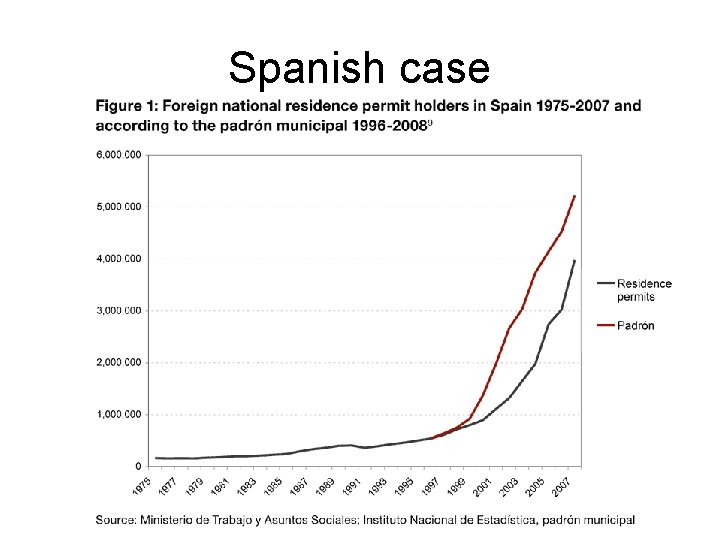
Spanish case
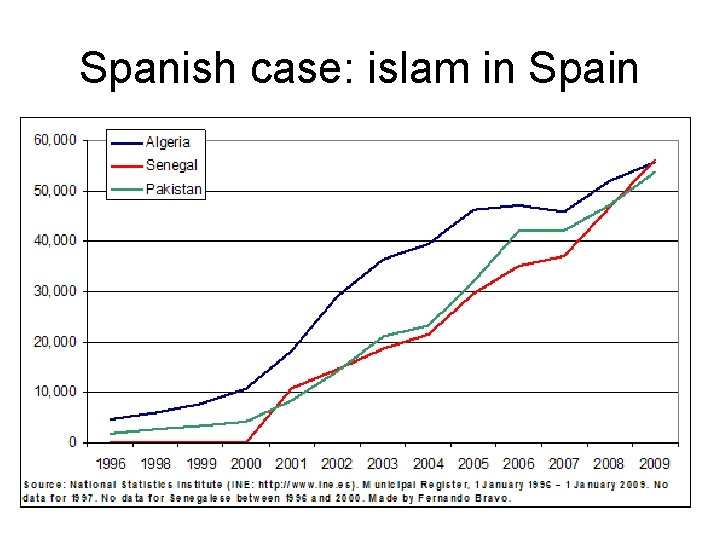
Spanish case: islam in Spain
Spain: complements or substitutes