
Microorganisms What is micro What is an organism
- Slides: 33
Microorganisms What is “micro”? What is an organism?
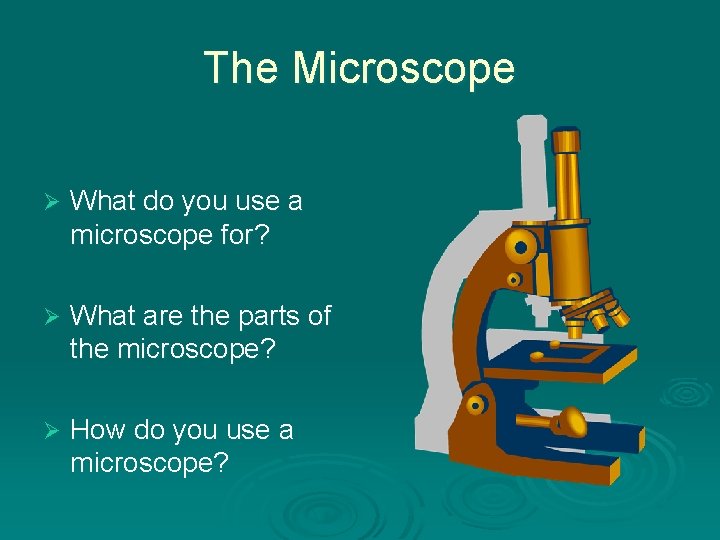
The Microscope Ø What do you use a microscope for? Ø What are the parts of the microscope? Ø How do you use a microscope?
Characteristics of Living Things 1. 2. 3. 4. 5. 6. Made up of cells Responds to environment Reproduces Grow and develop Use energy Adapts
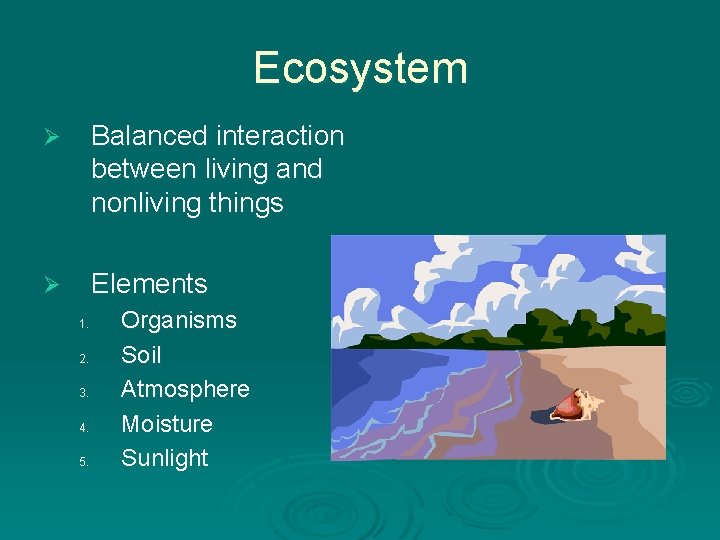
Ecosystem Ø Balanced interaction between living and nonliving things Ø Elements 1. 2. 3. 4. 5. Organisms Soil Atmosphere Moisture Sunlight
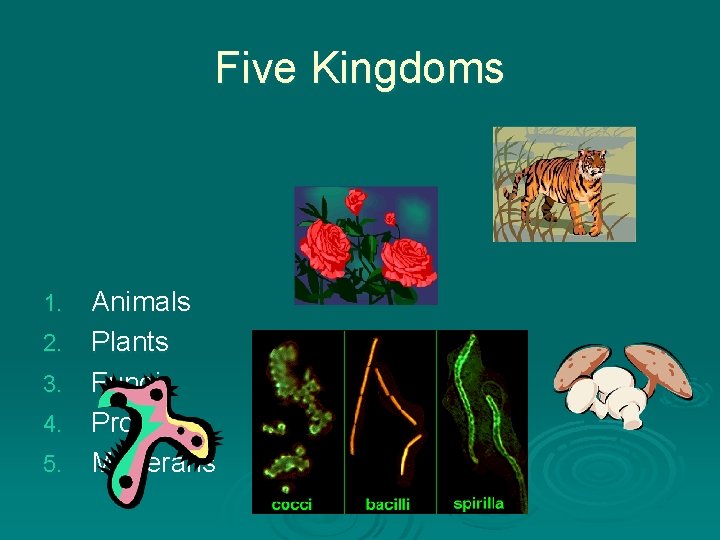
Five Kingdoms 1. 2. 3. 4. 5. Animals Plants Fungi Protists Monerans
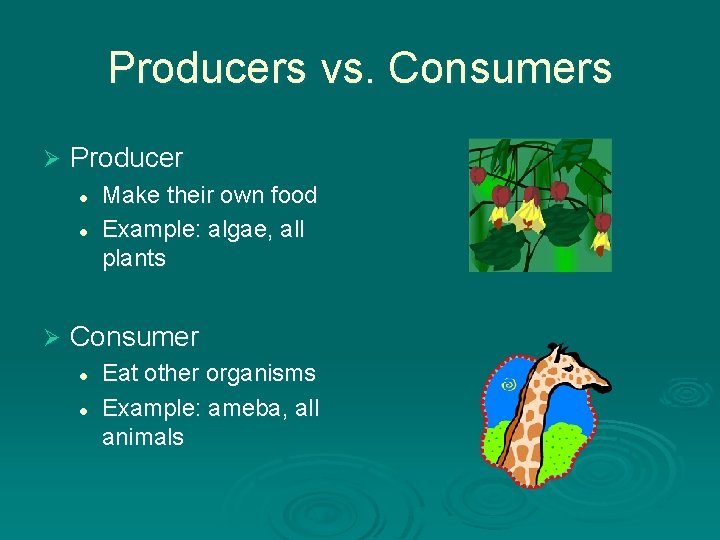
Producers vs. Consumers Ø Producer l l Ø Make their own food Example: algae, all plants Consumer l l Eat other organisms Example: ameba, all animals
Protists One or more cells Eukaryote: has nucleus Live in moist places
Three types of Protists Ø Fungus-Like Ø Plant-Like Ø Animal-Like
Fungus-Like Protists Ø Have cell walls Ø Use spores to reproduce Ø Can move some time in their lives Ø Examples l l Water molds Slime molds
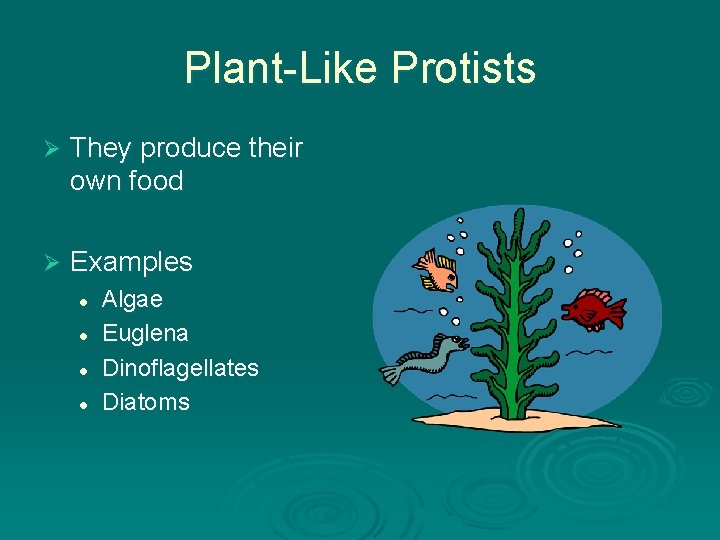
Plant-Like Protists Ø They produce their own food Ø Examples l l Algae Euglena Dinoflagellates Diatoms
Animal-Like Protists Ø They move from place to obtain food Ø Examples l l Amoebae Paramecium
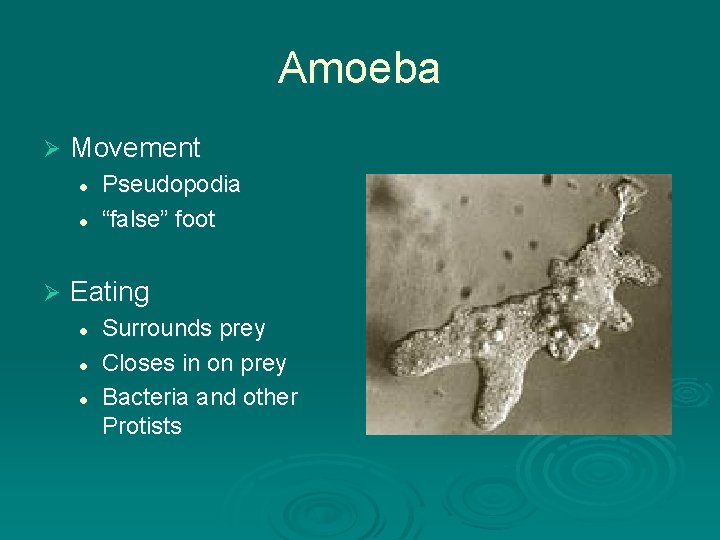
Amoeba Ø Movement l l Ø Pseudopodia “false” foot Eating l l l Surrounds prey Closes in on prey Bacteria and other Protists
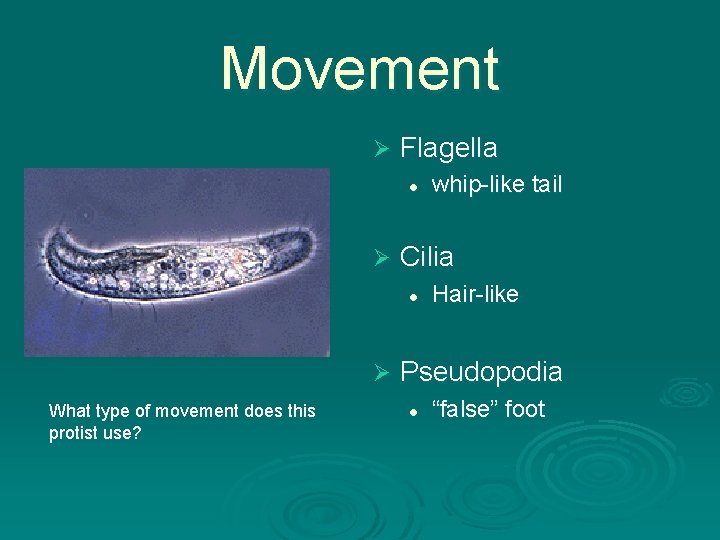
Movement Ø Flagella l Ø Cilia l Ø What type of movement does this protist use? whip-like tail Hair-like Pseudopodia l “false” foot
Monerans Simple, Single-Celled Organisms Prokaryote: no nucleus
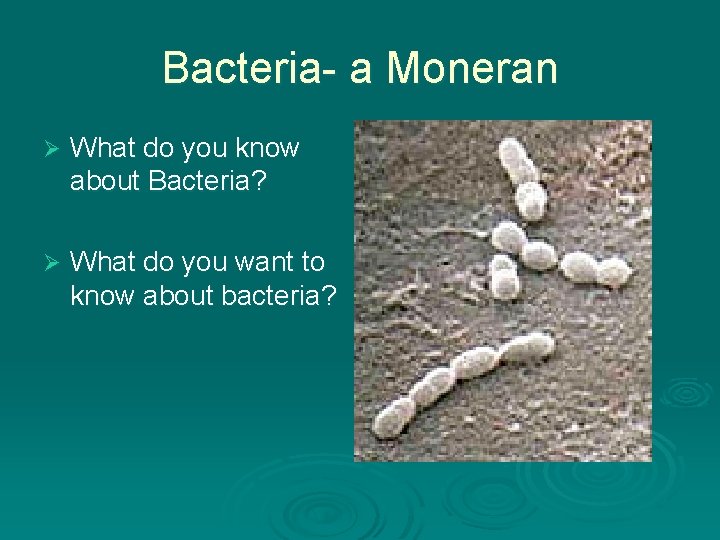
Bacteria- a Moneran Ø What do you know about Bacteria? Ø What do you want to know about bacteria?
Helpful Bacteria Oil-Eating Ø Decomposers- Breakdown organisms Ø Helps digest food Ø Produce methane, a natural gas Ø Food: cheese, yogurt, apple cider, buttermilk Ø Help make medicines Ø
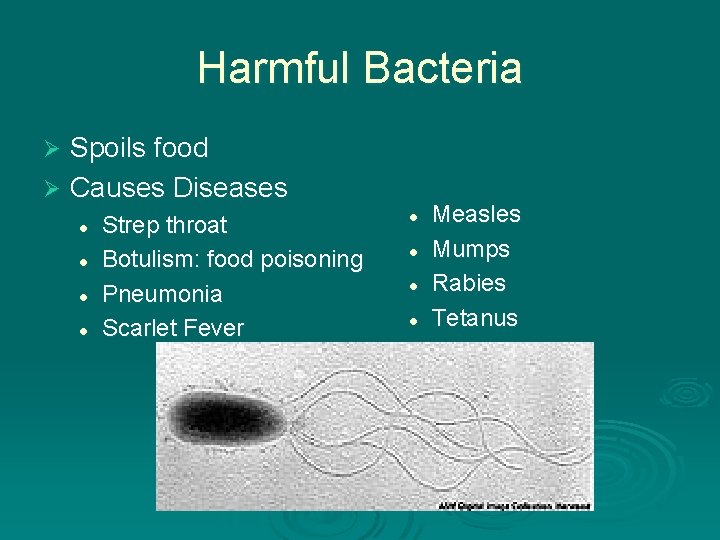
Harmful Bacteria Spoils food Ø Causes Diseases Ø l l Strep throat Botulism: food poisoning Pneumonia Scarlet Fever l l Measles Mumps Rabies Tetanus
Controlling Bacteria Heating Ø Refrigerating Ø Drying Ø Salting Ø Smoking Ø Pasteurization Ø Vacuum packed Ø Using Chemicals (cleaning) Ø Antibodies (medicine such as penicillin) Ø
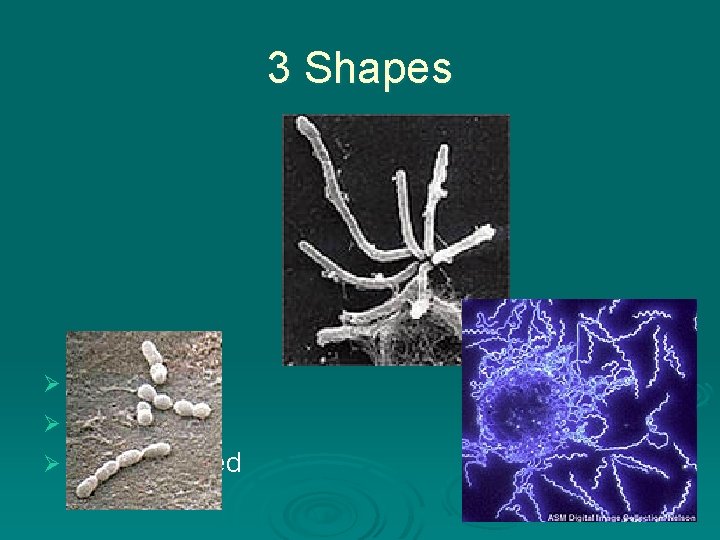
3 Shapes Ball shaped Ø Rod shaped Ø Spiral shaped Ø
Where do they live? Ø Live everywhere Ø Can live in temperatures way below freezing and well above boiling Ø Interesting Facts Each square centimeter of your skin averages about 100, 000 bacteria. l A single teaspoon of topsoil contains more than a billion (1, 000, 000) bacteria. l
Fungi Many Celled Organisms Eukaryote: has nucleus Lives in moist places Reproduces using spores
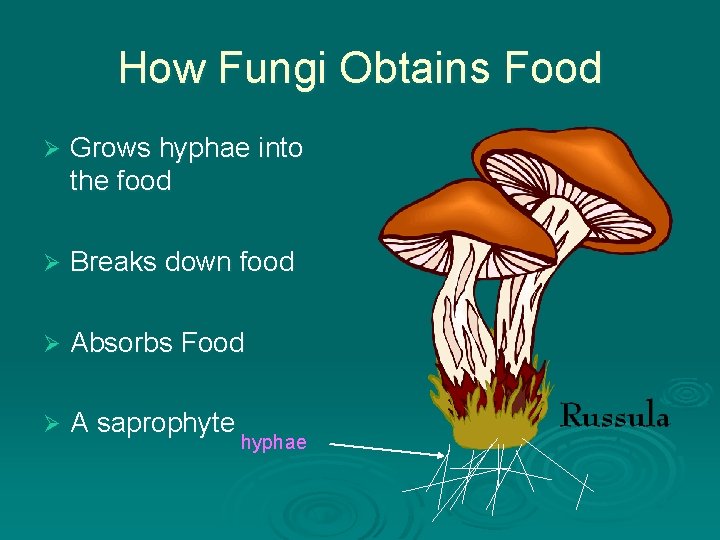
How Fungi Obtains Food Ø Grows hyphae into the food Ø Breaks down food Ø Absorbs Food Ø A saprophyte hyphae
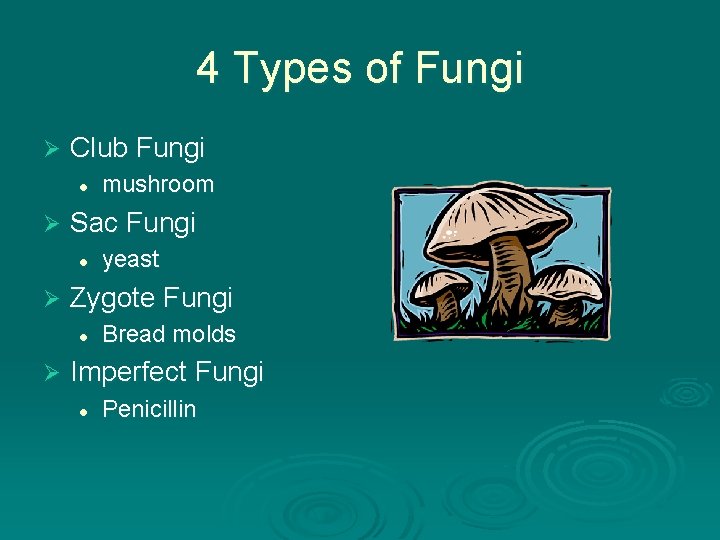
4 Types of Fungi Ø Club Fungi l Ø Sac Fungi l Ø yeast Zygote Fungi l Ø mushroom Bread molds Imperfect Fungi l Penicillin
Helpful Fungi Decomposer: break down dead organisms Ø Food: yeast breads, cheeses, mushrooms Ø Help plants grow with hyphae networks Ø Penicillin: fights bacterial diseases Ø
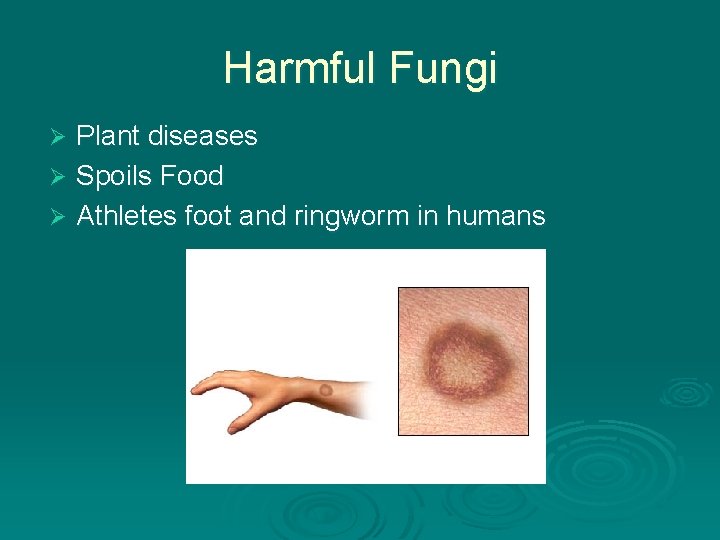
Harmful Fungi Plant diseases Ø Spoils Food Ø Athletes foot and ringworm in humans Ø
Scientists
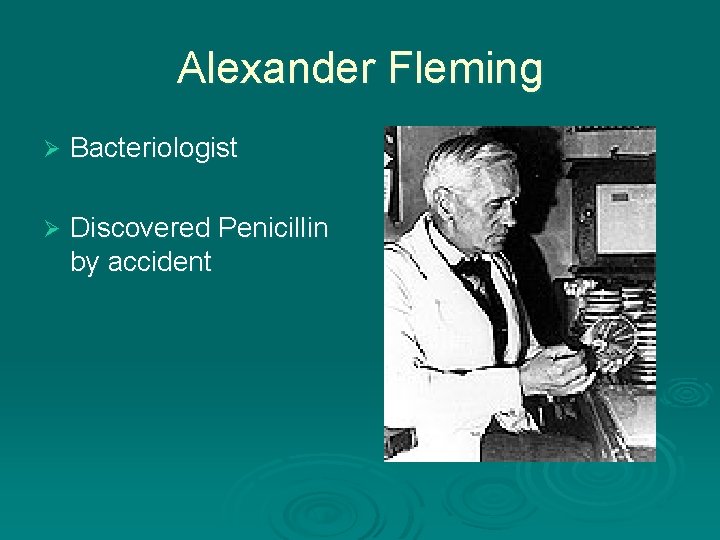
Alexander Fleming Ø Bacteriologist Ø Discovered Penicillin by accident
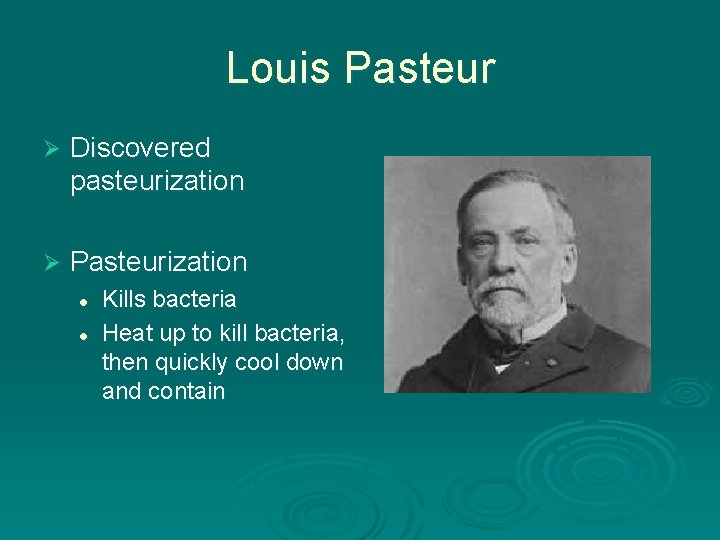
Louis Pasteur Ø Discovered pasteurization Ø Pasteurization l l Kills bacteria Heat up to kill bacteria, then quickly cool down and contain
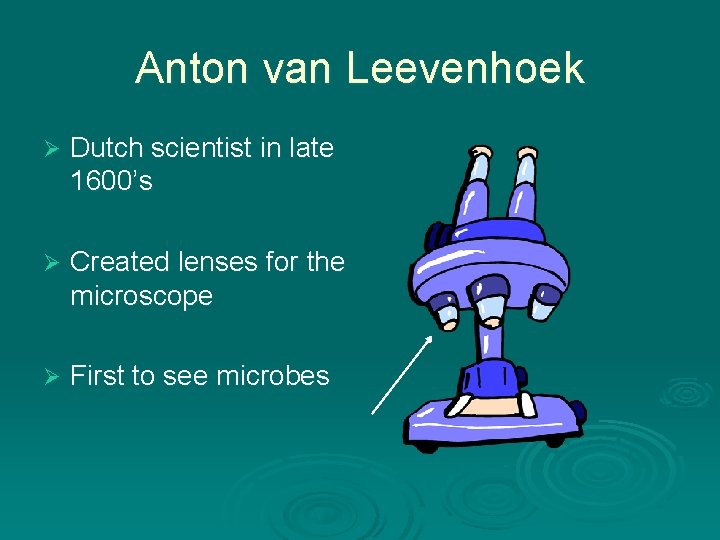
Anton van Leevenhoek Ø Dutch scientist in late 1600’s Ø Created lenses for the microscope Ø First to see microbes
Viruses Nonliving Invades and reproduces inside cells
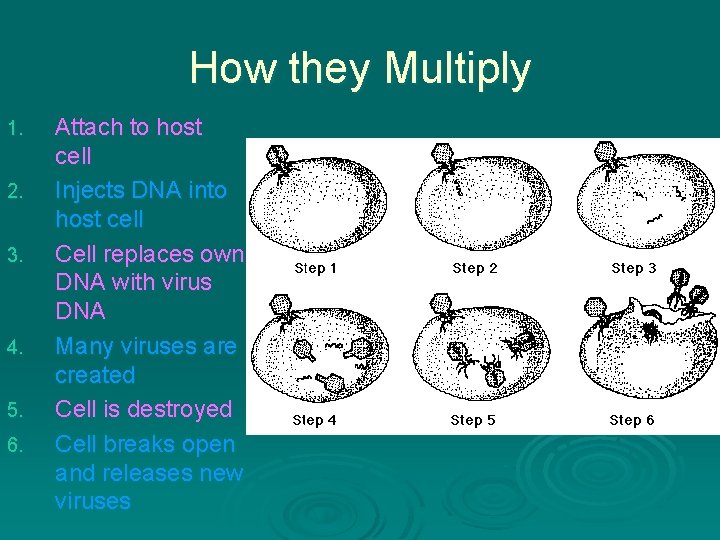
How they Multiply 1. 2. 3. 4. 5. 6. Attach to host cell Injects DNA into host cell Cell replaces own DNA with virus DNA Many viruses are created Cell is destroyed Cell breaks open and releases new viruses
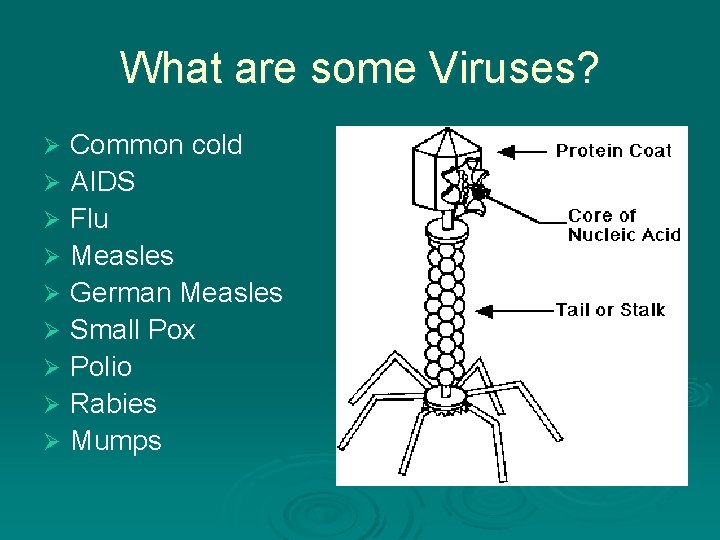
What are some Viruses? Common cold Ø AIDS Ø Flu Ø Measles Ø German Measles Ø Small Pox Ø Polio Ø Rabies Ø Mumps Ø
Web Sites Used Ø www. cellsalive. com Ø www. microbe. org Ø www. encarta. msn. com