
MICROORGANISMS Standard 5 th 6 grade Part 4

- Slides: 17
MICROORGANISMS Standard 5 th 6 grade Part 4
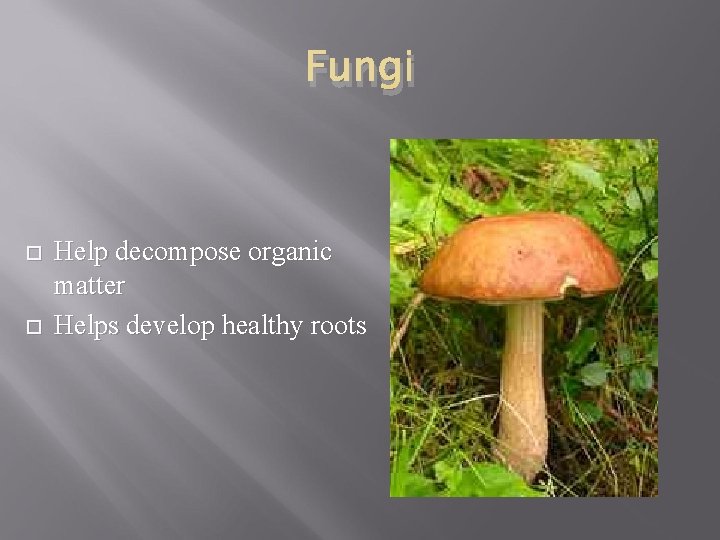
Fungi Help decompose organic matter Helps develop healthy roots
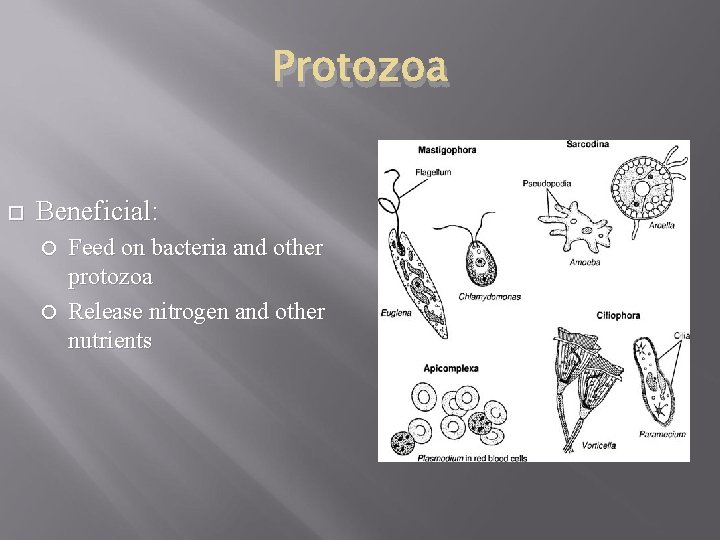
Protozoa Beneficial: Feed on bacteria and other protozoa Release nitrogen and other nutrients
Arthropods Stir and churn soil Shred organic matter Distributes beneficial microorganism in soil Improve soil structure and nutrient levels Regulate microorganism populations
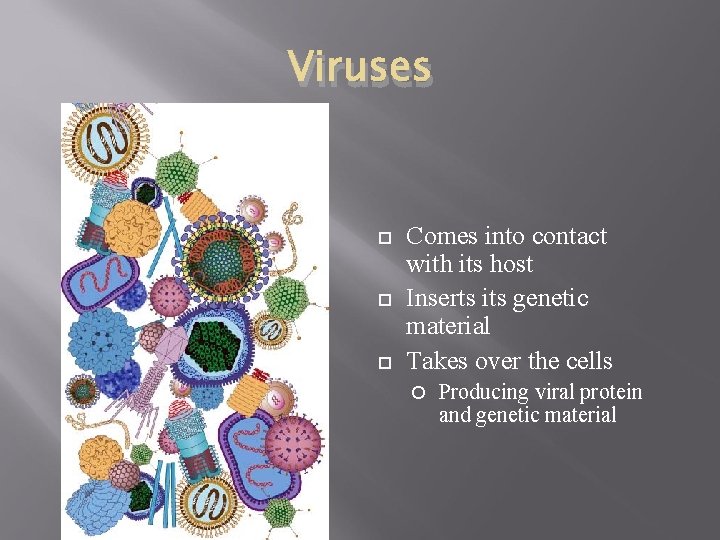
Viruses Comes into contact with its host Inserts its genetic material Takes over the cells Producing viral protein and genetic material
Diseases Smallpox the common cold chickenpox Influenza Shingles Herpes Polio Rabies Ebola Hanta Fever AIDS
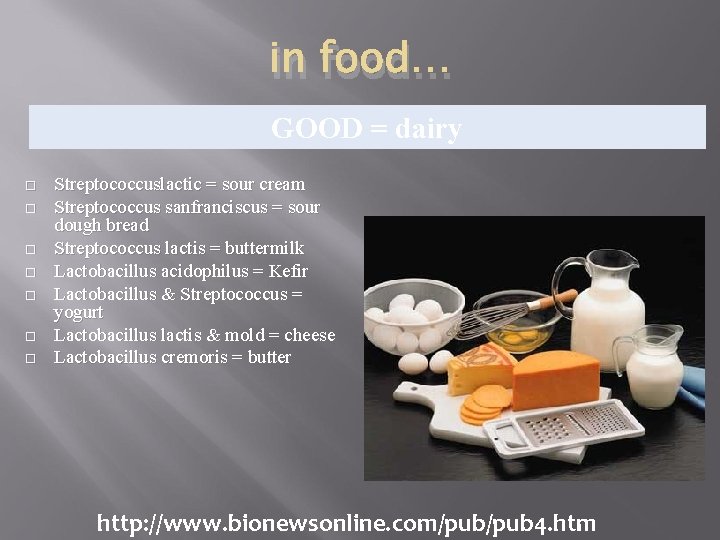
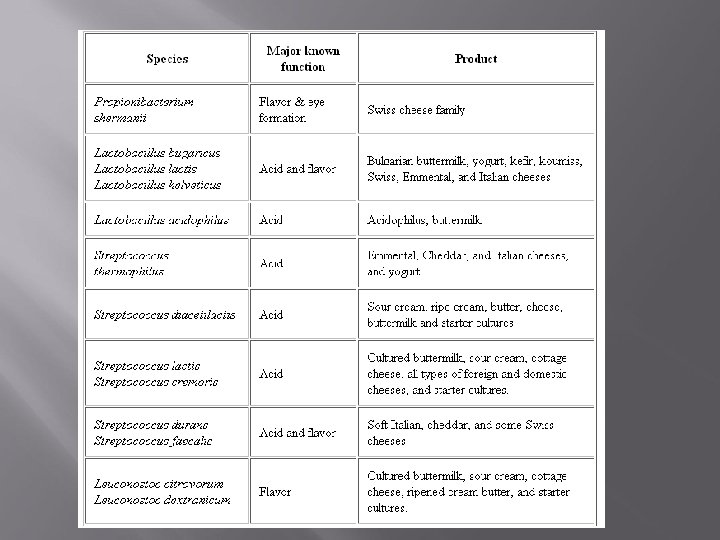
in food… GOOD = dairy Streptococcuslactic = sour cream Streptococcus sanfranciscus = sour dough bread Streptococcus lactis = buttermilk Lactobacillus acidophilus = Kefir Lactobacillus & Streptococcus = yogurt Lactobacillus lactis & mold = cheese Lactobacillus cremoris = butter http: //www. bionewsonline. com/pub 4. htm
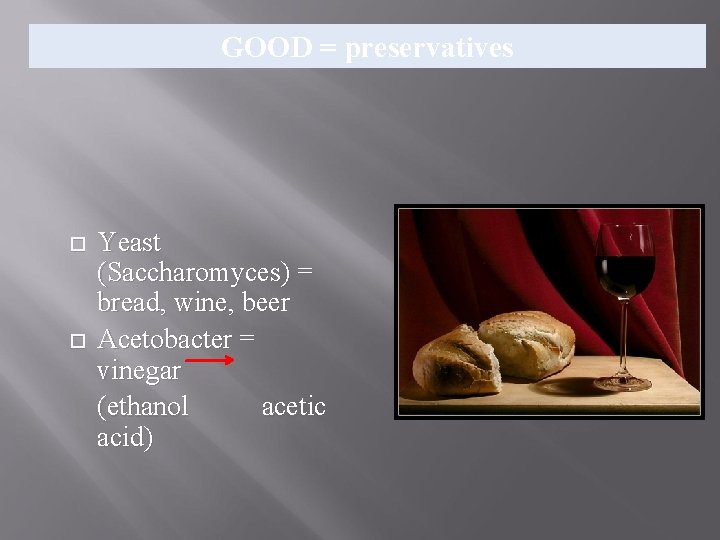
GOOD = preservatives Yeast (Saccharomyces) = bread, wine, beer Acetobacter = vinegar (ethanol acetic acid)
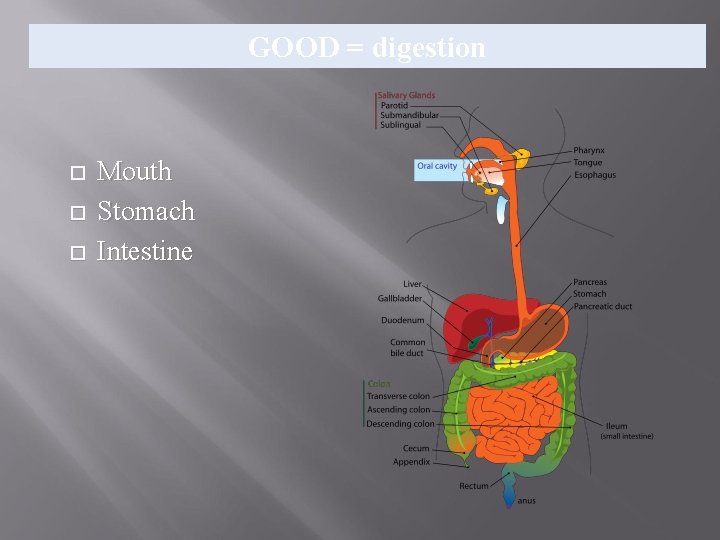
GOOD = digestion Mouth Stomach Intestine
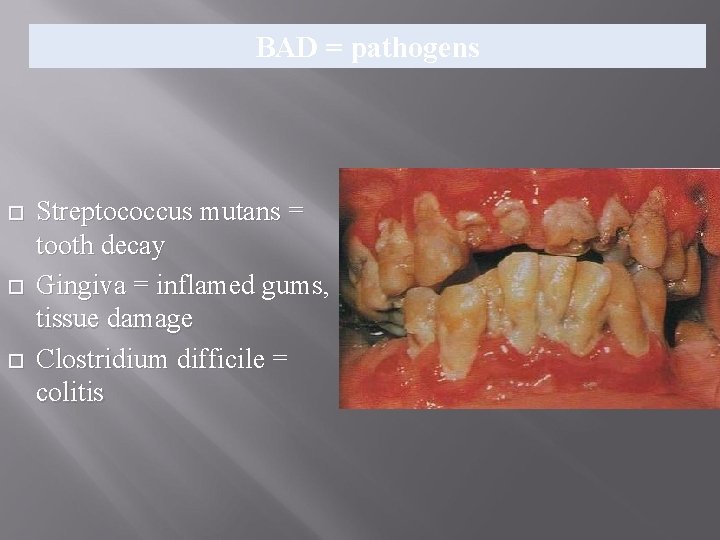
BAD = pathogens Streptococcus mutans = tooth decay Gingiva = inflamed gums, tissue damage Clostridium difficile = colitis
BAD = food poisoning Staphylococcus aureus (found in your nose, mouth, and hands) Brucella abortus (cattle, dairy products) Samonalla (found in raw poultry Clostridium perfringens (found in raw vegetables and meat)
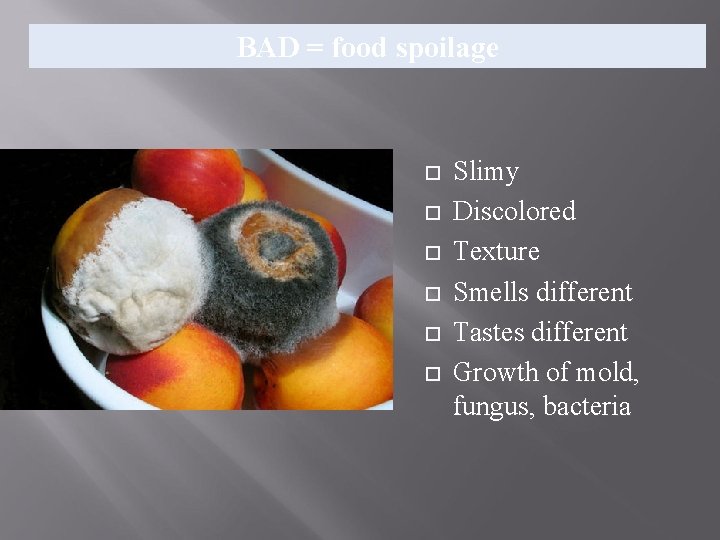
BAD = food spoilage Slimy Discolored Texture Smells different Tastes different Growth of mold, fungus, bacteria
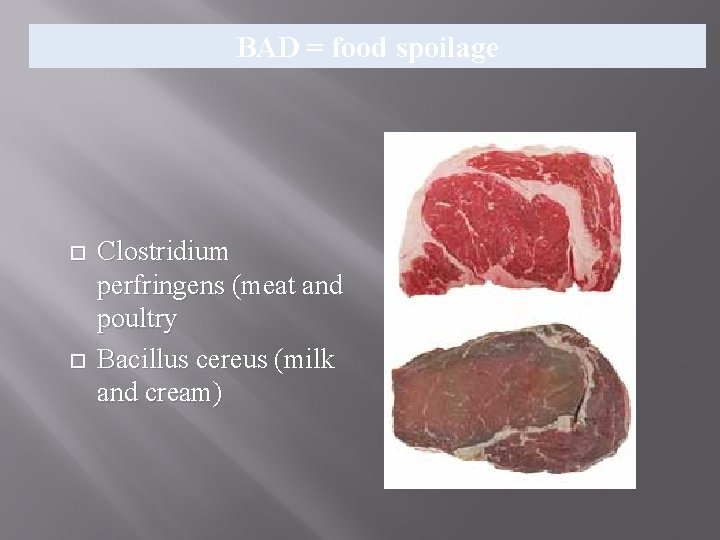
BAD = food spoilage Clostridium perfringens (meat and poultry Bacillus cereus (milk and cream)
Food Preparation THINGS TO AVOID PREVENTATIVE MEASURES Moisture Open to air Suitable temperature for bacterial growth Suitable p. H for bacterial growth Decrease moisture (drying food) Limit air (vacuum pack) Decrease temperature (freeze or refrigerate) Increase p. H (pickle)
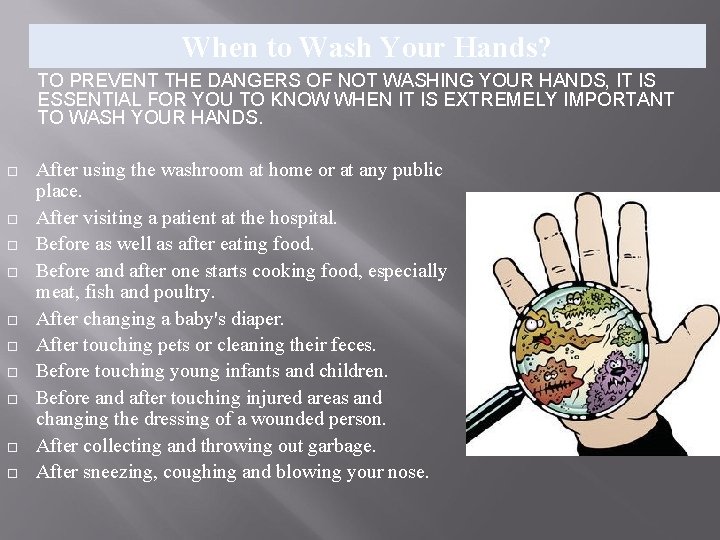
When to Wash Your Hands? TO PREVENT THE DANGERS OF NOT WASHING YOUR HANDS, IT IS ESSENTIAL FOR YOU TO KNOW WHEN IT IS EXTREMELY IMPORTANT TO WASH YOUR HANDS. After using the washroom at home or at any public place. After visiting a patient at the hospital. Before as well as after eating food. Before and after one starts cooking food, especially meat, fish and poultry. After changing a baby's diaper. After touching pets or cleaning their feces. Before touching young infants and children. Before and after touching injured areas and changing the dressing of a wounded person. After collecting and throwing out garbage. After sneezing, coughing and blowing your nose.