
Microorganisms and Pathogens Bell Ringer Look up the
Microorganisms and Pathogens
Bell Ringer Look up the following vocabulary words: Leave space between each word to add notes during lecture. Pathogen Normal Flora Bacteria Virus Fungus Parasite Protozoan
Asepsis Handwashing Sanitization Disinfection Sterilization
Hand Washing Single most effective way to prevent the spread of disease Soap and warm water, rub vigorously 15 seconds Antiseptic hand wash, cover all surfaces of hands, and air dry
Typical Times to Wash Hands Beginning work Before and after rooming patients Before and after cleaning exam rooms Before and after assisting the physician with procedures Before and after cleaning equipment Before and after using the restroom Before and after taking a break or eating lunch At the end of the day
Sanitization the process whereby pathogenic organisms are reduced to safe levels on inanimate objects, thereby reducing the likelihood of cross-infection.
Sanitization of Equipment Inactivating or removing microorganisms on reusable equipment and surfaces to a safe level Chemicals, heat, and gas are used Low-suds detergents are commonly used Read labels, follow manufacturer’s directions, rinse all instruments, and protect yourself
Disinfection Process in which most or nearly all microorganisms (whether or not pathogenic) on clothing, hard surfaces, and/or wounds are killed through the use of chemicals, heat, or ultraviolet rays. Destruction of pathogenic microorganisms or th eir toxins or vectors by direct exposure to chemical or physical agents.
Disinfection More thorough than sanitization Kills bacteria and most microorganisms but not spores Use different disinfectants for surfaces and equipment vs. skin surfaces Read labels and follow manufacturer’s directions Iodine, household bleach, and 70% alcohol
Sterilization or Surgical Asepsis The process of destroying ALL microorganisms and their pathogenic product It can be accomplished by various methods, including heat, gas plasma, irradiation, or a bactericidal chemical compound.
Surgical Asepsis Sterile technique, also called surgical asepsis, is maintaining an area that is free from all microorganisms. Sterile technique must be practiced for all invasive procedures to protect patients from infection. To maintain a sterile area, only sterile items may touch other sterile items.
Standard 15) Correlate the function of normal flora with homeostasis and relate deviation to disease states. Evaluate specific measures to prevent deviation that are aligned with accepted standards of care.
Objectives By the end of class – Classify the five types of pathogens Evaluate one pathogen-causing disease
Review Standard Precautions Use appropriate personal protective equipment or PPE Perform hand hygiene Follow respiratory hygiene/cough etiquette Ensure appropriate patient placement (isolation precautions) Properly clean and disinfect patient equipment devices and the environment Follow safe injection practices and handling of needles, sharps and hazardous materials
Microorganisms and Pathogens A microorganism is a microscopic organism seen only by using a microscope Not all microorganisms cause disease Harmless microorganisms on our body are called “normal flora” Microorganisms that cause disease are called “pathogens”
Pathogens Require nutrients, moisture, warmth, and neutral p. H to grow and thrive Aerobic pathogens require oxygen to survive Anaerobic pathogens require oxygen-free environment to survive
Types of Pathogens Five main types of pathogens: Virus Bacteria Fungus Parasites Protozoan https: //www. youtube. com/watch? v=O 9 U_--fc. Nms
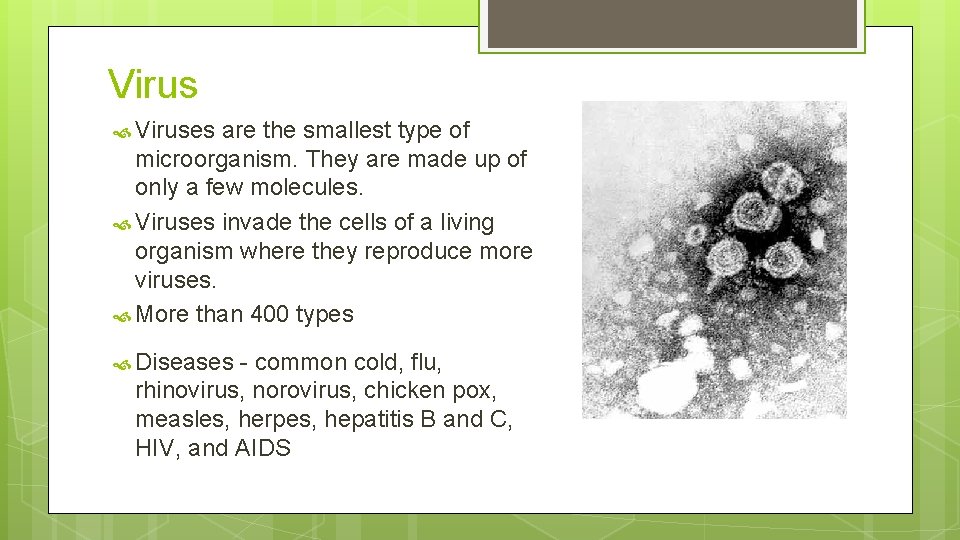
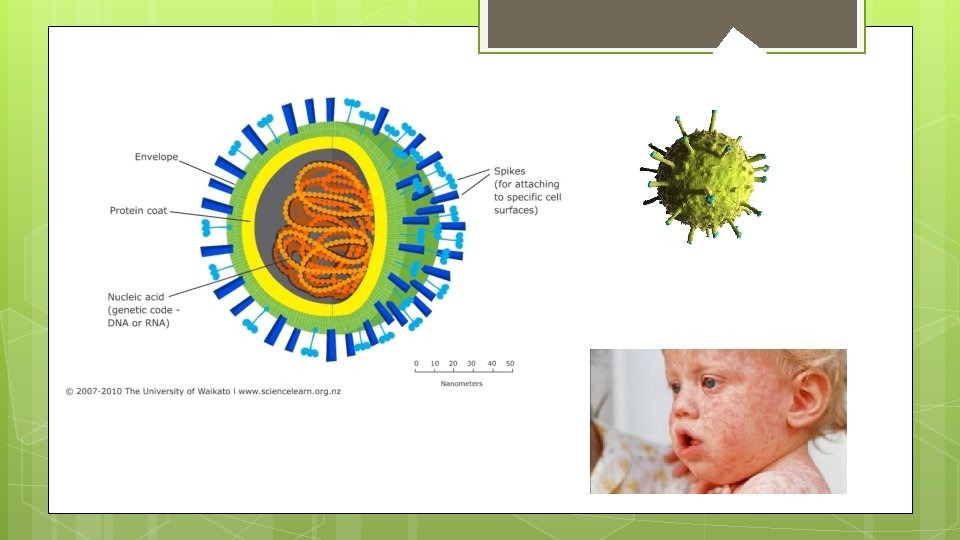
Virus Viruses are the smallest type of microorganism. They are made up of only a few molecules. Viruses invade the cells of a living organism where they reproduce more viruses. More than 400 types Diseases - common cold, flu, rhinovirus, norovirus, chicken pox, measles, herpes, hepatitis B and C, HIV, and AIDS
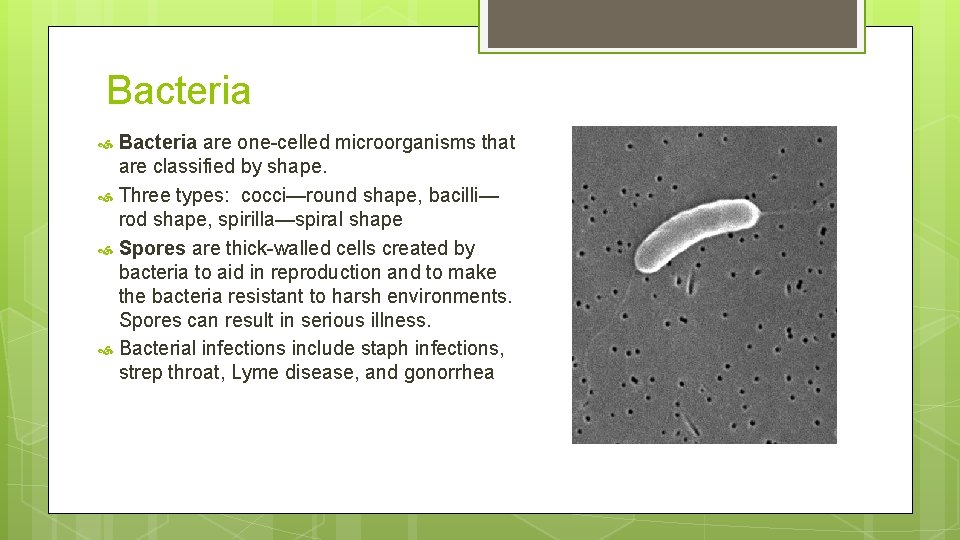
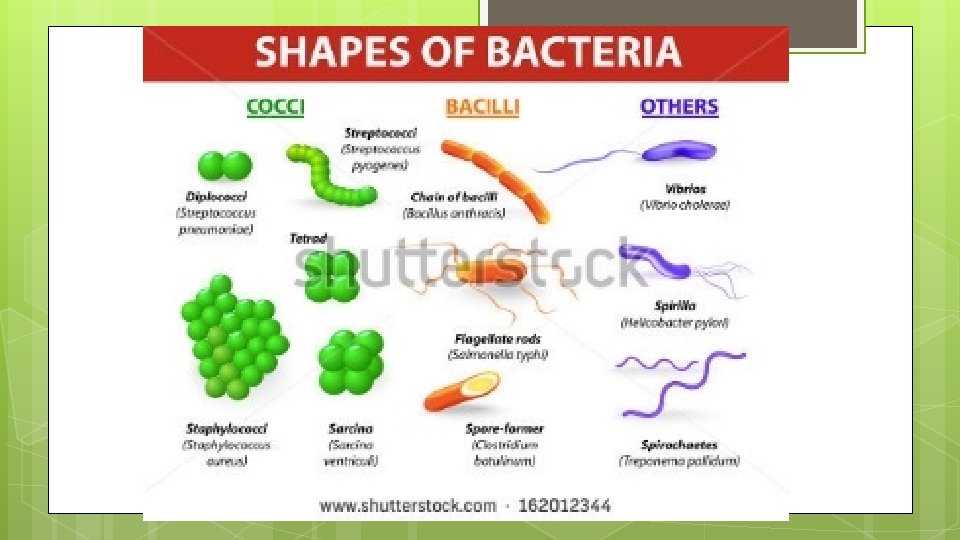
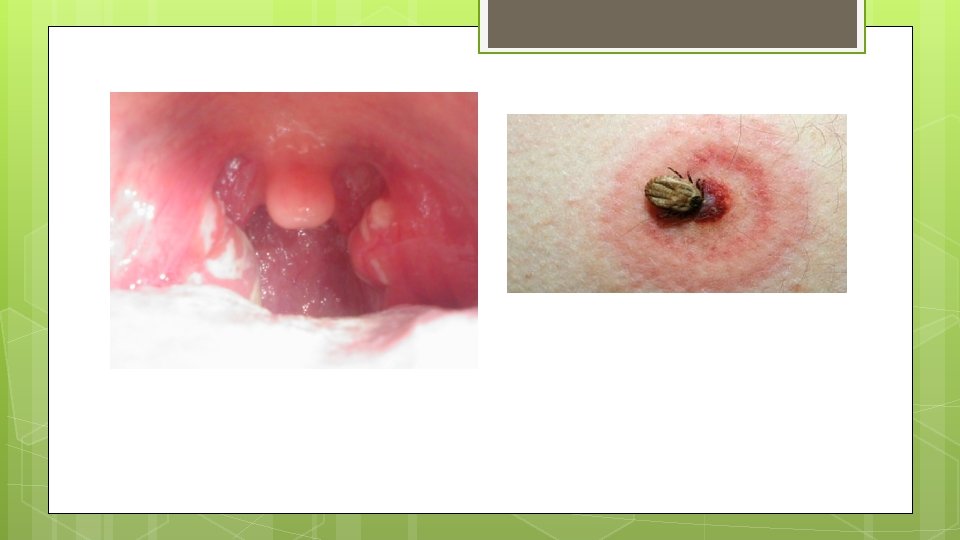
Bacteria are one-celled microorganisms that are classified by shape. Three types: cocci—round shape, bacilli— rod shape, spirilla—spiral shape Spores are thick-walled cells created by bacteria to aid in reproduction and to make the bacteria resistant to harsh environments. Spores can result in serious illness. Bacterial infections include staph infections, strep throat, Lyme disease, and gonorrhea
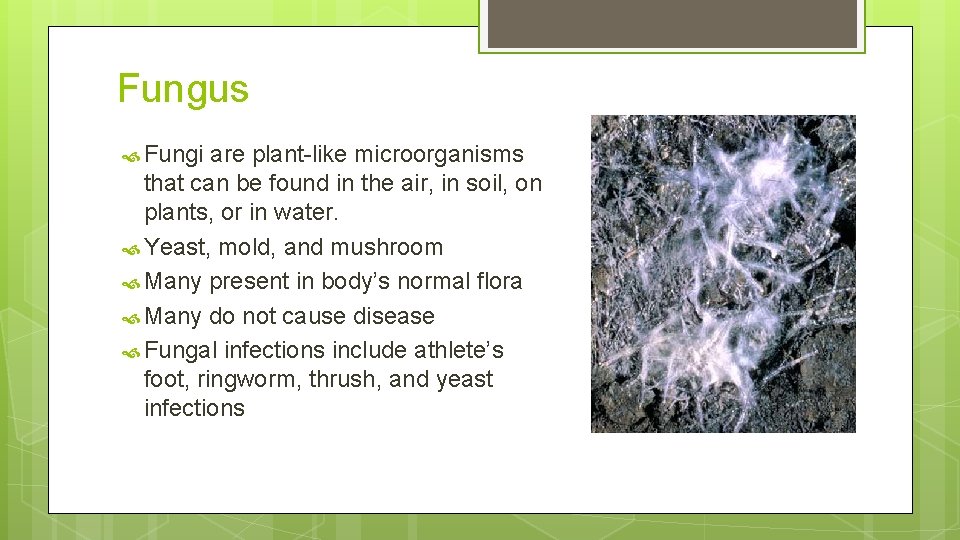
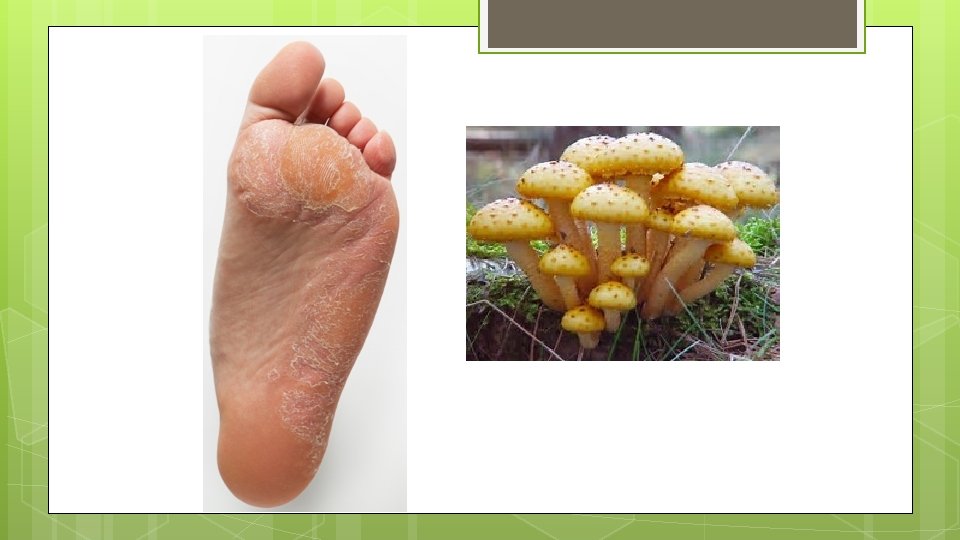
Fungus Fungi are plant-like microorganisms that can be found in the air, in soil, on plants, or in water. Yeast, mold, and mushroom Many present in body’s normal flora Many do not cause disease Fungal infections include athlete’s foot, ringworm, thrush, and yeast infections
Parasite Can infect eyes, nose, brain, intestines Derive a benefit from their host without giving anything back 2 Types 1. Ectoparasites (outside): Fleas, mice, mosquitos, ticks Pass on diseases like Malaria, Rocky Mountain spotted fever, and typhus 2. Endoparasites (within): Tape worms, round worms Eating undercooked meat and drinking contaminated water.
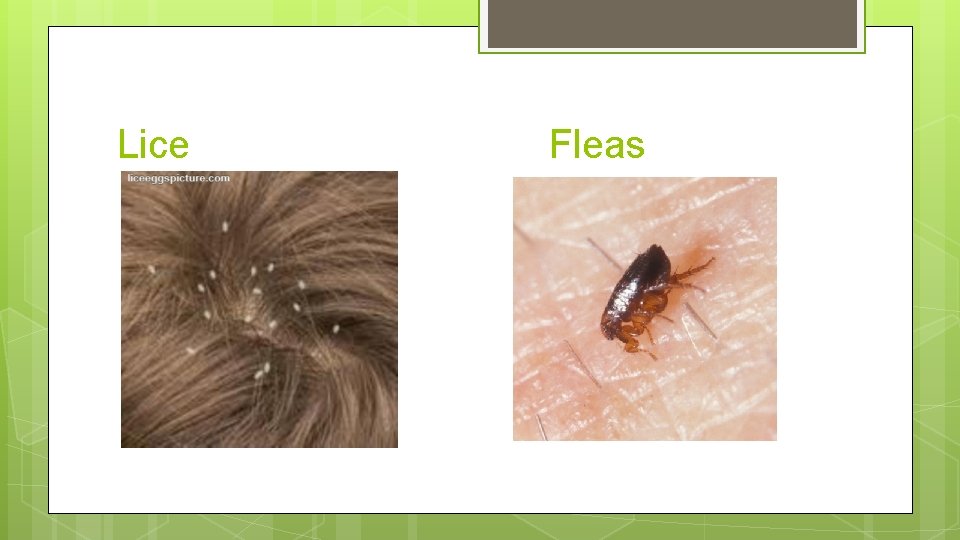
Lice Fleas
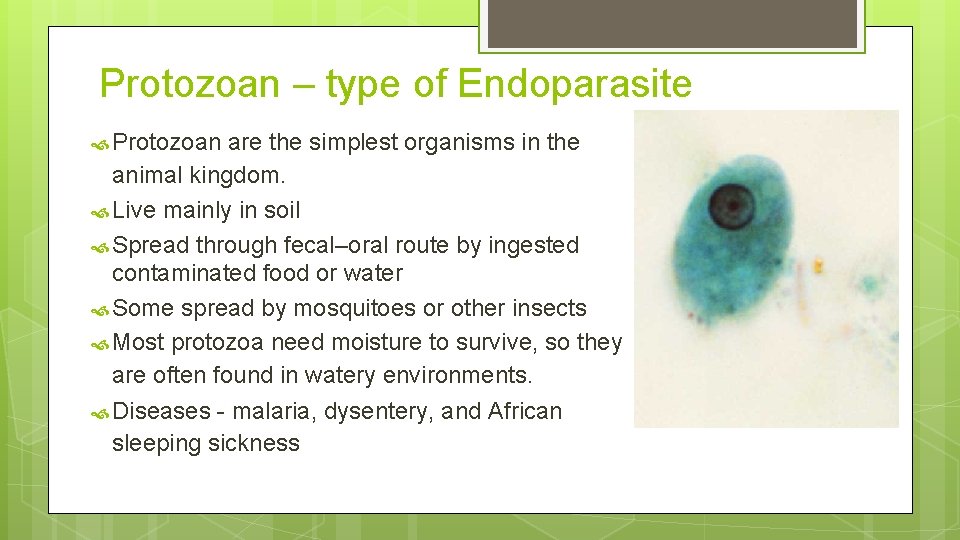
Protozoan – type of Endoparasite Protozoan are the simplest organisms in the animal kingdom. Live mainly in soil Spread through fecal–oral route by ingested contaminated food or water Some spread by mosquitoes or other insects Most protozoa need moisture to survive, so they are often found in watery environments. Diseases - malaria, dysentery, and African sleeping sickness
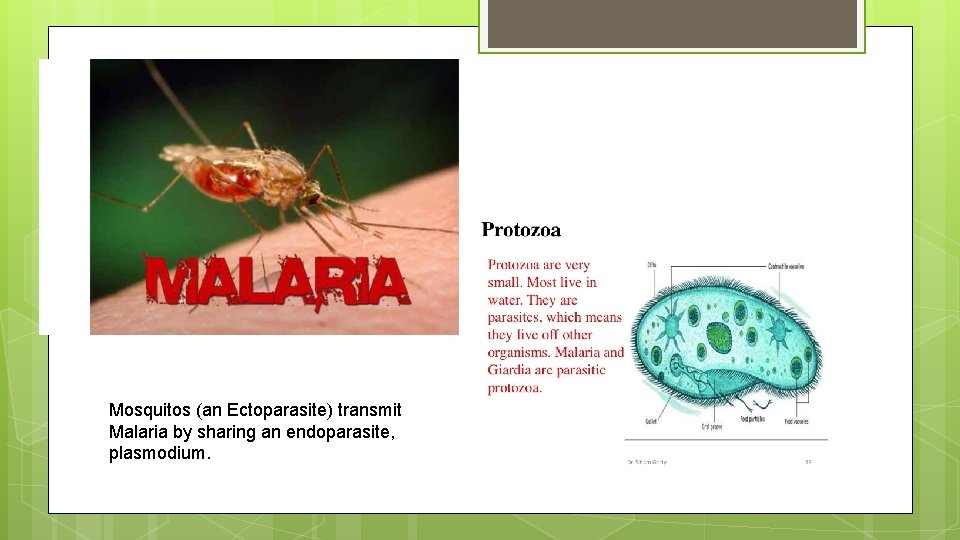
Mosquitos (an Ectoparasite) transmit Malaria by sharing an endoparasite, plasmodium.
Q&A Harmless microorganisms on our body are called
NORMAL FLORA
Microorganisms that cause disease are called?
Pathogens
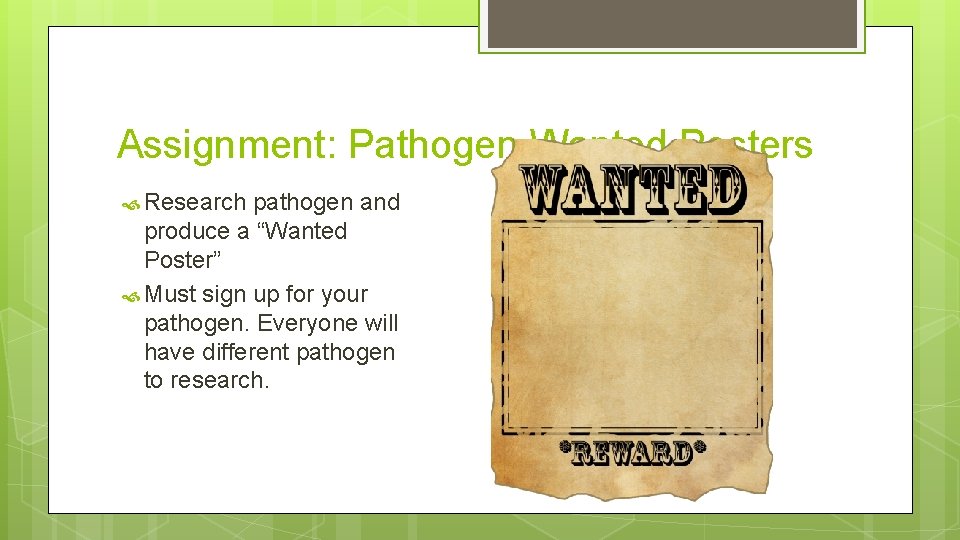
Assignment: Pathogen Wanted Posters Research pathogen and produce a “Wanted Poster” Must sign up for your pathogen. Everyone will have different pathogen to research.
Requirements Photo or drawing Description Pathogen type: bacteria, virus, fungus, etc. Organism’s “M. O. ” (how it attacks and spreads) Most common victims to prey upon Hide out of the culprit (where is it most likely to be found) Is it considered armed and dangerous? Most effective weapons against the pathogen Any other characteristics
- Slides: 34