
MICROELECTROMECHANICAL SYSTEMS MEMS Fabrication Sensors and MEMS Cryptographic
MICRO-ELECTRO-MECHANICAL SYSTEMS (MEMS) Fabrication, Sensors, and MEMS Cryptographic Applications Student: Harold Joseph Iwen Date: April 13 th, 2020
WHAT ABOUT MEMS? ■ Fabrication: ■ Sensors: – SIMILARITIES TO IC – PIEZORESISTIVE FABRICATION SENSING – BULK – PIEZOELECTRIC MICROMACHINING SENSING – SURFACE – CAPACITIVE MICROMACHINING SENSING – HIGH-ASPECT– RESONANT RATIO SENSING MICROMACHINING – TYPES OF SENSORS ■ CPI Protection (Security): – BRIEF OVERVIEW OF CRYPTOGRAPHY – 2007: Feasibility of MEMS in cryptography – 2018: Feasibility of MEMS in cryptography
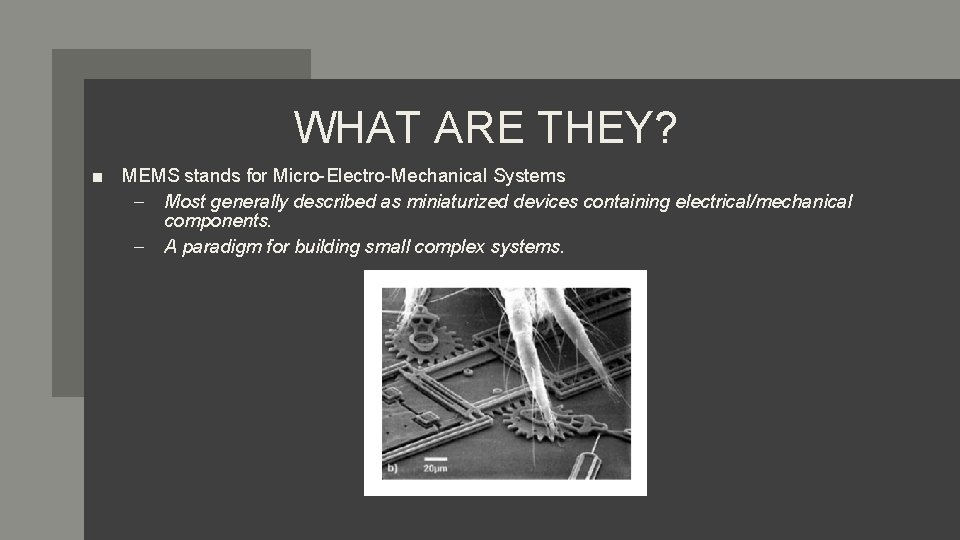
WHAT ARE THEY? ■ MEMS stands for Micro-Electro-Mechanical Systems – Most generally described as miniaturized devices containing electrical/mechanical components. – A paradigm for building small complex systems.
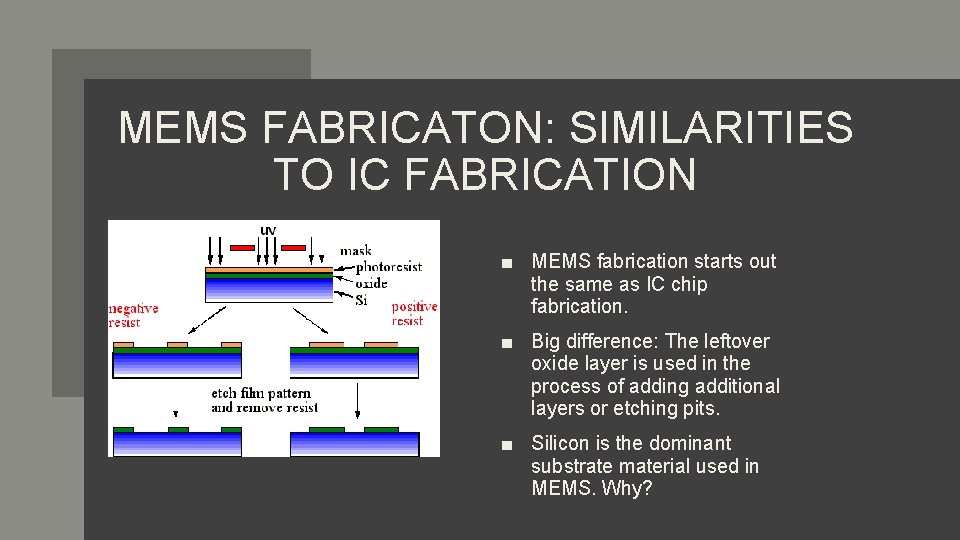
MEMS FABRICATON: SIMILARITIES TO IC FABRICATION ■ MEMS fabrication starts out the same as IC chip fabrication. ■ Big difference: The leftover oxide layer is used in the process of adding additional layers or etching pits. ■ Silicon is the dominant substrate material used in MEMS. Why?
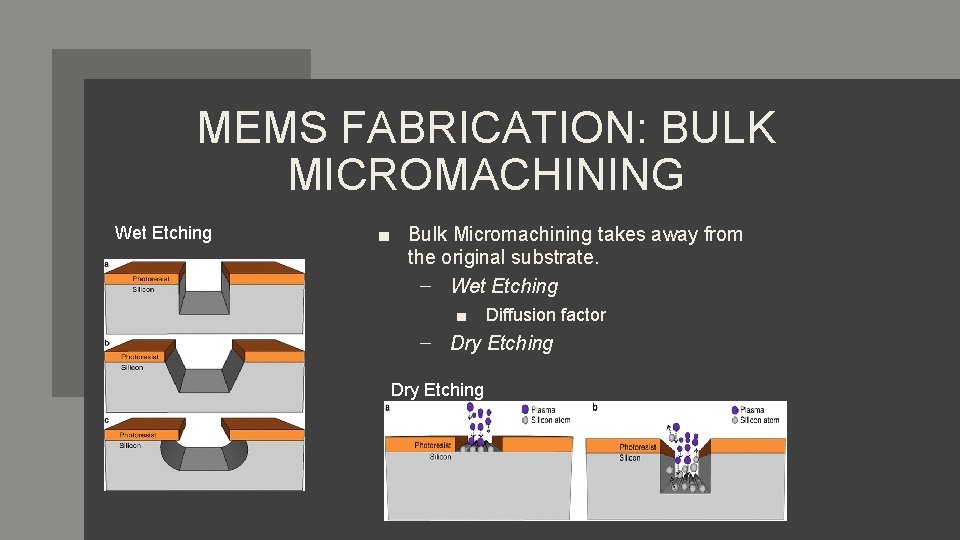
MEMS FABRICATION: BULK MICROMACHINING Wet Etching ■ Bulk Micromachining takes away from the original substrate. – Wet Etching ■ Diffusion factor – Dry Etching
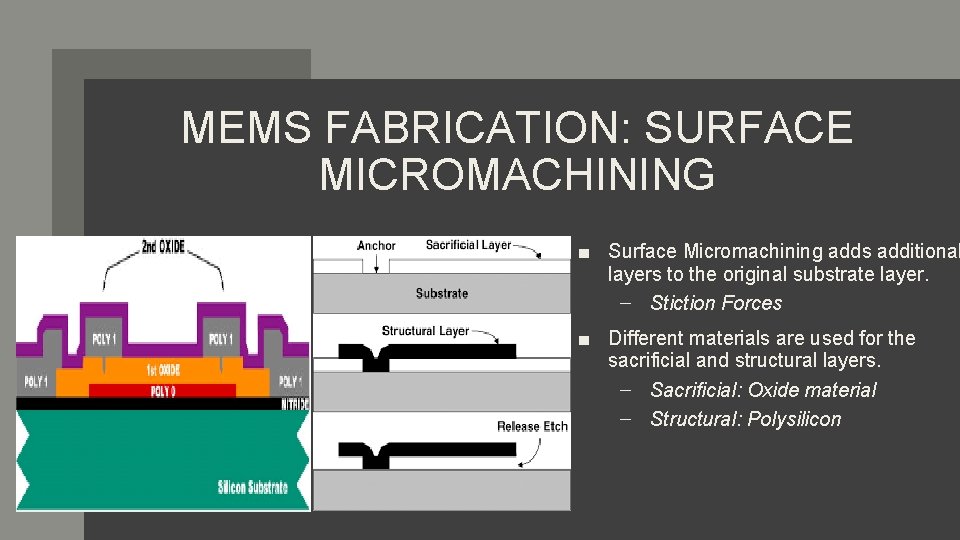
MEMS FABRICATION: SURFACE MICROMACHINING ■ Surface Micromachining adds additional layers to the original substrate layer. – Stiction Forces ■ Different materials are used for the sacrificial and structural layers. – Sacrificial: Oxide material – Structural: Polysilicon
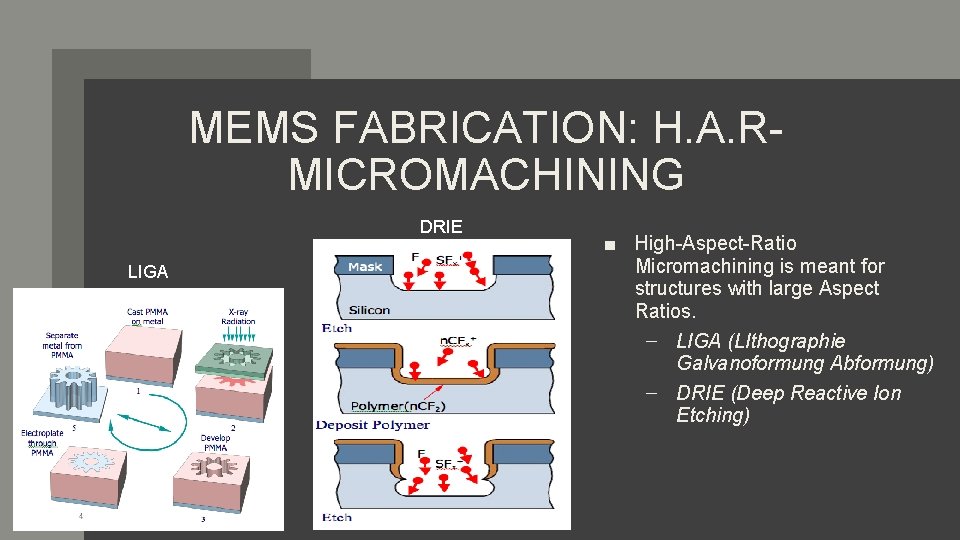
MEMS FABRICATION: H. A. RMICROMACHINING DRIE LIGA ■ High-Aspect-Ratio Micromachining is meant for structures with large Aspect Ratios. – LIGA (LIthographie Galvanoformung Abformung) – DRIE (Deep Reactive Ion Etching)
Other Fabrication Methods ■ Wafer Bonding ■ DRIE Glass (HAR) ■ Hot Embossing (HAR) ■ Xe. F 2 Dry Phase Etching ■ Electro Discharge Micromachining ■ Laser Micromachining ■ Focused Ion Beam Micromachining
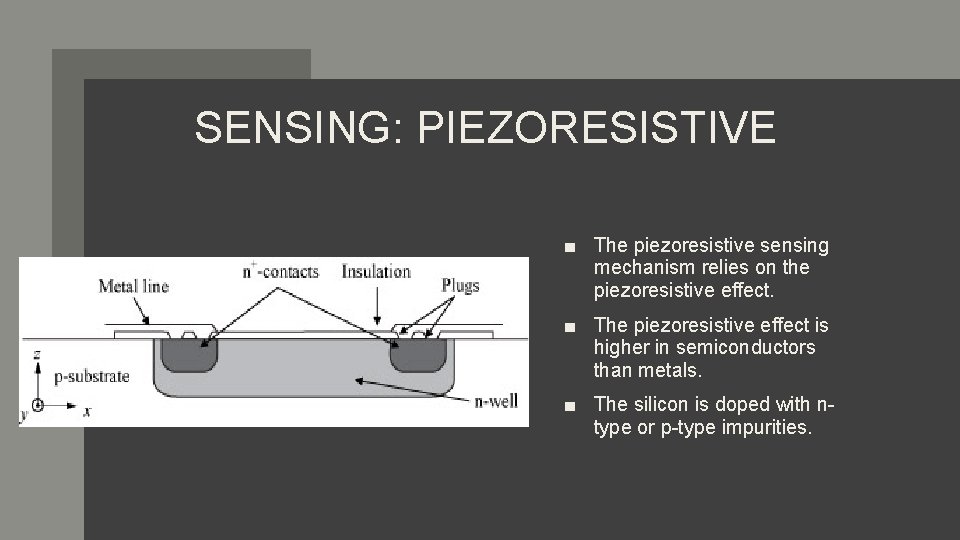
SENSING: PIEZORESISTIVE ■ The piezoresistive sensing mechanism relies on the piezoresistive effect. ■ The piezoresistive effect is higher in semiconductors than metals. ■ The silicon is doped with ntype or p-type impurities.
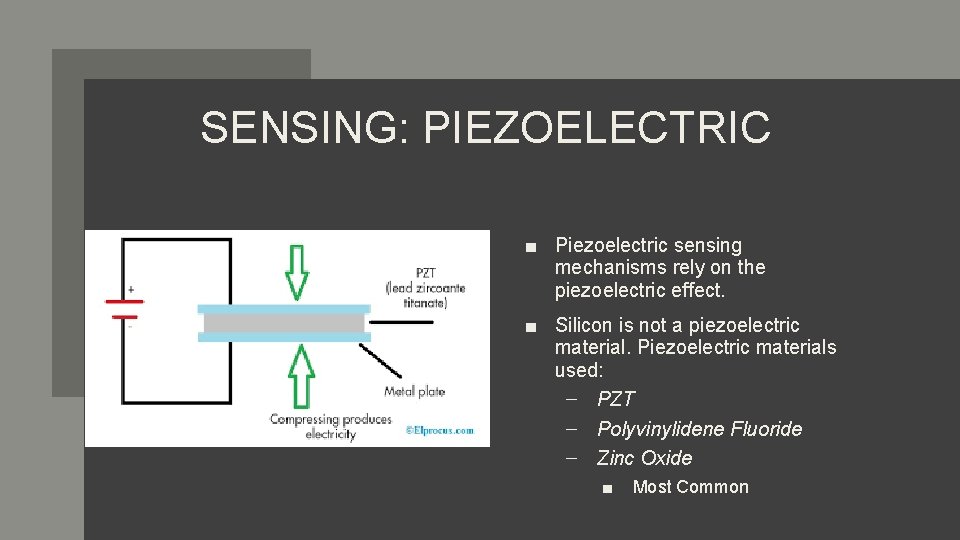
SENSING: PIEZOELECTRIC ■ Piezoelectric sensing mechanisms rely on the piezoelectric effect. ■ Silicon is not a piezoelectric material. Piezoelectric materials used: – PZT – Polyvinylidene Fluoride – Zinc Oxide ■ Most Common
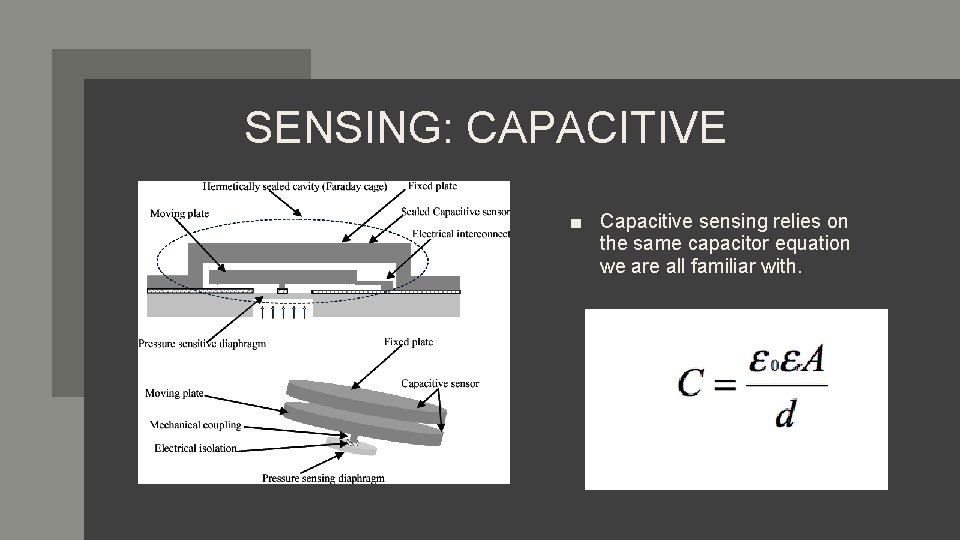
SENSING: CAPACITIVE ■ Capacitive sensing relies on the same capacitor equation we are all familiar with.
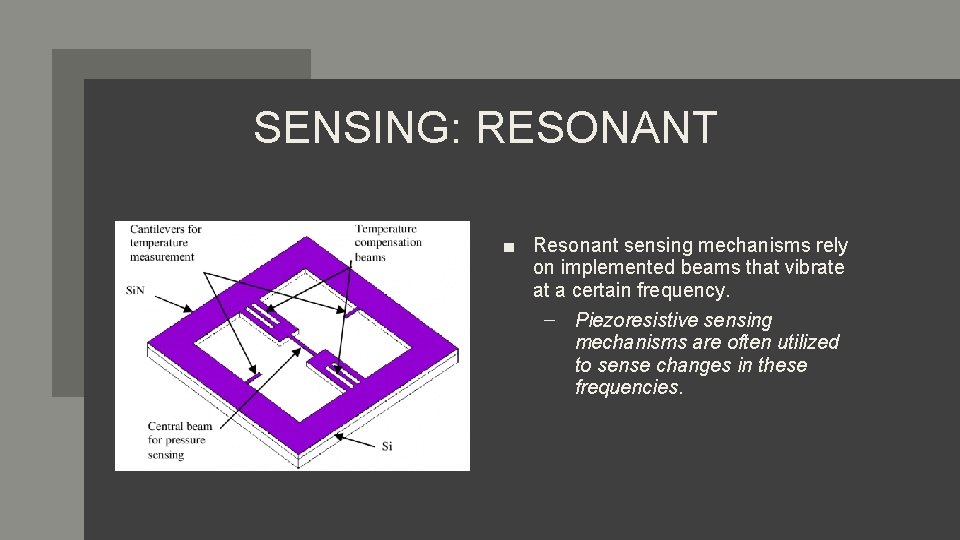
SENSING: RESONANT ■ Resonant sensing mechanisms rely on implemented beams that vibrate at a certain frequency. – Piezoresistive sensing mechanisms are often utilized to sense changes in these frequencies.
TYPES OF SENSORS ■ The sensing mechanisms just recently expounded on are used to build different types of mechanical sensors: – Gyroscopes – Accelerometers – Magnetic field sensors – Pressure Sensors
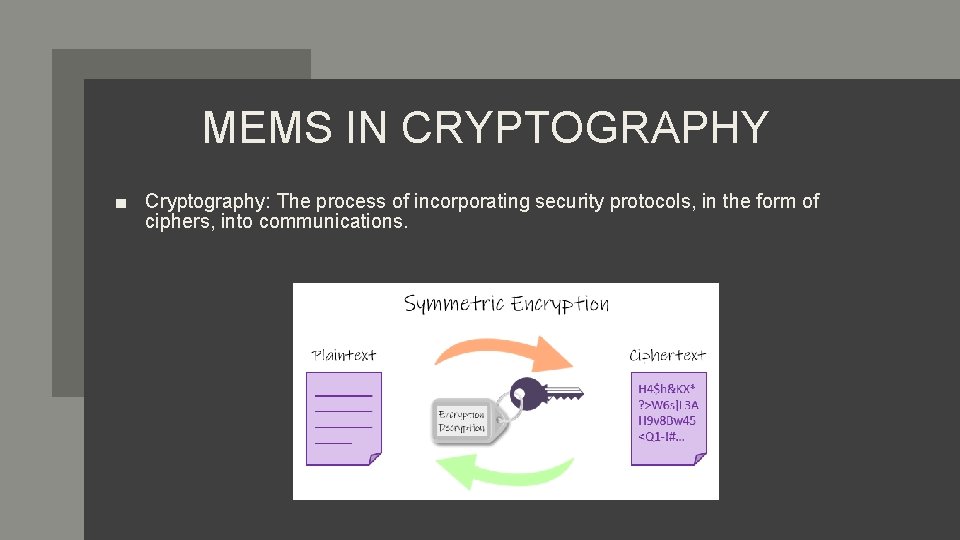
MEMS IN CRYPTOGRAPHY ■ Cryptography: The process of incorporating security protocols, in the form of ciphers, into communications.
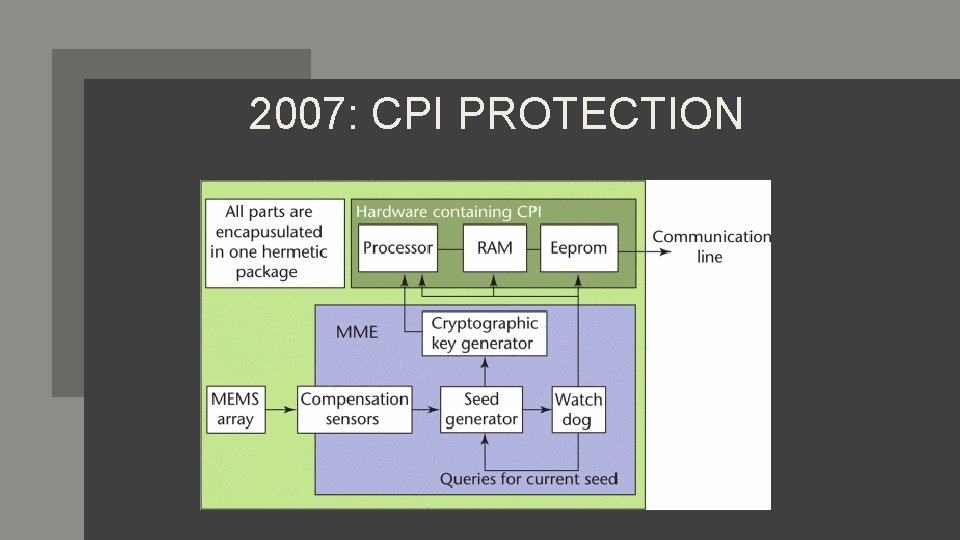
2007: CPI PROTECTION
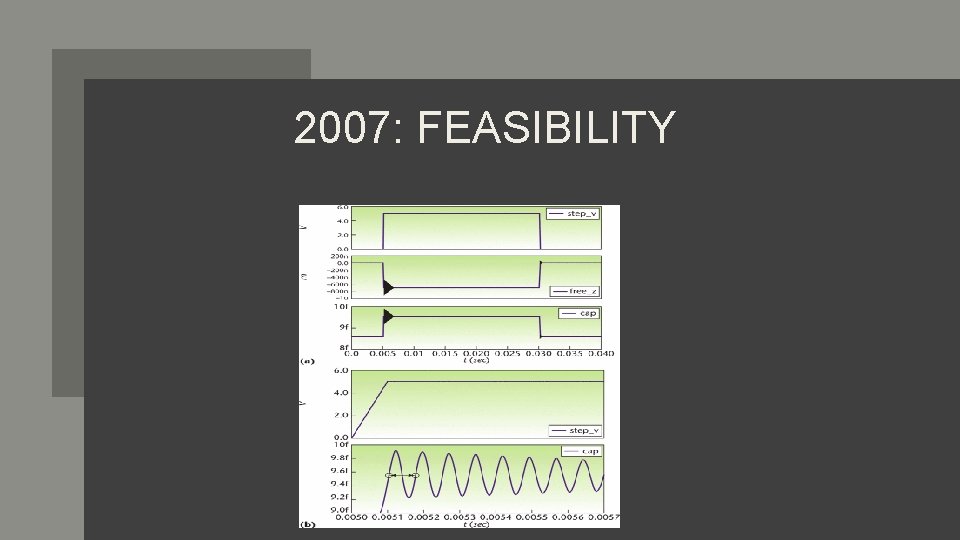
2007: FEASIBILITY
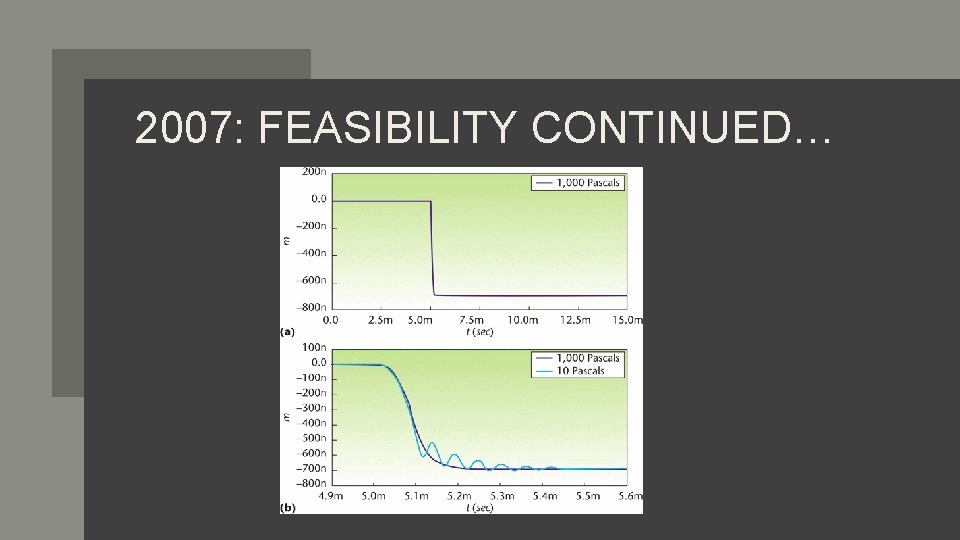
2007: FEASIBILITY CONTINUED…
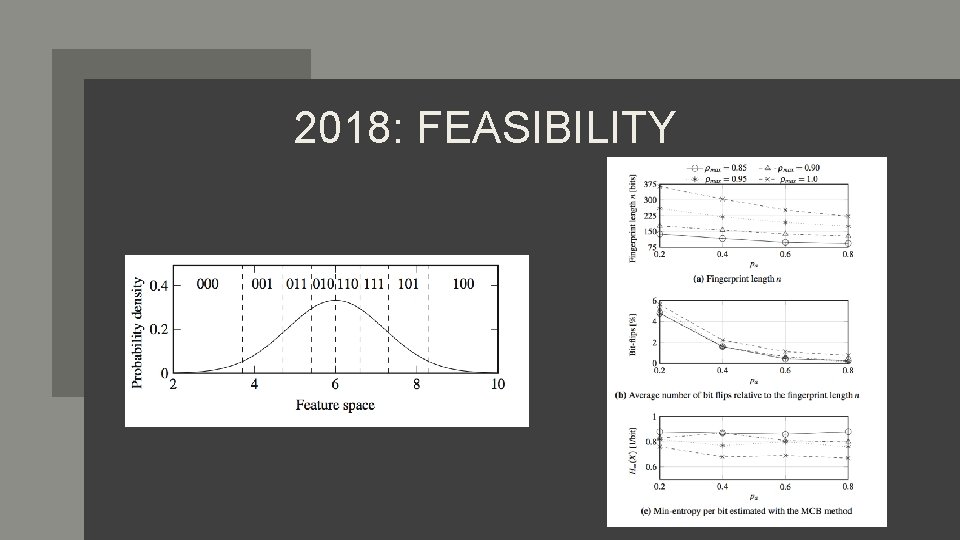
2018: FEASIBILITY
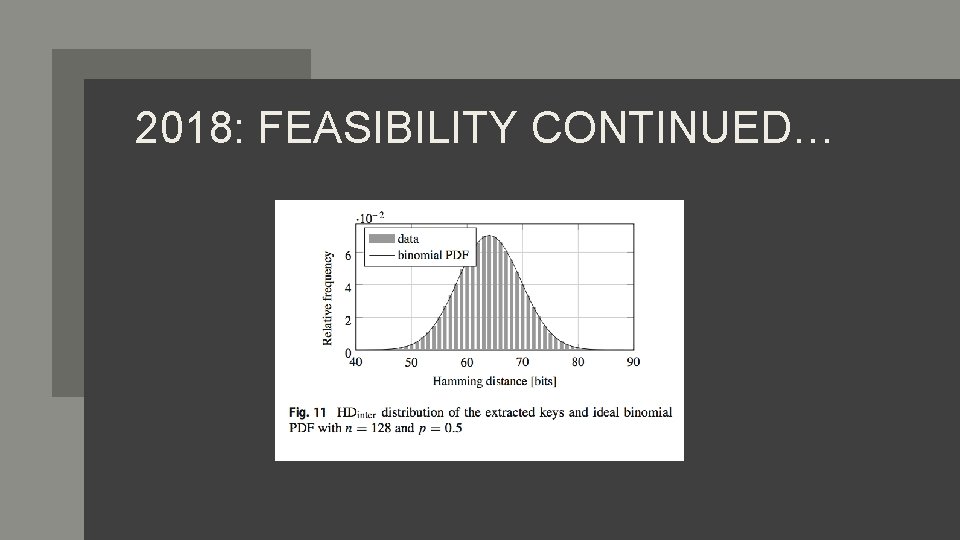
2018: FEASIBILITY CONTINUED…
CONCLUSION ■ MEMS is a field that has grown quite considerably since its inception (financials prove it). ■ A lot of the same techniques are still used today for fabrication. ■ The same sensing mechanisms still play a role within MEMS sensors. ■ MEMS continue to find a place in the world of computer security. ■ MEMS aren’t going anywhere…
References: ■ University, L. (2002). An Introduction to Mems. Loughborough, England: Prime Faraday Partnership. Retrieved from https: //www. lboro. ac. uk/microsites/mechman/research/ipm-ktn/pdf/Technology_review/an-introduction-to-mems. pdf ■ English, J. , Coe, D. , Ghaede, R. , Hyde, D. , & Kulick, J. (2007, August 13). Retrieved from https: //ieeexplore. ieee. org/document/4288038 ■ Michelen, A. (2017, May 7). Detailing MEMs Fabrication Techniques. Retrieved from https: //electronics 360. globalspec. com/article/8638/detailing-mems-fabricationtechniques ■ Willers, O. , Huth, C. , Guajardo, J. , Seidel, H. , & Deutsch, P. (n. d. ). (2018, May 17) On the Feasibility of Deriving Cryptographic Keys from MEMS Sensors, 1– 17. Retrieved from https: //link. springer. com/content/pdf/10. 1007/s 13389 -019 -00208 -4. pdf ■ Team, E. F. Y. (2018, April 20). What are MEMS Sensors? What are the Types Available in the Market? Retrieved from https: //www. electronicsforu. com/resources/learnelectronics/mems-sensors-available-market ■ Fabricating MEMS and Nanotechnology. (n. d. ). Retrieved from https: //www. mems-exchange. org/MEMS/fabrication. html ■ http: //www. chm. bris. ac. uk/~paulmay/misc/msc 1. htm ■ https: //link. springer. com/referenceworkentry/10. 1007%2 F 978 -90 -481 -9751 -4_431 ■ https: //link. springer. com/referenceworkentry/10. 1007%2 F 978 -90 -481 -9751 -4_353 ■ https: //www. researchgate. net/figure/Surface-micromachining-and-the-sacrificial-layer-technique_fig 15_228781683 ■ https: //lwlin. me. berkeley. edu/me 119/mumps-rule. pdf ■ https: //www. researchgate. net/figure/Deep-Reactive-Ion-Etching-Microfabrication-Process-2_fig 2_242139877 ■ https: //en. wikipedia. org/wiki/Piezoresistive_effect ■ https: //www. elprocus. com/what-is-the-piezoelectric-effect-working-and-its-applications/ ■ https: //www. semanticscholar. org/paper/A-high-sensitive-ultra-thin-MEMS-capacitive-sensor-Zhang-Howver/563 d 7706 a 75 fbfde 1318 d 7 d 8435 cc 4 e 9 a 78037 d 6/figure/0 ■ https: //www. researchgate. net/figure/Schematic-of-resonant-pressure-sensor-with-silicon-nitride-resonant-beams_fig 1_4243403 ■ https: //www. 101 computing. net/symmetric-vs-asymmetric-encryption/ ■ https: //www. engr. sjsu. edu/trhsu/ME 189_Chapter%207. pdf
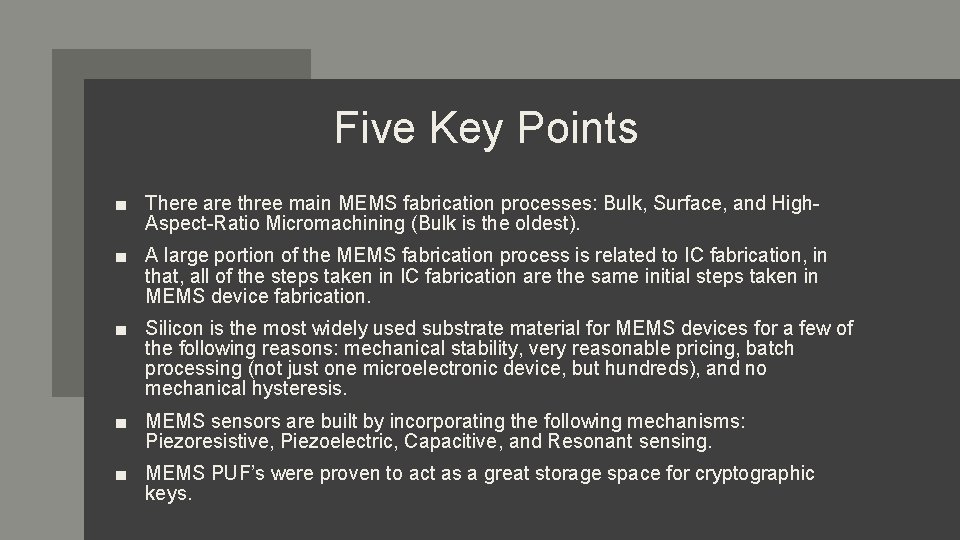
Five Key Points ■ There are three main MEMS fabrication processes: Bulk, Surface, and High. Aspect-Ratio Micromachining (Bulk is the oldest). ■ A large portion of the MEMS fabrication process is related to IC fabrication, in that, all of the steps taken in IC fabrication are the same initial steps taken in MEMS device fabrication. ■ Silicon is the most widely used substrate material for MEMS devices for a few of the following reasons: mechanical stability, very reasonable pricing, batch processing (not just one microelectronic device, but hundreds), and no mechanical hysteresis. ■ MEMS sensors are built by incorporating the following mechanisms: Piezoresistive, Piezoelectric, Capacitive, and Resonant sensing. ■ MEMS PUF’s were proven to act as a great storage space for cryptographic keys.
- Slides: 22