
Microbiology What is microbiology Study of microscopic living
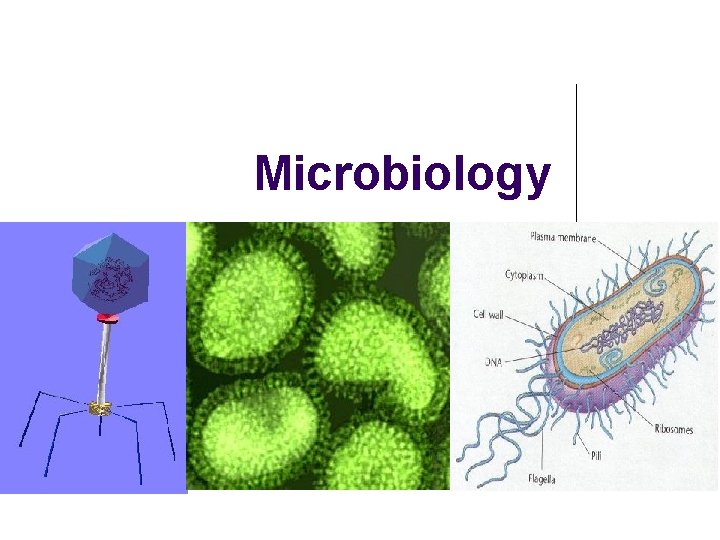
Microbiology
What is microbiology? Study of microscopic (living ) things microorganism
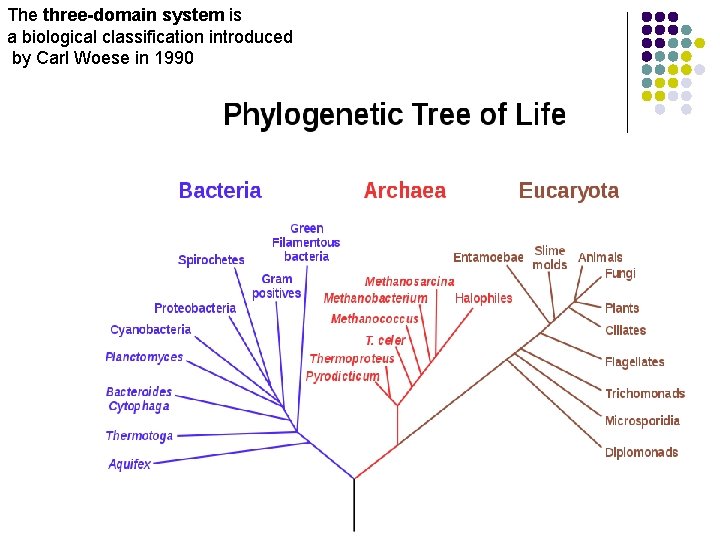
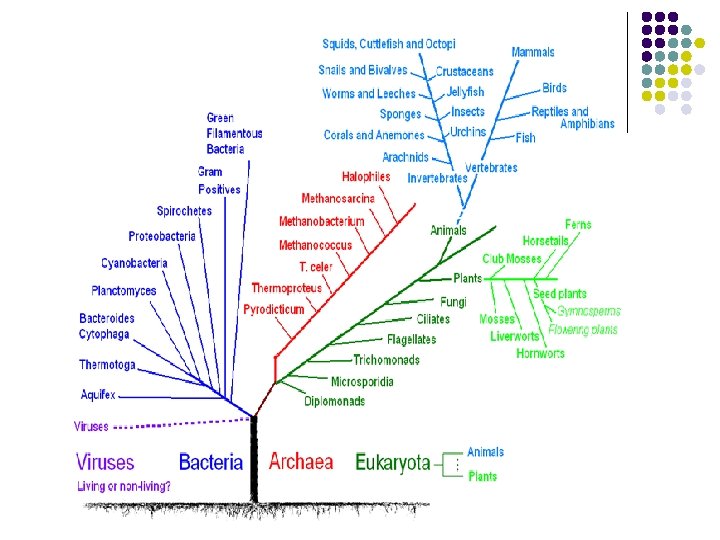
The three-domain system is a biological classification introduced by Carl Woese in 1990
3 Domains l l l Eubacteria - true bacteria, peptidoglycan Archaea - odd bacteria that live in extreme environments, high salt, heat, etc. Eukarya- have a nucleus and organelles 4
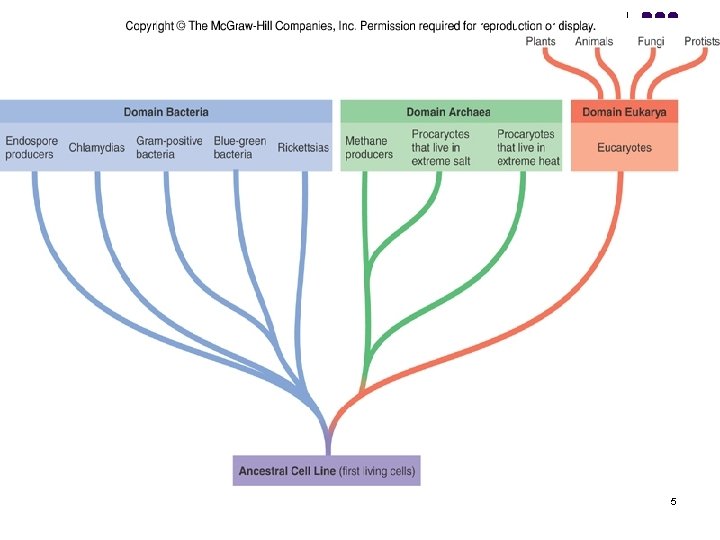
Insert figure 1. 15 Woese-Fox System 5
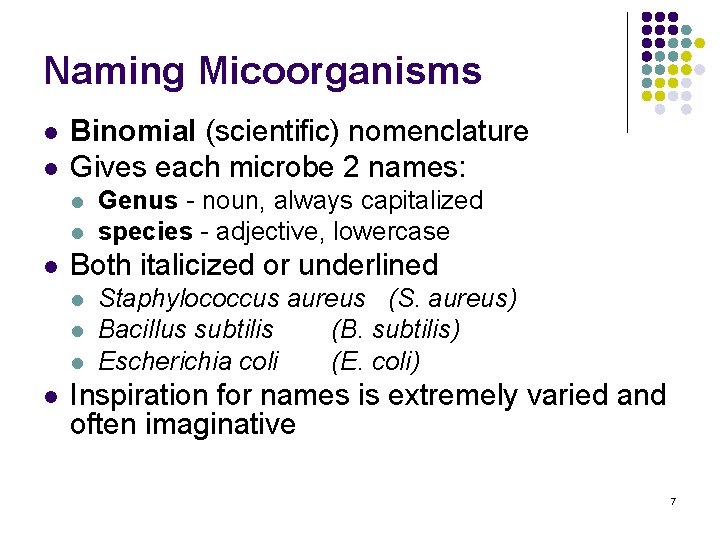
Naming Micoorganisms l l Binomial (scientific) nomenclature Gives each microbe 2 names: l l l Both italicized or underlined l l Genus - noun, always capitalized species - adjective, lowercase Staphylococcus aureus (S. aureus) Bacillus subtilis (B. subtilis) Escherichia coli (E. coli) Inspiration for names is extremely varied and often imaginative 7
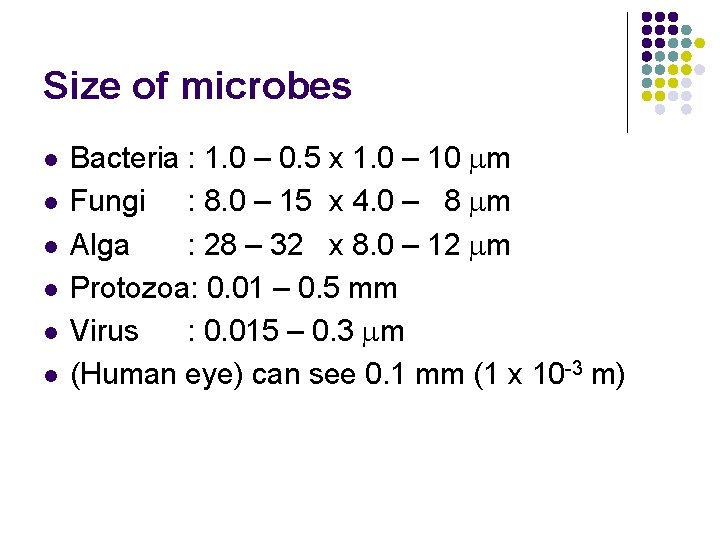
Size of microbes l l l Bacteria : 1. 0 – 0. 5 x 1. 0 – 10 mm Fungi : 8. 0 – 15 x 4. 0 – 8 mm Alga : 28 – 32 x 8. 0 – 12 mm Protozoa: 0. 01 – 0. 5 mm Virus : 0. 015 – 0. 3 mm (Human eye) can see 0. 1 mm (1 x 10 -3 m)
Tools of Microbiology Light Microscope - live specimens - 1, 000 x mag. or less l Electron Microscope - non-living specimens - > 1, 000 x mag. l
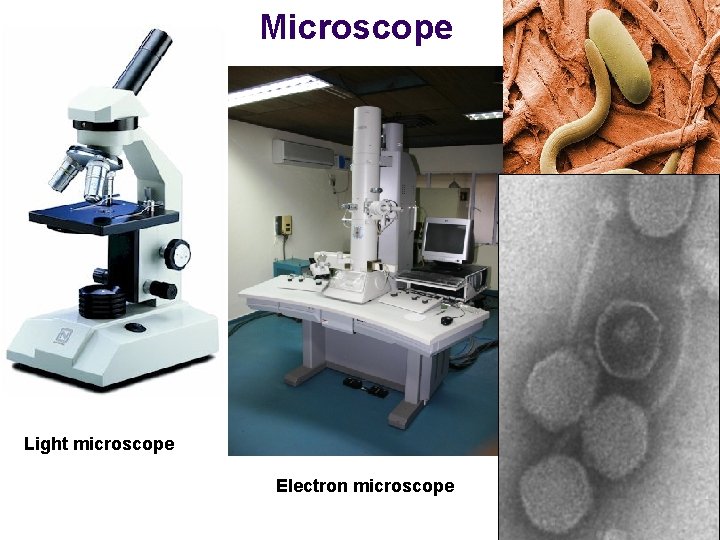
Microscope Light microscope Electron microscope
Techniques of Microbiology l l Staining – to better see structures Microbial Culture - growing the microbe Container for microbe culture - usually Petri dish Culture media - Food for the microbes - E. g. Agar – (from red algae) - Others such as nutrient broths
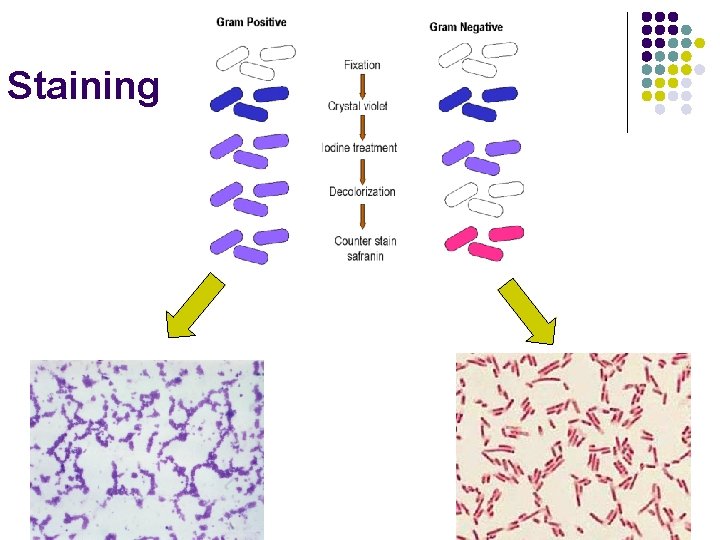
Staining
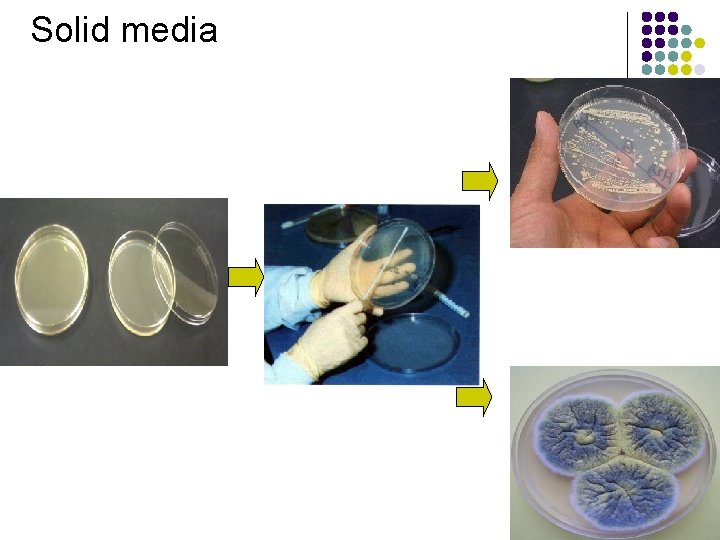
Solid media
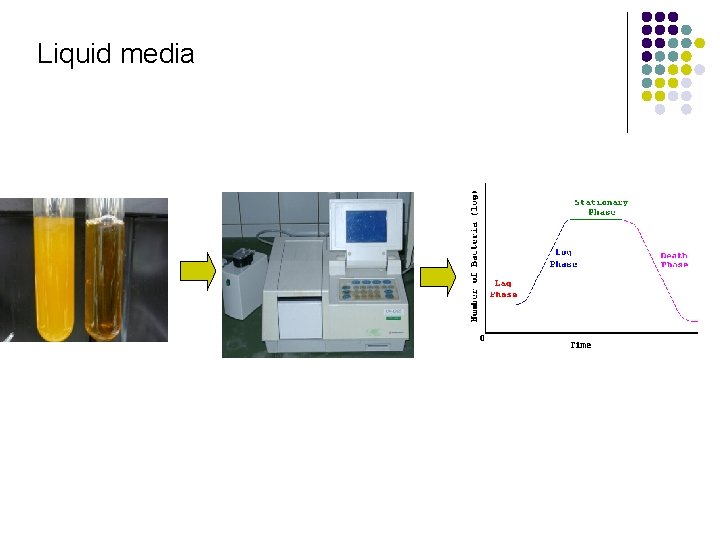
Liquid media
Scope of Microbiology l l l Environmental Microbiology Industrial Microbiology Agricultural Microbiology Medical Microbiology Food Microbiology

What is the importance of studying microbiology?
Benefits l l l Genetic engineering Synthesis of chemical products Recycling sewage Bioremediation: use microbes to remove toxins (oil spills) Use of microbes to control crop pests Manufacture of food and drink
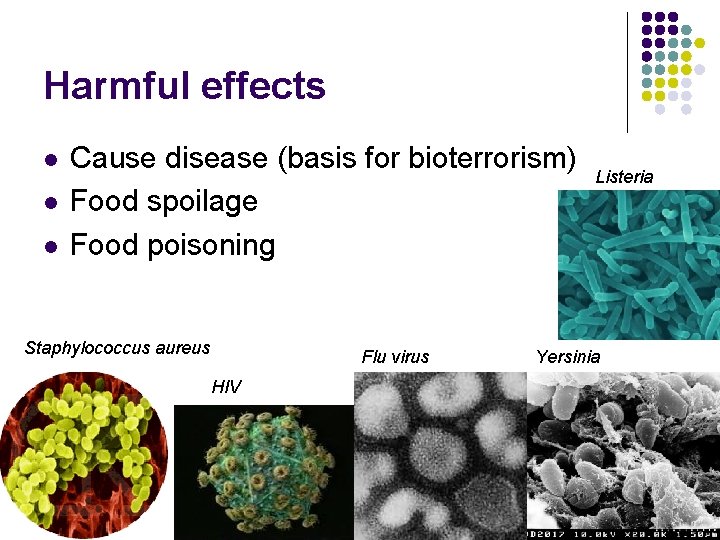
Harmful effects l l l Cause disease (basis for bioterrorism) Food spoilage Food poisoning Staphylococcus aureus Flu virus HIV Listeria Yersinia
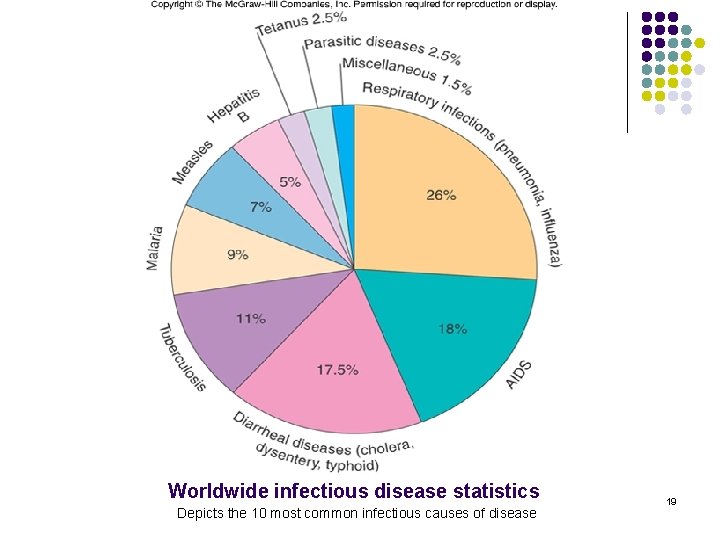
Worldwide infectious disease statistics Depicts the 10 most common infectious causes of disease 19
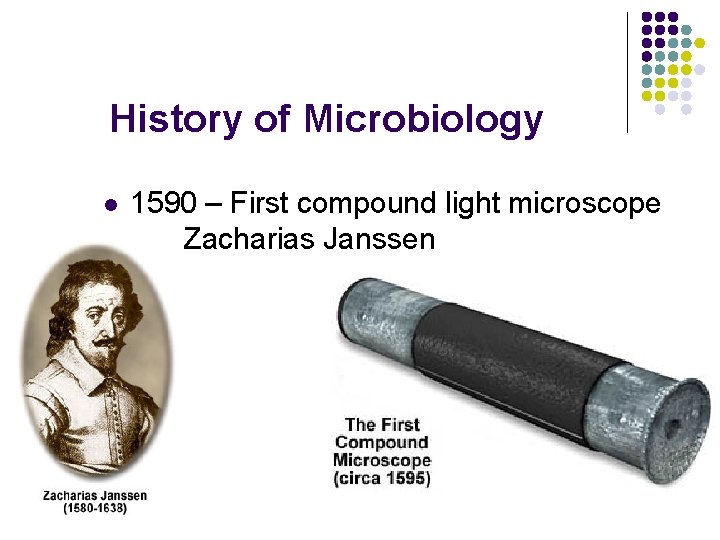
History of Microbiology l 1590 – First compound light microscope Zacharias Janssen

Antonie van Leeuwenhoek (16321723) l Insert figure 1. 8 l l Dutch linen merchant First to observe living microbes Single-lens magnified up to 300 X 21
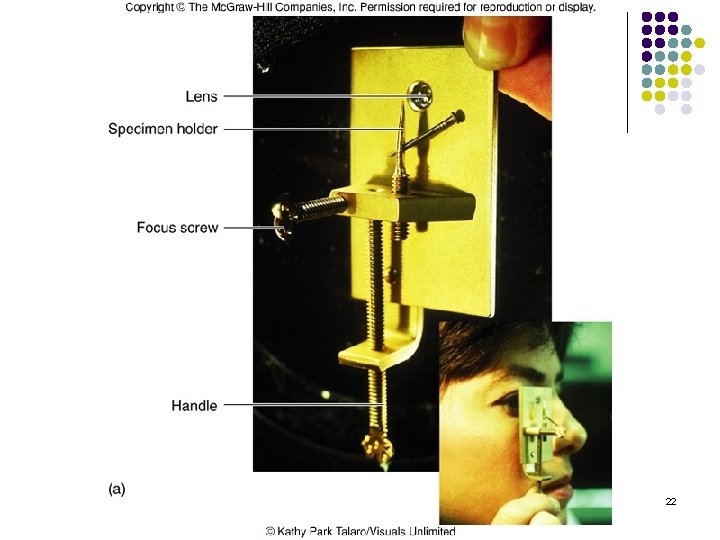
Insert figure 1. 9 (a) microscope 22
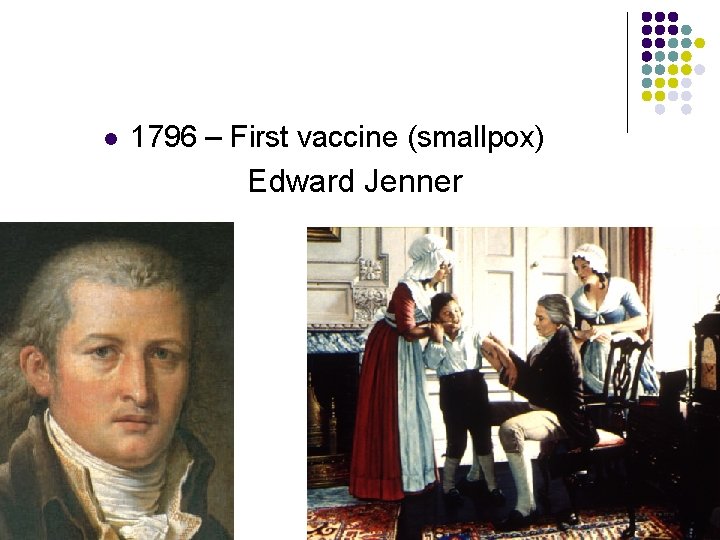
l 1796 – First vaccine (smallpox) Edward Jenner
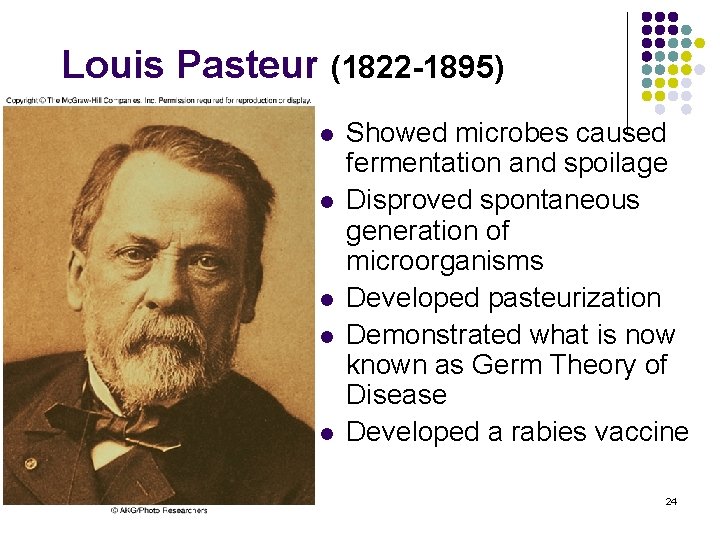
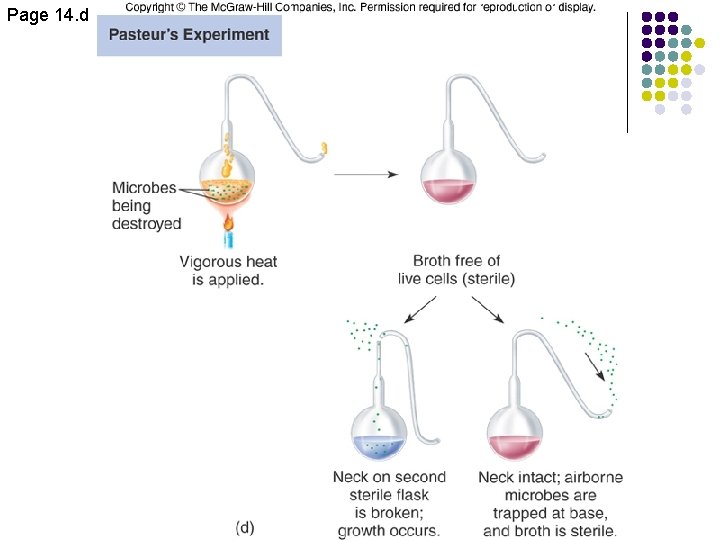
Louis Pasteur (1822 -1895) l l Insert figure 1. 11 l l l Showed microbes caused fermentation and spoilage Disproved spontaneous generation of microorganisms Developed pasteurization Demonstrated what is now known as Germ Theory of Disease Developed a rabies vaccine 24
Page 14. d
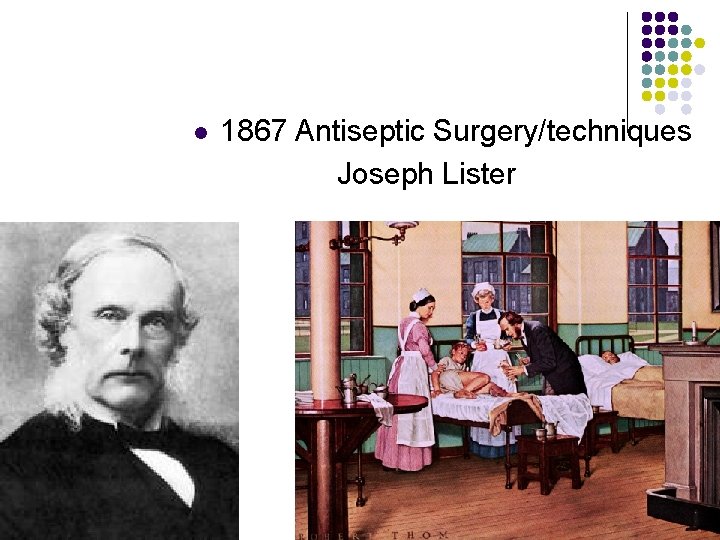
l 1867 Antiseptic Surgery/techniques Joseph Lister
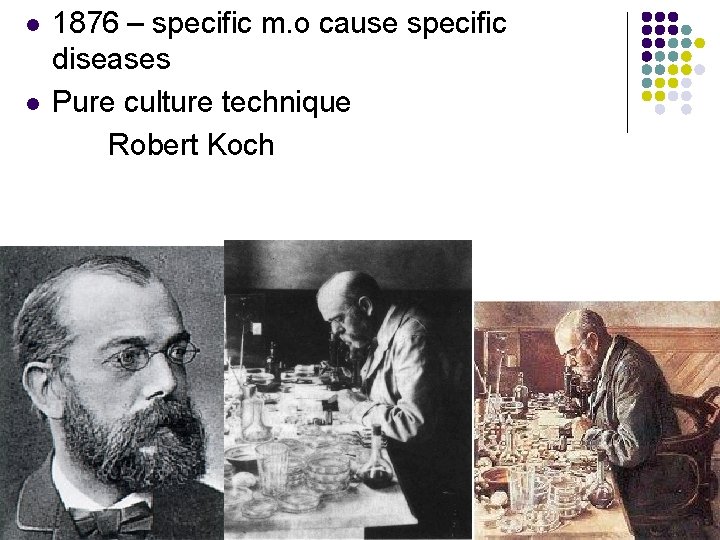
l l 1876 – specific m. o cause specific diseases Pure culture technique Robert Koch
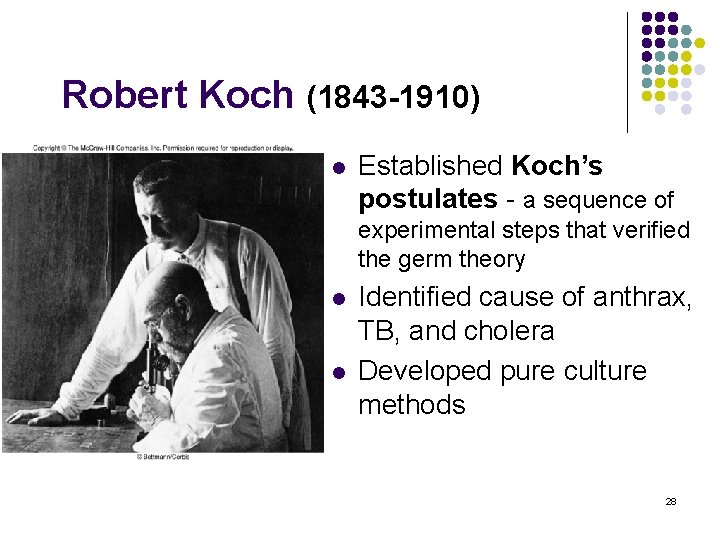
Robert Koch (1843 -1910) l Insert figure 1. 12 Established Koch’s postulates - a sequence of experimental steps that verified the germ theory l l Identified cause of anthrax, TB, and cholera Developed pure culture methods 28
Koch’s Postulates Determining the causative or etiologic agent of infectious disease: l Find evidence of a particular microbe in every case of a disease. l Isolate that microbe from an infected subject and cultivate it artificially in the laboratory. l Inoculate a susceptible healthy subject with the laboratory isolate and observe the resultant disease. l Reisolate the agent from this subject. 29
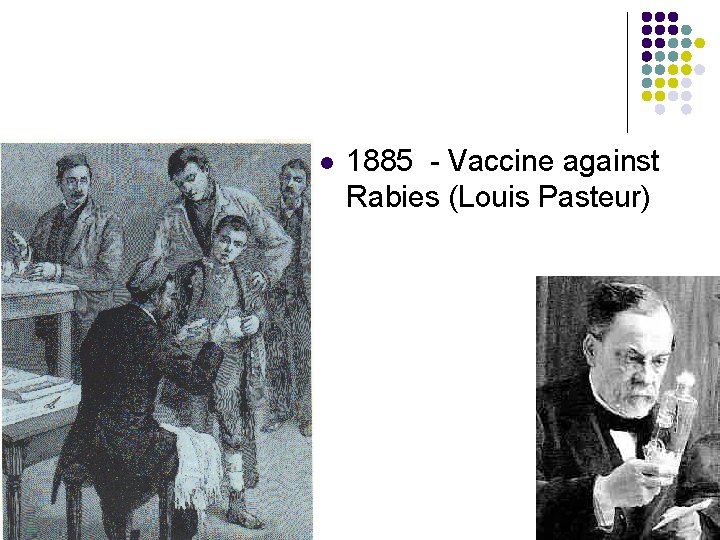
l 1885 - Vaccine against Rabies (Louis Pasteur)
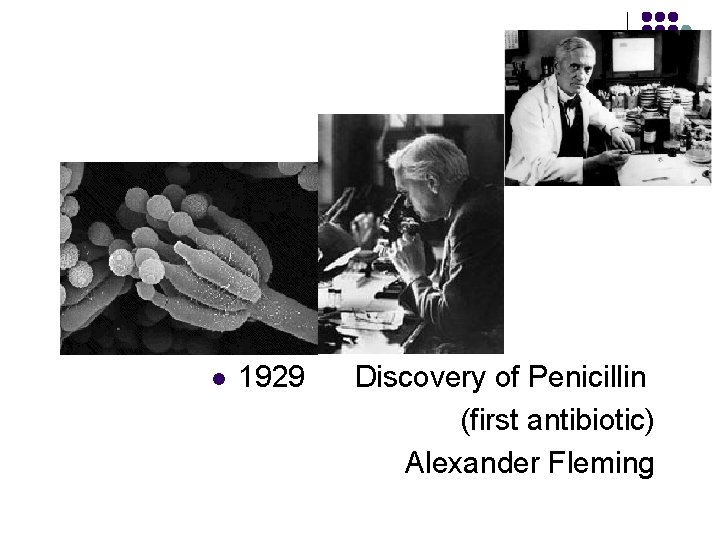
l 1929 Discovery of Penicillin (first antibiotic) Alexander Fleming
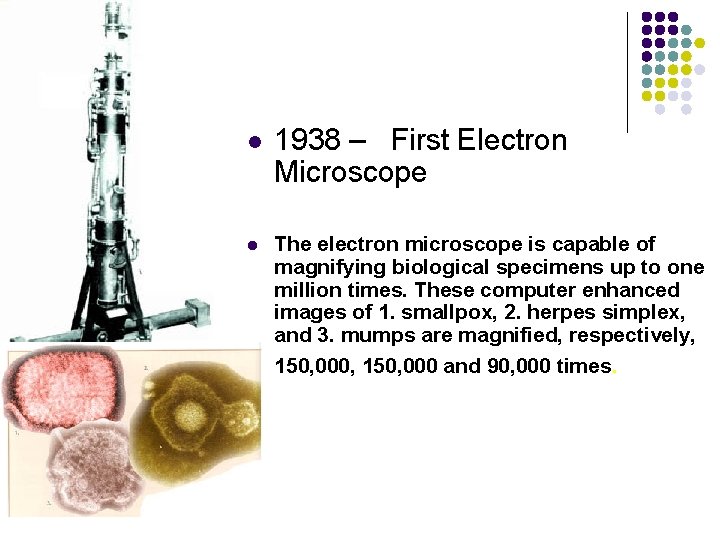
l l 1938 – First Electron Microscope The electron microscope is capable of magnifying biological specimens up to one million times. These computer enhanced images of 1. smallpox, 2. herpes simplex, and 3. mumps are magnified, respectively, 150, 000 and 90, 000 times.
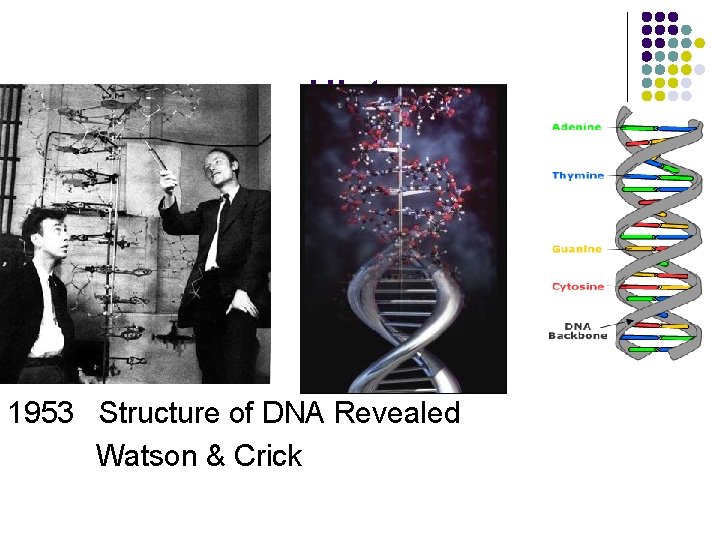
History 1953 Structure of DNA Revealed Watson & Crick
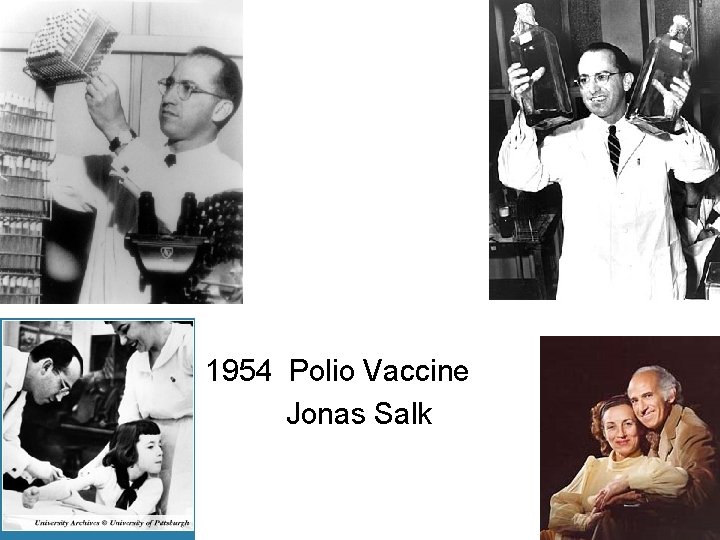
1954 Polio Vaccine Jonas Salk
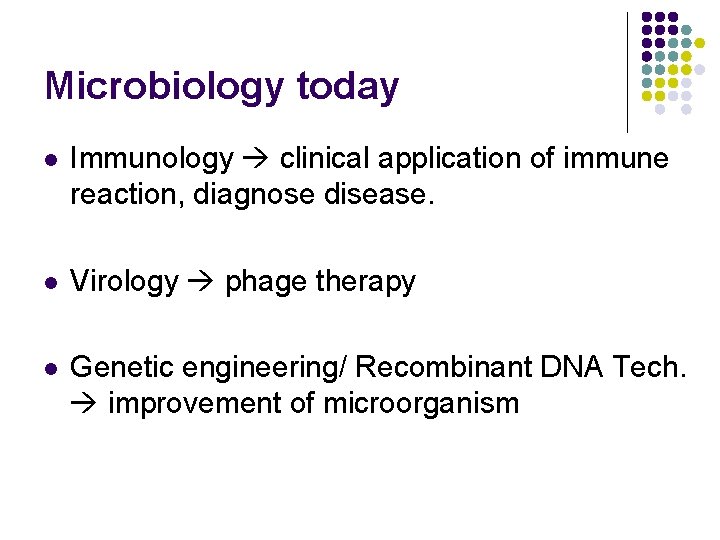
Microbiology today l Immunology clinical application of immune reaction, diagnose disease. l Virology phage therapy l Genetic engineering/ Recombinant DNA Tech. improvement of microorganism
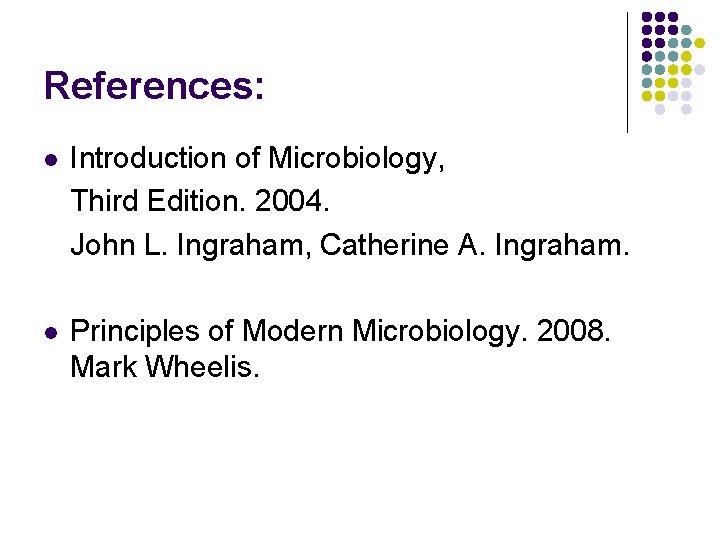
References: l Introduction of Microbiology, Third Edition. 2004. John L. Ingraham, Catherine A. Ingraham. l Principles of Modern Microbiology. 2008. Mark Wheelis.
- Slides: 36