
Microbiology Test Results What do they mean Christie
Microbiology Test Results: What do they mean? Christie Massen M. S. , MLS(ASCP) Microbiologist III – QA/CLIA Coordinator North Dakota Department of Health Division of Laboratory Services - Microbiology
Objectives • Upon completion of this presentation, participants will be able to: o o o Summarize various microbiological testing methods. List the components of a laboratory report. Interpret various microbiology test results. Summarize antibiotic susceptibility testing and results. Compare various serological test results.
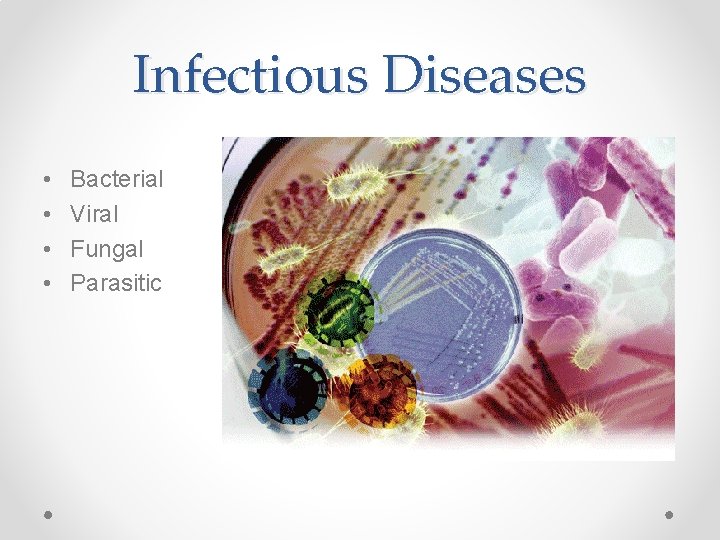
Infectious Diseases • • Bacterial Viral Fungal Parasitic
Supporting Laboratory Results • Viral o Identification of virus o Normal or Decreased WBC Count o Increased Lymphocyte Count • Parasitic o Identification of parasite o Increased Eosinophil Count • Bacterial o o o Identification of bacteria Increased WBC Count Increased Neutrophil Count Left-shift in Neutrophil Cell Line Increased CRP Increased Sed-Rate • Fungal o KOH Prep Test o Identification of fungal elements
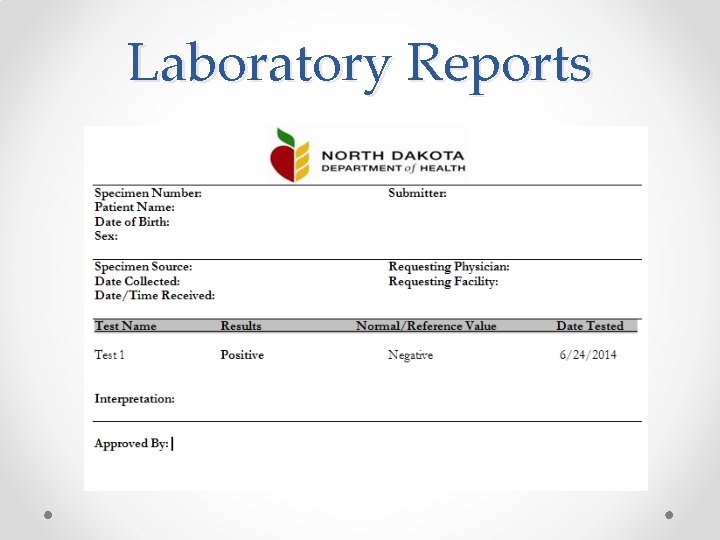
Laboratory Reports
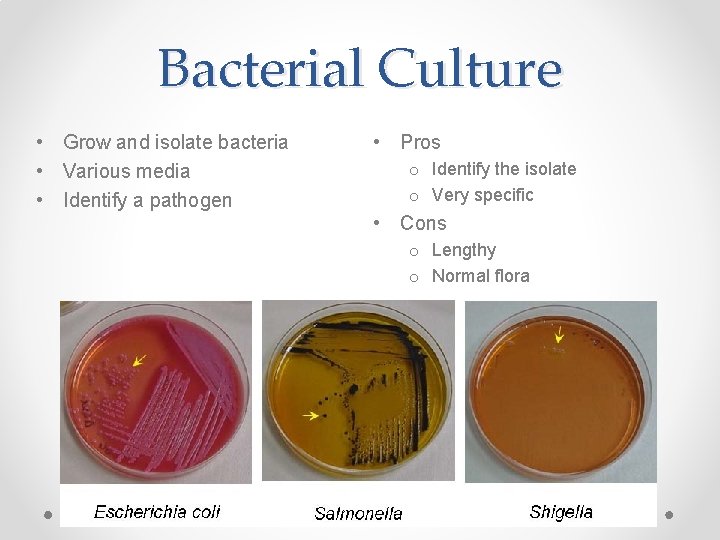
Bacterial Culture • Grow and isolate bacteria • Various media • Identify a pathogen • Pros o Identify the isolate o Very specific • Cons o Lengthy o Normal flora
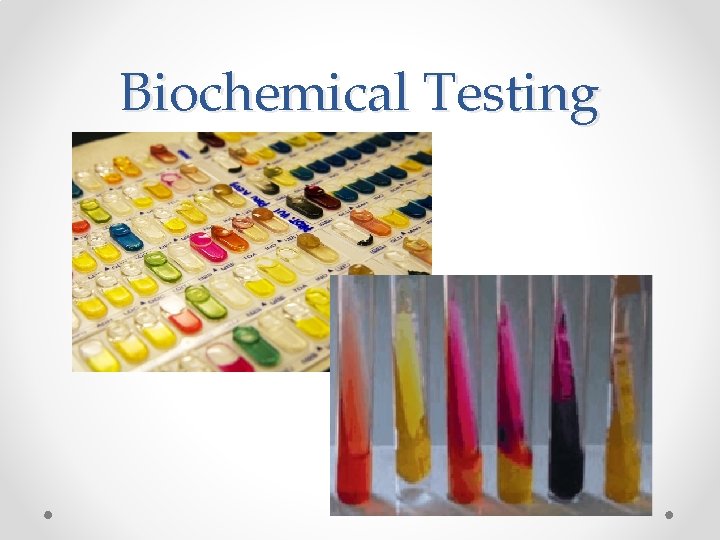
Biochemical Testing
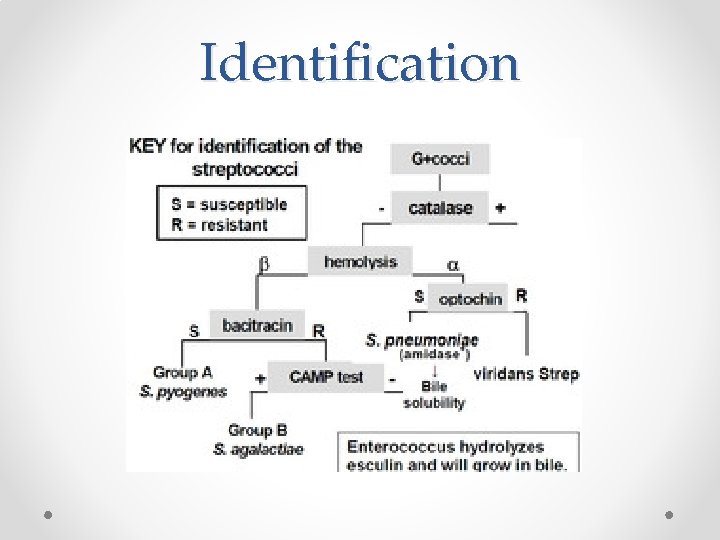
Identification
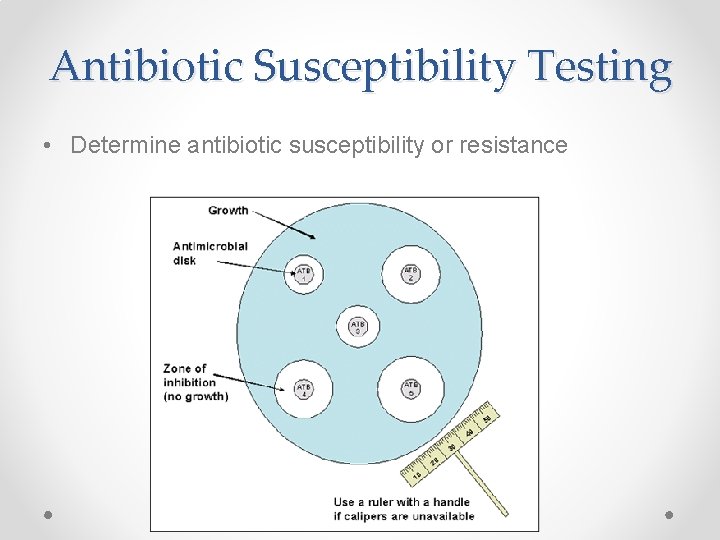
Antibiotic Susceptibility Testing • Determine antibiotic susceptibility or resistance
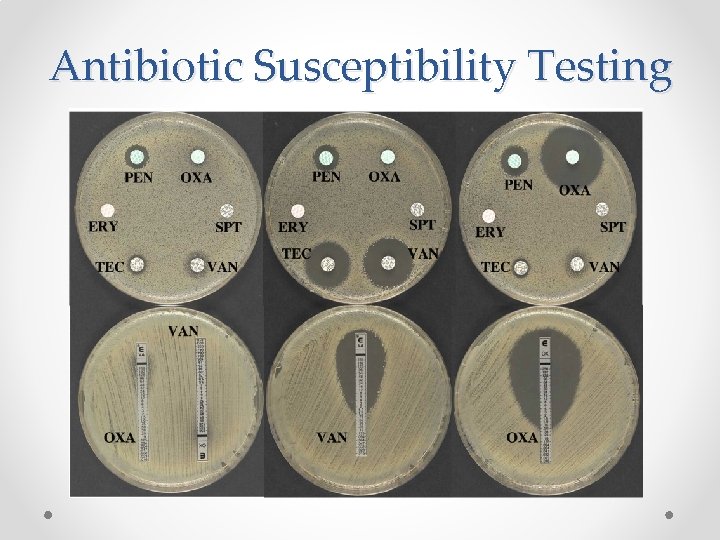
Antibiotic Susceptibility Testing
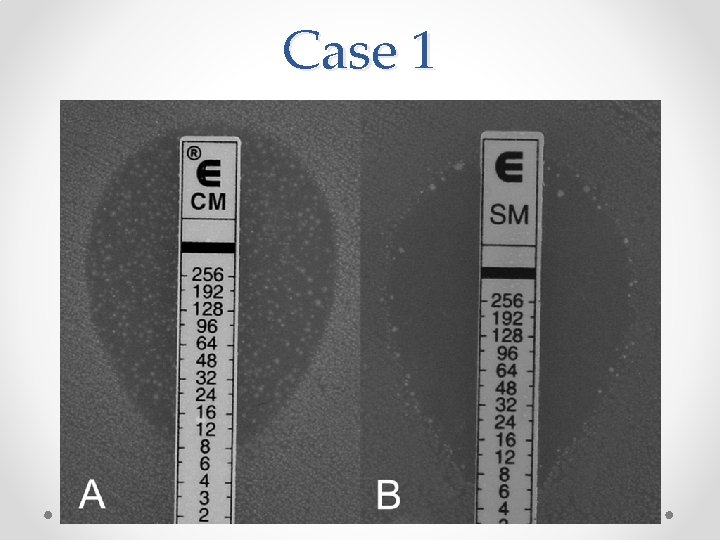
Case 1
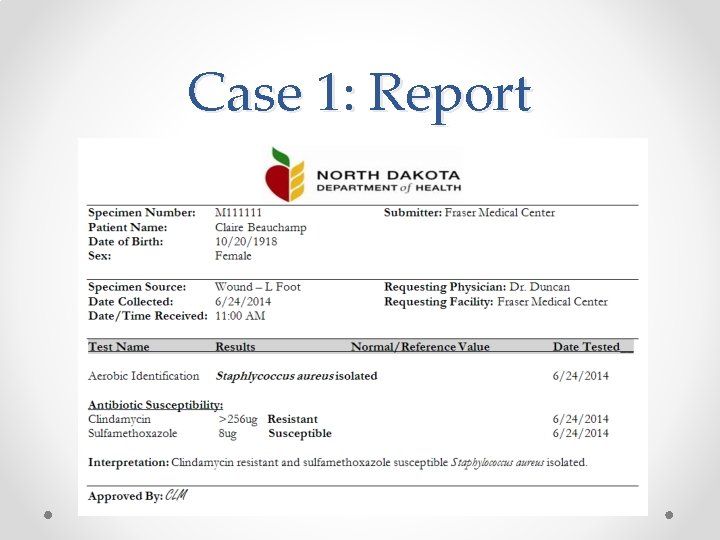
Case 1: Report
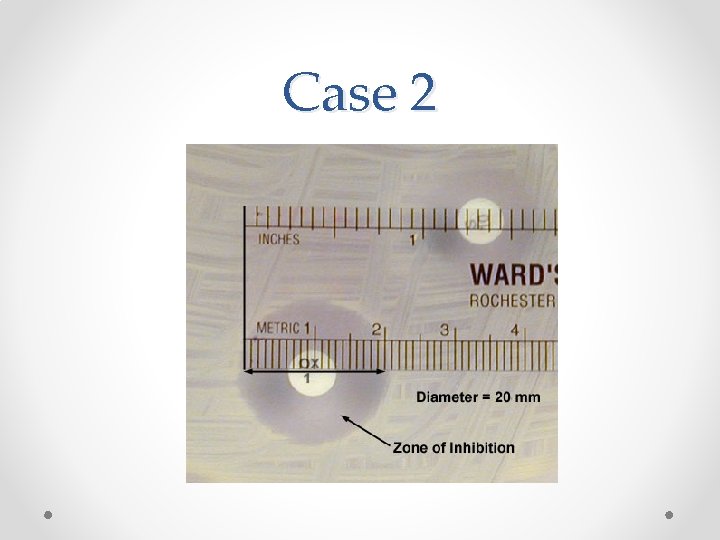
Case 2
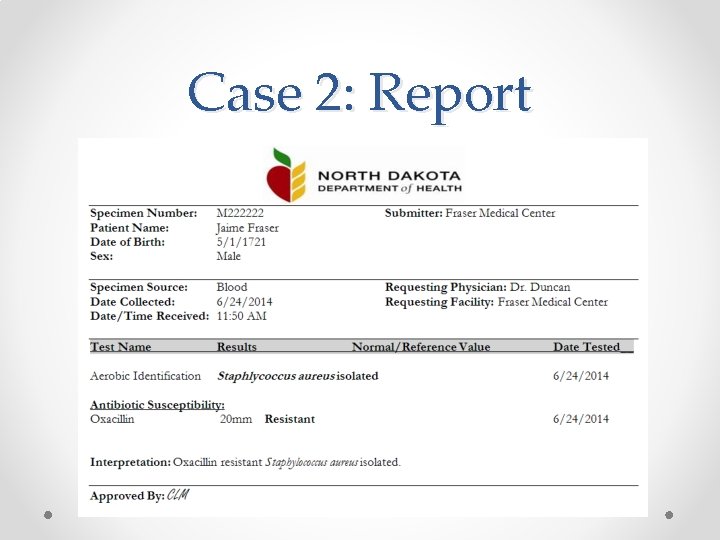
Case 2: Report
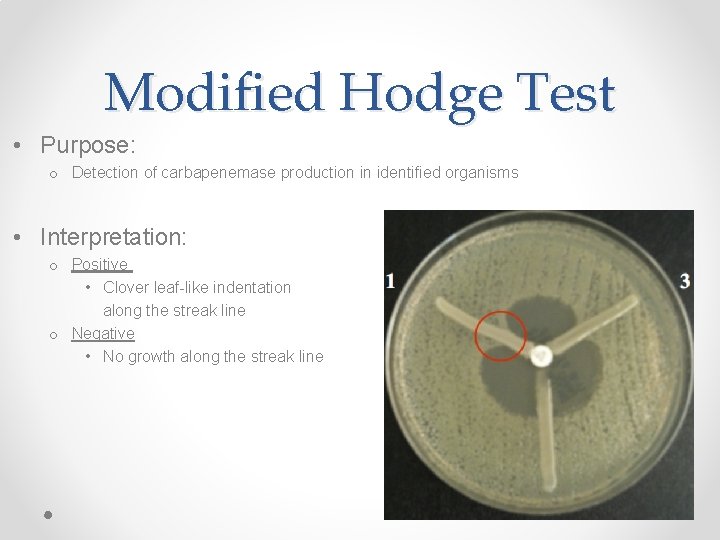
Modified Hodge Test • Purpose: o Detection of carbapenemase production in identified organisms • Interpretation: o Positive • Clover leaf-like indentation along the streak line o Negative • No growth along the streak line
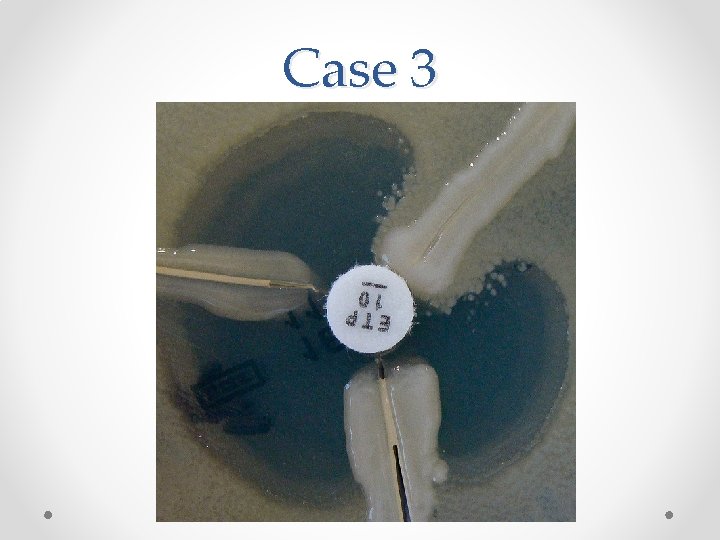
Case 3
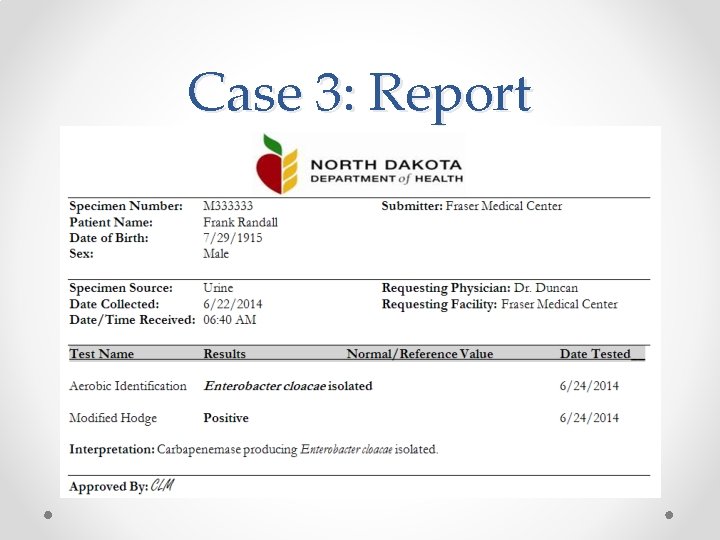
Case 3: Report
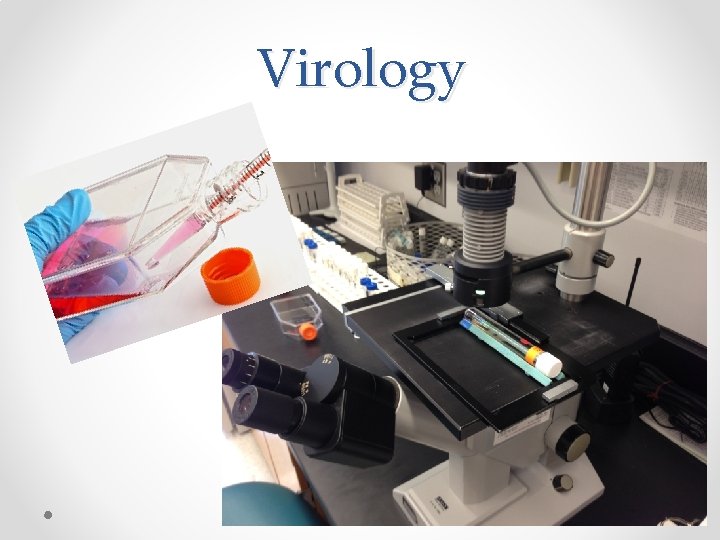
Virology
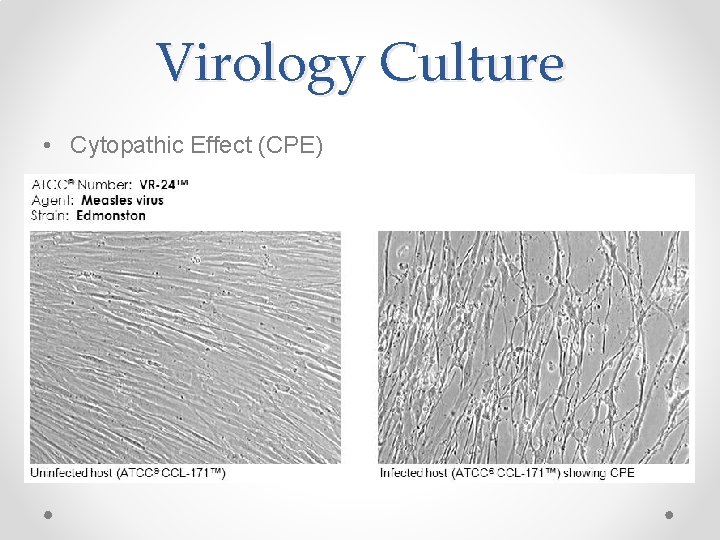
Virology Culture • Cytopathic Effect (CPE)
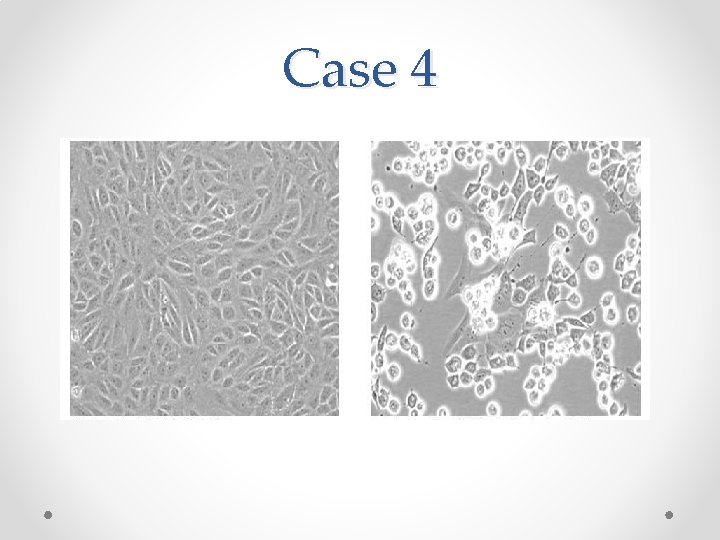
Case 4
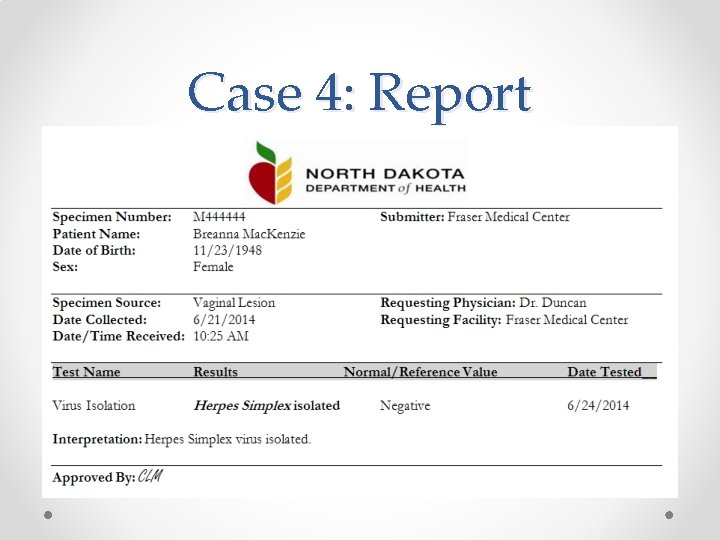
Case 4: Report
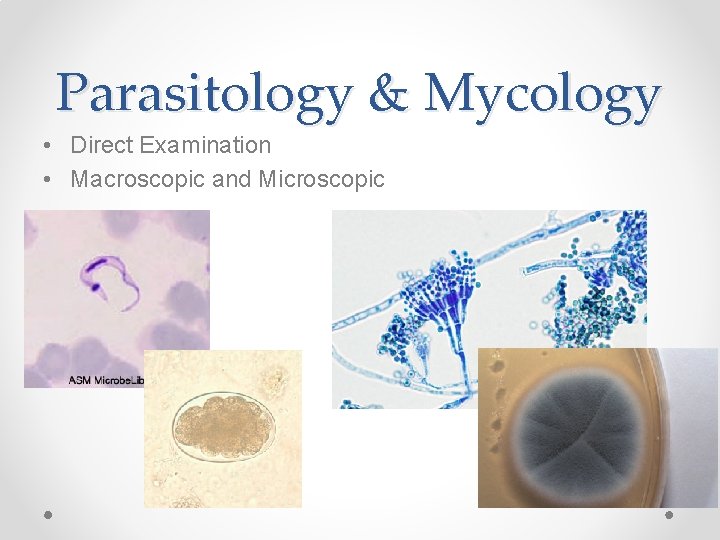
Parasitology & Mycology • Direct Examination • Macroscopic and Microscopic
Molecular Testing • DNA Probes • DNA sequencing o Nucleic acid sequences (16 s) o Whole genome sequencing • Nucleic Acid Amplification Testing (NAAT) o Polymerase Chain Reaction (PCR) o Ligase Chain Reaction (LCR) o Transcription Mediated Amplification (TMA)
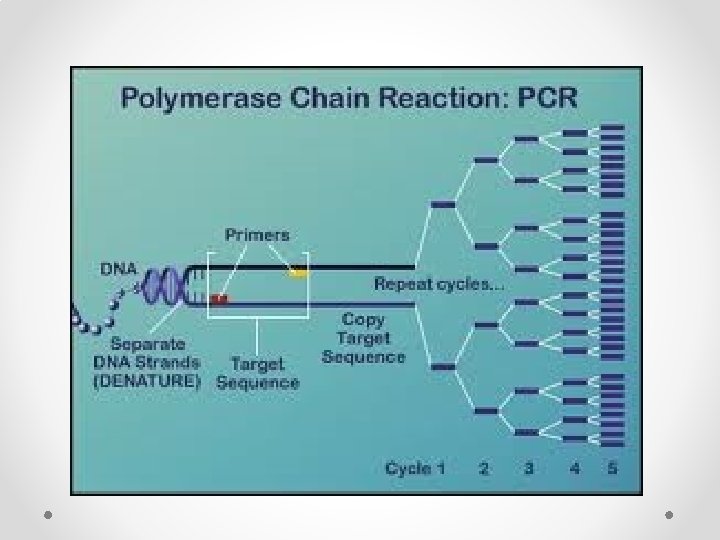
PCR • Developed in 1985 • First NAA method • How it works: o DNA Polymerase replicates the target DNA molecules • RNA can be replicated o Heat and cool cycles utilized o DNA Primers hybridize the target and initiate polymerization of new DNA Molecules o End product: Billions of copies of the target DNA o Read for presence of DNA target
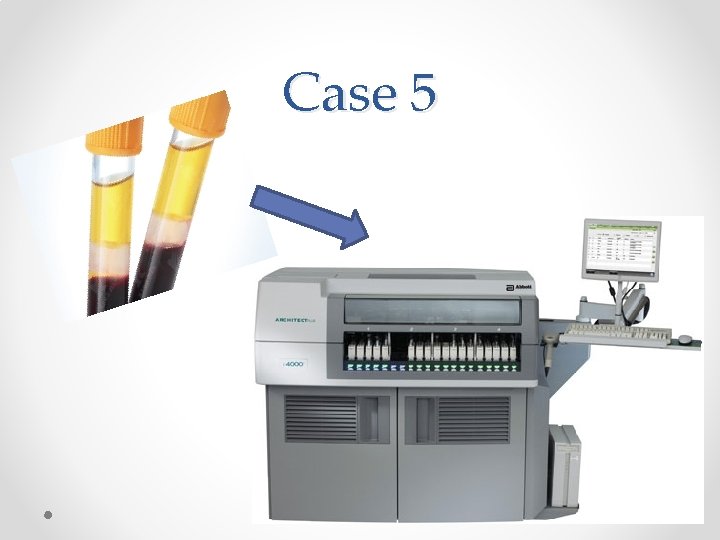
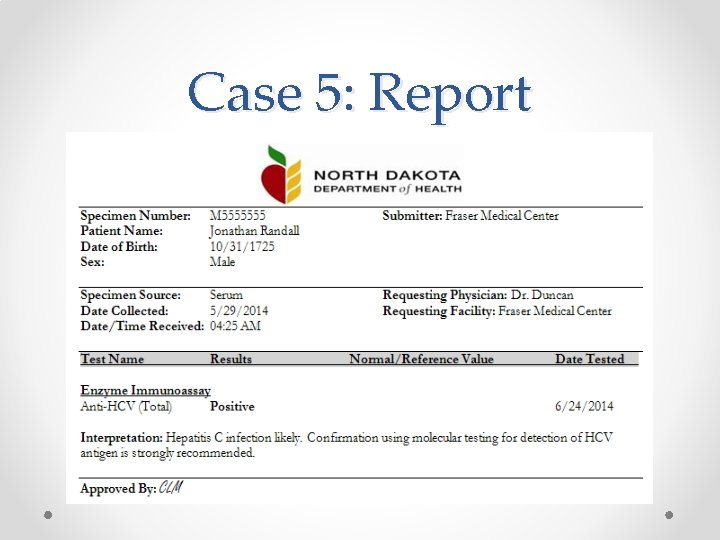
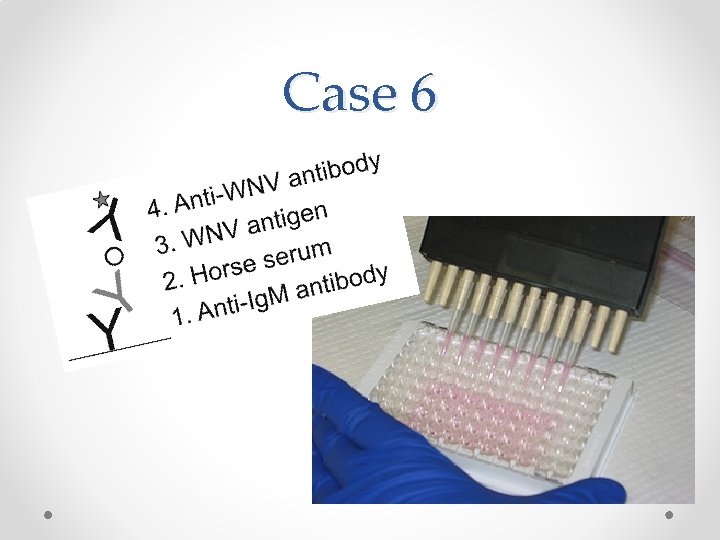
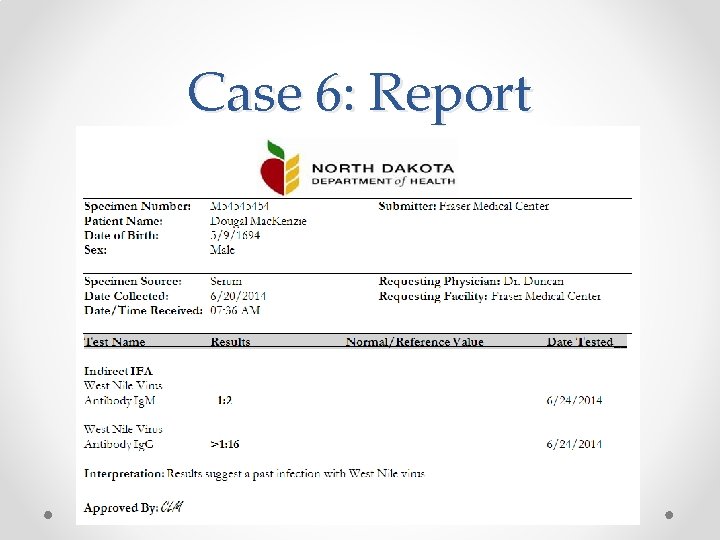
Immunology Test Methods • Detects: o Antigens o Antibodies • Test Methods: o o o o o Agglutination Nephlometry Double Diffusion Radial Immunodiffusion Electrophoresis Western Blot Flocculation ELISA Immunoflorescence assay Radioimmunoassay
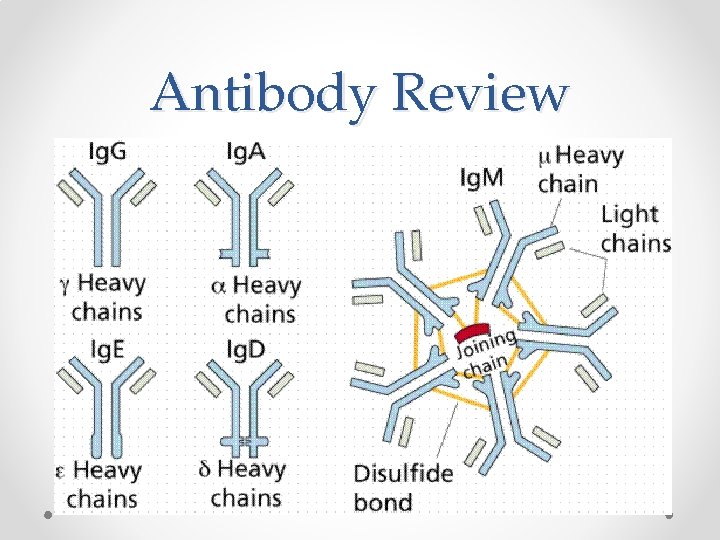
Antibody Review
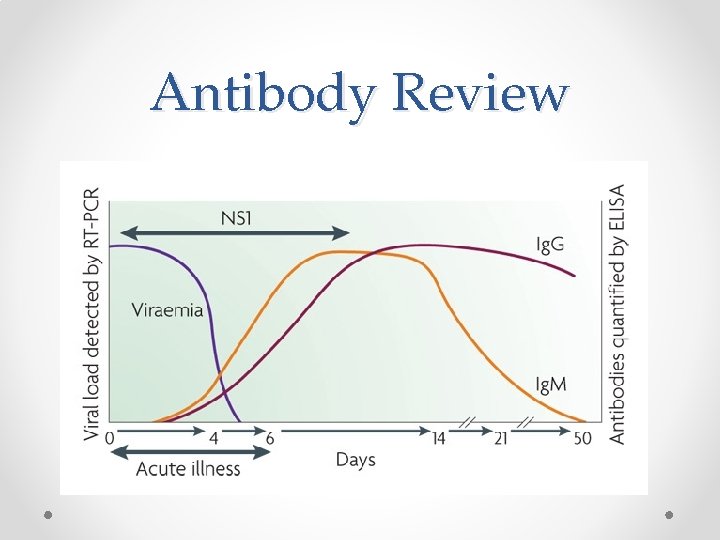
Antibody Review
Case 5
Case 5: Report
Case 6
Case 6: Report
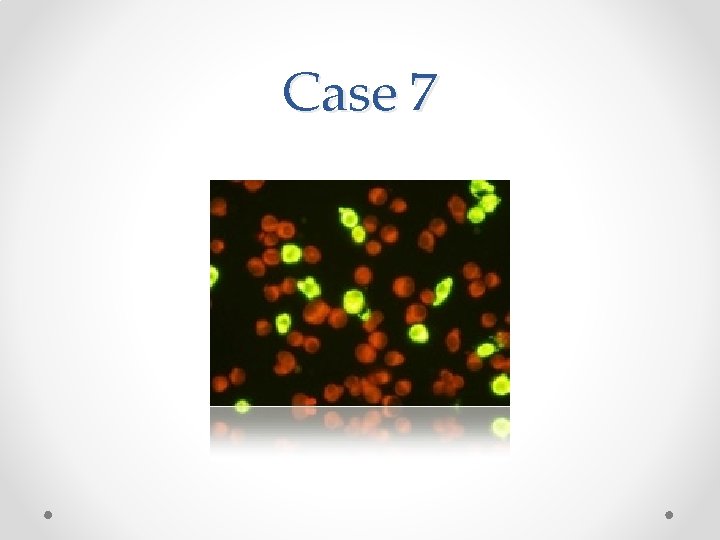
Case 7
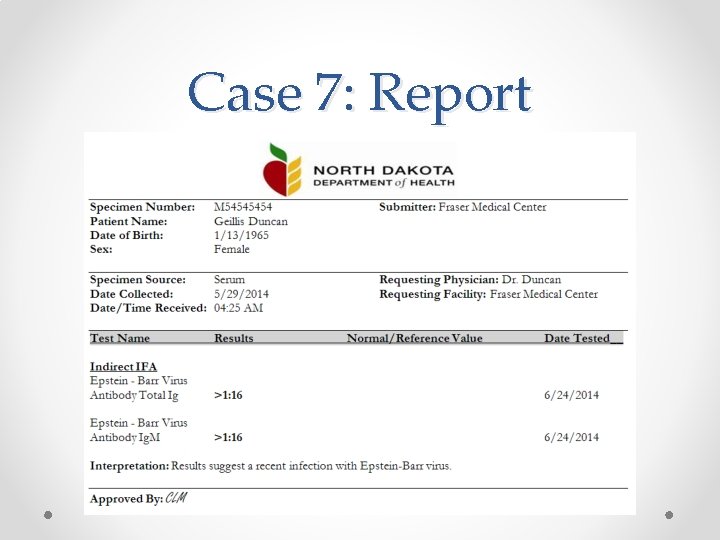
Case 7: Report
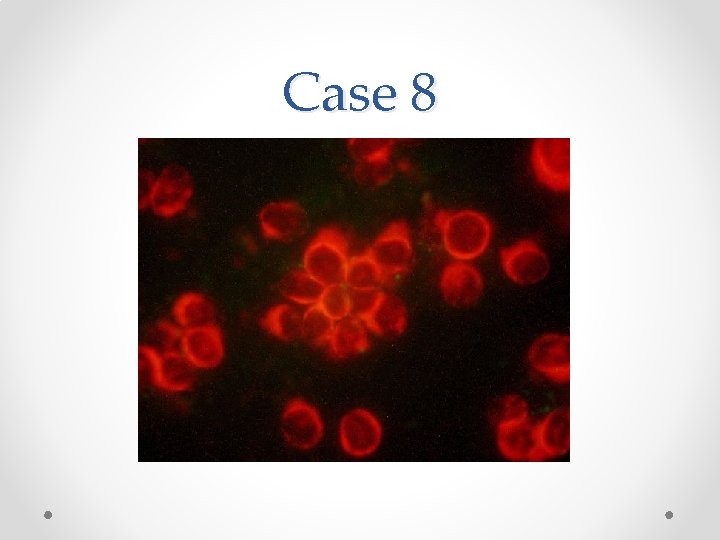
Case 8
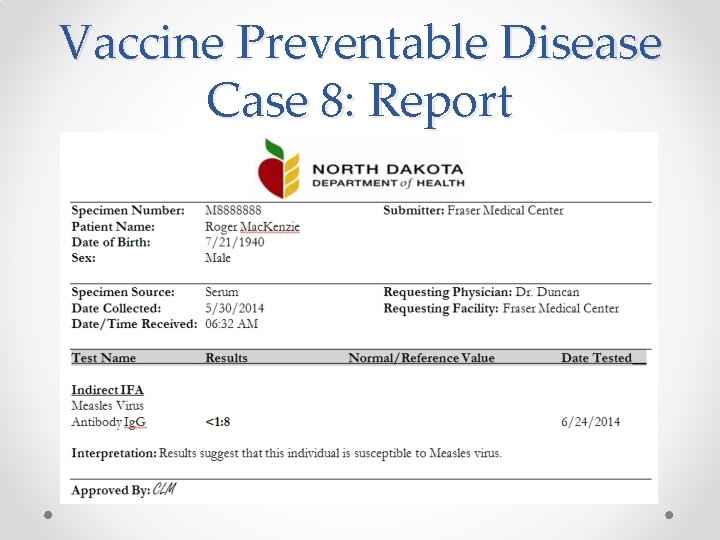
Vaccine Preventable Disease Case 8: Report

Questions?
References • Kiser, K. M. , Payne, W. C. , & Taff, T. A. (2011). Clinical Laboratory Microbiology: A Practical Approach. Upper Saddle River, NJ: Pearson Education. • Amjad, A. , Mirza, I. A. , Zia, F. (2011). Modified Hodge test: A simple and effective test for detection of carbapenemase production. Iran Journal of Microbiology. Retrieved from: http: //www. ncbi. nlm. nih. gov/pmc/articles/PMC 3330182/ • New Directions in Molecular Testing: An Educational Guide for Clinical Laboratory Professionals. Gen-Probe Inc. Retrieved from: www. gen-probe. com
- Slides: 38