
Microbiology Laboratory Procedures Microbiology the study of microbes

Microbiology Laboratory Procedures

Microbiology = the study of microbes (bacteria, fungi, and viruses) Bacteriology = study of bacteria Virology = study of viruses Mycology = study of fungi *Most microbes found on or in the body are nonpathogenic, however these organisms can produce significant disease if located elsewhere.
Bacteria are: a. Prokaryotic – unicellular organism lacking a true nucleus & nuclear membrane, having genetic material composed of a single molecule of DNA. b. microscopic organisms c. reproduce using binary fission d. very complex despite their small size. http: //learn. genetics. utah. edu/content/begin/cells/scale/

Most bacteria come in one of three basic shapes: coccus, rod or bacillus, and spiral

I. The coccus The cocci are spherical or oval bacteria having one of several distinct arrangements based on their planes of division.

diplococcus: cocci arranged in pairs
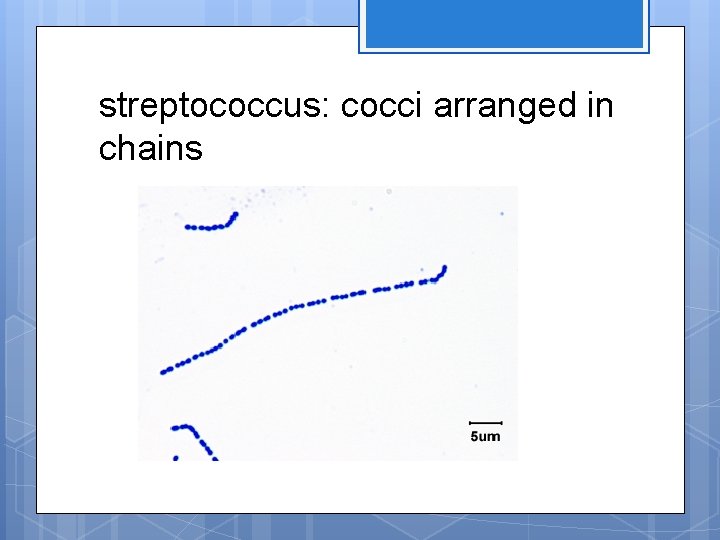
streptococcus: cocci arranged in chains

a tetrad: cocci arranged in squares of 4
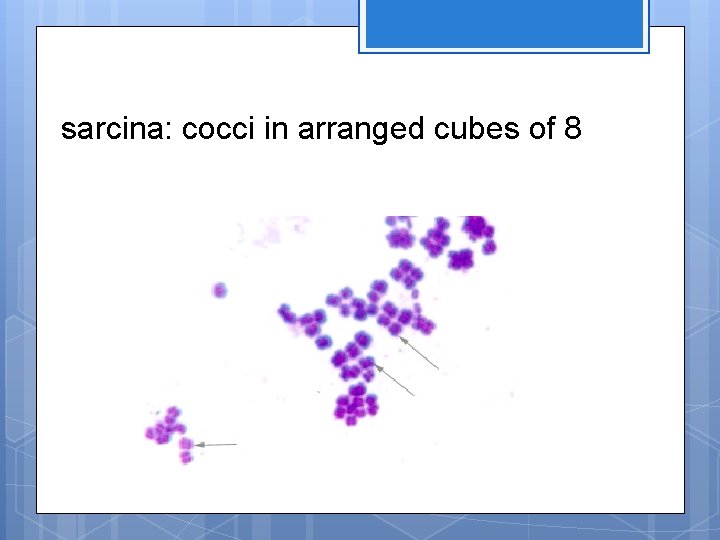
sarcina: cocci in arranged cubes of 8
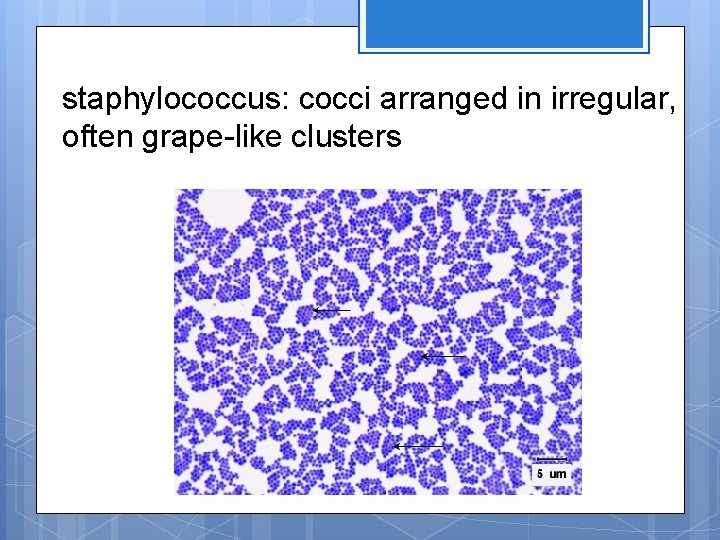
staphylococcus: cocci arranged in irregular, often grape-like clusters

II. The rod or bacillus Bacilli are rod-shaped bacteria. Bacilli all divide in one plane producing a bacillus, streptobacillus, or coccobacillus arrangement.
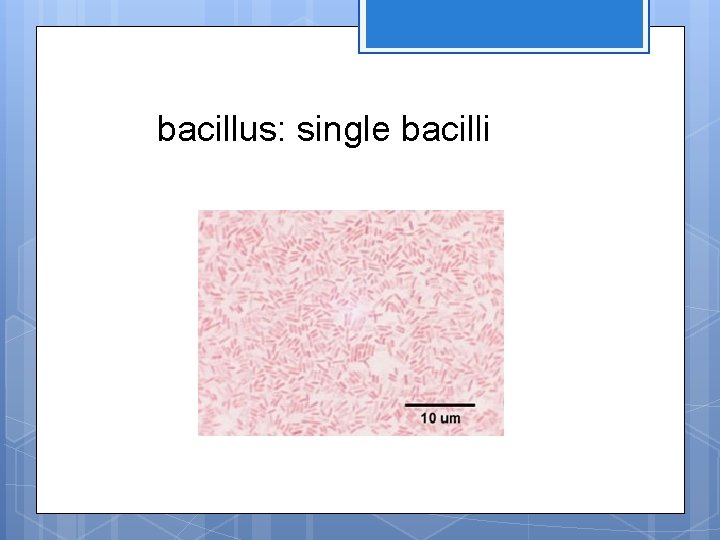
bacillus: single bacilli
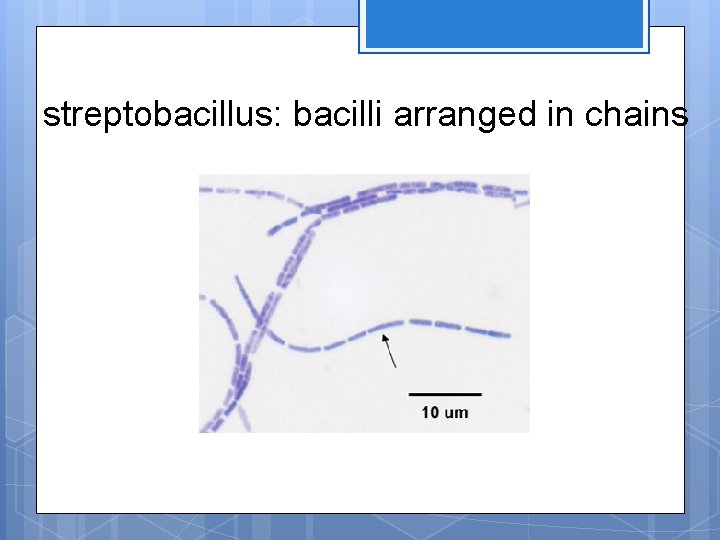
streptobacillus: bacilli arranged in chains
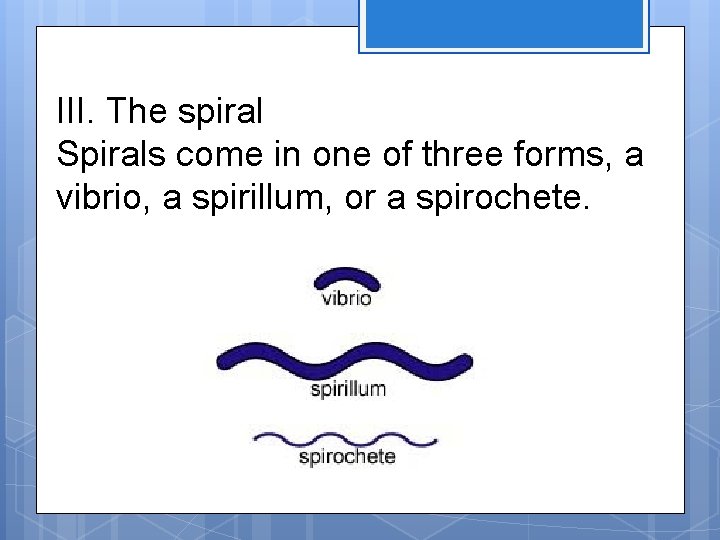
III. The spiral Spirals come in one of three forms, a vibrio, a spirillum, or a spirochete.
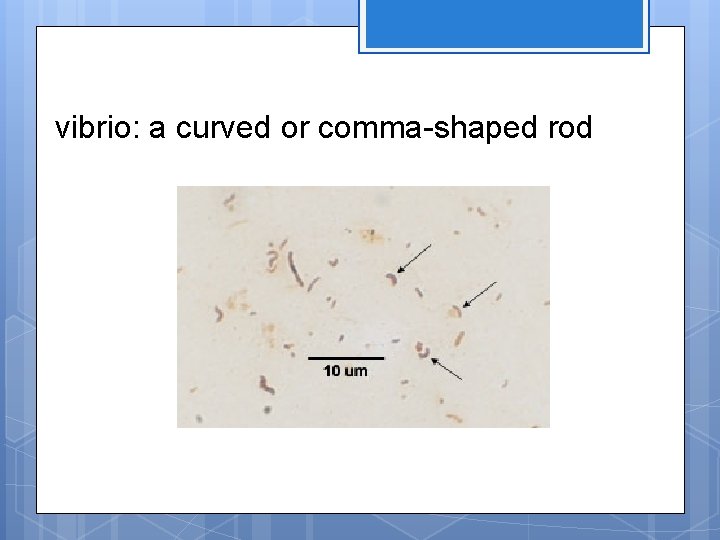
vibrio: a curved or comma-shaped rod
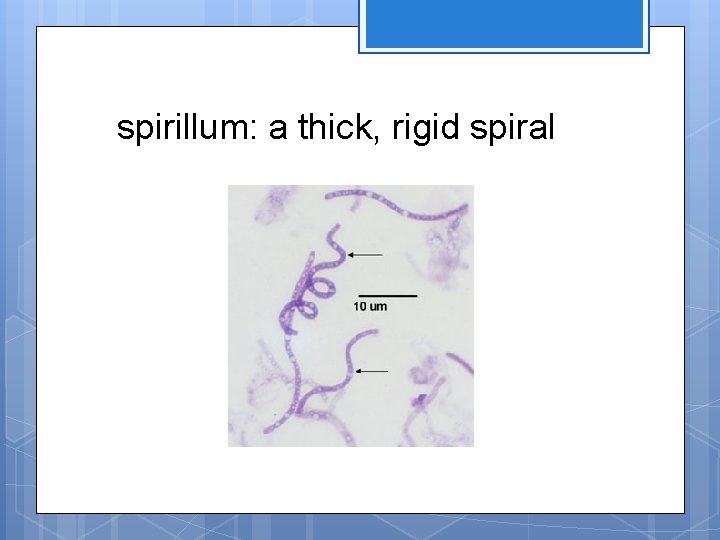
spirillum: a thick, rigid spiral
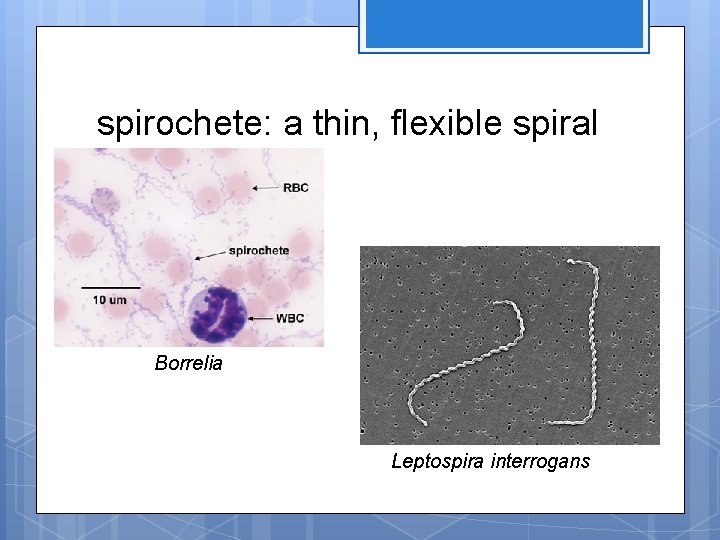
spirochete: a thin, flexible spiral Borrelia Leptospira interrogans
IV: Spores A few bacteria form intracellular refractile bodies called endospores or spores. Clostridium are spore formers and are resistant to heat, desiccation, chemicals, and radiation.
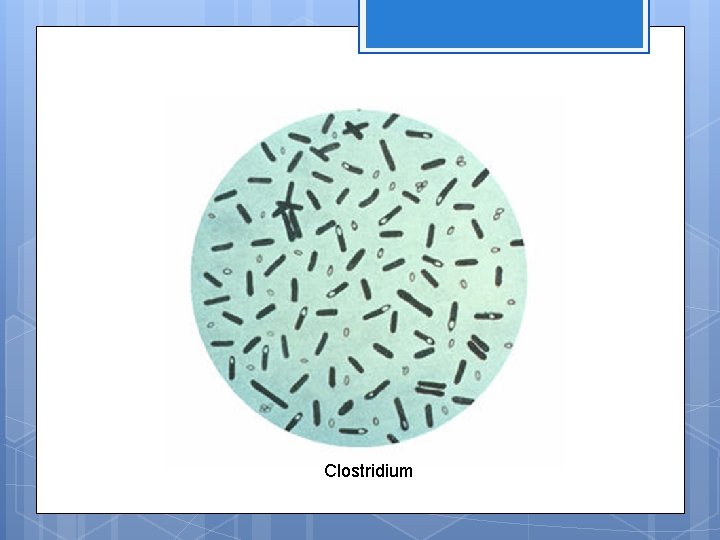
Clostridium
The primary purpose of microbiology examinations is to identify bacterial pathogens. How do we do this ? ? ? -Size -Shape -Arrangement -Cemical Activity
Bacterial Cultures The primary purpose of microbiology is to identify bacterial pathogens. Culture Media = any material, solid, or liquid, that can support the growth of microorganisms.
Types of Culture Media Typically prepared agar plates Agar = dried sea algae Agar plates = sea algae & gelatin
Types of Culture Media Enriched Media -Most used in veterinary practice -Created to meet the requirements of many bacteria -Basic nutrient media w/ extra nutrients added (egg, blood, serum) Ex. blood agar, chocolate agar
Types of Culture Media Selective Media -Contain antibacterial substances which inhibit certain bacterial growth. -Allows the microbiologist to facilitate isolation of a particular genus of bacteria. Ex. Mac. Conkey agar (contains crystal violet which supresses gram-positive bacteria)

Bacterial Growth
Specimen Collection Aspiration, Collection swabbing (culturette) & scraping techniques depend on type of lesion, location on the body& specific test desired
Specimen Collection A complete patient history is vital!! Specimen collected aseptically & ASAP after the onset of symptoms. Label specimen container Take your time!!
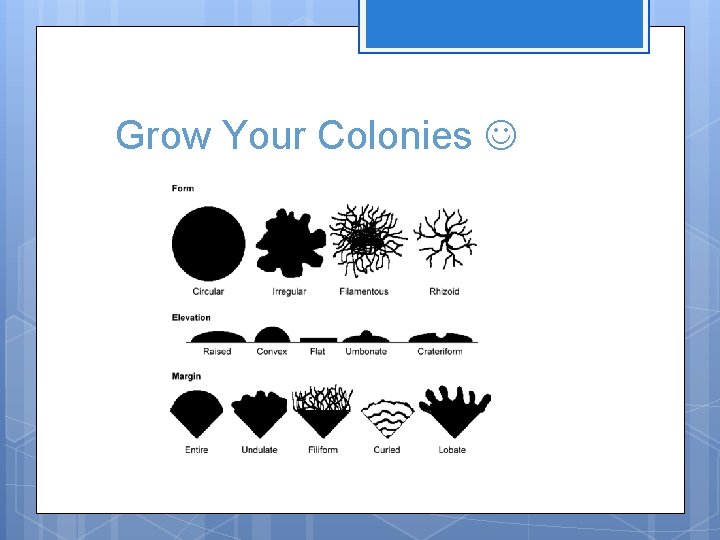
Grow Your Colonies
Gram Stain For ID Stain –used to categorize bacteria as either gram + or gram – on the basis of cell wall structure. Kits contain crystal violet, Gram’s iodine, a decolorizer, and safranin. Purple bacteria = gram + Red bacteria = gram -
Mycology Fungal study Most common fungus studied in veterinary medicine = dermatophytes / ringworm Ringworm invades, skin, nails & hair
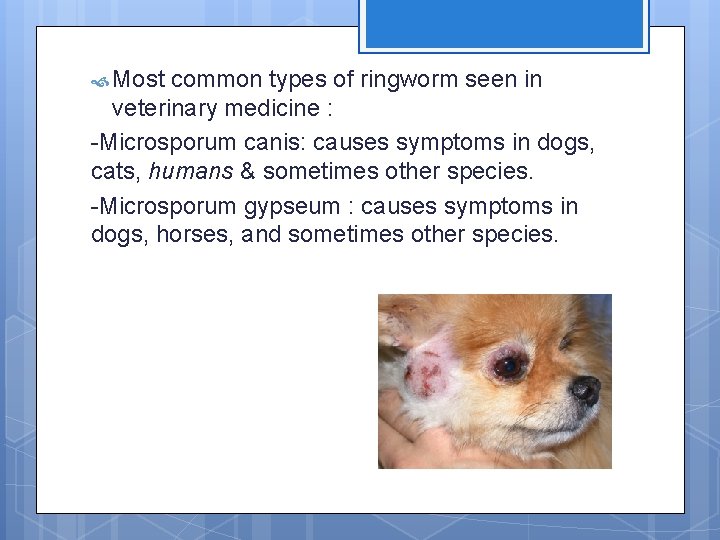
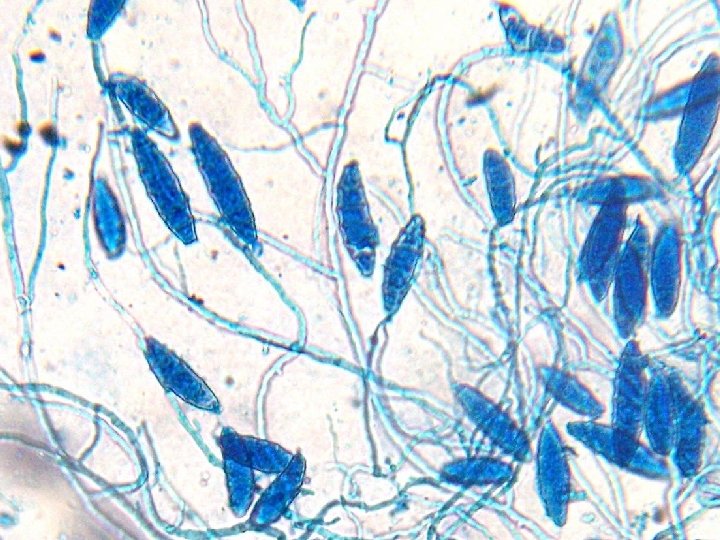
Most common types of ringworm seen in veterinary medicine : -Microsporum canis: causes symptoms in dogs, cats, humans & sometimes other species. -Microsporum gypseum : causes symptoms in dogs, horses, and sometimes other species.

Dermatophyte Testing DTM (standard dermatophyte test medium) Turns The red in the presence of dermatophytes presence of the red color is not enough for diagnosis b/c bacterial contaminants and nonpathogenic fungi can cause a positive color rxn.

Woods Lamp Testing Microsporum may fluoresce under a black light ( Woods Lamp) Approx No 60% of Canis will fluorescence on Woods lamp DOES NOT RULE OUT ringworm infection.

Positive Woods Lamp Exam
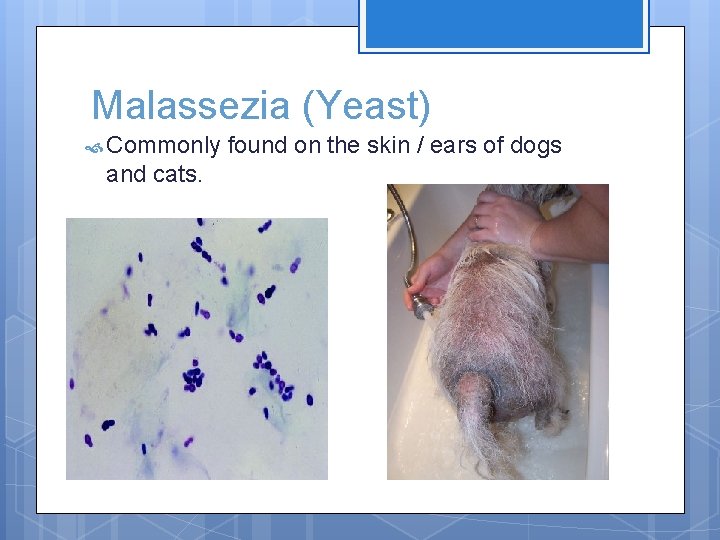
Malassezia (Yeast) Commonly and cats. found on the skin / ears of dogs
- Slides: 37