
Microbiology Chapter 12 Characterizing and Classifying Eukaryotes 2018
Microbiology Chapter 12 Characterizing and Classifying Eukaryotes © 2018 Pearson Education, Inc.
General Characteristics of Eukaryotic Organisms • Eukaryotic microorganisms • • • Protozoa Fungi Algae Slime molds Water molds • Include both human pathogens and organisms vital for human life © 2018 Pearson Education, Inc.
General Characteristics of Eukaryotic Organisms • Reproduction of Eukaryotes • More complicated than that in prokaryotes • Most eukaryotic DNA packaged as chromosomes in the nucleus • Have variety of methods of asexual reproduction • Many reproduce sexually by forming gametes and zygotes • Algae, fungi, and some protozoa reproduce both sexually and asexually © 2018 Pearson Education, Inc.
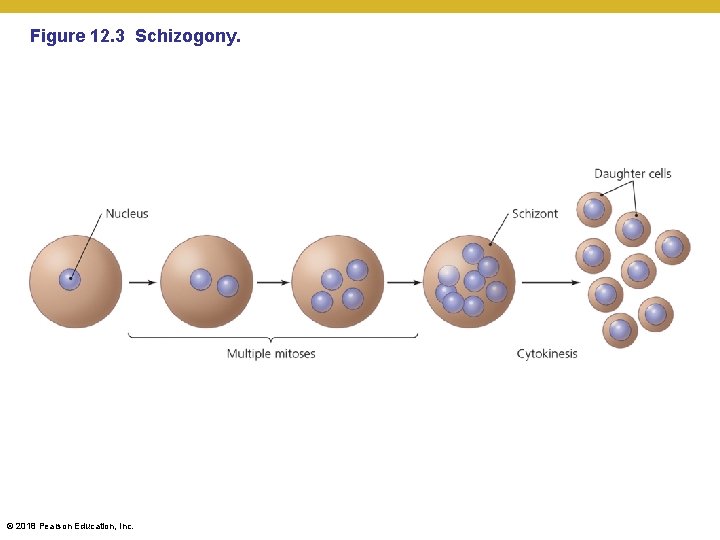
Figure 12. 3 Schizogony. © 2018 Pearson Education, Inc.

General Characteristics of Eukaryotic Organisms • Classification of Eukaryotic Organisms • Early taxonomy schemes grouped organisms based on structural similarities • Modern classification is based more on similarities in nucleotide sequences © 2018 Pearson Education, Inc.
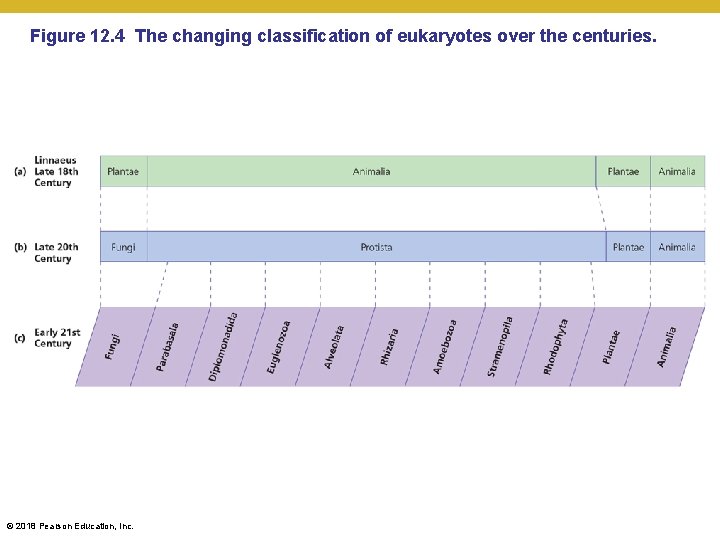
Figure 12. 4 The changing classification of eukaryotes over the centuries. © 2018 Pearson Education, Inc.
Protozoa • Diverse group defined by three characteristics: • Eukaryotic • Unicellular • Lack a cell wall • Motile by means of cilia, flagella, and/or pseudopods • Except a subgroup: apicomplexans © 2018 Pearson Education, Inc.
Protozoa • Distribution of Protozoa • Require moist environments • Most live in ponds, streams, lakes, and oceans • Critical members of plankton • Others live in moist soil, beach sand, and decaying organic matter • Very few are pathogens © 2018 Pearson Education, Inc.
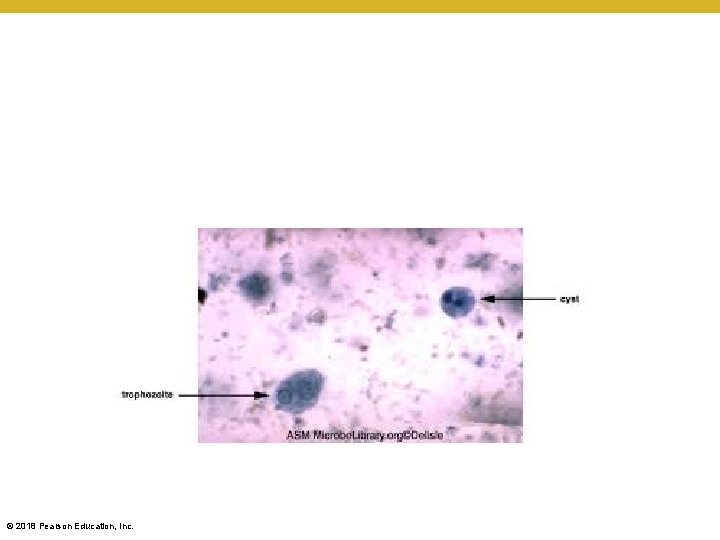
Protozoa • Morphology of Protozoa • Great morphological diversity • Some have two nuclei • Macronucleus • Contains many copies of the genome • Micronucleus • Variety in number and kinds of mitochondria • Some have contractile vacuoles that pump water out of cells • Different stages in life cycle • Motile feeding stage called a trophozoite • Resting stage called a cyst © 2018 Pearson Education, Inc.
Protozoa • Nutrition of Protozoa • Most are chemoheterotrophic • Obtain nutrients by phagocytizing bacteria, decaying organic matter, other protozoa, or the tissues of host • Few absorb nutrients from surrounding water • Dinoflagellates and euglenoids are photoautotrophic © 2018 Pearson Education, Inc.
Protozoa • Reproduction of Protozoa • Most reproduce only asexually • Binary fission or schizogony • Few also have sexual reproduction • Some become gametocytes that fuse to form diploid zygotes • Some utilize a process called conjugation © 2018 Pearson Education, Inc.
Protozoa • Classification of protozoa has shifted over the years • Revised and updated based on nucleotide sequences • One current scheme groups protozoa into six groups • • • Parabasala Diplomonadida Euglenozoa Alveolates Rhizaria Amoebozoa © 2018 Pearson Education, Inc.
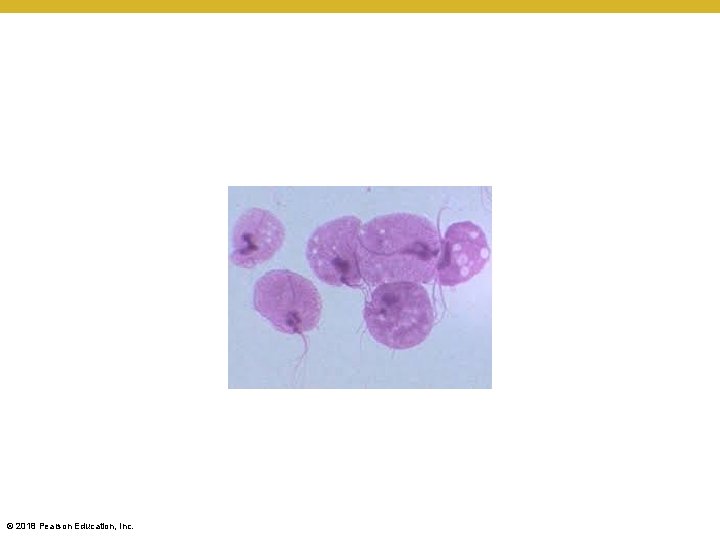
Protozoa • Classification of Protozoa • Parabasala • Lack mitochondria • Have a single nucleus • Contain Golgi body–like structure called a parabasal body • Important parabasalids • Trichonympha • Trichomonas © 2018 Pearson Education, Inc.
© 2018 Pearson Education, Inc.
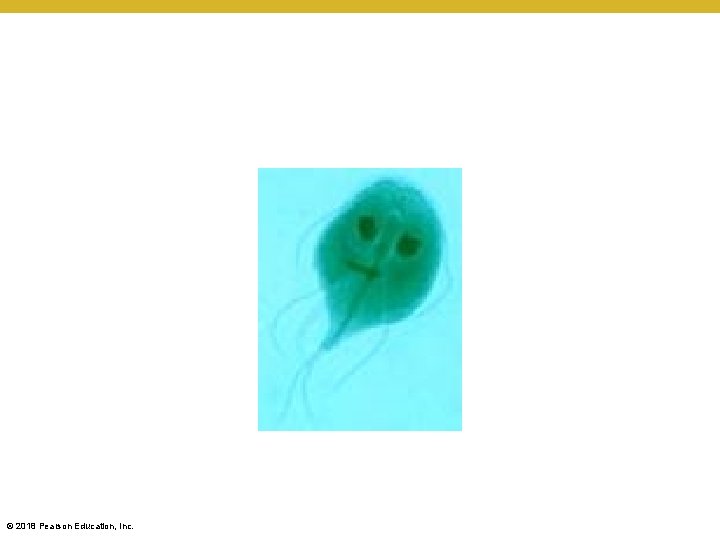
Protozoa • Classification of Protozoa • Diplomonadida • Lack mitochondria • Have mitosomes in the cytoplasm • Mitochondrial genes found in the nuclear chromosomes • Also lack Golgi bodies and peroxisomes • Have two equal-sized nuclei and multiple flagella • Prominent diplomonad • Giardia © 2018 Pearson Education, Inc.
© 2018 Pearson Education, Inc.
Protozoa • Classification of Protozoa • Euglenozoa • • Characteristics of both plants and animals Flagella contain a crystalline rod of unknown function Mitochondria have disk-shaped cristae Two groups • Euglenids • Kinetoplastids © 2018 Pearson Education, Inc.
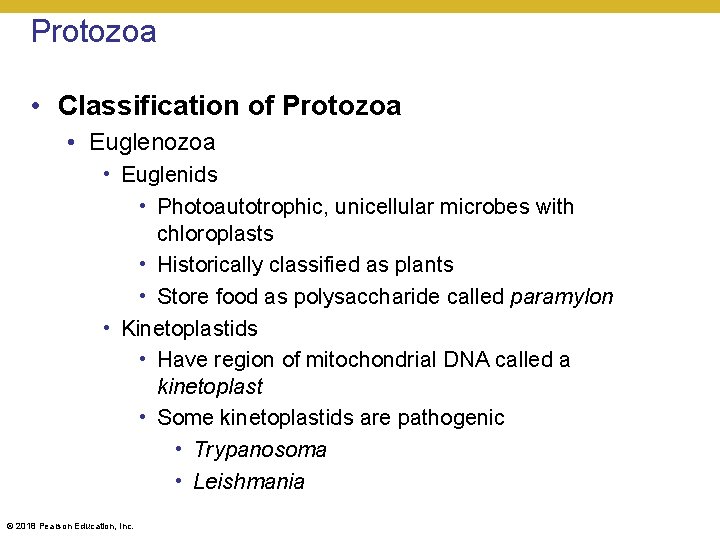
Protozoa • Classification of Protozoa • Euglenids • Photoautotrophic, unicellular microbes with chloroplasts • Historically classified as plants • Store food as polysaccharide called paramylon • Kinetoplastids • Have region of mitochondrial DNA called a kinetoplast • Some kinetoplastids are pathogenic • Trypanosoma • Leishmania © 2018 Pearson Education, Inc.
© 2018 Pearson Education, Inc.
Protozoa • Classification of Protozoa • Alveolates • Have membrane-bound cavities called alveoli • Purpose is unknown • Divided into three subgroups • Ciliates • Apicomplexans • Dinoflagellates © 2018 Pearson Education, Inc.
© 2018 Pearson Education, Inc.
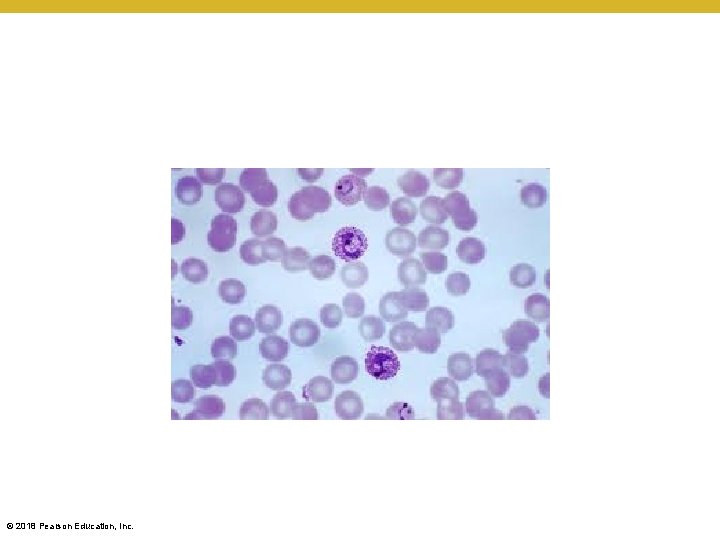
Protozoa • Classification of Protozoa • Alveolates • Ciliates • Use cilia to move themselves or water • All are chemoheterotrophs and have two nuclei • Balantidium is the only ciliate pathogenic to humans • Apicomplexans • Chemoheterotrophic pathogens of animals • Complex of organelles allow them to penetrate host cells • Plasmodium, Cryptosporidium, and Toxoplasma cause disease in humans © 2018 Pearson Education, Inc.
Protozoa • Classification of Protozoa • Alveolates • Dinoflagellates • Unicellular microbes with photosynthetic pigments • Historically classified as algae • Large proportion of freshwater and marine plankton • Motile dinoflagellates have two flagella • Many dinoflagellates are bioluminescent • Abundance in marine water is one cause of red tides • Some dinoflagellates produce neurotoxins © 2018 Pearson Education, Inc.
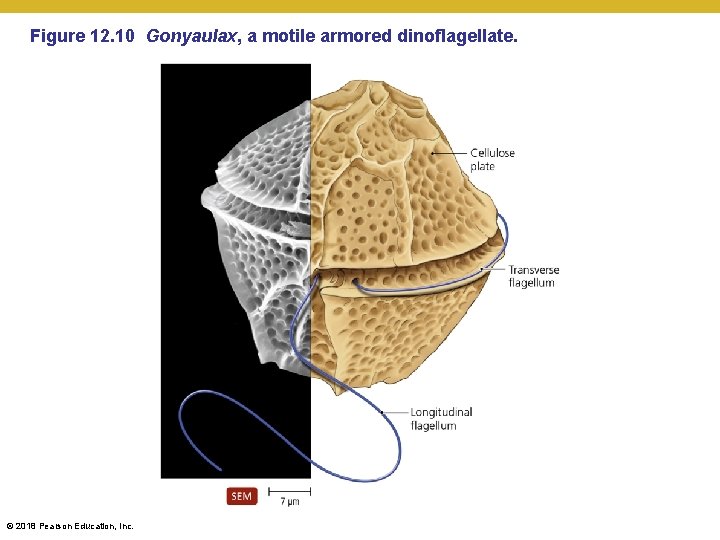
Figure 12. 10 Gonyaulax, a motile armored dinoflagellate. © 2018 Pearson Education, Inc.
Protozoa • Classification of Protozoa • Amoebae with lobe-shaped pseudopods and no shells • Includes some human pathogens • Naegleria • Acanthamoeba • Entamoeba © 2018 Pearson Education, Inc.
© 2018 Pearson Education, Inc.
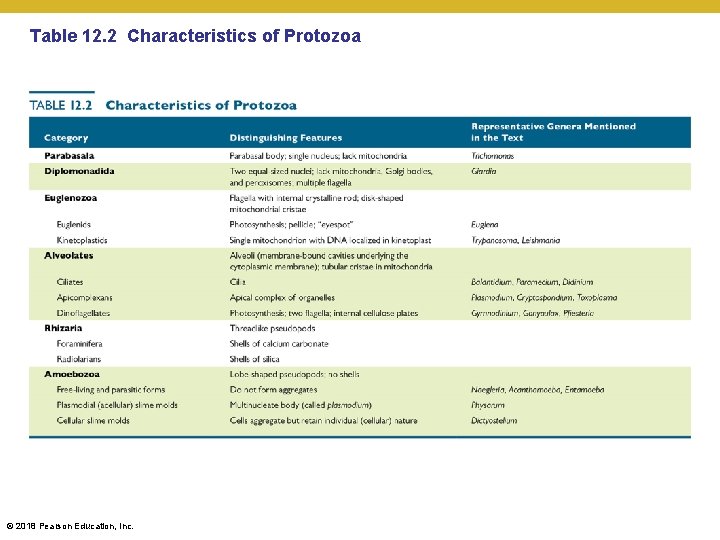
Table 12. 2 Characteristics of Protozoa © 2018 Pearson Education, Inc.
Fungi • Chemoheterotrophic • Have cell walls typically composed of chitin • Do not perform photosynthesis • Lack chlorophyll • Related to animals © 2018 Pearson Education, Inc.
Fungi • The Significance of Fungi • Decompose dead organisms and recycle their nutrients • Help plants absorb water and minerals • Used for food, in religious ceremonies, and in manufacture of foods and beverages • Produce antibiotics and other drugs • Serve as important research tools • 30% cause diseases of plants, animals, and humans • Can spoil fruit, pickles, jams, and jellies © 2018 Pearson Education, Inc.
Fungi • Morphology of Fungi • Two basic body shapes • Molds—composed of long filaments called hyphae • Yeasts—small, globular, and composed of a single cell • Some fungi are dimorphic • Produce both yeastlike and moldlike shapes • Change in response to environmental conditions © 2018 Pearson Education, Inc.
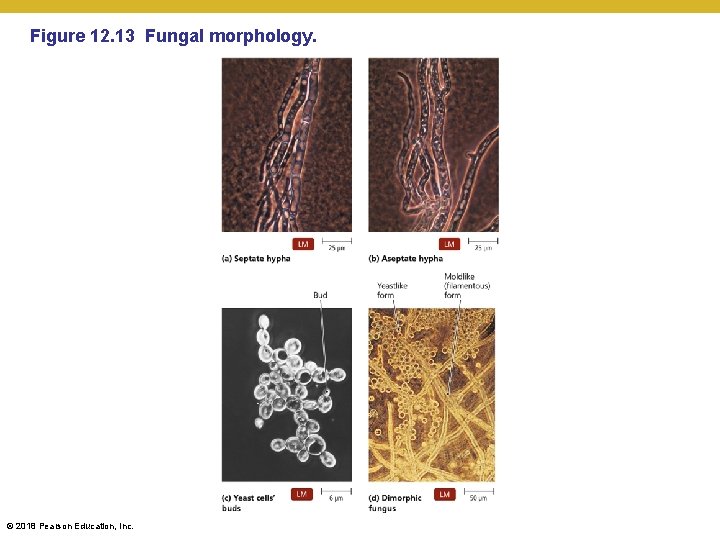
Figure 12. 13 Fungal morphology. © 2018 Pearson Education, Inc.
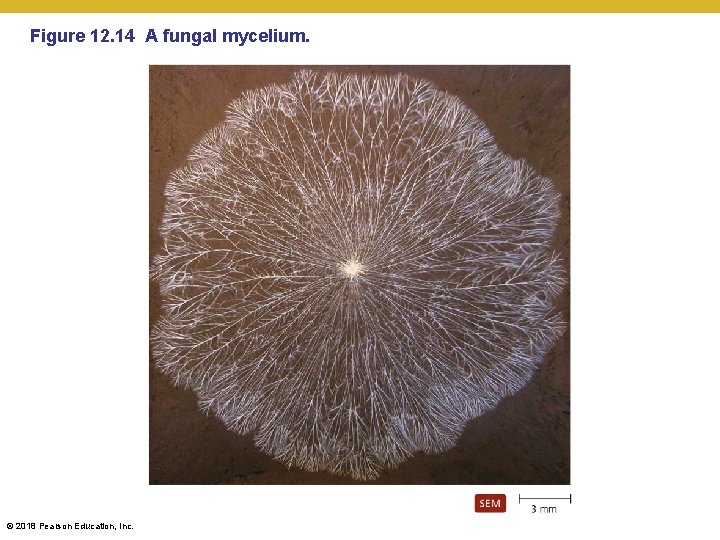
Figure 12. 14 A fungal mycelium. © 2018 Pearson Education, Inc.
Fungi • Nutrition of Fungi • Acquire nutrients by absorption • Most are saprobes • Some trap and kill microscopic soil-dwelling nematodes • Haustoria allow some fungi to derive nutrients from living plants and animals • Most fungi are aerobic • Many yeasts are facultative anaerobes © 2018 Pearson Education, Inc.
Fungi • Reproduction in Fungi • All have some means of asexual reproduction involving mitosis and cytokinesis • Most also reproduce sexually © 2018 Pearson Education, Inc.
Fungi • Reproduction in Fungi • Budding and asexual spore formation • Yeasts bud in manner similar to prokaryotic budding • Some yeasts produce long filament called a pseudohypha • Filamentous fungi produce lightweight spores that disperse over large distances • Asexual spores of molds grouped by mode of development © 2018 Pearson Education, Inc.
Fungi • Classification of Fungi • • Division Zygomycota Division Ascomycota Division Basidiomycota Deuteromycetes © 2018 Pearson Education, Inc.
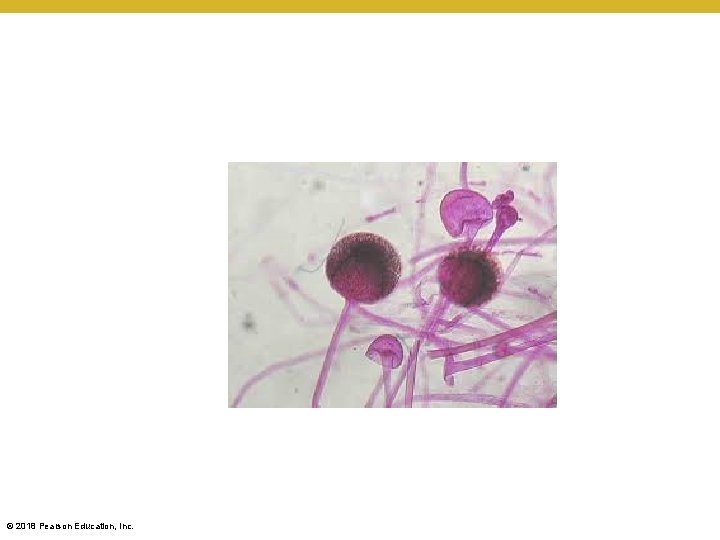
Fungi • Classification of Fungi • Division Zygomycota • • • 1100 known species Most are saprobes Others are obligate parasites of insects and other fungi Reproduce asexually via sporangiospores Microsporidia • Once classified as protozoa • More similar to zygomycetes by genetic analysis • Obligate intracellular parasites • Spread as small, resistant spores © 2018 Pearson Education, Inc.
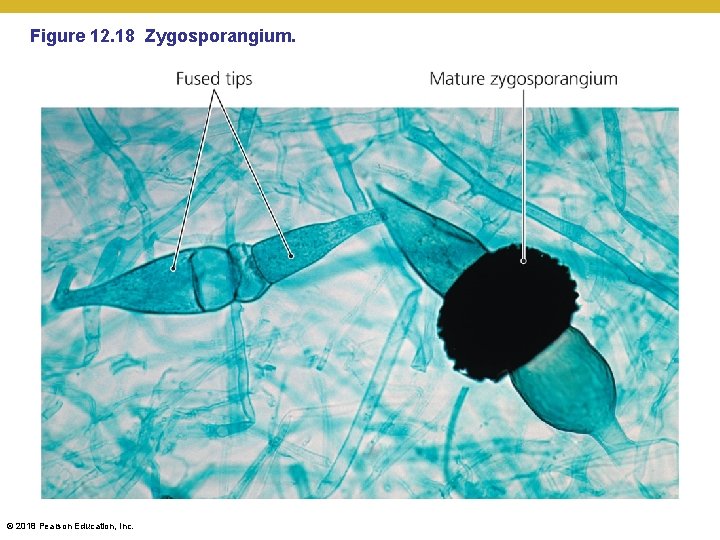
Figure 12. 18 Zygosporangium. © 2018 Pearson Education, Inc.
© 2018 Pearson Education, Inc.
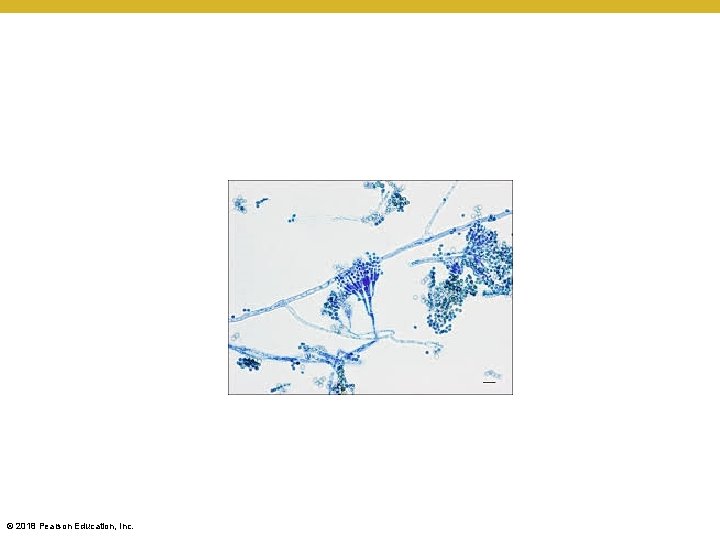
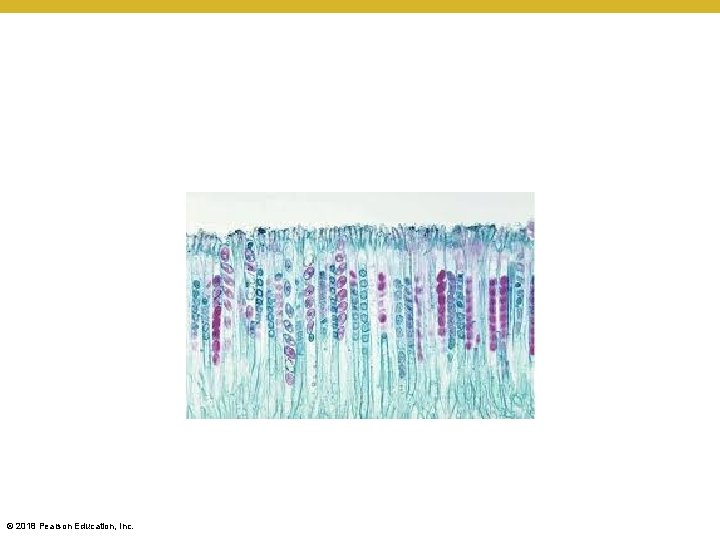
Fungi • Classification of Fungi • Division Ascomycota • • • 32, 000 known species Ascomycetes form ascospores in sacs called asci Also reproduce by conidiospores Includes most of the fungi that spoil food Some infect plants and humans Many are beneficial • Penicillium • Saccharomyces © 2018 Pearson Education, Inc.
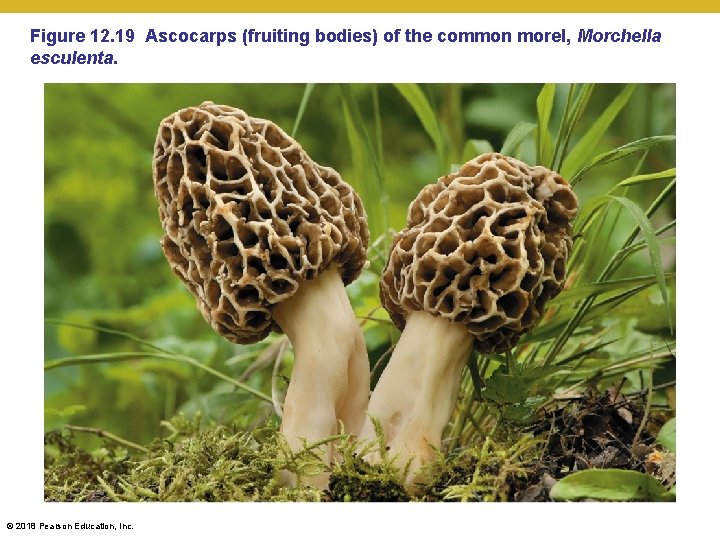
Figure 12. 19 Ascocarps (fruiting bodies) of the common morel, Morchella esculenta. © 2018 Pearson Education, Inc.
© 2018 Pearson Education, Inc.
© 2018 Pearson Education, Inc.
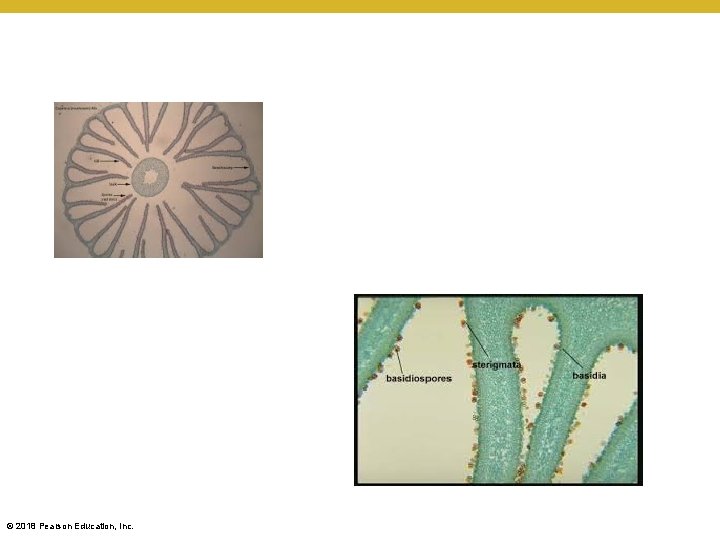
Fungi • Classification of Fungi • Division Basidiomycota • 22, 000 known species • Mushrooms and other fruiting bodies of basidiomycetes called basidiocarps • Basidiomycetes affect humans in several ways • Most are decomposers that return nutrients to the soil • Many mushrooms produce toxins or hallucinatory chemicals • Some cause expensive crop damage © 2018 Pearson Education, Inc.
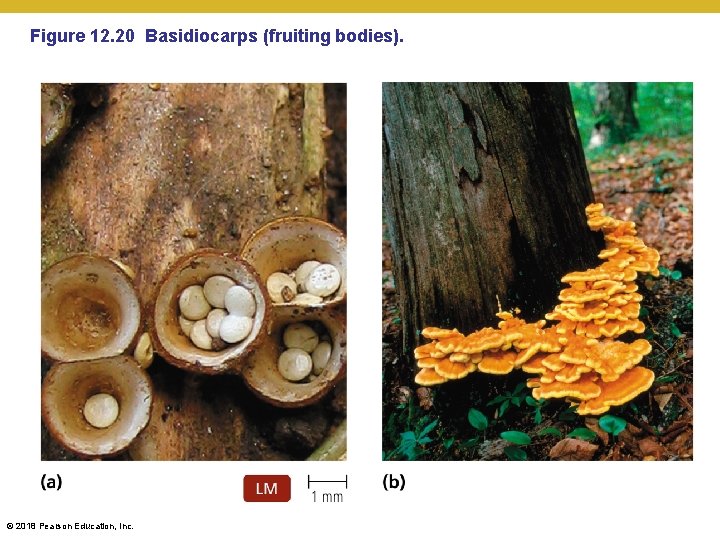
Figure 12. 20 Basidiocarps (fruiting bodies). © 2018 Pearson Education, Inc.
© 2018 Pearson Education, Inc.
Fungi • Classification of Fungi • Deuteromycetes • Heterogeneous collection of fungi with unknown sexual stages • Most deuteromycetes belong to the division Ascomycota based on r. RNA analysis • No longer considered a formal taxon © 2018 Pearson Education, Inc.
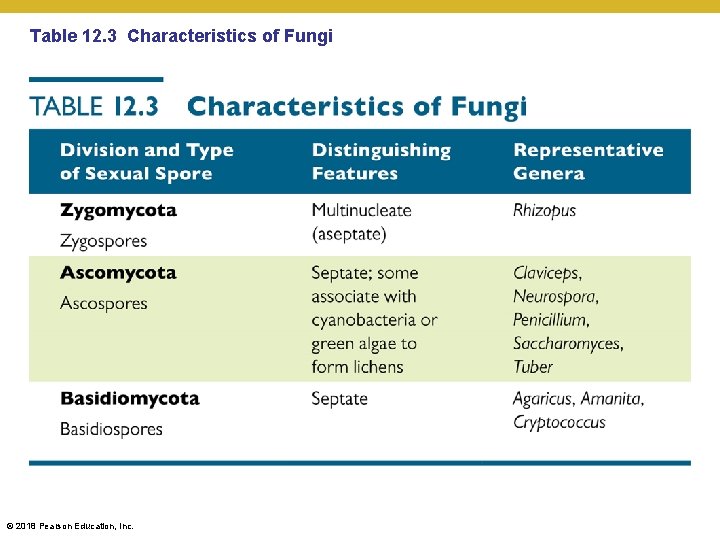
Table 12. 3 Characteristics of Fungi © 2018 Pearson Education, Inc.
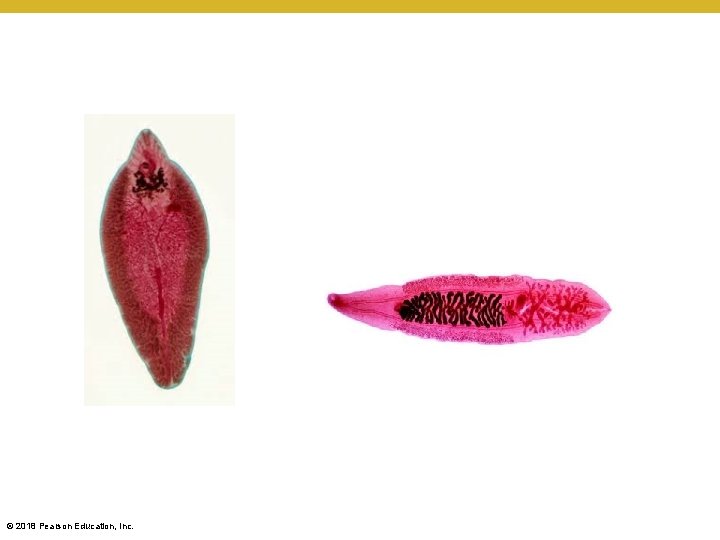
Other Eukaryotes of Microbiological Interest: Parasitic Helminths and Vectors • Parasitic worms have microscopic infective and diagnostic stages. • Arthropod vectors are animals that carry pathogens. • Mechanical vectors • Biological vectors • Disease vectors belong to two classes of arthropod. • Arachnida • Insecta © 2018 Pearson Education, Inc.
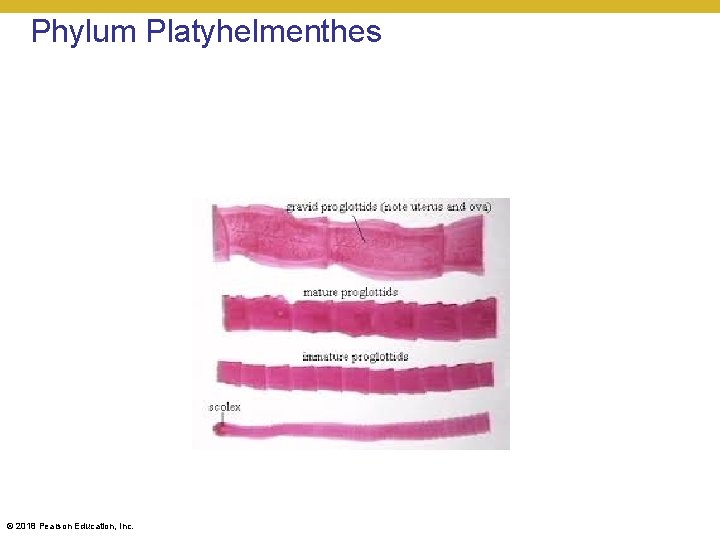
Phylum Platyhelmenthes © 2018 Pearson Education, Inc.
© 2018 Pearson Education, Inc.
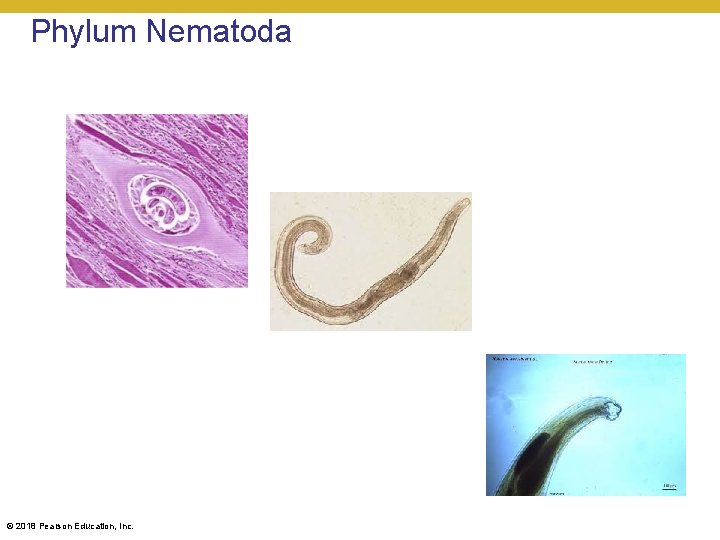
Phylum Nematoda © 2018 Pearson Education, Inc.
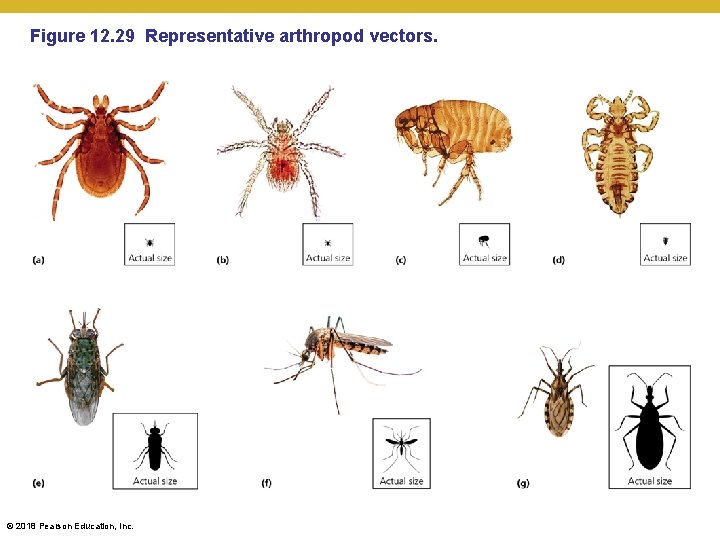
Figure 12. 29 Representative arthropod vectors. © 2018 Pearson Education, Inc.

Other Eukaryotes of Microbiological Interest: Parasitic Helminths and Vectors • Arachnids • Adult arachnids have four pairs of legs. • Ticks are the most important arachnid vectors. • Hard ticks are most prominent tick vectors. • A few mite species transmit rickettsial diseases. © 2018 Pearson Education, Inc.
Other Eukaryotes of Microbiological Interest: Parasitic Helminths and Vectors • Insects • Adult insects have three pairs of legs and three body regions • Include: • • Fleas Lice Flies Mosquitoes • Most important arthropod vectors of disease • Kissing bugs © 2018 Pearson Education, Inc.
- Slides: 55