
Microbiology and HACCP For Surimi Seafood Surimi Seafood
Microbiology and HACCP For Surimi Seafood

Surimi Seafood Microbiology • • • Production and storage Microbial quality Microbial safety Pasteurization studies Non-thermal processing • • • HACCP Microbial standards Packaging Fermented products Rapid test kits
Microbiology of Surimi During Production and Storage
Microbial Quality and Safety of Surimi Seafood Depends On: • • • Microbial load in the raw surimi Microbial load in ingredients Processing time/temperature abuse Equipment sanitation Employee hygiene
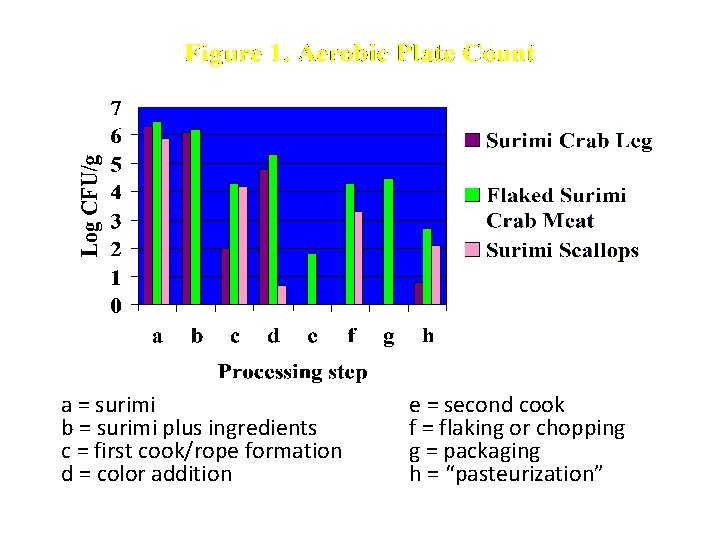
a = surimi b = surimi plus ingredients c = first cook/rope formation d = color addition e = second cook f = flaking or chopping g = packaging h = “pasteurization”

a = surimi b = surimi plus ingredients c = first cook/rope formation d = color addition e = second cook f = flaking or chopping g = packaging h = pasteurization
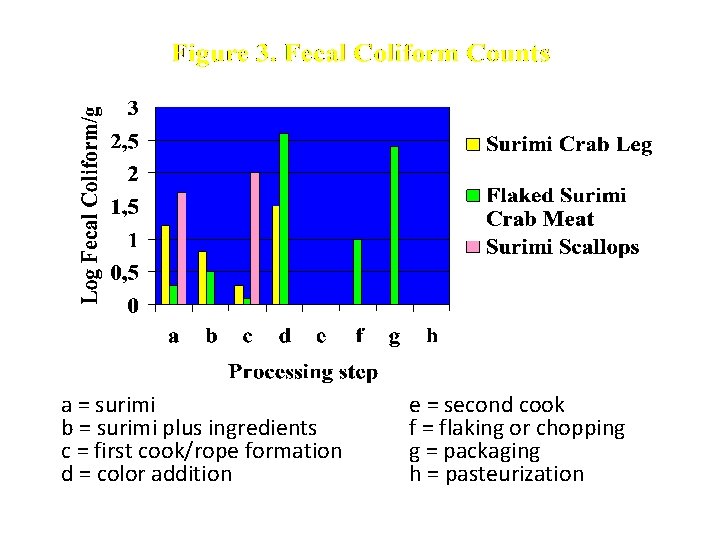
a = surimi b = surimi plus ingredients c = first cook/rope formation d = color addition e = second cook f = flaking or chopping g = packaging h = pasteurization
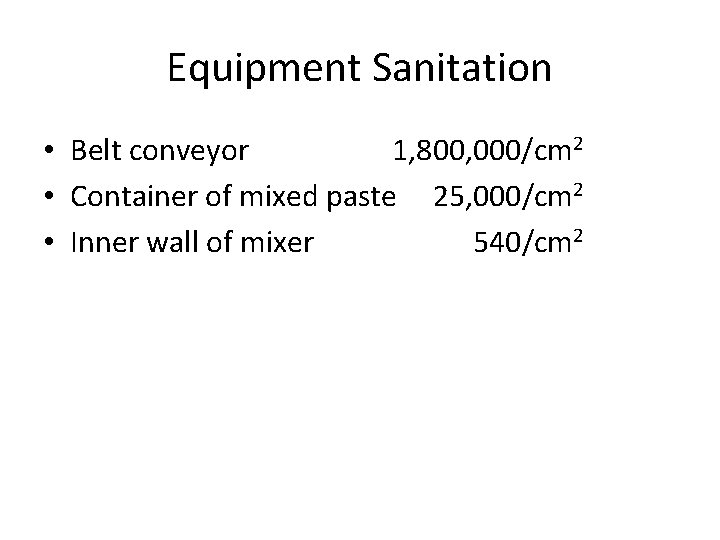
Equipment Sanitation • Belt conveyor 1, 800, 000/cm 2 • Container of mixed paste 25, 000/cm 2 • Inner wall of mixer 540/cm 2
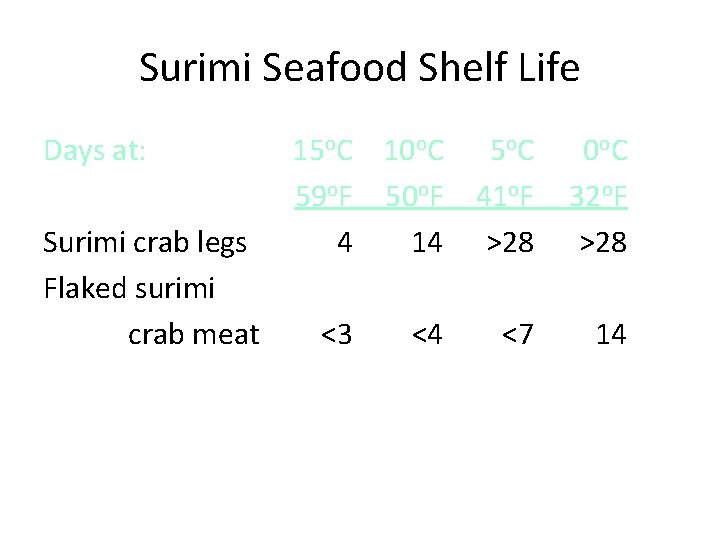
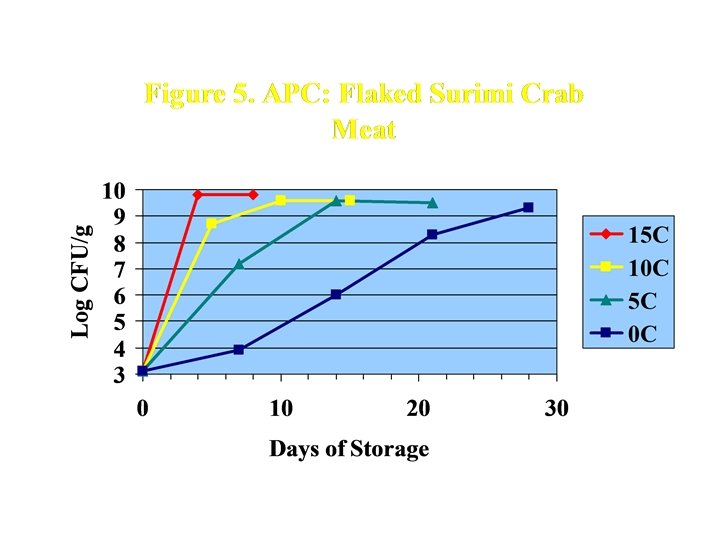
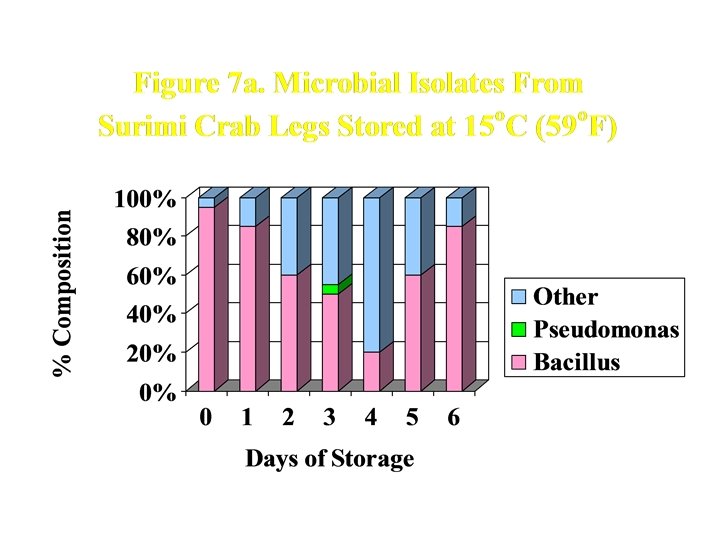
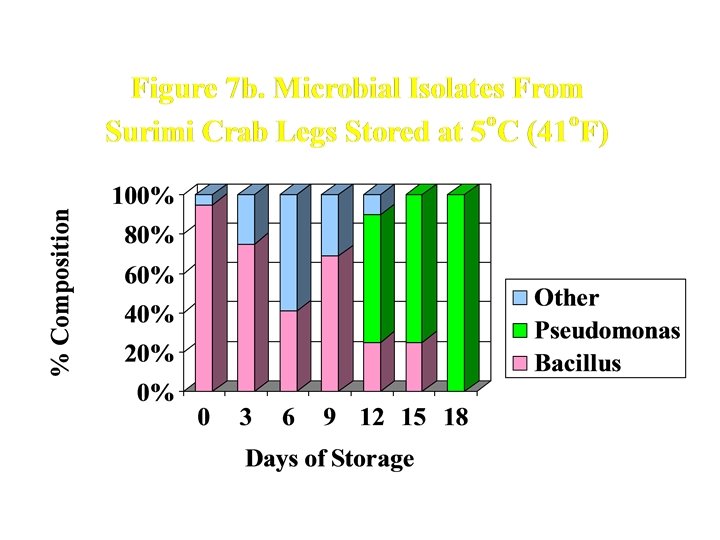
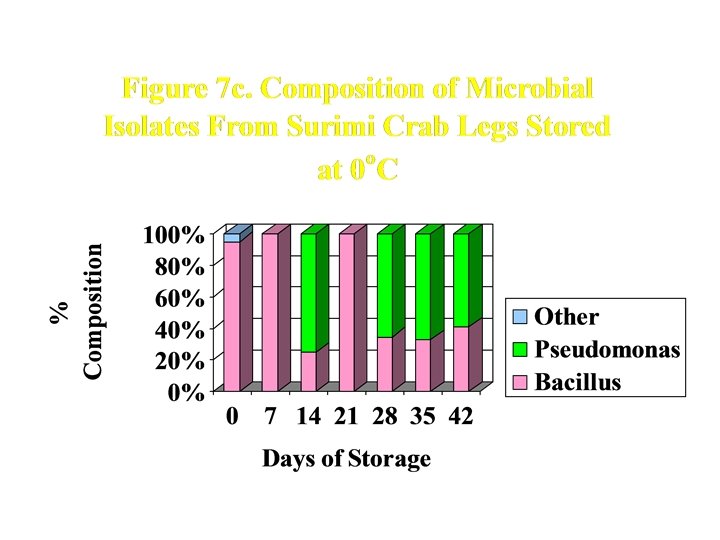
Surimi Seafood Shelf Life Days at: Surimi crab legs Flaked surimi crab meat 15 o. C 10 o. C 59 o. F 50 o. F 4 14 <3 <4 5 o. C 41 o. F >28 0 o. C 32 o. F >28 <7 14
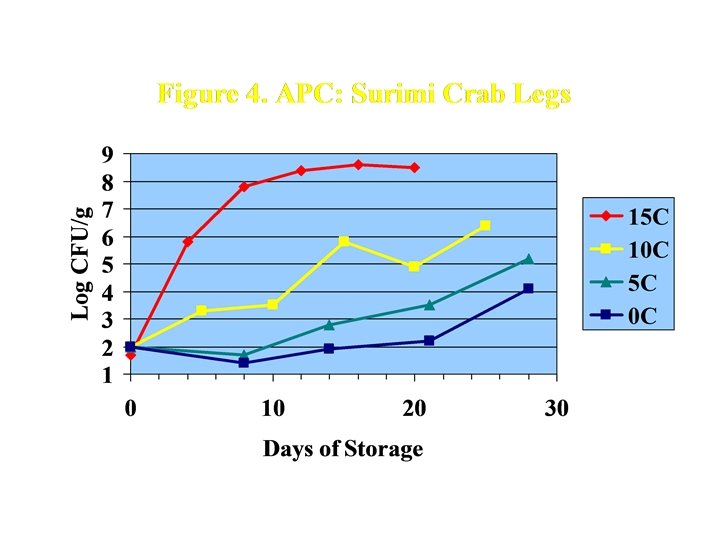
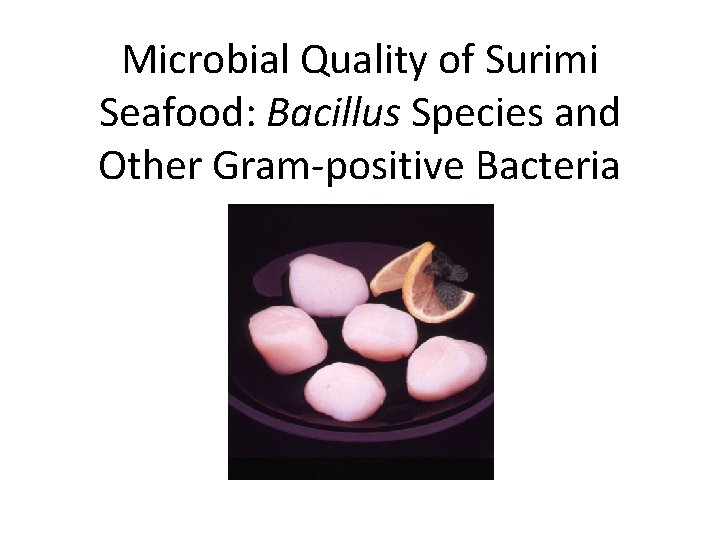
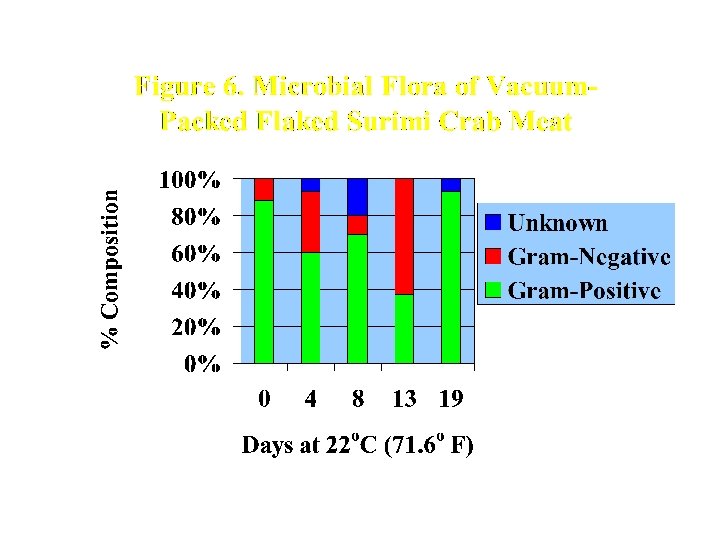
Microbial Quality of Surimi Seafood: Bacillus Species and Other Gram-positive Bacteria
Pasteurization • Has no effect on bacterial spores, i. e. , Clostridium and Bacillus species • Bacillus species are prime spoilers in airpackaged surimi seafood
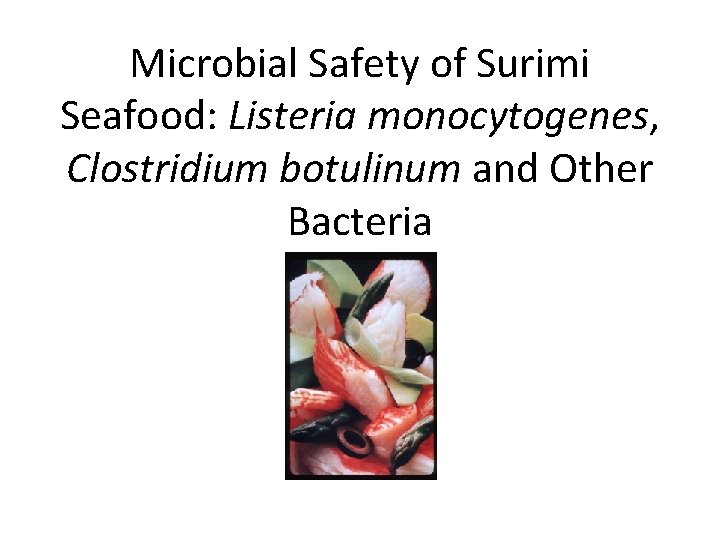
Microbial Safety of Surimi Seafood: Listeria monocytogenes, Clostridium botulinum and Other Bacteria
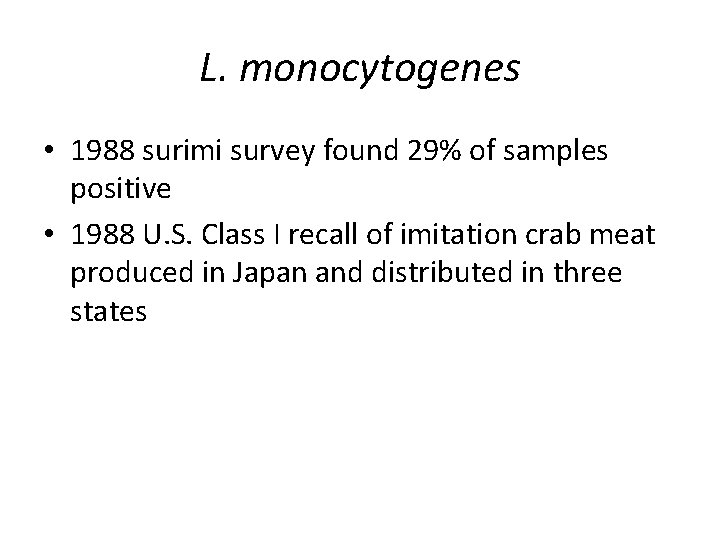
L. monocytogenes • 1988 surimi survey found 29% of samples positive • 1988 U. S. Class I recall of imitation crab meat produced in Japan and distributed in three states
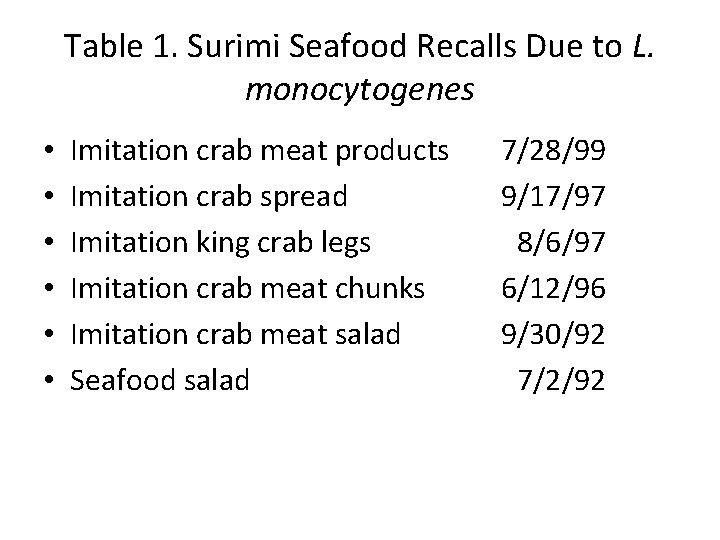
Table 1. Surimi Seafood Recalls Due to L. monocytogenes • • • Imitation crab meat products Imitation crab spread Imitation king crab legs Imitation crab meat chunks Imitation crab meat salad Seafood salad 7/28/99 9/17/97 8/6/97 6/12/96 9/30/92 7/2/92
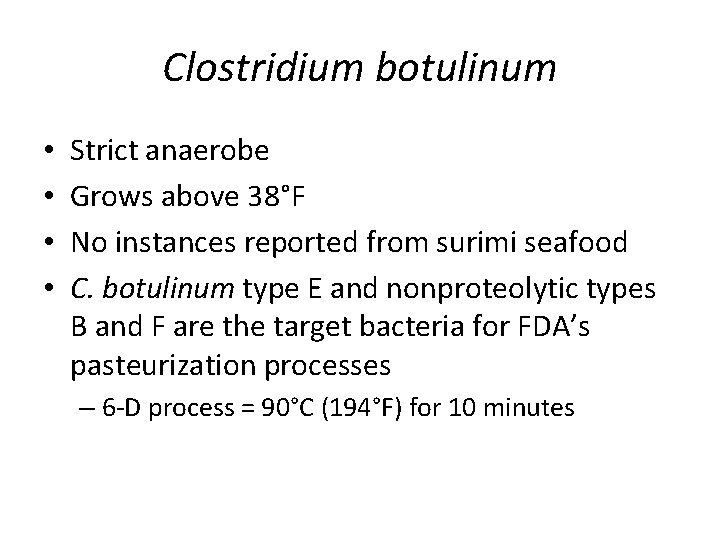
Clostridium botulinum • • Strict anaerobe Grows above 38°F No instances reported from surimi seafood C. botulinum type E and nonproteolytic types B and F are the target bacteria for FDA’s pasteurization processes – 6 -D process = 90°C (194°F) for 10 minutes
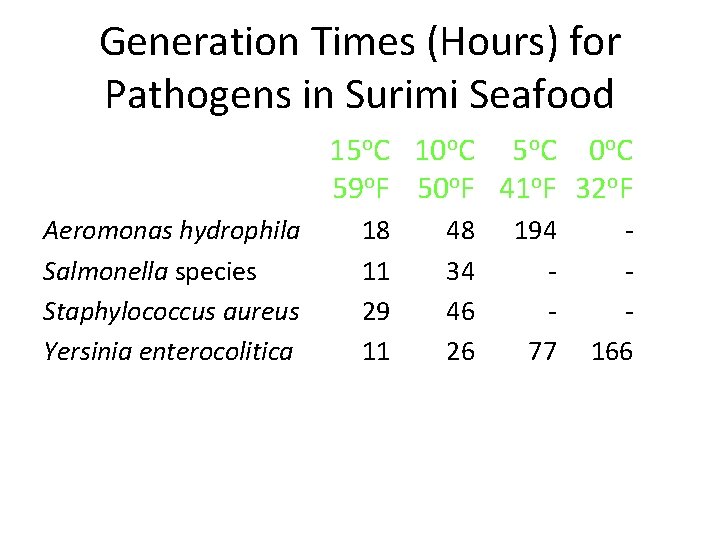
Generation Times (Hours) for Pathogens in Surimi Seafood 15 o. C 10 o. C 5 o. C 0 o. C 59 o. F 50 o. F 41 o. F 32 o. F Aeromonas hydrophila Salmonella species Staphylococcus aureus Yersinia enterocolitica 18 11 29 11 48 34 46 26 194 77 166

Pasteurization Studies for Surimi Seafood • Inoculated pack studies with Enterococcus faecium – 93°C (199. 4°F) 5 minutes – 85°C (185°F) for 15 minutes – 75°C (167°F) for 15 minutes • Yielded 6 log reduction of E. faecium – Process also effective against C. botulinum Type E (85 and 93°C), L. monocytogenes, enteropathogenic E. coli, Salmonella, Yersinia entercolitica, and Vibrio • Ineffective against C. botulinum Type B
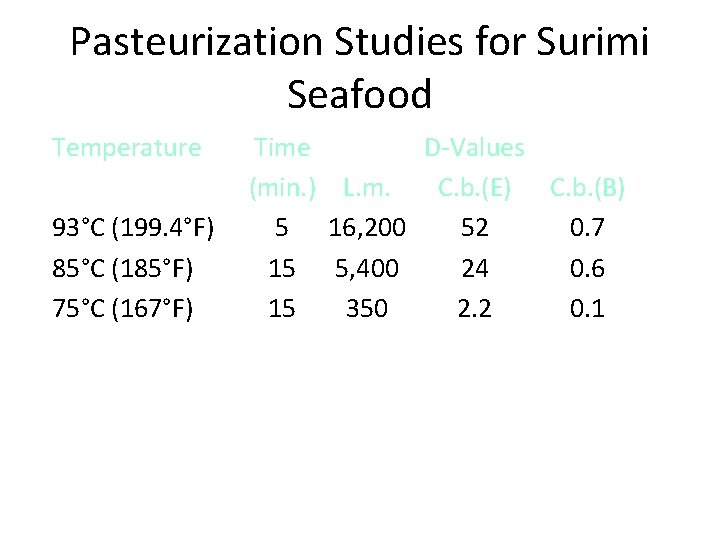
Pasteurization Studies for Surimi Seafood Temperature 93°C (199. 4°F) 85°C (185°F) 75°C (167°F) Time D-Values (min. ) L. m. C. b. (E) C. b. (B) 5 16, 200 52 0. 7 15 5, 400 24 0. 6 15 350 2. 2 0. 1
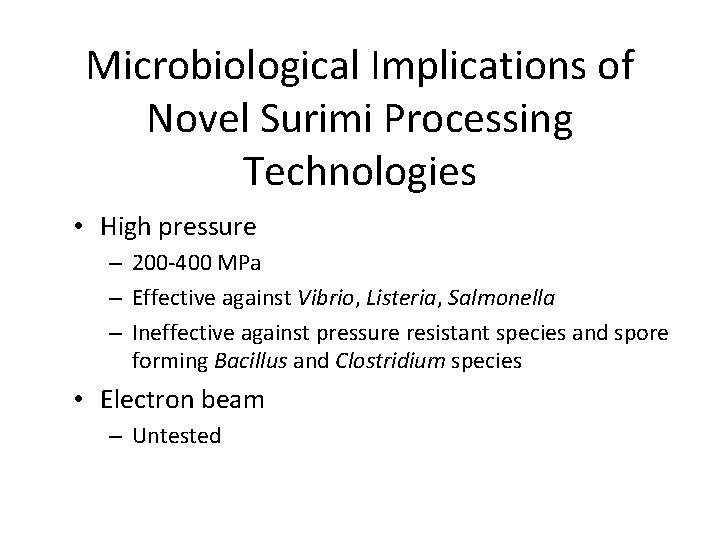
Microbiological Implications of Novel Surimi Processing Technologies • High pressure – 200 -400 MPa – Effective against Vibrio, Listeria, Salmonella – Ineffective against pressure resistant species and spore forming Bacillus and Clostridium species • Electron beam – Untested
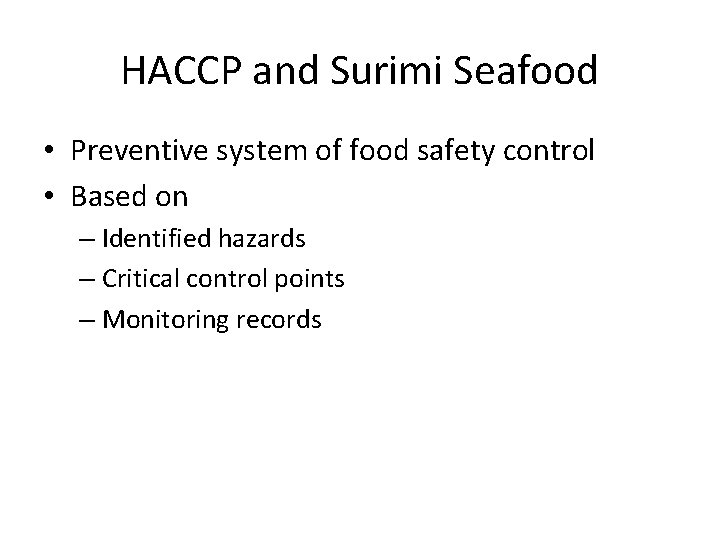
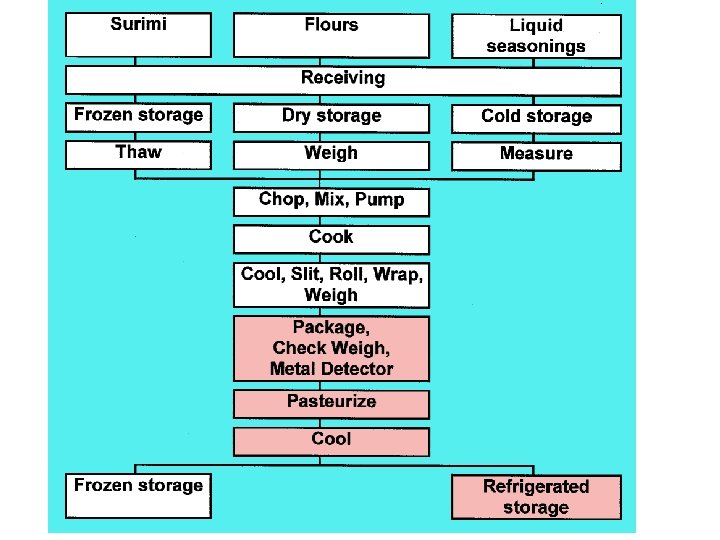
HACCP and Surimi Seafood • Preventive system of food safety control • Based on – Identified hazards – Critical control points – Monitoring records
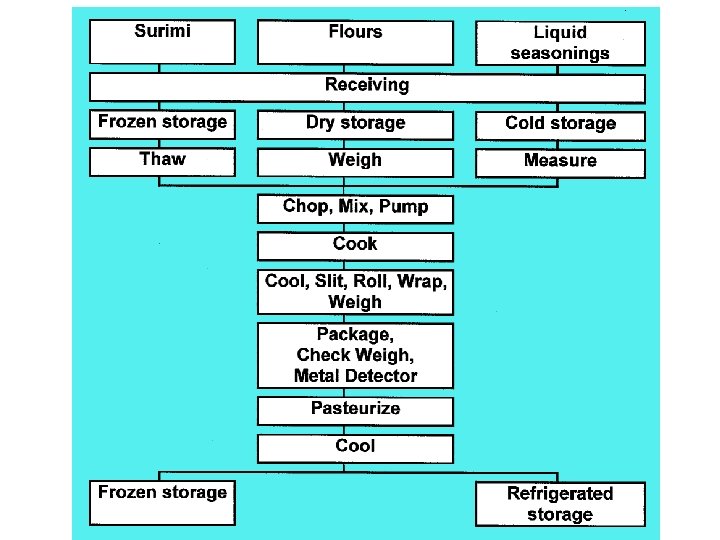
Metal Fragments • • • Hard or sharp objects >7 mm in size are a potential hazard from laceration, perforation wound, and secondary infections Hard or sharp objects <7 mm in size are a possible hazard for high risk (e. g. , infants, elderly) individuals Controls can include frequent inspections of cutting, portioning, blending, or other mechanical equipment for damage, or use of a metal detector
Pasteurization • Eliminates targeted pathogenic bacteria and also extends product shelf life • Pathogens in packaged products indicates inadequate pasteurization, or post pasteurization contamination, and time/temperature abuse • Critical aspects: temperature of heating medium, length of pasteurization cycle, package thickness, package integrity, product formulation, and microbial quality of the cooling medium
Cooling • Rapid cooling prevents growth from Bacillus and Clostridium • 60°C (140°F) to 21. 1°C (70°F) in 2 hours • To 4. 4°C (40°F) within another 4 hours
Refrigerated Storage • Refrigerated storage below 4. 4°C (40°F) prevents growth of pathogens
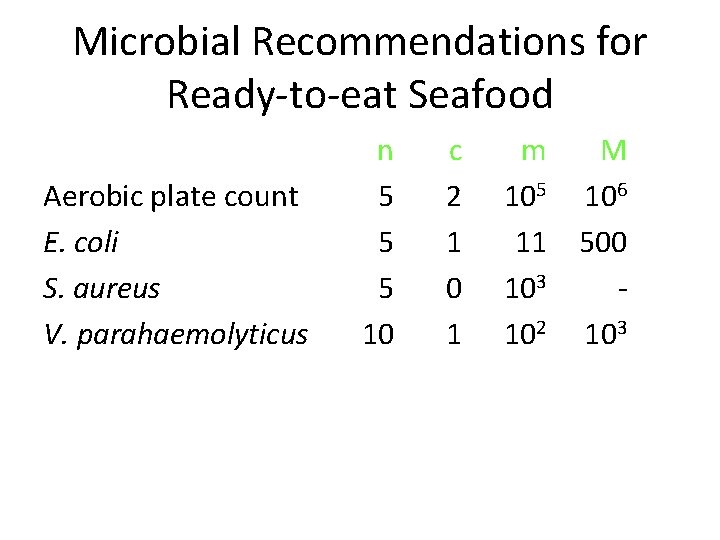
Microbial Recommendations for Ready-to-eat Seafood Aerobic plate count E. coli S. aureus V. parahaemolyticus n 5 5 5 10 c 2 1 0 1 m M 105 106 11 500 103 102 103
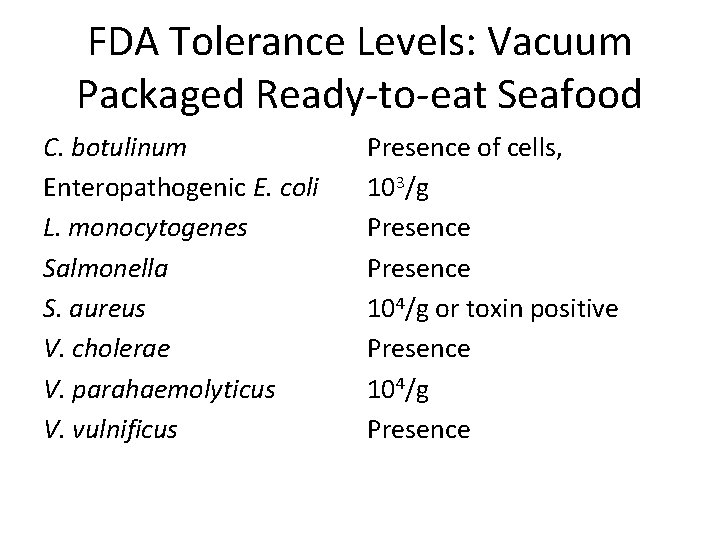
FDA Tolerance Levels: Vacuum Packaged Ready-to-eat Seafood C. botulinum Enteropathogenic E. coli L. monocytogenes Salmonella S. aureus V. cholerae V. parahaemolyticus V. vulnificus Presence of cells, 103/g Presence 104/g or toxin positive Presence 104/g Presence
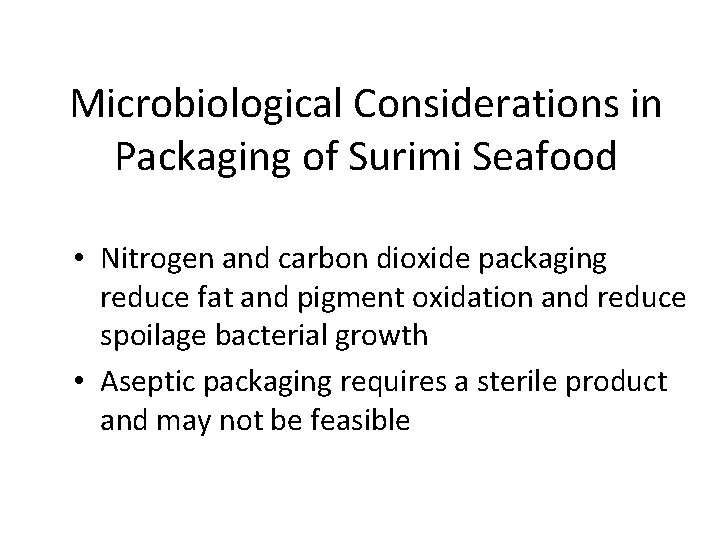
Microbiological Considerations in Packaging of Surimi Seafood • Nitrogen and carbon dioxide packaging reduce fat and pigment oxidation and reduce spoilage bacterial growth • Aseptic packaging requires a sterile product and may not be feasible
New Surimi Seafood Products Utilizing Fermentative Bacteria • Fermented pollock kamaboko – p. H 4. 5 – Sour tasting • Fermented chum salmon surimi • Sensory studies have not been conducted
Reliability and Efficacy of Rapid Microbiological Procedures • Traditional methods – APC with petri dishes or Petri. Film • Rapid test kits for L. monocytogenes – 1 -2 days instead of 5 -7 days
Conclusion • Surimi seafood Products are ready-to-eat – Safety and quality concerns remain – HACCP can help ensure a safe product • The use of the term “pasteurization” should be discouraged or the process needs to be further studied
- Slides: 39