
MICROBIAL GENETICS Two types of organism v Eukaryotes

MICROBIAL GENETICS
Two types of organism: v Eukaryotes; cells contain membrane-bound compartments, including a nucleus and organelles. Eukaryotes include: animals, plants, fungi, and protozoa. v Prokaryotes: Lack internal compartments extensively. Divided into two groups: bacteria and archaea. Genome: The entire genetic complement of a living organism. Gene: A DNA segment containing biological information and hence coding for an RNA and / or polypeptide molecule.
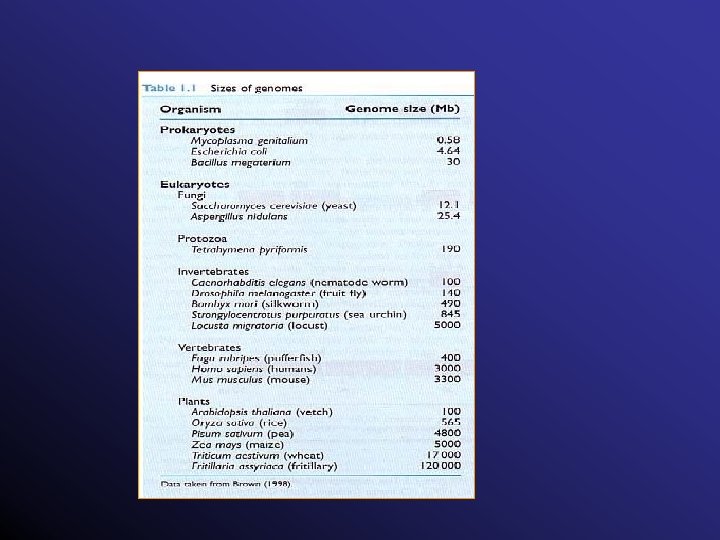
Eukaryotes genomes; v Divided into two or more linear DNA molecules. v Each contained in a different chromosome. v Possess smaller, usually circular, mitochondrial genomes. v Third genome located in the chloroplast (in plant and other photosynthetic organism) v 10 Mb – 100, 000 Mb in length. v Higher eukaryotes need larger genome to accommodate the extra genes. v Correlation between genome size and complexity (? ? ? ) --- C-value paradox. v Space is saved in the gnomes of less complex organism because the genes are more closely packed together.
Prokaryotes genomes: v Whole prokaryotes genomes are smaller than eukaryotes. v Most – if not all -- are contained in a single DNA molecules. v The molecule is circular. v Have second circular or linear genome, called PLASMID. v Have fewer genes v More compact genome organization, more gene but less space. v There is NO INTRONS (some exception is in archaea. ) v Infrequency of repetitive sequences.
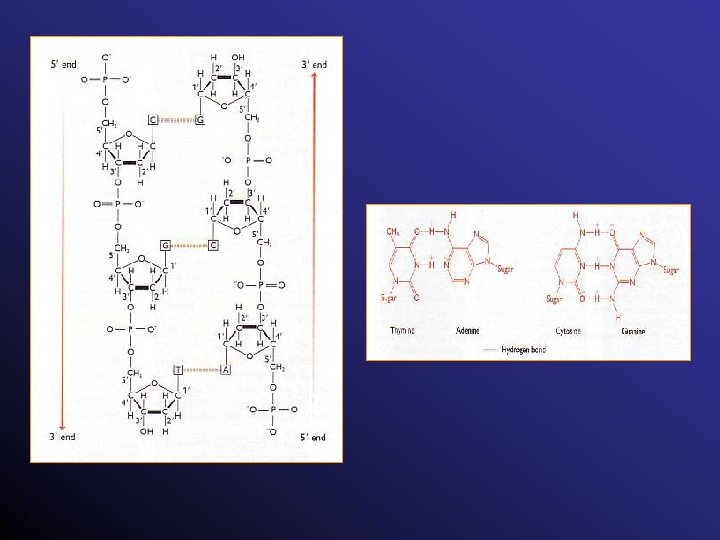
Bacterial DNA structure: v Consists of two chains of chemical units called nucleotides. v May contain 10 – 40 million nucleotides. v A nucleotides consists of a base (purine and pyrimidine) v Purine : adenine (A) and guanine (G) v Pyrimidine: Thymine (T) and cytosine (C) v DNA contains a specific sequence of purine and pyrimidine base. A binds to T G binds to C
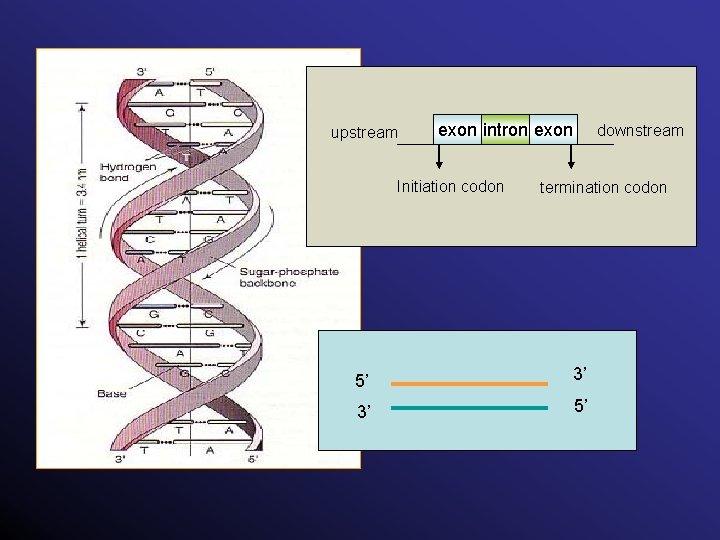
upstream exon intron exon Initiation codon downstream termination codon 5’ 3’ 3’ 5’
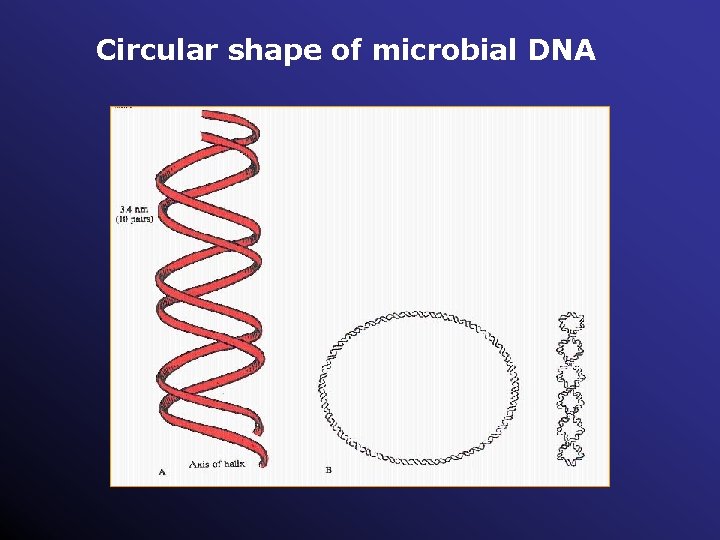
Circular shape of microbial DNA
DNA and Genetics Code: The sequence of codons on the m. RNA contain the necessary information to : v Initiate polypeptide synthesis. v Designate the sequence of amino acids in the polypeptide. v Terminate the synthesis of the polypeptide. v Release the completed polypeptide.
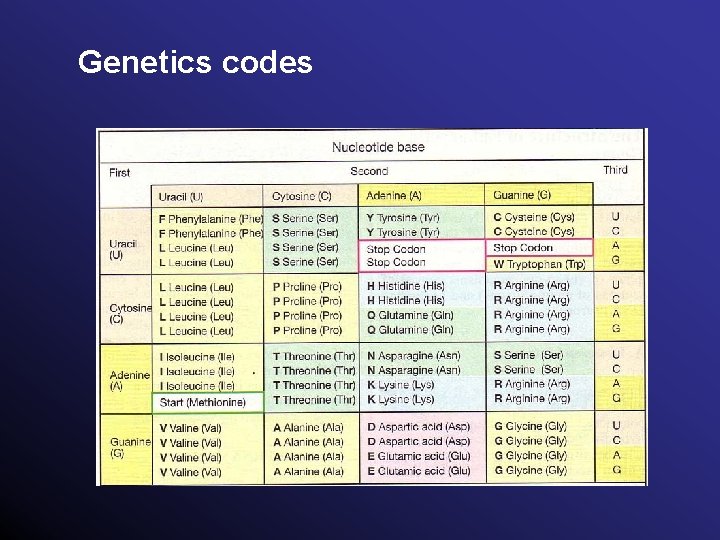
Genetics codes
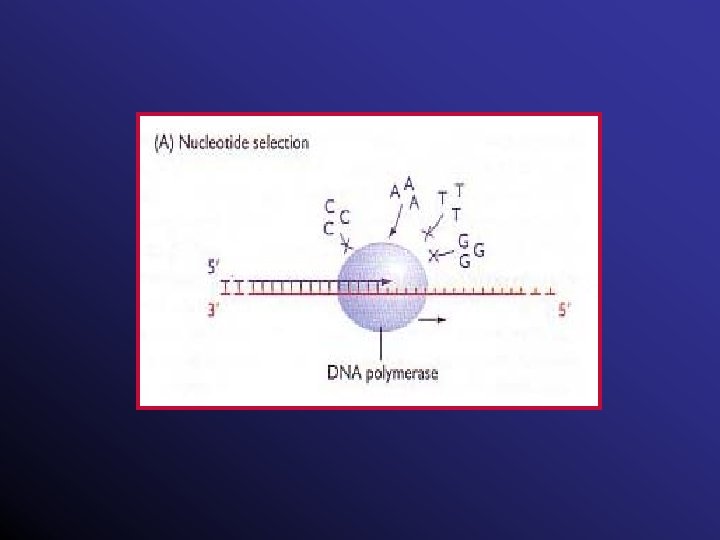
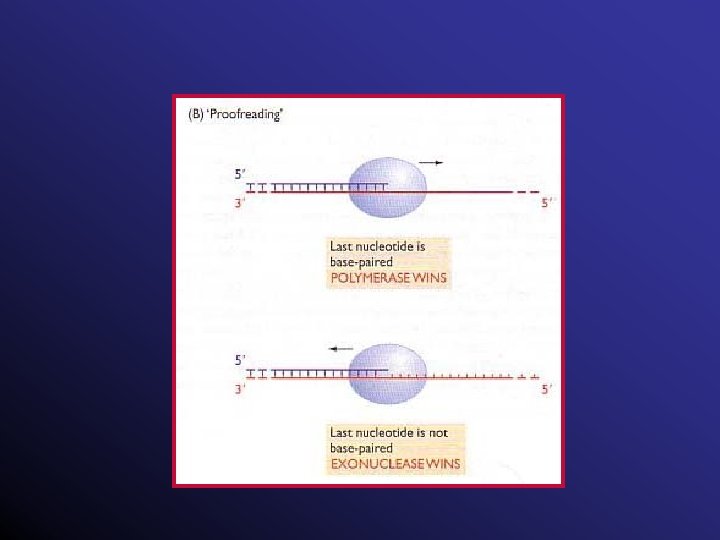
DNA Replication: v The transmission of genetic material from parent to progeny requires an exact duplication of the original DNA strands. v Major errors in this process leading to prevent normal cell growth and development. v Each strand of the parent DNA serves as template for the formation of a complementary strand.
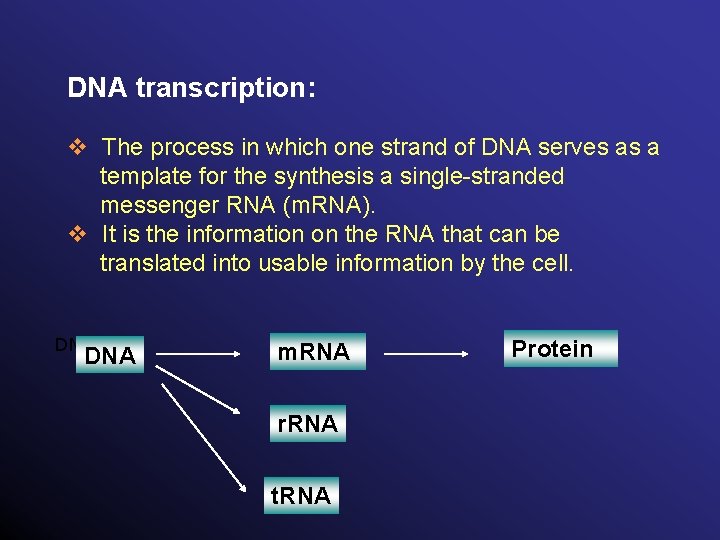
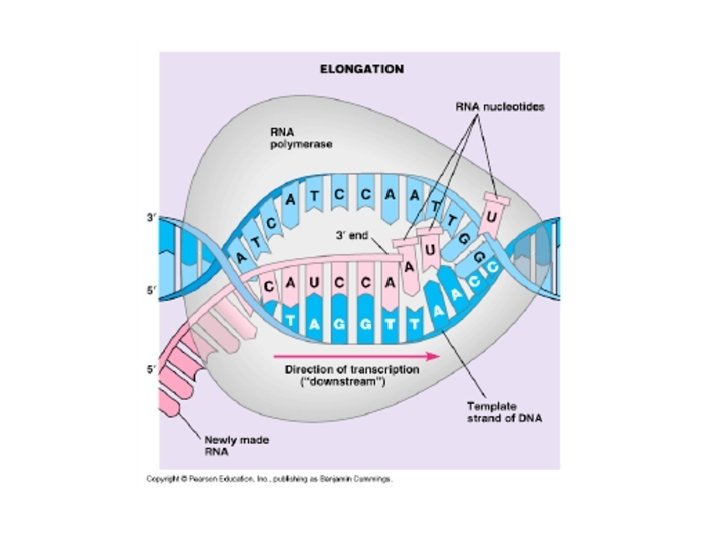
DNA transcription: v The process in which one strand of DNA serves as a template for the synthesis a single-stranded messenger RNA (m. RNA). v It is the information on the RNA that can be translated into usable information by the cell. DNA m. RNA r. RNA t. RNA Protein
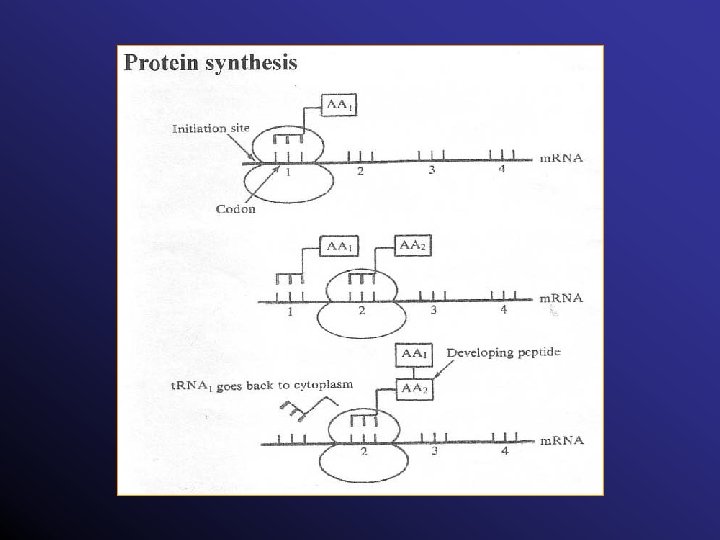
Translation of the genetic code: Protein synthesis v m. RNA is translated into polypeptides in a process that take place on the ribosome. v Ribosomes are small structural components in the cell that are composed of r. RNA and a variety of proteins. v Before protein synthesis begins, each amino acids was brought to the ribosome by t. RNA. v The protein synthesis of the polypeptide takes place by the linear movement of ribosomes along the m. RNA.
Mutation The alterations in the base sequence of the hereditary material (DNA) Spontaneous mutations Occur in the absence of environment intervention. It is occur in case of: v Purine or pyrimidine bases temporarily exist in different electrochemical forms ---- mispairing. v Insertion sequence. v Missmatch during replication Induced mutations Physical agents: v Ultraviolet light (UV) v X-rays v Gamma-rays Chemical agents

Spontaneous mutation
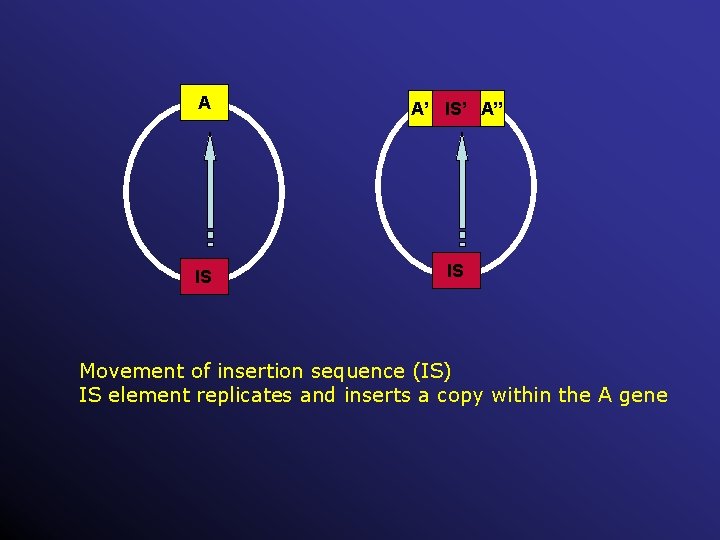
A A’ IS’ A’’ IS IS Movement of insertion sequence (IS) IS element replicates and inserts a copy within the A gene
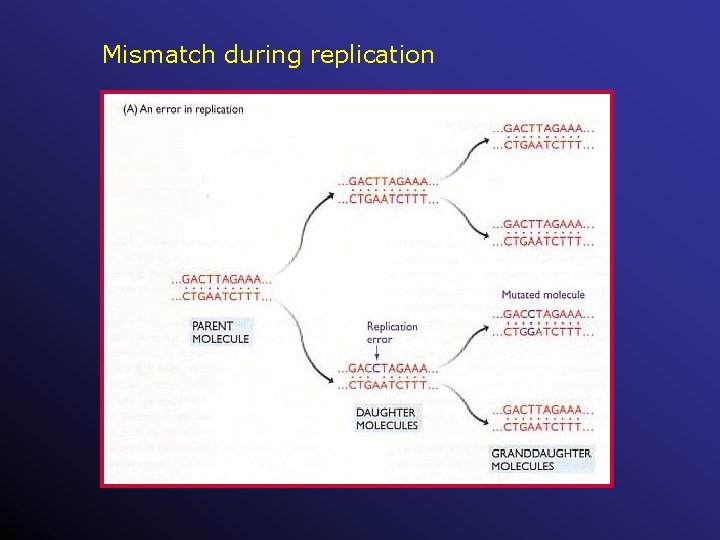
Mismatch during replication
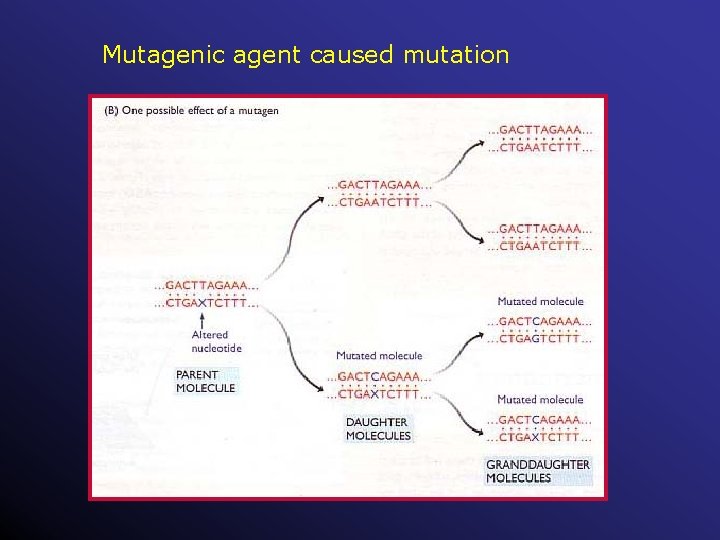
Mutagenic agent caused mutation
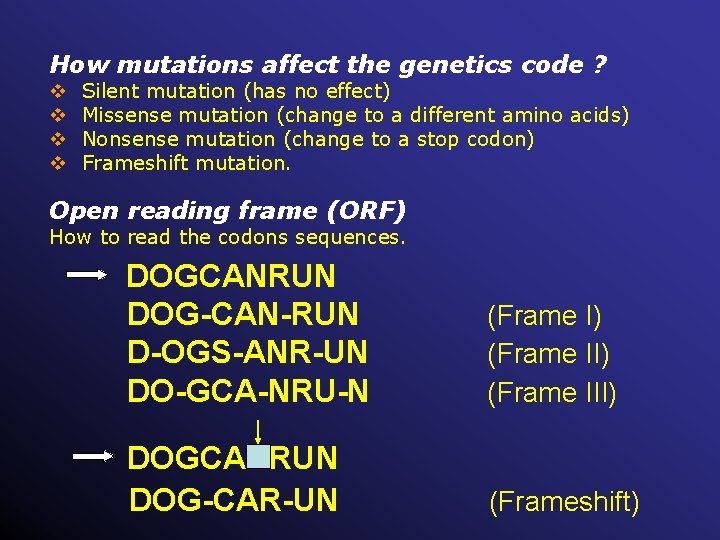
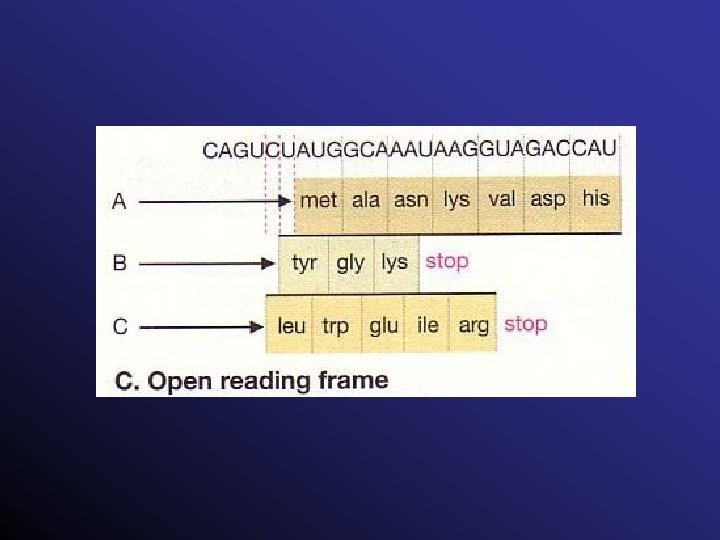
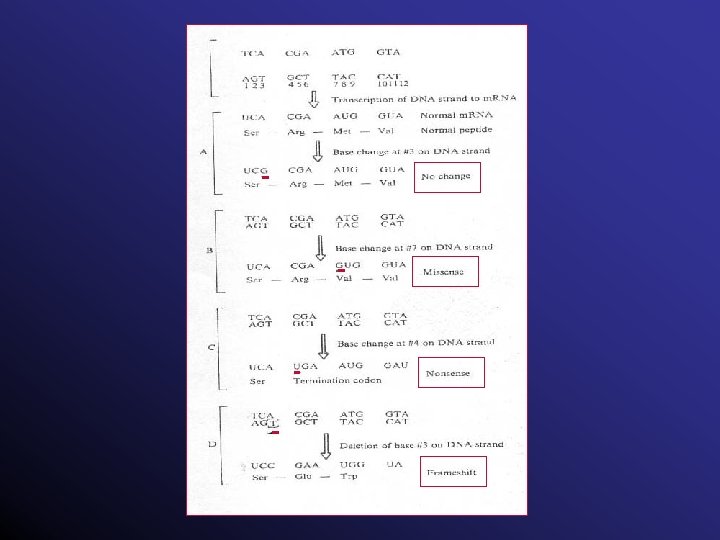
How mutations affect the genetics code ? v v Silent mutation (has no effect) Missense mutation (change to a different amino acids) Nonsense mutation (change to a stop codon) Frameshift mutation. Open reading frame (ORF) How to read the codons sequences. DOGCANRUN DOG-CAN-RUN D-OGS-ANR-UN DO-GCA-NRU-N (Frame I) (Frame III) DOGCANRUN DOG-CAR-UN (Frameshift)
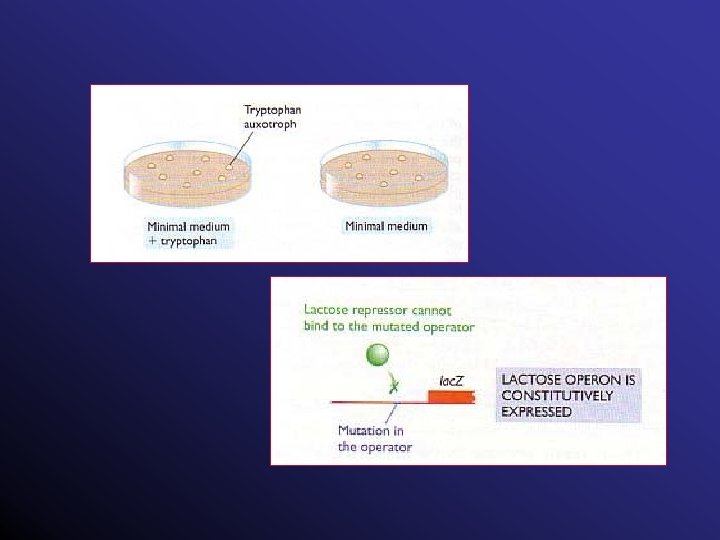
The effect of mutations on microorganism: v Auxotrophs Microorganism that will only grow when provided with a nutrient that is not produced by it self. Prototrophs are the wild type microorganism. v Conditional-lethal mutants : permissive condition, restrictive condition, temperature-sensitive. v Inhibitor-resistant mutants: able to resist the toxic effects of an antibiotic or other type of inhibitor. v Regulatory mutants: has mutation in the promoter or other regulatory sequence. EX: constitutive mutants of E. Coli expressed genes all the times.
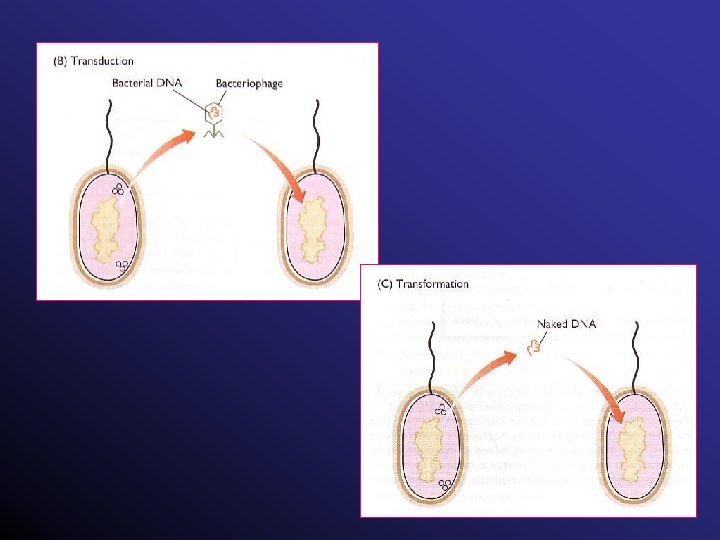
Mechanism of gene transfer in prokaryote Conjugation: Only one strand of DNA is transferred. The recipient completes the structure of double stranded DNA. Transduction: Donor DNA was carried in a phage coat and is transferred into the recipient by the mechanism used for phage infection. Transformation: Direct up take of the donor DNA by the recipient cell, may be nature or forced.
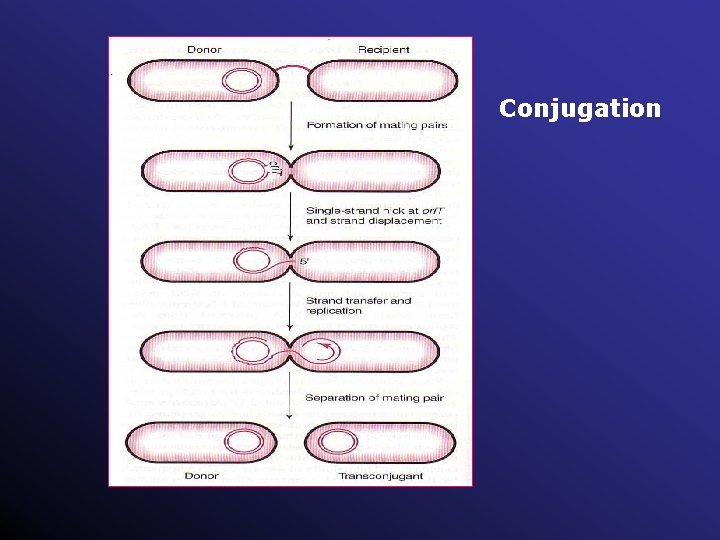
Conjugation
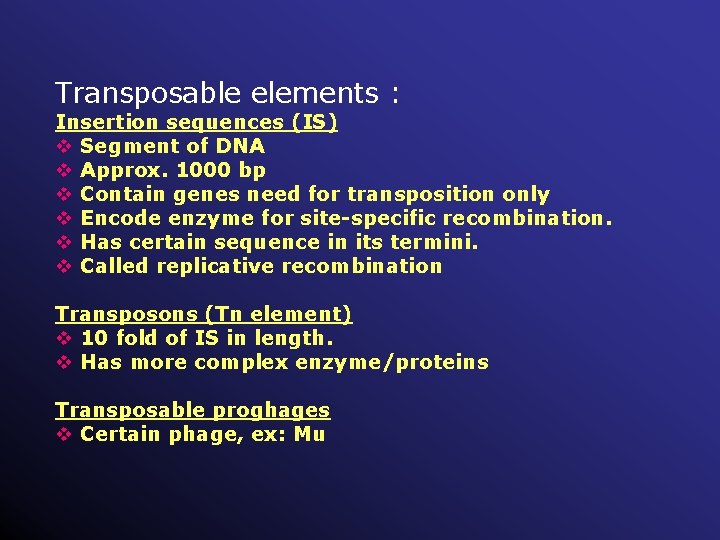
Transposable elements : Insertion sequences (IS) v Segment of DNA v Approx. 1000 bp v Contain genes need for transposition only v Encode enzyme for site-specific recombination. v Has certain sequence in its termini. v Called replicative recombination Transposons (Tn element) v 10 fold of IS in length. v Has more complex enzyme/proteins Transposable proghages v Certain phage, ex: Mu
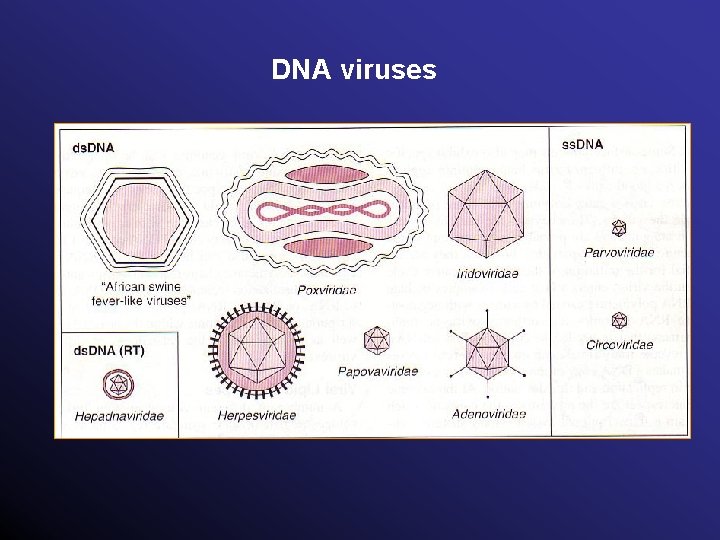
DNA viruses
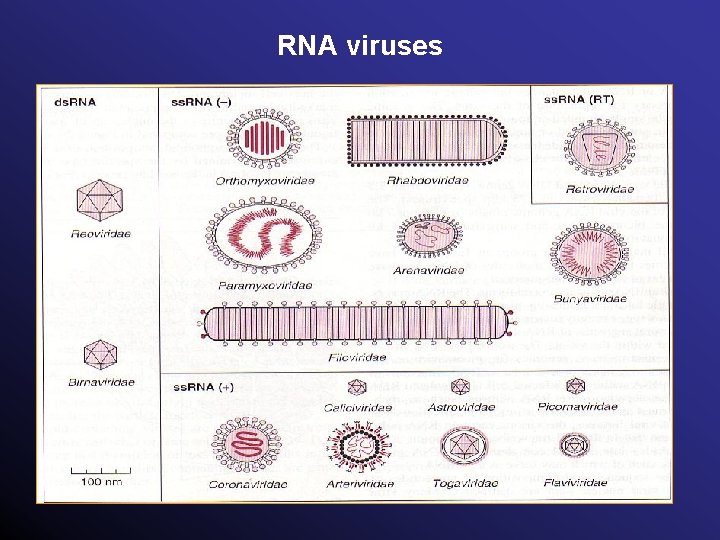
RNA viruses
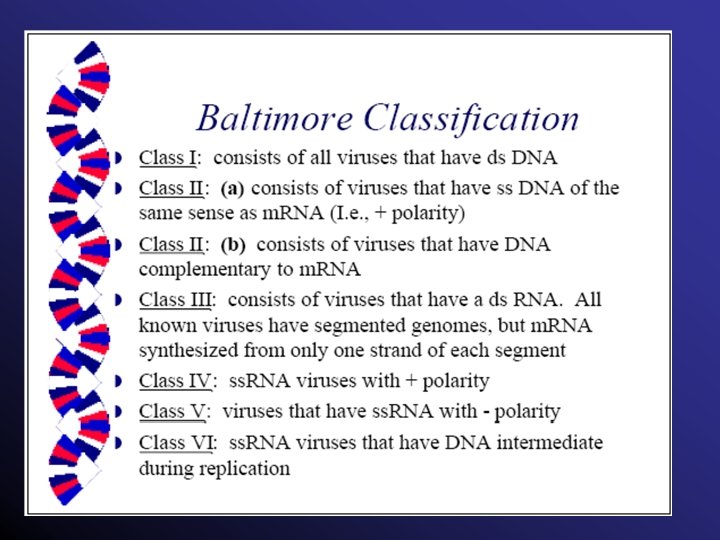
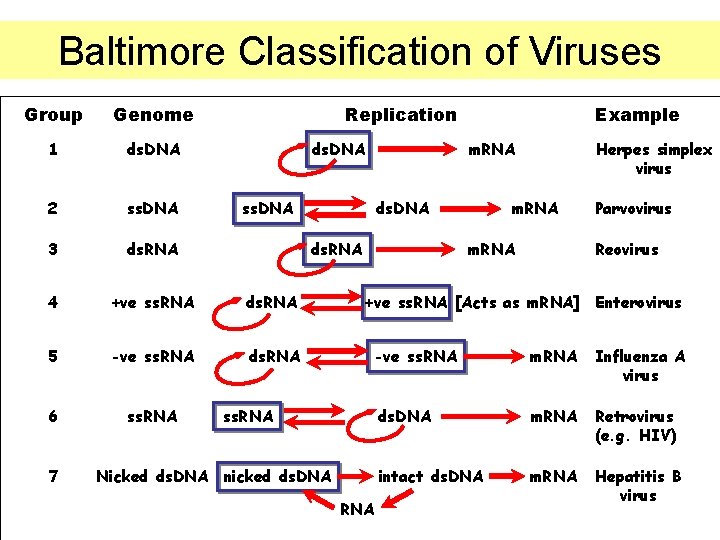
Baltimore Classification of Viruses Group Genome 1 ds. DNA 2 ss. DNA 3 ds. RNA 4 +ve ss. RNA ds. RNA 5 -ve ss. RNA ds. RNA 6 ss. RNA 7 Replication ds. DNA Example Herpes simplex virus m. RNA ss. DNA ds. RNA m. RNA Parvovirus Reovirus +ve ss. RNA [Acts as m. RNA] Enterovirus -ve ss. RNA m. RNA Influenza A virus ds. DNA m. RNA Retrovirus (e. g. HIV) intact ds. DNA m. RNA Hepatitis B virus ss. RNA Nicked ds. DNA nicked ds. DNA RNA
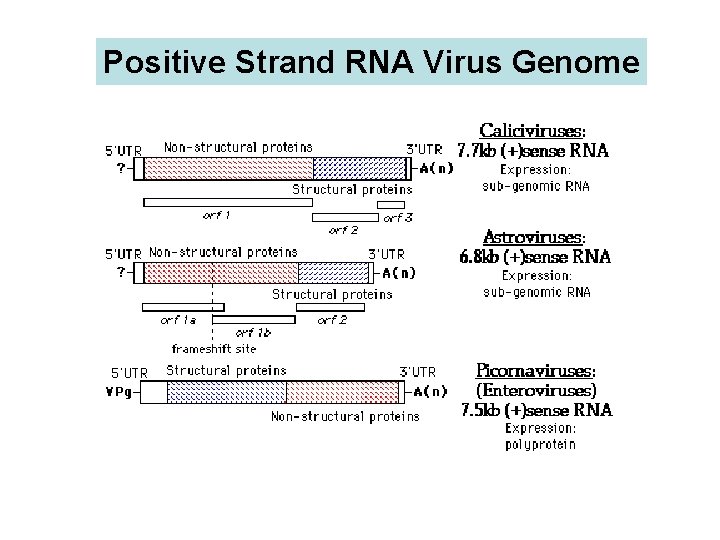
Positive Strand RNA Virus Genome
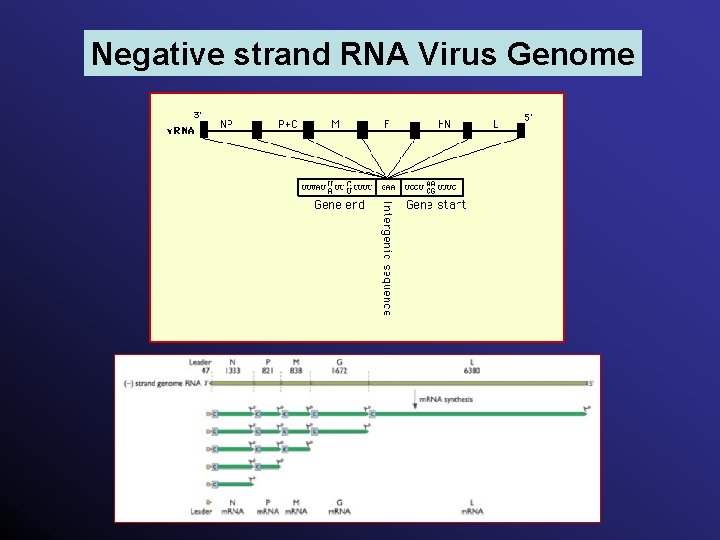
Negative strand RNA Virus Genome
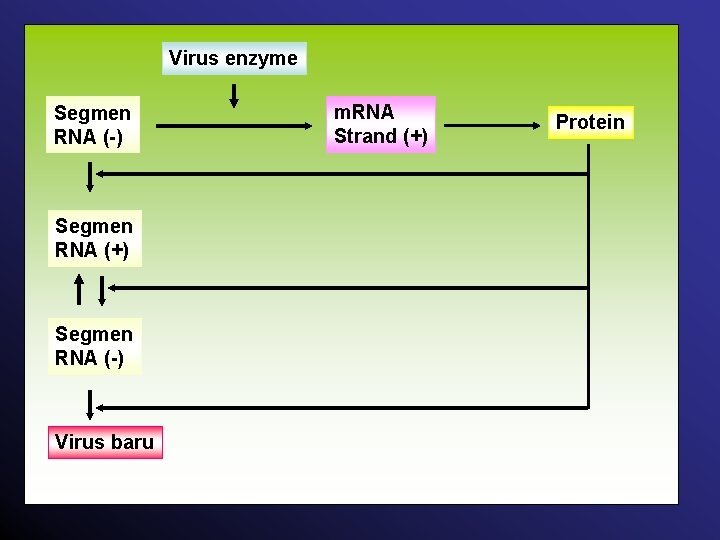
Virus enzyme Segmen RNA (-) Segmen RNA (+) Segmen RNA (-) Virus baru m. RNA Strand (+) Protein
- Slides: 39