
Microbial culture Microbiological culture is the primary method
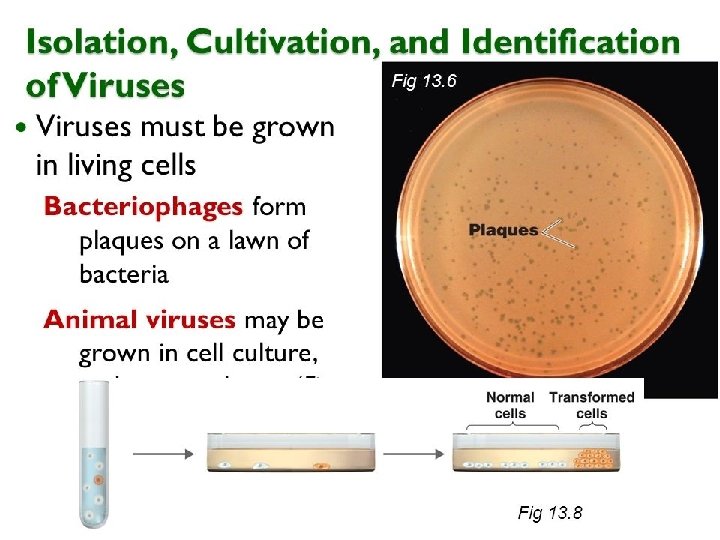
Microbial culture. Microbiological culture is the primary method used for isolating infectious agents for study in the laboratory. Tissue or fluid samples are tested for the presence of a specific pathogen, which is determined by growth in a selective or differential medium. The 3 main types of media used for testing are Solid culture: A solid surface is created using a mixture of nutrients, salts and agar. A single microbe on an agar plate can then grow into colonies (clones where cells are identical to each other) containing thousands of cells. These are primarily used to culture bacteria and fungi.
Liquid culture: Cells are grown inside a liquid media. Microbial growth is determined by the time taken for the liquid to form a colloidal suspension. This technique is used for diagnosing parasites and detecting mycobacteria. Cell culture: Human or animal cell cultures are infected with the microbe of interest. These cultures are then observed to determine the effect the microbe has on the cells. This technique is used for identifying viruses.
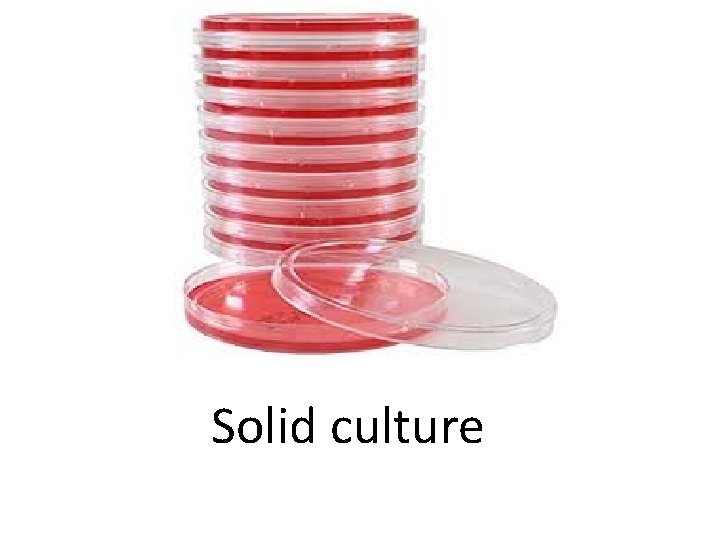
Solid culture
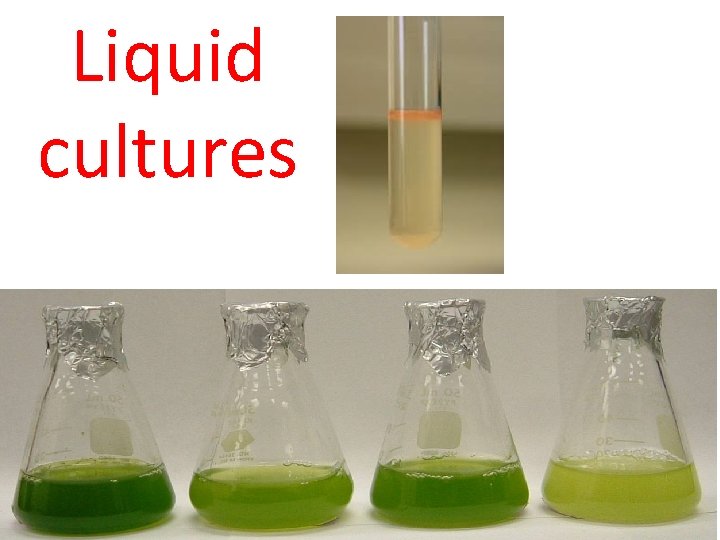
Liquid cultures
Cultural media used to identify G+ ve Bacteria and G+ ve Bacteria.
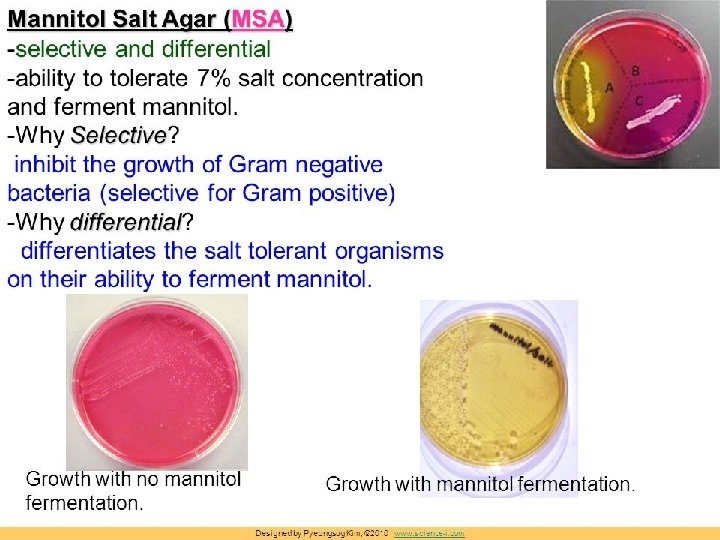
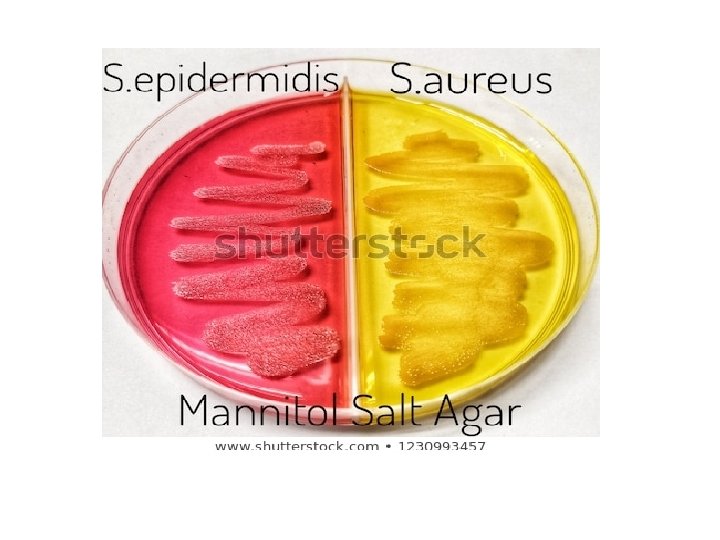
Cultural media used to identify G+ ve Bacteria and G+ Negative Bacteria § Mannitol Salt Agar (MSA) This type of medium is both selective and differential.
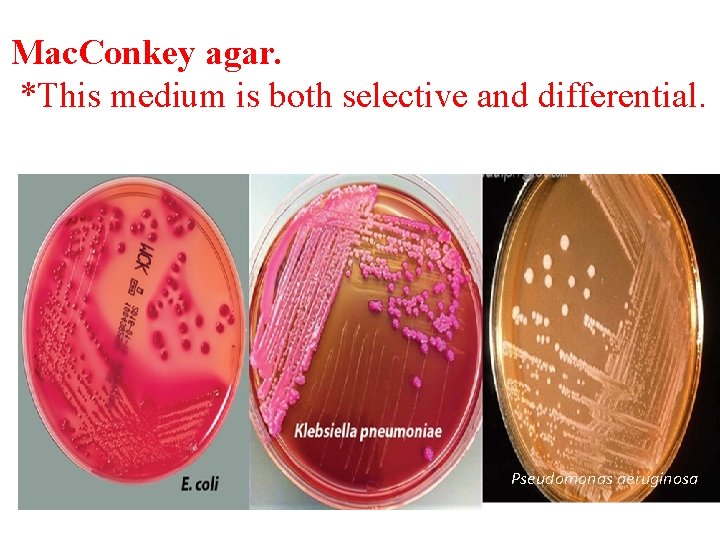
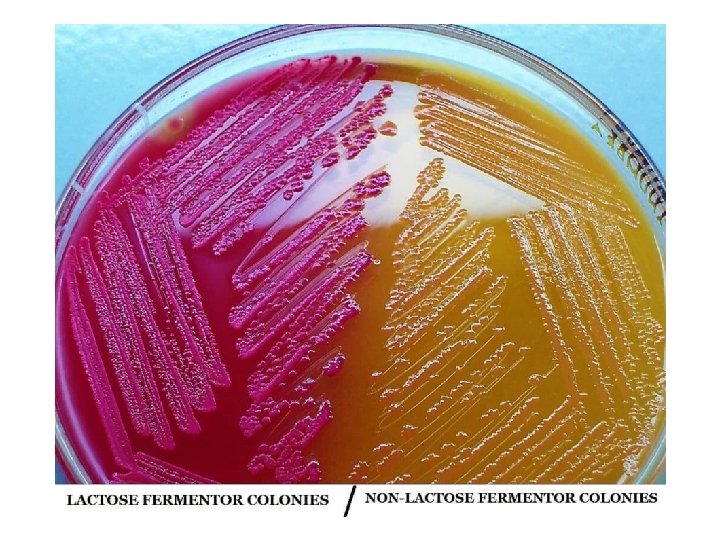
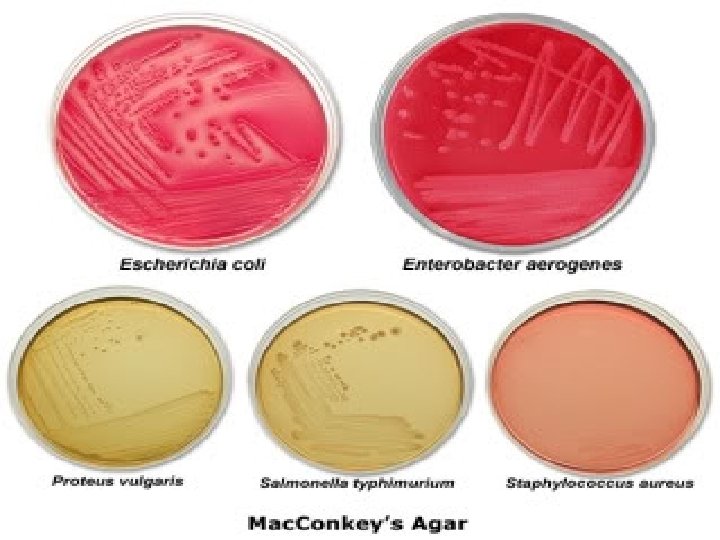
Mac. Conkey agar. *This medium is both selective and differential. Pseudomonas aeruginosa
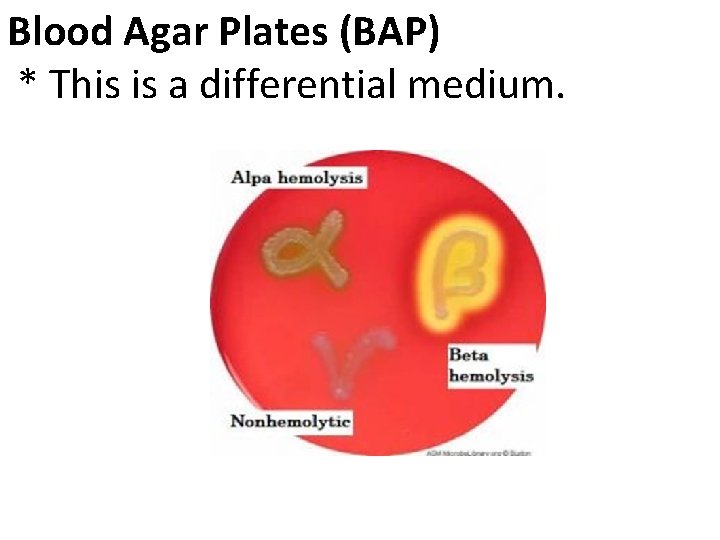
Blood Agar Plates (BAP) * This is a differential medium.
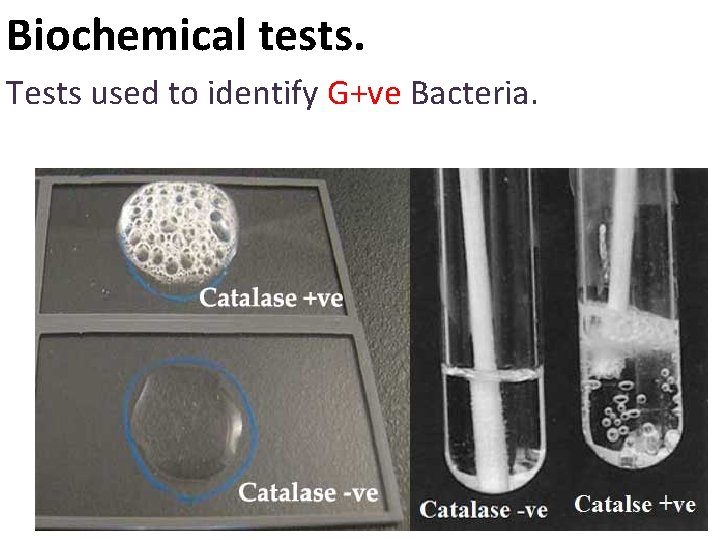
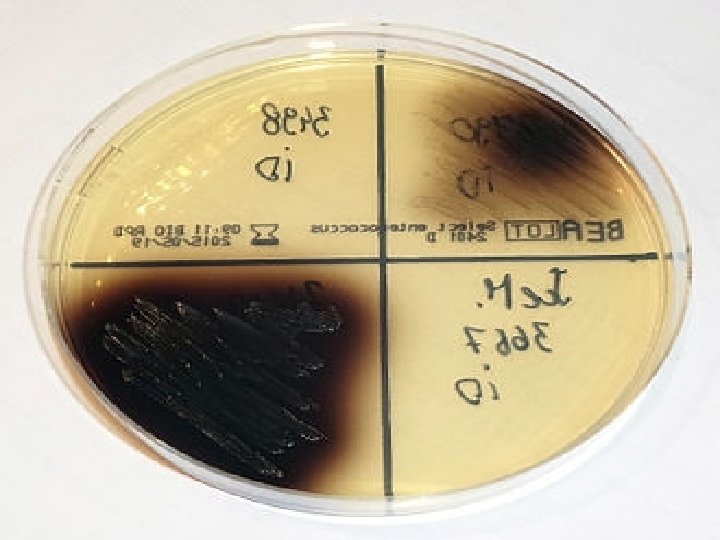
Biochemical tests. Tests used to identify G+ve Bacteria.
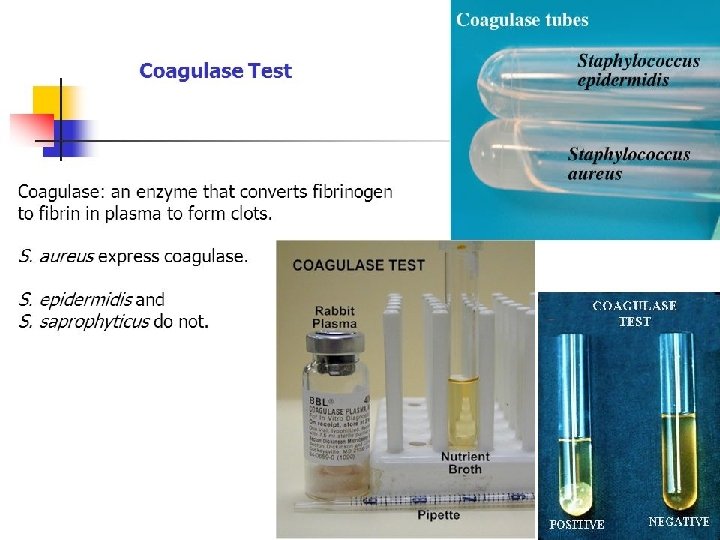
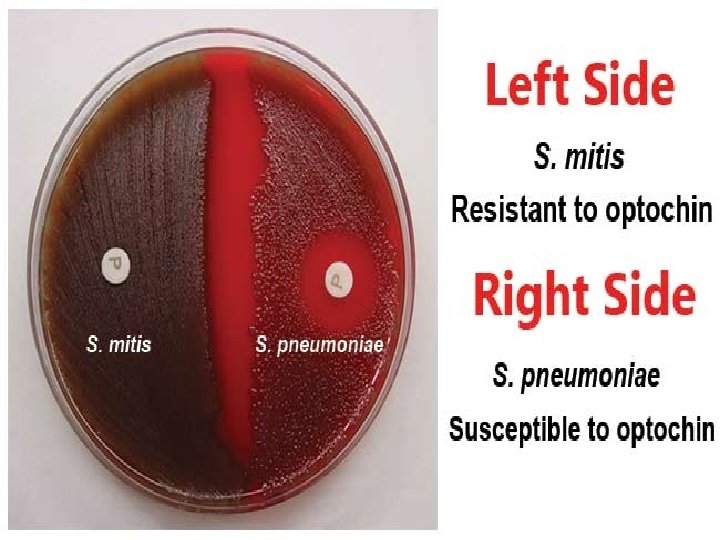
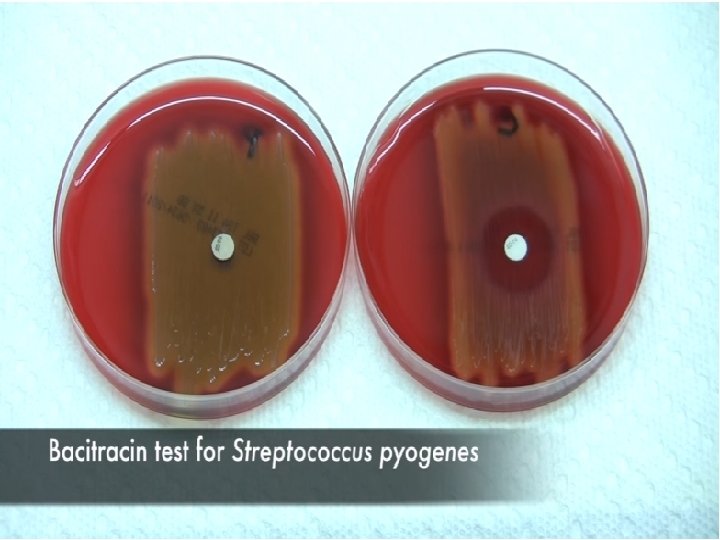
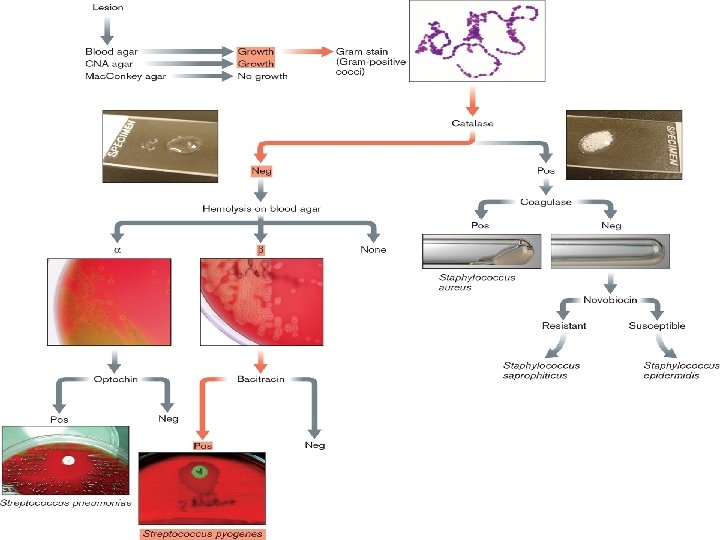
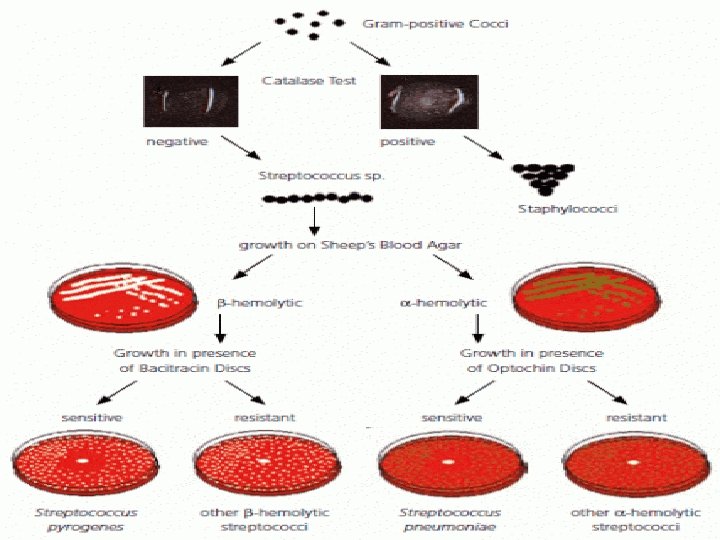
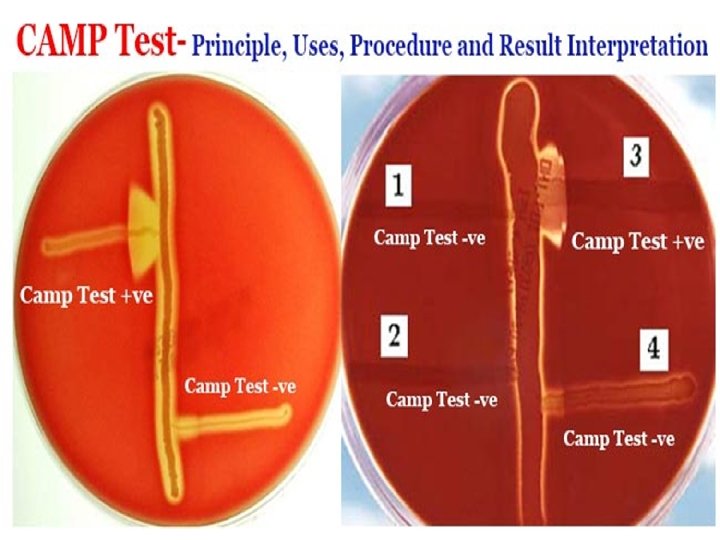
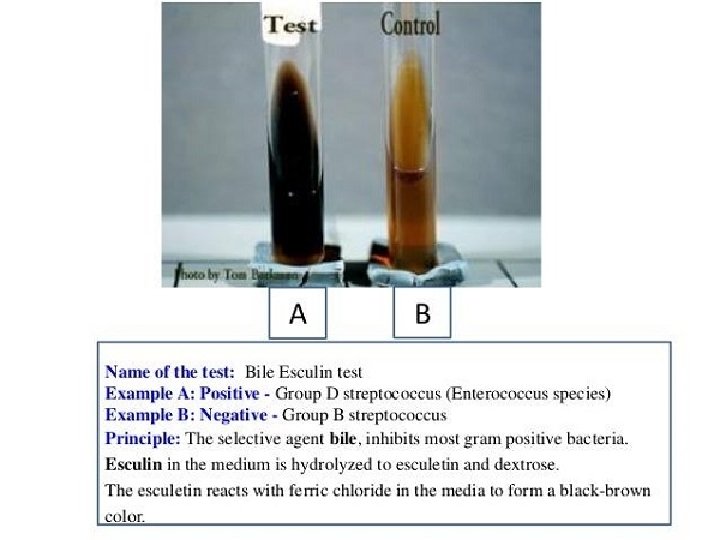
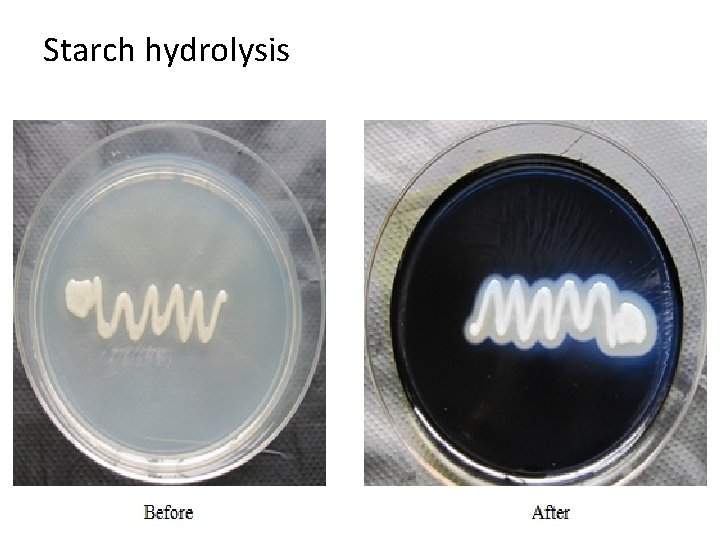
Starch hydrolysis
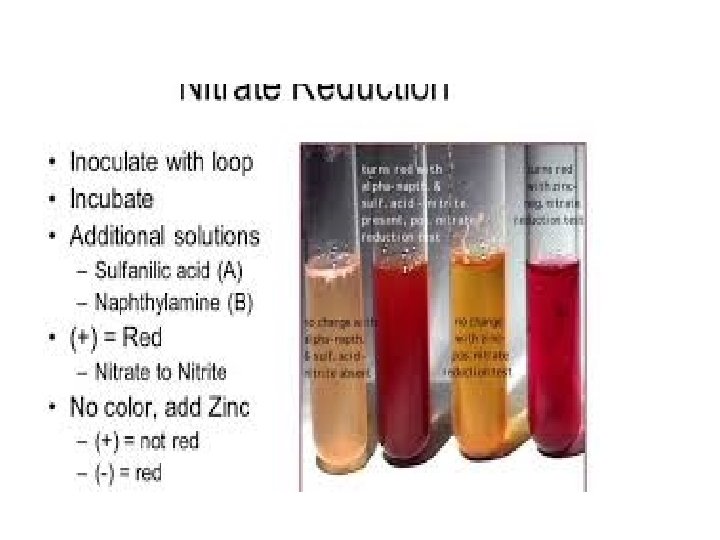
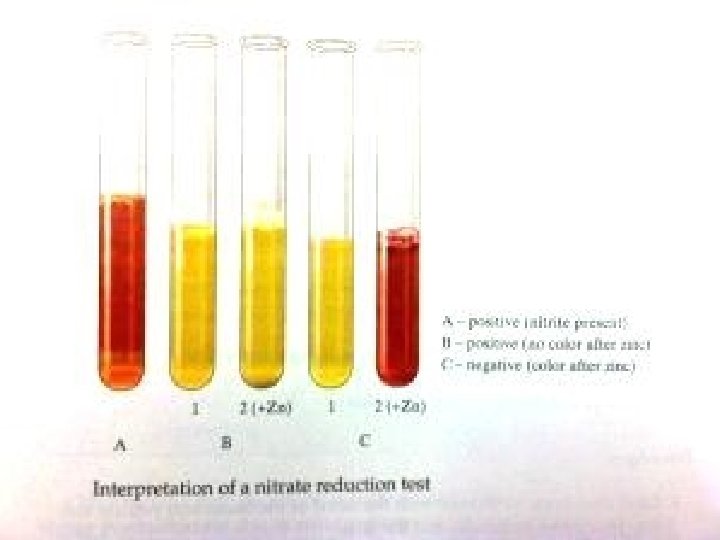
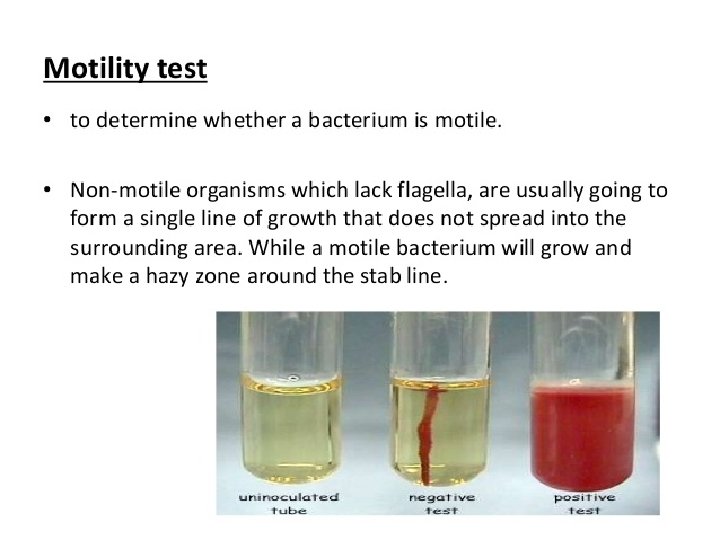
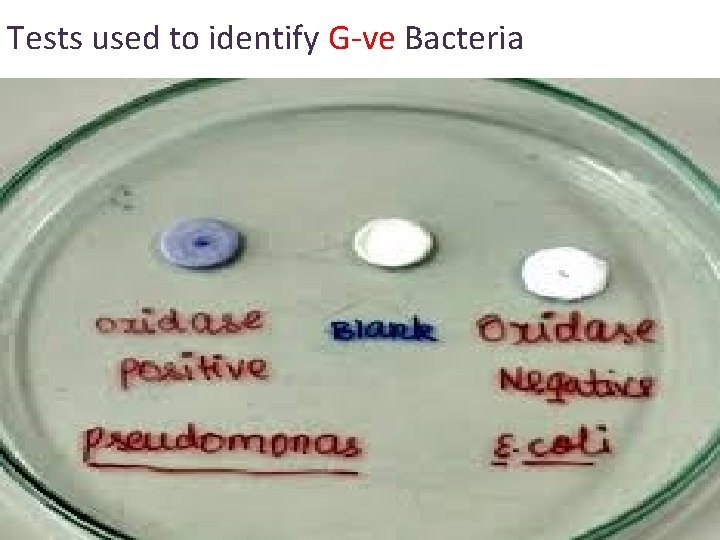
Tests used to identify G-ve Bacteria
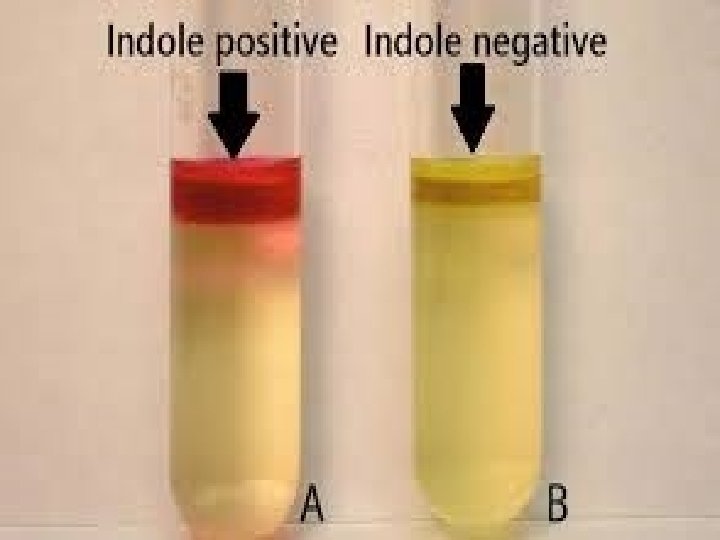

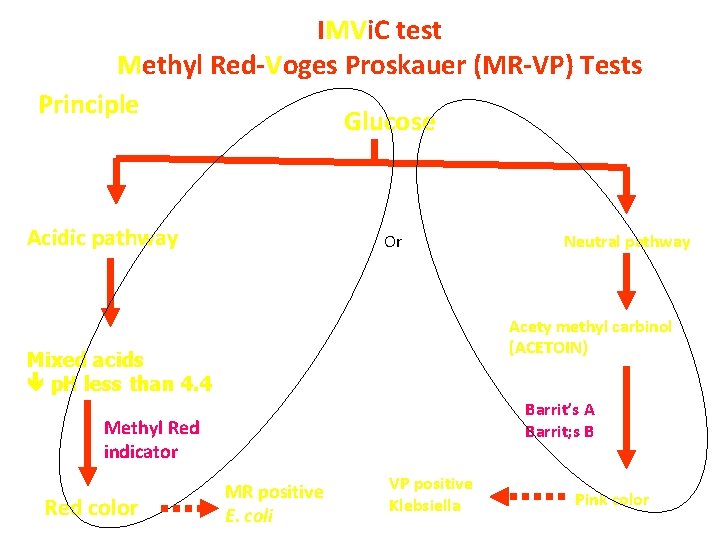
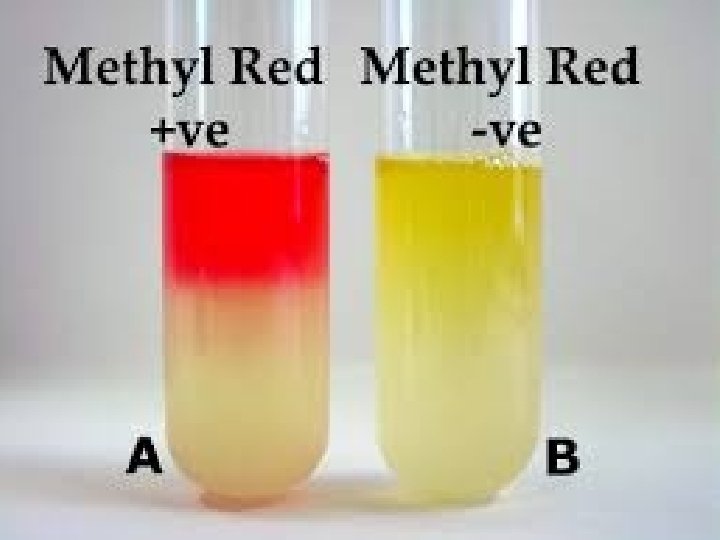
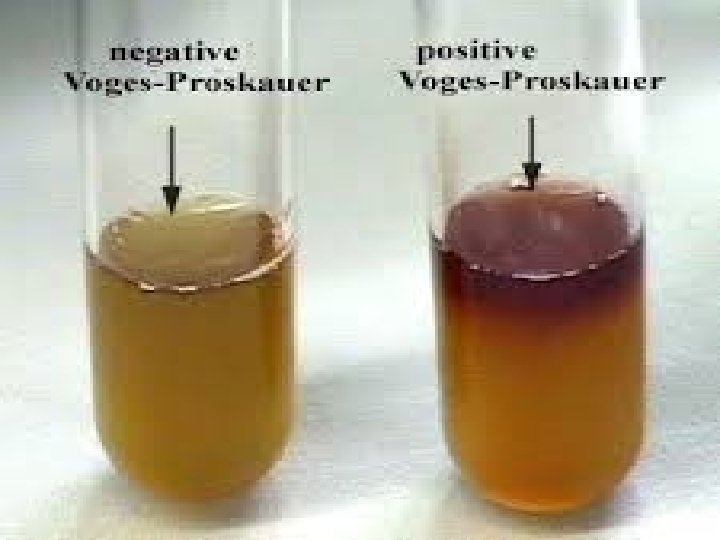
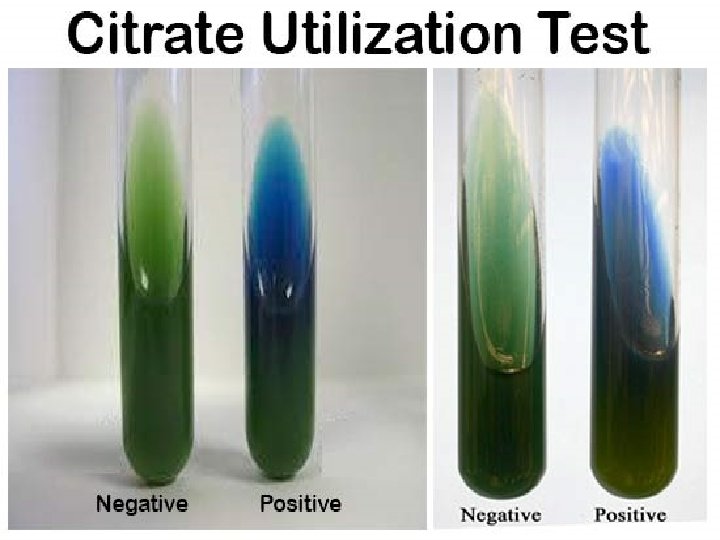
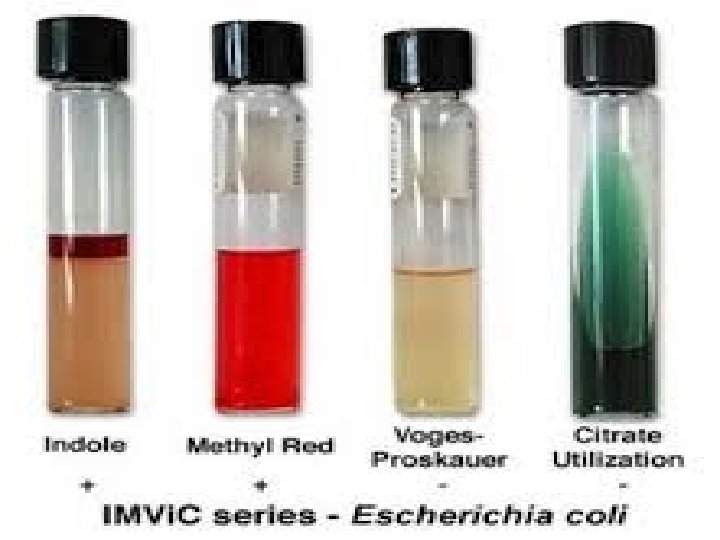
IMVi. C test Methyl Red-Voges Proskauer (MR-VP) Tests Principle Glucose Acidic pathway Or Acety methyl carbinol (ACETOIN) Mixed acids p. H less than 4. 4 Barrit’s A Barrit; s B Methyl Red indicator Red color Neutral pathway MR positive E. coli VP positive Klebsiella Pink color
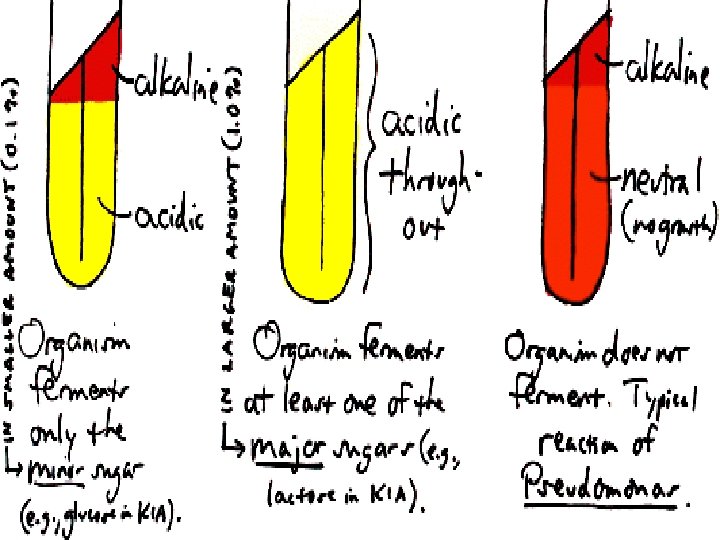
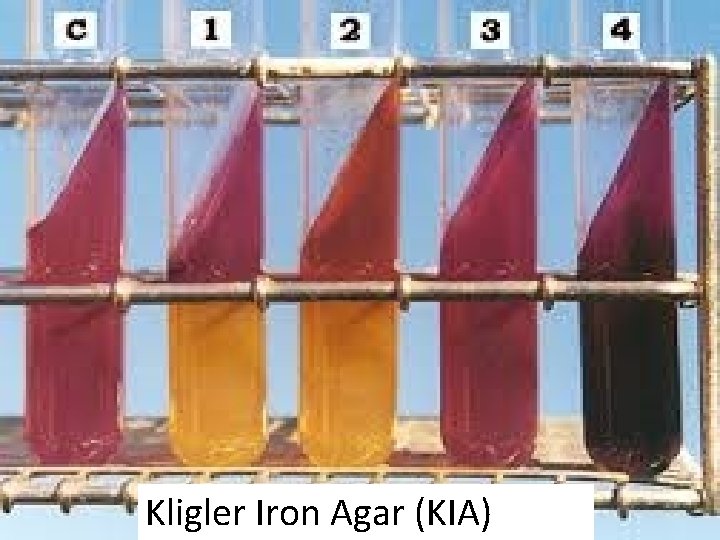
Kligler Iron Agar (KIA)
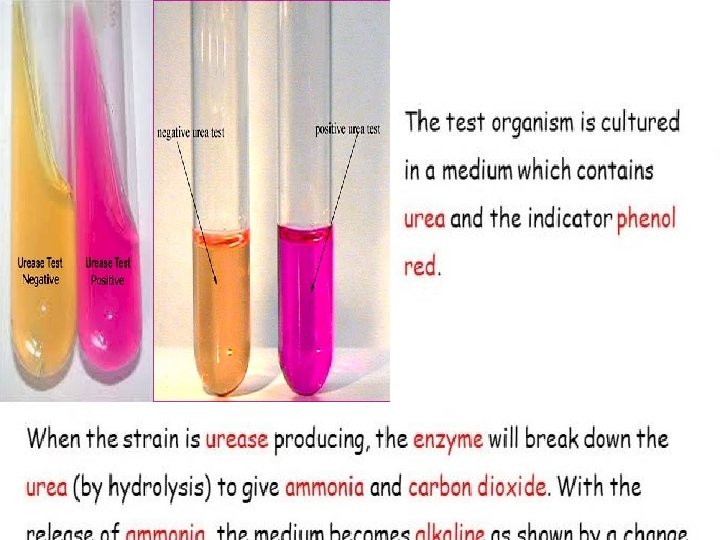

Sugar Fermentation Broth


Thank Yo u for Liste ning
- Slides: 40