
Microbes Causing Urinary Tract Infection LECTURE BLOCK 15

Microbes Causing Urinary Tract Infection LECTURE BLOCK 15
Epidemiology Most frequent infection Most Numerous specimens are received in the Laboratory 20 -25% women have such complain 10 -20% women have once during lifetime Frequently recurrent (anxienty) Most common site of Nosocomial infection

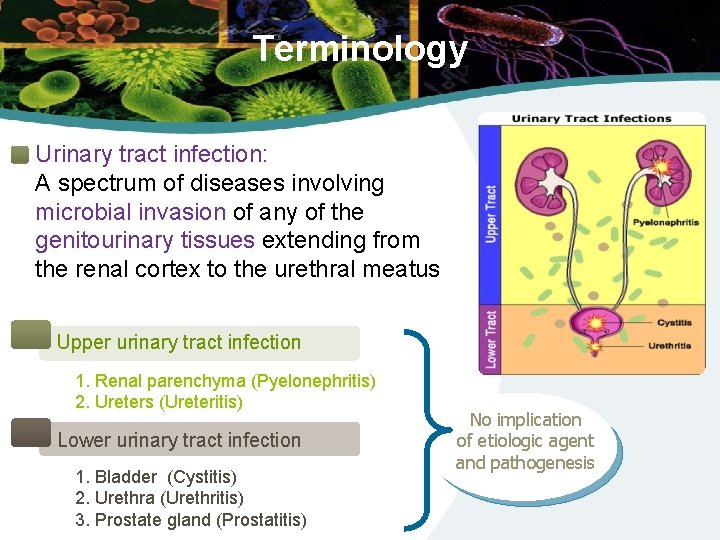
Terminology Urinary tract infection: A spectrum of diseases involving microbial invasion of any of the genitourinary tissues extending from the renal cortex to the urethral meatus Upper urinary tract infection 1. Renal parenchyma (Pyelonephritis) 2. Ureters (Ureteritis) Lower urinary tract infection 1. Bladder (Cystitis) 2. Urethra (Urethritis) 3. Prostate gland (Prostatitis) No implication of etiologic agent and pathogenesis
Terminology
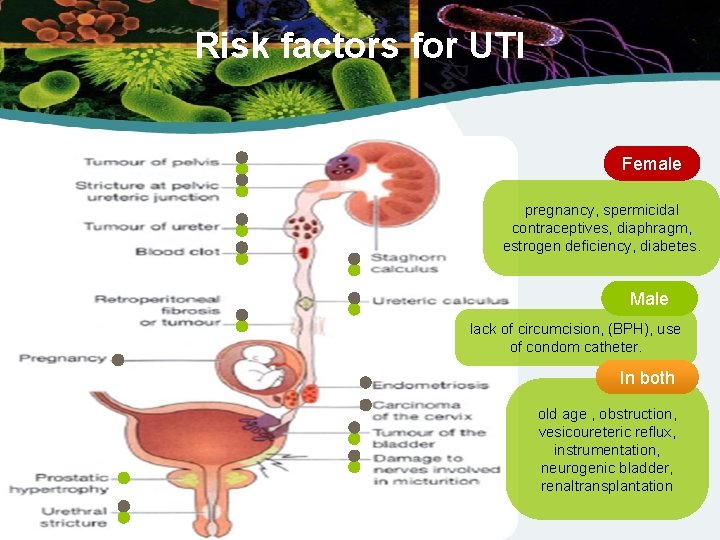
Risk factors for UTI Female pregnancy, spermicidal contraceptives, diaphragm, estrogen deficiency, diabetes. Male lack of circumcision, (BPH), use of condom catheter. In both old age , obstruction, vesicoureteric reflux, instrumentation, neurogenic bladder, renaltransplantation

Risk factors for UTI

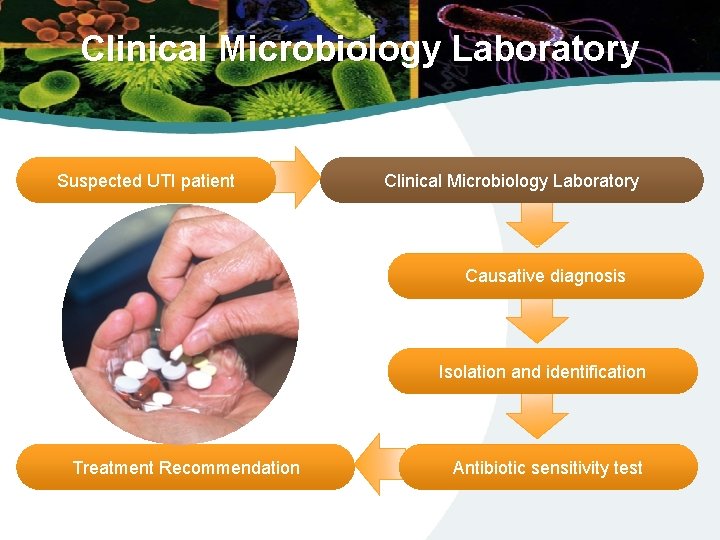
Clinical Microbiology Laboratory Suspected UTI patient Clinical Microbiology Laboratory Causative diagnosis Isolation and identification Treatment Recommendation Antibiotic sensitivity test
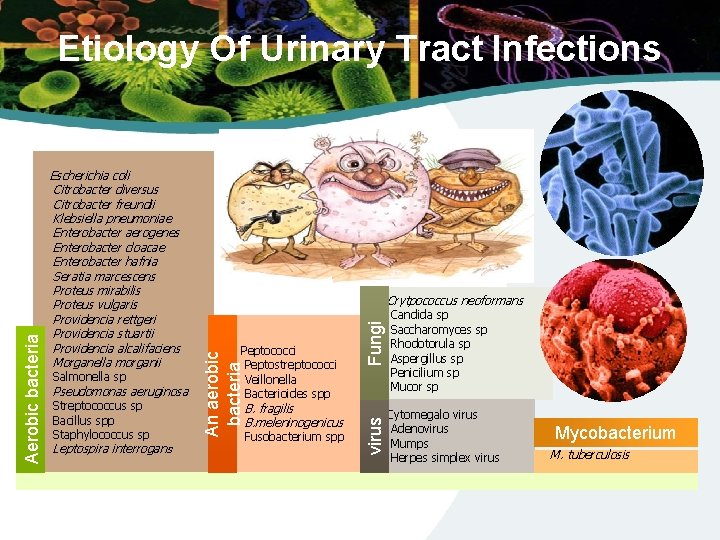
Salmonella sp Pseudomonas aeruginosa Streptococcus sp Bacillus spp Staphylococcus sp Leptospira interrogan s Peptococci Peptostreptococci Veillonella Bacterioides spp B. fragilis B. meleninogenicus Fusobacterium spp Fungi Crytpococcus neoformans virus Escherichia coli Citrobacter diversus Citrobacter freundii Klebsiella pneumoniae Enterobacter aerogenes Enterobacter cloacae Enterobacter hafnia Seratia marcescens Proteus mirabilis Proteus vulgaris Providencia rettgeri Providencia stuartii Providencia alcalifaciens Morganella morganii An aerobic bacteria Aerobic bacteria Etiology Of Urinary Tract Infections Candida sp Saccharomyces sp Rhodotorula sp Aspergillus sp Penicilium sp Mucor sp Cytomegalo virus Adenovirus Mumps Herpes simplex virus Mycobacterium M. tuberculosis
Trend of the Microbiology of UTI
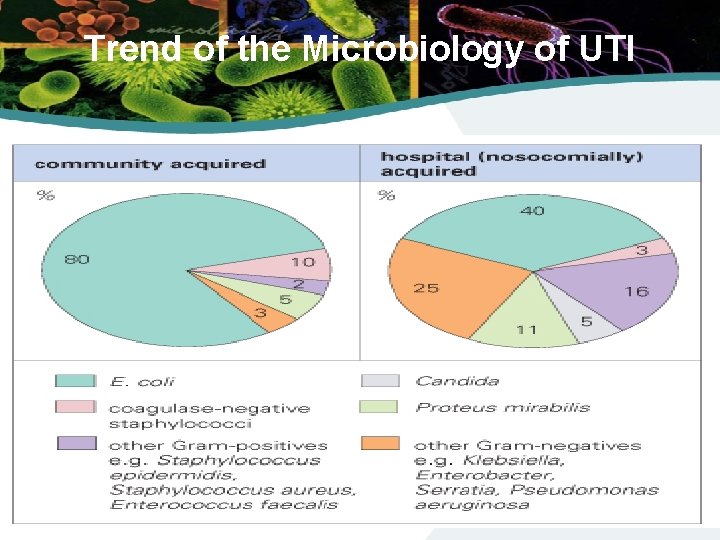
Trend of the Microbiology of UTI Escherichia coli : the commonest urinary pathogen causing 60 -90 % of urinary infections in community acquired Pseudomonas, Proteus, Klebsiella and S. aureus associated with hospital acquired infections because their resistance to antibiotics favor their selection in hospital patients (catheterization, gynaecological surgery) Proteus infections are associated with renal stones Proteus produce a potent urease which act on ammonia, rendering the urine alkaline S. saprohyticus infections are found in sexually active young women

Pathogenesis of UTI Organism features Most E. coli causing UTI belong to O, K and H serotypes. Uropathogenic E. coli virulence factors: 1. Have fimbria (for adherence) 2. Secrete hemolysin & aerobactin 3. Resist serum bacterical action 4. Have higher K capsular antigen. Adherence is important in other bacteria

Pathogenesis of UTI

Pathogenesis of UTI


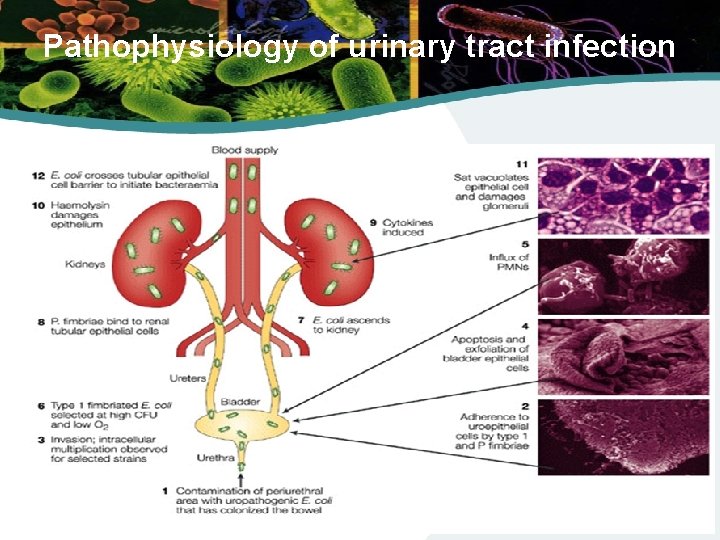
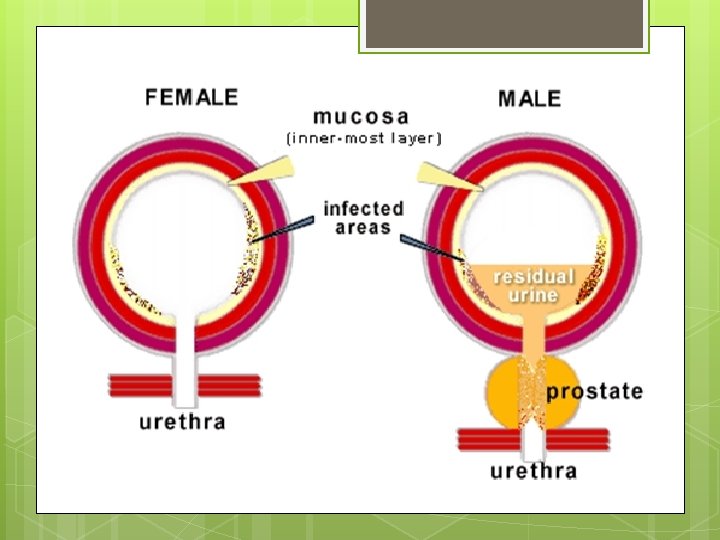
Pathophysiology of urinary tract infection Ascending route of infection most common Colonization of urethra and periurethral tissue by uropathogens the initial event in urinary tract infection Urinary tract infection more common in women than men due to short female urethra and in close proximity to perianal areas Hospital infection associated with lower urinary tract instrumentation (catheterization, cystoscopy) Source of uropathogens: enteric bacteria
Pathophysiology of urinary tract infection
Pathogenesis of UTI

Pathogenesis of UTI

Pathophysiology of urinary tract infection Uncomplicated UTI: Bacterial or yeast infection in a structurally and neurologically normal urinary tract Complicated UTI: Bacterial or yeast infection in a urinary tract with functional or structural abnormalities
Laboratory of urinary tract infection
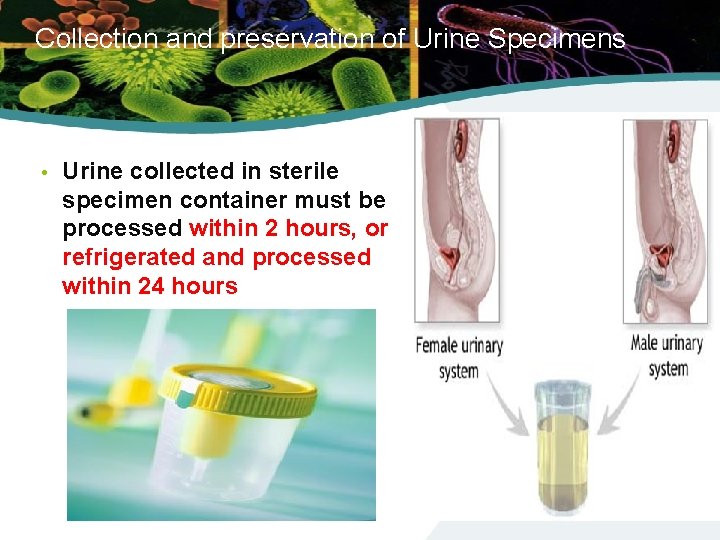
Collection and preservation of Urine Specimens • Urine collected in sterile specimen container must be processed within 2 hours, or refrigerated and processed within 24 hours
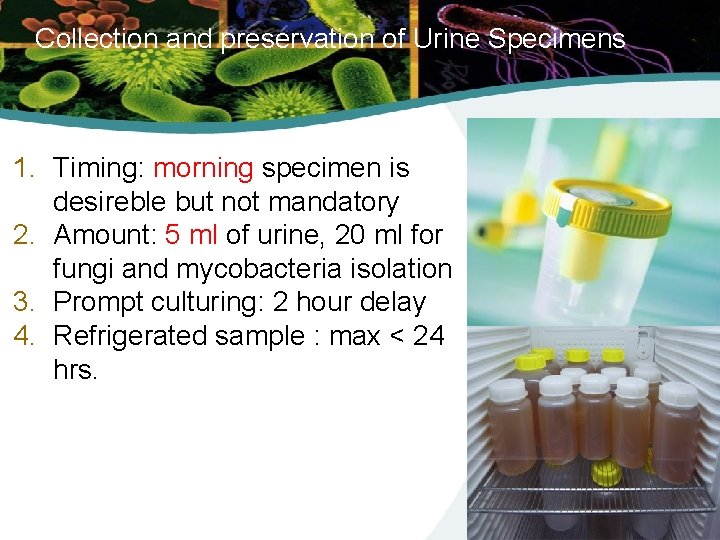
Collection and preservation of Urine Specimens 1. Timing: morning specimen is desireble but not mandatory 2. Amount: 5 ml of urine, 20 ml for fungi and mycobacteria isolation 3. Prompt culturing: 2 hour delay 4. Refrigerated sample : max < 24 hrs.
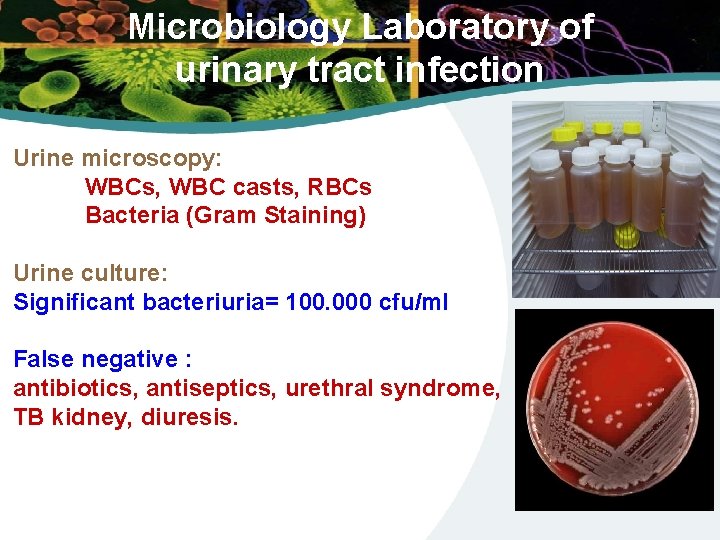
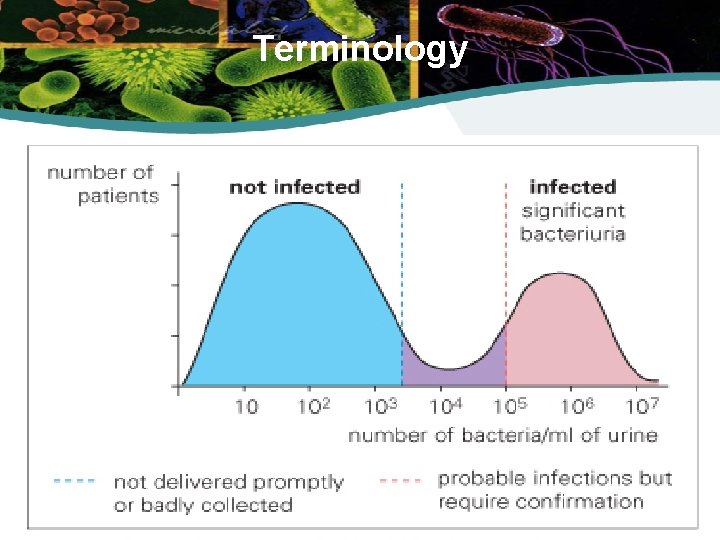
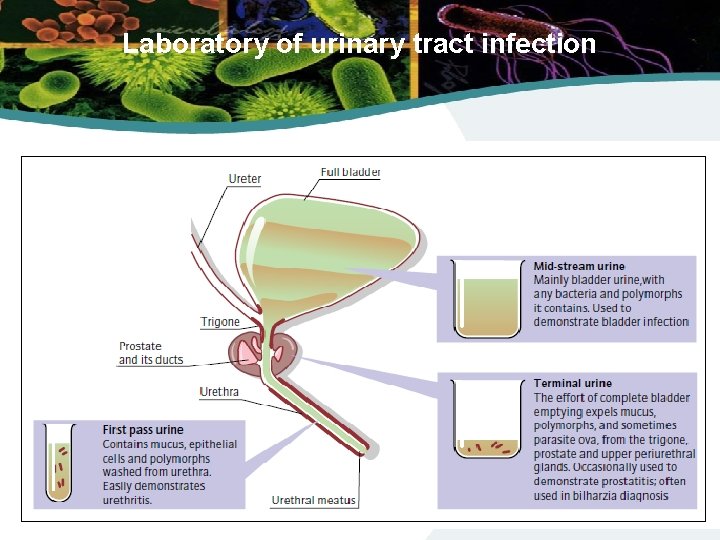
Microbiology Laboratory of urinary tract infection Urine microscopy: WBCs, WBC casts, RBCs Bacteria (Gram Staining) Urine culture: Significant bacteriuria= 100. 000 cfu/ml False negative : antibiotics, antiseptics, urethral syndrome, TB kidney, diuresis.
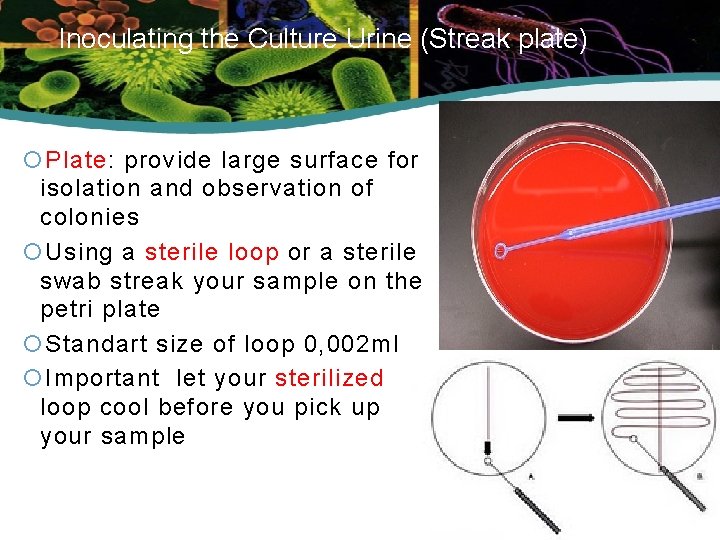
Inoculating the Culture Urine (Streak plate) Plate: provide large surface for isolation and observation of colonies Using a sterile loop or a sterile swab streak your sample on the petri plate Standart size of loop 0, 002 ml Important let your sterilized loop cool before you pick up your sample

Culture Urine
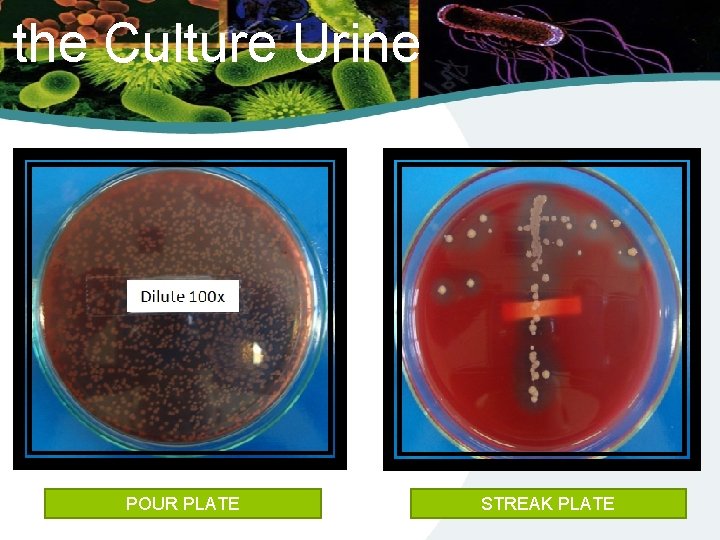
the Culture Urine POUR PLATE STREAK PLATE
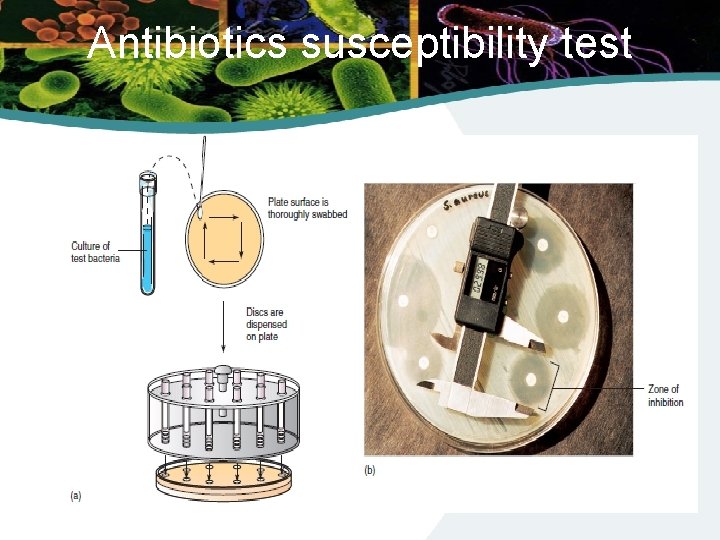
Antibiotics susceptibility test
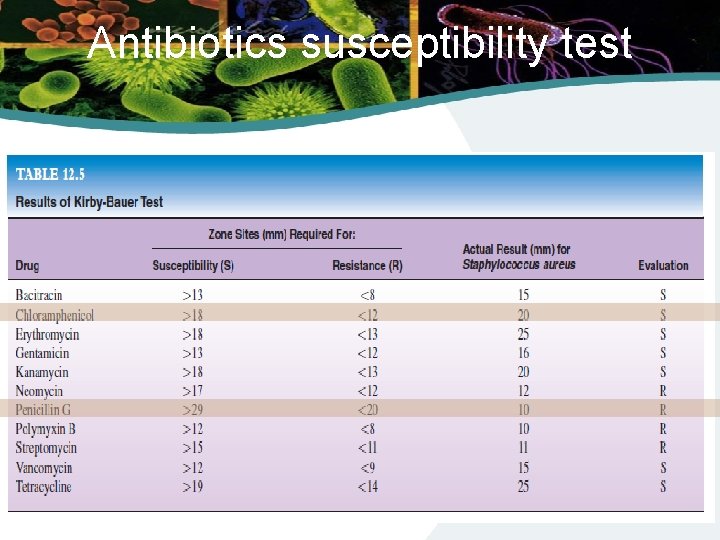
Antibiotics susceptibility test


- Slides: 36