
METROPOLITAN ATLANTA RAPID TRANSIT AUTHORITYMARTA DISTRIBUTED ANTENNA SYSTEM
METROPOLITAN ATLANTA RAPID TRANSIT AUTHORITY(MARTA) DISTRIBUTED ANTENNA SYSTEM (DAS) BUILD-OUT Case Study presented by: David E. Weisman President & CEO Robb Alarcon VP Engineering & Operations Confidential & Proprietary Anthony Couch Sr. Project Engineer
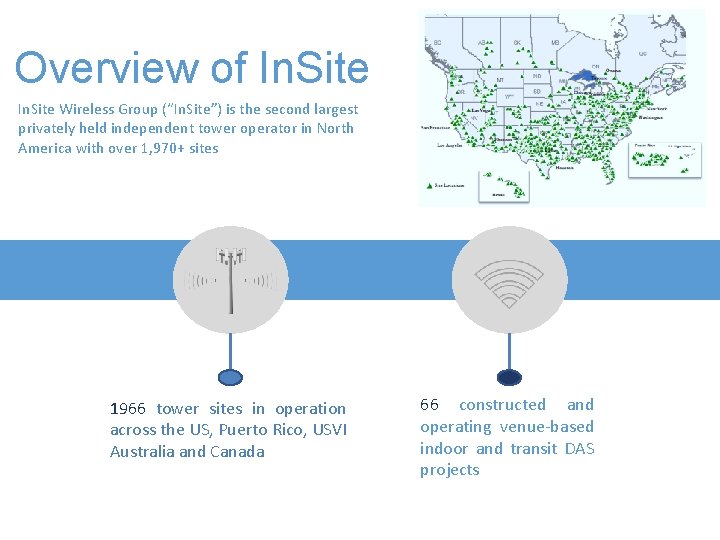
Overview of In. Site Wireless Group (“In. Site”) is the second largest privately held independent tower operator in North America with over 1, 970+ sites 1966 tower sites in operation across the US, Puerto Rico, USVI Australia and Canada 66 constructed and operating venue-based indoor and transit DAS projects

Overview of MARTA Metropolitan Atlanta Rapid Transit Authority 8 th largest transit system in North America MARTA transports 500, 000 riders daily Metro Atlanta had one of the highest percentages of cellphone users in the nation based on a 2013 survey 69 Million riders annually 38 Stations including 15 subterranean stations 11 miles of tunnel

The Project Build a neutral-host distributed antenna system (DAS) that is capable of supporting all four of the major carriers in the underground tunnels and stations, and provide Wi-Fi on the platforms. • Blue Line • Green Line • 3 additional stations Phase 2 • CNN Dome • Peachtree Center • Five Points Station Phase 1 Pilot The DAS was deployed in Phases • Red Line • Gold Line • 9 additional stations December 2018 Phase 2 complete September 2016 Construction began October 2015 In. Site was Awarded MARTA DAS Contract August 2018 Phase 1 complete
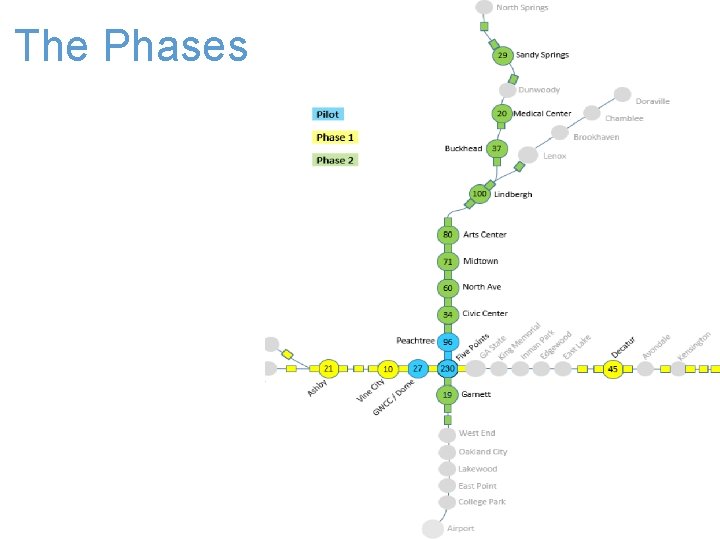
The Phases
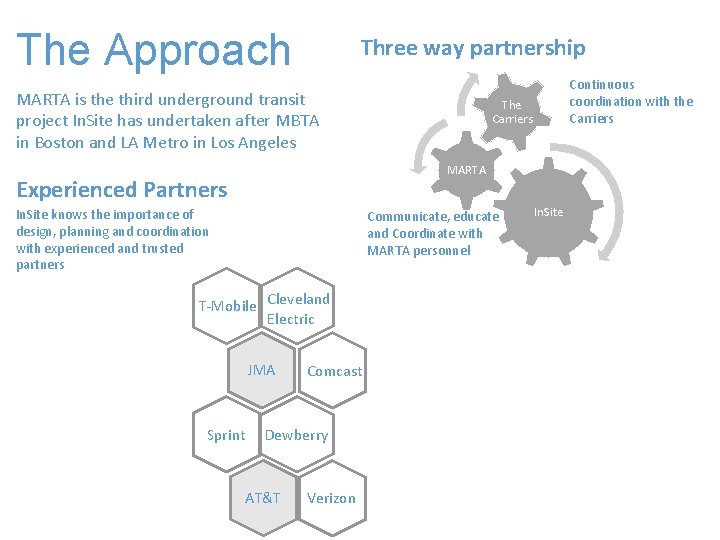
The Approach Three way partnership MARTA is the third underground transit project In. Site has undertaken after MBTA in Boston and LA Metro in Los Angeles The Carriers MARTA Experienced Partners In. Site knows the importance of design, planning and coordination with experienced and trusted partners Communicate, educate and Coordinate with MARTA personnel T-Mobile Cleveland Electric JMA Sprint Continuous coordination with the Carriers Comcast Dewberry AT&T Verizon In. Site
Engineering Challenges
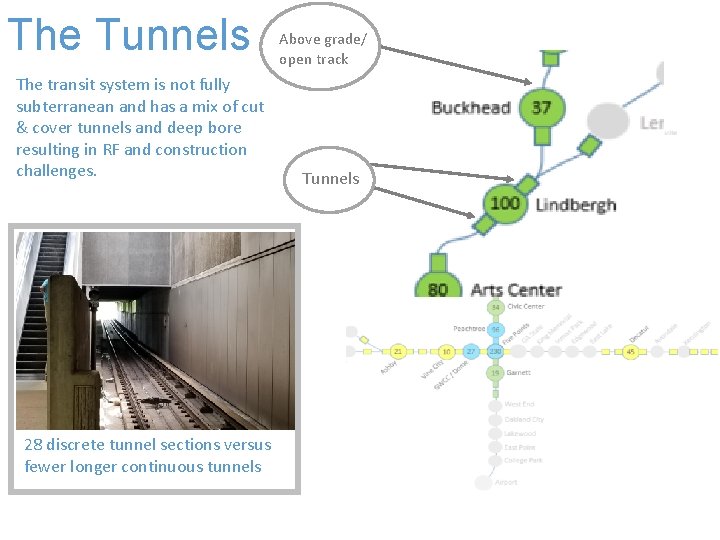
The Tunnels The transit system is not fully subterranean and has a mix of cut & cover tunnels and deep bore resulting in RF and construction challenges. 28 discrete tunnel sections versus fewer longer continuous tunnels Above grade/ open track Tunnels
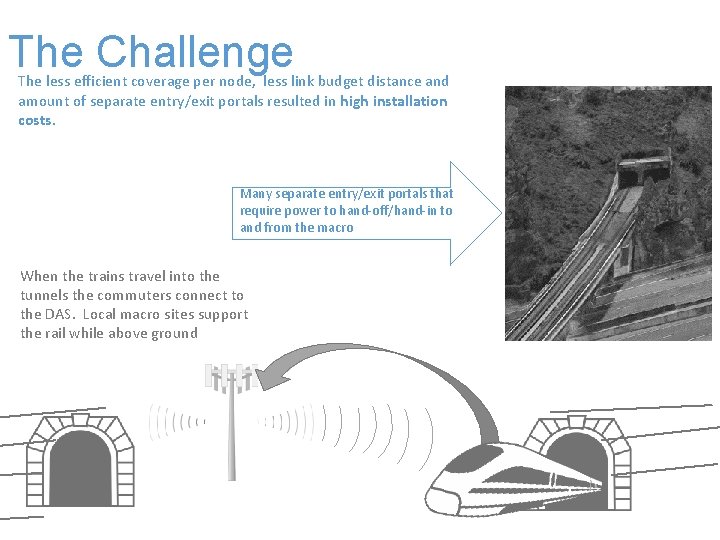
The Challenge The less efficient coverage per node, less link budget distance and amount of separate entry/exit portals resulted in high installation costs. Many separate entry/exit portals that require power to hand-off/hand-in to and from the macro When the trains travel into the tunnels the commuters connect to the DAS. Local macro sites support the rail while above ground
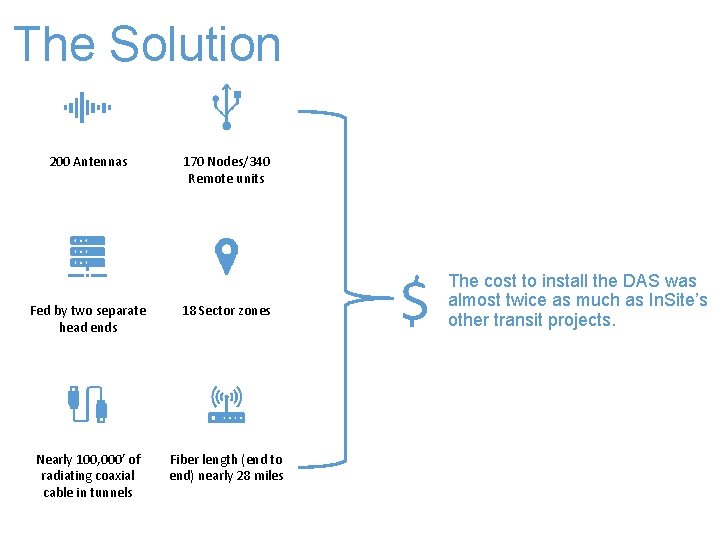
The Solution 200 Antennas 170 Nodes/340 Remote units Fed by two separate head ends 18 Sector zones Nearly 100, 000’ of radiating coaxial cable in tunnels Fiber length (end to end) nearly 28 miles $ The cost to install the DAS was almost twice as much as In. Site’s other transit projects.
Operational Challenges
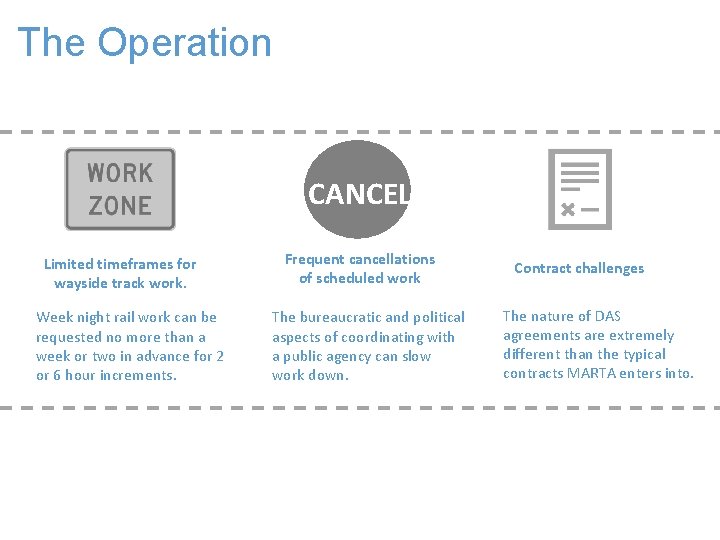
The Operation CANCEL Limited timeframes for wayside track work. Week night rail work can be requested no more than a week or two in advance for 2 or 6 hour increments. Frequent cancellations of scheduled work The bureaucratic and political aspects of coordinating with a public agency can slow work down. Contract challenges The nature of DAS agreements are extremely different than the typical contracts MARTA enters into.
Carrier Participation
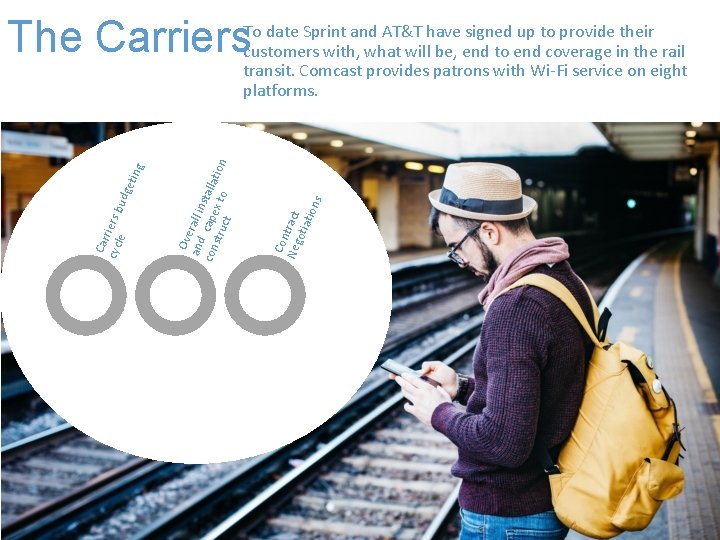
date Sprint and AT&T have signed up to provide their The Carriers. Tocustomers with, what will be, end to end coverage in the rail Con Neg tract otia tion s Ove and rall in con cape stalla stru x to tion ct Car cyc riers b le ud get ing transit. Comcast provides patrons with Wi-Fi service on eight platforms.
Phase 1 of the DAS is on the air and operational today. 1 Phase 2 is targeted to be complete and fully operational prior to Superbowl LII in February 2019 as MARTA transports the fans to the stadium 2 Once complete the service footprint will include 15 stations and 11 miles of tunnels 3 MARTA Commuters that have active service with the participating carriers will be capable of streaming video, making phone calls and staying connected with love ones or business executives while in transit. 4
Questions
- Slides: 16