
Methods in Cancer Treatment Waleed Arafat M D


- Slides: 43
Methods in Cancer Treatment • Waleed Arafat M. D. Ph. D. • Department of Clinical Oncology • waleed. arafat@alexmed. edu. eg
Cancer treatment: Multidisciplinary approach A multidisciplinary approach means involvement of several medical specialty team in the decision making and management of cancer patient. This team include Surgical Oncologist , Clinical Oncologist , , Radiologist , Pathologist , and others to plan the patient’s total course of therapy. A close working relationship between the clinical oncologist, surgeon, radiologist, and pathologist is important in planning a successful total therapy.
Clinical Oncologist A clinical Oncologist is the doctor who treat cancer patient with radiotherapy, chemotherapy , immunotherapy, targeted therapy or gene therapy.
Radiation Therapy • Radiation therapy is the use of ionizing radiation to kill cancer cells and shrink tumors. Radiation therapy injures or destroys cells in the area being treated by damaging their genetic material, making it impossible for these cells to continue to grow and divide. • Although radiation damages both cancer cells and normal cells, most normal cells can recover from the effects of radiation and function properly. • The goal of radiation therapy is to damage as many cancer cells as possible, while limiting harm to nearby healthy tissue. • In some cases, the goal of radiation treatment is the complete destruction of an entire tumor. In other cases, the aim is to shrink a tumor and relieve symptoms. In either case, Radiation Oncologist plan treatment to spare as much healthy tissue as possible. • About half of all cancer patients receive some type of radiation therapy. Radiation therapy may be used alone or in combination with other cancer treatments, such as chemotherapy or surgery.
When is radiation therapy uses? • Radiation therapy may be used to treat almost every type of solid tumor, including cancers of the brain, breast, cervix, larynx, lung, pancreas, prostate, skin, spine, stomach, uterus, or soft tissue sarcomas. Radiation can also be used to treat leukemia and lymphoma. • Radiation dose to each site depends on a number of factors, including the type of cancer and whethere are tissues and organs nearby that may be damaged by radiation. • For some types of cancer, radiation may be given to areas that do not have evidence of cancer. This is done to prevent cancer cells from growing in the area receiving the radiation. This technique is called prophylactic radiation therapy. • Radiation therapy also can be given to help reduce symptoms such as pain from cancer that has spread to the bones or other parts of the body. This is called palliative radiation therapy
Who plans and delivers the radiation treatment to the patient? • The radiation therapy team includes the clinical oncologist , the dosimetrist , who determines the proper radiation dose; the radiation physicist , who makes sure that the machine delivers the right amount of radiation to the correct site in the body; and the radiation therapist , who gives the radiation treatment. • Often, radiation treatment is only one part of the patient’s total therapy. Combined modality therapy, the use of radiation with chemotherapy, is commonly used.
What is the Types of radiation therapy? • Radiation may come from a machine outside the body (external radiation), may be placed inside the body (internal radiation), or may use unsealed radioactive materials that go throughout the body (systemic radiation therapy). • The type of radiation to be given depends on the type of cancer, its location, how far into the body the radiation will need to go, the patient’s general health and medical history, whether the patient will have other types of cancer treatment, and other factors. • Most people who receive radiation therapy for cancer have external radiation. Some patients have both external and internal or systemic radiation therapy, either one after the other or at the same time.
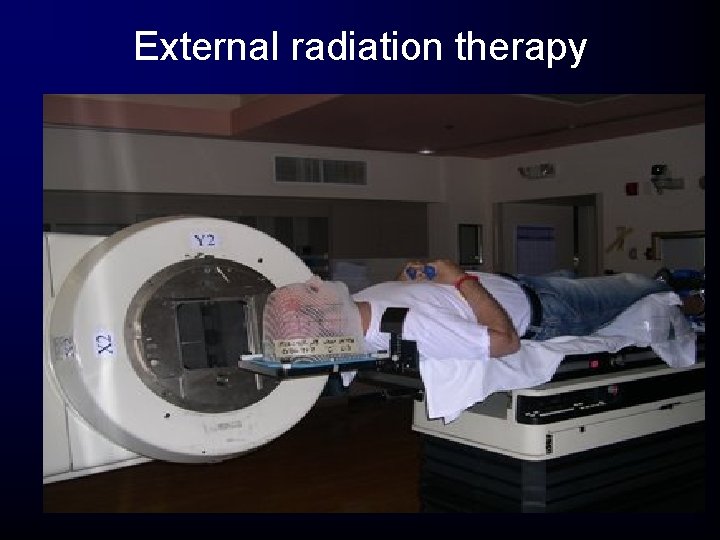
External radiation therapy • External radiation therapy is used to treat most types of cancer, including cancer of the bladder , brain, breast, cervix, larynx, lung, prostate, and vagina. • In addition, external radiation may be used to relieve pain or ease other problems when cancer spreads to other parts of the body from the primary site. • Prophylactic cranial irradiation (PCI) is external radiation given to the brain when the primary cancer (for example, small cell lung cancer) has a high risk of spreading to the brain.
External radiation therapy
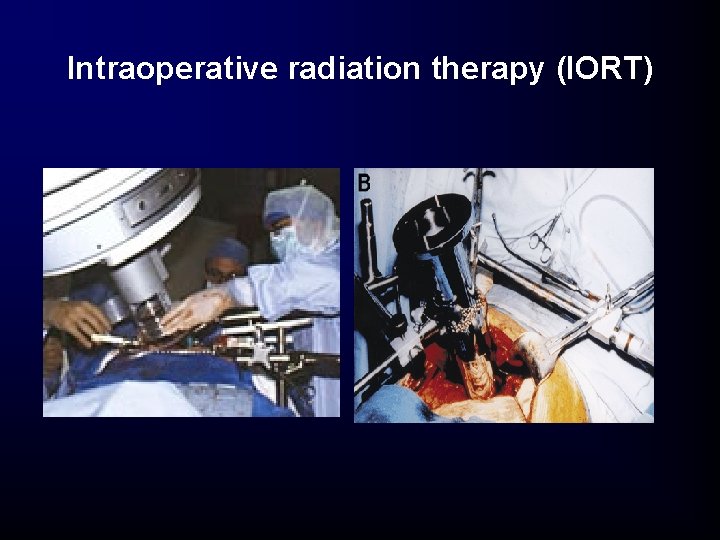
External radiation therapy • Intraoperative radiation therapy (IORT) is a form of external radiation that is given during surgery. IORT is used to treat localized cancers that cannot be completely removed or that have a high risk of recurring in nearby tissues. After all or most of the cancer is removed, one large, high-energy dose of radiation is aimed directly at the tumor site during surgery (nearby healthy tissue is protected with special shields). • IORT may be used in the treatment of thyroid and colorectal cancers, gynecological cancers, cancer of the small intestine , and cancer of the pancreas. It is also being studied in clinical trials) to treat some types of brain tumors and pelvic sarcomas in adults.
Intraoperative radiation therapy (IORT)
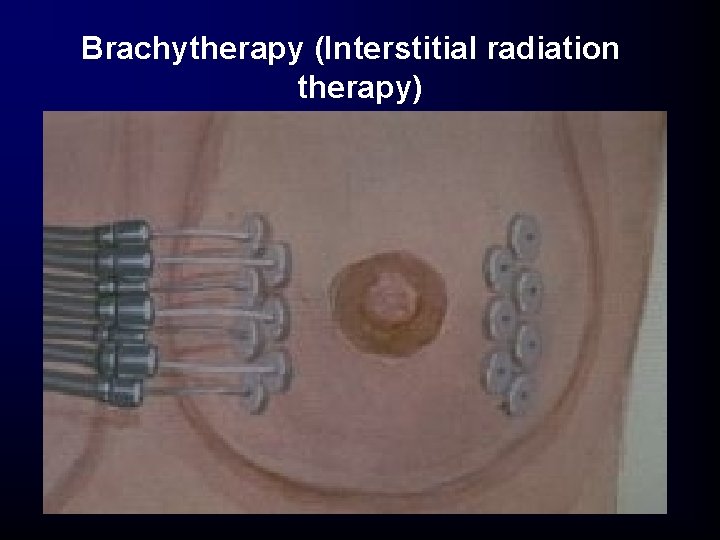
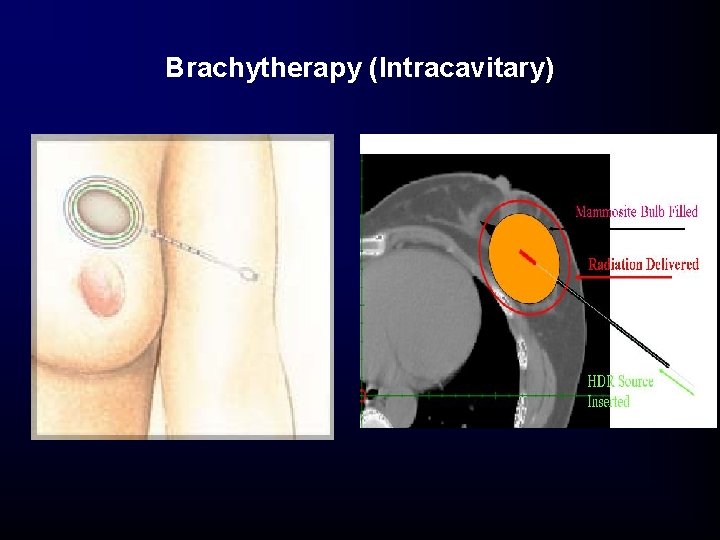
Internal radiation therapy (Brachytherapy) • • Brachytherapy uses radiation that is placed very close to or inside the tumor. The radiation source is usually sealed in a small holder ( an implant. )Implants may be in the form of thin wires, plastic tubes called catheters , ribbons, capsules, or seeds. The implant is put directly into the body. Internal radiation therapy may require a hospital stay. Internal radiation is usually delivered in one of two ways: Intracavitary or intraluminal radiation therapy is inserted into the body with an applicator. It is commonly used in the treatment of uterine cancer. Researchers are also studying these types of internal radiation therapy for other cancers, including breast , bronchial , cervical , gallbladder , oral , rectal , tracheal, uterine, and vaginal. Interstitial radiation therapy is inserted into tissue at or near the tumor site. It is used to treat tumors of the head and neck, prostate, cervix , ovary , breast, and perianal and pelvic regions. Some women treated with external radiation for breast cancer receive a “booster dose” of radiation that may use interstitial radiation or external radiation.
Brachytherapy (Interstitial radiation therapy)
Brachytherapy (Intracavitary)
Systemic radiation therapy • Radioactive materials such as iodine 131 and strontium 89. • The materials may be taken by mouth or injected into the body. • Systemic radiation therapy is sometimes used to treat cancer of the thyroid and adult non-Hodgkin lymphoma. Researchers are investigating agents to treat other types of cancer
How do we measure the dose of radiation? • The amount of radiation absorbed by the tissues is called the radiation dose (or dosage). Before 1985, dose was measured in a unit called a “rad” (radiation absorbed dose). Now the unit is called a gray (abbreviated as Gy). One Gy is equal to 100 rads; one centigray (abbreviated as c. Gy) is the same as 1 rad. • Different tissues can tolerate various amounts of radiation (measured in centigrays). For example, the liver can receive a total dose of 3, 000 c. Gy, while the kidneys can tolerate only 1, 800 c. Gy. • The total dose of radiation is usually divided into smaller doses (fractions) that are given daily over a specific time period. This maximizes the destruction of cancer cells while minimizing the damage to healthy tissue. • Therapeutic ratio. This ratio compares the damage to the cancer cells with the damage to healthy cells. Techniques are available to increase the damage to cancer cells without doing greater harm to healthy tissues.
What are the sources of energy for external radiation therapy? • The energy used in external radiation therapy may come from the following: photons or particles. photons are in forms of electromagnetic radiation: 1 -X-rays are created by machines called linear accelerators. Depending on the amount of energy the x-rays have, they can be used to destroy cancer cells on the surface of the body (lower energy) or deeper into tissues and organs (higher energy). Compared with other types of radiation, x-rays can deliver radiation to a relatively large area. 2 -Gamma rays are produced when isotopes of certain elements (such as iridium and cobalt 60 (release radiation energy as they break down. Each element breaks down at a specific rate and each gives off a different amount of energy, which affects how deeply it can penetrate into the body. (Gamma rays produced by the breakdown of cobalt 60 are used in the treatment called the “gamma knife, ”.
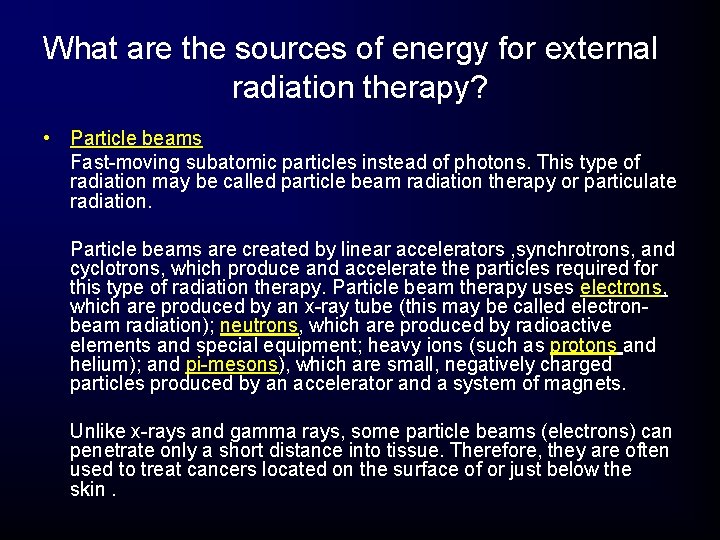
What are the sources of energy for external radiation therapy? • Particle beams Fast-moving subatomic particles instead of photons. This type of radiation may be called particle beam radiation therapy or particulate radiation. Particle beams are created by linear accelerators , synchrotrons, and cyclotrons, which produce and accelerate the particles required for this type of radiation therapy. Particle beam therapy uses electrons, which are produced by an x-ray tube (this may be called electronbeam radiation); neutrons, which are produced by radioactive elements and special equipment; heavy ions (such as protons and helium); and pi-mesons), which are small, negatively charged particles produced by an accelerator and a system of magnets. Unlike x-rays and gamma rays, some particle beams (electrons) can penetrate only a short distance into tissue. Therefore, they are often used to treat cancers located on the surface of or just below the skin.
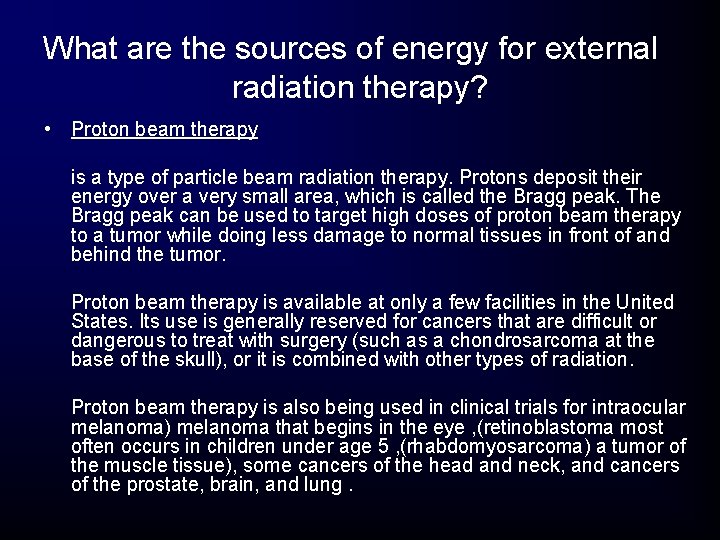
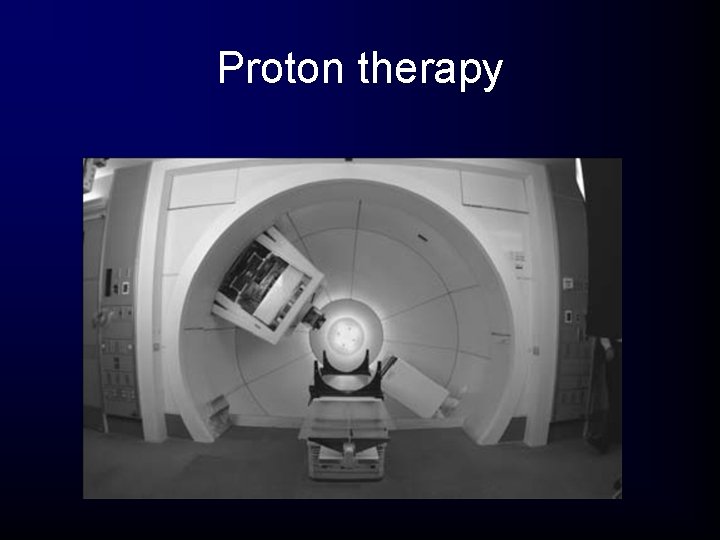
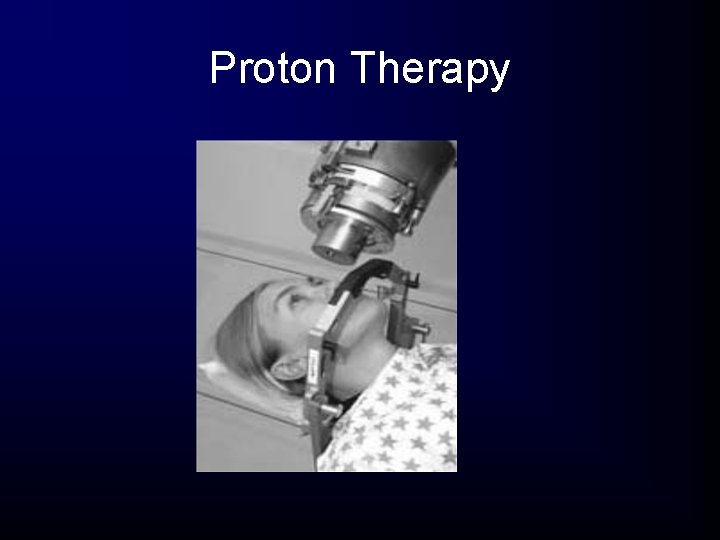
What are the sources of energy for external radiation therapy? • Proton beam therapy is a type of particle beam radiation therapy. Protons deposit their energy over a very small area, which is called the Bragg peak. The Bragg peak can be used to target high doses of proton beam therapy to a tumor while doing less damage to normal tissues in front of and behind the tumor. Proton beam therapy is available at only a few facilities in the United States. Its use is generally reserved for cancers that are difficult or dangerous to treat with surgery (such as a chondrosarcoma at the base of the skull), or it is combined with other types of radiation. Proton beam therapy is also being used in clinical trials for intraocular melanoma) melanoma that begins in the eye , (retinoblastoma most often occurs in children under age 5 , (rhabdomyosarcoma) a tumor of the muscle tissue), some cancers of the head and neck, and cancers of the prostate, brain, and lung.
Proton therapy
Proton Therapy
What are the sources of energy for internal radiation? • The energy used in internal radiation comes from the radioactive isotope in radioactive iodine) iodine 125 or iodine 131), and from strontium 89 , phosphorous , palladium, cesium, iridium, phosphate, or cobalt. Other sources are being investigated.
What are the sources of energy for systemic radiation? • Radiopharmaceuticals , also known as radionucleotides, are radioactive drugs used to treat cancer, including thyroid cancer, cancer that recurs in the chest wall , and pain caused by the spread of cancer to the bone) bone metastases. • The most commonly used radiopharmaceuticals are samarium 153 Quadramet®) and strontium 89 (Metastron™). These drugs are approved by the FDA to relieve pain caused by bone metastases. Both agents are given intravenously (by injection into a vein), usually on an outpatient basis; sometimes they are given in addition to external beam radiation. • Other types of radiopharmaceuticals, such as phosphorous 32, rhodium 186, and gallium nitrate , are not used as frequently. Still other radiopharmaceuticals are under investigation
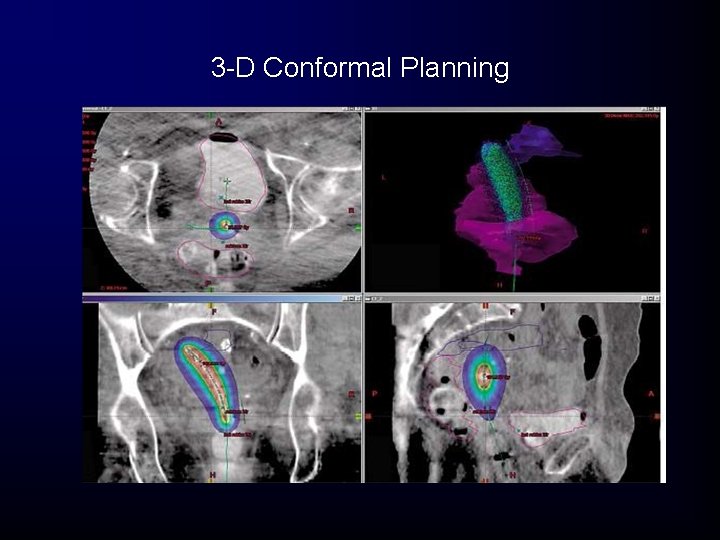
What methods are in use or being studied to improve Radiation Therapy ? • Three-dimensional 3–D conformal radiation therapy. Traditionally, the planning of radiation treatments has been done in two dimensions (width and height). Three-dimensional (3–D) conformal radiation therapy uses computer technology to allow us to more precisely target a tumor with radiation beams (using width, height, and depth). • Many radiation oncologists use this technique. A 3–D image of a tumor can be obtained using computed tomography) CT , (magnetic resonance imaging )MRI , (positron emission tomography (PET), or single photon emission computed tomography) SPECT. (Using information from the image, special computer programs design radiation beams that “conform” to the shape of the tumor. • Because the healthy tissue surrounding the tumor is largely spared by this technique, higher doses of radiation can be used to treat the cancer. Improved outcomes with 3–D conformal radiation therapy have been reported for nasopharyngeal, prostate, lung, liver, and brain cancers.
3 -D Conformal Planning
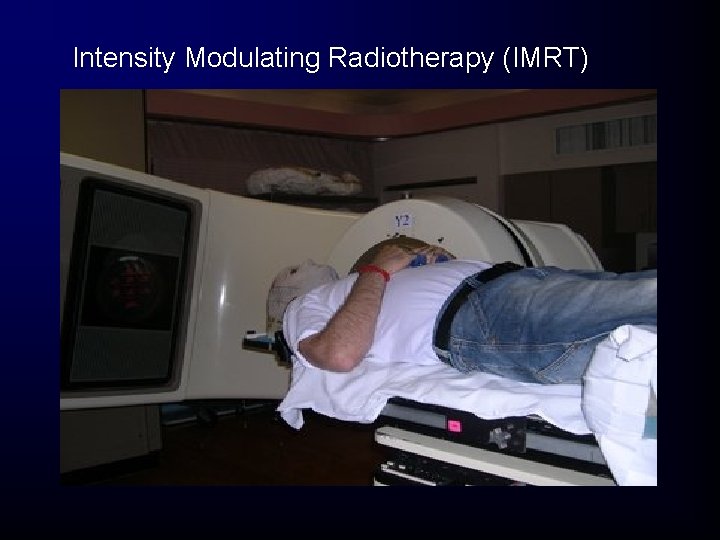
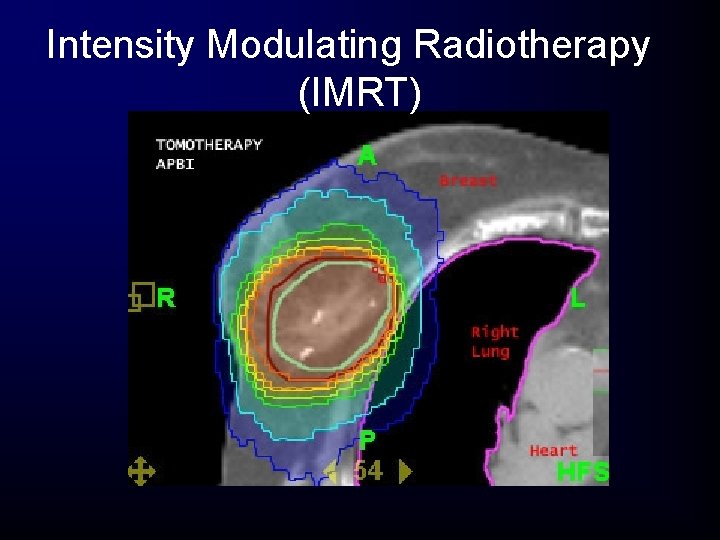
What methods are in use or being studied to improve Radiation Therapy ? • Intensity-modulated radiation therapy (IMRT) • IMRT is a new type of 3–D conformal radiation therapy that uses radiation beams (usually x-rays) of varying intensities to deliver different doses of radiation to small areas of tissue at the same time. The technology allows for the delivery of higher doses of radiation within the tumor and lower doses to nearby healthy tissue. Some techniques deliver a higher dose of radiation to the patient each day, potentially shortening the overall treatment time and improving the success of the treatment. IMRT may also lead to fewer side effects during treatment. • The radiation is delivered by a linear accelerator that is equipped with a multileaf collimator (a collimator helps to shape or sculpt the beams of radiation). The equipment can be rotated around the patient so that radiation beams can be sent from the best angles. The beams conform as closely as possible to the shape of the tumor. Because IMRT equipment is highly specialized, not every radiation oncology center uses IMRT. • This new technology has been used to treat tumors in the brain, head and neck , Nasopharynx , breast, liver, lung, prostate, and uterus. However, IMRT is not appropriate or necessary for every patient or tumor type. Long-term results following treatment with IMRT are becoming available.
Intensity Modulating Radiotherapy (IMRT)
Intensity Modulating Radiotherapy (IMRT)
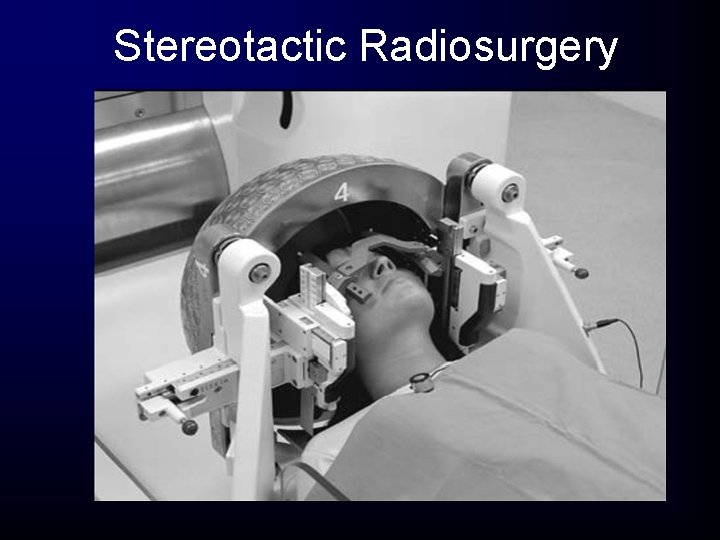
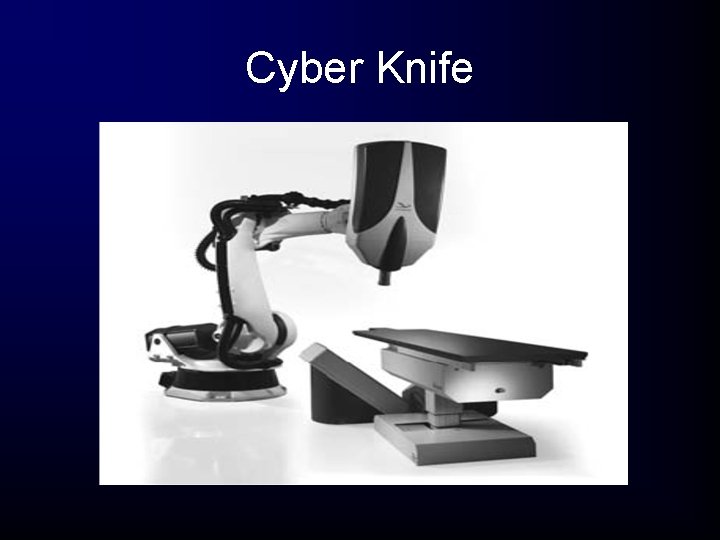
What methods are in use or being studied to improve Radiation Therapy ? • Stereotactic (or stereotaxic radiosurgery) • It uses a large dose of radiation to destroy tumor tissue in the brain. The procedure does not involve actual surgery. The patient’s head is placed in a special frame, which is attached to the patient’ skull. The frame is used to aim high-dose radiation beams directly at the tumor inside the patient’s head. The dose and area receiving the radiation are coordinated very precisely. Stereotactic radiosurgery can be done in one of three ways. The most common technique uses a linear accelerator to administer high-energy photon radiation to the tumor (called “linac-based stereotactic radiosurgery”). The gamma knife , the second most common technique, uses cobalt 60 to deliver radiation. The third technique uses heavy charged particle beams) such as protons and helium ions) to deliver stereotactic radiation to the tumor. • • Stereotactic radiosurgery is mostly used in the treatment of small benign and malignant brain tumors (including meningiomas , acoustic neuromas , and pituitary cancer). It can also be used to treat other conditions (for example , Parkinson disease and epilepsy. (In addition, stereotactic radiosurgery can be used to treat metastatic brain tumors either alone or along with whole-brain radiation therapy. • Stereotactic radiotherapy uses essentially the same approach as stereotactic radiosurgery to deliver radiation to the target tissue. However, stereotactic radiotherapy uses multiple small fractions of radiation as opposed to one large dose. Giving multiple smaller doses may improve outcomes and minimize side effects.
Stereotactic Radiosurgery
Cyber Knife
What other methods are in use or being studied to improve Radiation Therapy ? • Radiosensitizers and Radioprotectors These are chemicals that modify a cell’s response to radiation. Radiosensitizers are drugs that make cancer cells more sensitive to the effects of radiation therapy. Several compounds are under study as radiosensitizers. In addition, some anticancer drugs, such as 5 fluorouracil and cisplatin , make cancer cells more sensitive to radiation therapy. • Radioprotectors (also called radioprotectants) are drugs that protect normal (noncancerous) cells from the damage caused by radiation therapy. These agents promote the repair of normal cells that are exposed to radiation. Amifostine) trade name Ethyol®) is the only drug approved by the U. S. Food and Drug Administration (FDA) as a radioprotector. It helps to reduce the dry mouth that can occur if the parotid glands) which help to produce saliva and are located near the ear) receive a large dose of radiation. . Other compounds are also under study as radioprotectors.
What are some new approaches to radiation therapy? • Genetically Targeted Therapy • Researchers are also studying the use of radiolabeled genetically modified antibodies to deliver doses of radiation directly to the cancer site radioimmunotherapy( • Antibodies are highly specific proteins that are made by the body in response to the presence of antigens) substances recognized as foreign by the immune system. (Some tumor cells contain specific antigens that trigger the production of tumor-specific antibodies. Large quantities of these antibodies can be made in the laboratory and attached to radioactive substances (a process known as radiolabeling). • Once injected into the body, the antibodies seek out cancer cells, which are destroyed by the radiation. This approach can minimize the risk of radiation damage to healthy cells.
What are some new approaches to radiation therapy? • Genetically Targeted Therapy • Two radioimmunotherapy treatments, ibritumomab tiuxetan (Zevalin®) and tositumomab and iodine 131 tositumomab (Bexxar®), have been approved for advanced adult non-Hodgkin’s lymphoma (NHL). Clinical trials of radioimmunotherapy are under way with a number of cancers, including leukemia, NHL, colorectal cancer, and cancers of the liver, lung, brain, prostate, thyroid, breast, ovary, and pancreas. • Scientific advances have led to the discovery of new targets that are being investigated to attract radioactive materials directly to cancer cells. Laboratory and clinical research is in progress using the new molecular therapeutic agents, such as gefitinib) Iressa®) and imatinib mesylate) Gleevec®), with radiation therapy.
Will radiation therapy make the patient radioactive? • • • Will radiation therapy make the patient radioactive? Cancer patients receiving radiation therapy are often concerned that the treatment will make them radioactive. The answer to this question depends on the type of radiation therapy being given. External radiation therapy will not make the patient radioactive. Patients do not need to avoid being around other people because of the treatment. Internal radiation therapy (interstitial, intracavitary, or intraluminal) that involves sealed implants emits radioactivity, so a stay in the hospital may be needed. Certain precautions are taken to protect hospital staff and visitors. The sealed sources deliver most of their radiation mainly around the area of the implant, so while the area around the implant is radioactive, the patient’s whole body is not radioactive. Systemic radiation therapy uses unsealed radioactive materials that travel throughout the body. Some of this radioactive material will leave the body through saliva, sweat, and urine before the radioactivity decays, making these fluids radioactive. Therefore, certain precautions are sometimes used for people who come in close contact with the patient.
Chemotherapy • Chemotherapy (also called chemo) is a type of cancer treatment that uses drugs to destroy cancer cells. • Chemotherapy works by stopping or slowing the growth of cancer cells, which grow and divide quickly. But it can also harm healthy cells that divide quickly, such as those that line your mouth and intestines or cause your hair to grow. Damage to healthy cells may cause side effects. Often, side effects get better or go away after chemotherapy is over. • Depending on type of cancer and how advanced it is, chemotherapy can: Cure cancer - when chemotherapy destroys cancer cells to the point that your doctor can no longer detect them in your body and they will not grow back. Control cancer - when chemotherapy keeps cancer from spreading, slows its growth, or destroys cancer cells that have spread to other parts of your body. Ease cancer symptoms (also called palliative care) - when chemotherapy shrinks tumors that are causing pain or pressure. • • •
Chemotherapy • Chemotherapy is the most important active type of treatment in several cancer and improve the survival rate in lymphoma , germ cell tumor, leukemia. • Chemotherapy has also significantly improved the survival rate as Adjuvant treatment in many cancers like breast, GIT tumor, pediatric solid tumor. • Chemotherapy is important as Neoadjuvant to make locally advancer cancer easily to surgically removed (Breast, Rectum, Pancreas, Lung). • Chemotherapy has improved the outcome of several tumor and preserved organ function when it was giving concomitantly with radiotherapy (Larynx, Hypopharynx Nasopharynx Bladder, Anal)
Chemotherapy • • Chemotherapy may be given in many ways. Injection. The chemotherapy is given by a shot in a muscle in arm, thigh, or hip or right under the skin in the fatty part of arm, leg, or belly. • Intra-arterial (IA). The chemotherapy goes directly into the artery that is feeding the cancer. • Intraperitoneal (IP). The chemotherapy goes directly into the peritoneal cavity (the area that contains organs such as intestines, stomach, liver, and ovaries). • Intravenous (IV). The chemotherapy goes directly into a vein. • Topically. The chemotherapy comes in a cream that rub onto skin. • Orally. The chemotherapy comes in pills, capsules, or liquids.
Targeted Therapy • Targeted therapy • is a type of medication which blocks the growth of cancer cells by interfering with specific targeted molecules needed for carcinogenesis and tumor growth, rather than by simply interfering with rapidly dividing cells. Targeted cancer therapies may be more effective than current treatments and less harmful to normal cells. • The main categories of targeted therapy are small molecules and monoclonal antibodies.
Monoclonal Antibodies • • Several are in development and a few have been licenced by the FDA. Examples of licenced monoclonal antibodies include: Rituximab targets CD 20 found on B cells. It is used in non Hodgkin lymphoma • Trastuzumab (Herceptin®) targets the Her 2/neu (also known as Erb. B 2) receptor expressed in some types of breast cancer • Cetuximab (marketed as Erbitux) targets the epidermal growth factor receptor. It is used in the treatment of colon cancer. • Bevacizumab (marketed as Avastin) targets circulating VEGF ligand. It is approved for use in the treatment of colon cancer and is investigational in the treatment of breast cancer and sarcoma
Small molecules • Imatinib mesylate (Gleevec®, also known as STI– 571) is approved for chronic myelogenous leukemia, gastrointestinal stromal tumor and some other types of cancer. Early clinical trials indicate that imatinib may be effective in treatment of dermatofibrosarcoma protuberans. • Gefitinib (Iressa®, also known as ZD 1839), targets the epidermal growth factor receptor (EGFR) tyrosine kinase and is approved in the U. S. for non small cell lung cancer. EGFR is also overexpressed in the cells of other solid tumors, such as lung and breast cancers. This leads to inappropriate activation of the apoptotic Ras signal transduction cascade, eventually leading to uncontrolled cell proliferation. Gefitinib inhibits EGFR tyrosine kinase by binding to the adenosine triphosphate (ATP)-binding site of the enzyme. Thus the function of the EGFR tyrosine kinase in activating the Ras signal transduction cascade is inhibited; and malignant cells are inhibited. • • • Erlotinib (marketed as Tarceva). Erlotinib works through a similar mechanism as gefitinib. Erlotinib has been shown to increase survival in metastatic non small cell lung cancer when used as second line therapy. Because of this finding, erlotinib has replaced gefitinib in this setting. Bortezomib (Velcade®) is an apoptosis-inducing drug that causes cancer cells to undergo cell death by interfering with proteins. It is approved in the U. S. to treat multiple myeloma that has not responded to other treatments
• Thank You Waleed Arafat M. D. Ph. D. Department of Clinical Oncology Faculty Of Medicine University Of Alexandria Waleed. arafat@alexmed. edu. eg
What other methods are in use or being studied to improve Radiation Therapy ? • • • Because there are so many types of radiation and many ways to deliver it, treatment planning is a very important first step for every patient who will have radiation therapy. Before radiation therapy is given, the patient’s radiation therapy team determines the amount and type of radiation the patient will receive. If the patient will have external radiation, the radiation oncologist uses a process called simulation to define where to aim the radiation. During simulation, the patient lies very still on an examining table while the radiation therapist uses a special x-ray machine to define the treatment port or field—the exact place on the body where the radiation will be aimed. Most patients have more than one treatment port. Simulation may also involve CT scans or other imaging studies to help the radiation therapist plan how to direct the radiation. The simulation may result in some changes to the treatment plan so that the greatest possible amount of healthy tissue can be spared from receiving radiation. The areas to receive radiation are marked with either a temporary or permanent marker, tiny dots or a “tattoo” showing where the radiation should be aimed. These marks are also used to determine the exact site of the initial treatments if the patient should need radiation treatment later. Depending on the type of radiation treatment, the radiation therapist may make body molds or other devices that keep the patient from moving during treatment. These are usually made from foam, plastic, or plaster. In some cases, therapist will also make shields that cannot be penetrated by radiation to protect organs and tissues near the treatment field. When the simulation is complete, the radiation therapy team meets to decide how much radiation is needed (the dose of radiation), how it should be delivered, and how many treatments the patient should have.