
Methamphetamine Labs and Chemical Emergency Response Anchorage Fire
Methamphetamine Labs and Chemical Emergency Response Anchorage Fire Department Battalion Chief Wade Strahan
Dangerous to the Public and Firefighters According to the Center for Disease Control and prevention 79 emergency responders were injured in 14 states between 1996 and 1999.
AFD Meth Finds Fire Medical Emergency “Funny smells” Auto accidents Dumped waste

Lab Locations Mini-storage Motel rooms Trailers Motor Homes Cars Trucks
Primary Fire Department Emergency Functions Life Safety & Rescue Mitigate Emergency Conditions – Fire – Medical – Chemical Support Law Enforcement

Lab Site Hazards Risks to Firefighters and Responders Fire Explosions Booby Traps Criminal Activities Chemical Exposures

AFD Chemical ID Equipment Chemical ID is a basic hazmat team competency Most newer equipment acquired through domestic preparedness grants for terrorism response.
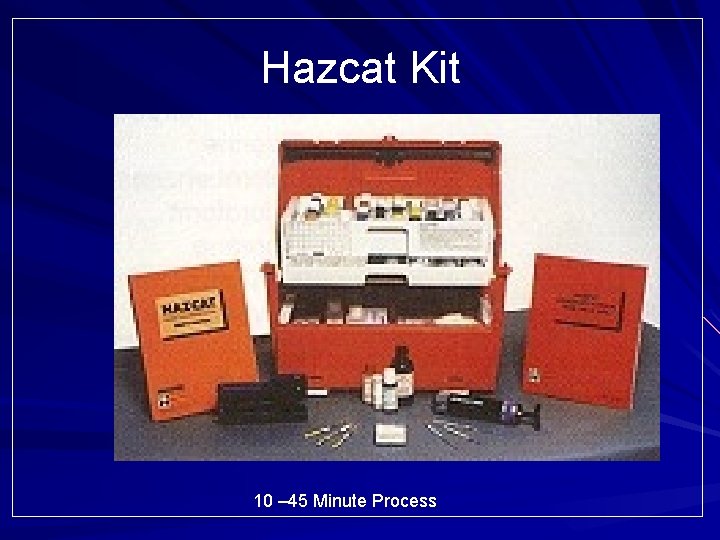
Hazcat Kit 10 – 45 Minute Process
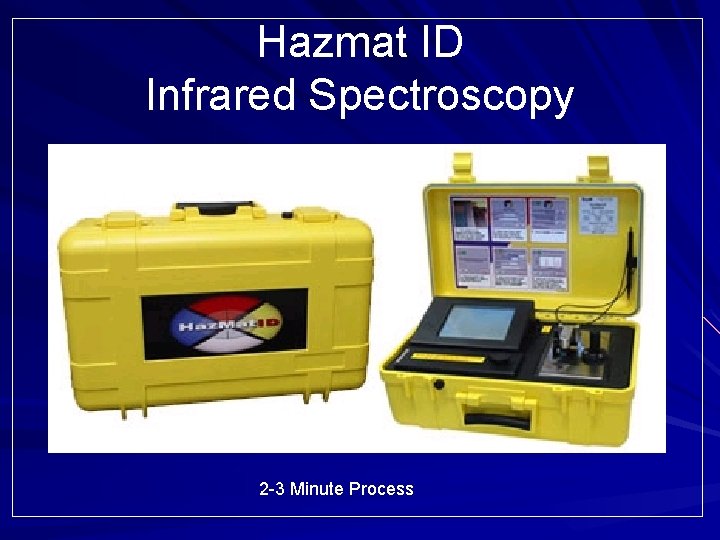
Hazmat ID Infrared Spectroscopy 2 -3 Minute Process
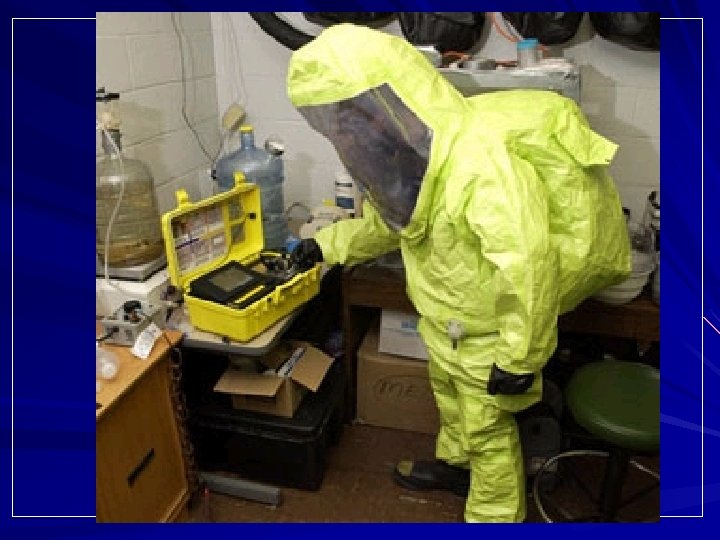
Hazmat ID
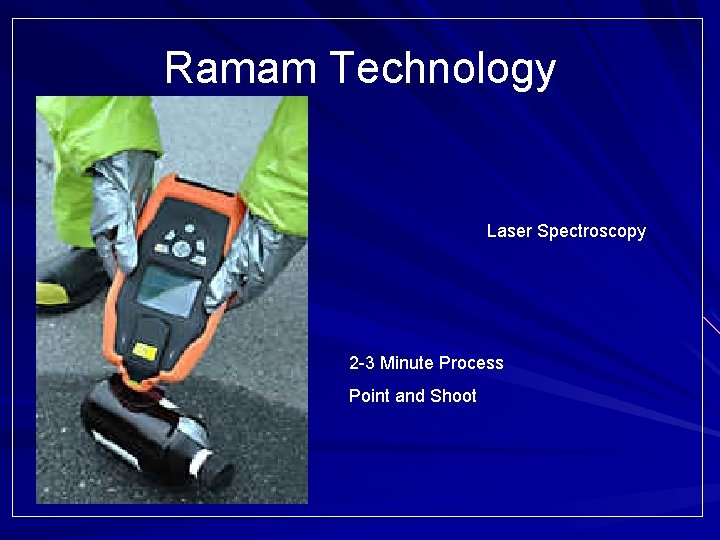
Ramam Technology Laser Spectroscopy 2 -3 Minute Process Point and Shoot
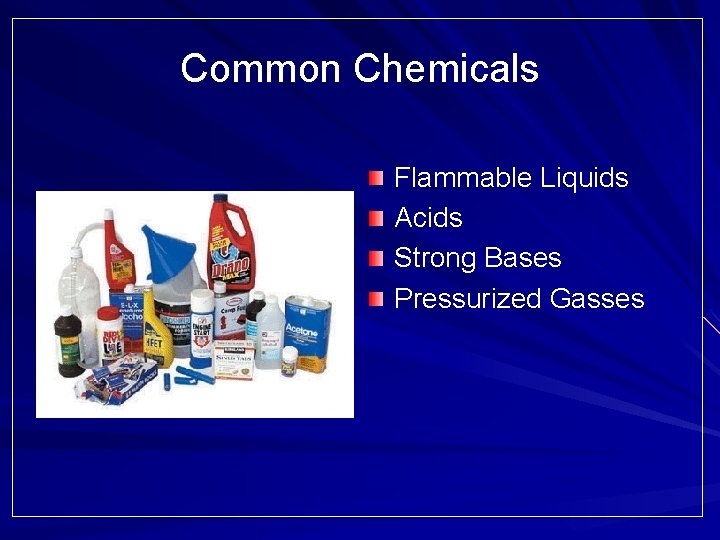
Common Chemicals Flammable Liquids Acids Strong Bases Pressurized Gasses
Fire Department Response to Known Lab Support Law Enforcement Decontamination Emergency Medical Assistance Fire and Explosion Protection Hazmat Team Assistance

Decon Shelter Systems
Conclusion Firefighters may not be aware of a meth lab operation when responding to an incident Meth labs can be equipped with “security devices” containing explosives Firefighters can encounter dangerous criminals A meth lab is always a hazardous materials incident
- Slides: 15