
Metamorphic Rocks The mountain here is composed of
- Slides: 23
Metamorphic Rocks
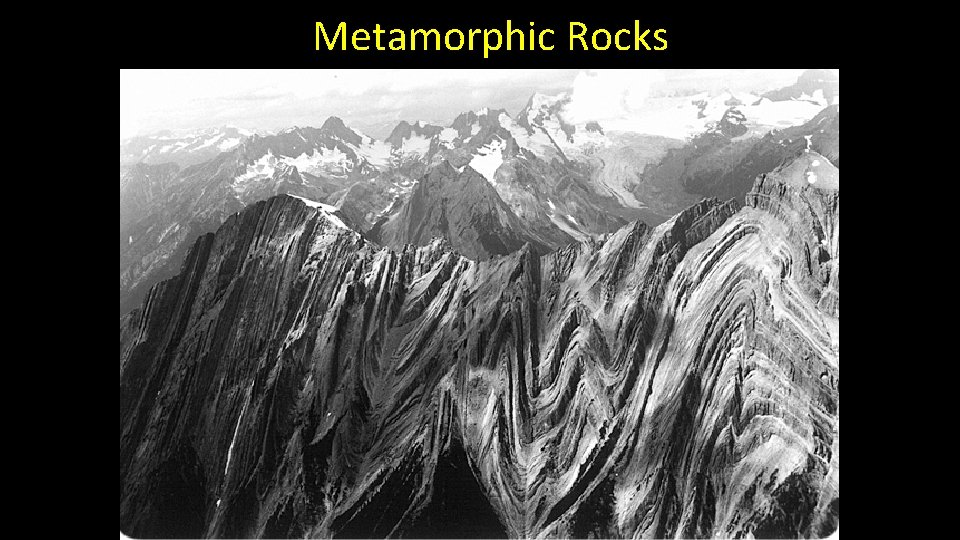
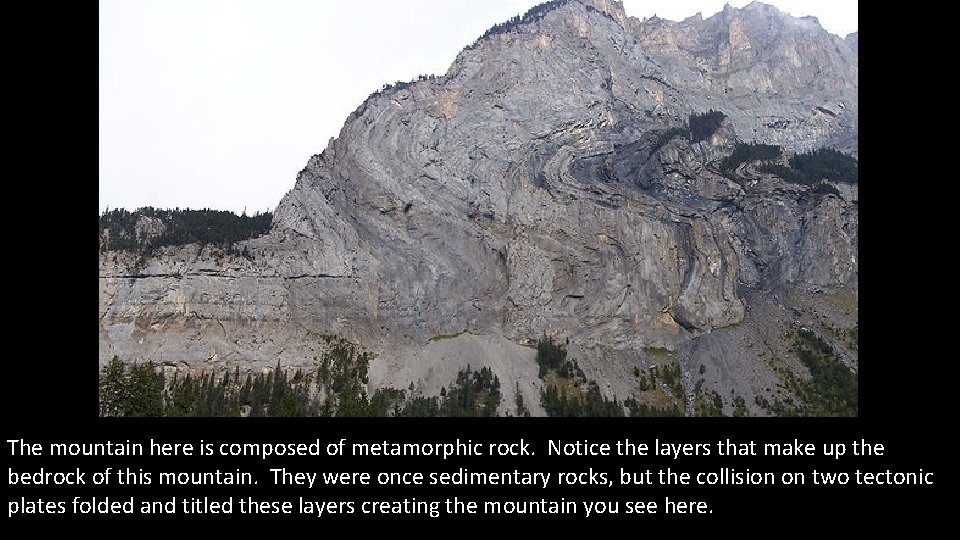
The mountain here is composed of metamorphic rock. Notice the layers that make up the bedrock of this mountain. They were once sedimentary rocks, but the collision on two tectonic plates folded and titled these layers creating the mountain you see here.
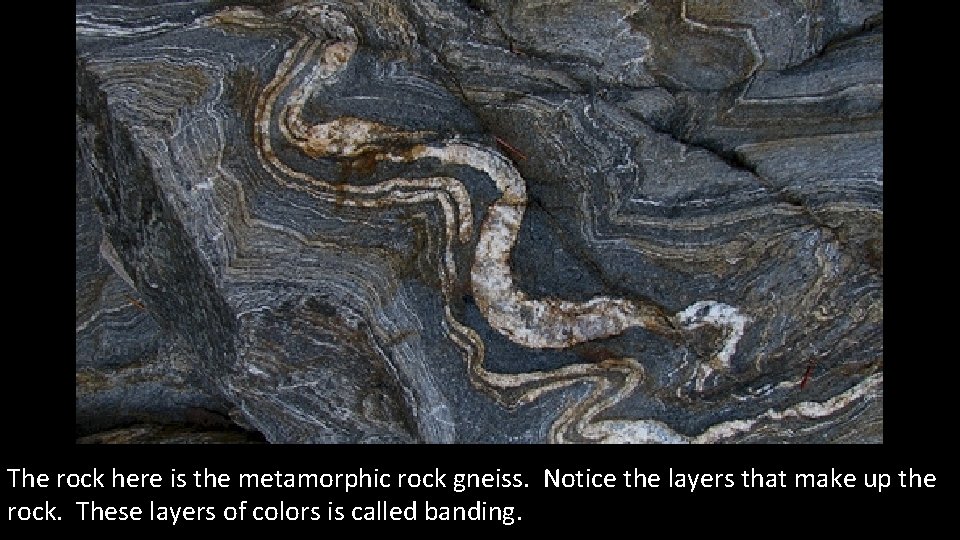
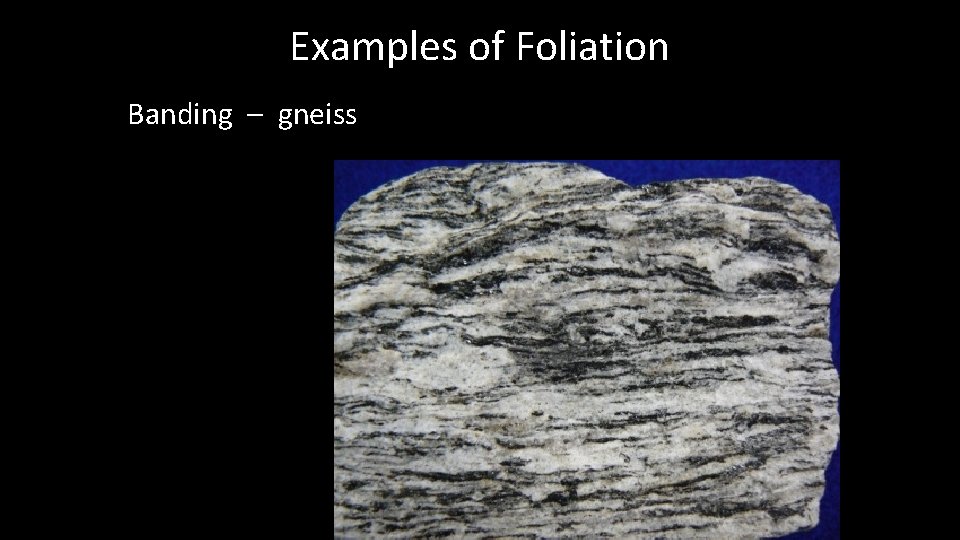
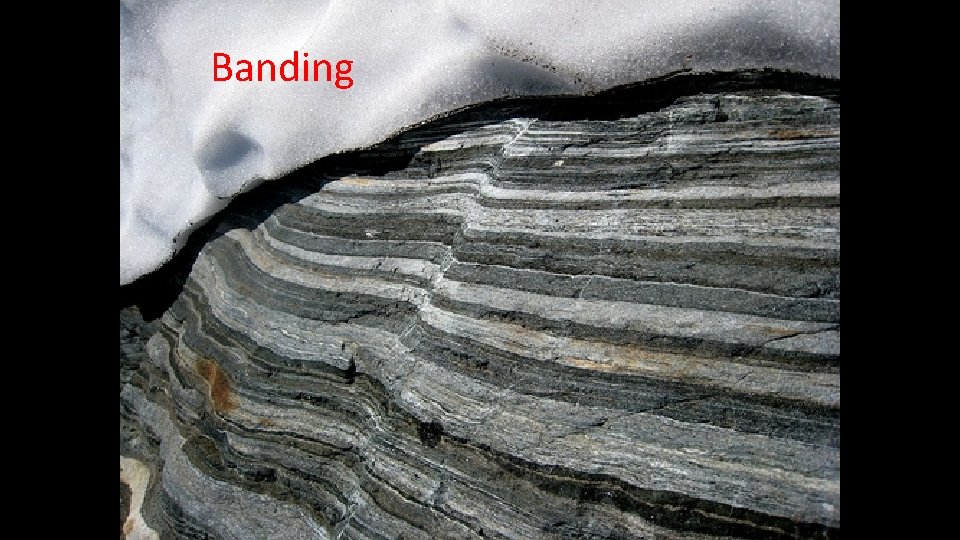
The rock here is the metamorphic rock gneiss. Notice the layers that make up the rock. These layers of colors is called banding.
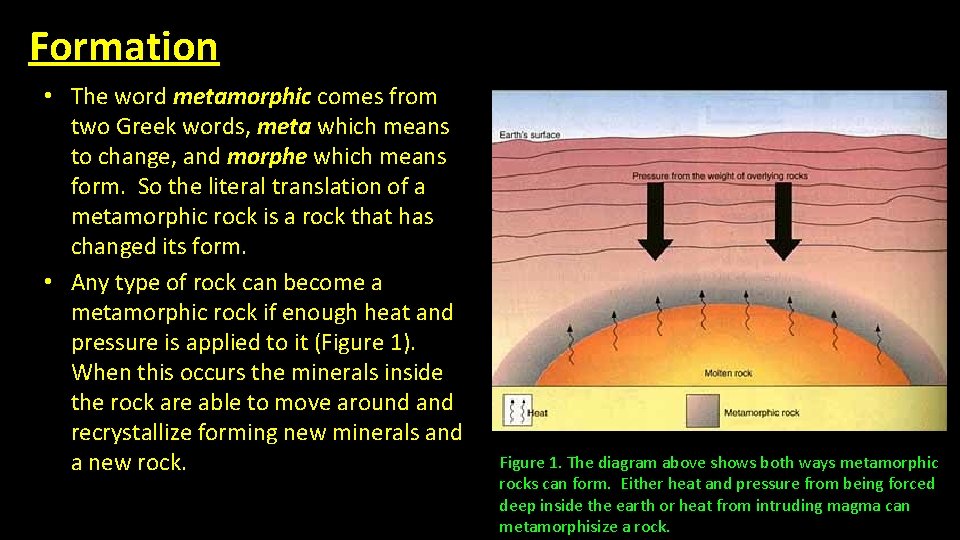
Formation • The word metamorphic comes from two Greek words, meta which means to change, and morphe which means form. So the literal translation of a metamorphic rock is a rock that has changed its form. • Any type of rock can become a metamorphic rock if enough heat and pressure is applied to it (Figure 1). When this occurs the minerals inside the rock are able to move around and recrystallize forming new minerals and a new rock. Figure 1. The diagram above shows both ways metamorphic rocks can form. Either heat and pressure from being forced deep inside the earth or heat from intruding magma can metamorphisize a rock.
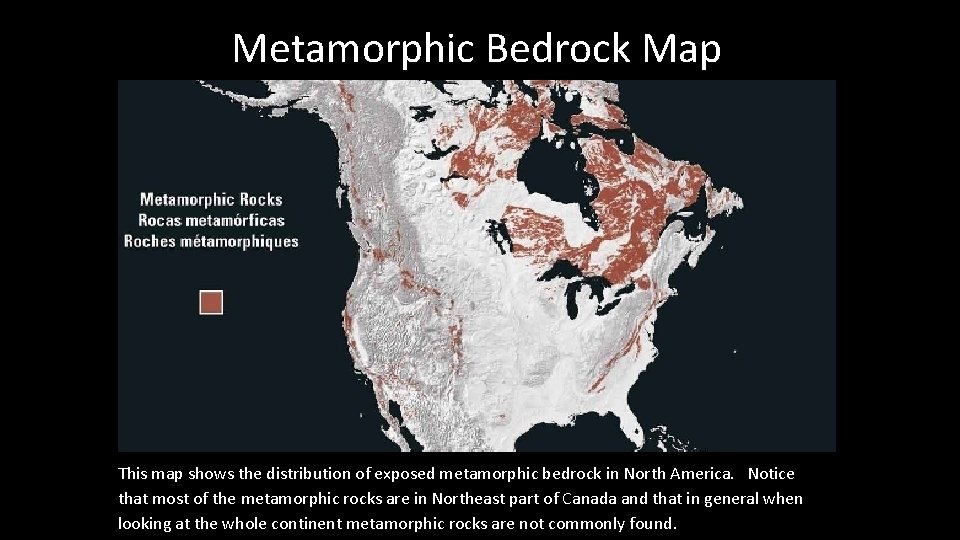
Metamorphic Bedrock Map This map shows the distribution of exposed metamorphic bedrock in North America. Notice that most of the metamorphic rocks are in Northeast part of Canada and that in general when looking at the whole continent metamorphic rocks are not commonly found.
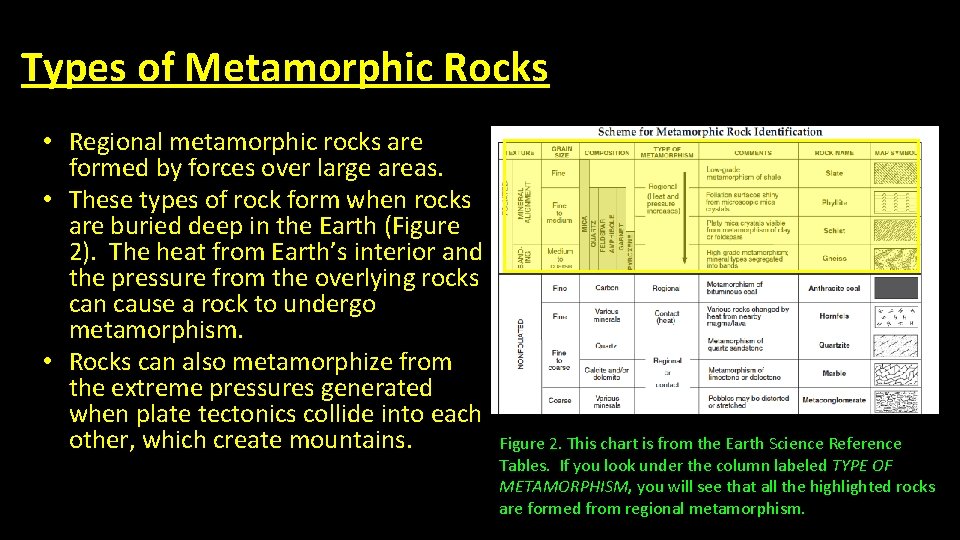
Types of Metamorphic Rocks • Regional metamorphic rocks are formed by forces over large areas. • These types of rock form when rocks are buried deep in the Earth (Figure 2). The heat from Earth’s interior and the pressure from the overlying rocks can cause a rock to undergo metamorphism. • Rocks can also metamorphize from the extreme pressures generated when plate tectonics collide into each other, which create mountains. Figure 2. This chart is from the Earth Science Reference Tables. If you look under the column labeled TYPE OF METAMORPHISM, you will see that all the highlighted rocks are formed from regional metamorphism.
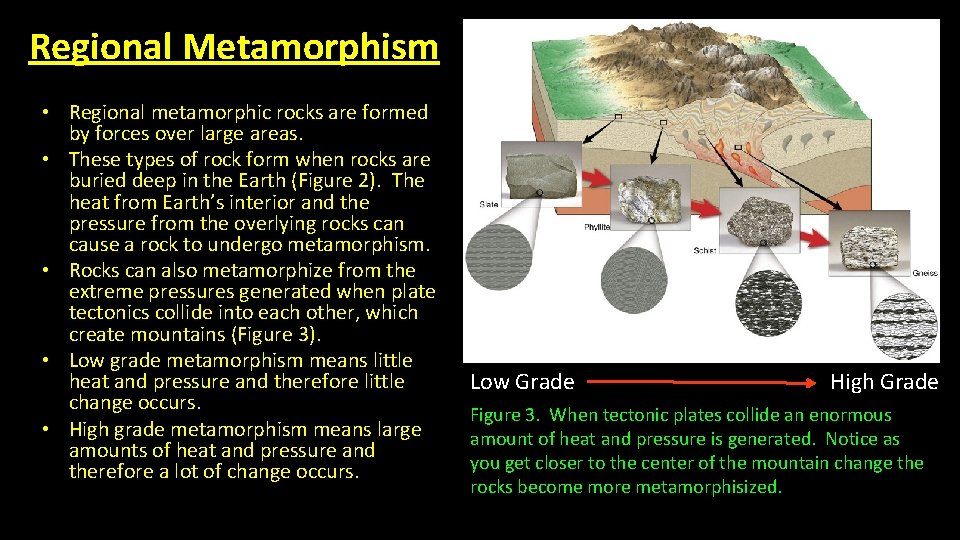
Regional Metamorphism • Regional metamorphic rocks are formed by forces over large areas. • These types of rock form when rocks are buried deep in the Earth (Figure 2). The heat from Earth’s interior and the pressure from the overlying rocks can cause a rock to undergo metamorphism. • Rocks can also metamorphize from the extreme pressures generated when plate tectonics collide into each other, which create mountains (Figure 3). • Low grade metamorphism means little heat and pressure and therefore little change occurs. • High grade metamorphism means large amounts of heat and pressure and therefore a lot of change occurs. Low Grade High Grade Figure 3. When tectonic plates collide an enormous amount of heat and pressure is generated. Notice as you get closer to the center of the mountain change the rocks become more metamorphisized.
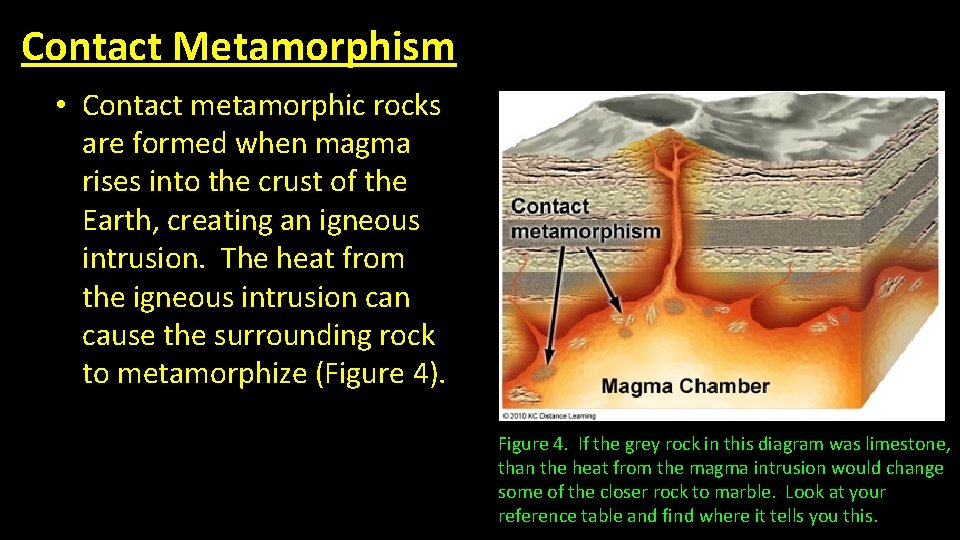
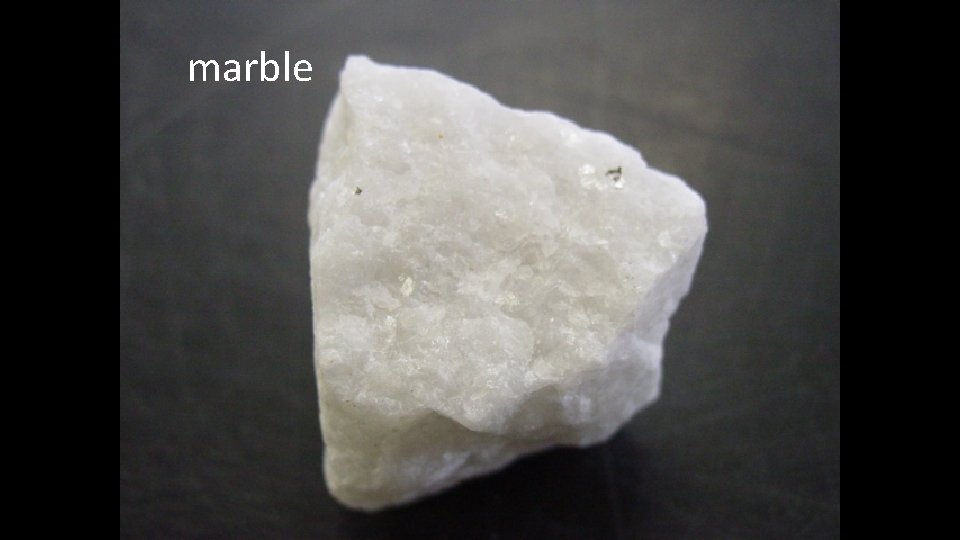
Contact Metamorphism • Contact metamorphic rocks are formed when magma rises into the crust of the Earth, creating an igneous intrusion. The heat from the igneous intrusion cause the surrounding rock to metamorphize (Figure 4). Figure 4. If the grey rock in this diagram was limestone, than the heat from the magma intrusion would change some of the closer rock to marble. Look at your reference table and find where it tells you this.
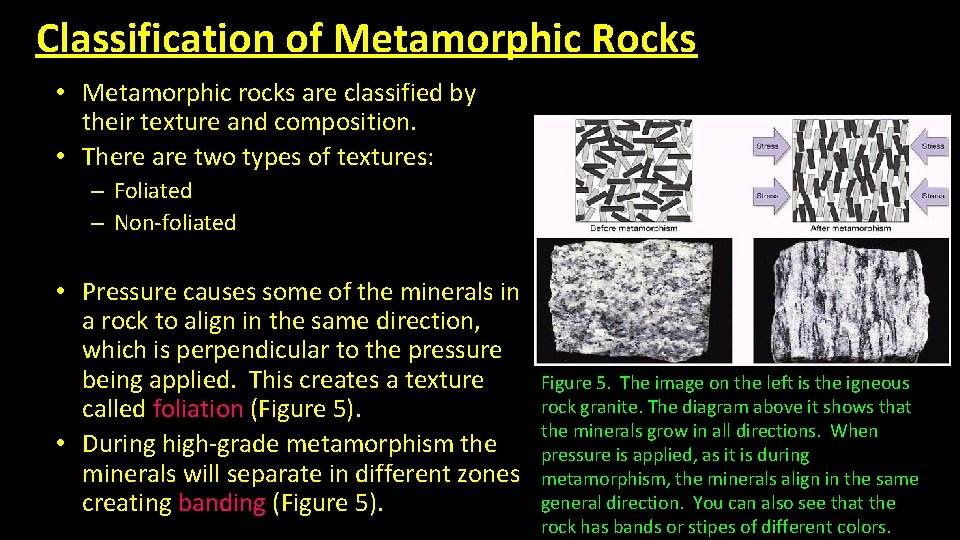
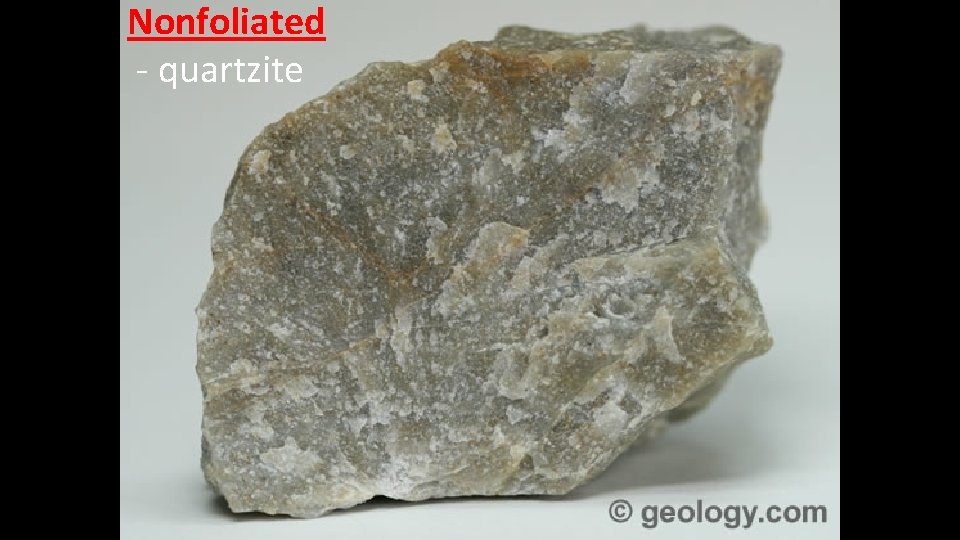
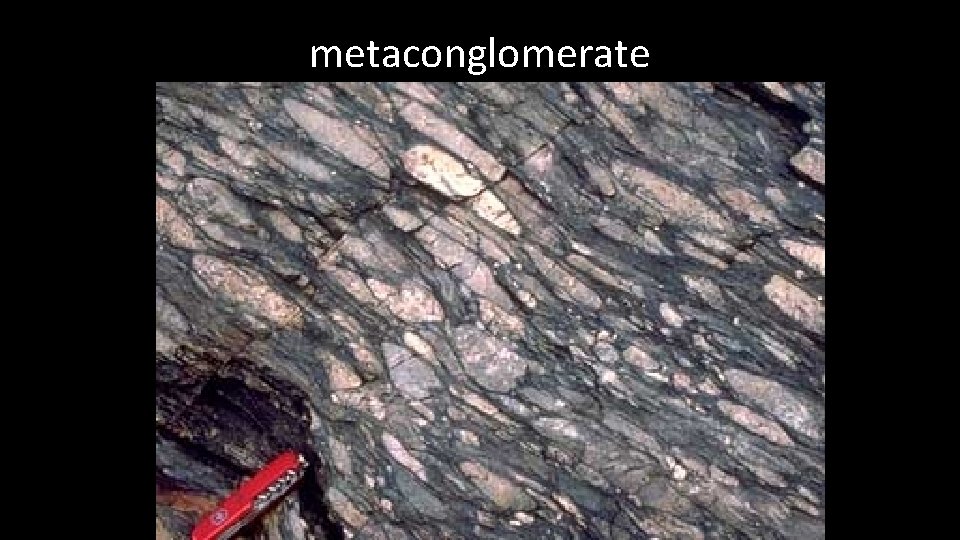
Classification of Metamorphic Rocks • Metamorphic rocks are classified by their texture and composition. • There are two types of textures: – Foliated – Non-foliated • Pressure causes some of the minerals in a rock to align in the same direction, which is perpendicular to the pressure being applied. This creates a texture called foliation (Figure 5). • During high-grade metamorphism the minerals will separate in different zones creating banding (Figure 5). Figure 5. The image on the left is the igneous rock granite. The diagram above it shows that the minerals grow in all directions. When pressure is applied, as it is during metamorphism, the minerals align in the same general direction. You can also see that the rock has bands or stipes of different colors.
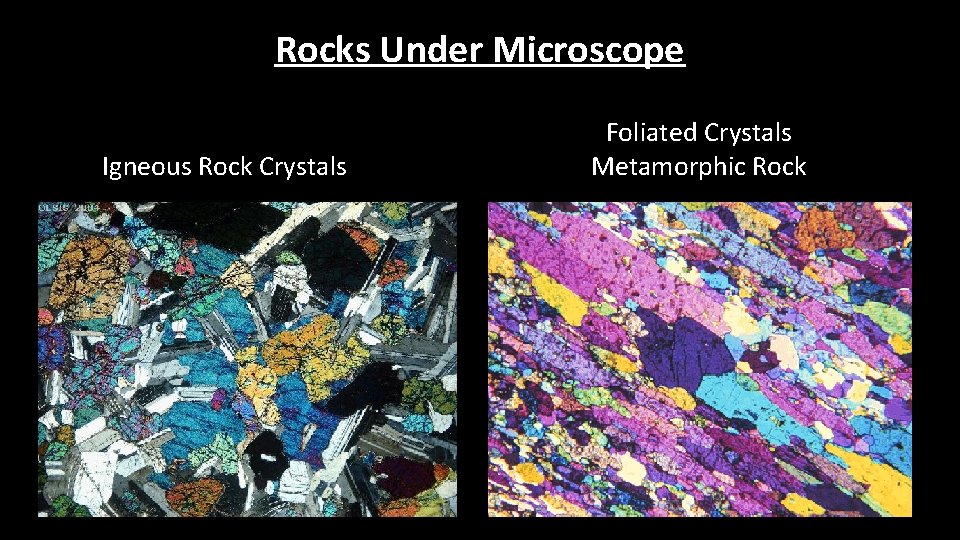
Rocks Under Microscope Igneous Rock Crystals Foliated Crystals Metamorphic Rock
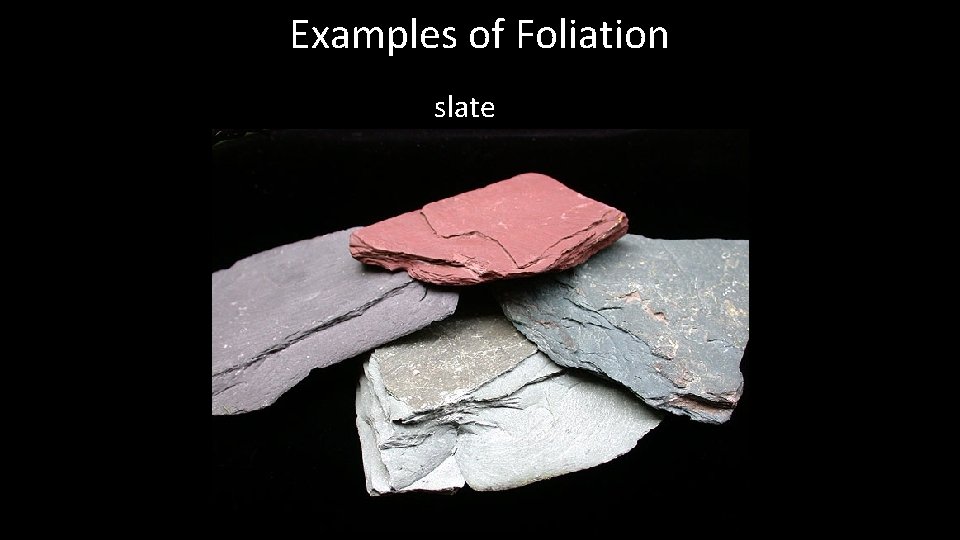
Examples of Foliation slate
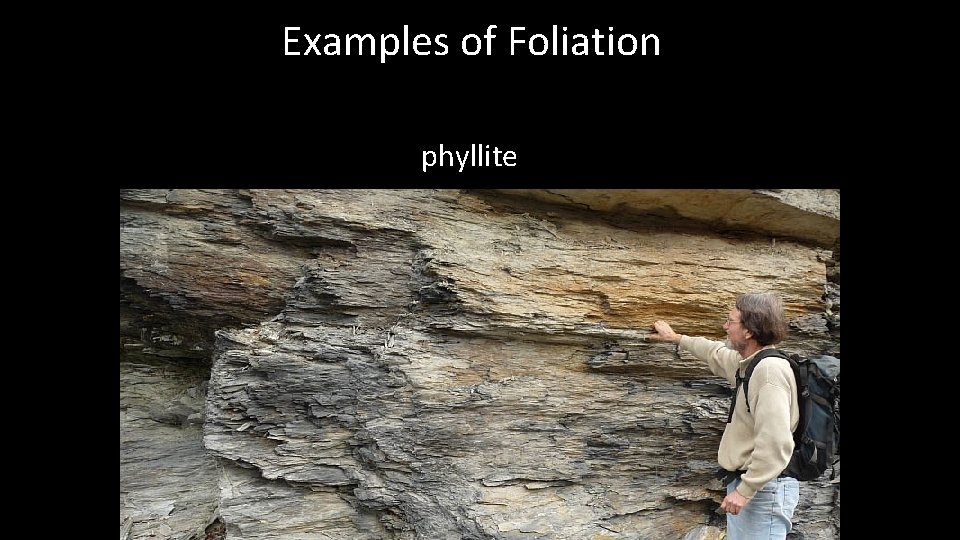
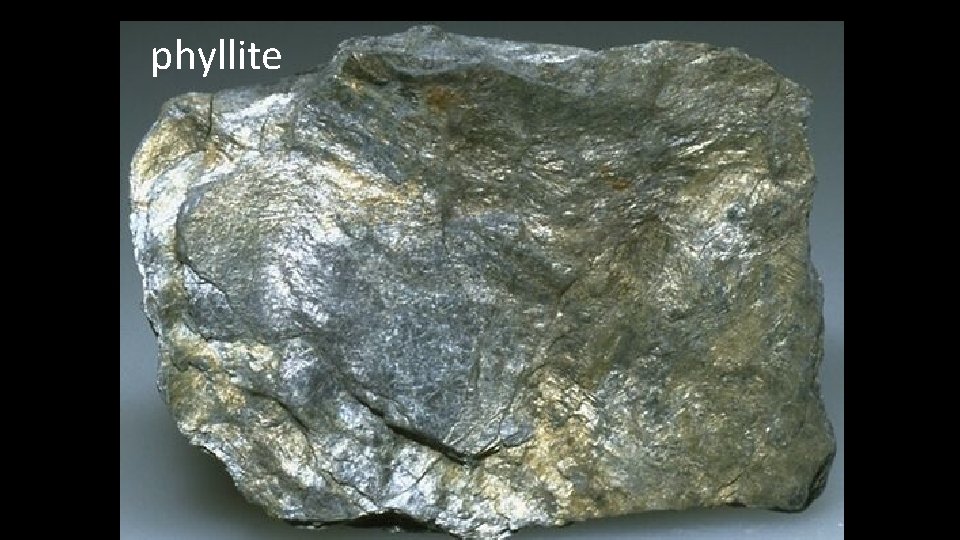
Examples of Foliation phyllite
phyllite
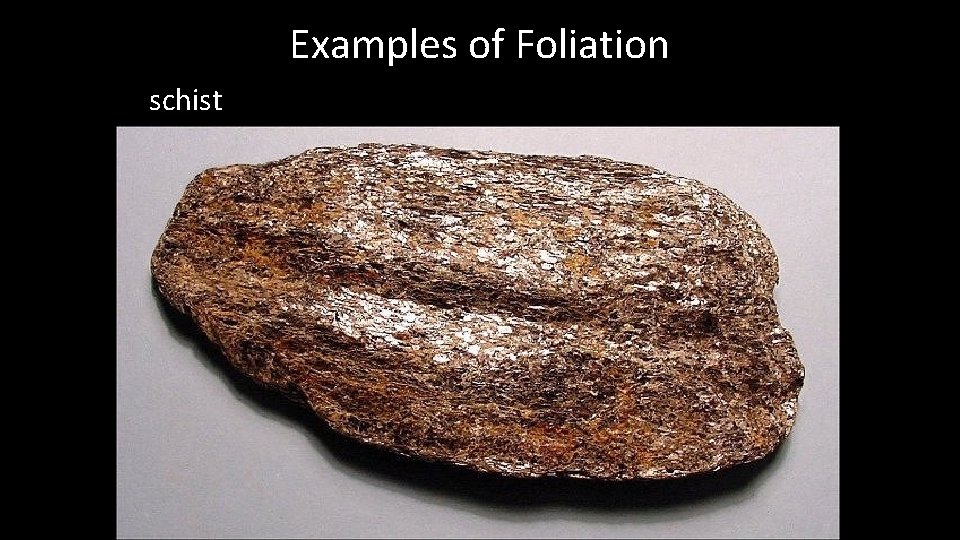
Examples of Foliation schist
Examples of Foliation Banding – gneiss
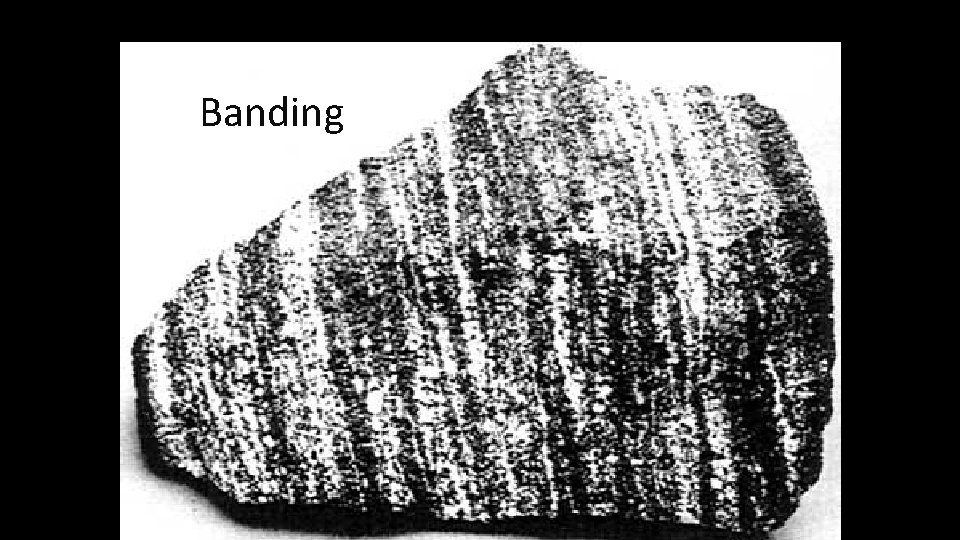
Banding
Banding
Nonfoliated - quartzite
marble
metaconglomerate
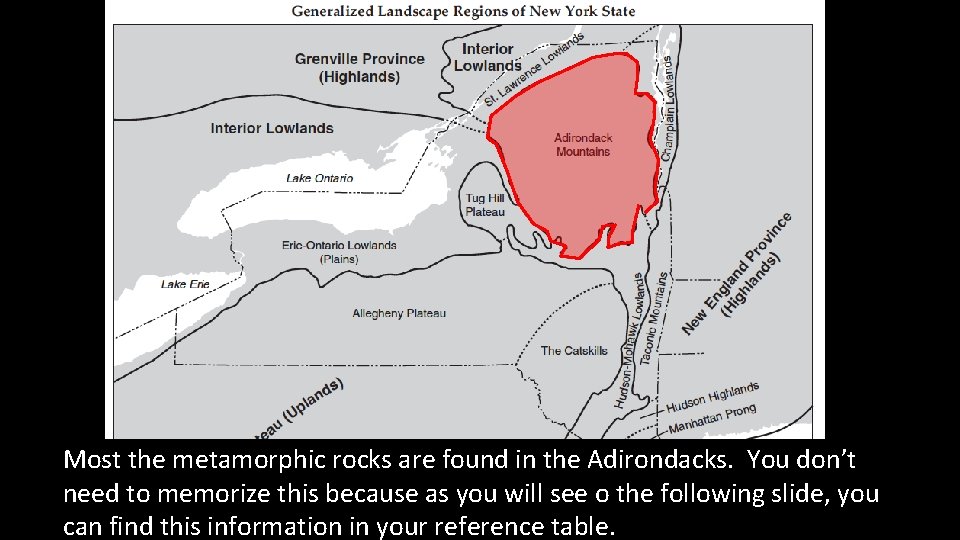
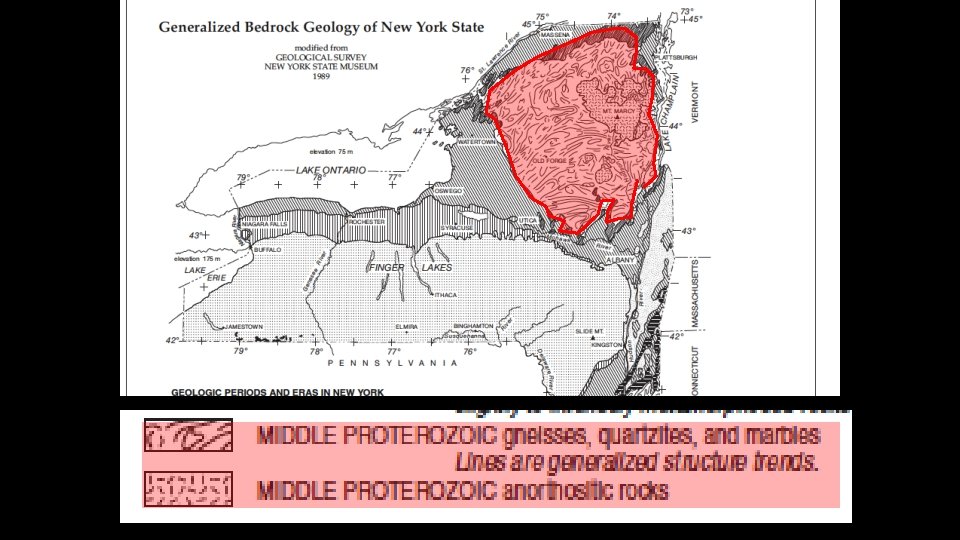
Most the metamorphic rocks are found in the Adirondacks. You don’t need to memorize this because as you will see o the following slide, you can find this information in your reference table.
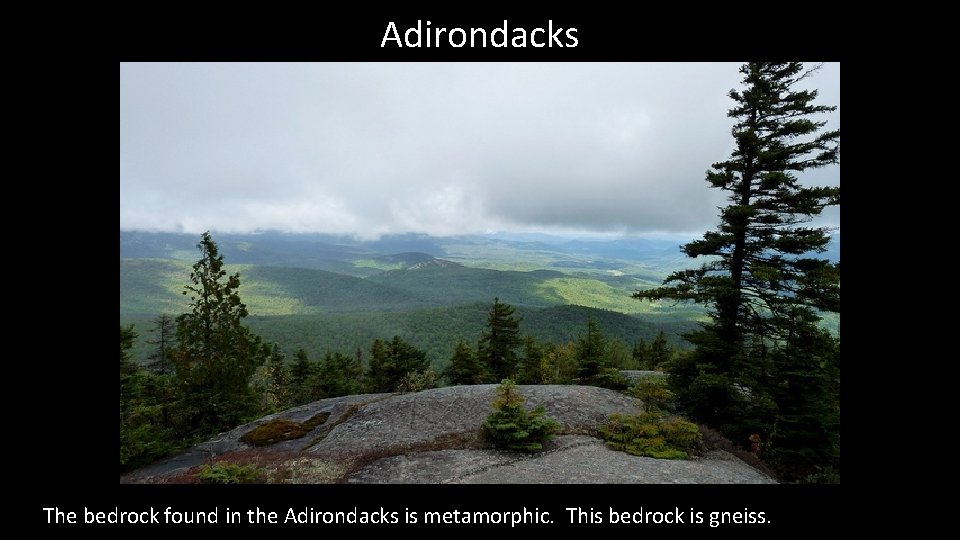
Adirondacks The bedrock found in the Adirondacks is metamorphic. This bedrock is gneiss.