
Metabolism of nucleic acids the structure function The
Metabolism of nucleic acids the structure & function
The structure of nucleic acids 1. summarize the discovery The function The headway
A. nucleotides
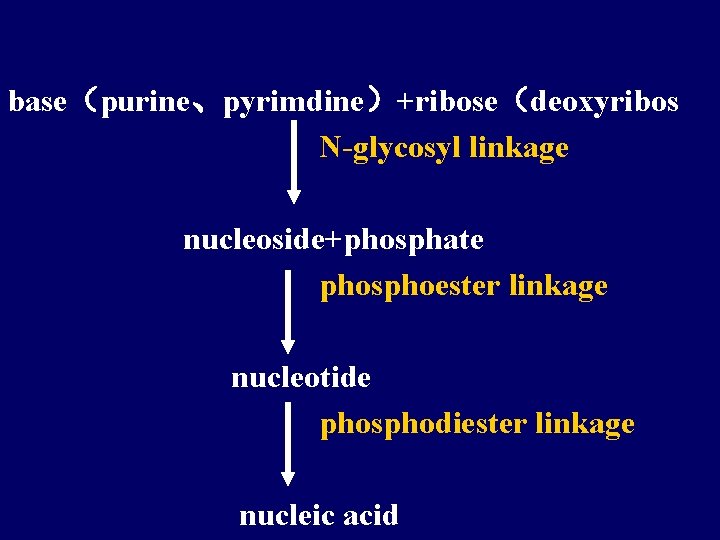
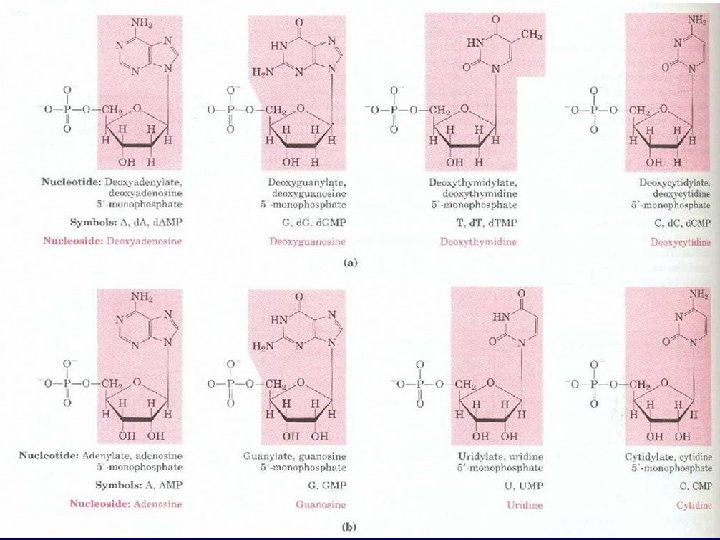
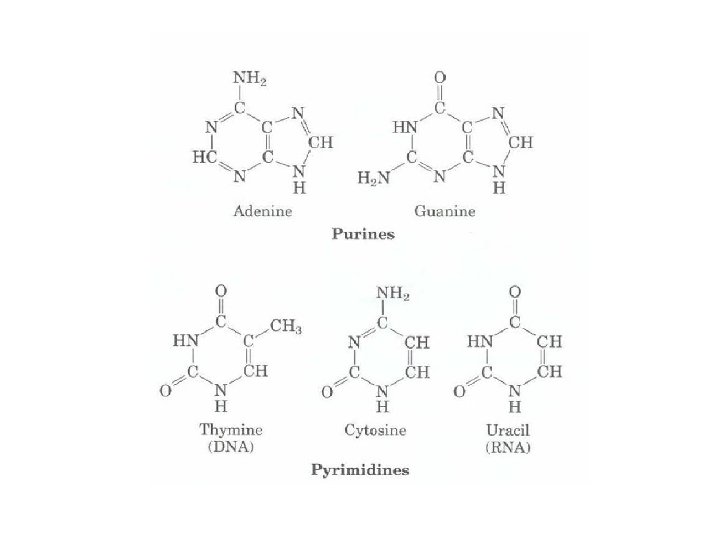
base(purine、pyrimdine)+ribose(deoxyribos N-glycosyl linkage nucleoside+phosphate phosphoester linkage nucleotide phosphodiester linkage nucleic acid


B. The structure of the C. nucieic acid
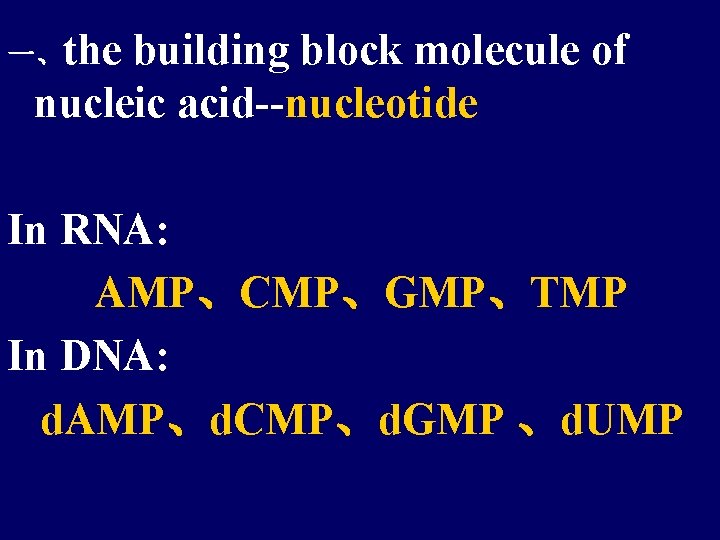
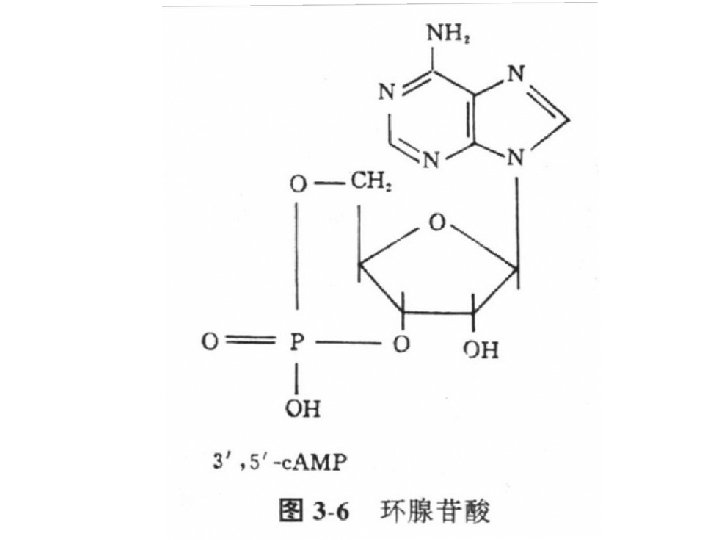
一、the building block molecule of nucleic acid--nucleotide In RNA: AMP、CMP、GMP、TMP In DNA: d. AMP、d. CMP、d. GMP 、d. UMP
The physiological function of the nucleotides
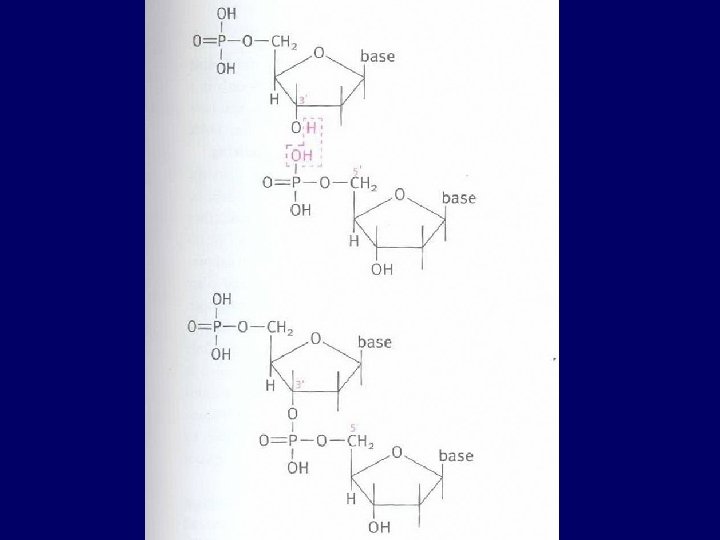
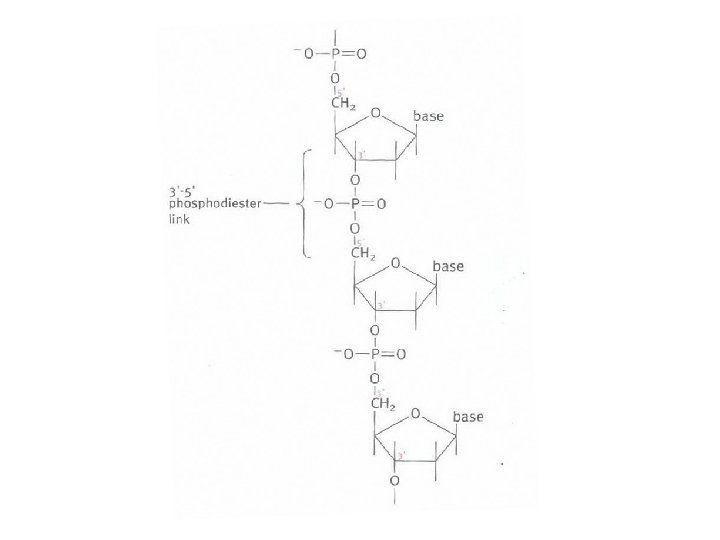
二、the linkage ---phosphodiester bridge 3’terminal 5’terminal Nucleotide residues
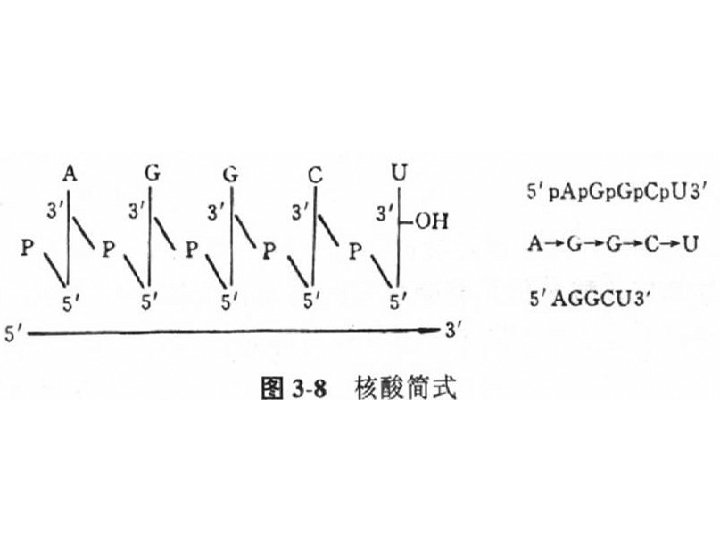
三、the primary structure of nucleic acid definition writing method polinucleotide oligonucleotide
四、the structure of DNA 1. the primary structure of DNA * concept * writing method
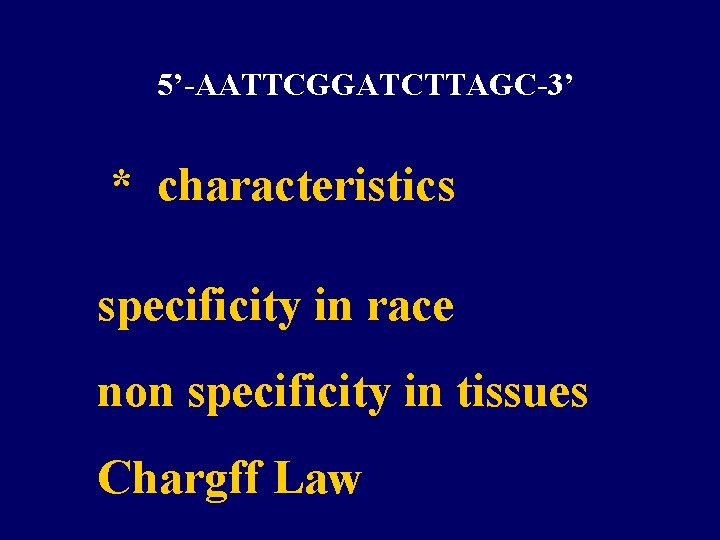
5’-AATTCGGATCTTAGC-3’ * characteristics specificity in race non specificity in tissues Chargff Law
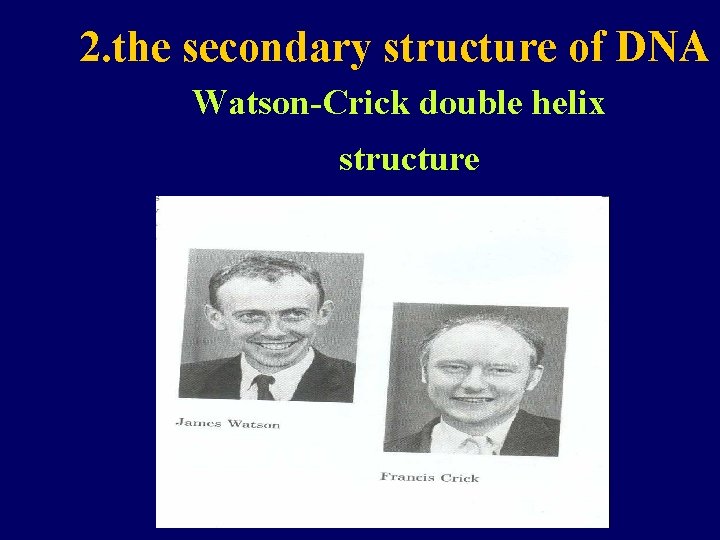
2. the secondary structure of DNA Watson-Crick double helix structure
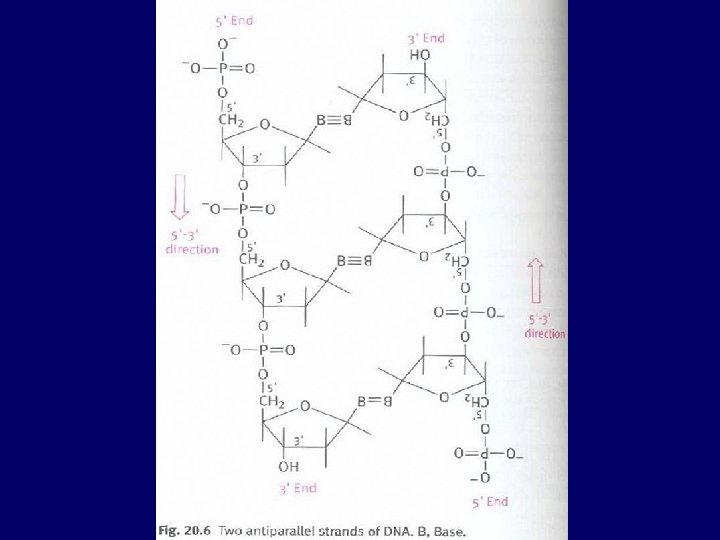

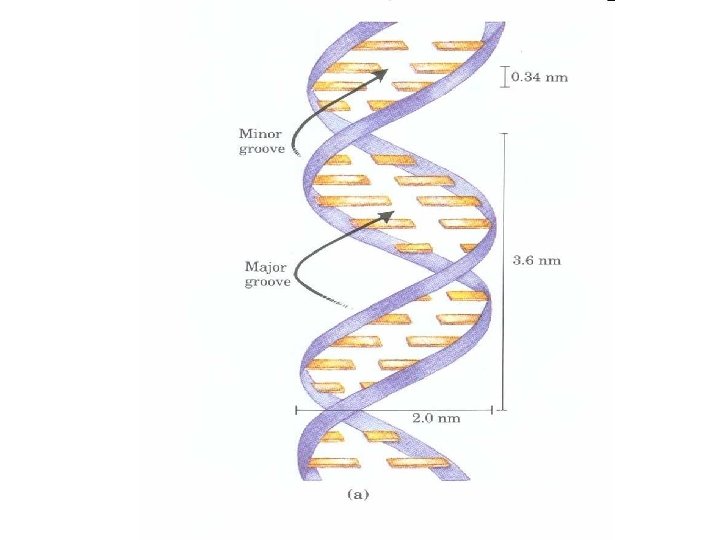
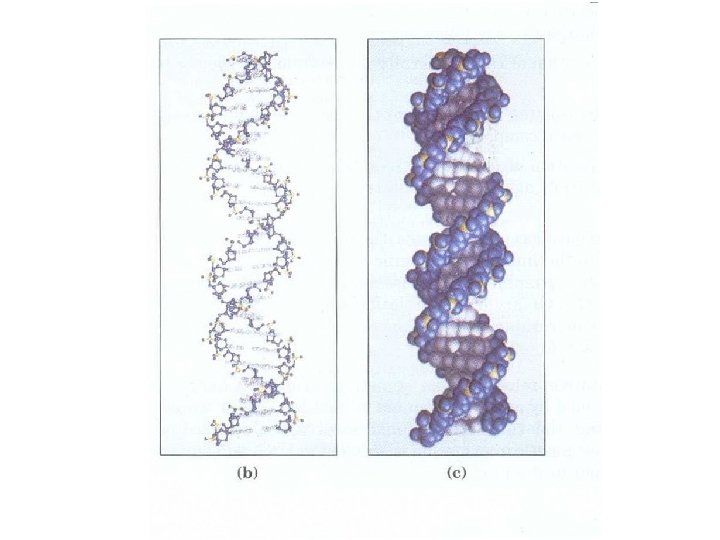
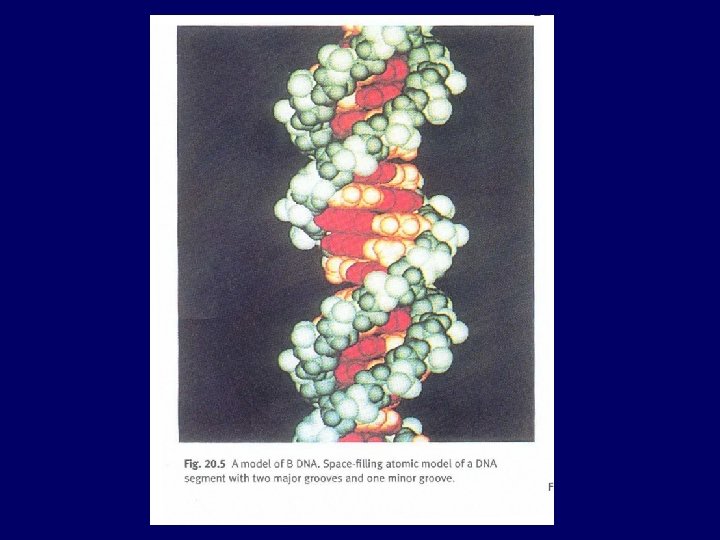
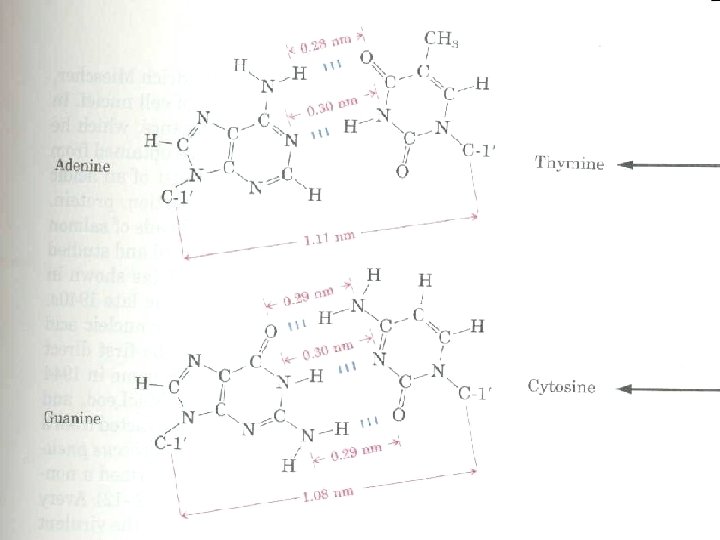
3. the force maintaining the double helix stability * hydrogen bond * Stacking force
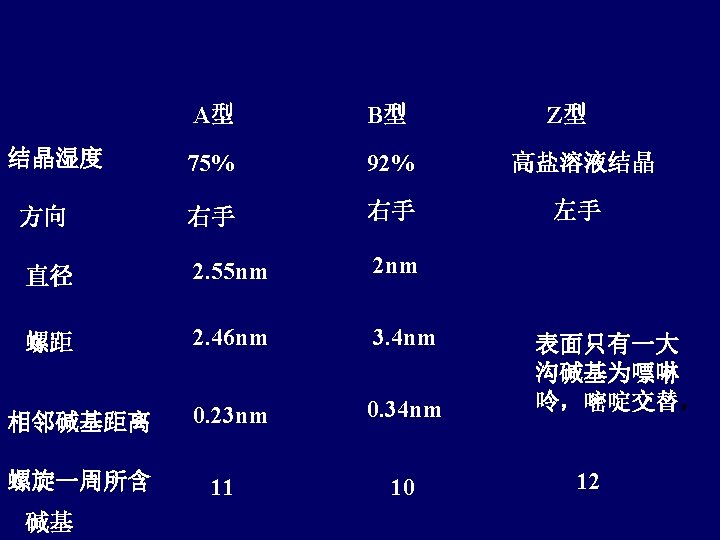
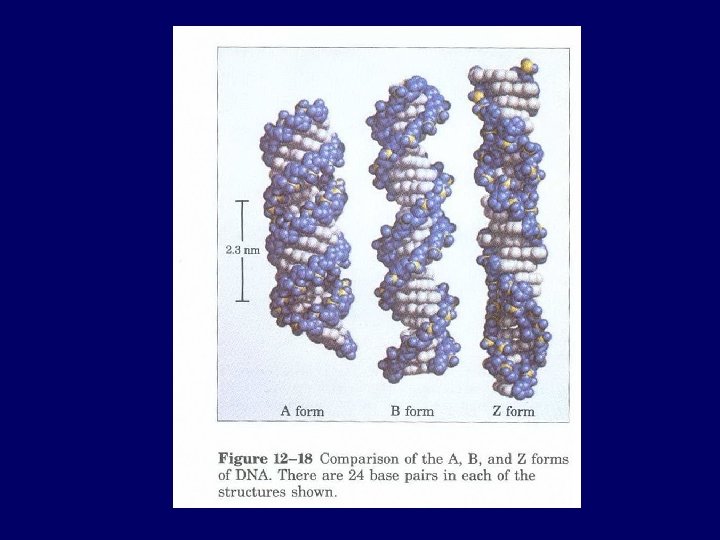
4. Some difference steric conformation types of DNA double helix
5. The tertiary structure of nucleic acid The length of genome DNA 6106 Kb DNA supercoiling
The basic structure of chromosome --- nucleosome
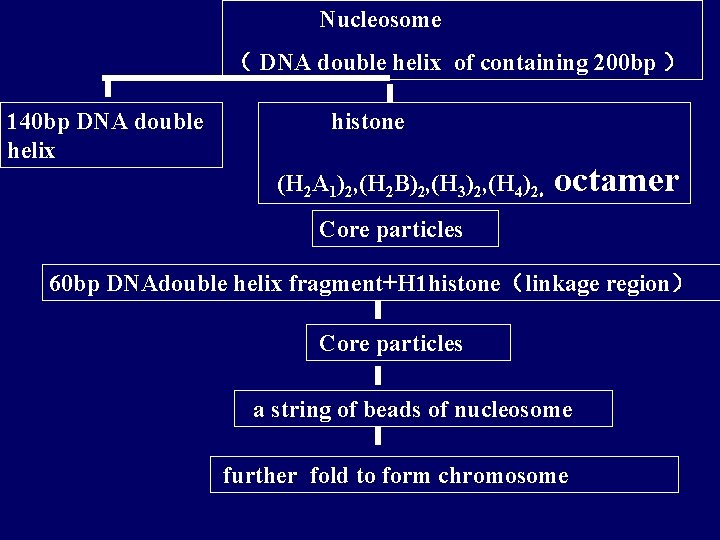
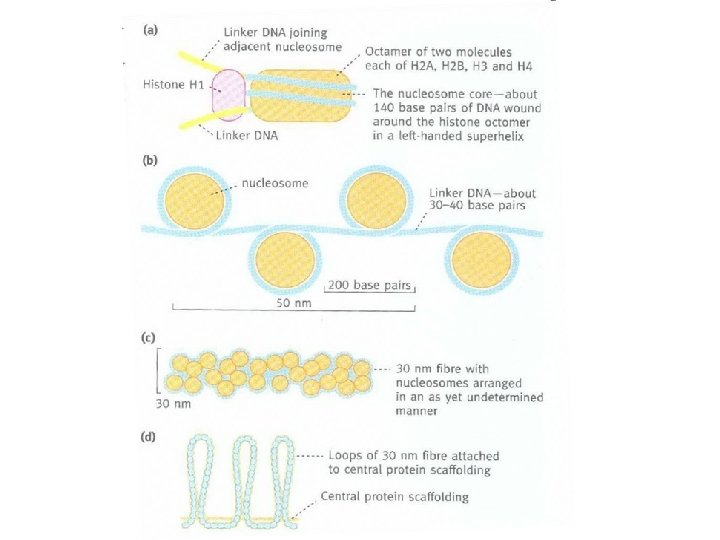
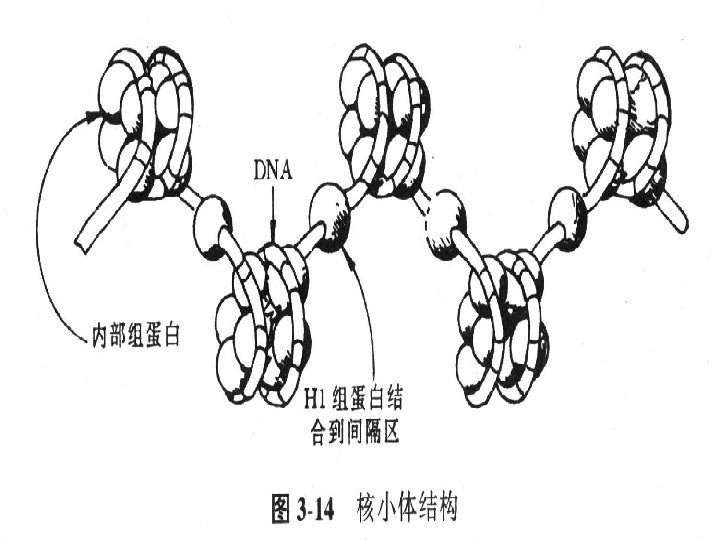
Nucleosome ( DNA double helix of containing 200 bp ) 140 bp DNA double helix histone (H 2 A 1)2, (H 2 B)2, (H 3)2, (H 4)2,octamer Core particles 60 bp DNAdouble helix fragment+H 1 histone(linkage region) Core particles a string of beads of nucleosome further fold to form chromosome
五、the structure of RNA 1. summarize • Content • components & linkage • inhomogeneity • steric conformation • function
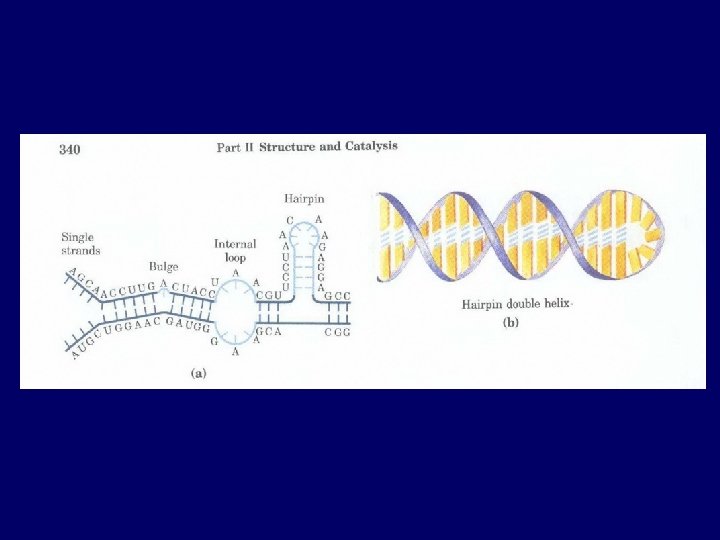
2. The structure of t. RNA * kinds * commonness
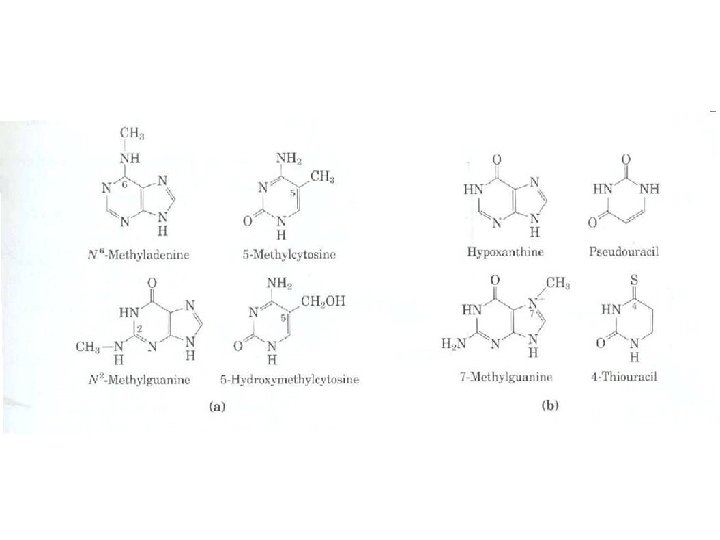
(1) The primary structure of t. RNA * 5’ PG, 3’ CCA * more rare bases
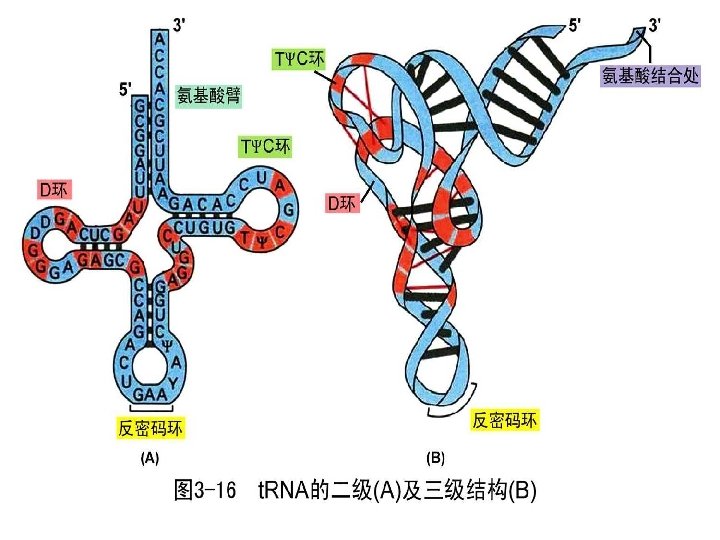
(2) The secondary structure of t. RNA Characteristic structure
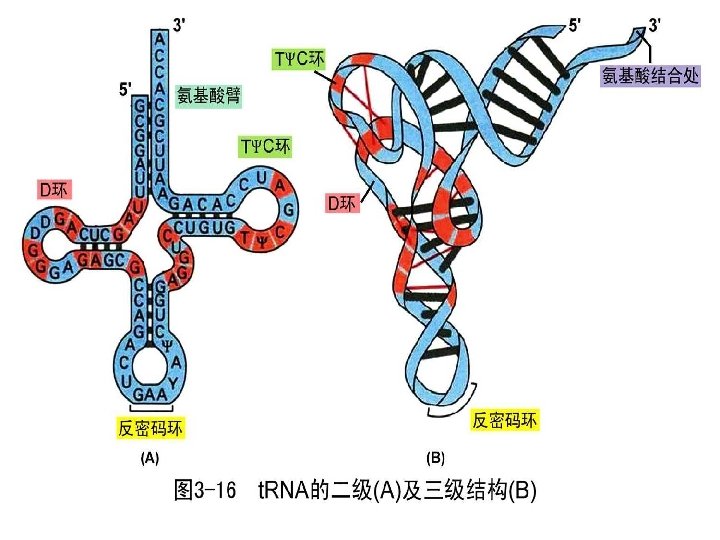
*Amino acid arm * DHU arm DHU ring * T ψC arm TψC ring • Anticodon arm anticodon ring extra fork
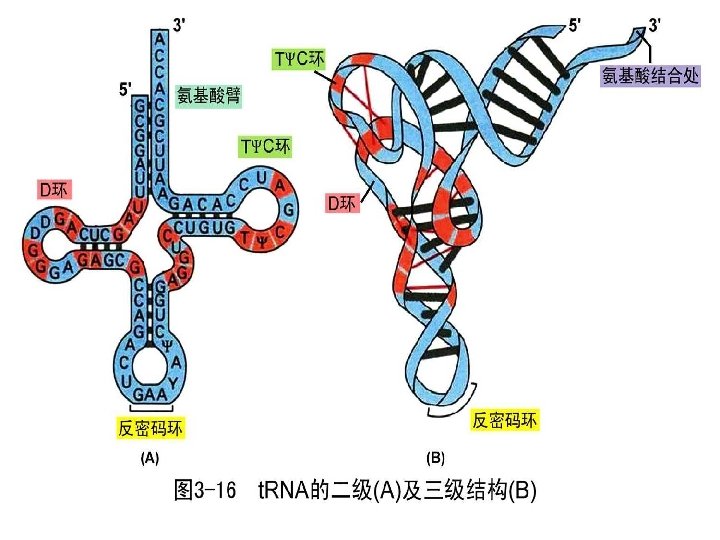
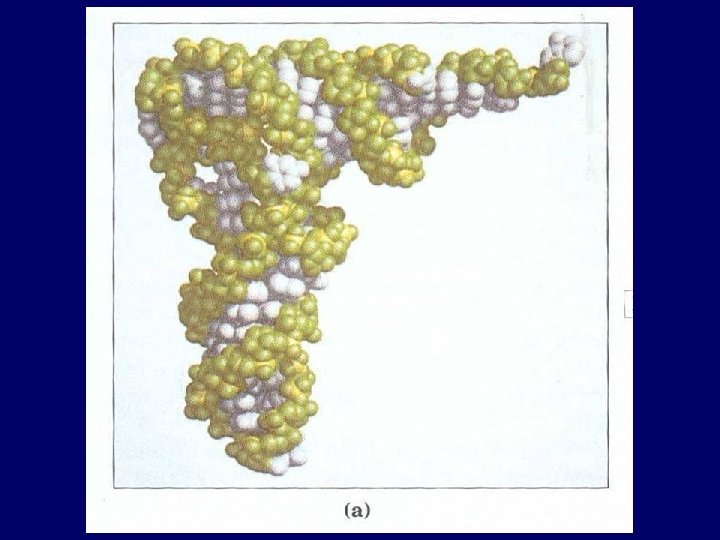
(3) The tertiary structure of t. RNA twisted L
3. The structure of m. RNA (1) Summarize * characteristic
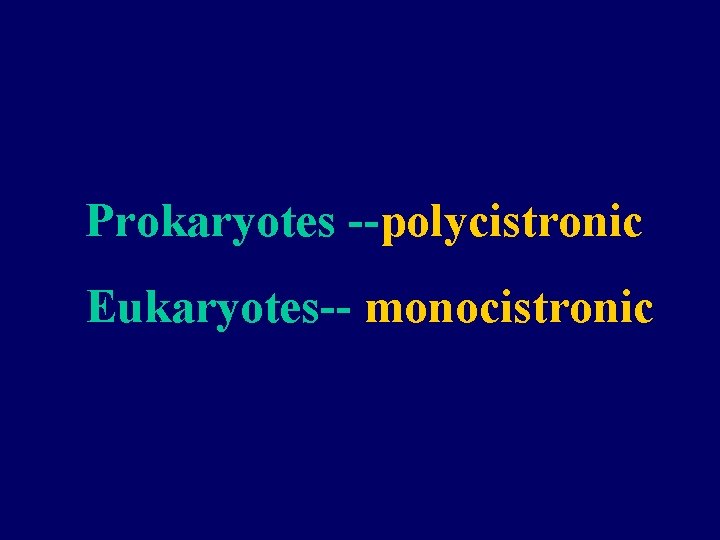
Prokaryotes --polycistronic Eukaryotes-- monocistronic
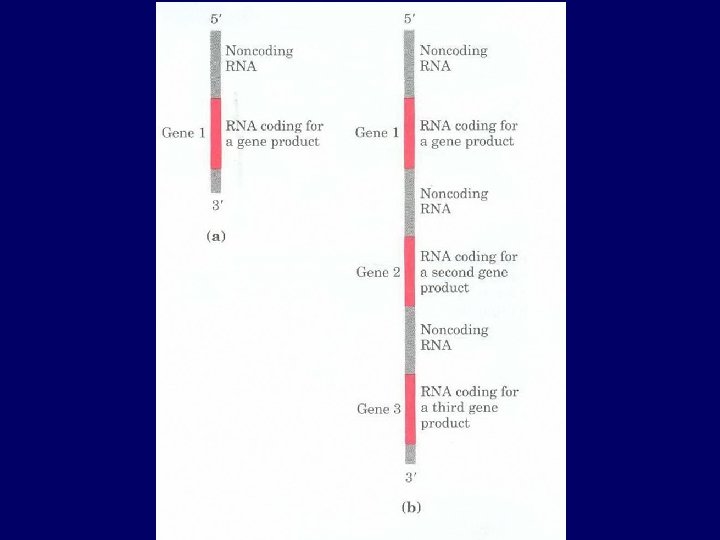
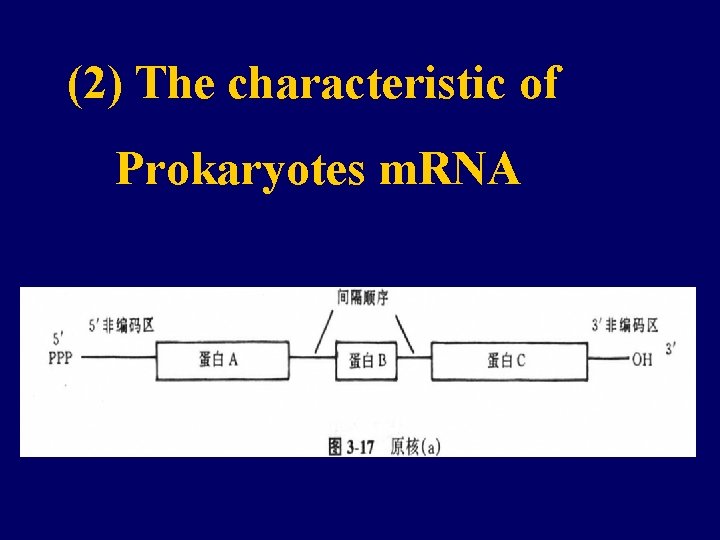
(2) The characteristic of Prokaryotes m. RNA
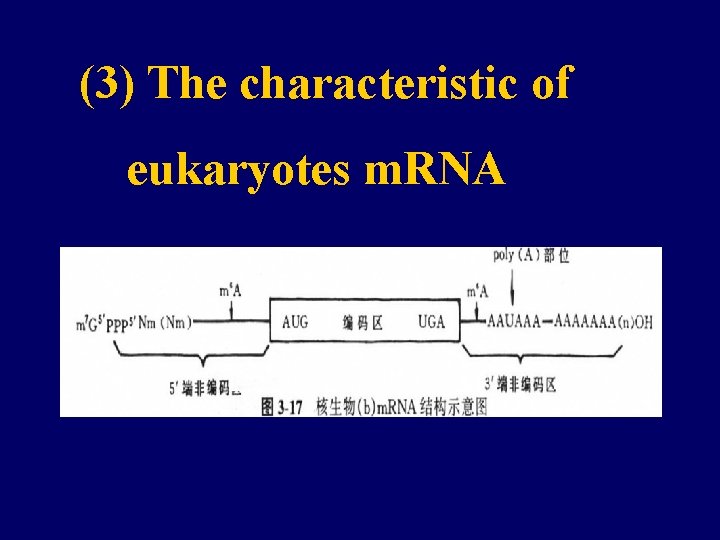
(3) The characteristic of eukaryotes m. RNA
Heterogeneous nuclear RNA, hn. RNA • Concept • characteristic
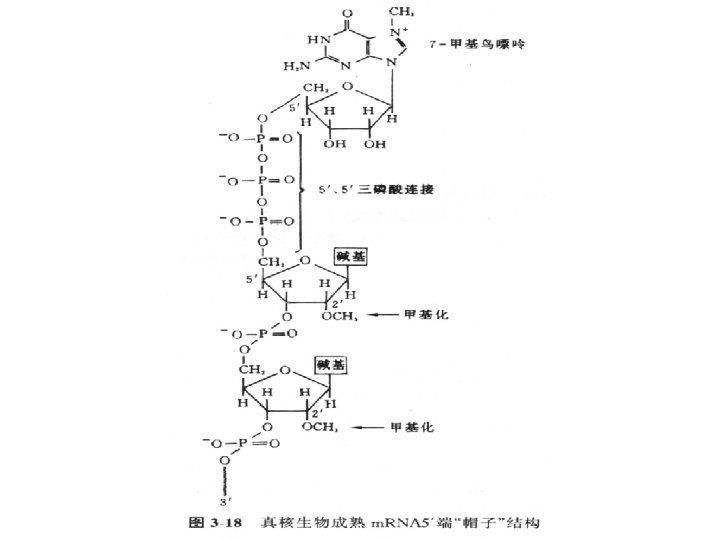
The structure of 5’ Cap (7 m. G 5’ppp 5’Np)
The function of 5’cap The structure of 3’ tail ( Poly A) The function of 3’ tail
4. The structure of r. RNA (1) Summarize
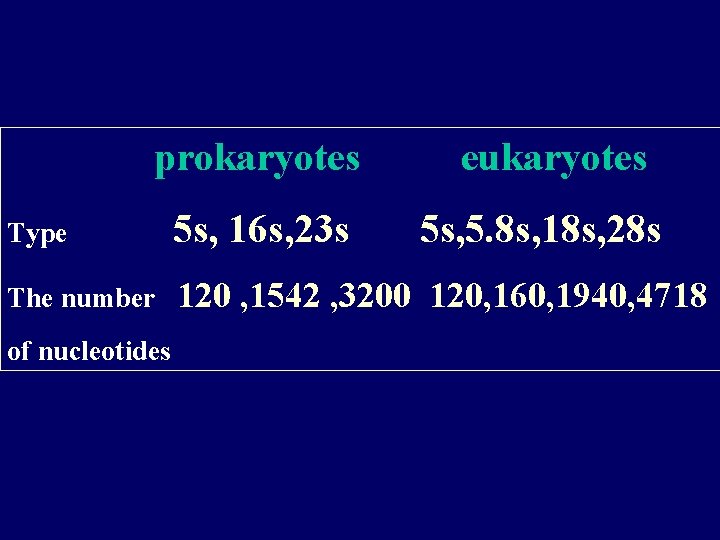
prokaryotes eukaryotes Type 5 s, 16 s, 23 s The number 120 , 1542 , 3200 120, 160, 1940, 4718 of nucleotides 5 s, 5. 8 s, 18 s, 28 s
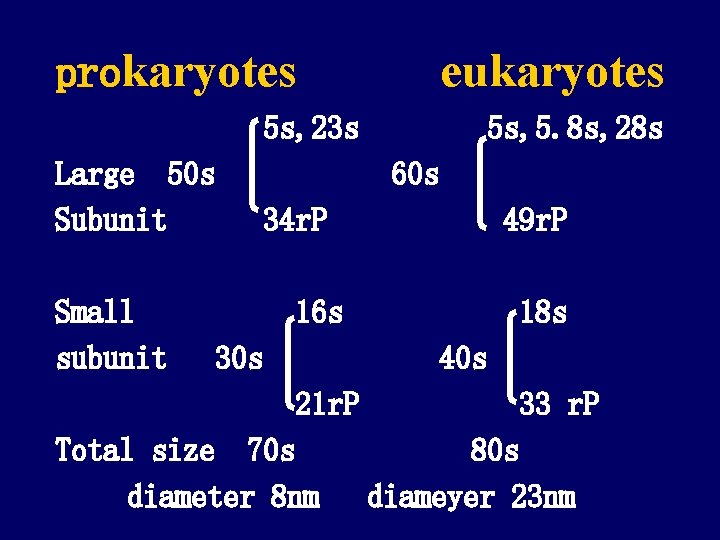
prokaryotes eukaryotes 5 s, 23 s Large 50 s Subunit Small subunit 5 s, 5. 8 s, 28 s 60 s 34 r. P 49 r. P 16 s 30 s 18 s 40 s 21 r. P Total size 70 s diameter 8 nm 33 r. P 80 s diameyer 23 nm
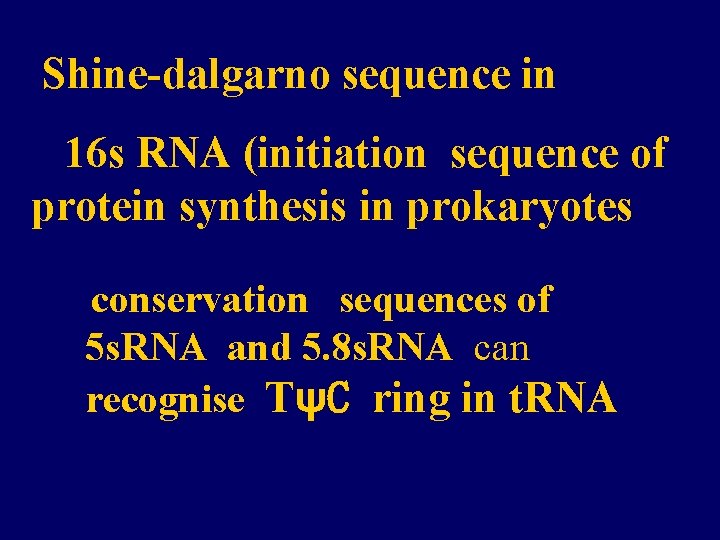
Shine-dalgarno sequence in 16 s RNA (initiation sequence of protein synthesis in prokaryotes conservation sequences of 5 s. RNA and 5. 8 s. RNA can recognise TψC ring in t. RNA
The physic-chemical propertices of nucleic acids 1. size 2. Hydrolysis of nucleic acids 3. denaturation, renaturation, hybridization
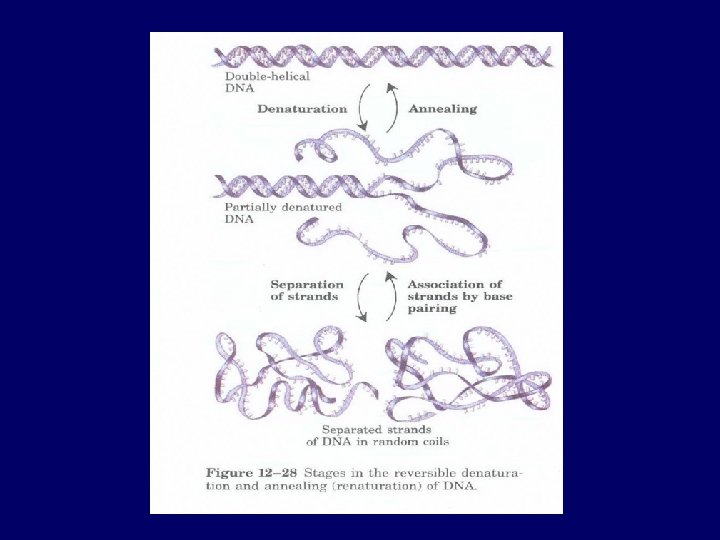
a. denaturation, *concept * hyperchromic effect mechanism * melting curve
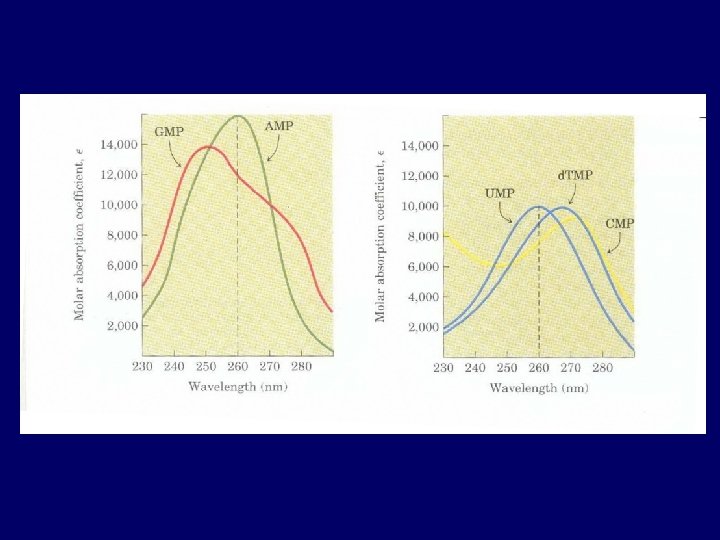
• melting temperature (Tm) Concept
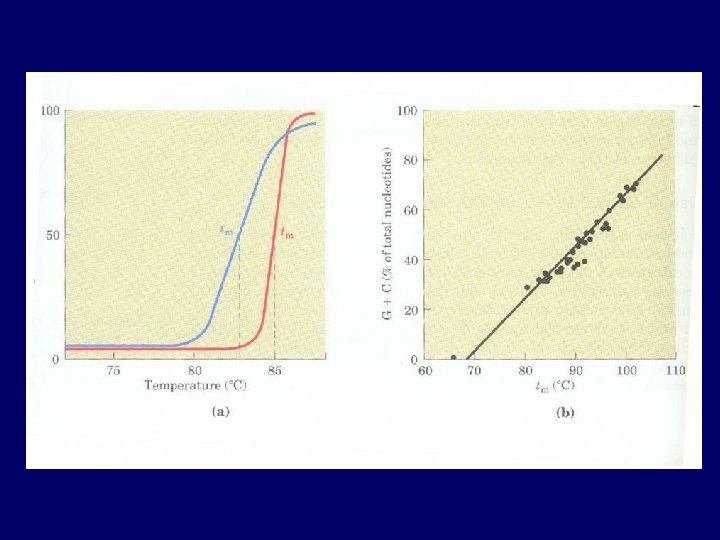
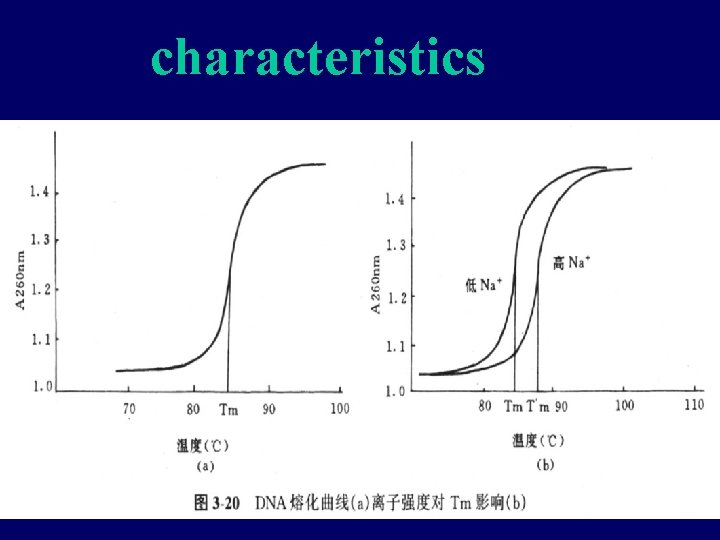
characteristics
b. Renaturation (annealing) Concept characteristics
hypochromic effect mechanism
c. Hybridization concept
Gene & genome • Concept of gene • classification of gene • concept of genome • gene family • split gene • pseudogene
- Slides: 72