
Metabolism of Acylglycerols Sphingolipids BIOMEDICAL IMPORTANCE Acylglycerols constitute
Metabolism of Acylglycerols & Sphingolipids
BIOMEDICAL IMPORTANCE • Acylglycerols constitute the majority of lipids in the body. • Obesity, diabetes, and hyperlipoproteinemia • Cell membranes • Lung surfactant • Hormone second messengers • Platelet-activating factor • cell adhesion and cell recognition • as receptors for bacterial toxins • ABO blood group substances • Glycolipid storage diseases
TRIACYLGLYCEROLS • HYDROLYSIS INITIATES CATABOLISM OF TRIACYLGLYCEROLS – Lipolysis (Lipase) – adipose tissue – free fatty acids – Serum albumin – Uptake into tissues • Oxidized or reesterified – Glycerol • Glycerol kinase

Overview of acylglycerol biosynthesis


• • Phosphatidate Is the Common Precursor Both glycerol & fatty acids must be activated Glycerol 3 -phosphate Activation of fatty acids – acyl-Co. A synthetase • Acyltransferase • Most of the activity of these enzymes resides in the endoplasmic reticulum of the cell, but some is found in mitochondria
• Choline or ethanolamine must first be activated • Cardiolipin
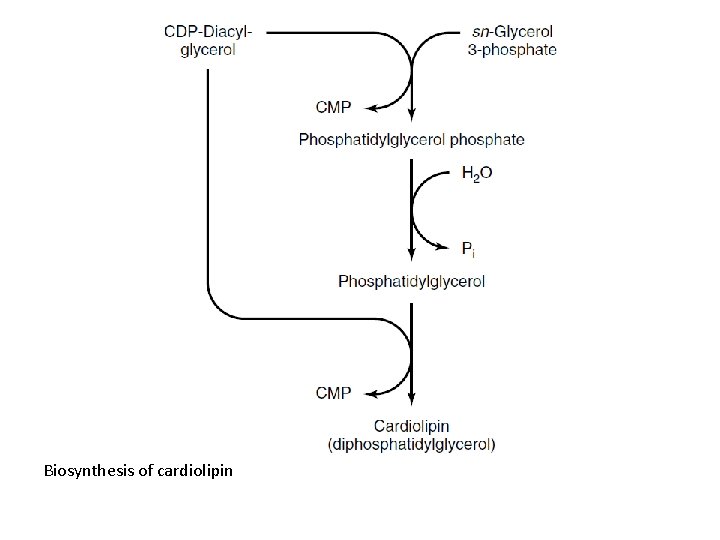
Biosynthesis of cardiolipin
GLYCEROL ETHER PHOSPHOLIPIDS • BIOSYNTHESIS – in peroxisomes • Plasmalogens – 1 -alkyl-2 -acylglycerol 3 -phosphoethanolamine • Plateletactivating factor (PAF) – 1 -alkyl-2 -acetyl-sn-glycerol-3 - phosphocholine • Involved in – Inflammation, chemotaxis, and protein phosphorylation.

Biosynthesis of ether lipids
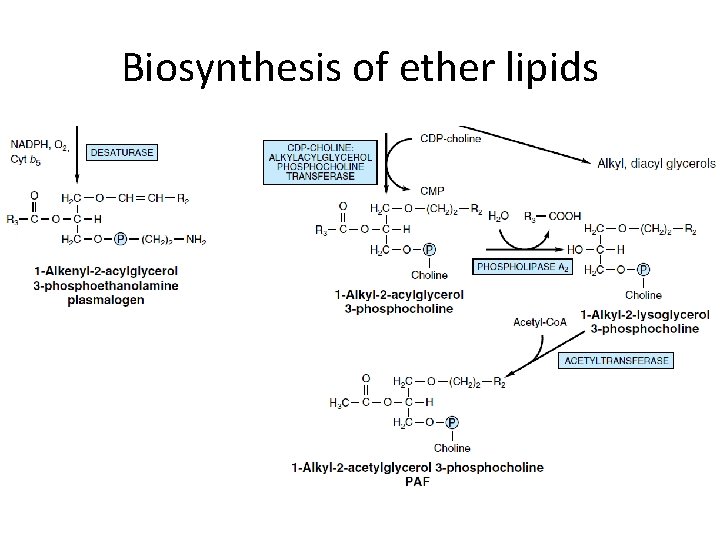
Biosynthesis of ether lipids
• Phospholipases – allow degradation & remodeling of phosphoglycerols
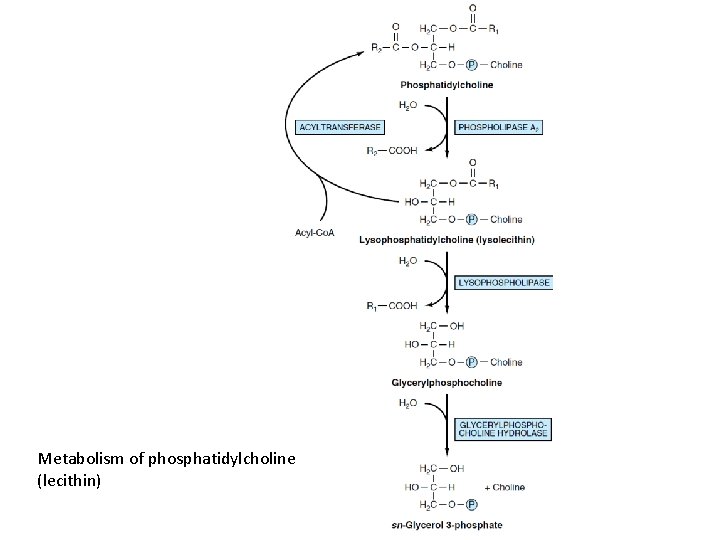
Metabolism of phosphatidylcholine (lecithin)
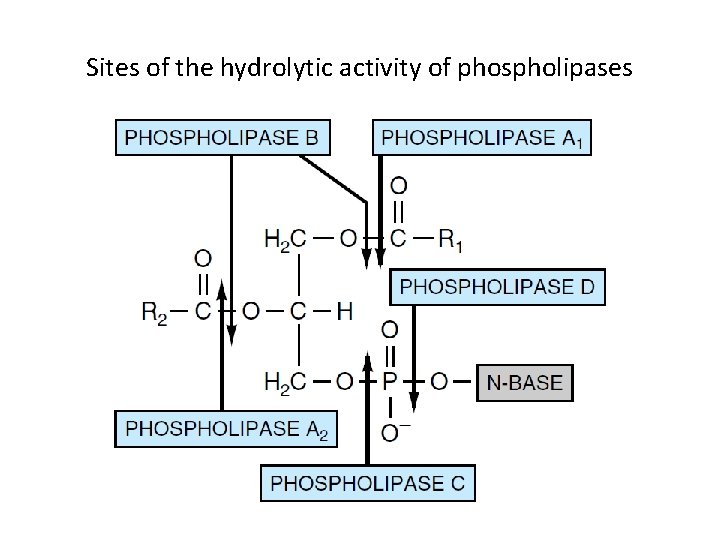
Sites of the hydrolytic activity of phospholipases
• Long-chain saturated fatty acids are found predominantly in the 1 position of phospholipids • the polyunsaturated acids (eg, the precursors of prostaglandins) are incorporated more into the 2 position • The incorporation of fatty acids into lecithin; by, – Complete synthesis of the phospholipid – Transacylation between cholesteryl ester and lysolecithin – Direct acylation of lysolecithin by acyl-Co. A
SPHINGOLIPIDS • Formed from CERAMIDE

Biosynthesis of ceramide.
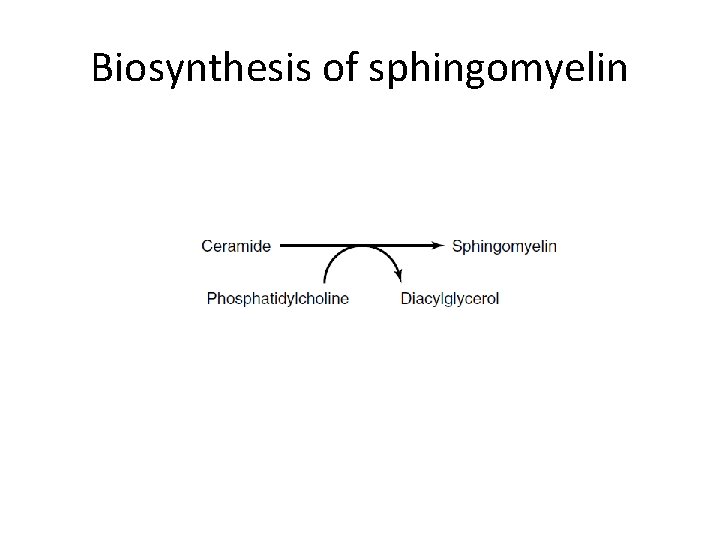
Biosynthesis of sphingomyelin
Glycosphingolipids • Simple – Cerebrosides • Galactosylceramide (Gal. Cer) • Glucosylceramide (Glc. Cer) • Complex – Gangliosides • Contain a sialic acid, usually Nacetylneuraminic acid • activated sugars – Glycosyl transferases, Golgi apparatus • active sulfate
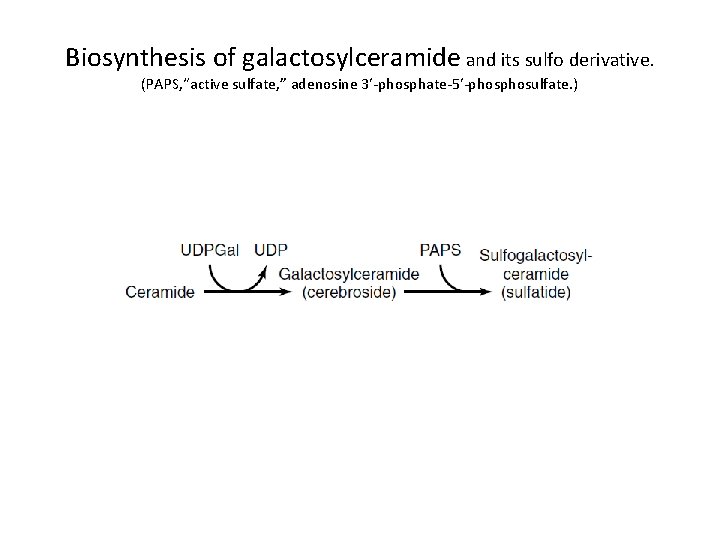
Biosynthesis of galactosylceramide and its sulfo derivative. (PAPS, “active sulfate, ” adenosine 3′-phosphate-5′-phosulfate. )
Glycosphingolipids • Constituents of the outer leaflet of plasma membranes – Cell adhesion and cell recognition – Antigens – Receptors

Biosynthesis of gangliosides
CLINICAL ASPECTS • Respiratory Distress Syndrome – Dipalmitoylphosphatidylcholine • Multiple Sclerosis – a demyelinating disease • Loss of both phospholipids (particularly ethanolamine plasmalogen) and of sphingolipids from white matter • Lipidoses – Sphingolipidoses (lipid storage diseases) – a Lysosomal disorder
CLINICAL ASPECTS • Features – Complex lipids containing ceramide accumulate in cells, particularly neurons • The rate of synthesis of the stored lipid is normal • The enzymatic defect is in the lysosomal degradation pathway

Examples of sphingolipidoses
SUMMARY • Triacylglycerols – The major energy-storing lipids • Phosphoglycerols, sphingomyelin, and glycosphingolipids – Amphipathic • Have structural functions in cell membranes – Specialized roles
• Triacylglycerols and some phosphoglycerols are synthesized by progressive acylation of glycerol 3 -phosphate. • ether phospholipids – Plasmalogens and platelet-activating factor (PAF) – Formed from dihydroxyacetone phosphate
• Sphingolipids – formed from ceramide (N-acylsphingosine) • Gangliosides – Complex glycosphingolipids • Containing more sugar residues plus sialic acid • Disease processes – Phospholipids and sphingolipids • Respiratory distress syndrome (lack of lung surfactant) • Multiple sclerosis • Sphingolipidoses
- Slides: 29