
Mesopotamia The Fertile Crescent OLG World History Prehistory
- Slides: 30
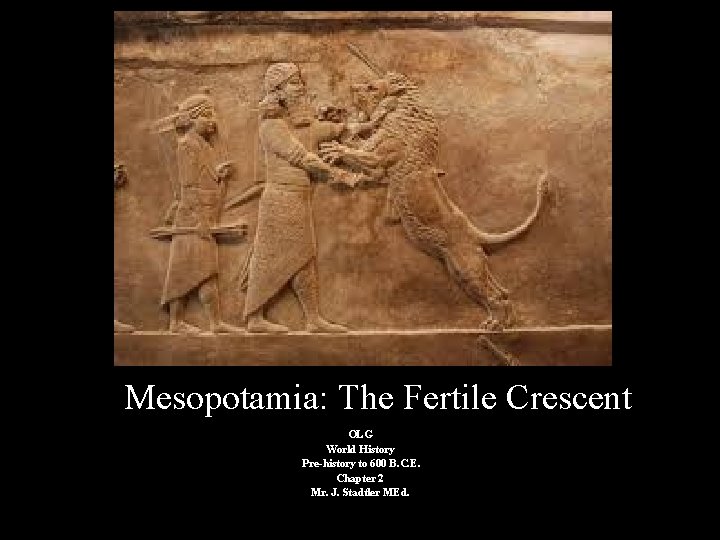
Mesopotamia: The Fertile Crescent OLG World History Pre-history to 600 B. C. E. Chapter 2 Mr. J. Stadtler MEd.
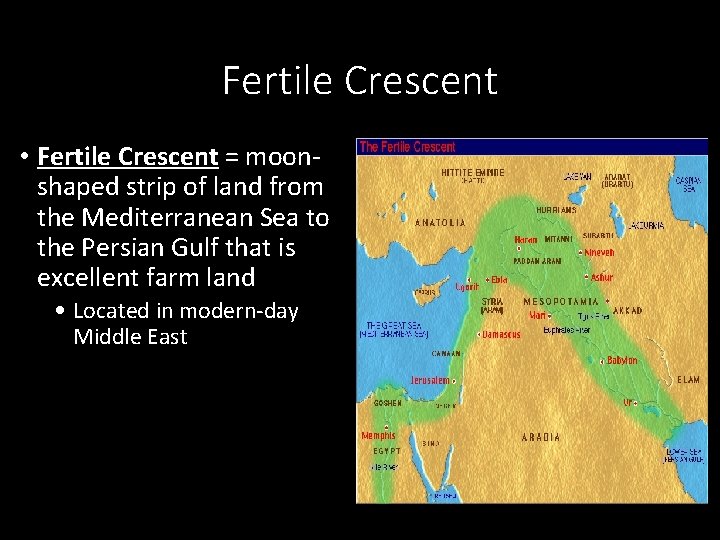
Fertile Crescent • Fertile Crescent = moonshaped strip of land from the Mediterranean Sea to the Persian Gulf that is excellent farm land • Located in modern-day Middle East
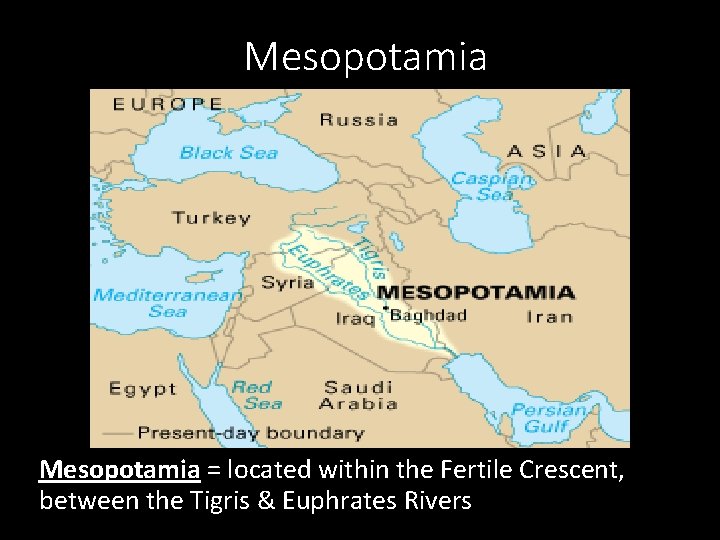
Mesopotamia = located within the Fertile Crescent, between the Tigris & Euphrates Rivers
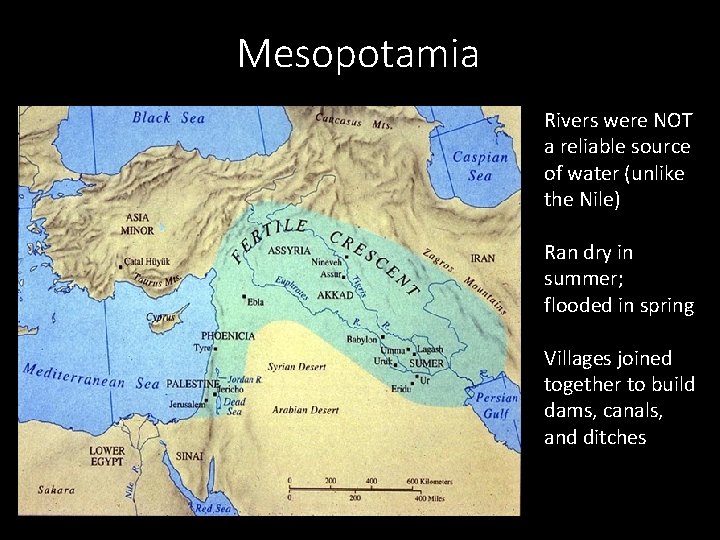
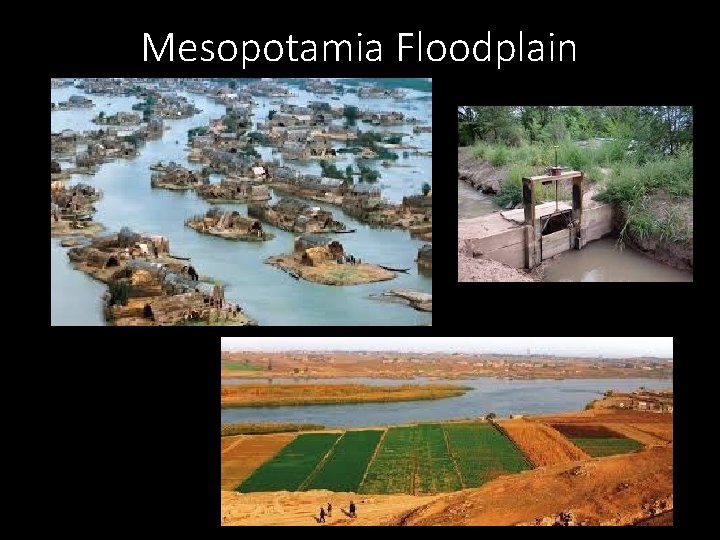
Mesopotamia Rivers were NOT a reliable source of water (unlike the Nile) Ran dry in summer; flooded in spring Villages joined together to build dams, canals, and ditches
Mesopotamia Floodplain
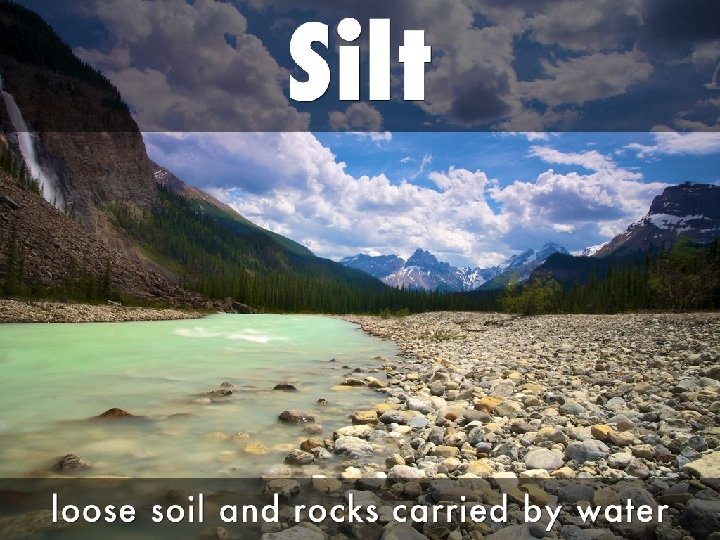
Silt
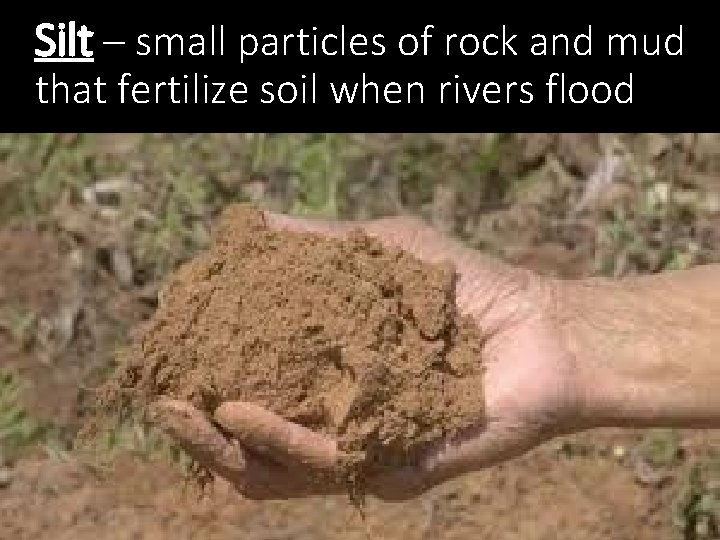
Silt – small particles of rock and mud that fertilize soil when rivers flood
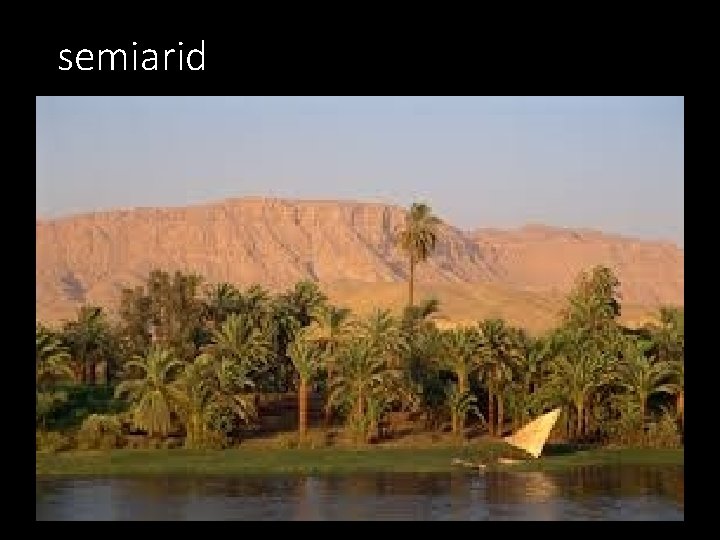
semiarid
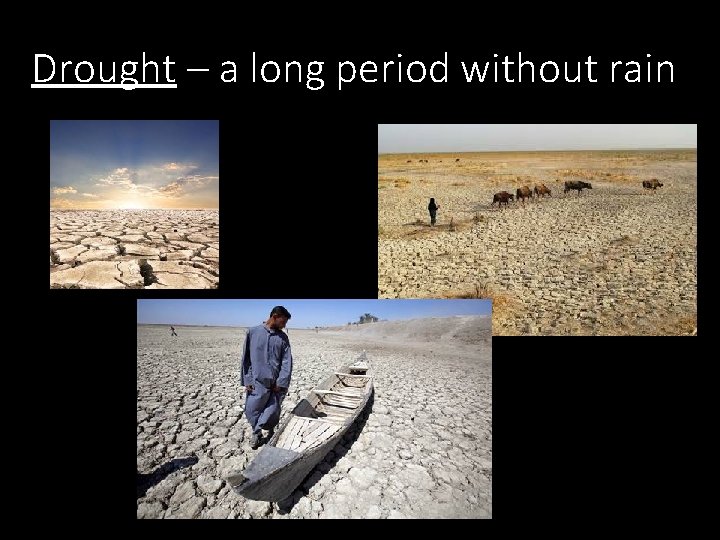
Drought – a long period without rain
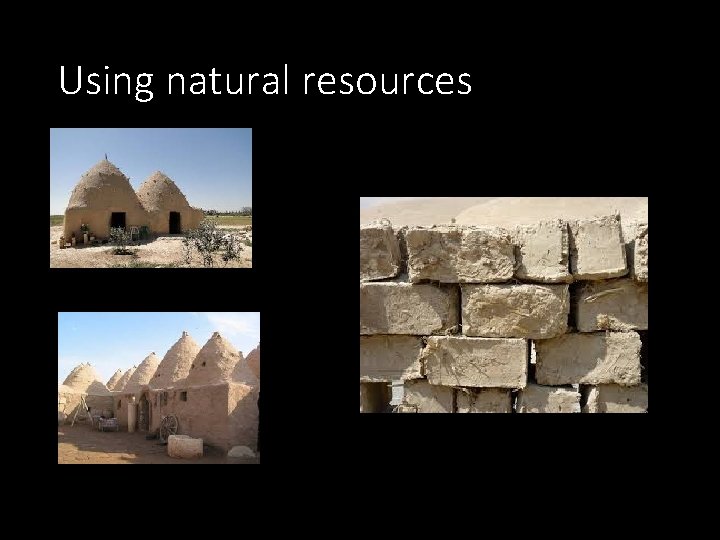
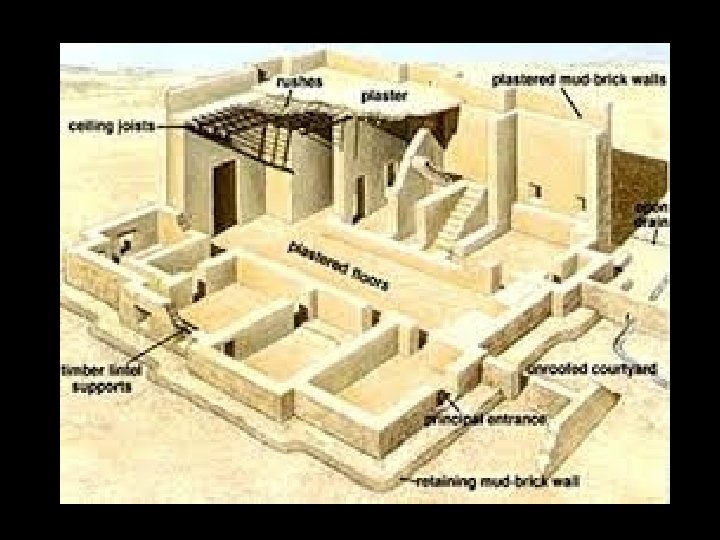
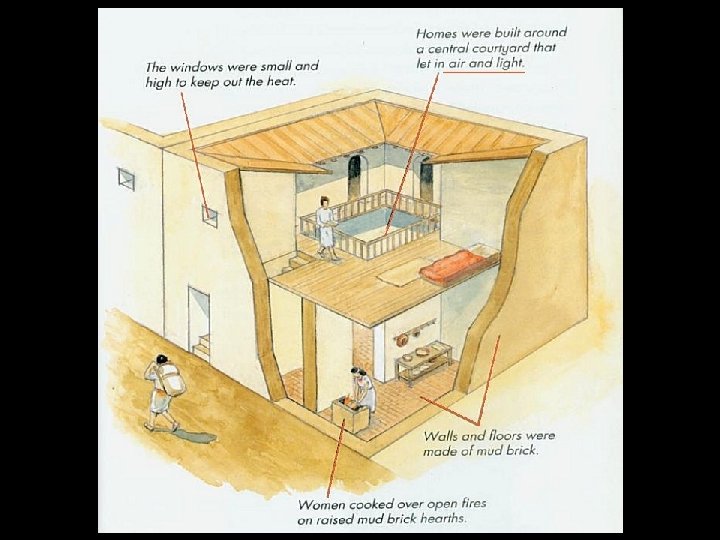
Using natural resources
Mesopotamia: The Fertile Crescent Part II Sumer – The First Civilization OLG World History Pre-history to 600 B. C. E. Chapter 2 Mr. J. Stadtler MEd.
Sumerian Traits of Civilization • Advanced Cities – stored grain, trade, temples. • Specialized Workers – Artisans • Complex Institutions – Religion & Government • Record Keeping – WRITING! • Advanced Technology – canals and bronze
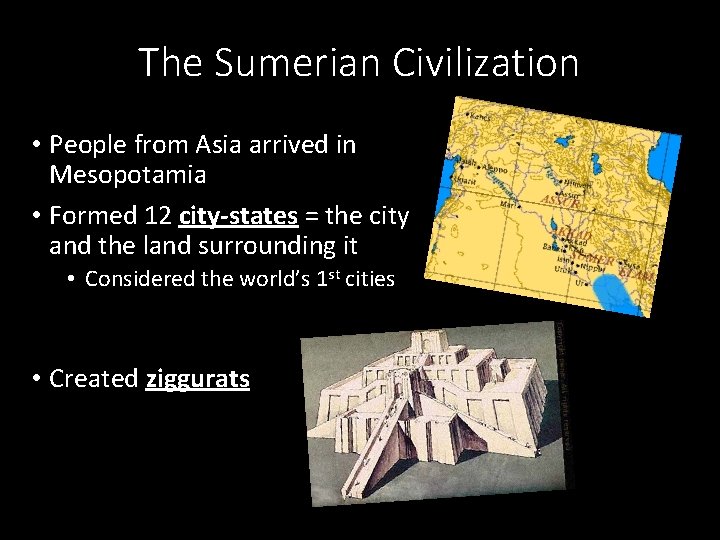
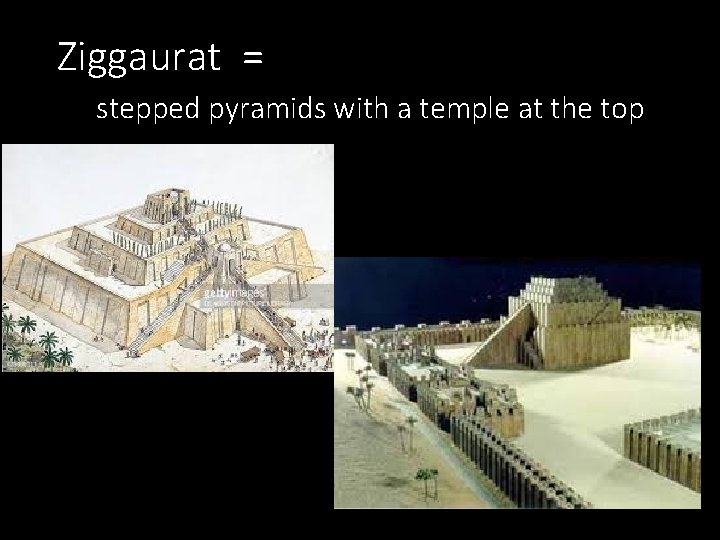
The Sumerian Civilization • People from Asia arrived in Mesopotamia • Formed 12 city-states = the city and the land surrounding it • Considered the world’s 1 st cities • Created ziggurats
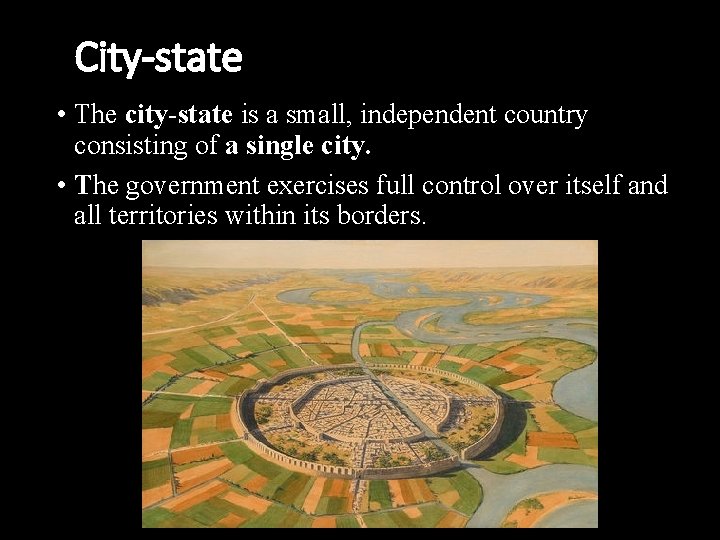
City-state • The city-state is a small, independent country consisting of a single city. • The government exercises full control over itself and all territories within its borders.
Ziggaurat = stepped pyramids with a temple at the top
The Sumerian Civilization • Sumerians shared common culture, language, and religion • City-states governed themselves • Were theocracies = kings served as both government leaders AND high priests • Laws regulated the roles of women & men had far more rights
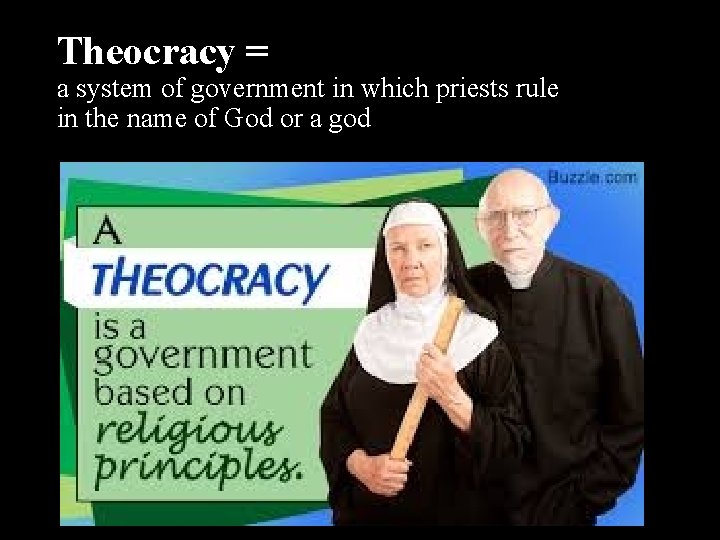
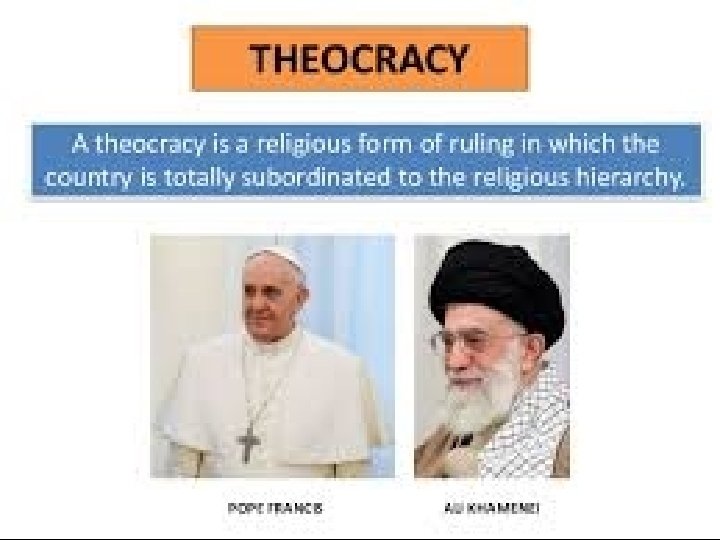
Theocracy = a system of government in which priests rule in the name of God or a god
EXIT TICKET • What are the five (5) Traits of Civilization 1. Advanced _ _ _ 2. Specialized _ _ _ _ 3. Complex _ _ _ 4. Record _ _ _ _ 5. _ _ _ _ Technology • Sumer was the first _ _ _ _ • Elvis Presley is the _ _ of Rock N Roll.
Sumerian Traits of Civilization • Advanced Cities – stored grain, trade, temples. • Specialized Workers – Artisans • Complex Institutions – Religion & Government • Record Keeping – WRITING! • Advanced Technology – canals and bronze
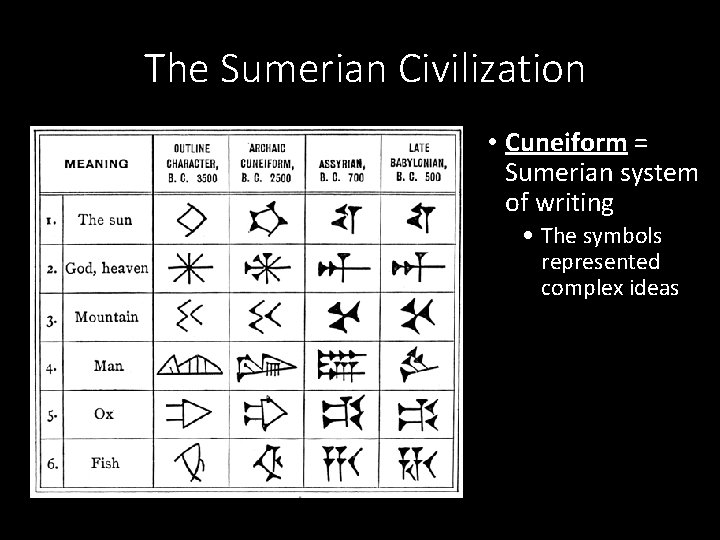
The Sumerian Civilization • Cuneiform = Sumerian system of writing • The symbols represented complex ideas
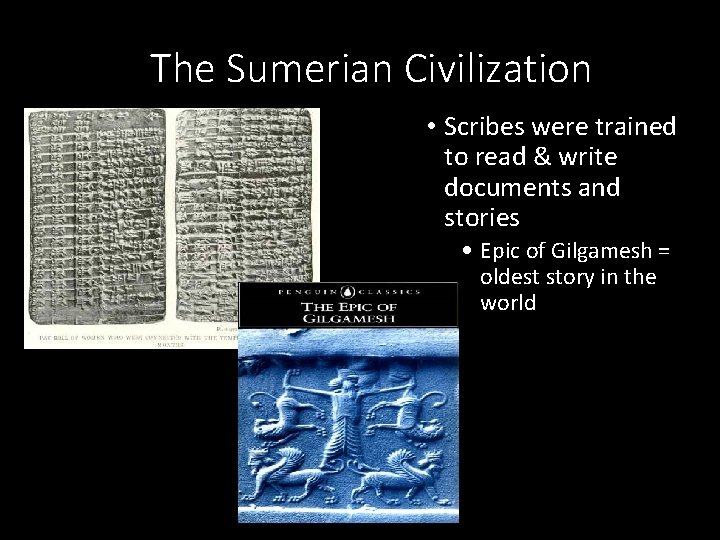
The Sumerian Civilization • Scribes were trained to read & write documents and stories • Epic of Gilgamesh = oldest story in the world
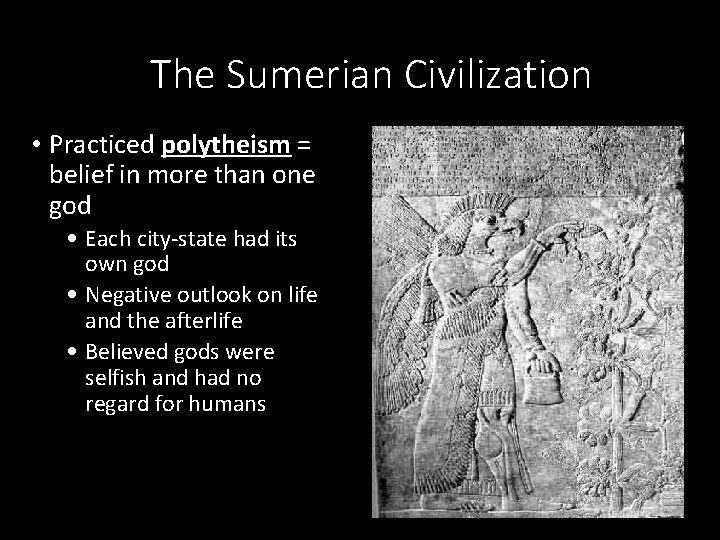
The Sumerian Civilization • Practiced polytheism = belief in more than one god • Each city-state had its own god • Negative outlook on life and the afterlife • Believed gods were selfish and had no regard for humans
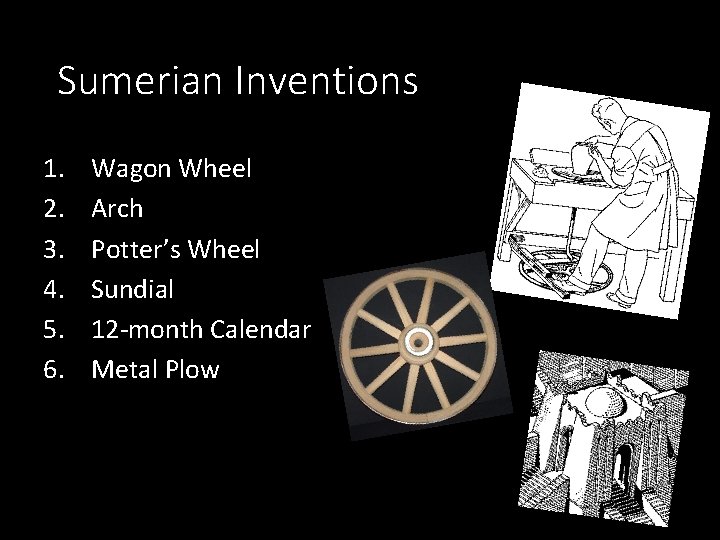
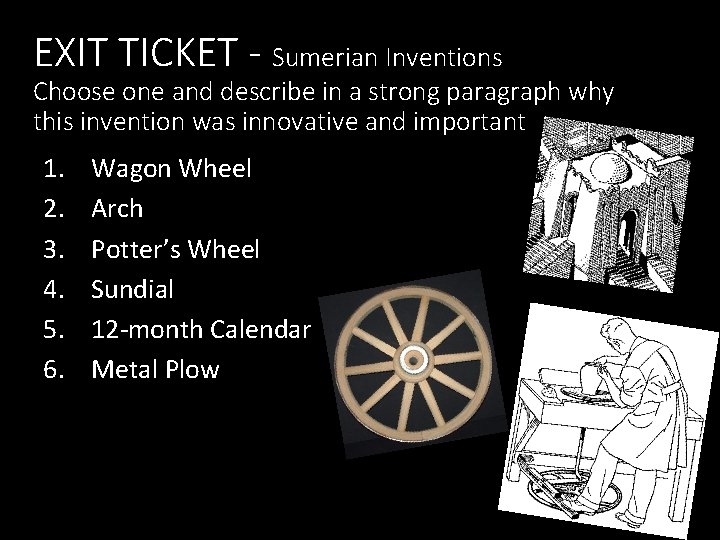
Sumerian Inventions 1. 2. 3. 4. 5. 6. Wagon Wheel Arch Potter’s Wheel Sundial 12 -month Calendar Metal Plow
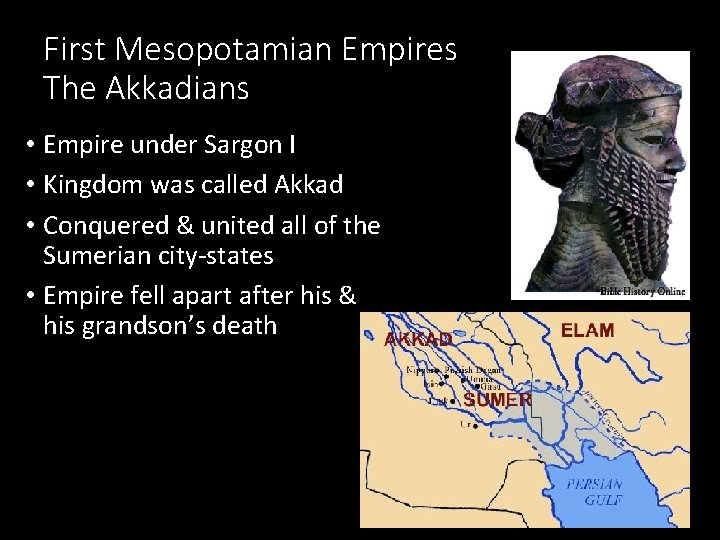
First Mesopotamian Empires The Akkadians • Empire under Sargon I • Kingdom was called Akkad • Conquered & united all of the Sumerian city-states • Empire fell apart after his & his grandson’s death
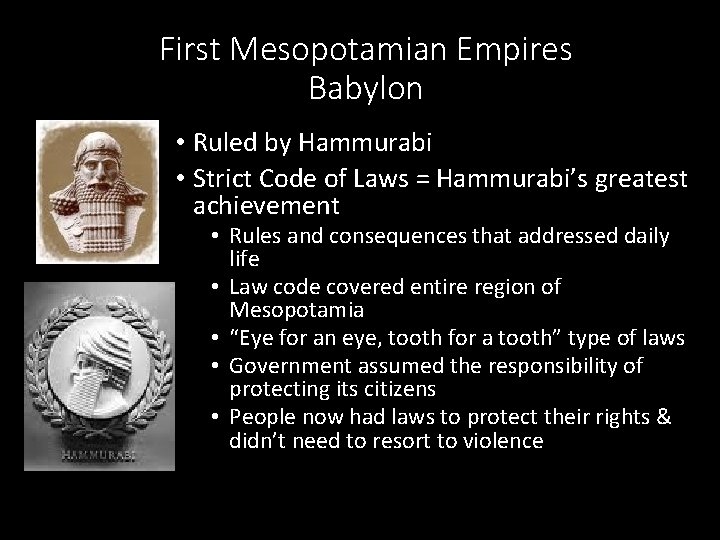
First Mesopotamian Empires Babylon • Ruled by Hammurabi • Strict Code of Laws = Hammurabi’s greatest achievement • Rules and consequences that addressed daily life • Law code covered entire region of Mesopotamia • “Eye for an eye, tooth for a tooth” type of laws • Government assumed the responsibility of protecting its citizens • People now had laws to protect their rights & didn’t need to resort to violence
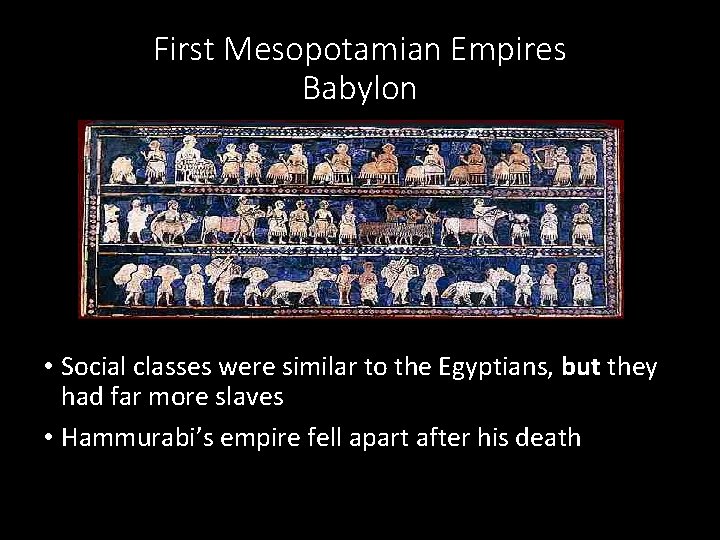
First Mesopotamian Empires Babylon • Social classes were similar to the Egyptians, but they had far more slaves • Hammurabi’s empire fell apart after his death
EXIT TICKET - Sumerian Inventions Choose one and describe in a strong paragraph why this invention was innovative and important 1. 2. 3. 4. 5. 6. Wagon Wheel Arch Potter’s Wheel Sundial 12 -month Calendar Metal Plow