
Mesopotamia Maps by David P Barrett used by
Mesopotamia Maps by David P. Barrett, used by permission
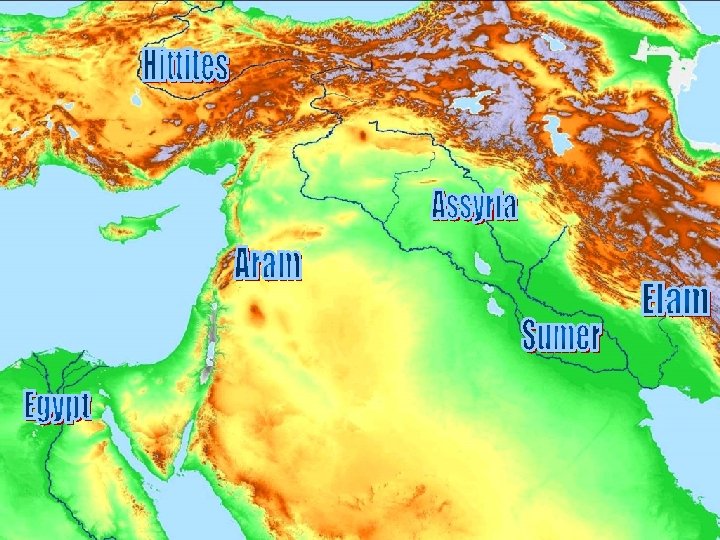

2330 B. C. • Sargon the Great • Guti invasion
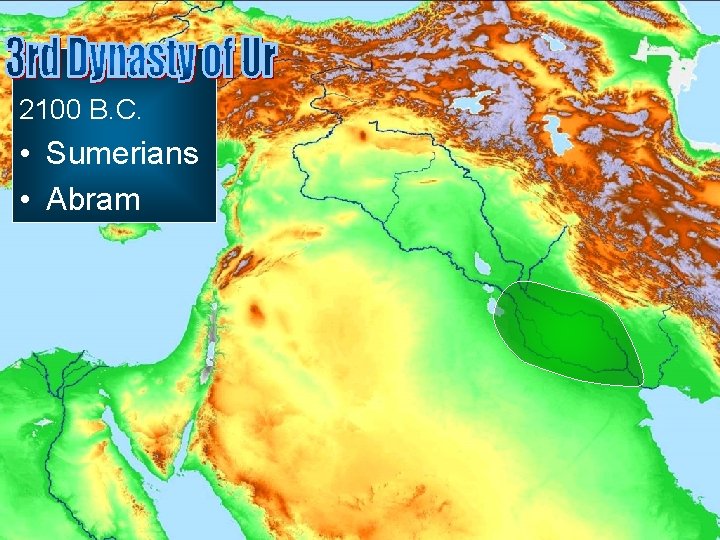
2100 B. C. • Sumerians • Abram
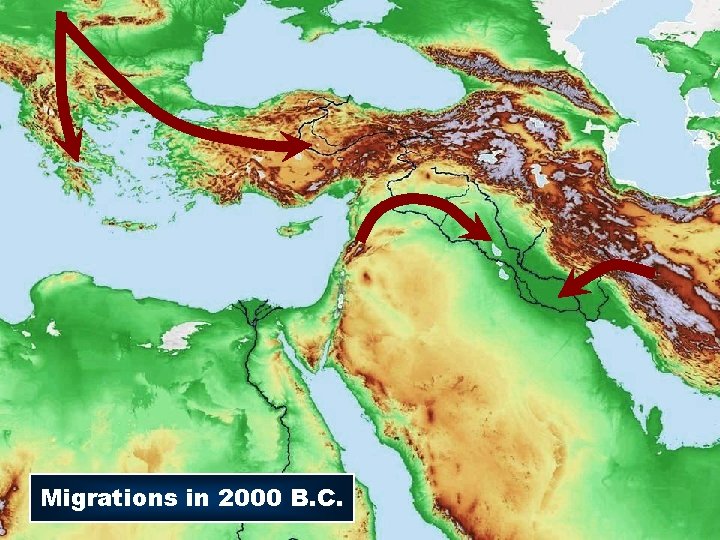
Migrations in 2000 B. C.
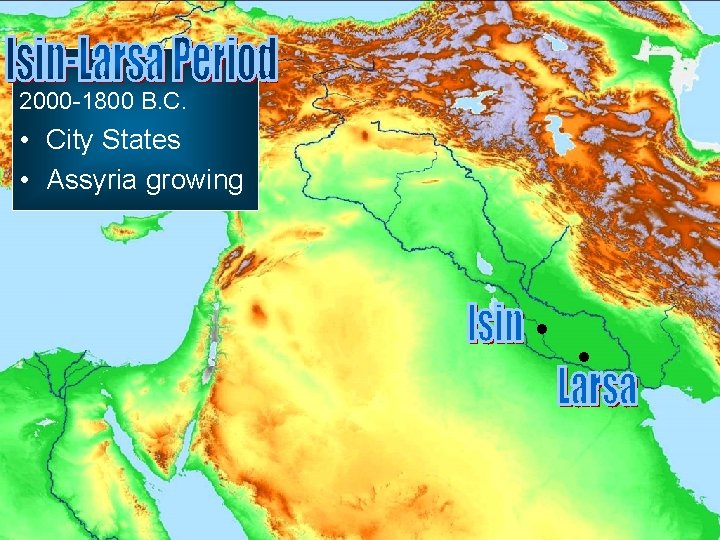
2000 -1800 B. C. • City States • Assyria growing
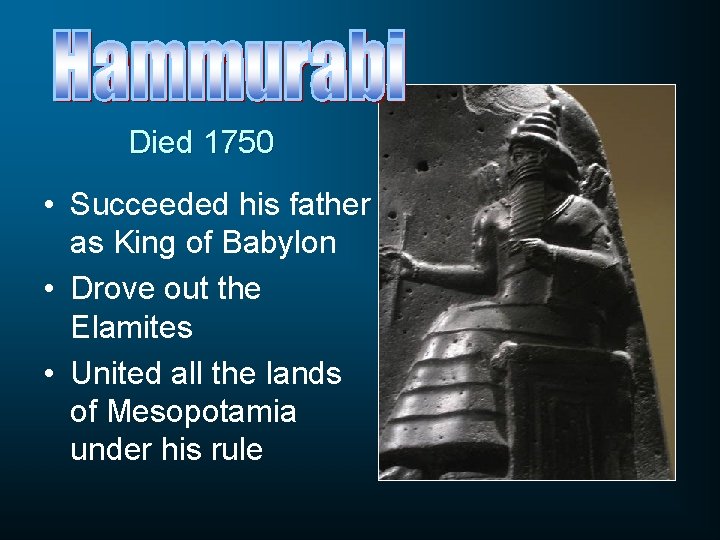
Died 1750 • Succeeded his father as King of Babylon • Drove out the Elamites • United all the lands of Mesopotamia under his rule
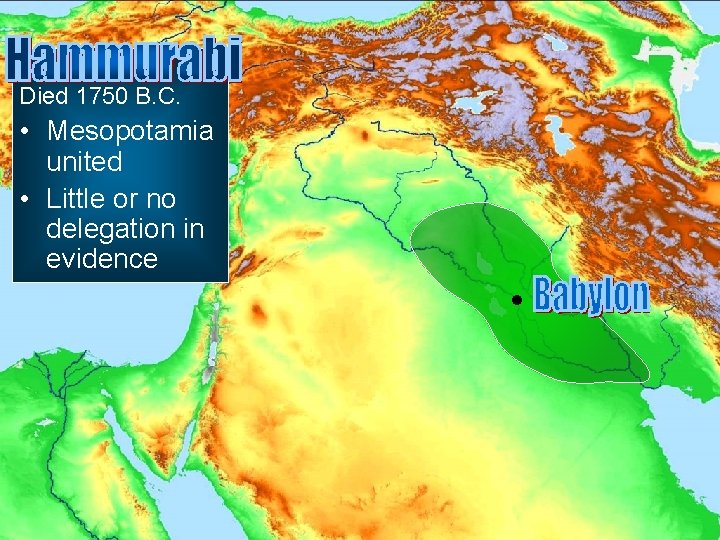
Died 1750 B. C. • Mesopotamia united • Little or no delegation in evidence
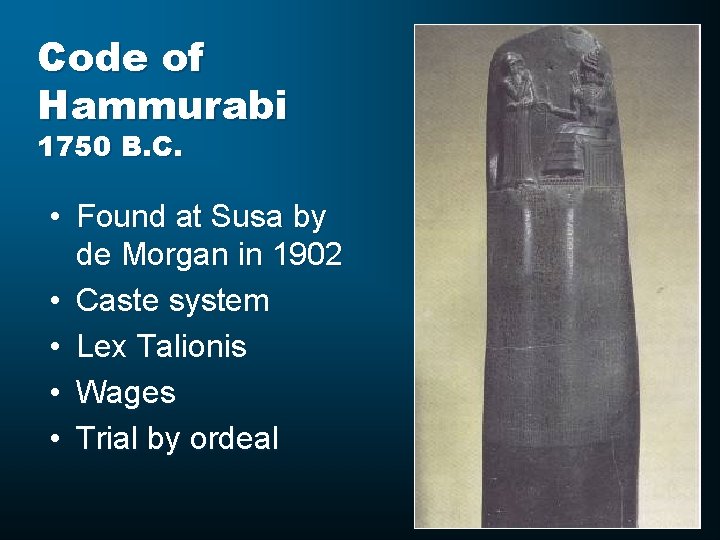
Code of Hammurabi 1750 B. C. • Found at Susa by de Morgan in 1902 • Caste system • Lex Talionis • Wages • Trial by ordeal
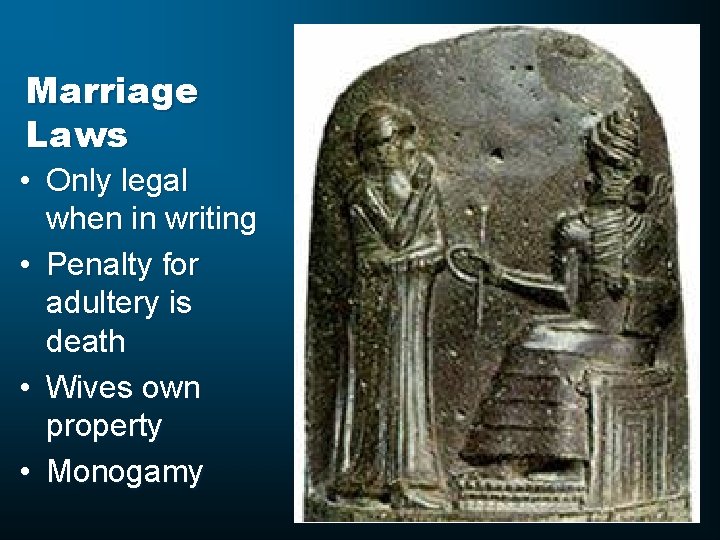
Marriage Laws • Only legal when in writing • Penalty for adultery is death • Wives own property • Monogamy
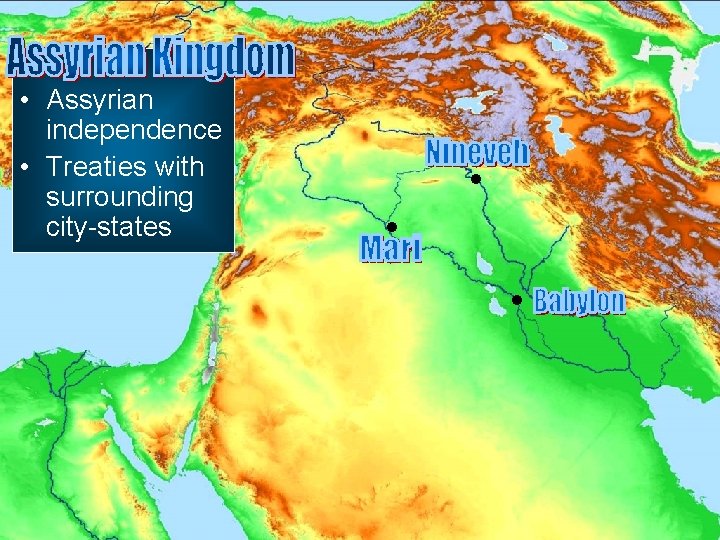
• Assyrian independence • Treaties with surrounding city-states
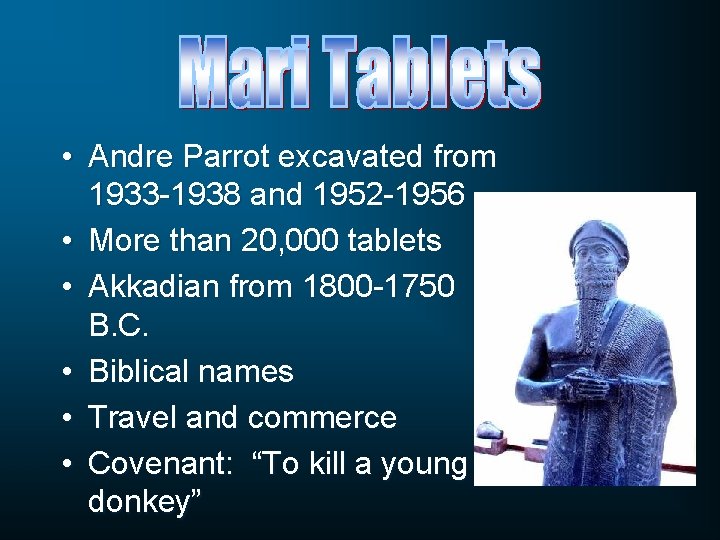
• Andre Parrot excavated from 1933 -1938 and 1952 -1956 • More than 20, 000 tablets • Akkadian from 1800 -1750 B. C. • Biblical names • Travel and commerce • Covenant: “To kill a young donkey”
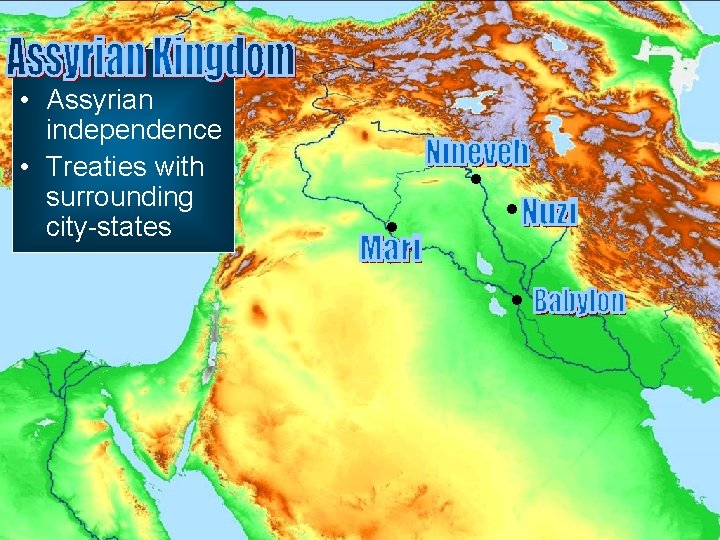
• Assyrian independence • Treaties with surrounding city-states
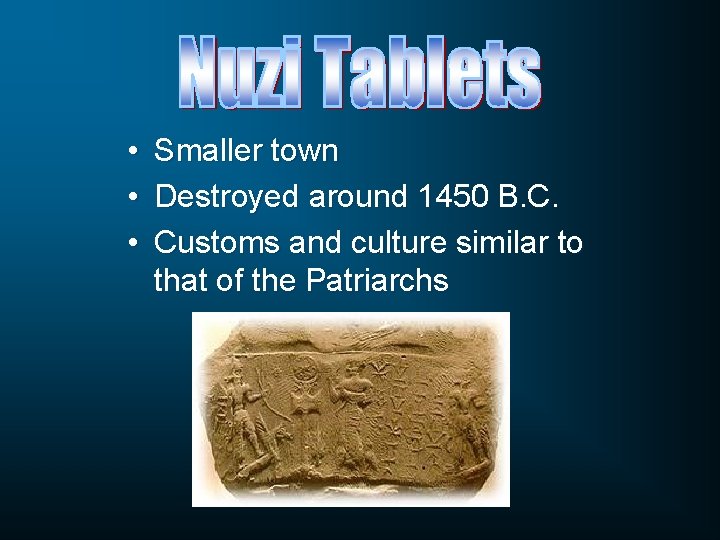
• • • Smaller town Destroyed around 1450 B. C. Customs and culture similar to that of the Patriarchs
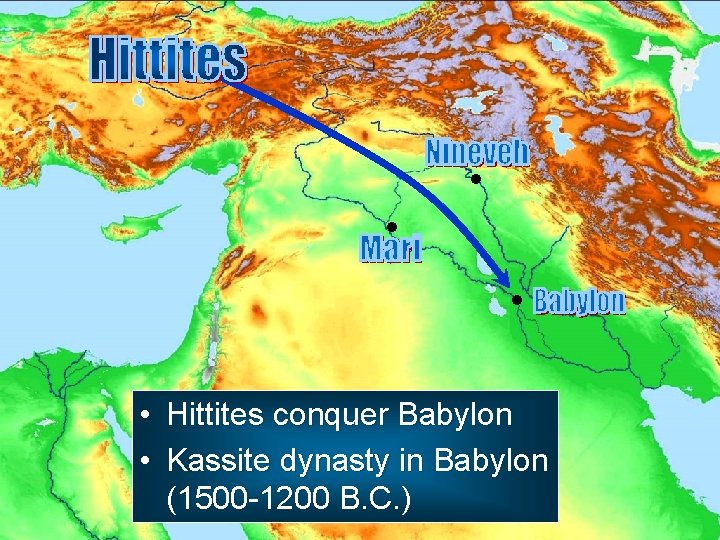
• Hittites conquer Babylon • Kassite dynasty in Babylon (1500 -1200 B. C. )
The Hittites: A Canaanite tribe encountered in Palestine by the Israelites, resident and along side the Amorites in the region of Bethel. They were pressed into service by Solomon. Still later, however, an independent and monarchically governed Hittite tribe existed nearer Syria. (Meyers Neus Konversationislexikon, 1871).
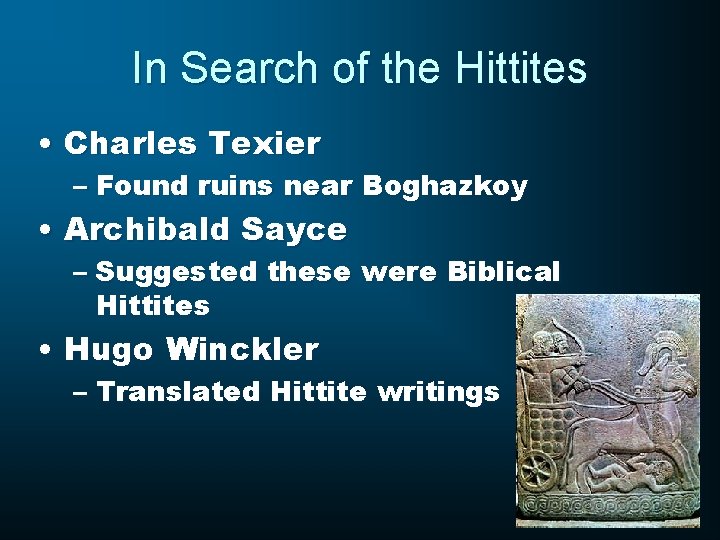
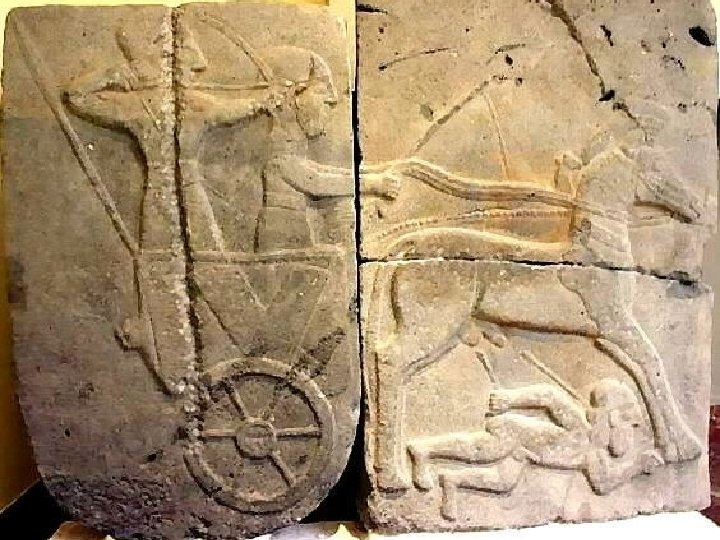
In Search of the Hittites • Charles Texier – Found ruins near Boghazkoy • Archibald Sayce – Suggested these were Biblical Hittites • Hugo Winckler – Translated Hittite writings
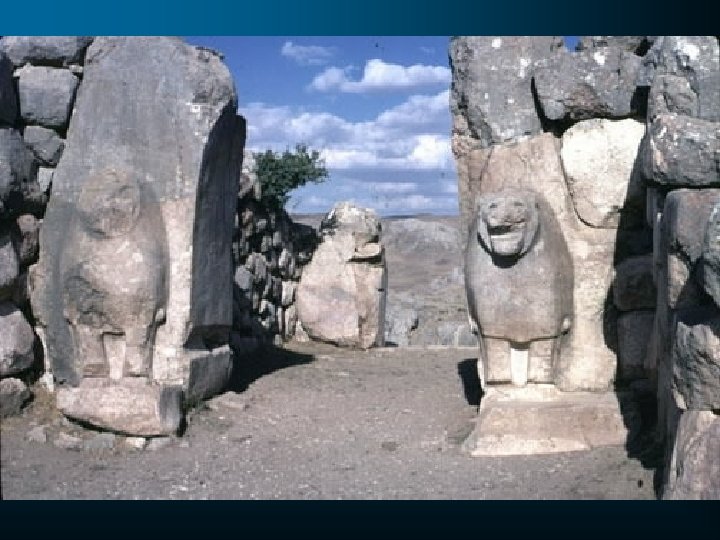
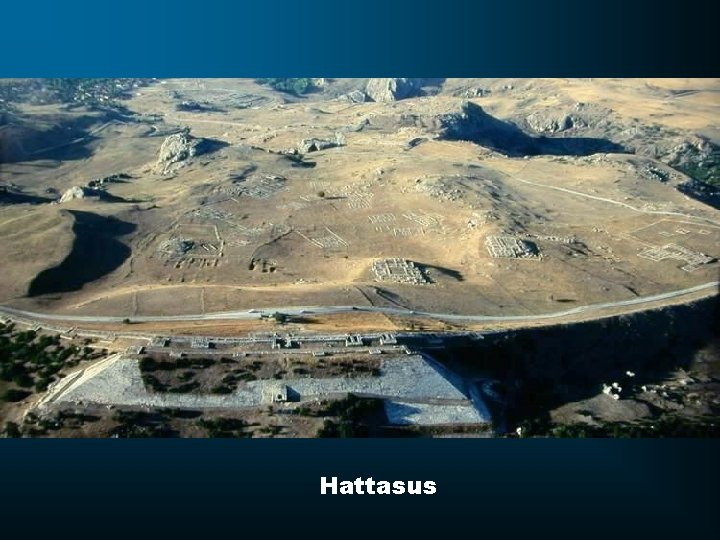
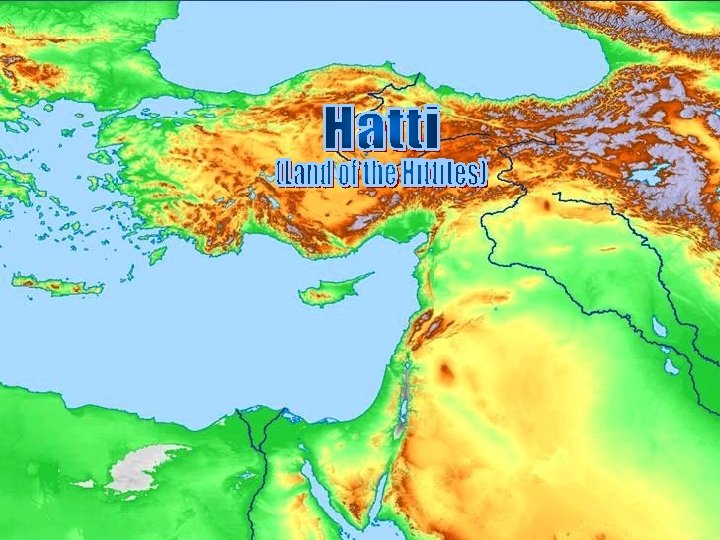
Hattasus
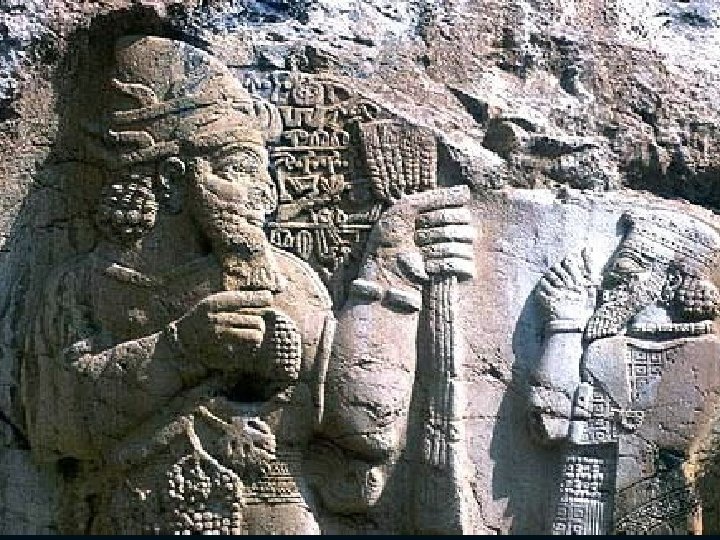
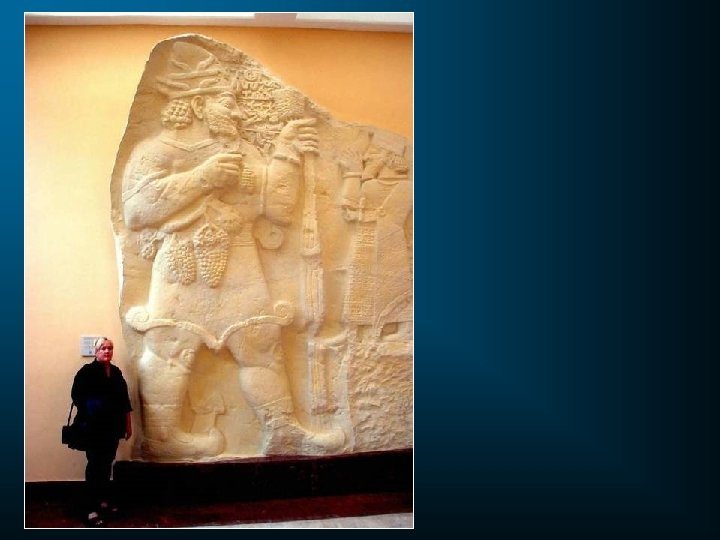
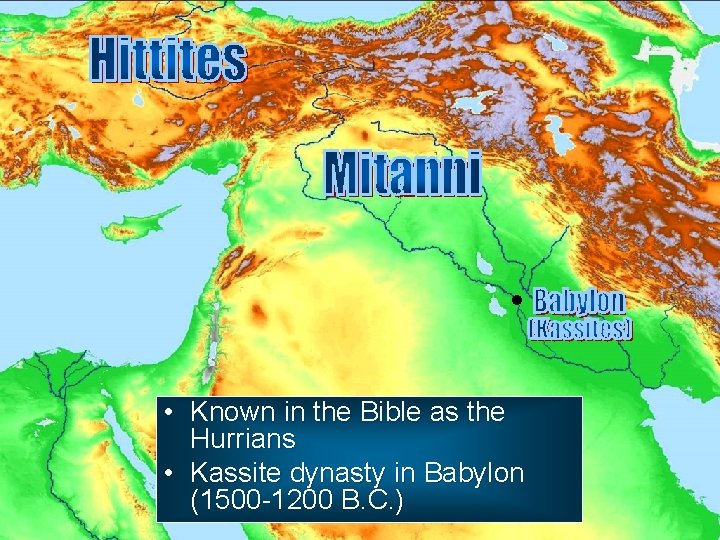
• Known in the Bible as the Hurrians • Kassite dynasty in Babylon (1500 -1200 B. C. )
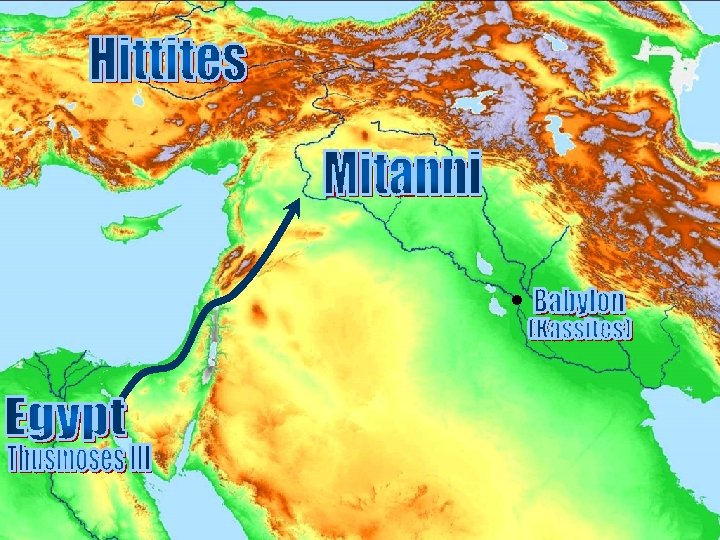
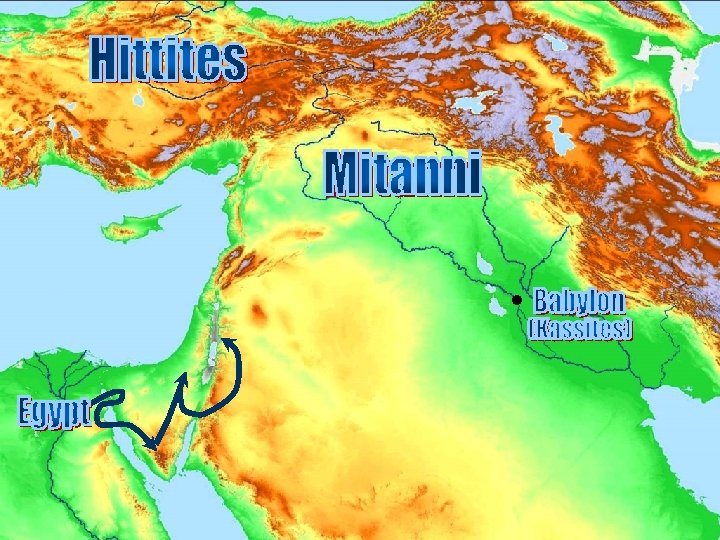
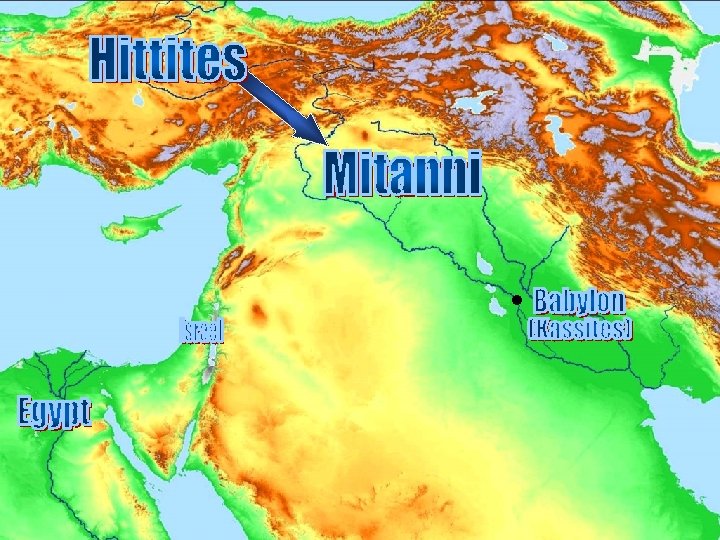

• Discovered by a farmer in 1928
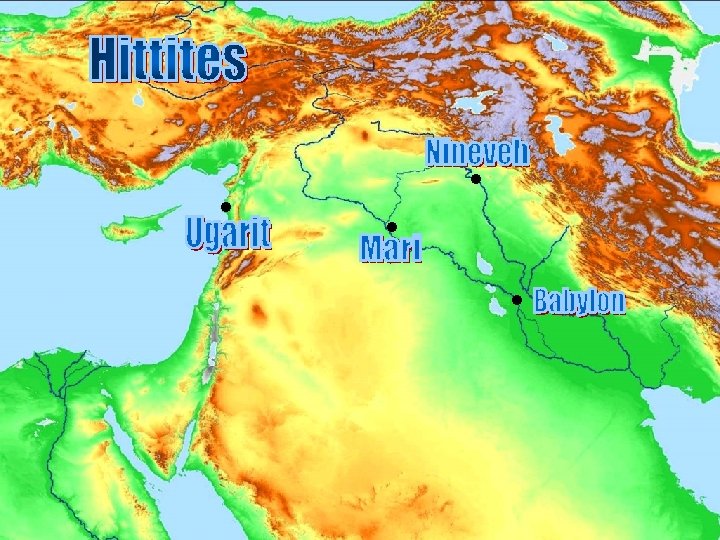
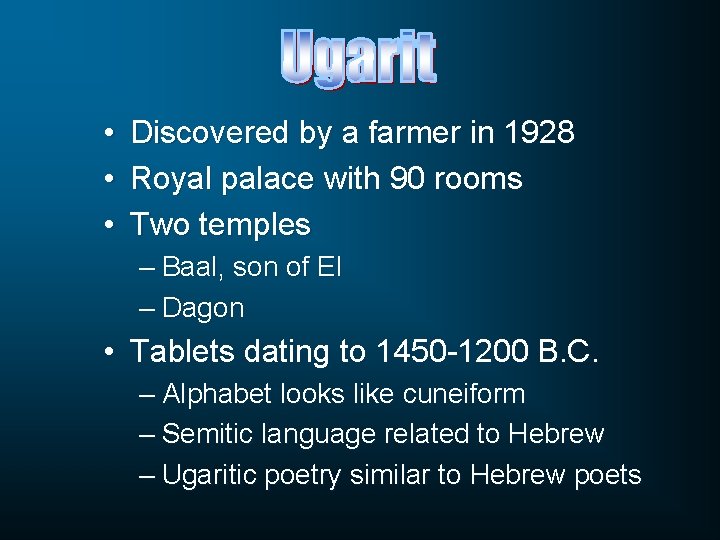
• • • Discovered by a farmer in 1928 Royal palace with 90 rooms Two temples – Baal, son of El – Dagon • Tablets dating to 1450 -1200 B. C. – Alphabet looks like cuneiform – Semitic language related to Hebrew – Ugaritic poetry similar to Hebrew poets
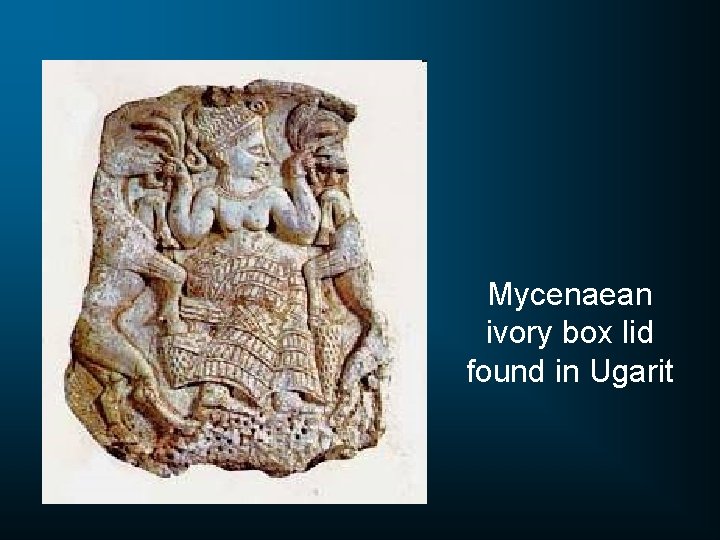
Mycenaean ivory box lid found in Ugarit
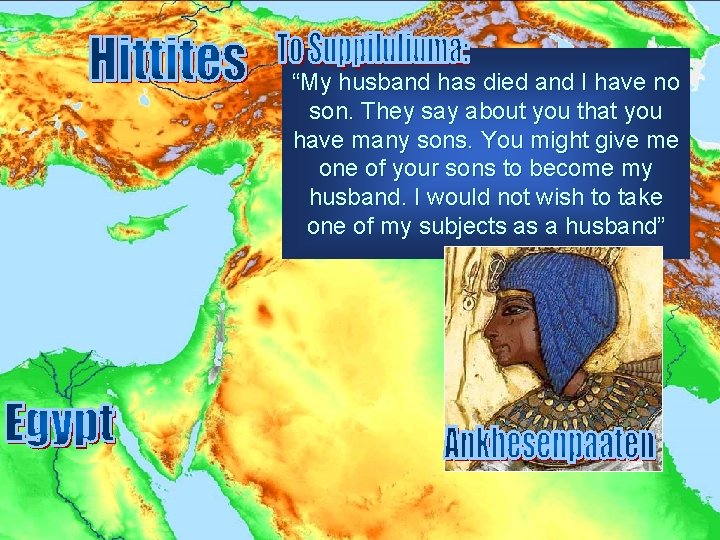
“My husband has died and I have no son. They say about you that you have many sons. You might give me one of your sons to become my husband. I would not wish to take one of my subjects as a husband”
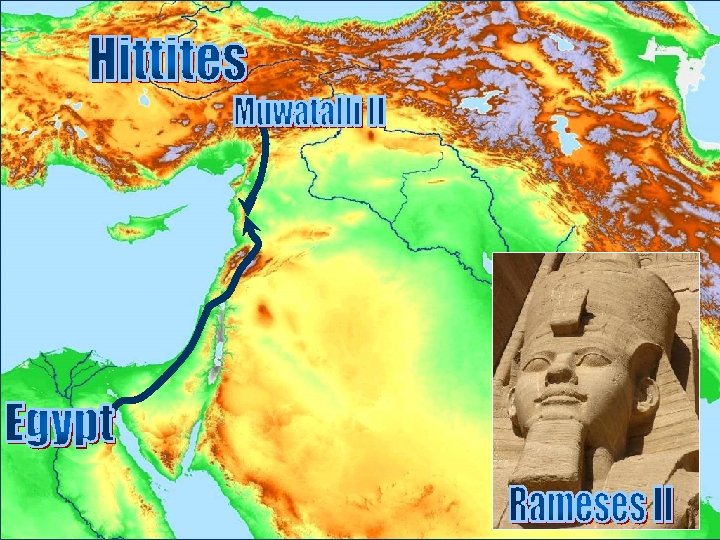
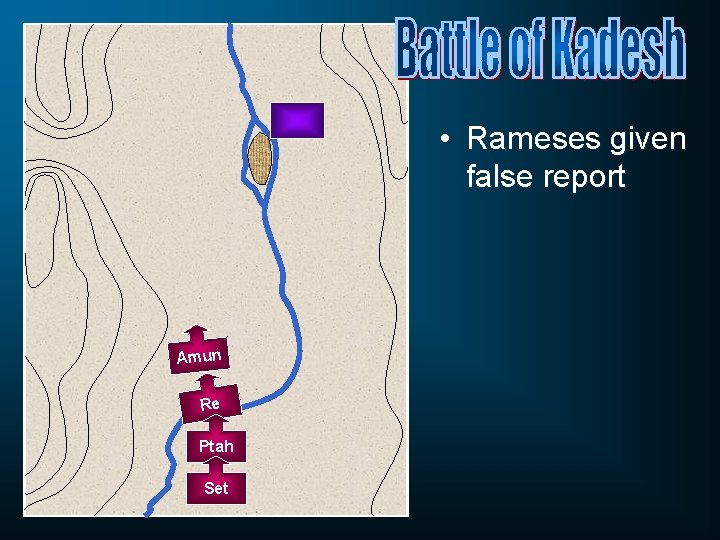
• Rameses given false report Amun Re Ptah Set
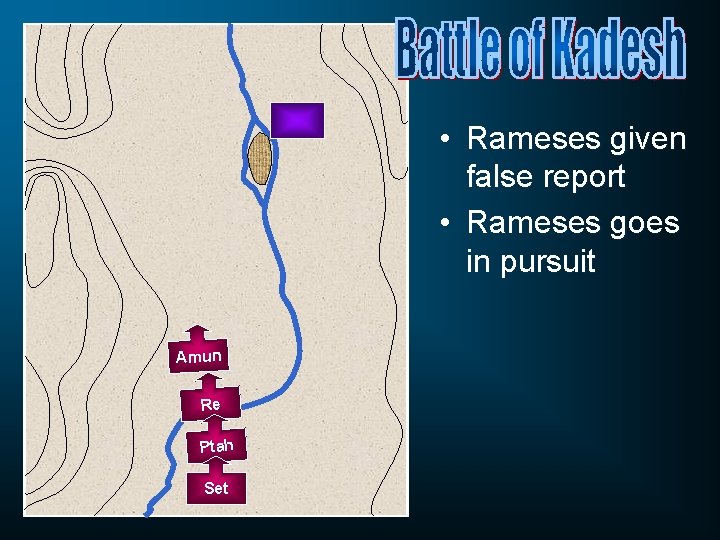
• Rameses given false report • Rameses goes in pursuit Amun Re Ptah Set
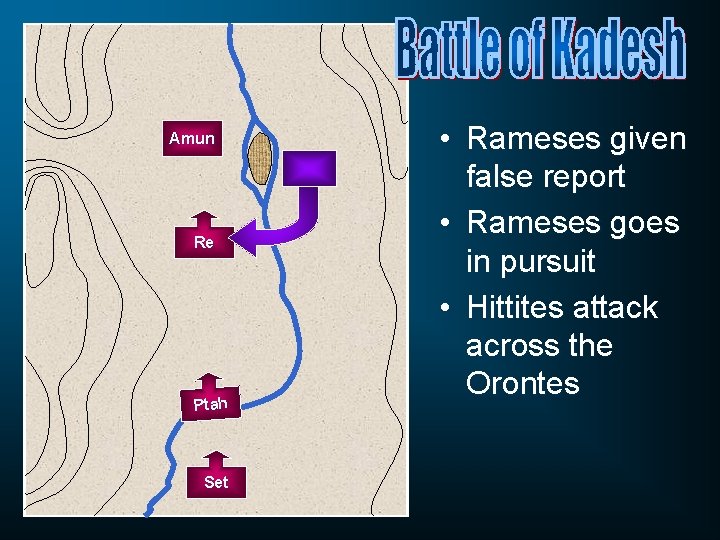
Amun Re Ptah Set • Rameses given false report • Rameses goes in pursuit • Hittites attack across the Orontes
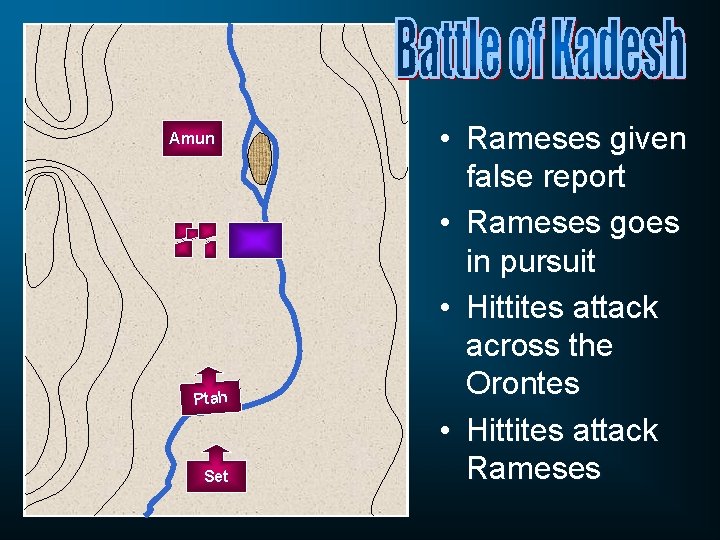
Amun Ptah Set • Rameses given false report • Rameses goes in pursuit • Hittites attack across the Orontes • Hittites attack Rameses
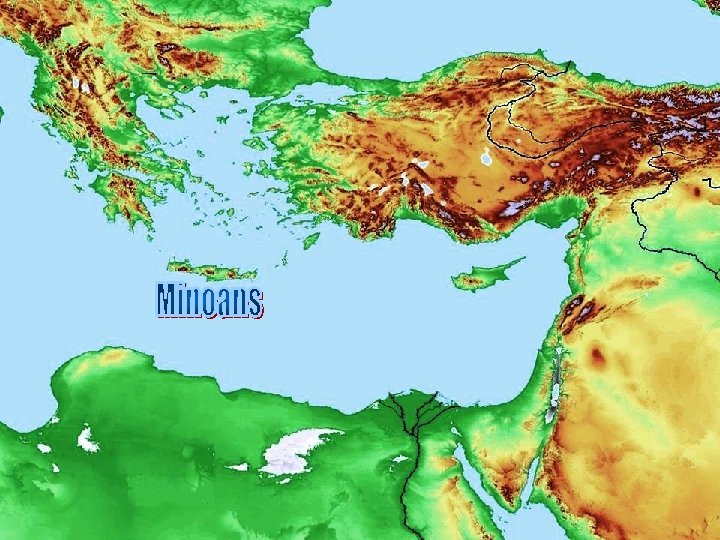
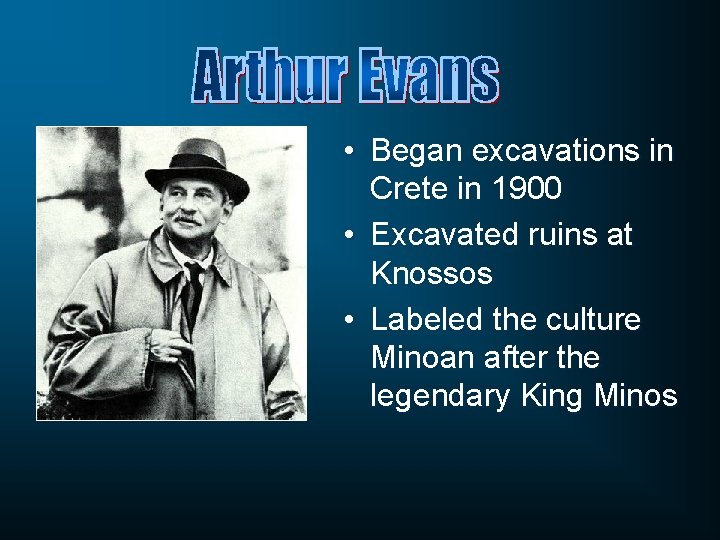
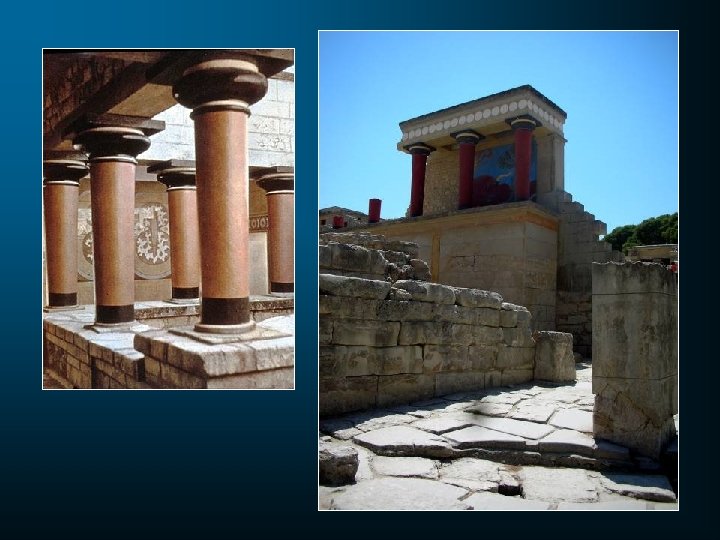
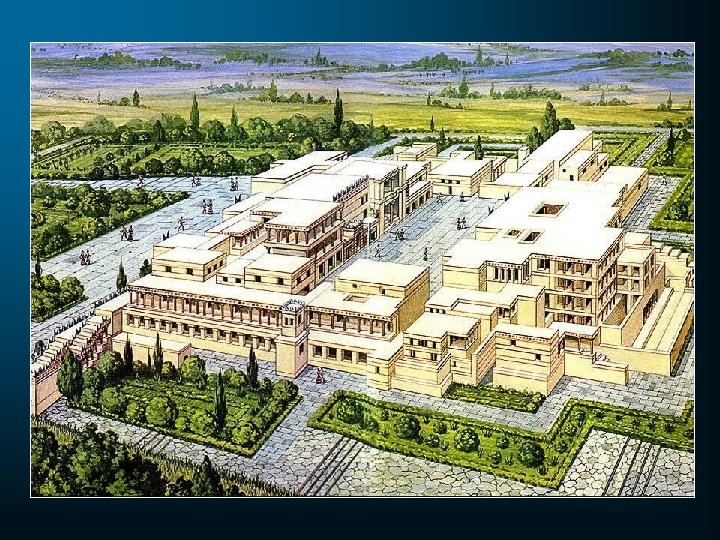
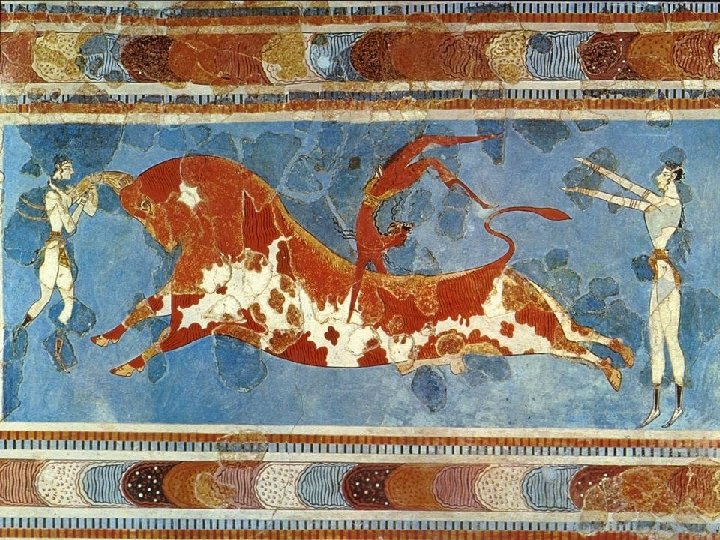
• Began excavations in Crete in 1900 • Excavated ruins at Knossos • Labeled the culture Minoan after the legendary King Minos
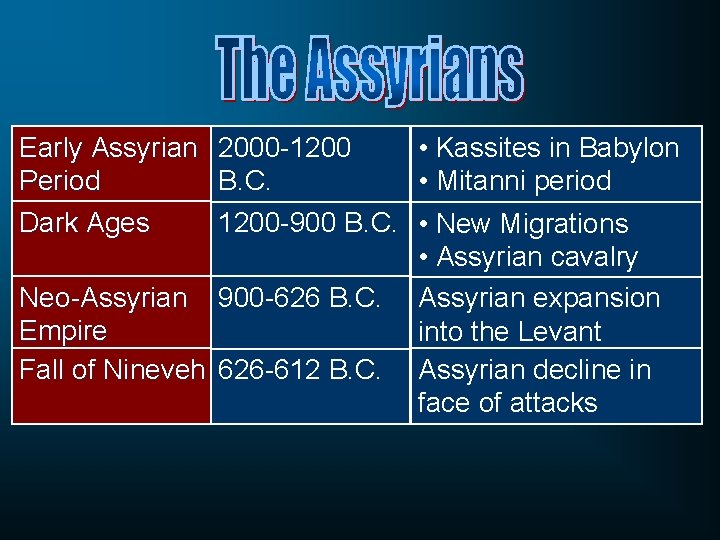
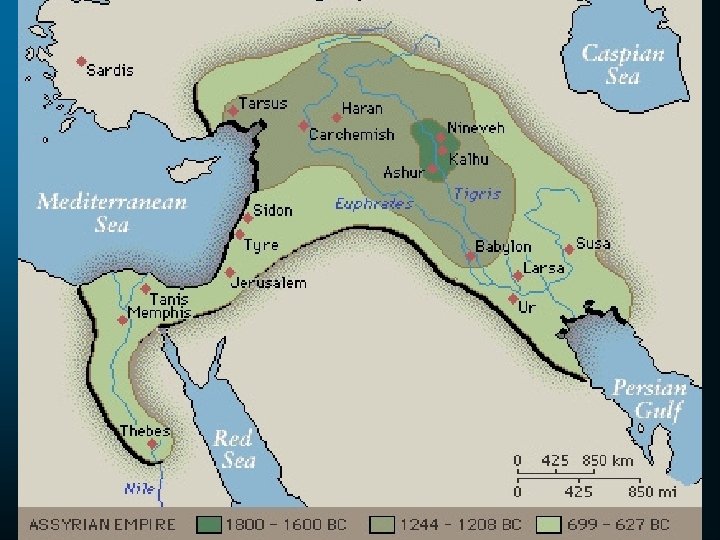
Early Assyrian 2000 -1200 • Kassites in Babylon Period B. C. • Mitanni period Dark Ages 1200 -900 B. C. • New Migrations • Assyrian cavalry Neo-Assyrian 900 -626 B. C. Assyrian expansion Empire into the Levant Fall of Nineveh 626 -612 B. C. Assyrian decline in face of attacks
• A Literary People • Assyrian Epynom Lists • Assyrian Military Machine
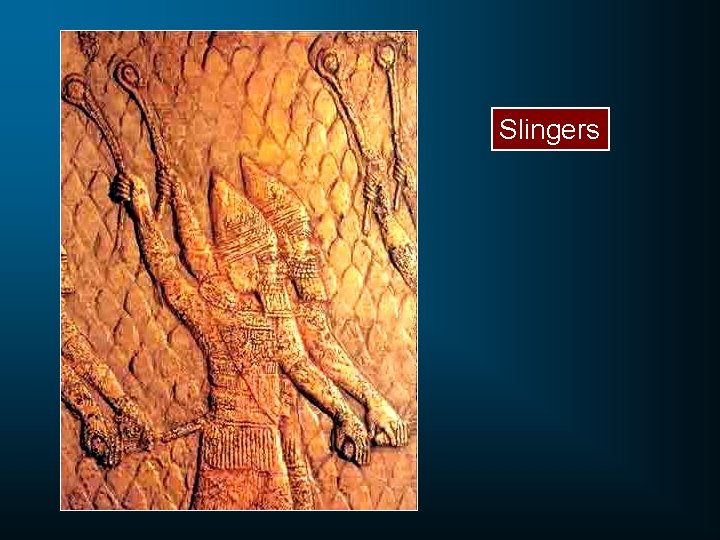
Slingers
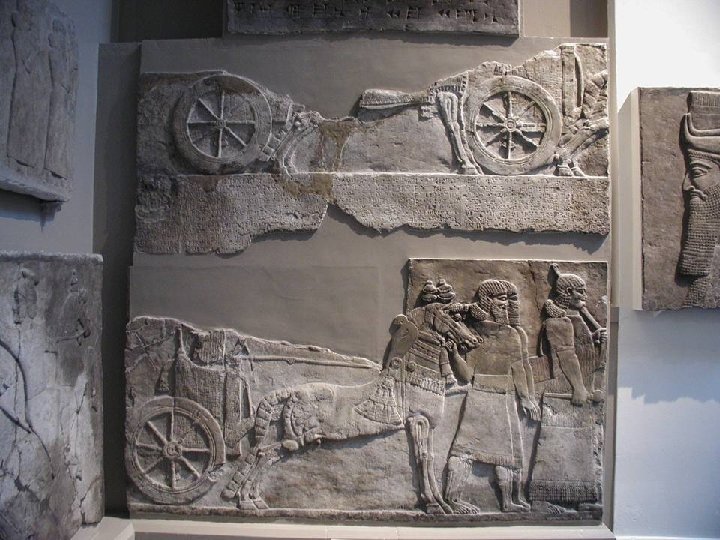
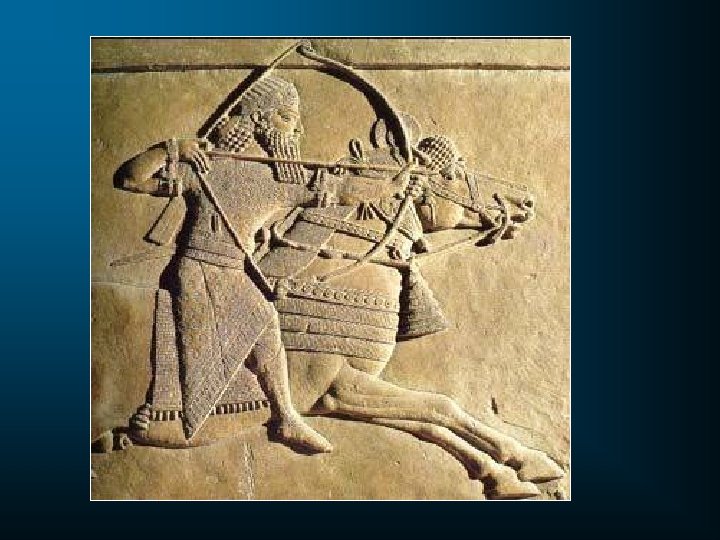
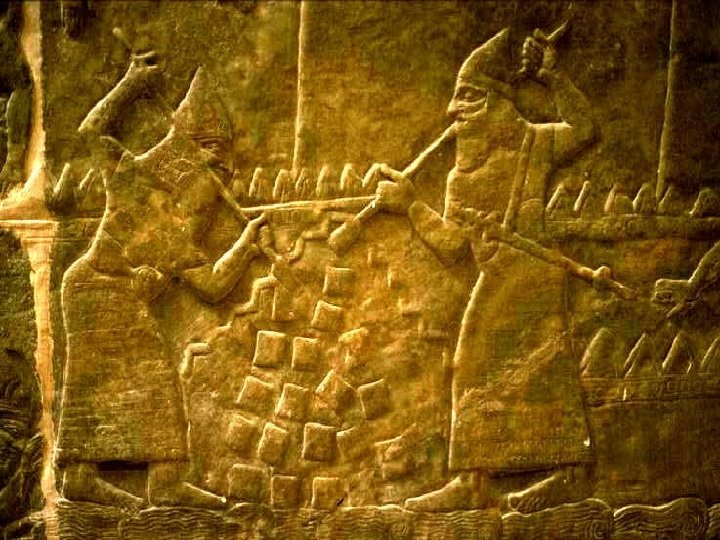
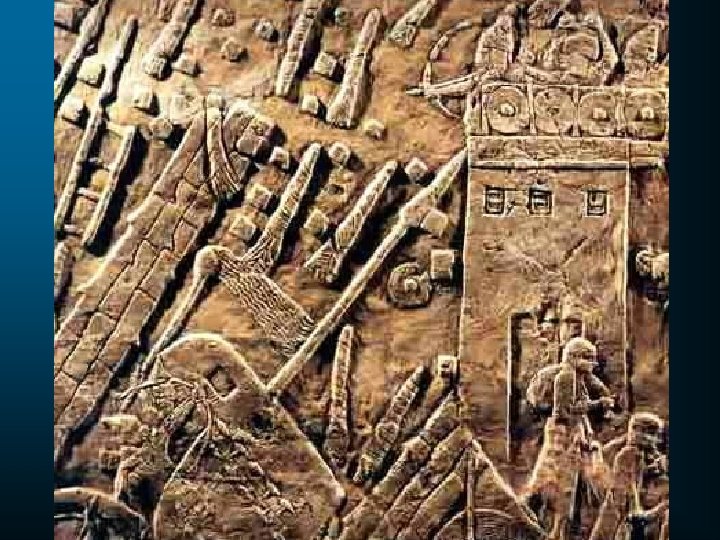
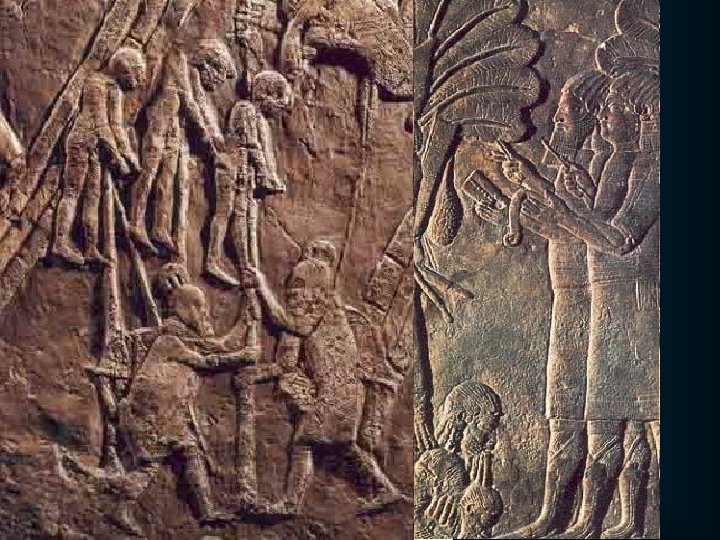
Assyrian Terror Tactics
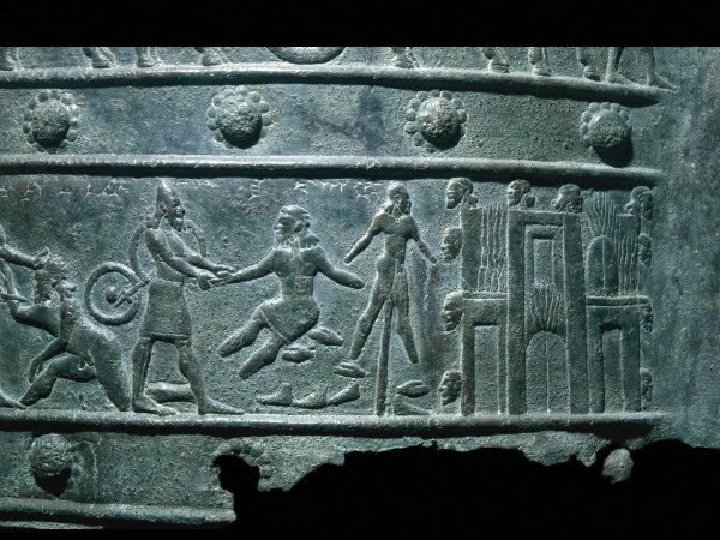
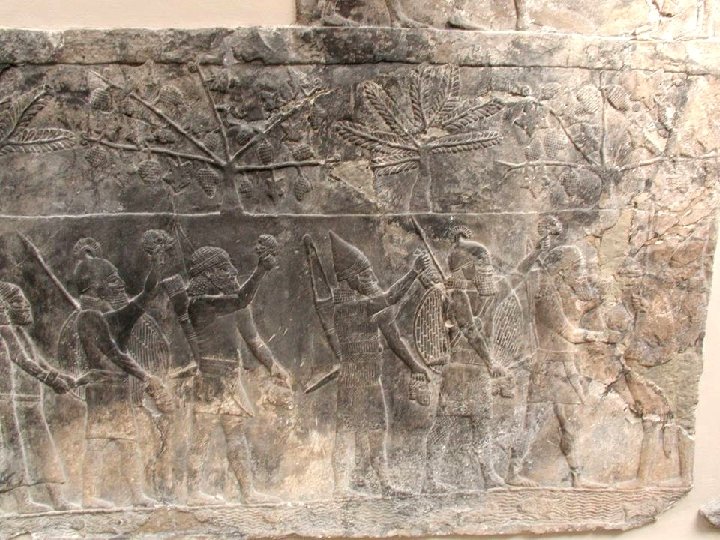
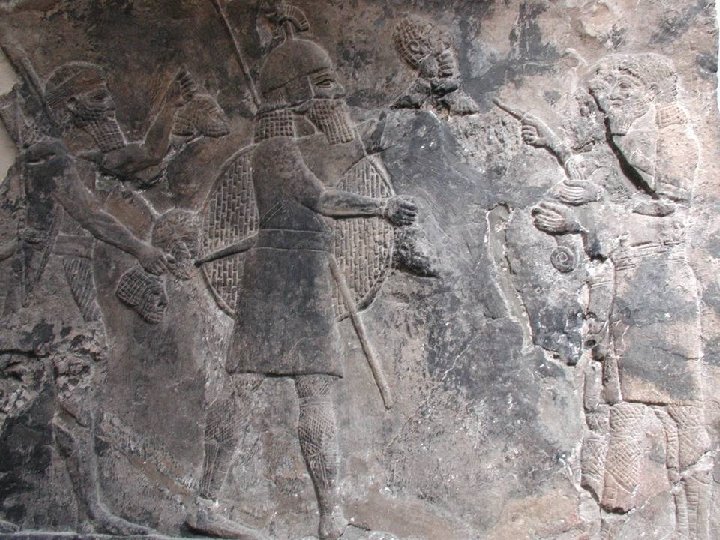
Tiglath-Pileser I 1116 – 1076 B. C. • Conquered most of Syria, Urartu, and Babylon • Took tribute from Sidon and Byblos • Followed by a period of decline
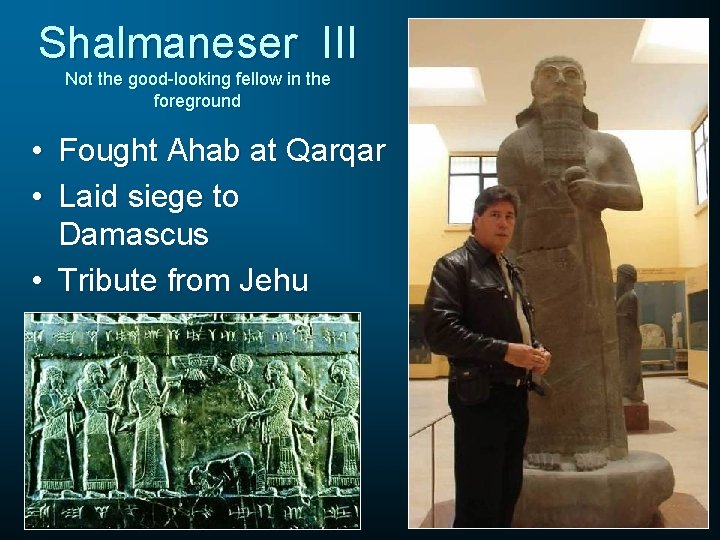
Shalmaneser III Not the good-looking fellow in the foreground • Fought Ahab at Qarqar • Laid siege to Damascus • Tribute from Jehu
• Nineveh Joppa • Jerusalem

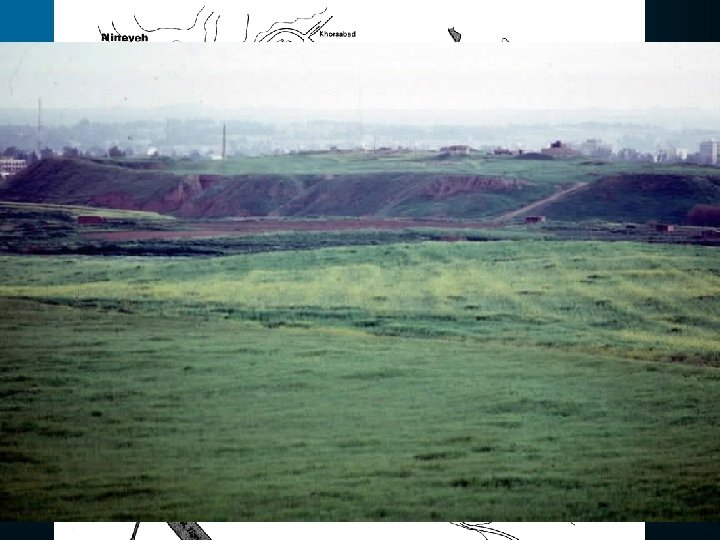
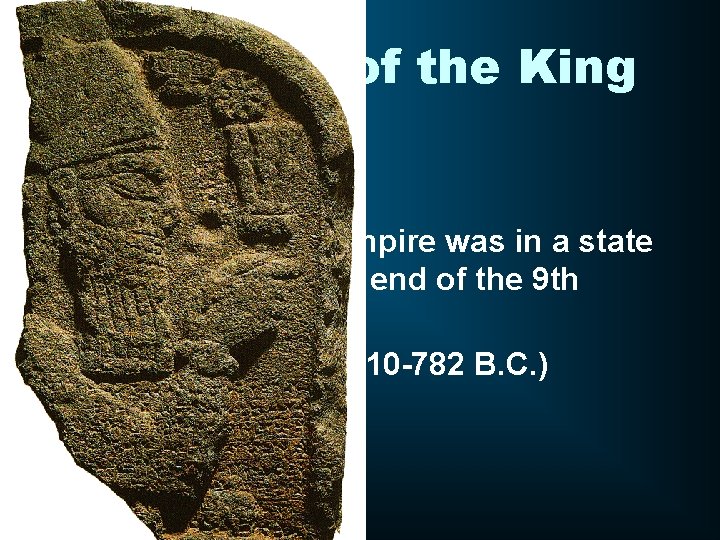
The Edict of the King • He is not named • The Assyrian Empire was in a state of decline at the end of the 9 th century • Adad-Nirari III (810 -782 B. C. )
Jonah 4: 10 -11 Then the LORD said, “You had compassion on the plant for which you did not work, and which you did not cause to grow, which came up overnight and perished overnight. 11 And should I not have compassion on Nineveh, the great city in which there are more than 120, 000 persons who do not know the difference between their right and left hand, as well as many animals? ”
Salmaneser IV Ashur-Dan III Ashur-Nirari V • Brothers • Assyria gradually gave up her foreign possessions
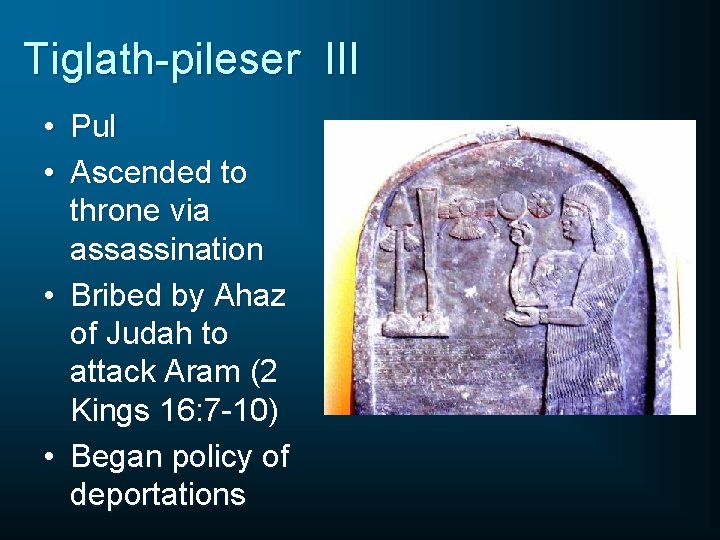
Tiglath-pileser III • Pul • Ascended to throne via assassination • Bribed by Ahaz of Judah to attack Aram (2 Kings 16: 7 -10) • Began policy of deportations
Shalmaneser V • Hoshea of Israel entered into an alliance with Egypt • Shalmaneser V came and besieged Samaria for three years before he died
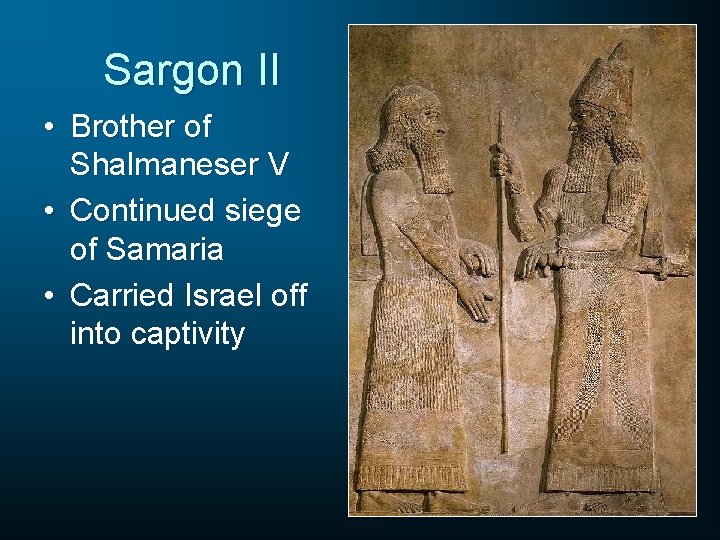
Sargon II • Brother of Shalmaneser V • Continued siege of Samaria • Carried Israel off into captivity
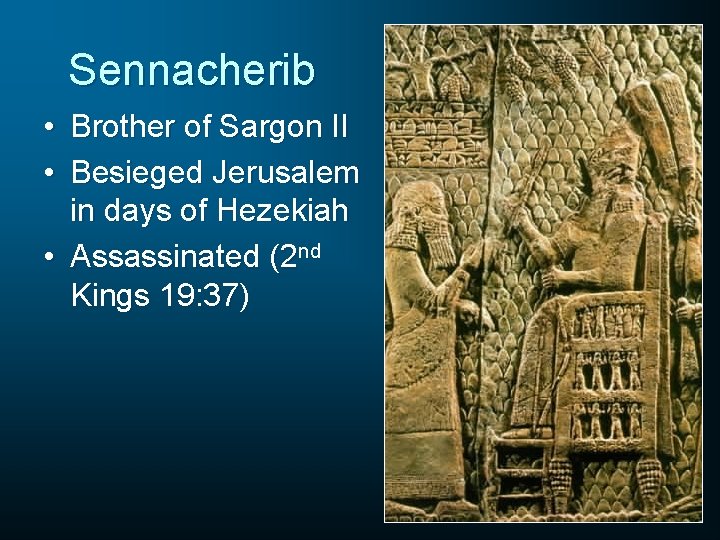
Sennacherib • Brother of Sargon II • Besieged Jerusalem in days of Hezekiah • Assassinated (2 nd Kings 19: 37)
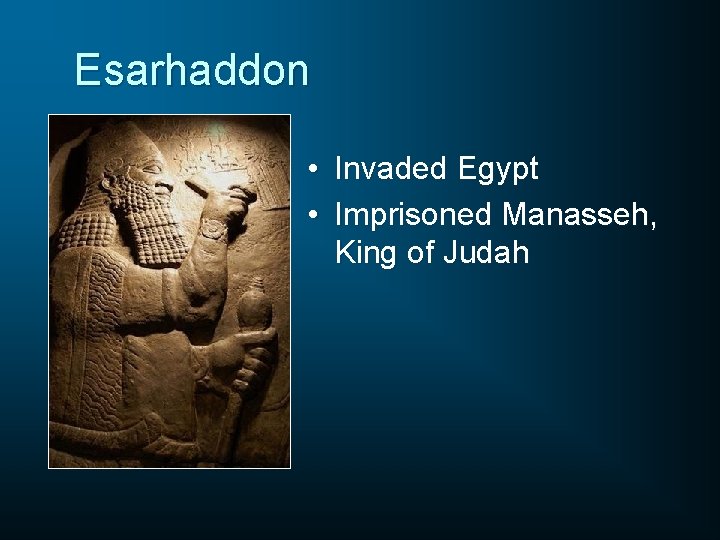
Esarhaddon • Invaded Egypt • Imprisoned Manasseh, King of Judah
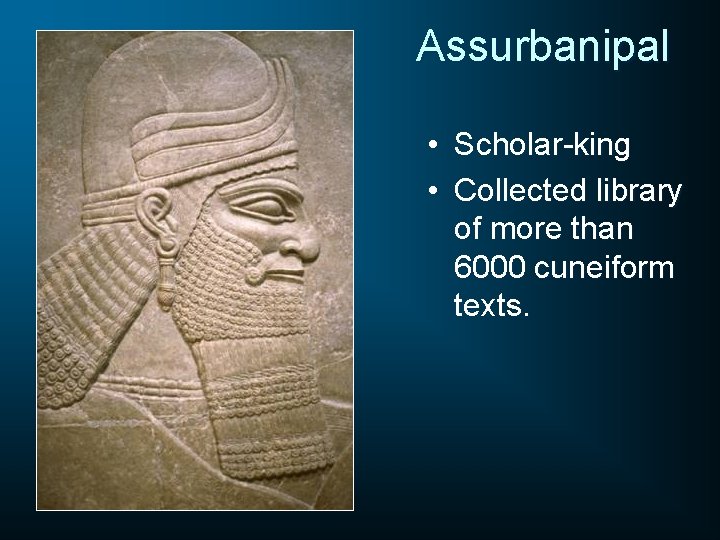
Assurbanipal • Scholar-king • Collected library of more than 6000 cuneiform texts.
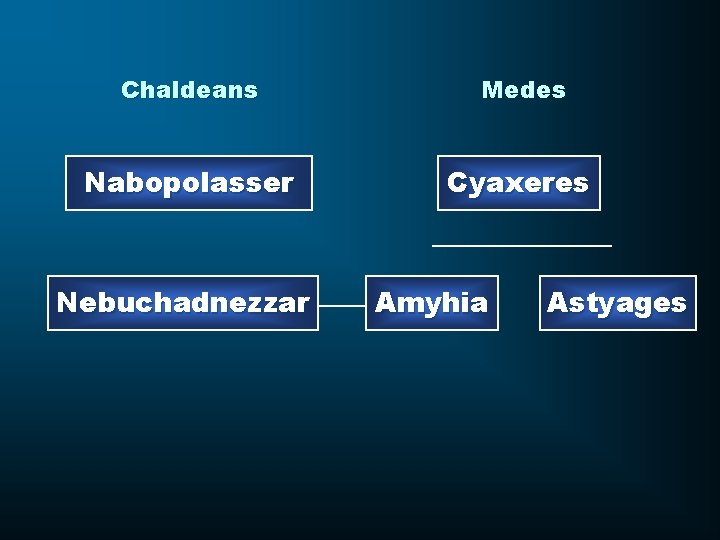
Chaldeans Medes Nabopolasser Cyaxeres Nebuchadnezzar Amyhia Astyages
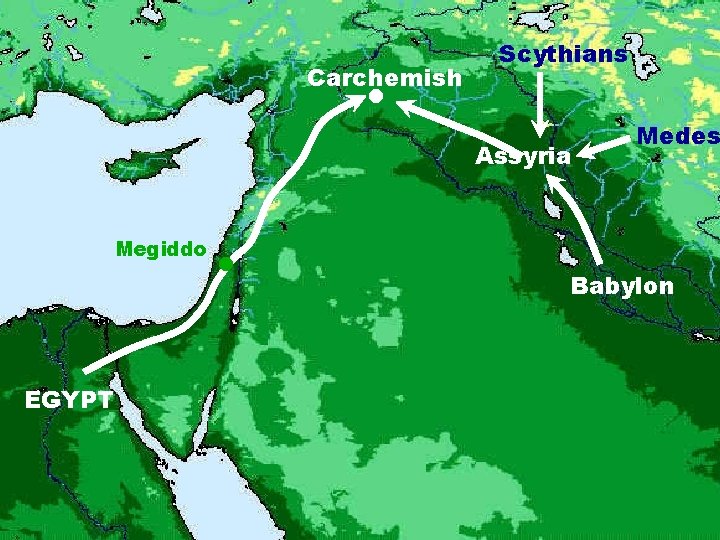
Carchemish Scythians Assyria Megiddo EGYPT Medes Babylon

- Slides: 78