
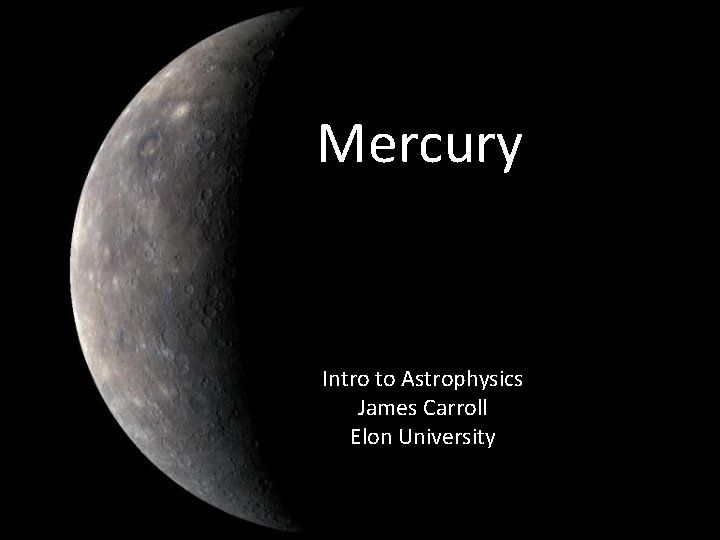
Mercury Intro to Astrophysics James Carroll Elon University

- Slides: 32
Mercury Intro to Astrophysics James Carroll Elon University
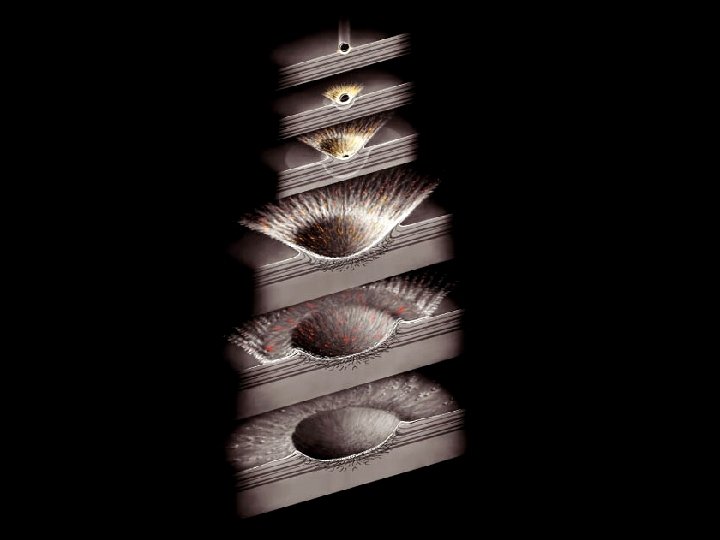
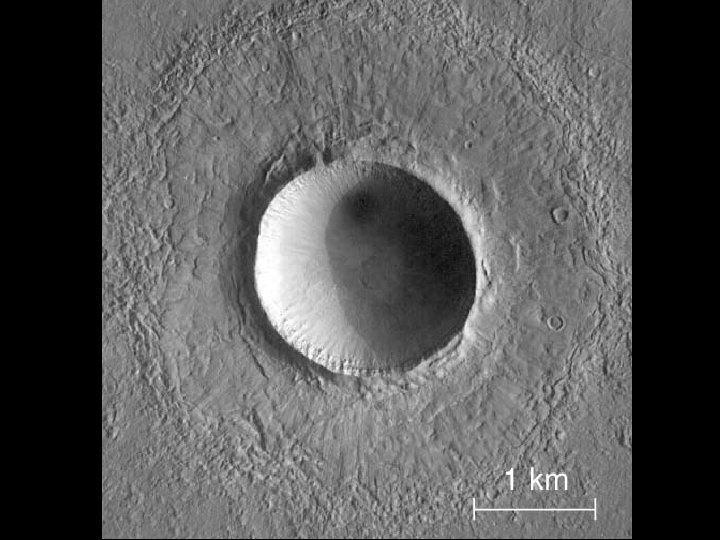
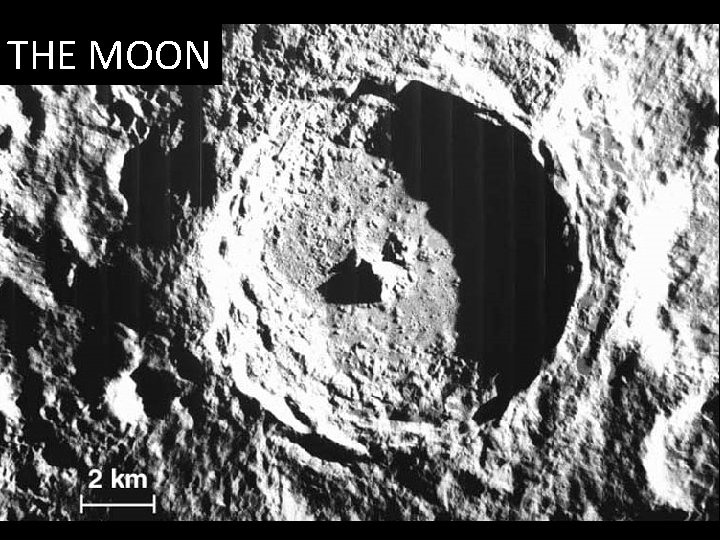
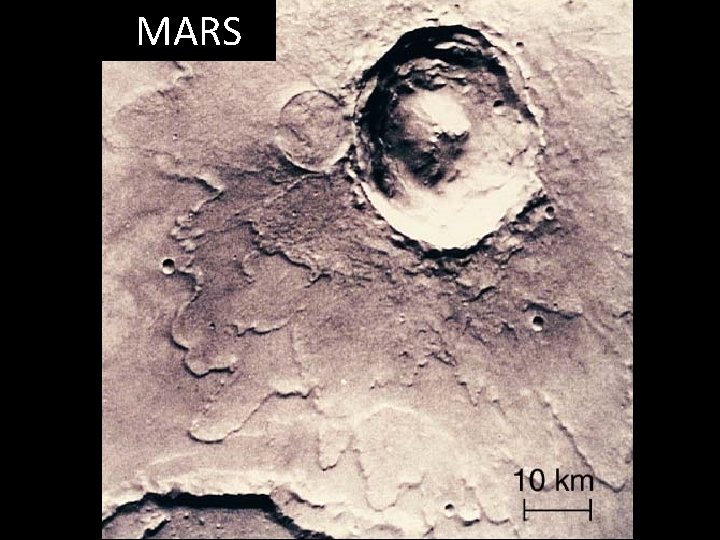
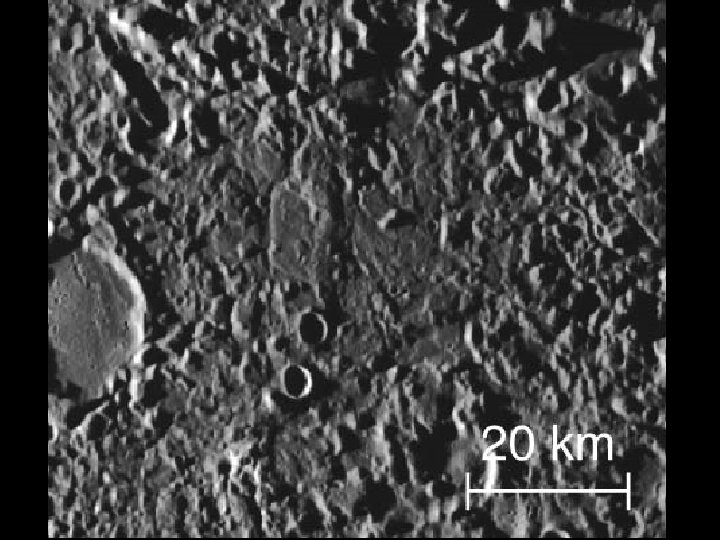
Craters • Craters are formed when planetesimals (comets or asteroids) collide with planets. • Planetesimals typically have a speed of 40, 000 to 250, 000 km/hr. • When planetesimals collide with a planet, they vaporize solid rock creating a crater.
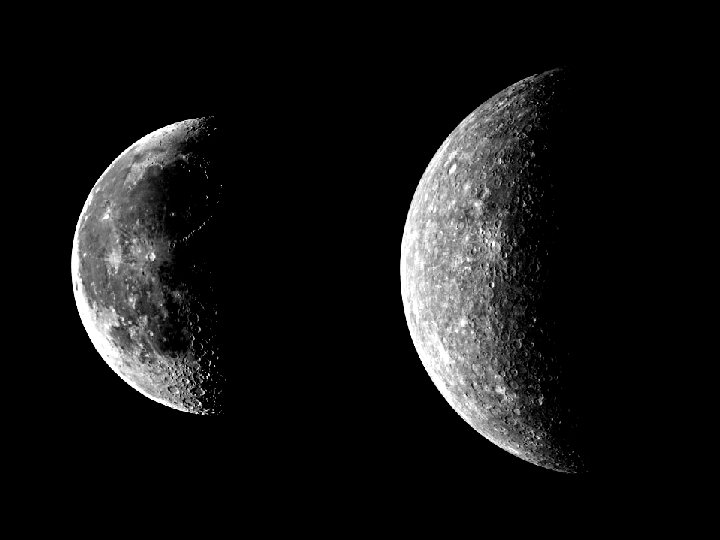
THE MOON
MARS
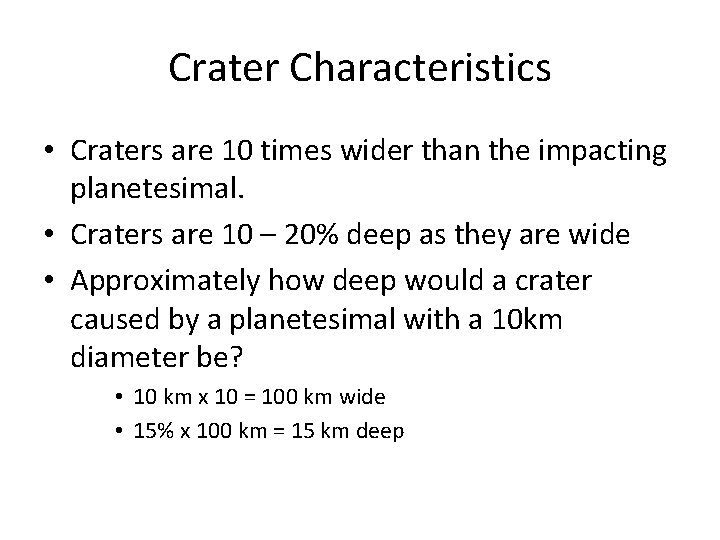
Crater Characteristics • Craters are 10 times wider than the impacting planetesimal. • Craters are 10 – 20% deep as they are wide • Approximately how deep would a crater caused by a planetesimal with a 10 km diameter be? • 10 km x 10 = 100 km wide • 15% x 100 km = 15 km deep
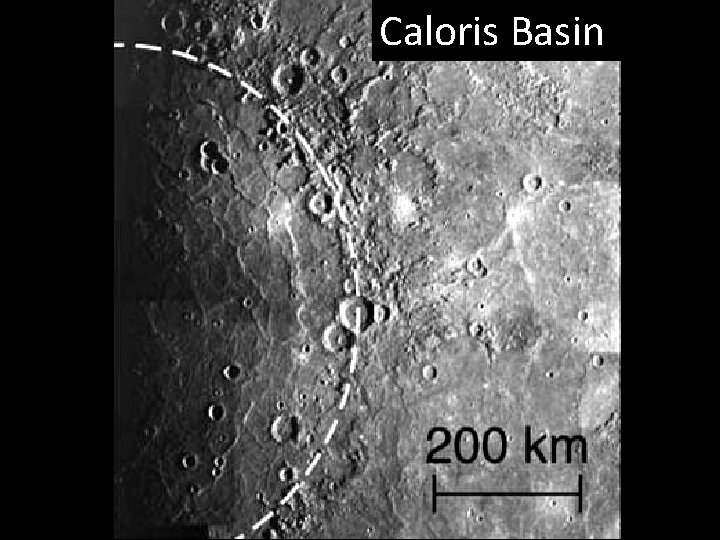
Caloris Basin
Questions • Why does Mercury have craters while the Earth does not? • How can we use the presence of craters to tell more about Mercury?
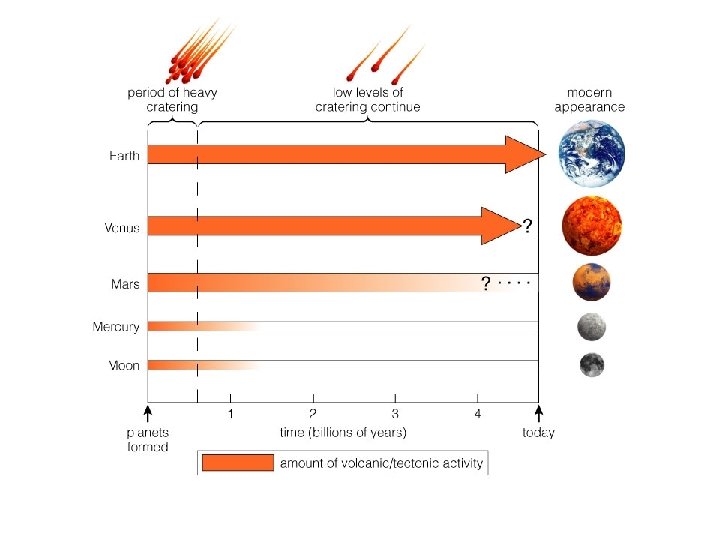
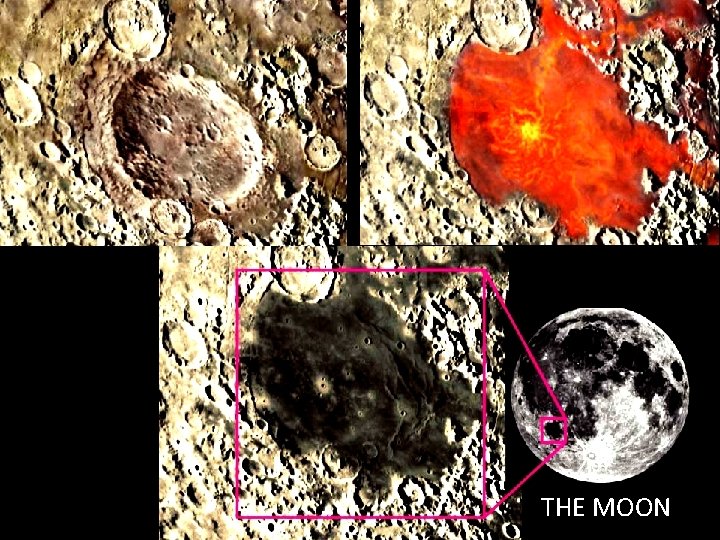
Geological Activity • Looking at smaller planets we see: • Interior cools rapidly • Tectonic and volcanic activity ceases after a billion years • Molten flows onto surface and covers up craters. • With less geological activity the craters remain.
THE MOON
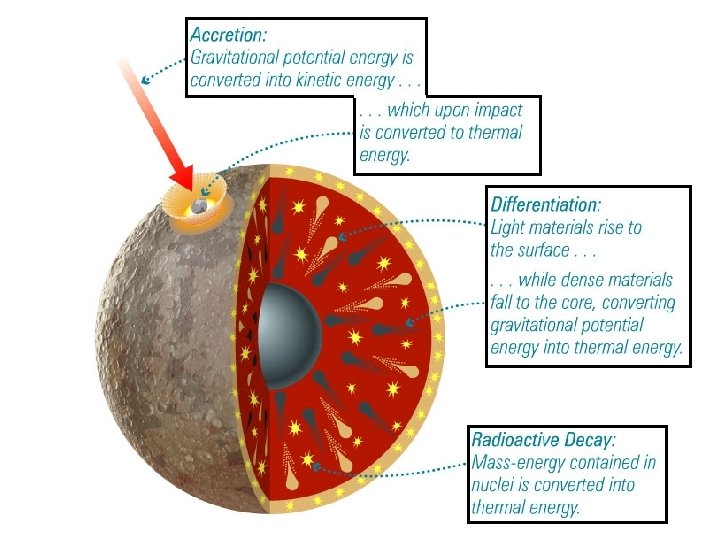
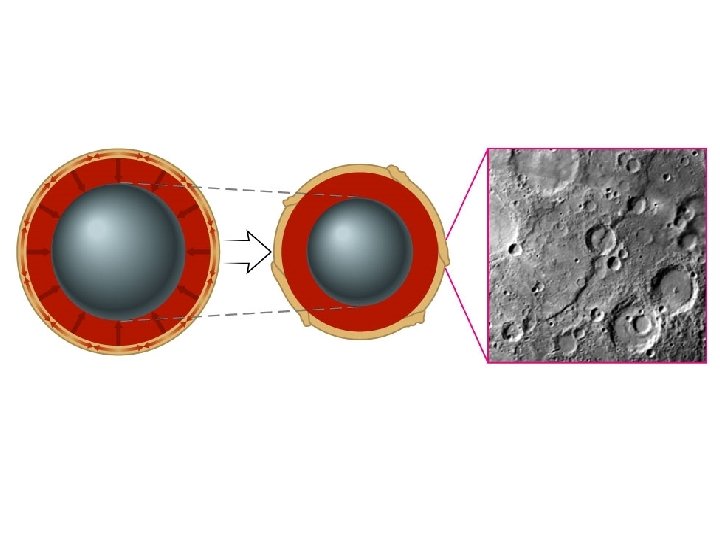
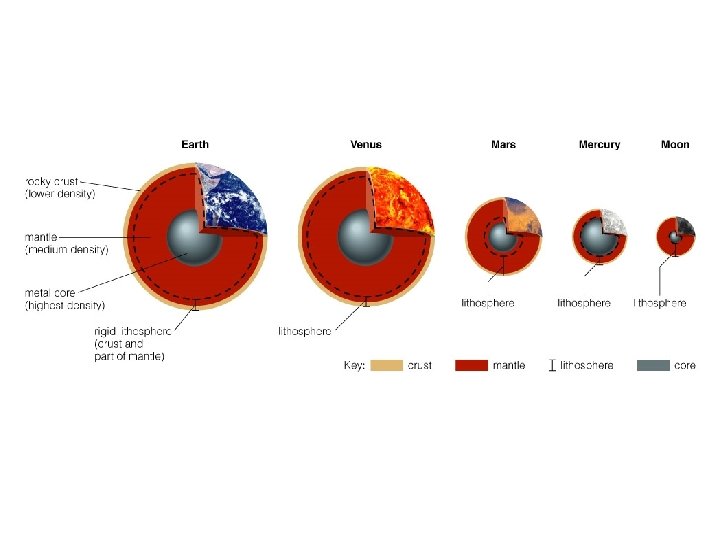
Cliffs or Lobate Scarps • Heat due to accretion and differentiation swelled the size of the core. • As Mercury cooled, the core contracted an estimated 20 km. • The shrinking core pulled the lithosphere with it.
Cliffs or Lobate Scarps • Heat due to accretion and differentiation swelled the size of the core. • As Mercury cooled, the core contracted an estimated 20 km. • The shrinking core pulled the lithosphere with it.
Early Theories • The perihelion precession of Mercury could not be defined by Newtonian Laws. • Le Verrier (French Mathematician) • He suggested the planet Vulcan caused this increased precession in Mercury’s orbit. • Le Verrier gained many followers due to his work discovering Neptune.
Early Theories • Einstein’s theory of relativity provided accurate calculations for Mercury’s precession. • He proved Mercury’s orbit aligned with the curvature of space-time.
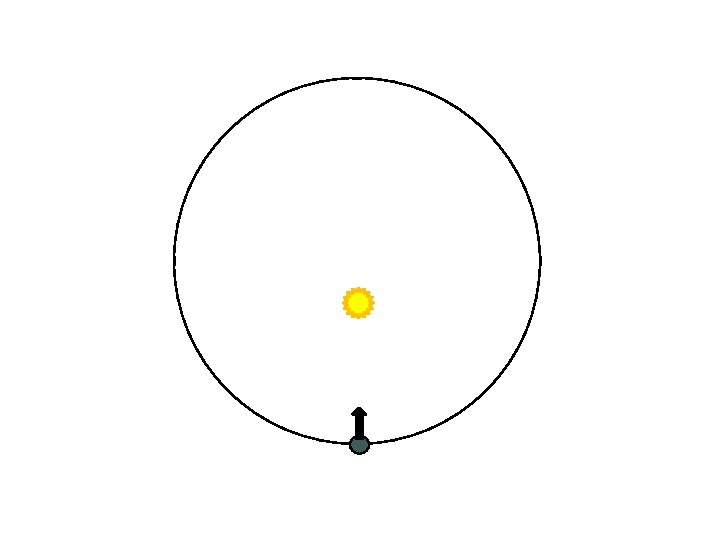
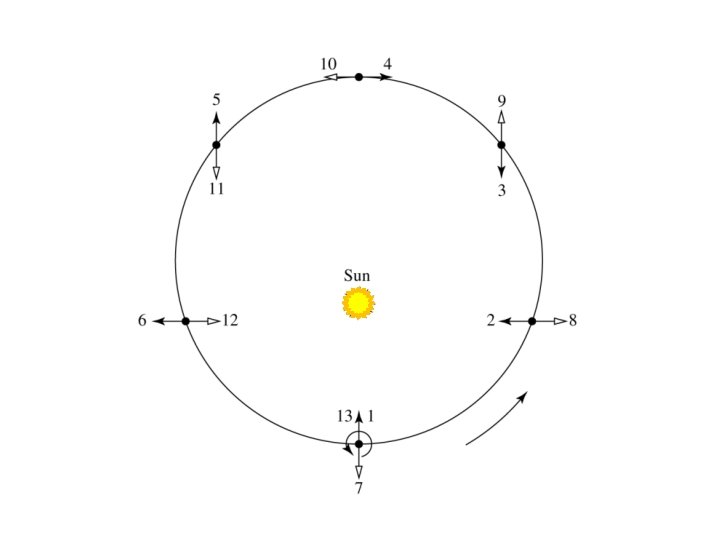
Early Theories • Giovanni Schiaparelli concluded Mercury was tidally coupled to the Sun. • In 1962, radio astronomers discovered 3 -to-2 coupling.
Current Theories • Mercury’s magnetic field is 100 times less than Earth’s magnetic field. • Remains confusion around Mercury’s magnetic field.
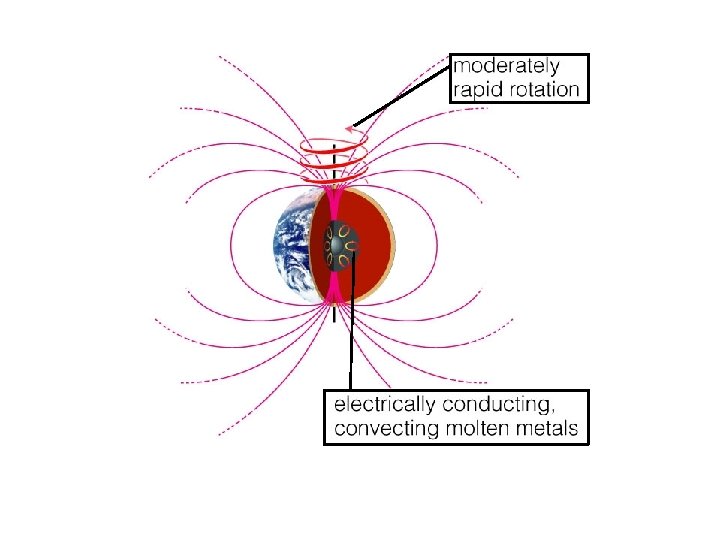
Magnetic Field • 3 Basic Requirements for Magnetic Field: 1. Electrically conducting fluid such as molten metal within the planet. 2. Occurrence of convection in that layer of fluid. 3. Moderately rapid rotation
Magnetic Field Recap • The slow rotation would contradict existence of magnetic field. • Mercury’s small size means core should have cooled. Therefore, there is no convecting molten to generate a field.
Current Theories • Magnetic field is due to Mercury’s abnormally large metal core. • “Frozen-in” – From a time when the planet was warmer and rotated faster.
Atmosphere • Existing atmosphere from solar winds trapped by magnetic field. • Very little atmosphere on Mercury • Weak Magnetic Field • Hot temperatures due to proximity to Sun • With low escape velocity and high temperatures gases easily escape atmosphere
Temperatures • Fluxuate from 825 K on solar side to 176 -60 K in shadows. • No gases to transport heat across the planet • Water ice at the poles because almost no sunlight reaches them.