
mental health and stress management in the new


- Slides: 28
mental health and stress management in the new normal Richelle Fem A. Juan, RPm Guidance Advocate
objectives: ü to raise awareness on mental health issues among the Filipinos in the new normal; ü to understand the psychological dynamics of stress and its early signs; and ü to present different coping strategies to manage stress.
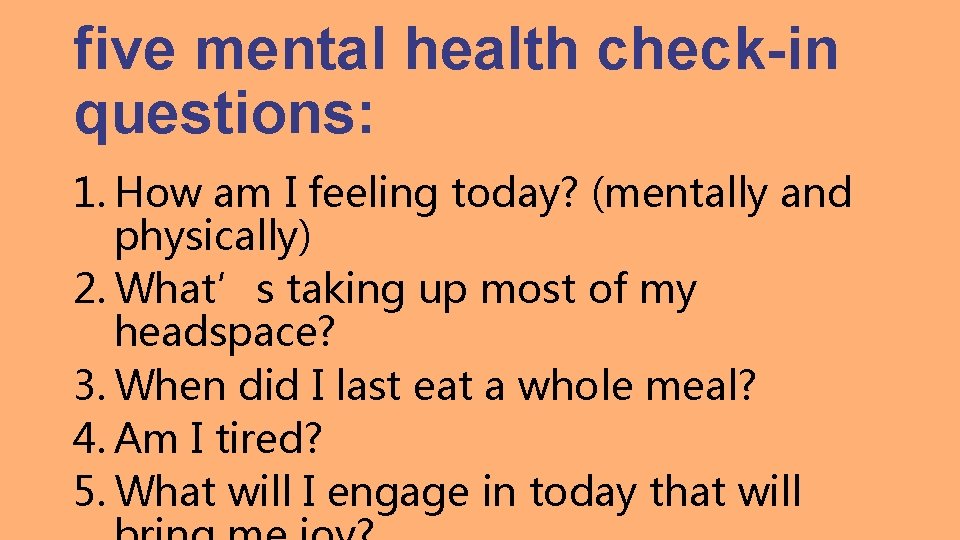
five mental health check-in questions: 1. How am I feeling today? (mentally and physically) 2. What’s taking up most of my headspace? 3. When did I last eat a whole meal? 4. Am I tired? 5. What will I engage in today that will
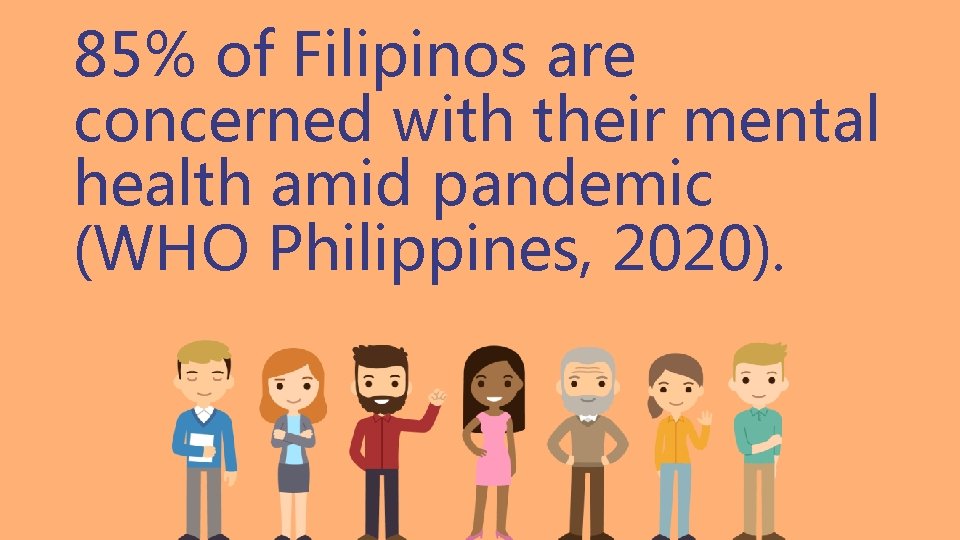
85% of Filipinos are concerned with their mental health amid pandemic (WHO Philippines, 2020).
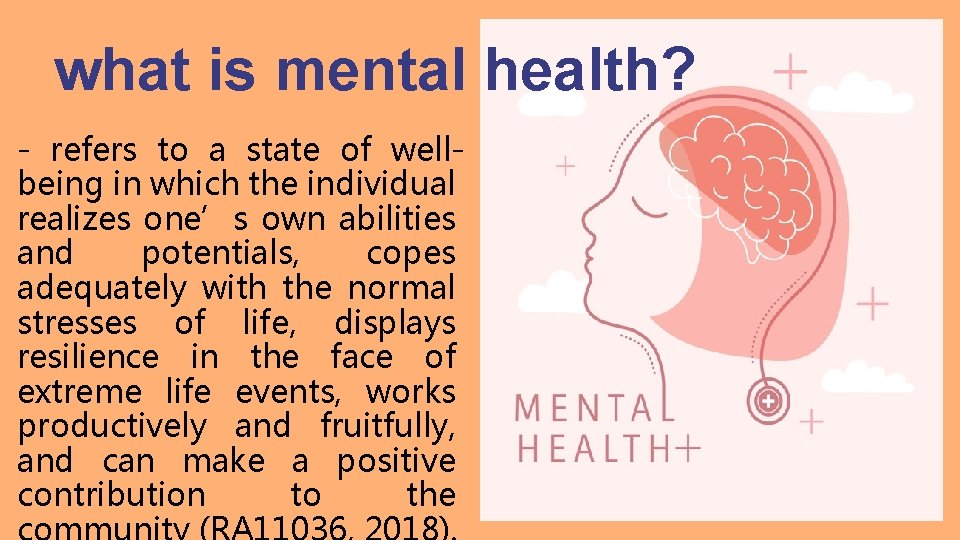
what is mental health? - refers to a state of wellbeing in which the individual realizes one’s own abilities and potentials, copes adequately with the normal stresses of life, displays resilience in the face of extreme life events, works productively and fruitfully, and can make a positive contribution to the
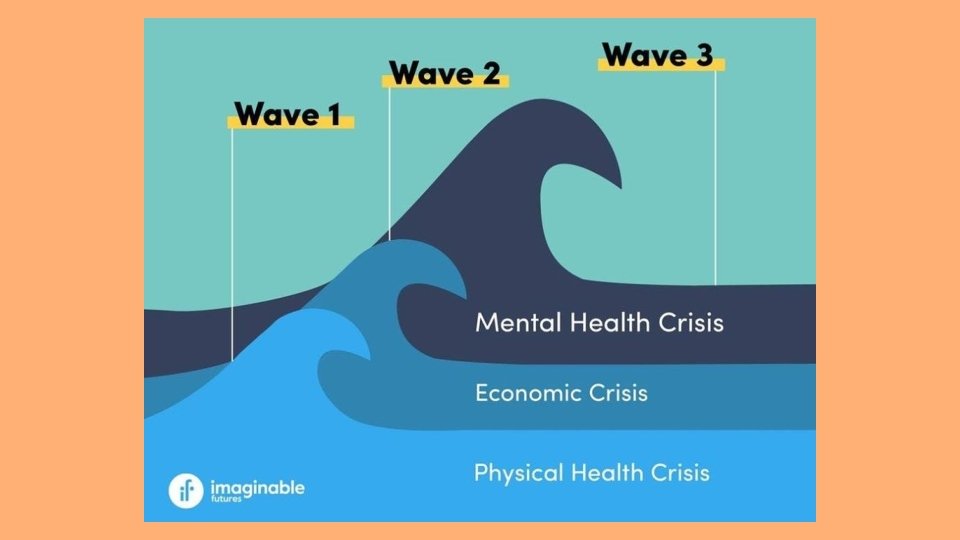
the new normal there’s now heightened level of insecurity from the secondary effects of the pandemic: • will you still have a job? And if so, for how long? • can your children go back to school? If so, could you still afford it if the economy tanks? • how many of your family and friends won’t be there next time, God willing, you finally get together? • regular routines have been also disrupted.
the National Center for Mental Health has observed a spike in the number of Filipinos suffering from mental health conditions since the lockdown. from 60 -80 calls monthly before the COVID-19 lockdowns, the NCMH now receives 300 to 400 calls per month, mostly from people who suffer from anxiety and depression.
the Philippine Mental Health Association also said that they receive an average of 20 to 25 calls per day. out of 20 to 25 calls, 40% are those who suffer from anxiety disorder while 30% are from callers with
the group also said that 60% of their callers are aged 20 -30 years, are mostly from the BPO industry and reside in metro manila and nearby provinces.
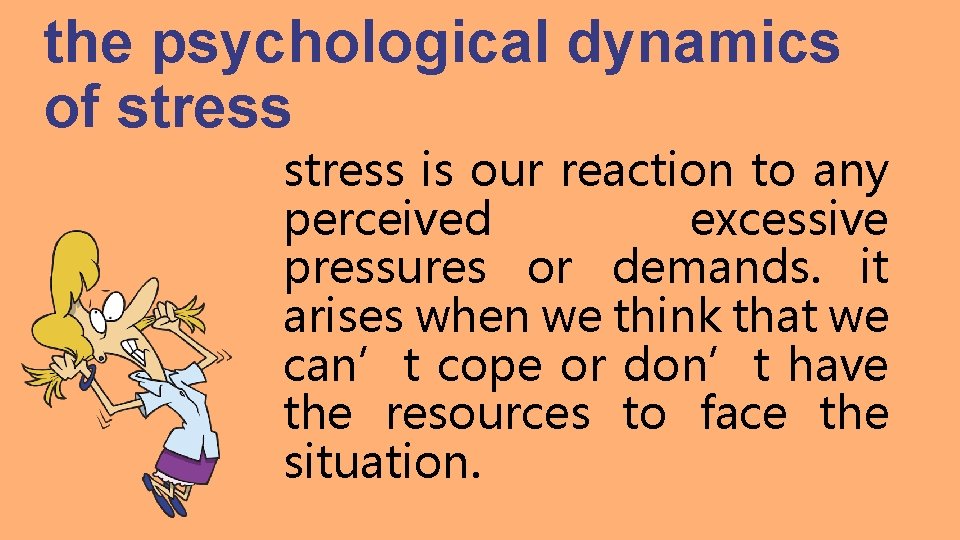
the psychological dynamics of stress is our reaction to any perceived excessive pressures or demands. it arises when we think that we can’t cope or don’t have the resources to face the situation.
when our brain perceives a threat, our body releases a burst of hormones to fuel our fight/flight/freeze response and when the threat is gone, our body returns to normal.
it is common for individuals to feel stress, worried, and having these uncertainties in an emergency. we stress out because we perceive a situation difficult, dangerous, or painful and we believe that we don’t have the resources to cope.
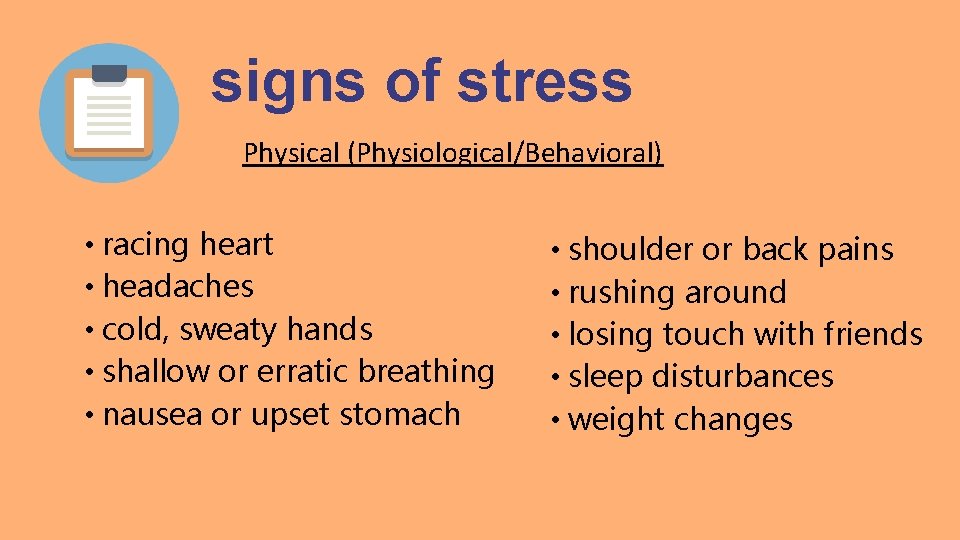
signs of stress Physical (Physiological/Behavioral) • racing heart • headaches • cold, sweaty hands • shallow or erratic breathing • nausea or upset stomach • shoulder or back pains • rushing around • losing touch with friends • sleep disturbances • weight changes
cognitive (thoughts) • forgetting things • finding it hard to concentrate • worrying about things • difficulty processing information • negative self-statements
emotional (feelings) • increased irritability or anger • anxiety or feelings of panic • fear • increase interpersonal conflicts • overwhelmed
stress management in the new normal
limit the news and be careful of what you read
have breaks from social media and mute things which are triggering
stay connected with people.
avoid burnout Acknowledge Pause Pull back Let go Explore
there’s no “one size, fits all” way to cope.
it’s okay if you’re not okay at this point. what you’re feeling is perfectly normal given the abnormal situation, but do not be afraid to REACH OUT and SEEK HELP.
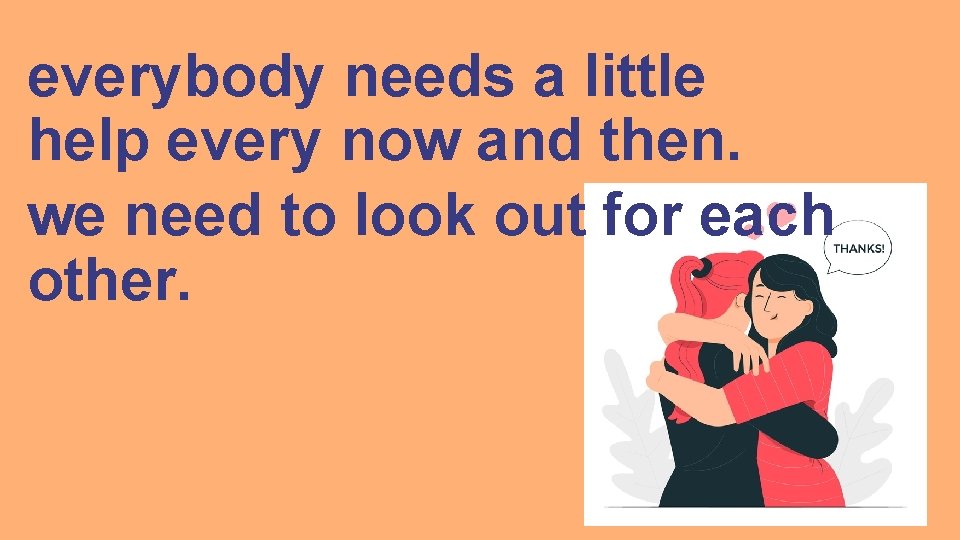
everybody needs a little help every now and then. we need to look out for each other.
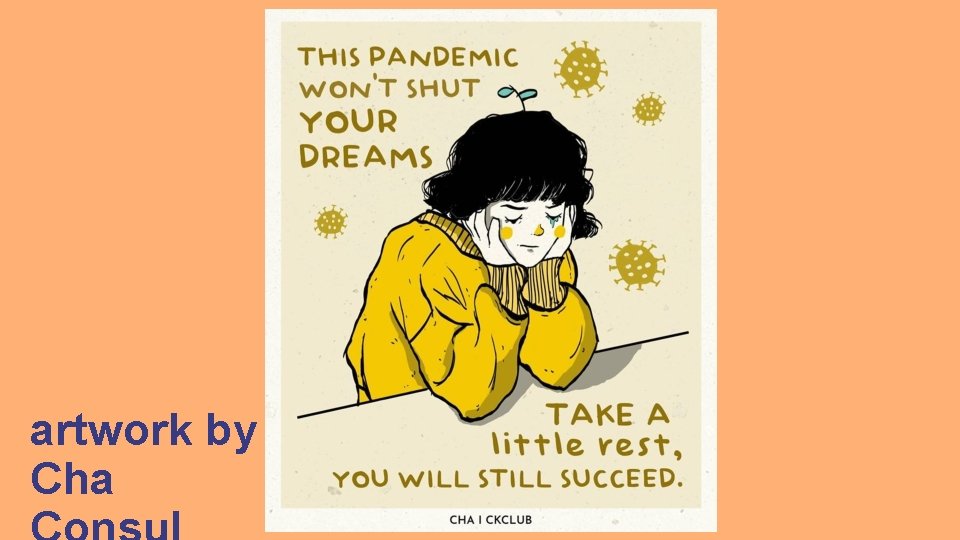
artwork by Cha