
MENTAL HEALTH AND PSYCHOSOCIAL WELLBEING PROGRAM Key Milestones
MENTAL HEALTH AND PSYCHOSOCIAL WELL-BEING PROGRAM Key Milestones 2015 Kampala Kolping Hotel, 14 th December 2015
Program Staff • • • Yusrah Nagujja Eve Achan Francis Oyat Mary Kampogo Hassan Sebugwawo Joshua Gato (Part-time)
Program Objectives To be an exemplary provider and to contribute to creating a local and global policy and practice environment that can effectively, comprehensively, and appropriately support the mental and psychosocial wellbeing of forced migrants I. To provide proper treatment and care for people affected by psychological and psychosocial issues II. To promote resilience and self reliance through building knowledge, skills , social and economic resources forced migrants III. To strengthen community and national structures that will support the protection and reduce vulnerability of refugees from falling into further harm through training and capacity building IV. To influence policy and practice through research and advocacy at national and global level so as to make priority the mental health and psychosocial wellbeing of forced migrants
Improved self reliance for refugees through livelihoods • Vulnerable women profiled and were trained • 75% of people who received IGAs in Kampala are still sustaining them • Earn between 10, 000 -15, 000 UGX a day • Every income they make, they are able to save at least 10%. • Many families have been transformed through this scheme
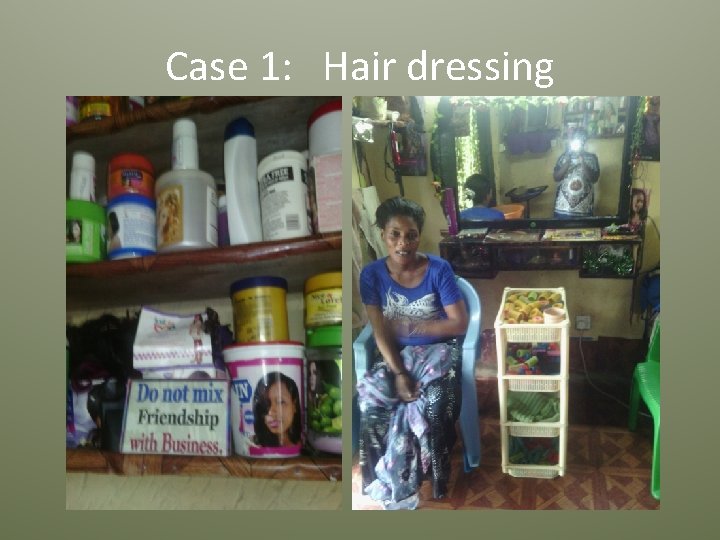
Case 1: Hair dressing
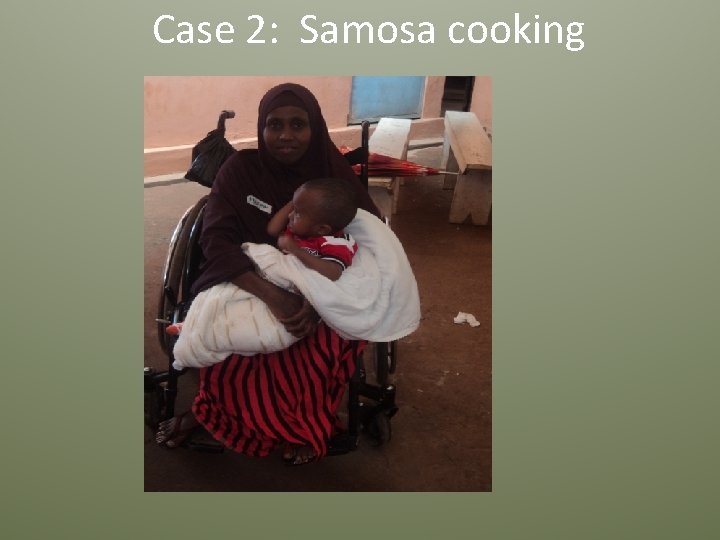
Case 2: Samosa cooking
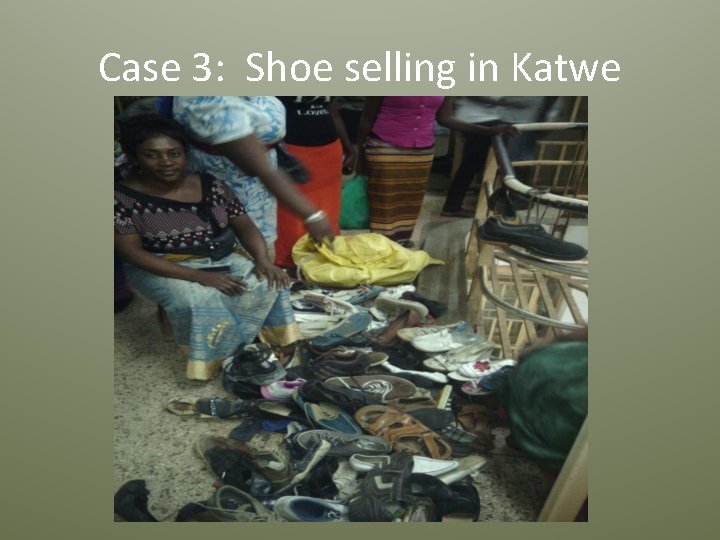
Case 3: Shoe selling in Katwe
Case 4: Sausage Raw Material • 1, 200, 000 UGX total sales per month • 400, 000 UGX total profits per month • 50, 000 UGX total Savings Per month
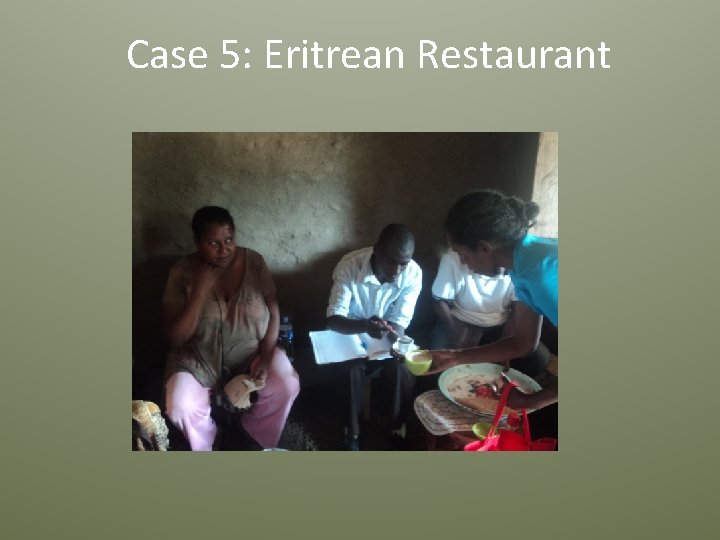
Case 5: Eritrean Restaurant
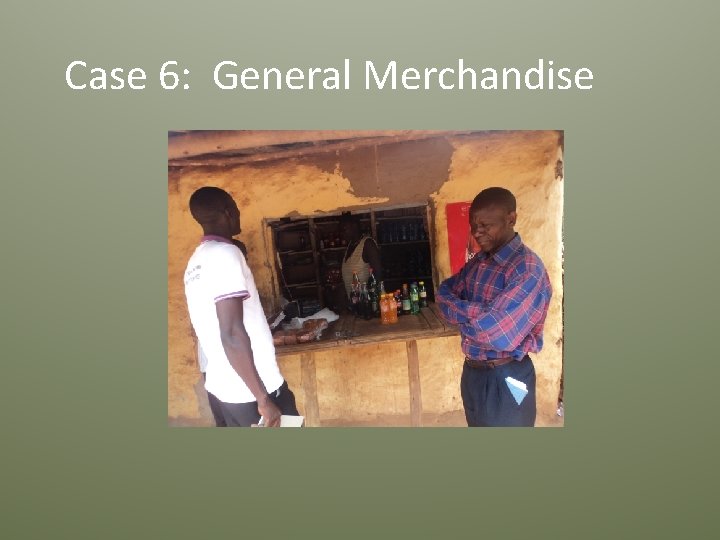
Case 6: General Merchandise
Lessons Learned from Livelihoods Support • Conscientisation • Allowing room for flexibility • First meet basic needs like food, shelter, medical concerns before giving IGA support • Need to link them to financial institutions for savings
Psychological and social benefits as a result of Group Therapy • Structured and systematic group therapy • Formed through individual sessions, community outreaches and support groups • Administer PHQ 9 (Take from moderate to severe depression) –max is 27 • Goal is to reduce depression and improve functionality -12 men in Nakivale, -11 women in Nakivale, -12 women in house-RLP -12 women in Masajja -14 women in Kisenyi
Case Study: 12 Women in Masajja • Majority (9 people) had severe (20) depression • By session 7: 3 were mild, 7 people had gone to moderate, 1 was moderately severe • Session 11: 10 were mild, 1 moderate and 1 moderately severe • Remaining with 5 sessions • Example 1: Insomnia since 2008 • Example 2: 27 year old woman with severe depression
Lessons Learned from Group Therapy • Group dynamics break the victim mentality • Refugees have shown commitment and interest in psychological recovery • Fosters on going support for one another e. g. ongoing social networks
Holistic improvement of clients due to consistent therapy • 2014 we counseled 288 individuals • 2015 counseled 597 individuals in 2000 sessions -10 individual sessions per counselor per week • Average of 4 sessions per client, 1 -1 &1/2 hours • 150 access medical care through referral: ACTV, Inter. Aid, KCCA, Mulago, and MTI • Proper ways of documenting and following up individual recovery • Example: Erectile Dysfunction
Building community structures to respond to mental and psychosocial issues • Peer counselors -the goal was to expand the psychosocial support network for refugees in communities -make use of fellow survivors to support peers -50 PCs: 25 identified through support groups, 7 through individual sessions, and the rest through community suggestions -recognizing and identifying symptoms of psychological distress, basic counseling skills, linking & referral, and self care
Peer Counselors Achievements Kampala, over 6 months -peer support to 72 refugees -referred 8 for further support -Successes: Defilement case, Burundian new arrivals Nakivale, over 8 months -peer support to 32 refugees -identified and referred 72 clients to RLP counselor -Referred 18 to MTI who got medical attention -Successes: Marital disagreement
Building community structures to respond to mental and psychosocial issues Refugee Support groups • AMREV –do sporting activity for physical and psychological fitness, mutual home visits • Umoja ni Nguvu Nakivale-combine labor for agricultural cultivation • Jenga Nakivale-providing labor to build one another houses • PWDs group- opened subgroups
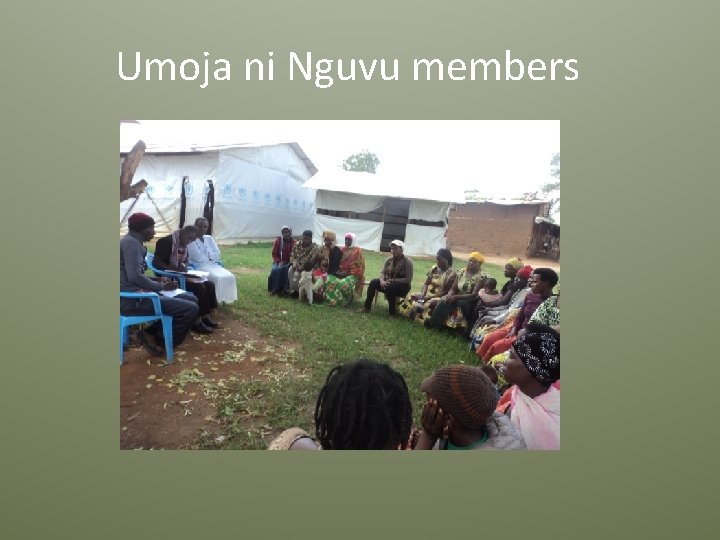
Umoja ni Nguvu members
Building community structures to respond to mental and psychosocial issues Child Friendly Spaces • We have had 12 child friendly spaces; involving 200 children • Play therapy • Identify children with specific needs; 2 children referred to Butabika, 20 for medical attention at MTI, 5 for education to Windle. Trust, 3 for consideration to be placed in foster homes • Discussions on; child marriages, SRHR, positive parenting • Introduction of ECDC in Nakivale • Child Protection working group in MGLSD
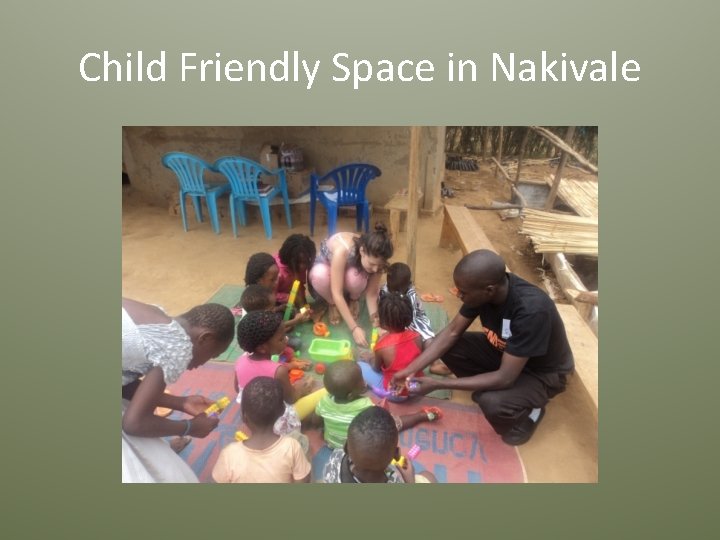
Child Friendly Space in Nakivale
Research and Advocacy • Published an article “Intersecting Sexual and Reproductive Health and Disability in Humanitarian Settings: Risks, Needs, and Capacities of Refugees with Disabilities in Uganda, Kenya, Nepal -Sexuality and Disability http: //link. springer. com/article/10. 1007/s 11195 -015 -9419 -3 • Contributed to the development of the Bio-Psychosocial Assessment Tool for Victims of Torture in partnership with key partners that work on torture issues • Documented and advocated on the “Psychosocial Challenges of Refugee Women and Girls in Nakivale”
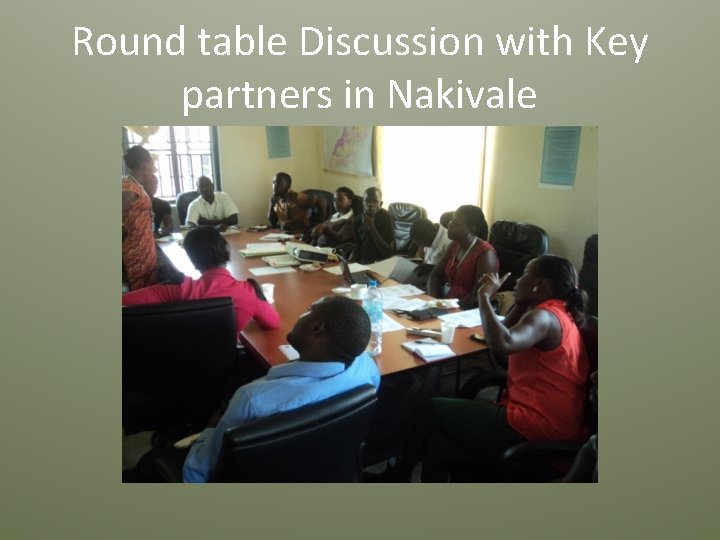
Round table Discussion with Key partners in Nakivale
Thank You for Listening
- Slides: 24