
Mendelian Randomization Using genes to tell us about

Mendelian Randomization (Using genes to tell us about the environment) David Evans University of Queensland University of Bristol
Some Criticisms of DOC Modelling in Twins • Measurement error • Power (both variables need to have radically different aetiologies) • Only useful for testing strong hypotheses about causation • We now have genotypes for use in Mendelian randomization studies
This Session • The problem with observational studies • What is Mendelian Randomization (MR)? • Examples of MR in research – Opportunities for SEM (mediation/network models) – Pharmacogenomics • Using R to perform MR
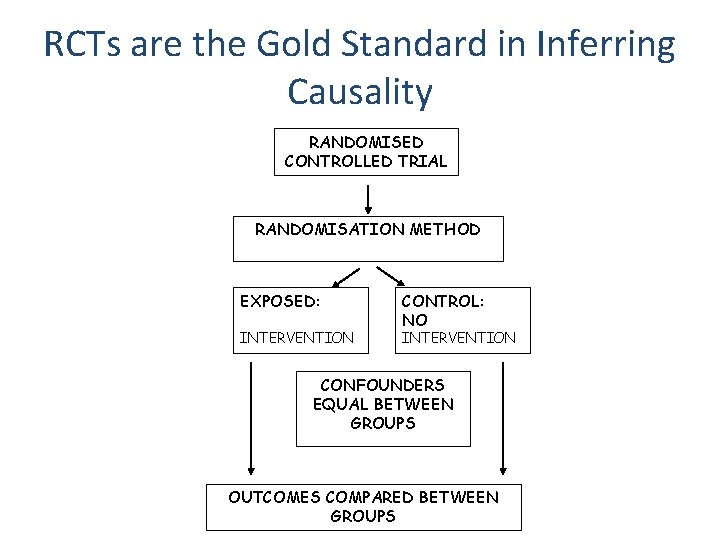
RCTs are the Gold Standard in Inferring Causality RANDOMISED CONTROLLED TRIAL RANDOMISATION METHOD EXPOSED: INTERVENTION CONTROL: NO INTERVENTION CONFOUNDERS EQUAL BETWEEN GROUPS OUTCOMES COMPARED BETWEEN GROUPS
Observational Studies • RCTs are expensive and not always ethical or practically feasible • Association between environmental exposures and disease can be assessed by observational epidemiological studies like case-control studies or cohort studies • The interpretation of these studies in terms of causality is problematic
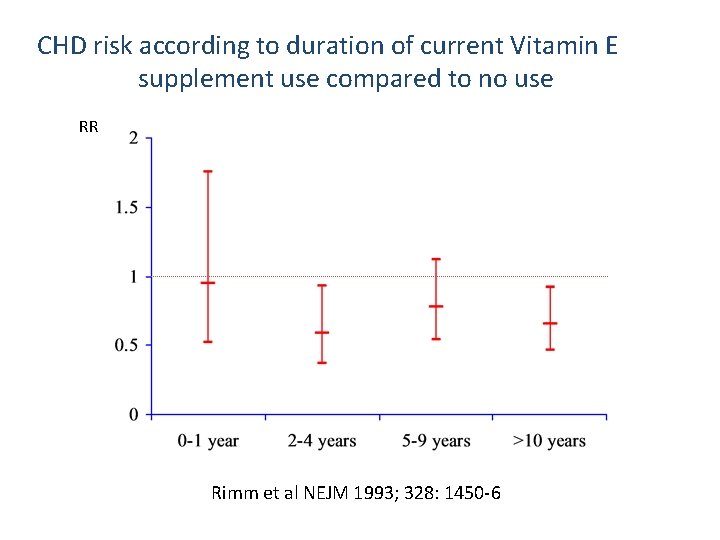
CHD risk according to duration of current Vitamin E supplement use compared to no use RR Rimm et al NEJM 1993; 328: 1450 -6

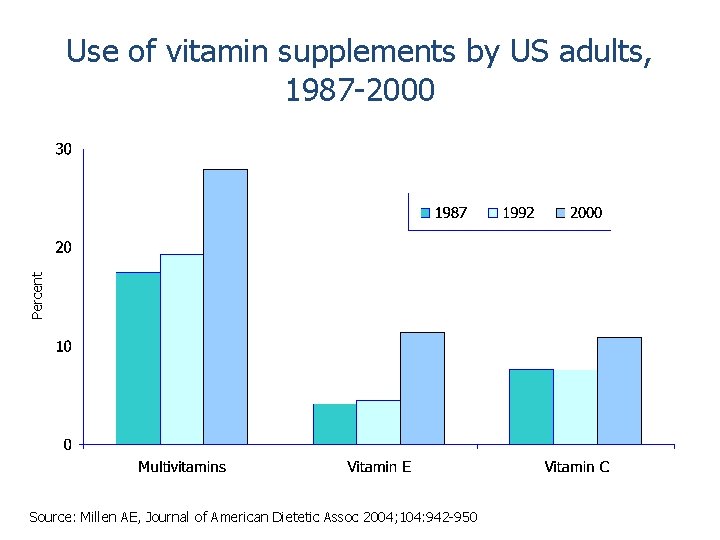
Percent Use of vitamin supplements by US adults, 1987 -2000 Source: Millen AE, Journal of American Dietetic Assoc 2004; 104: 942 -950
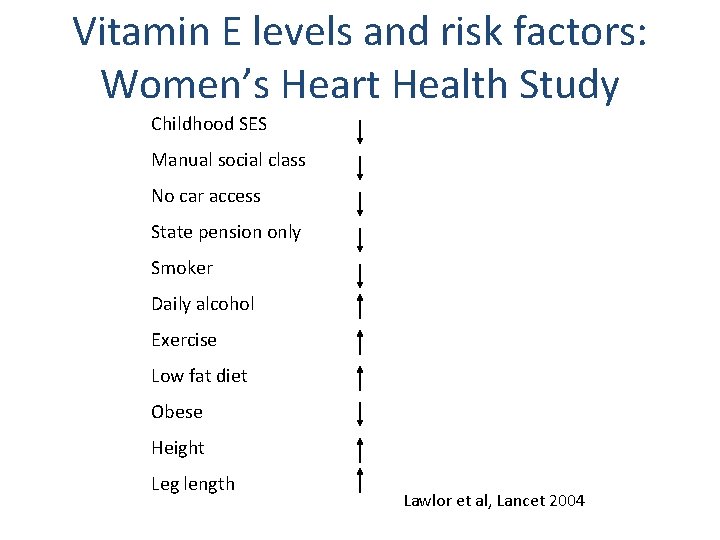
Vitamin E levels and risk factors: Women’s Heart Health Study Childhood SES Manual social class No car access State pension only Smoker Daily alcohol Exercise Low fat diet Obese Height Leg length Lawlor et al, Lancet 2004
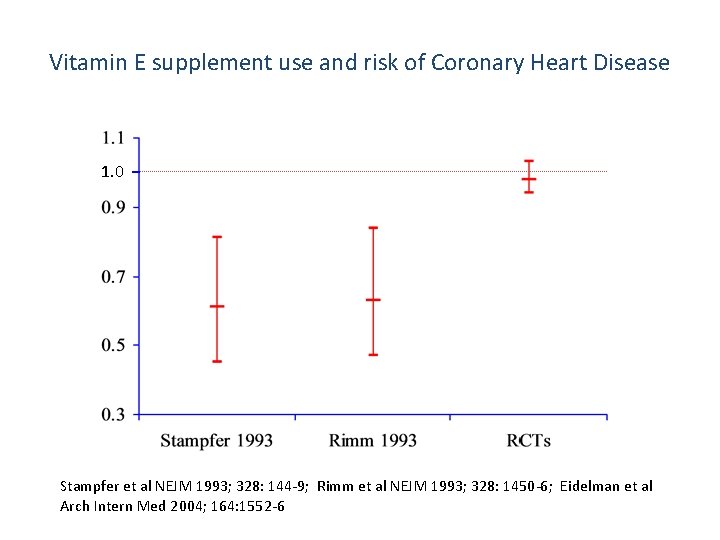
Vitamin E supplement use and risk of Coronary Heart Disease 1. 0 Stampfer et al NEJM 1993; 328: 144 -9; Rimm et al NEJM 1993; 328: 1450 -6; Eidelman et al Arch Intern Med 2004; 164: 1552 -6
“Well, so much for antioxidants. ”
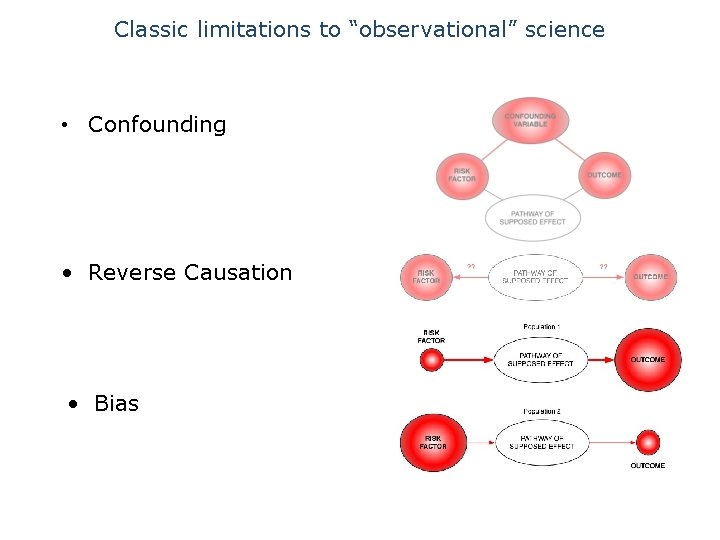
Classic limitations to “observational” science • Confounding • Reverse Causation • Bias
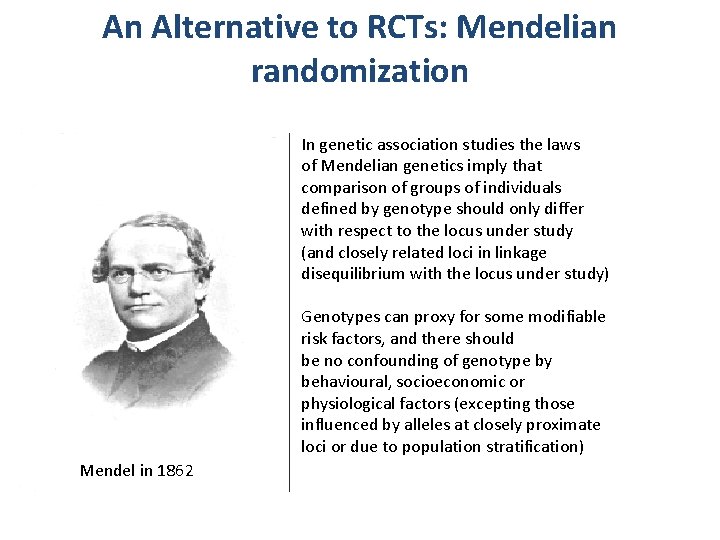
An Alternative to RCTs: Mendelian randomization In genetic association studies the laws of Mendelian genetics imply that comparison of groups of individuals defined by genotype should only differ with respect to the locus under study (and closely related loci in linkage disequilibrium with the locus under study) Genotypes can proxy for some modifiable risk factors, and there should be no confounding of genotype by behavioural, socioeconomic or physiological factors (excepting those influenced by alleles at closely proximate loci or due to population stratification) Mendel in 1862
Fisher and Confounding “Generally speaking the geneticist, even if he foolishly wanted to, could not introduce systematic errors into comparison of genotypes, because for most of the relevant time he has not yet recognized them” Fisher (1952)
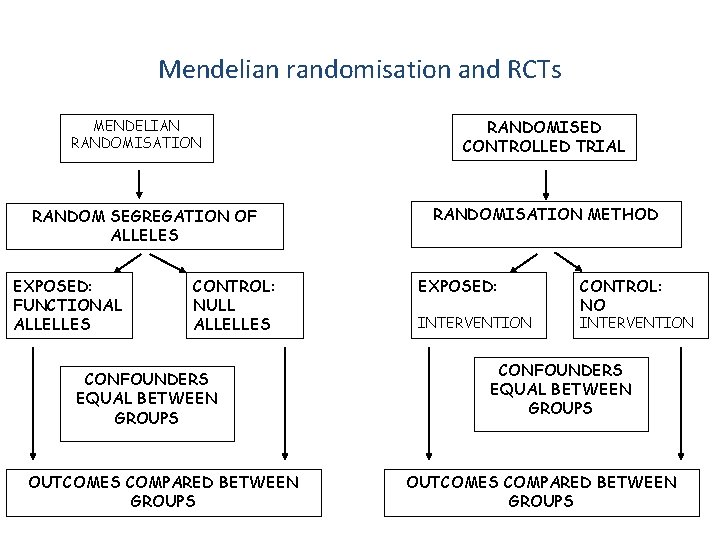
Mendelian randomisation and RCTs MENDELIAN RANDOMISATION RANDOM SEGREGATION OF ALLELES EXPOSED: FUNCTIONAL ALLELLES CONTROL: NULL ALLELLES CONFOUNDERS EQUAL BETWEEN GROUPS OUTCOMES COMPARED BETWEEN GROUPS RANDOMISED CONTROLLED TRIAL RANDOMISATION METHOD EXPOSED: INTERVENTION CONTROL: NO INTERVENTION CONFOUNDERS EQUAL BETWEEN GROUPS OUTCOMES COMPARED BETWEEN GROUPS
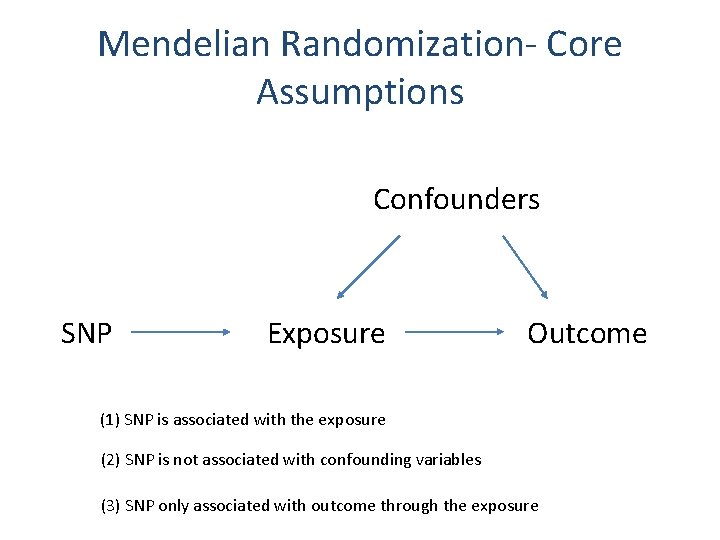
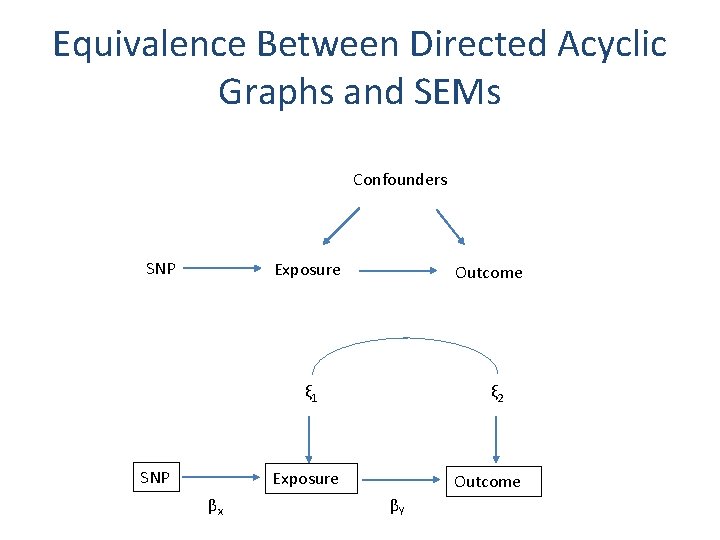
Mendelian Randomization- Core Assumptions Confounders SNP Exposure Outcome (1) SNP is associated with the exposure (2) SNP is not associated with confounding variables (3) SNP only associated with outcome through the exposure
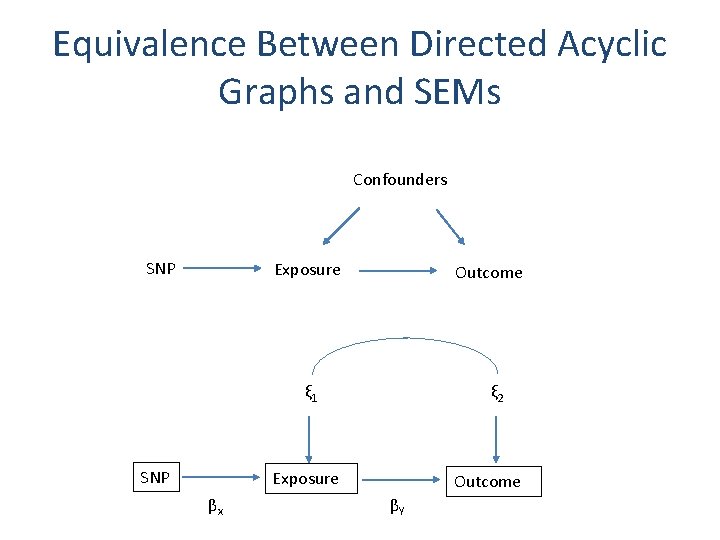
Equivalence Between Directed Acyclic Graphs and SEMs Confounders SNP Exposure Outcome ξ 1 SNP ξ 2 Exposure βx Outcome βY
Why Perform MR? • Assess causal relationship between two variables • Estimate magnitude of causal effect
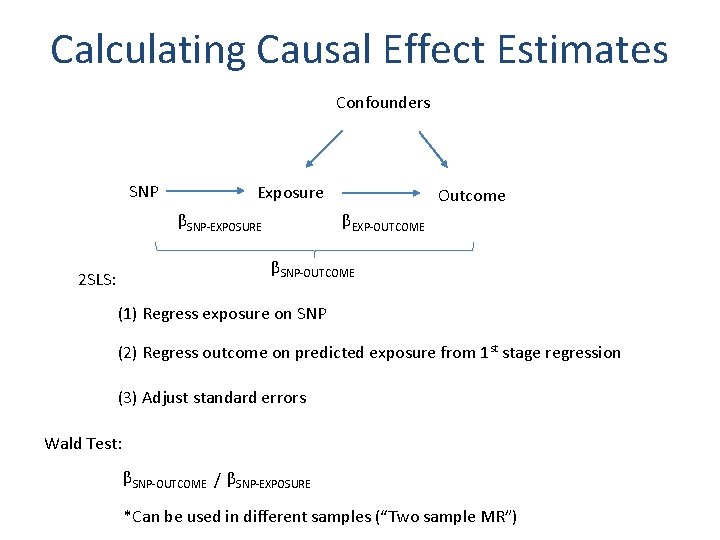
Calculating Causal Effect Estimates Confounders SNP Exposure βSNP-EXPOSURE Outcome βEXP-OUTCOME βSNP-OUTCOME 2 SLS: (1) Regress exposure on SNP (2) Regress outcome on predicted exposure from 1 st stage regression (3) Adjust standard errors Wald Test: βSNP-OUTCOME / βSNP-EXPOSURE *Can be used in different samples (“Two sample MR”)
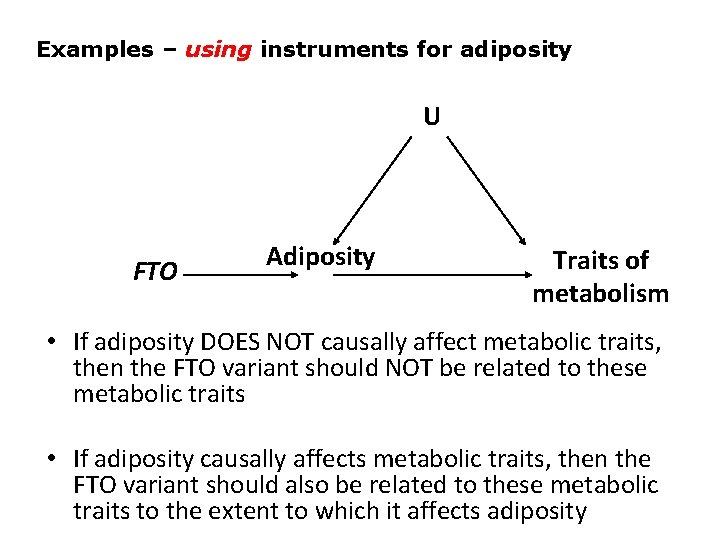
Examples – using instruments for adiposity U FTO Adiposity Traits of metabolism • If adiposity DOES NOT causally affect metabolic traits, then the FTO variant should NOT be related to these metabolic traits • If adiposity causally affects metabolic traits, then the FTO variant should also be related to these metabolic traits to the extent to which it affects adiposity
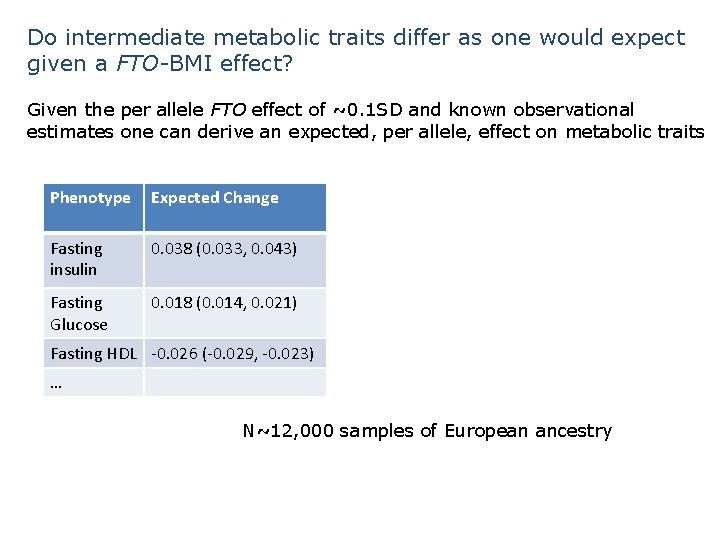
Do intermediate metabolic traits differ as one would expect given a FTO-BMI effect? Given the per allele FTO effect of ~0. 1 SD and known observational estimates one can derive an expected, per allele, effect on metabolic traits Phenotype Expected Change Observed Change (BMI adjusted) Fasting insulin 0. 038 (0. 033, 0. 043) 0. 039 (0. 013, 0. 064) -0. 005 (-0. 027, 0. 018) Fasting Glucose 0. 018 (0. 014, 0. 021) 0. 024 (0. 001, 0. 048) 0. 006 (-0. 017, 0. 029) -0. 032 (-0. 057, -0. 008) -0. 004 (-0. 027, 0. 019) Fasting HDL -0. 026 (-0. 029, -0. 023) … N~12, 000 samples of European ancestry

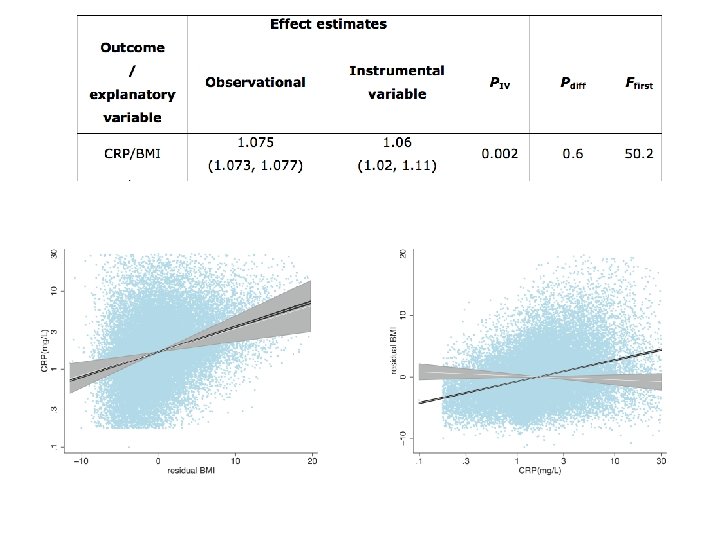
Bidirectional MR
CRP and BMI • C-Reactive Protein (CRP) is a biomarker of inflammation • It is associated with BMI, metabolic syndrome, CHD and a number of other diseases • It is unclear whether these observational relationships are causal or due to confounding or reverse causality • This question is important from the perspective of drug development
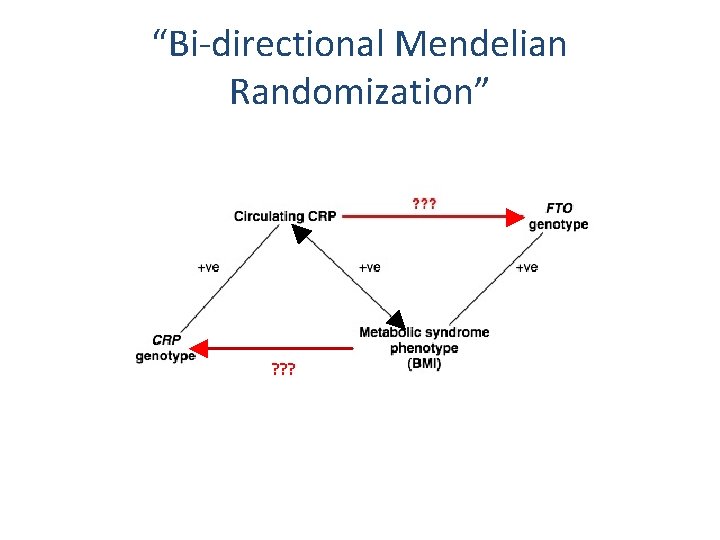
“Bi-directional Mendelian Randomization” ? ? ?

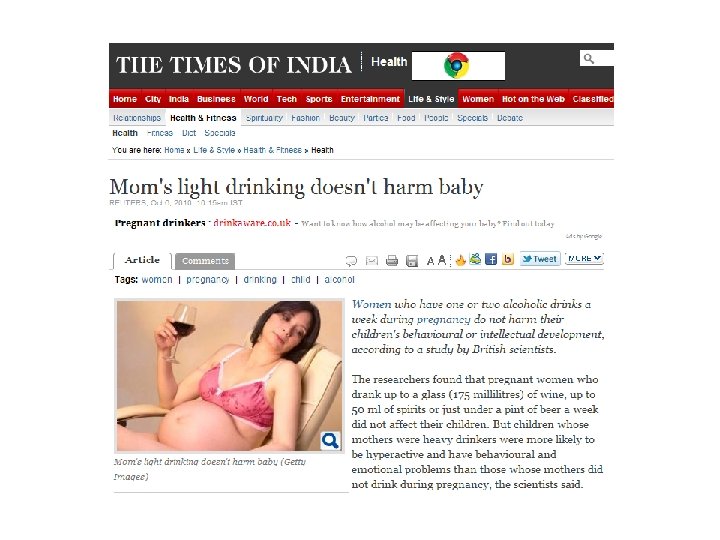
Using MR to Inform Mother-Offspring Associations
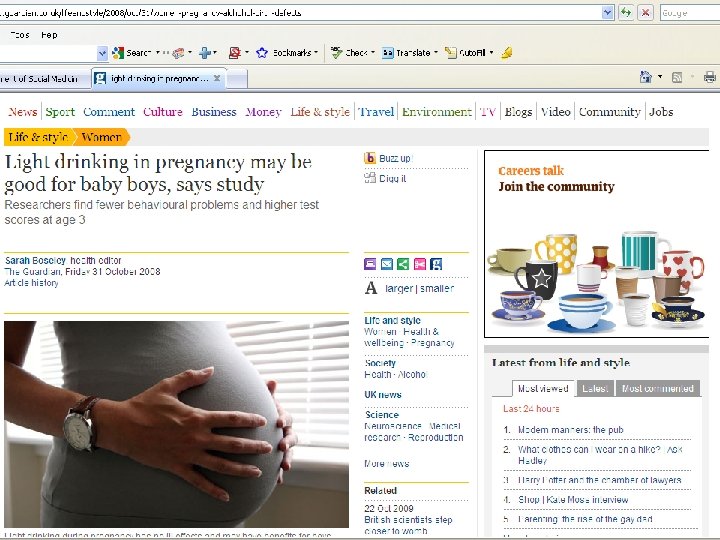
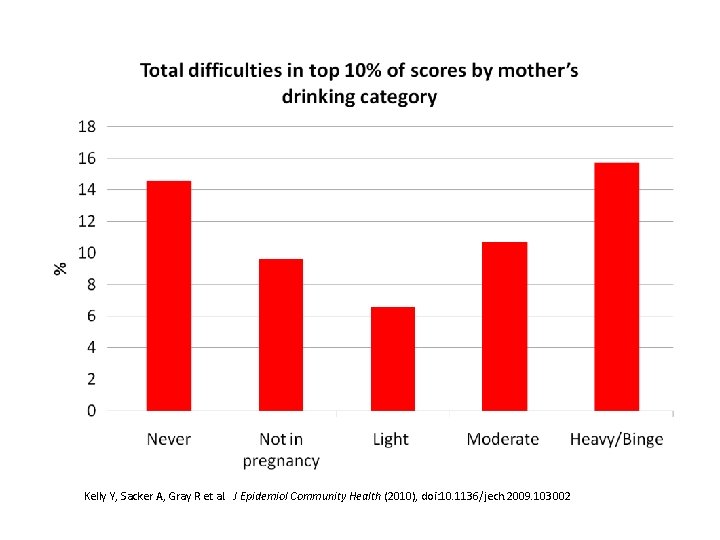
Kelly Y, Sacker A, Gray R et al. J Epidemiol Community Health (2010), doi: 10. 1136/jech. 2009. 103002
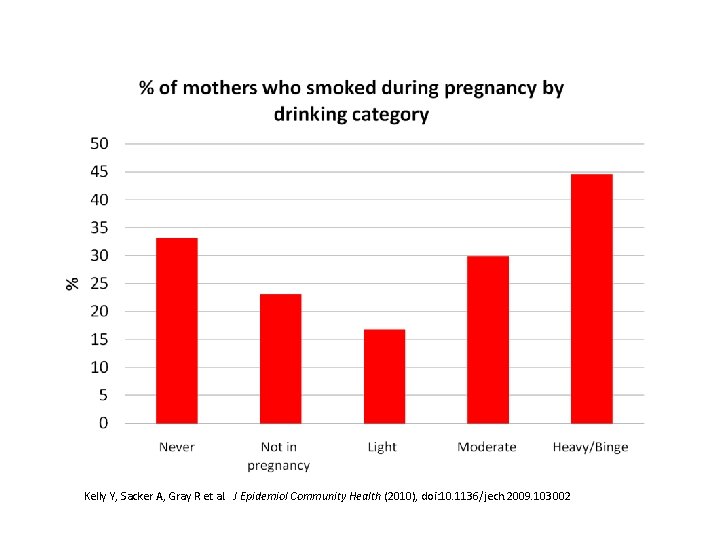
Kelly Y, Sacker A, Gray R et al. J Epidemiol Community Health (2010), doi: 10. 1136/jech. 2009. 103002
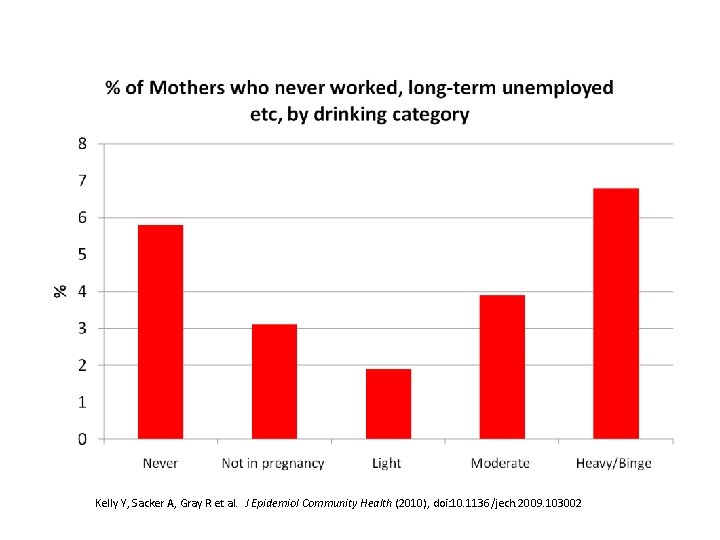
Kelly Y, Sacker A, Gray R et al. J Epidemiol Community Health (2010), doi: 10. 1136/jech. 2009. 103002
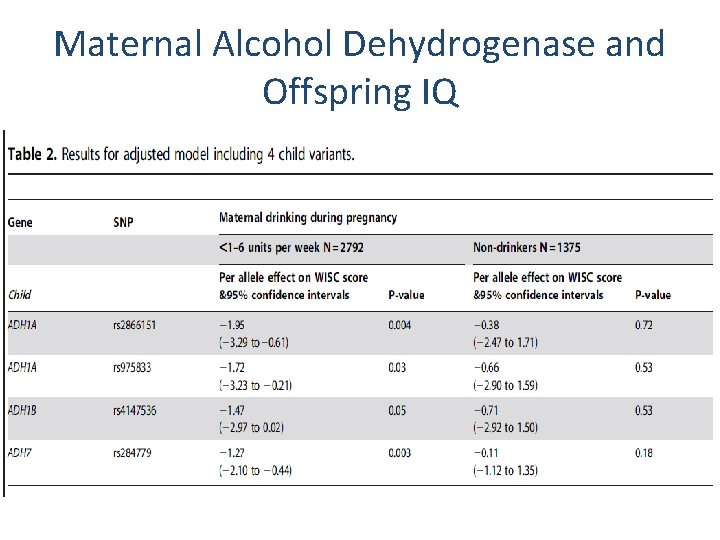
Maternal Alcohol Dehydrogenase and Offspring IQ
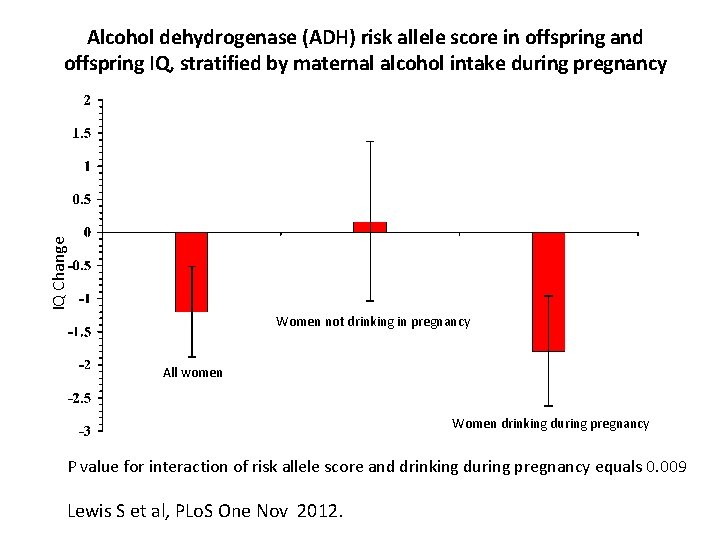
IQ Change Alcohol dehydrogenase (ADH) risk allele score in offspring and offspring IQ, stratified by maternal alcohol intake during pregnancy Women not drinking in pregnancy All women Women drinking during pregnancy P value for interaction of risk allele score and drinking during pregnancy equals 0. 009 Lewis S et al, PLo. S One Nov 2012.

Multiple Variants, Multivariable MR, Two-Step MR and Network Models
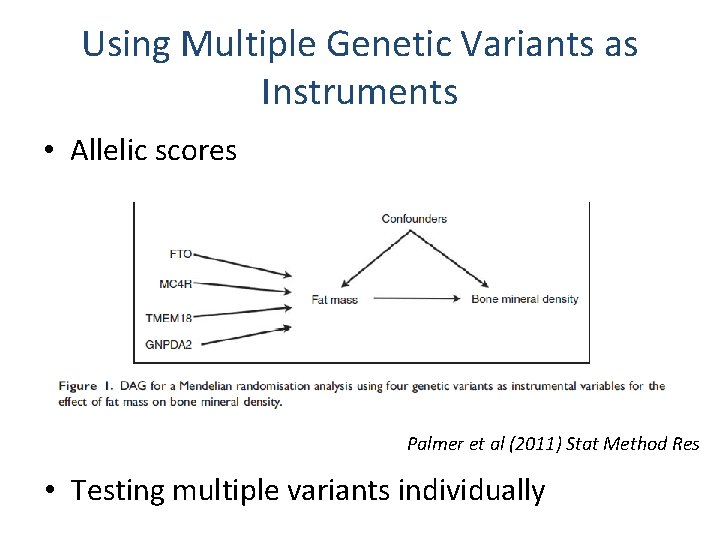
Using Multiple Genetic Variants as Instruments • Allelic scores Palmer et al (2011) Stat Method Res • Testing multiple variants individually
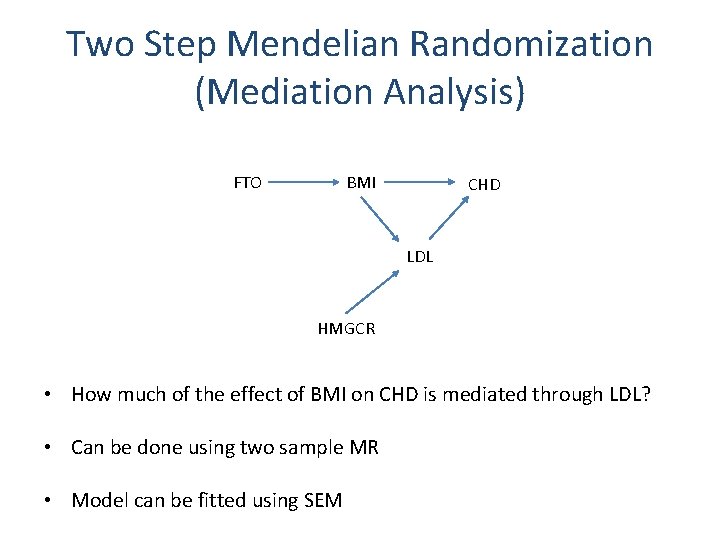
Two Step Mendelian Randomization (Mediation Analysis) FTO BMI CHD LDL HMGCR • How much of the effect of BMI on CHD is mediated through LDL? • Can be done using two sample MR • Model can be fitted using SEM
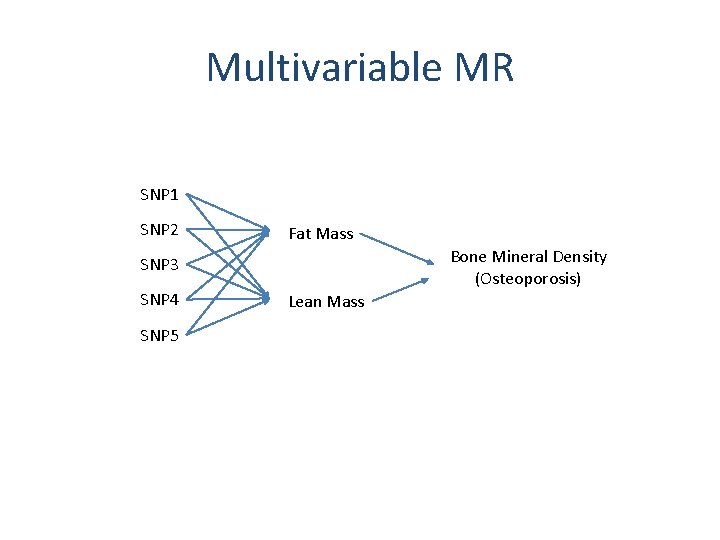
Multivariable MR SNP 1 SNP 2 Fat Mass Bone Mineral Density (Osteoporosis) SNP 3 SNP 4 SNP 5 Lean Mass
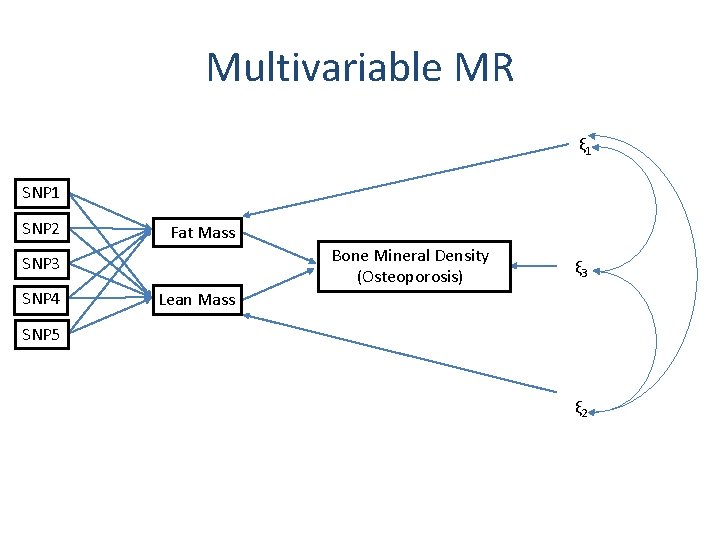
Multivariable MR ξ 1 SNP 2 Fat Mass Bone Mineral Density (Osteoporosis) SNP 3 SNP 4 ξ 3 Lean Mass SNP 5 ξ 2
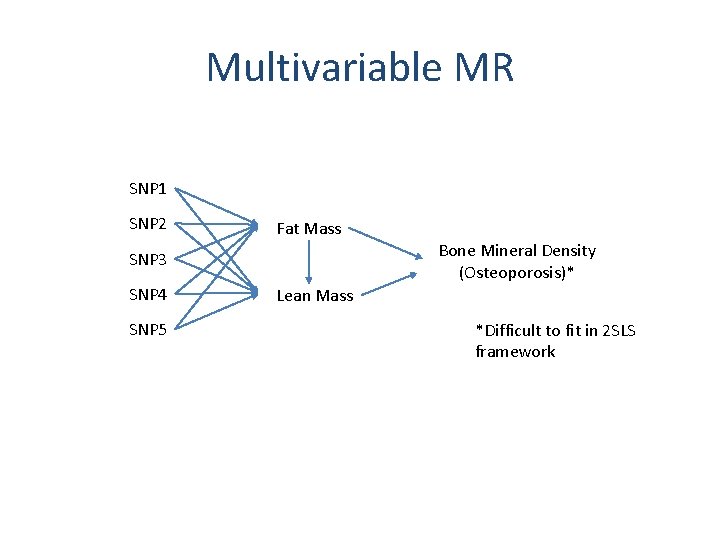
Multivariable MR SNP 1 SNP 2 Fat Mass Bone Mineral Density (Osteoporosis)* SNP 3 SNP 4 SNP 5 Lean Mass *Difficult to fit in 2 SLS framework
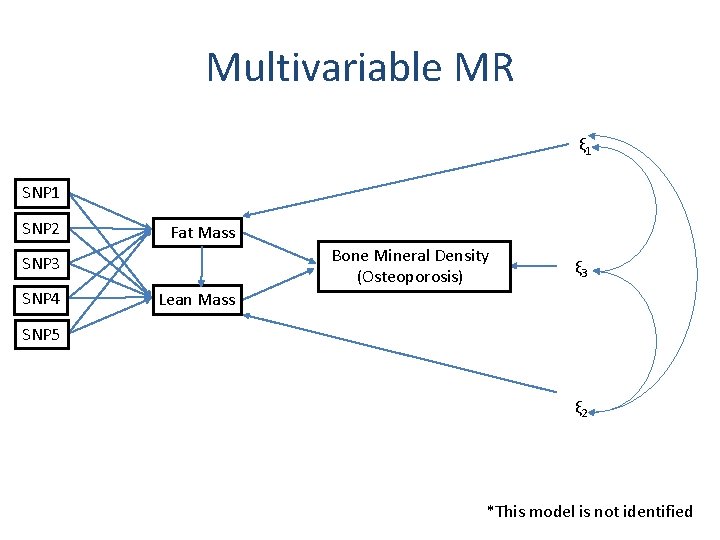
Multivariable MR ξ 1 SNP 2 Fat Mass Bone Mineral Density (Osteoporosis) SNP 3 SNP 4 ξ 3 Lean Mass SNP 5 ξ 2 *This model is not identified

Mendelian Randomization and Drug Targets
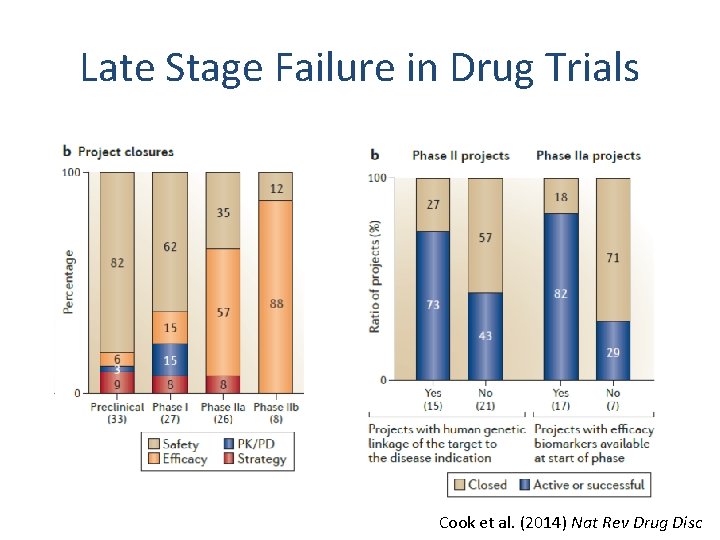
Late Stage Failure in Drug Trials Cook et al. (2014) Nat Rev Drug Disc
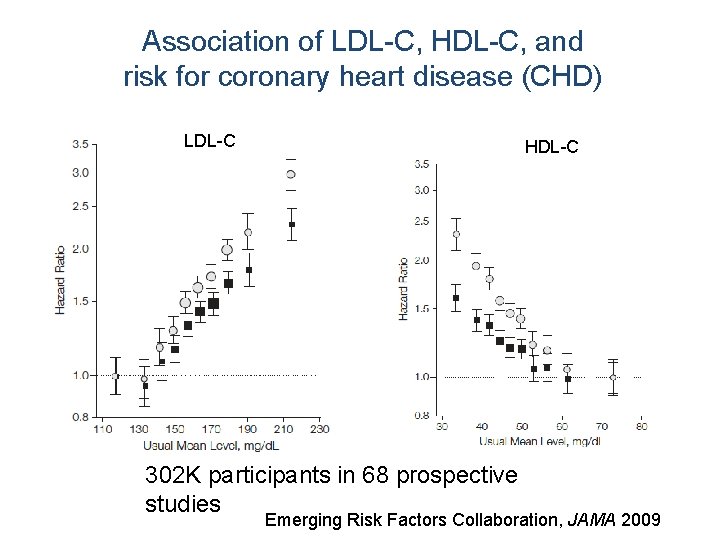
Association of LDL-C, HDL-C, and risk for coronary heart disease (CHD) LDL-C HDL-C 302 K participants in 68 prospective studies Emerging Risk Factors Collaboration, JAMA 2009
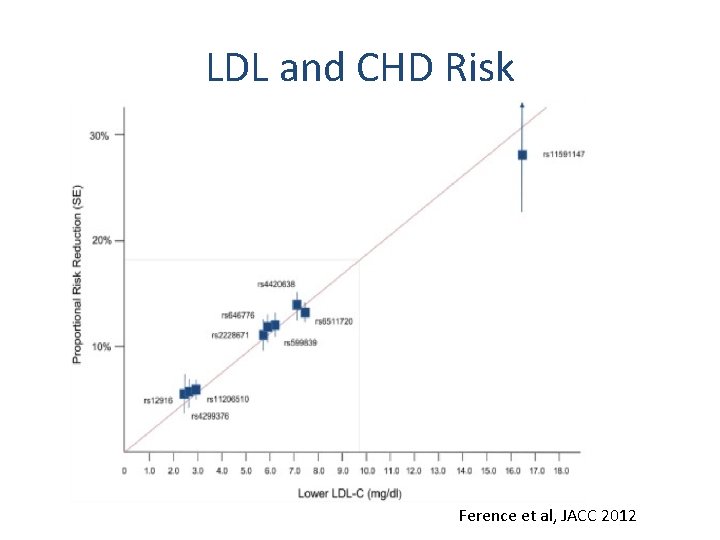
LDL and CHD Risk Ference et al, JACC 2012
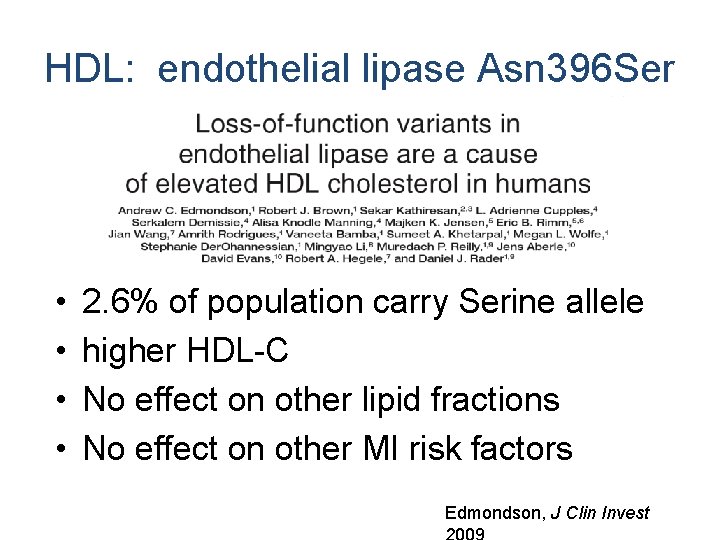
HDL: endothelial lipase Asn 396 Ser • • 2. 6% of population carry Serine allele higher HDL-C No effect on other lipid fractions No effect on other MI risk factors Edmondson, J Clin Invest
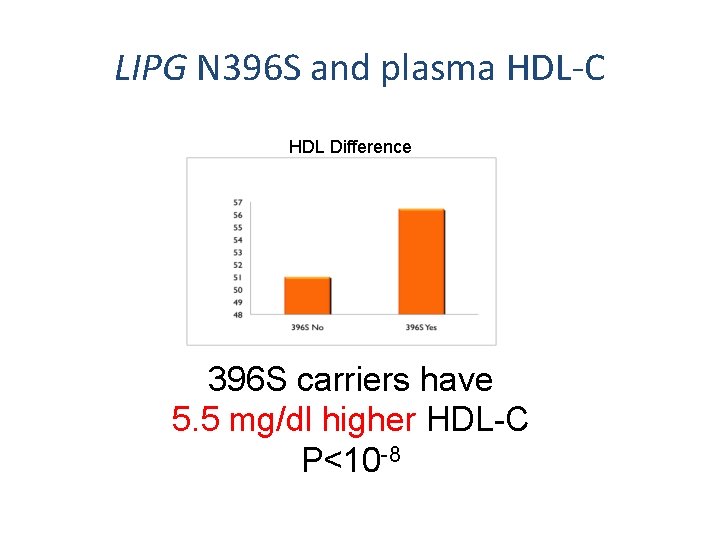
LIPG N 396 S and plasma HDL-C HDL Difference 396 S carriers have 5. 5 mg/dl higher HDL-C P<10 -8
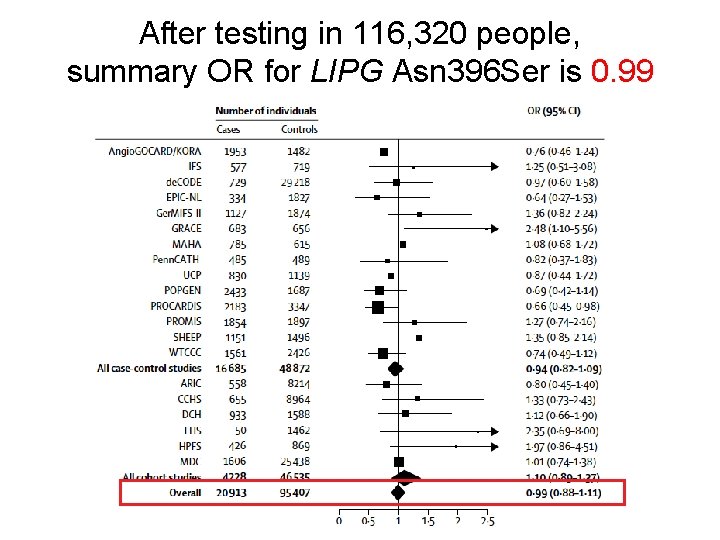
After testing in 116, 320 people, summary OR for LIPG Asn 396 Ser is 0. 99
Individuals who carry the HDL-boosting variant have the same risk for heart attack as those who do not carry the variant
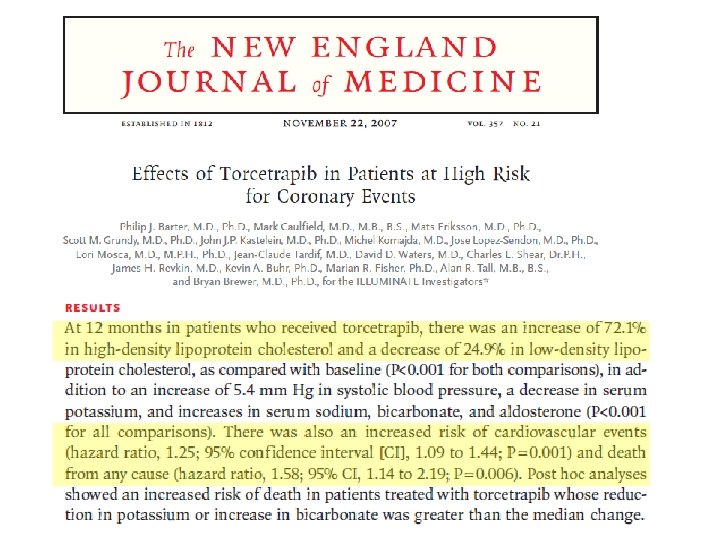
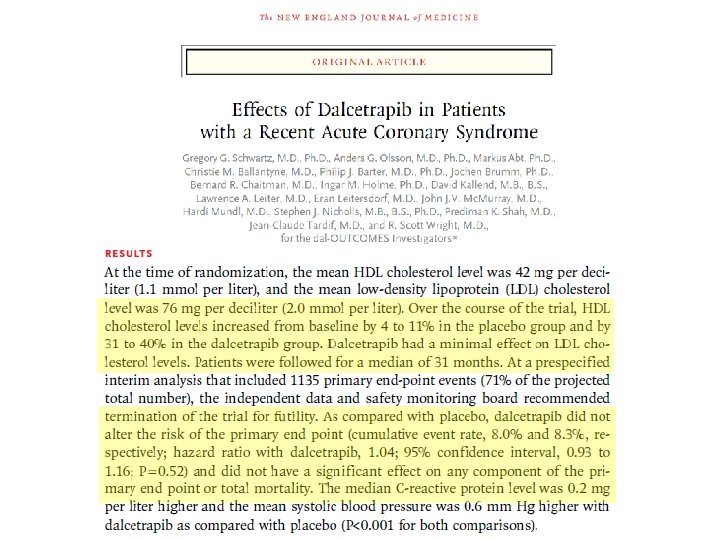
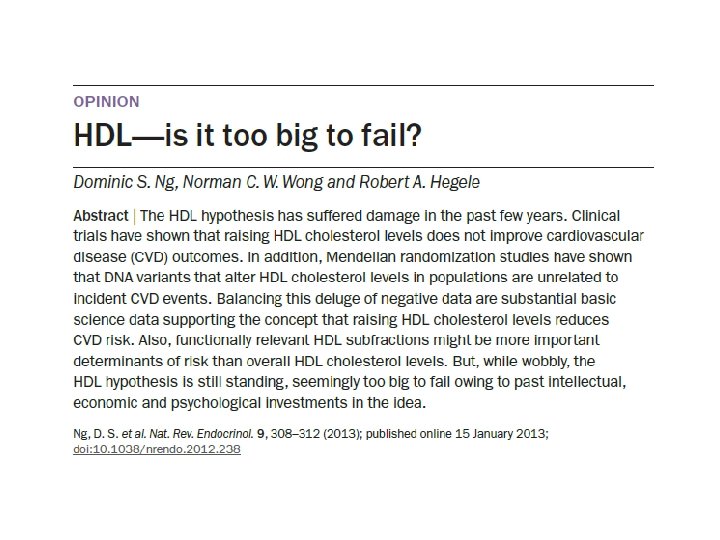
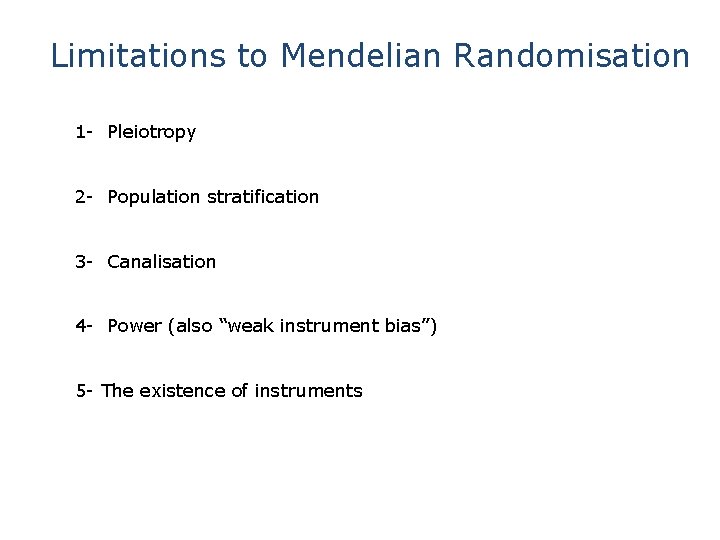
Limitations to Mendelian Randomisation 1 - Pleiotropy 2 - Population stratification 3 - Canalisation 4 - Power (also “weak instrument bias”) 5 - The existence of instruments
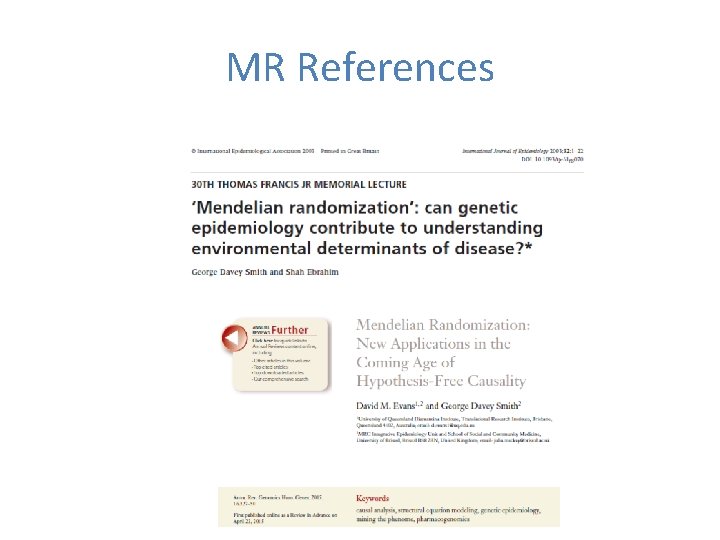
MR References
Fitting Mendelian Randomization Models in R
Equivalence Between Directed Acyclic Graphs and SEMs Confounders SNP Exposure Outcome ξ 1 SNP ξ 2 Exposure βx Outcome βY
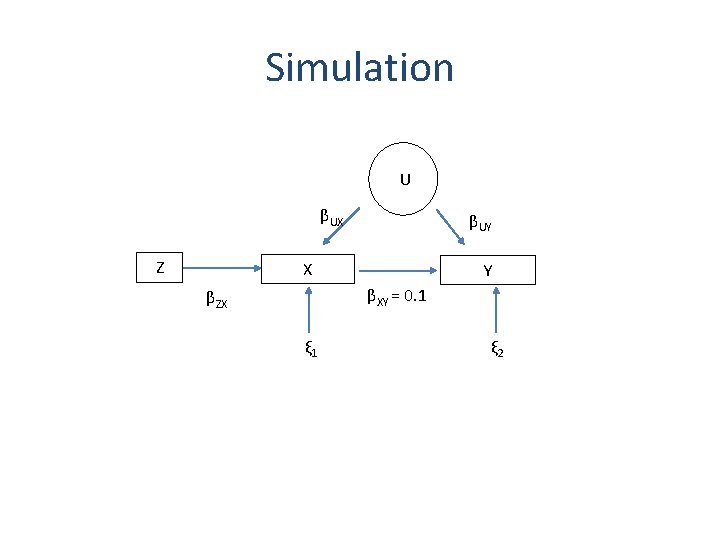
Simulation U βUX Z βUY X Y βXY = 0. 1 βZX ξ 1 ξ 2

Practical

Acknowledgments • George Davey Smith • Nic Timpson • Sek Kathiresan
- Slides: 60