
Memory Systems in Dementia Andrew E Budson M
Memory Systems in Dementia Andrew E. Budson, M. D. Cognitive & Behavioral Neurology, VA Boston University Alzheimer’s Disease Center Memory Disorders Unit, Brigham & Women’s Hospital Harvard Medical School
Disclosures • Royalties from Publishing for – Memory Loss, Alzheimer’s Disease, and Dementia: A Practical Guide for Clinicians, 2016 (Elsevier) – Seven Steps to Managing Your Memory: What’s Normal, What’s Not, and What to Do About It (Oxford University Press)
• Long Term Memory • Episodic Memory • Semantic Memory • Procedural Memory
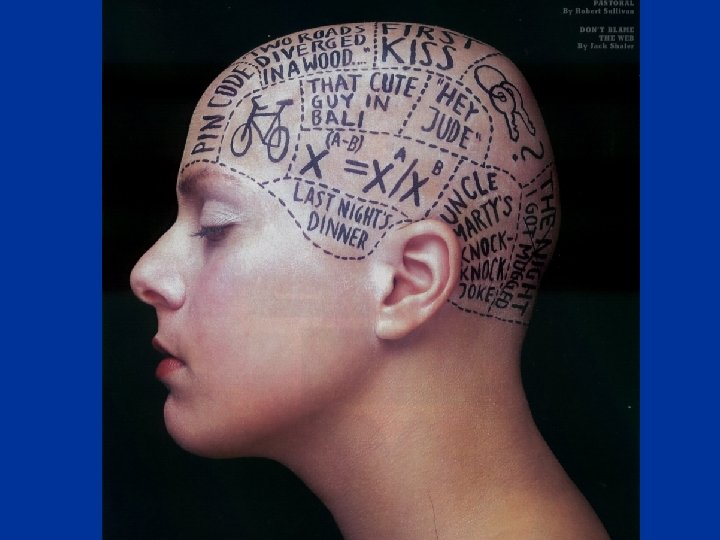
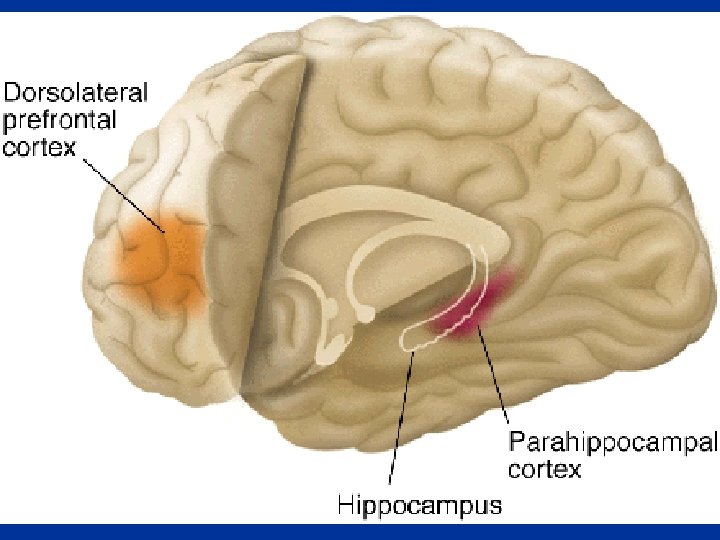
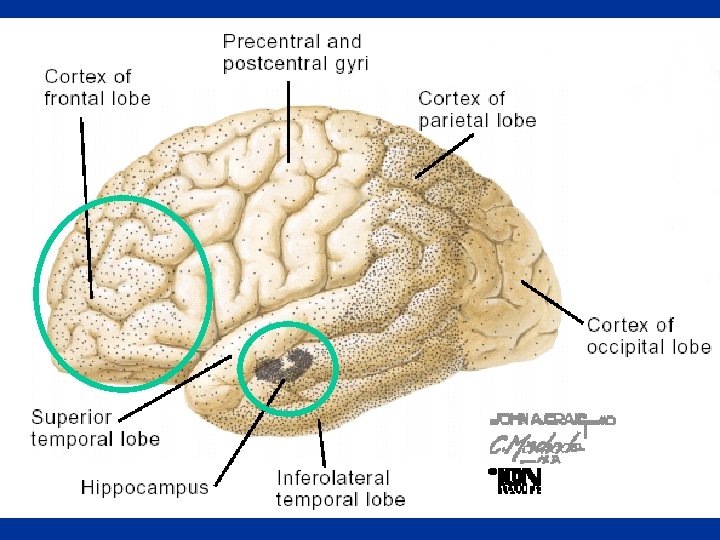
Episodic Memory • Personal, conscious, explicit recollection of experienced events framed in your own context – Where you parked your car – What you had for dinner last night • Anatomy: – Medial temporal lobe – limbic system – frontal lobes
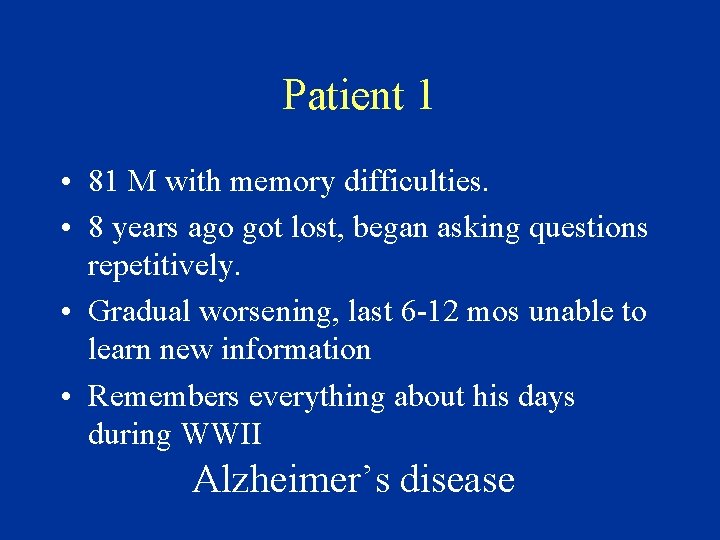
Patient 1 • 81 M with memory difficulties. • 8 years ago got lost, began asking questions repetitively. • Gradual worsening, last 6 -12 mos unable to learn new information • Remembers everything about his days during WWII Alzheimer’s disease
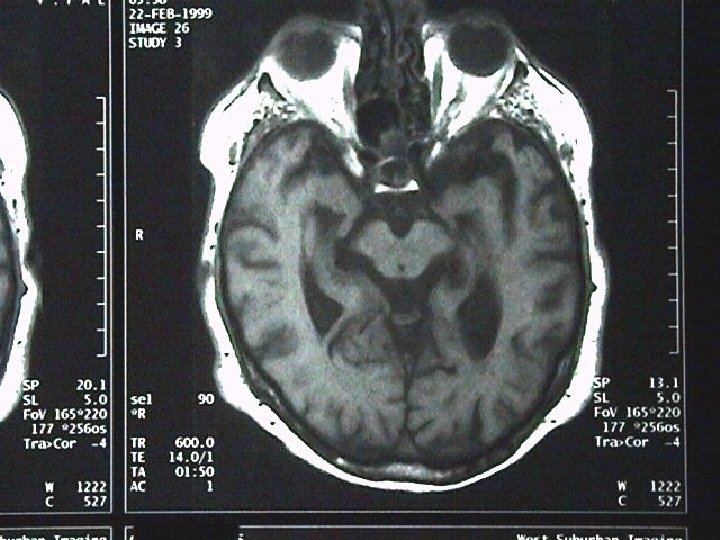
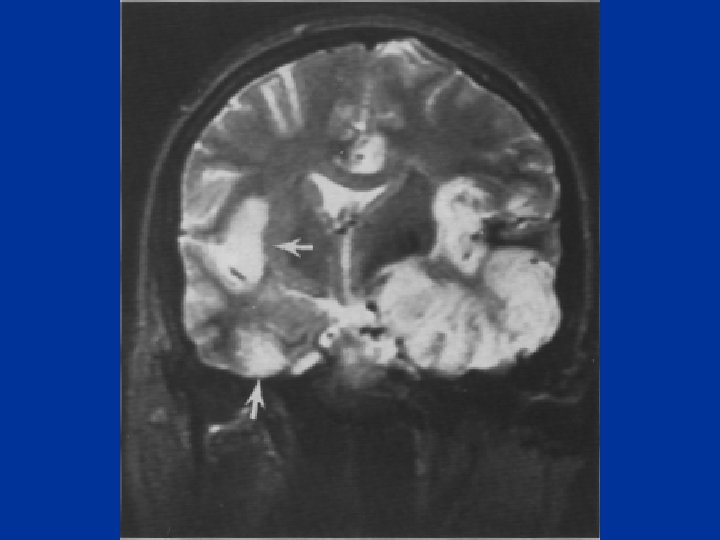
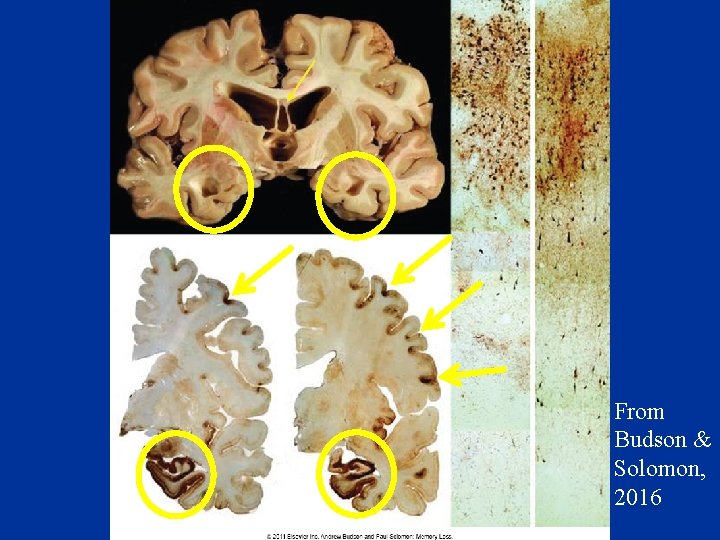
From Budson & Solomon, 2016
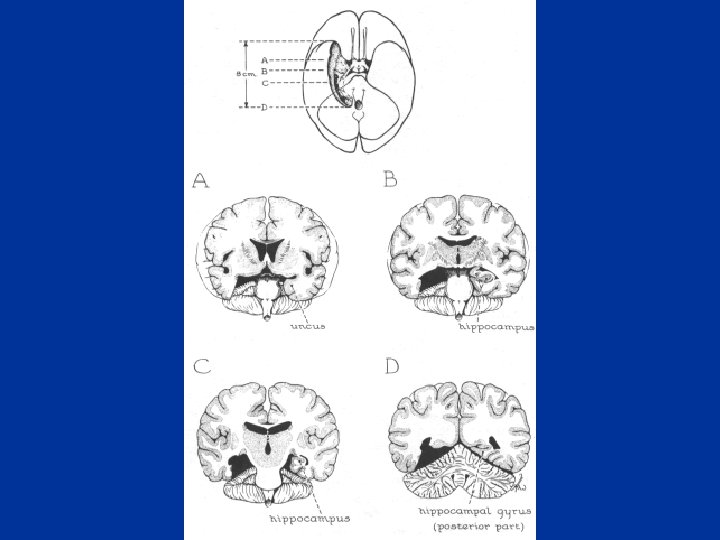
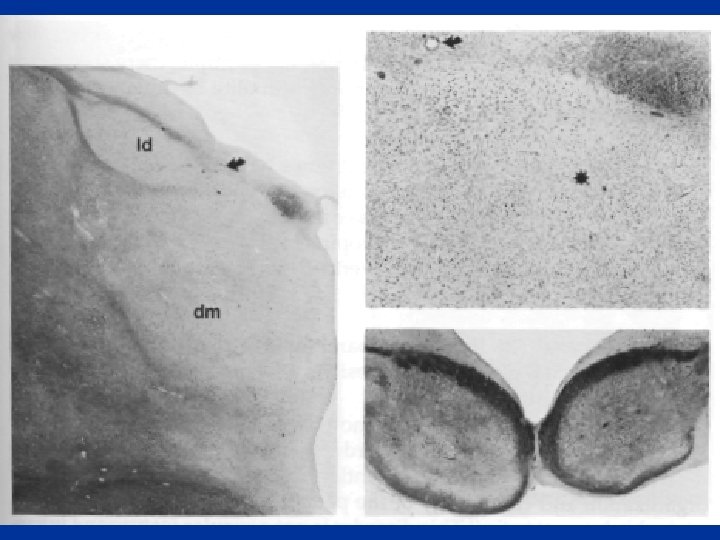
Other diseases which can disrupt Episodic Memory • • Tumors Strokes Hypoxic/Ischemic Head Trauma
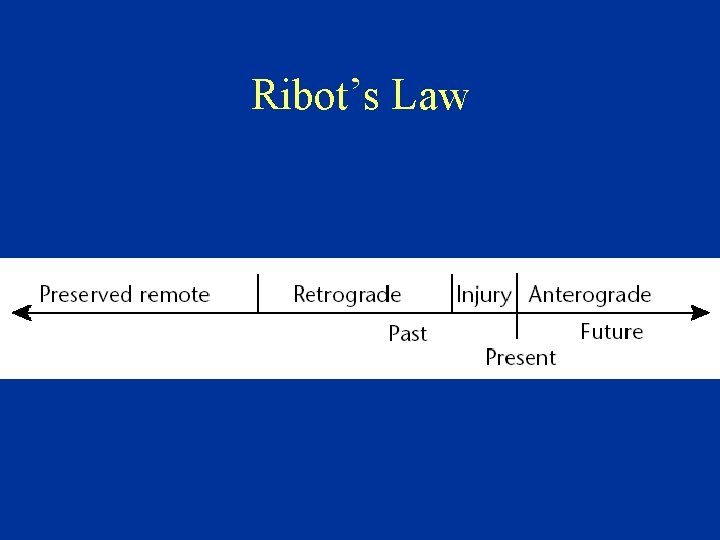
Ribot’s Law
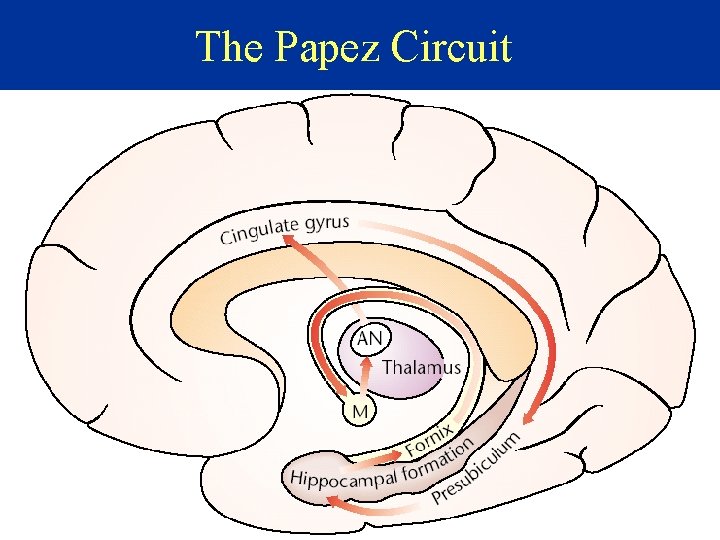
The Papez Circuit
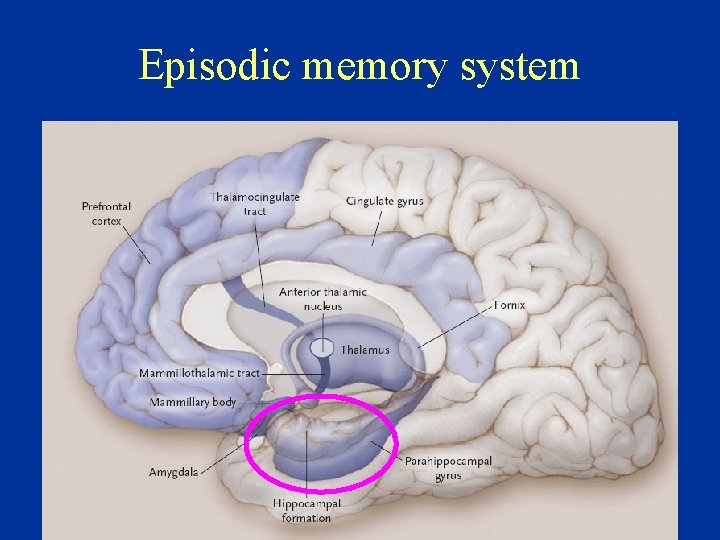
Episodic memory system
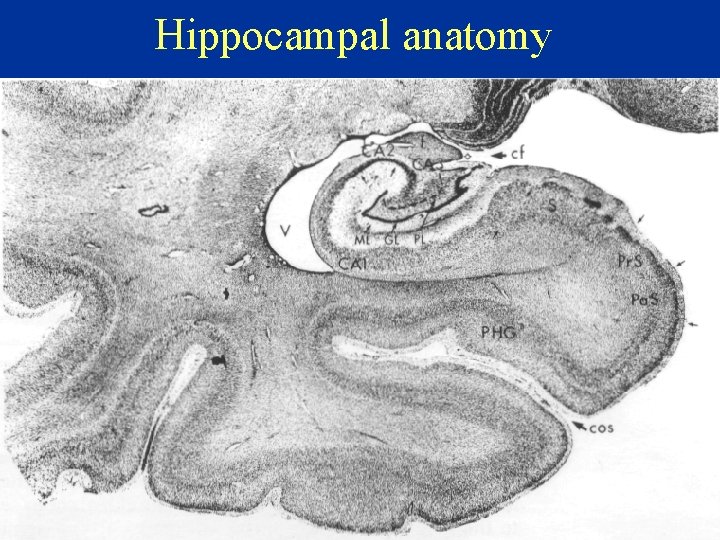
Hippocampal anatomy
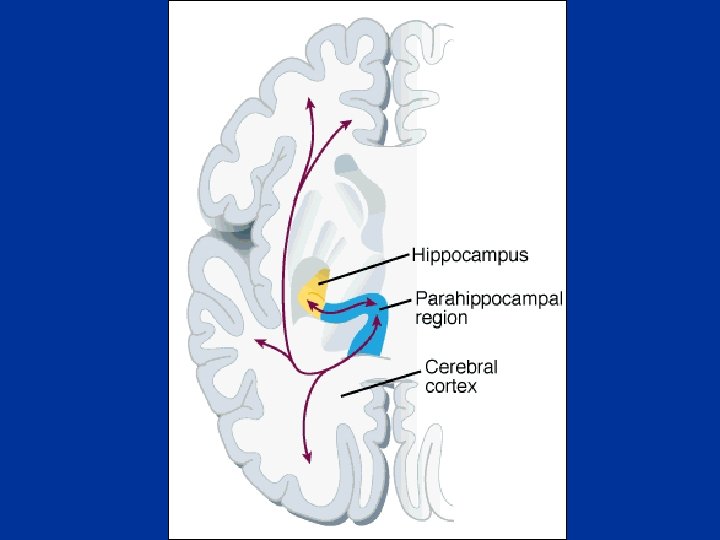
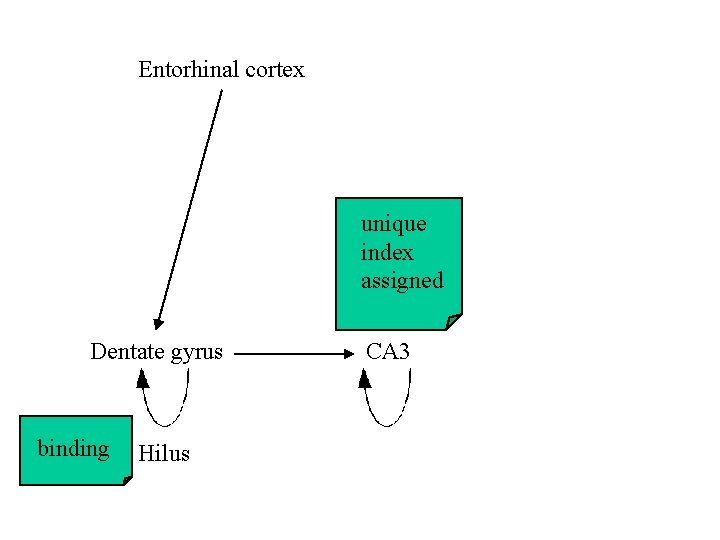
Entorhinal cortex unique index assigned Dentate gyrus binding Hilus CA 3
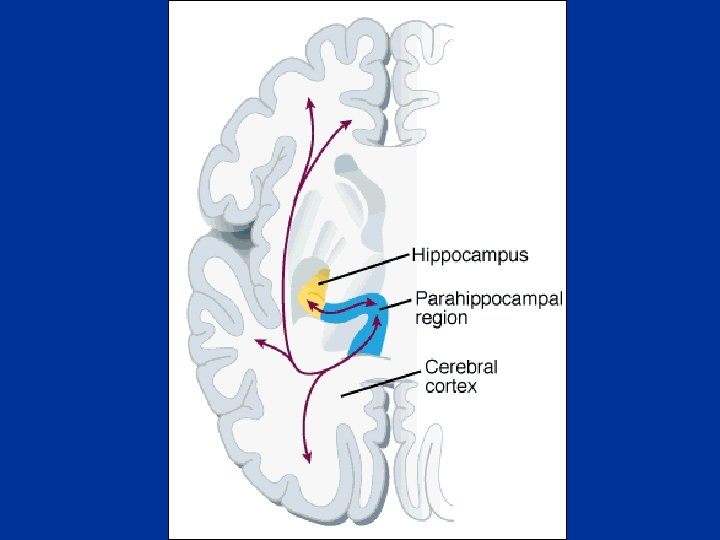
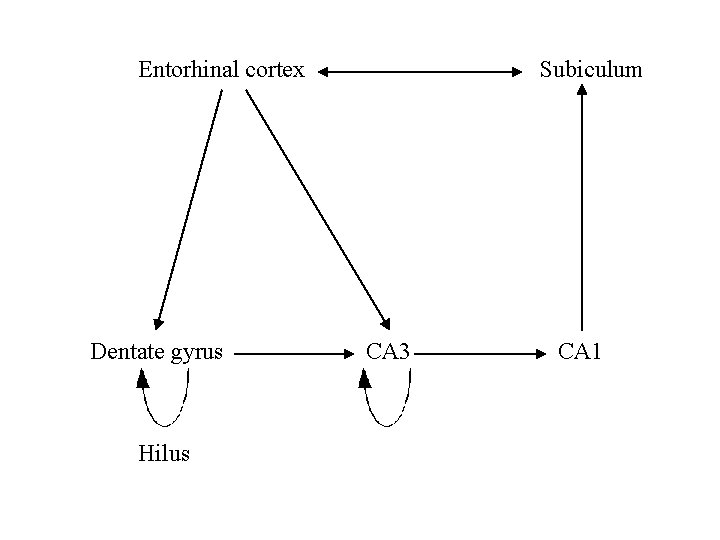
Entorhinal cortex Dentate gyrus Hilus Subiculum CA 3 CA 1
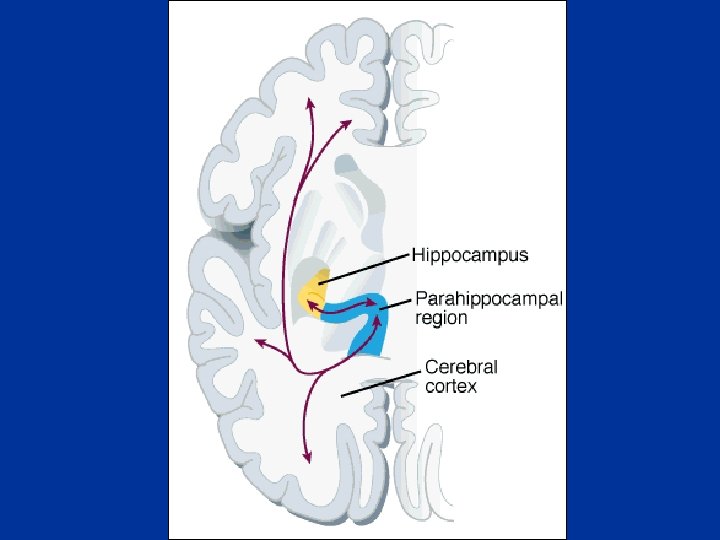
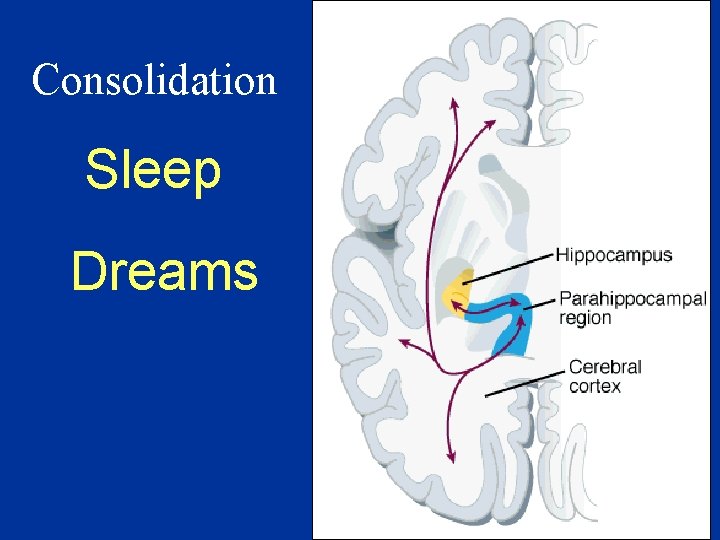
Consolidation Sleep Dreams
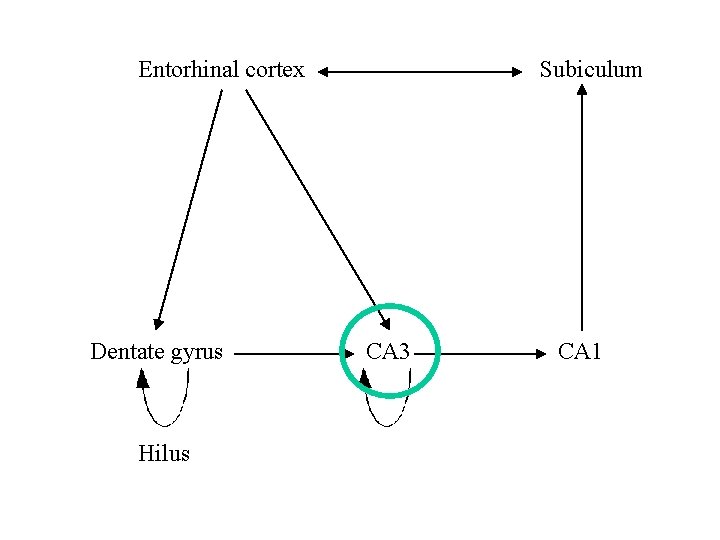
Entorhinal cortex Dentate gyrus Hilus Subiculum CA 3 CA 1
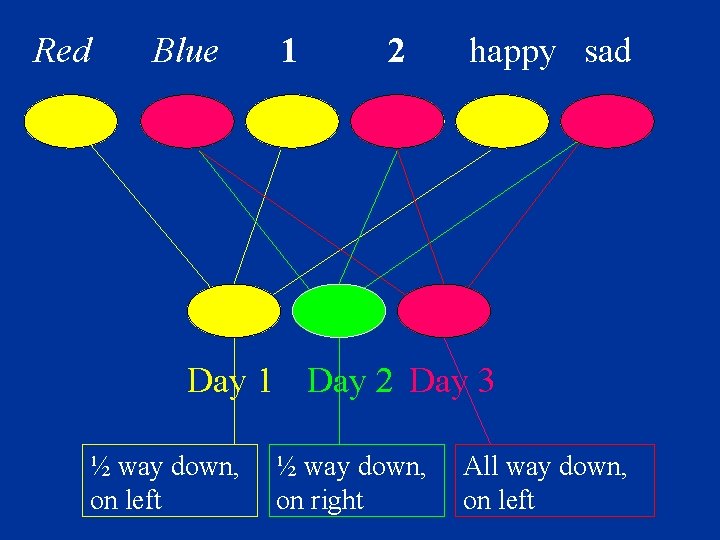
Red Blue 1 2 happy sad Day 1 Day 2 Day 3 ½ way down, on left ½ way down, on right All way down, on left
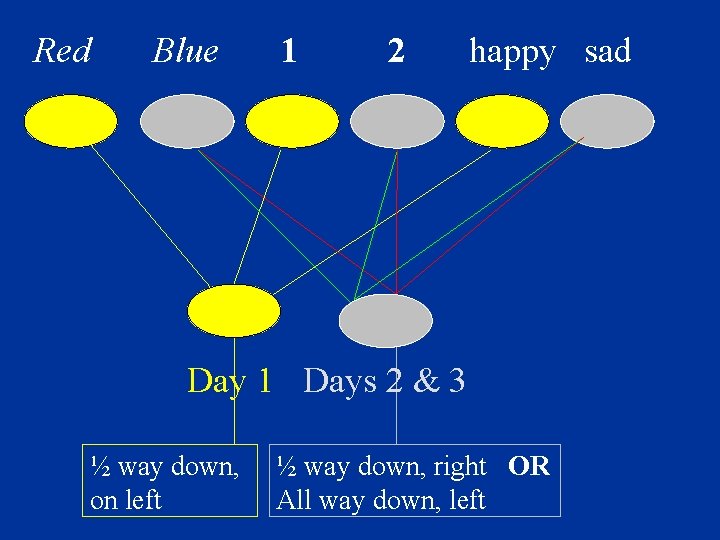
Red Blue 1 2 happy sad Day 1 Days 2 & 3 ½ way down, on left ½ way down, right OR All way down, left
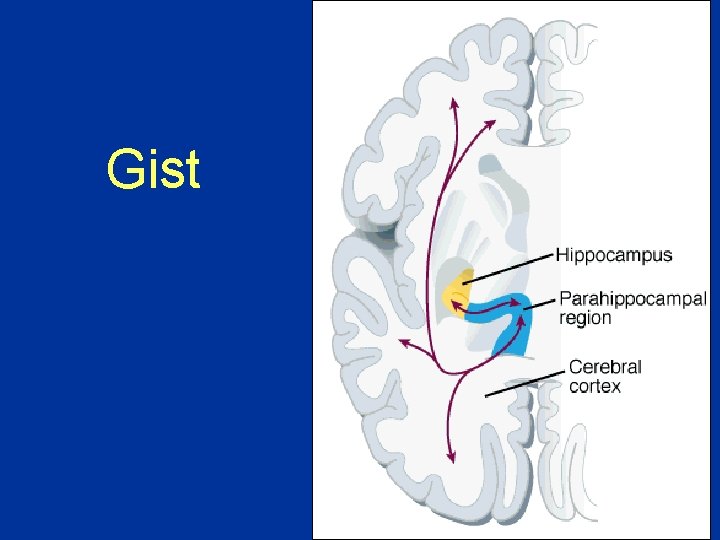
Gist
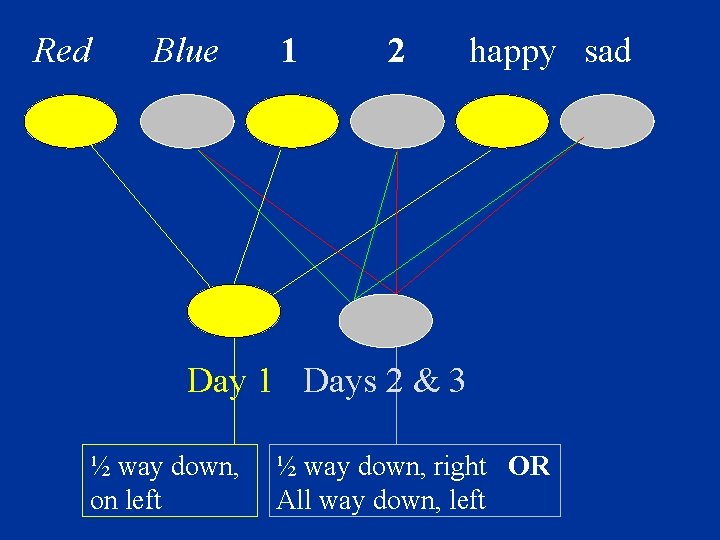
Red Blue 1 2 happy sad Day 1 Days 2 & 3 ½ way down, on left ½ way down, right OR All way down, left
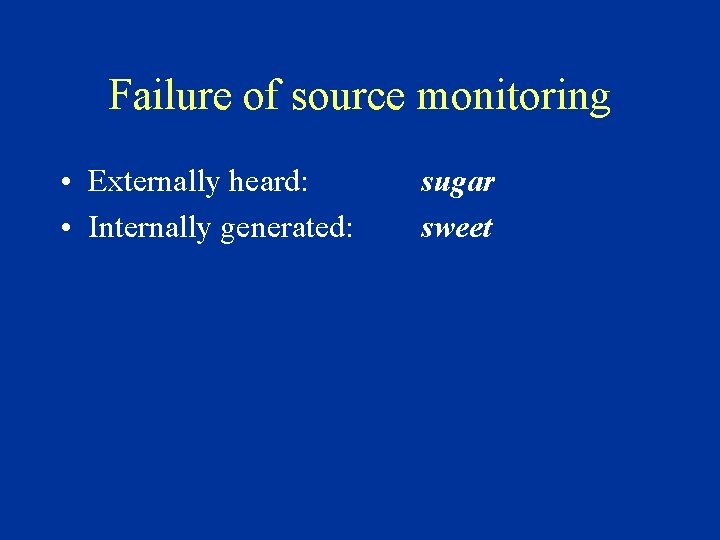
Failure of source monitoring • Externally heard: • Internally generated: sugar sweet
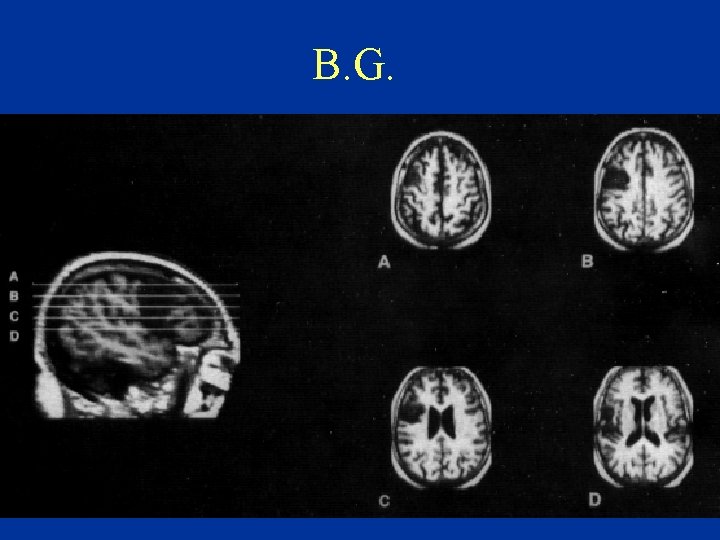
B. G.
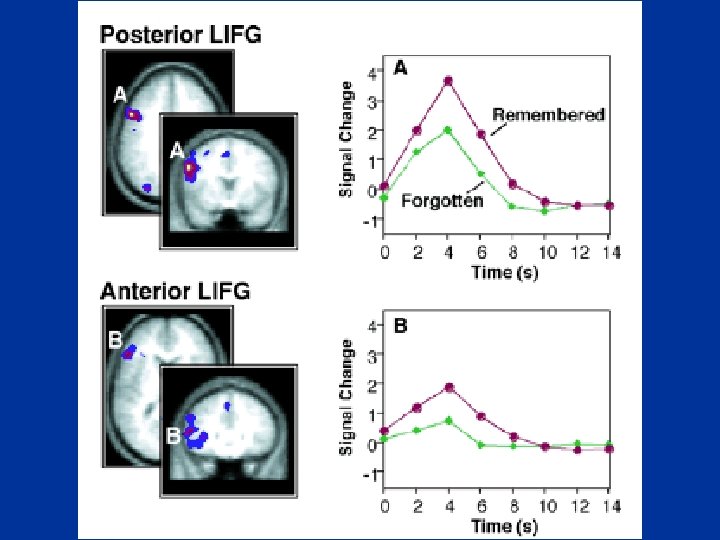
Frontal lobes in Episodic Memory • Memory for the temporal order of events • Memory for contextual information • Encoding information – Frontal and medial temporal lobes work together – Left brain for words, right for images
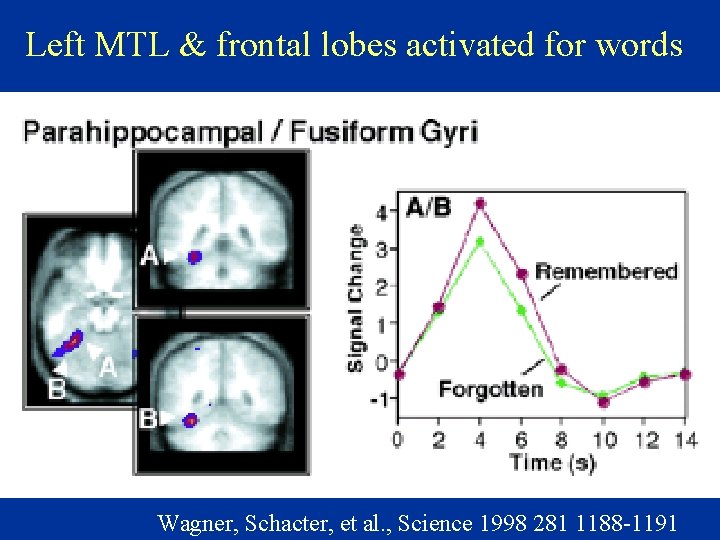
Left MTL & frontal lobes activated for words Wagner, Schacter, et al. , Science 1998 281 1188 -1191
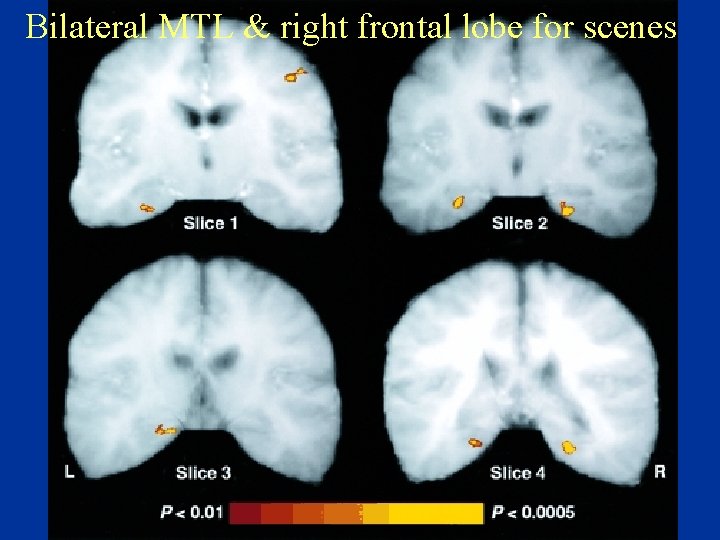
Bilateral MTL & right frontal lobe for scenes
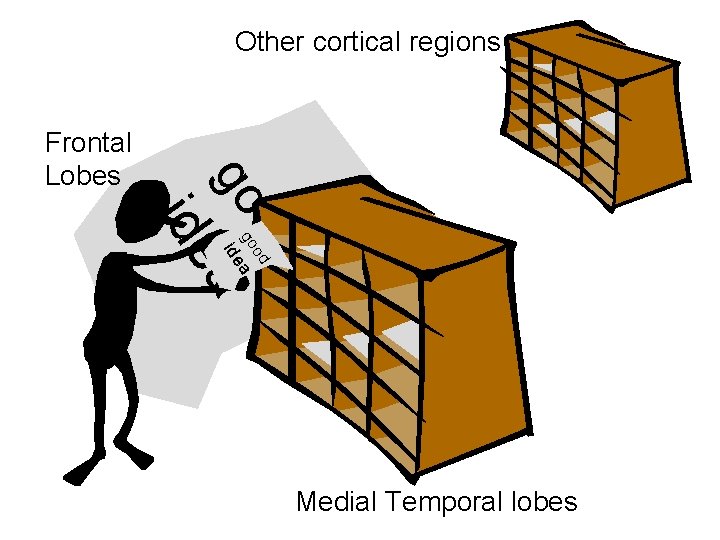
Other cortical regions ide od go a od ide go Frontal Lobes a Medial Temporal lobes
• Frontal lobes damaged more work to get information in and out of storage. • Hippocampus/parahippocampal cortex damaged impossible to get information in and out of storage. • Hippocampus/parahippocampal cortex damaged Remote information that has been consolidated is available from other cortical areas.
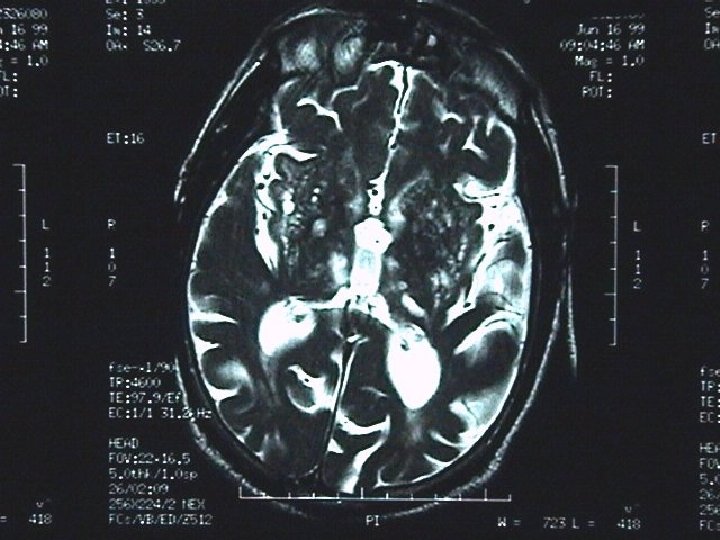
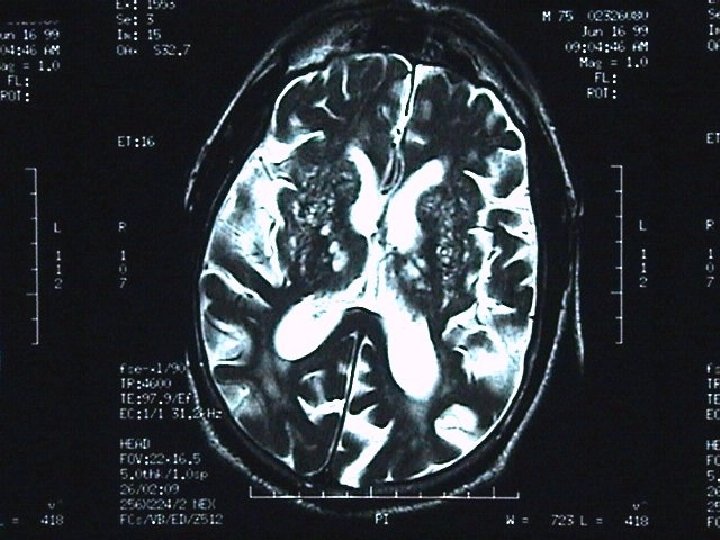
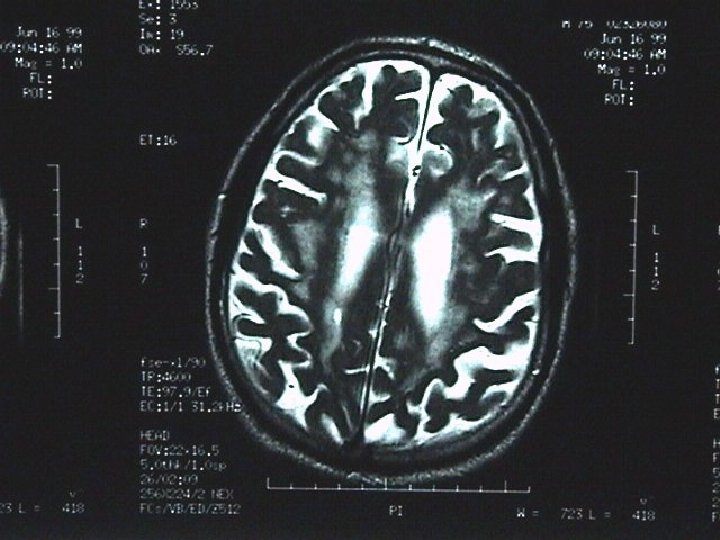
Patient 2 • 74 M 6 yr history of “Small TIAs. ” • Misattributes statements • Confuses order and context of events • Variable performance on memory testing: from above average to extremely poor recall with preservation of recognition. Vascular Dementia
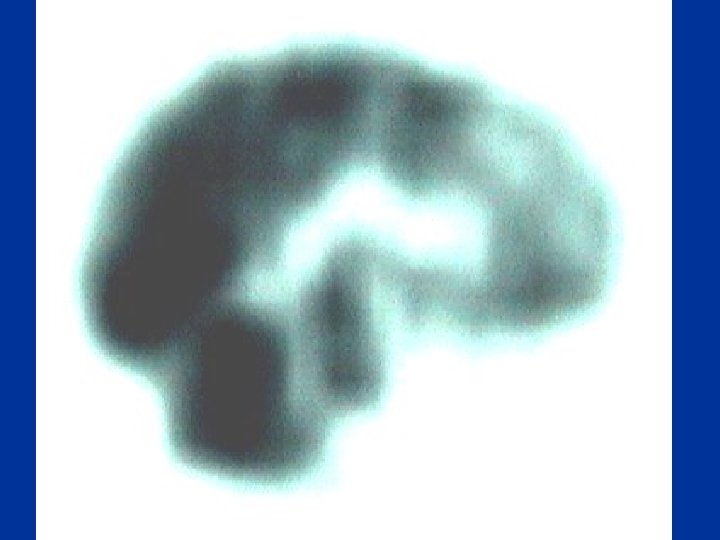
Patient 3 • 78 M with memory & behavior problems. • Frontal memory problems. • Extreme memory distortions: – Confused events on television with his own life Frontotemporal Dementia
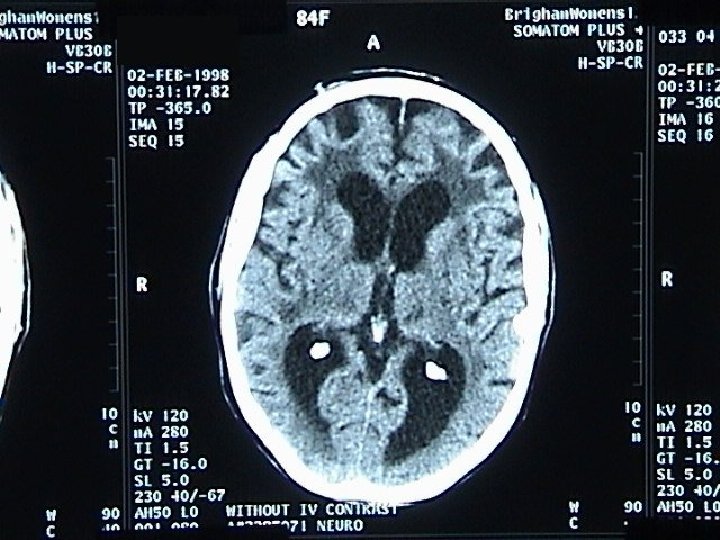
Patient 4 • • • 76 F with poor cognition impaired attention Very poor recall but preserved recognition magnetic gait disorder incontinence Normal Pressure Hydrocephalus
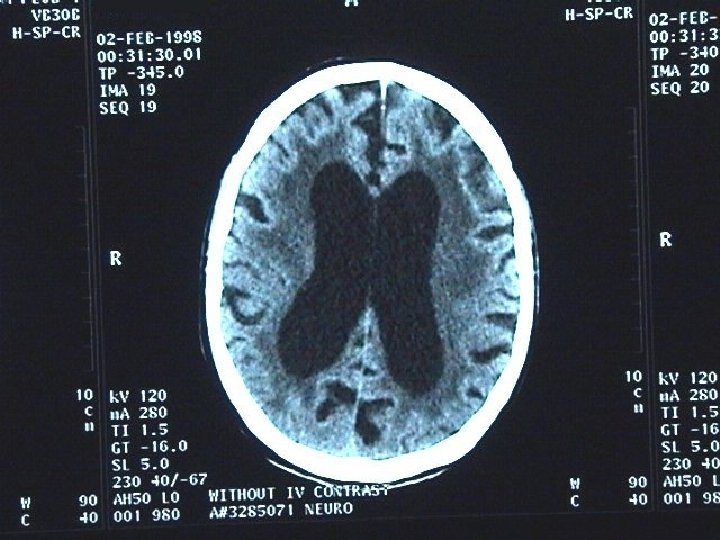
Patient 5 • 79 F with memory problems, delusions and possible hallucinations. • Believed that she has recently spoken with her parents, long since deceased. • Believes that people are breaking into her apartment, stealing her money, and moving around her stuff. Alzheimer’s disease
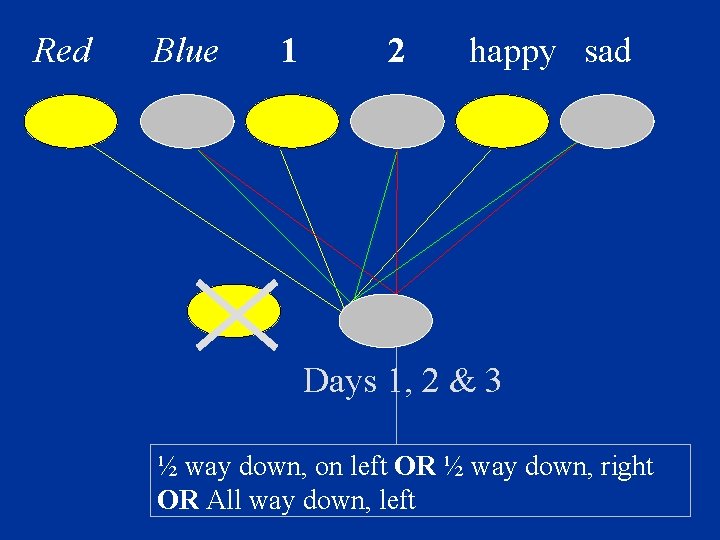
Red Blue 1 2 happy sad Days 1, 2 & 3 ½ way down, on left OR ½ way down, right OR All way down, left
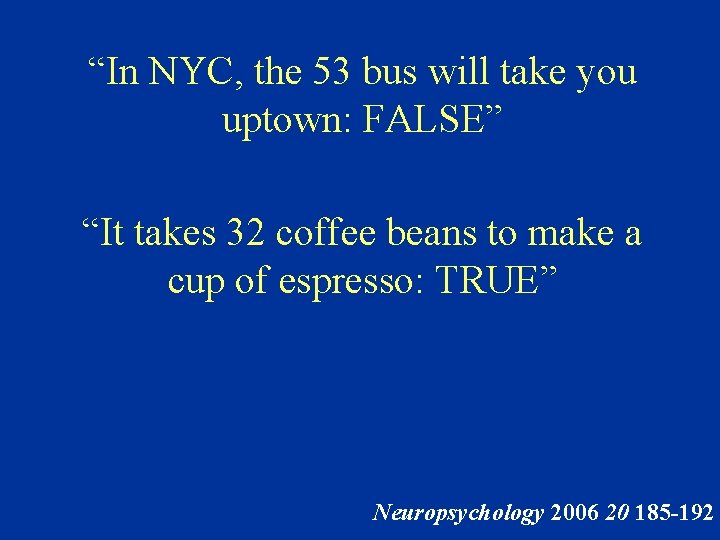
“In NYC, the 53 bus will take you uptown: FALSE” “It takes 32 coffee beans to make a cup of espresso: TRUE” Neuropsychology 2006 20 185 -192
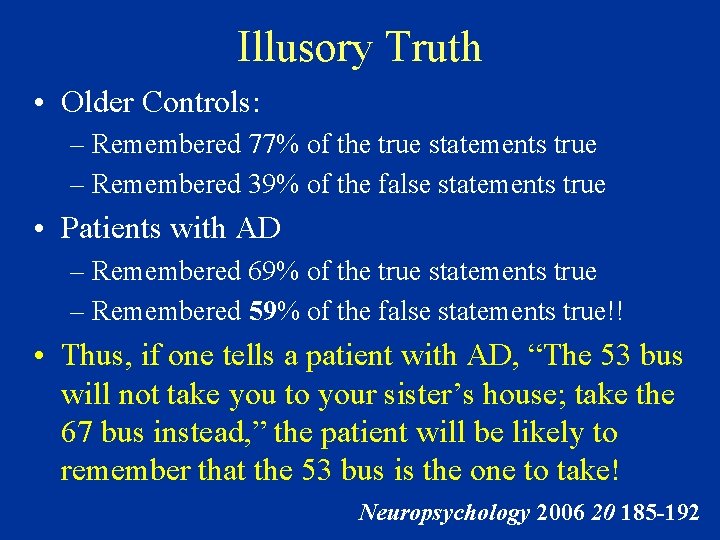
Illusory Truth • Older Controls: – Remembered 77% of the true statements true – Remembered 39% of the false statements true • Patients with AD – Remembered 69% of the true statements true – Remembered 59% of the false statements true!! • Thus, if one tells a patient with AD, “The 53 bus will not take you to your sister’s house; take the 67 bus instead, ” the patient will be likely to remember that the 53 bus is the one to take! Neuropsychology 2006 20 185 -192

apple
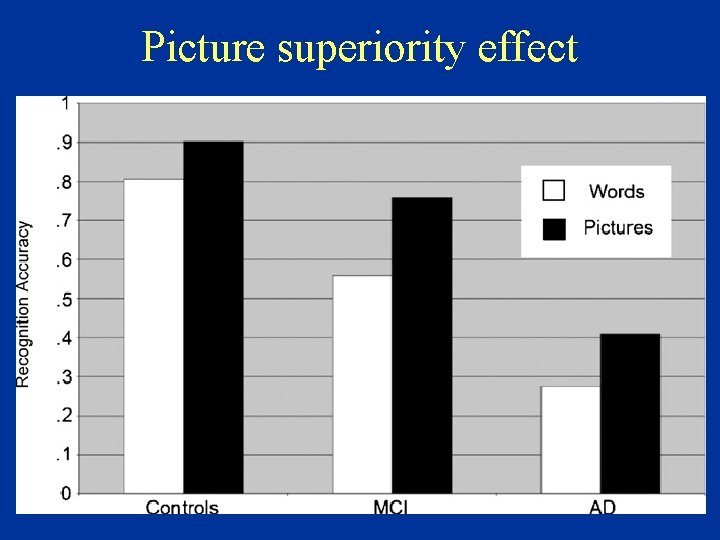
Picture superiority effect
Semantic Memory • Our general store of conceptual and factual knowledge not related to any specific memory. – George Washington • Anatomy – Broad definition: Many cortical association areas – Words and their meanings: Lateral temporal lobes
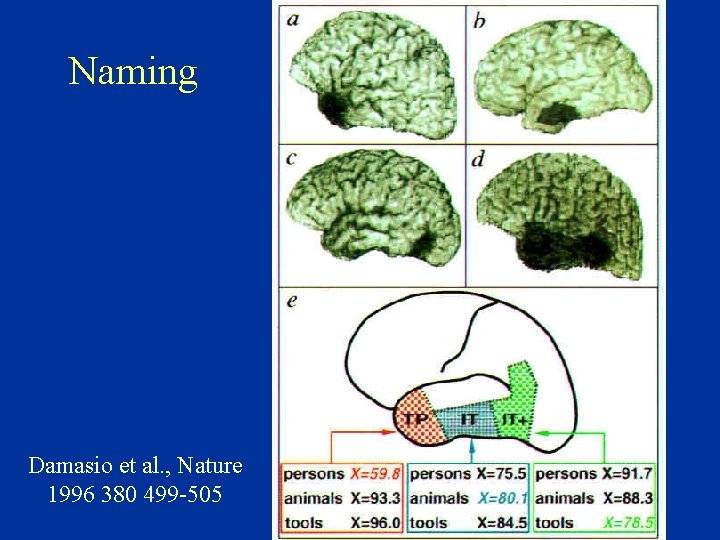
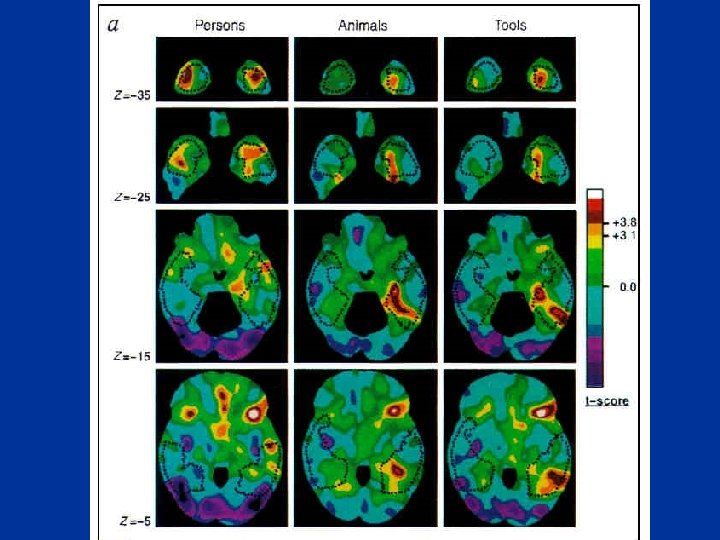
Naming Damasio et al. , Nature 1996 380 499 -505
Patient 1 • • • 81 M with memory difficulties Word finding difficulties Speech empty of content Sentences do not make sense. Difficulty with comprehension Alzheimer’s disease
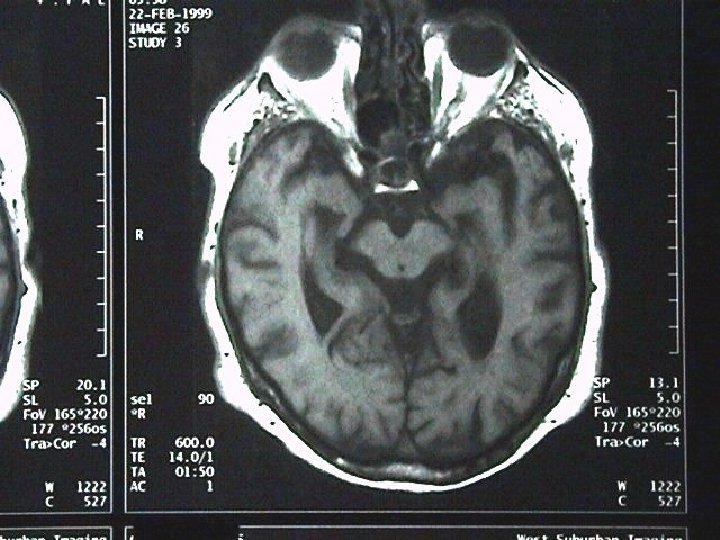
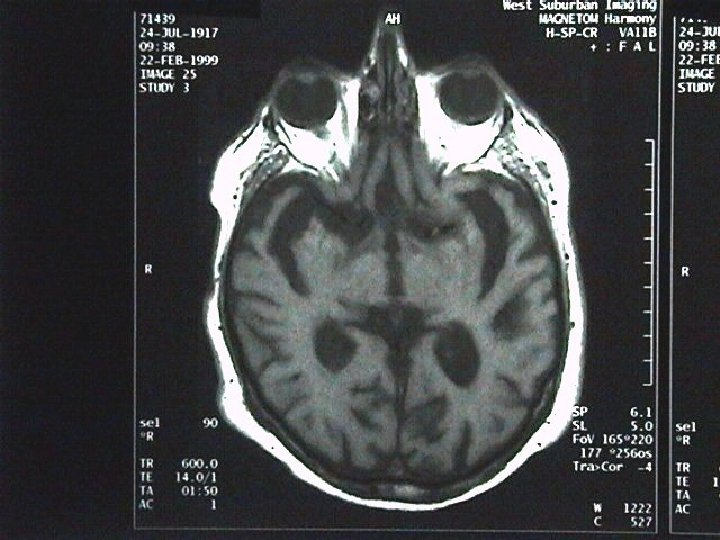
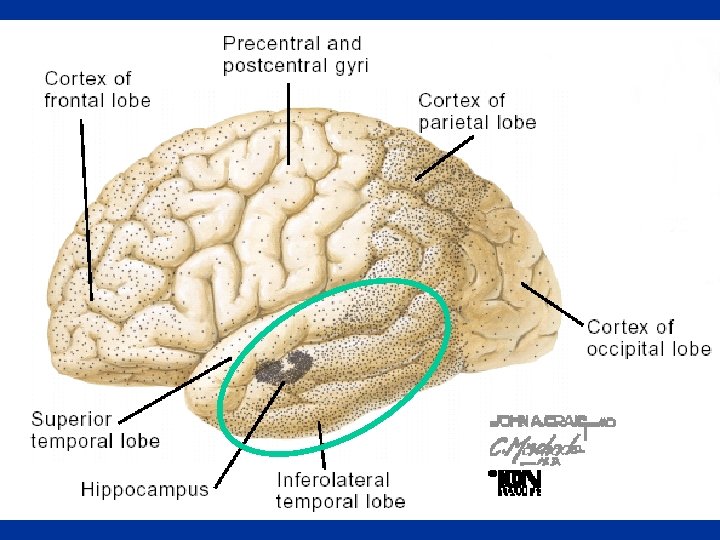
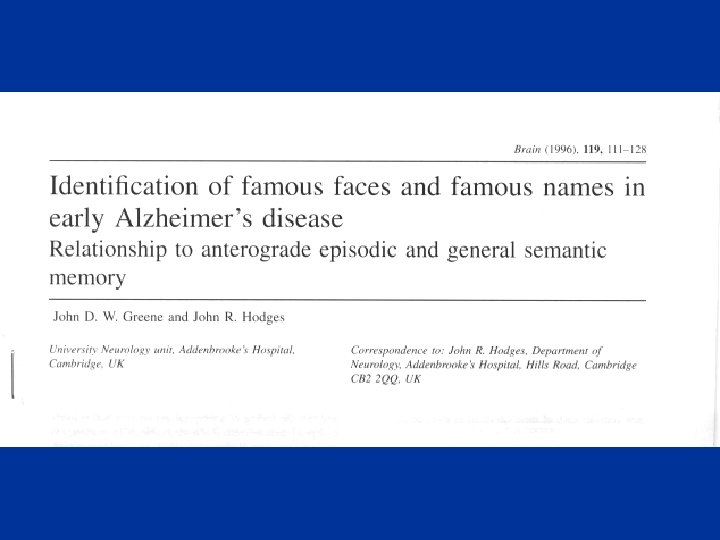
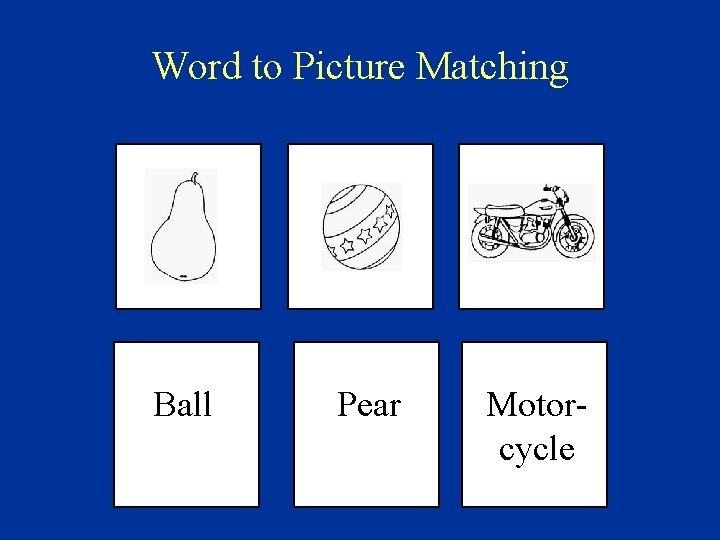
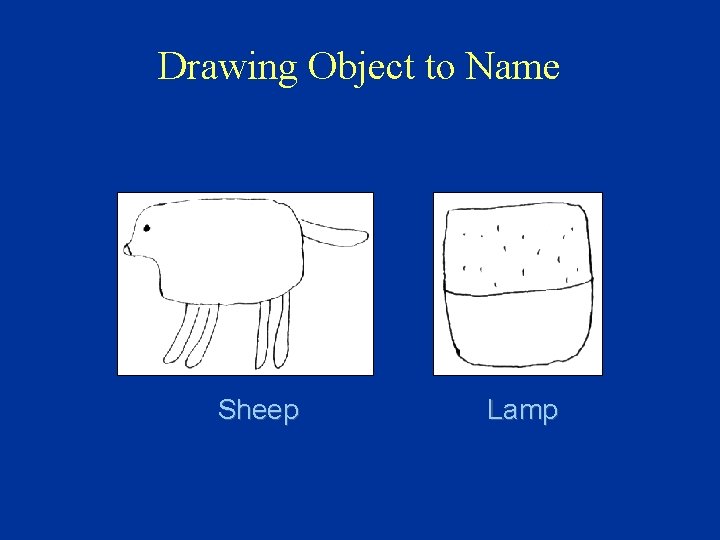
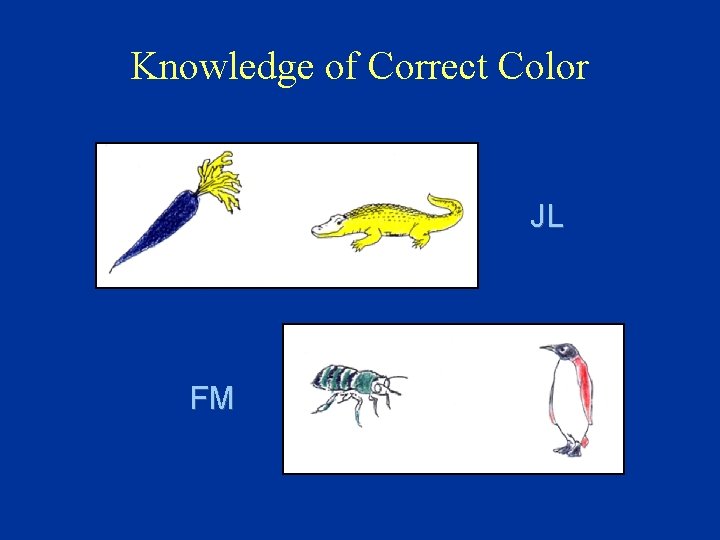
Patient 6 • • • 63 F with language problems Difficulty naming Impaired comprehension of language Impaired knowledge about the world Easily found 10 hidden objects 20 min later Directed daughter from NH to Boston easily Semantic Dementia
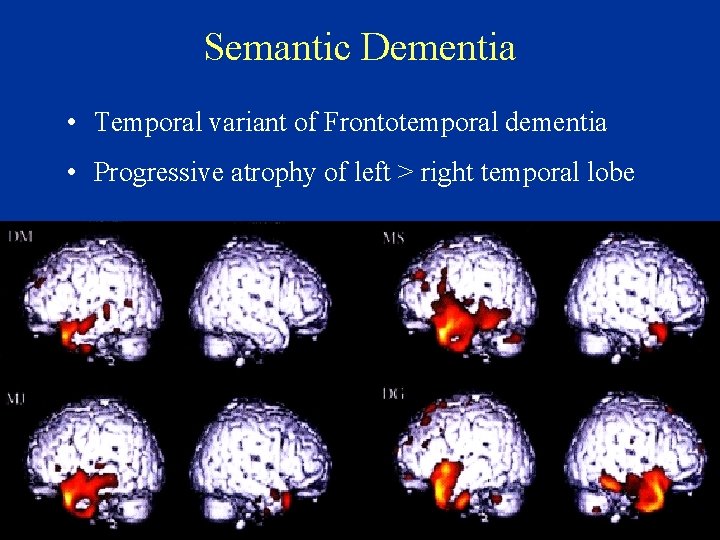
Semantic Dementia • Temporal variant of Frontotemporal dementia • Progressive atrophy of left > right temporal lobe
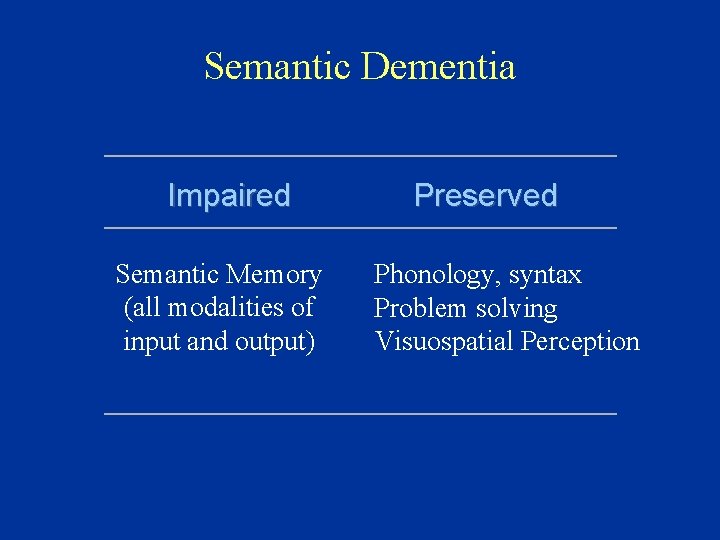
Semantic Dementia Impaired Semantic Memory (all modalities of input and output) Preserved Phonology, syntax Problem solving Visuospatial Perception
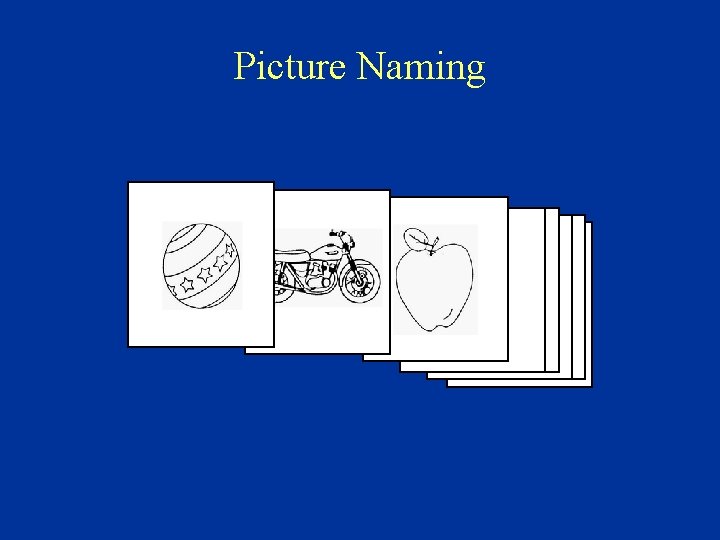
Picture Naming
Word to Picture Matching Ball Pear Motorcycle

Pyramid and Palmtrees Test
Drawing Object to Name Sheep Lamp
Knowledge of Correct Color JL FM
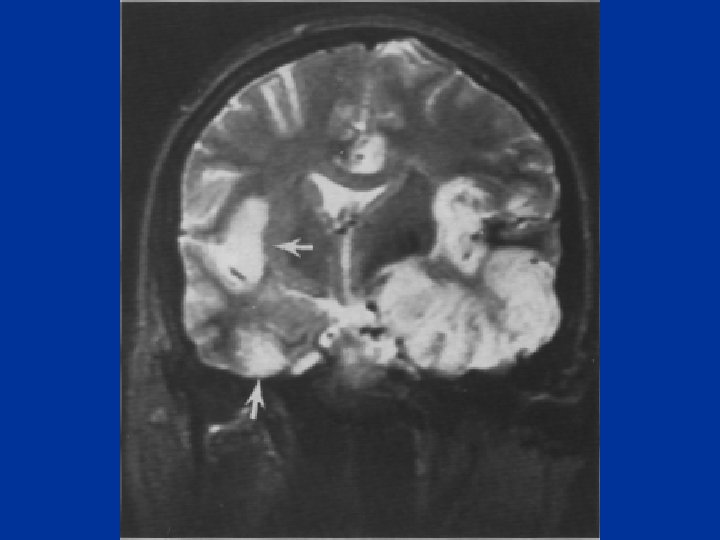
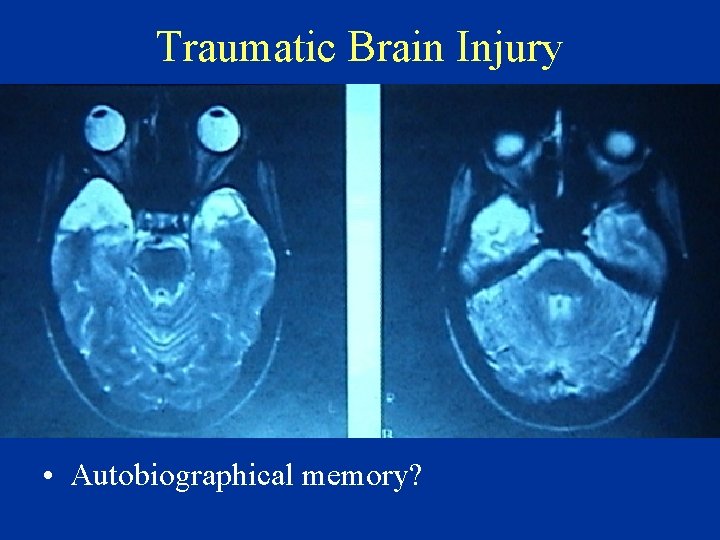
Traumatic Brain Injury • Autobiographical memory?
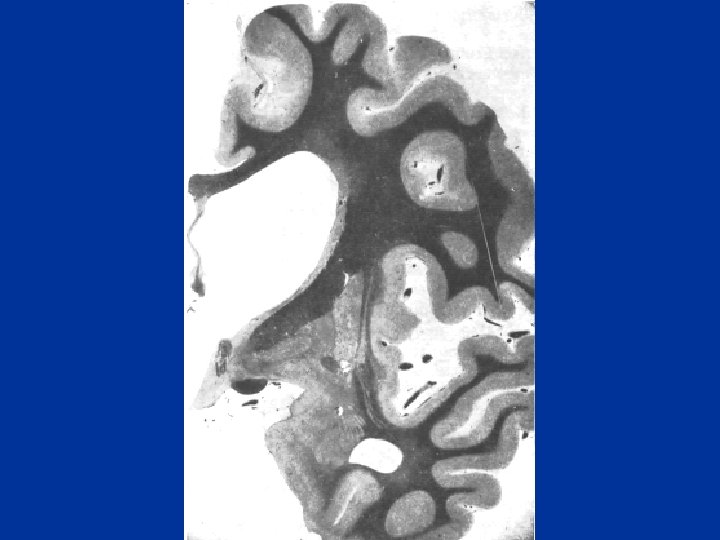
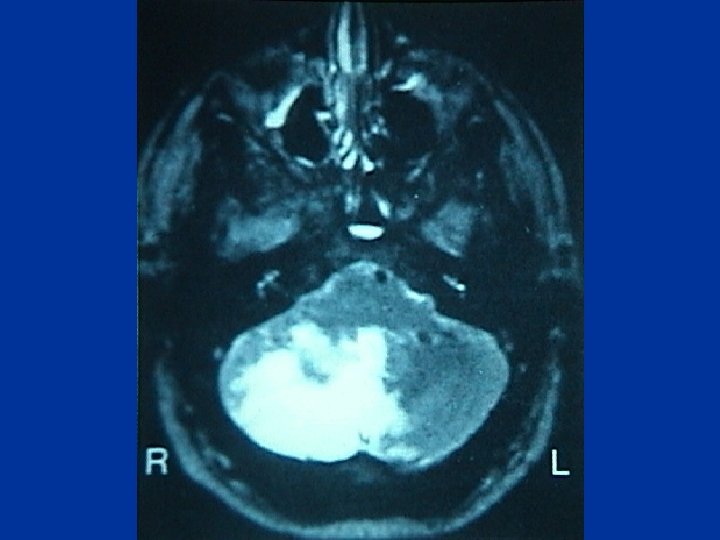
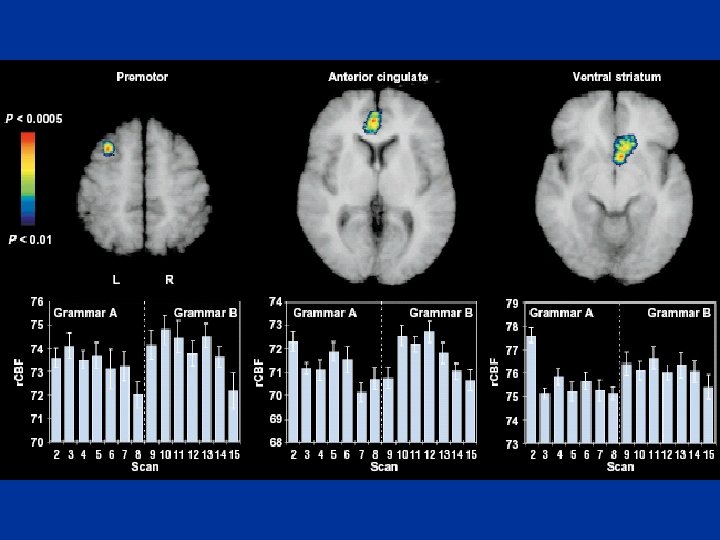
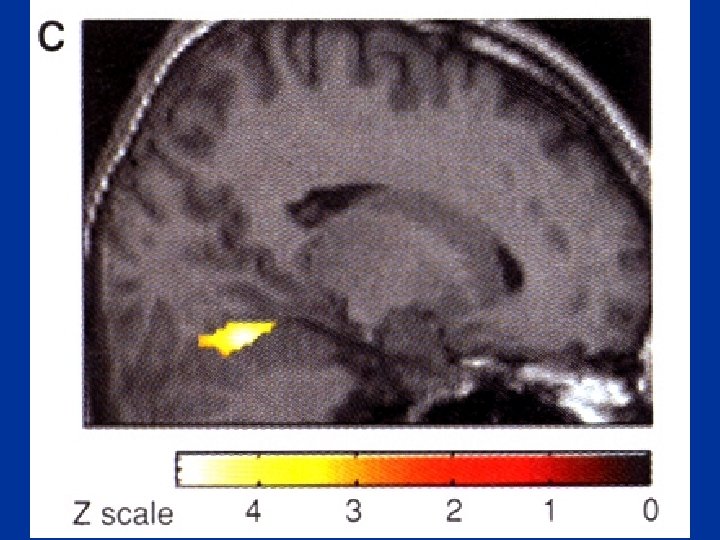
Procedural Memory • Learning of behavioral & cognitive skills & algorithms that operate on an automatic, unconscious level – Riding a bike – Driving with a stick shift • Anatomy – Basal ganglia – Cerebellum
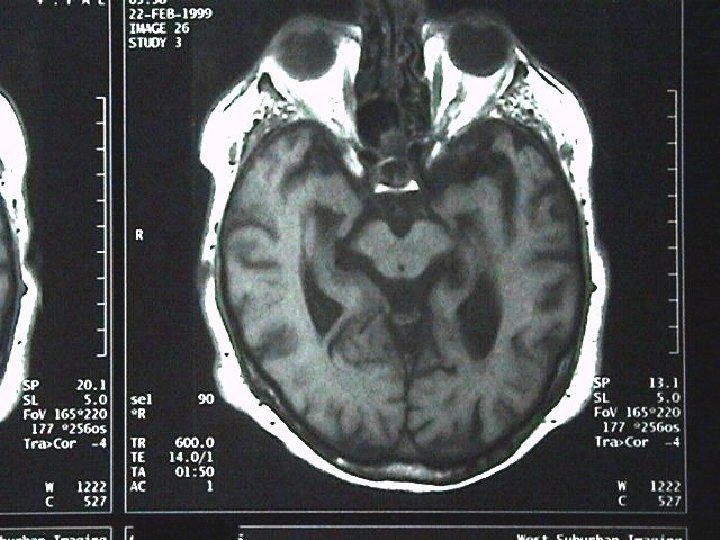
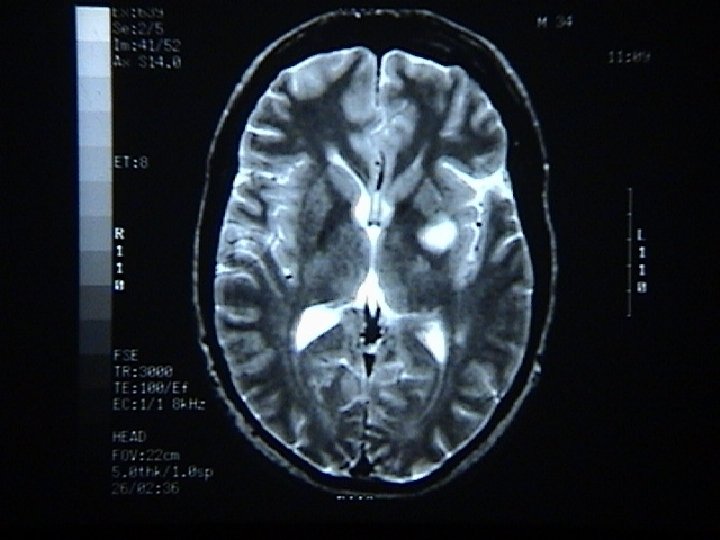
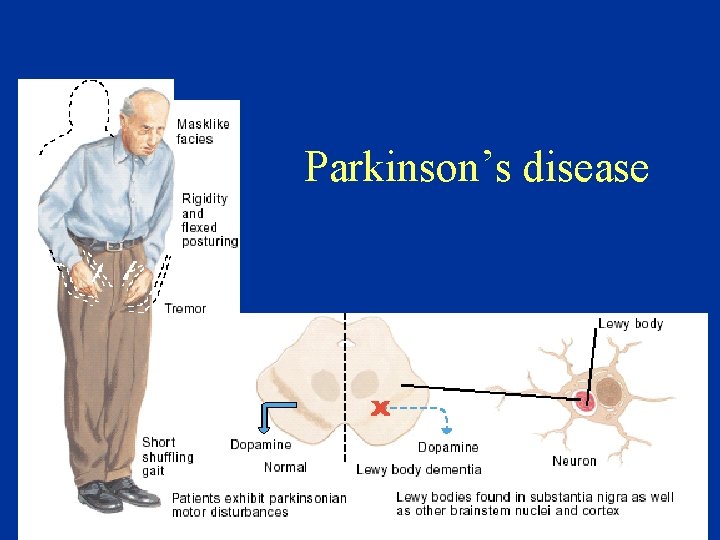
Parkinson’s disease
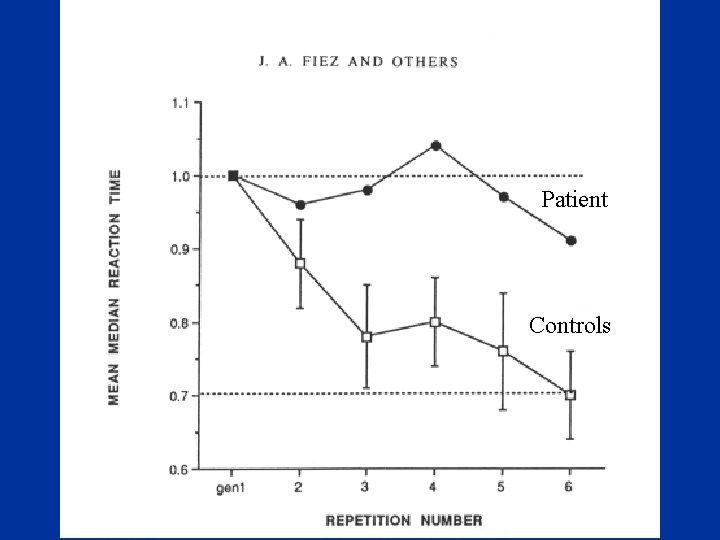
Patient Controls
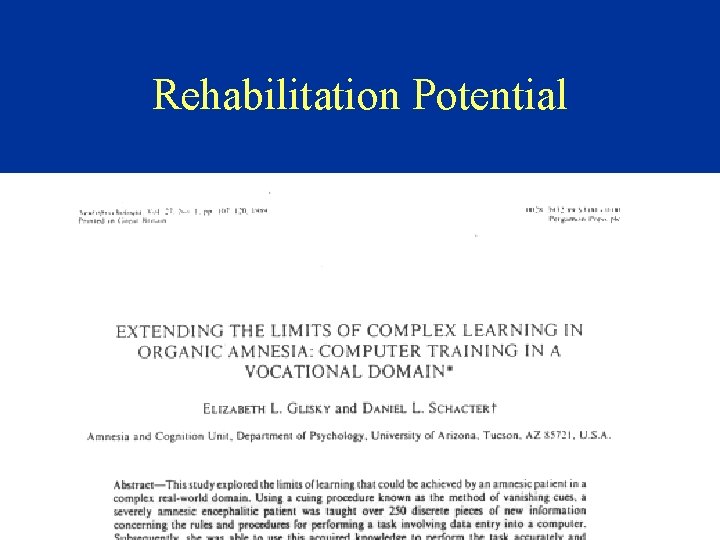
Rehabilitation Potential

end
- Slides: 82