
Membrane Structure Function The Fluid Mosaic Model Eukaryotic
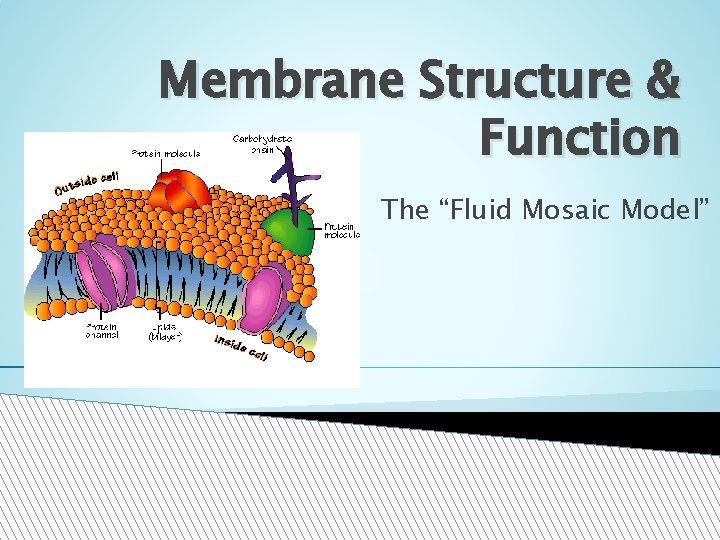
Membrane Structure & Function The “Fluid Mosaic Model”
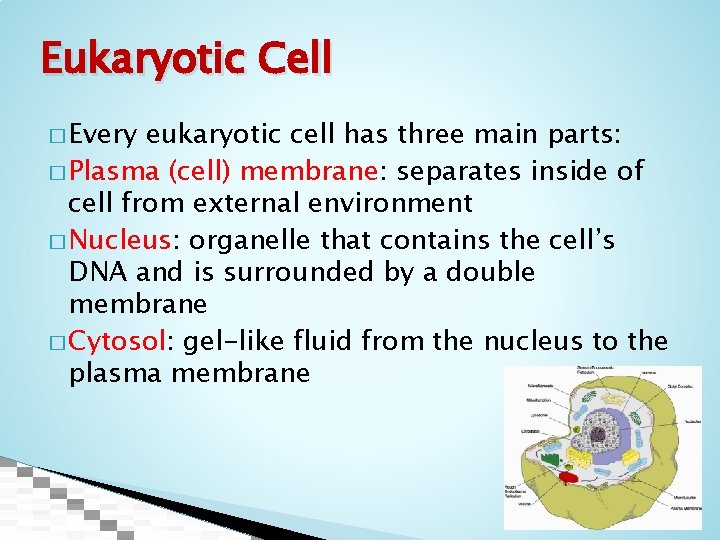
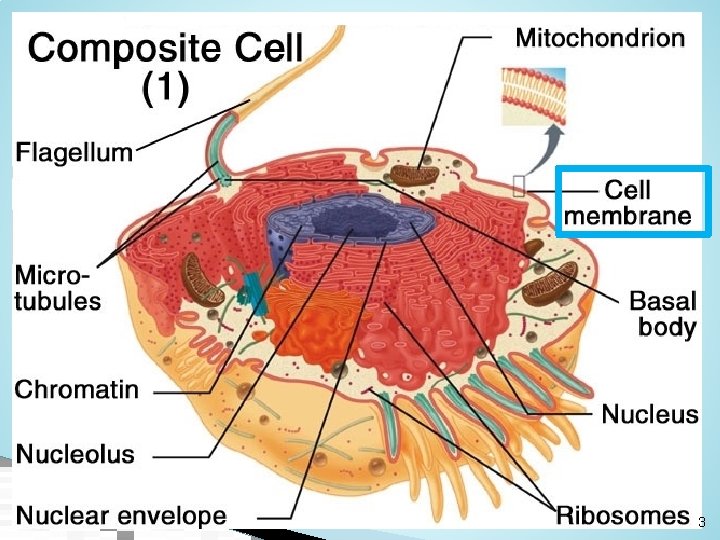
Eukaryotic Cell � Every eukaryotic cell has three main parts: � Plasma (cell) membrane: separates inside of cell from external environment � Nucleus: organelle that contains the cell’s DNA and is surrounded by a double membrane � Cytosol: gel-like fluid from the nucleus to the plasma membrane
3
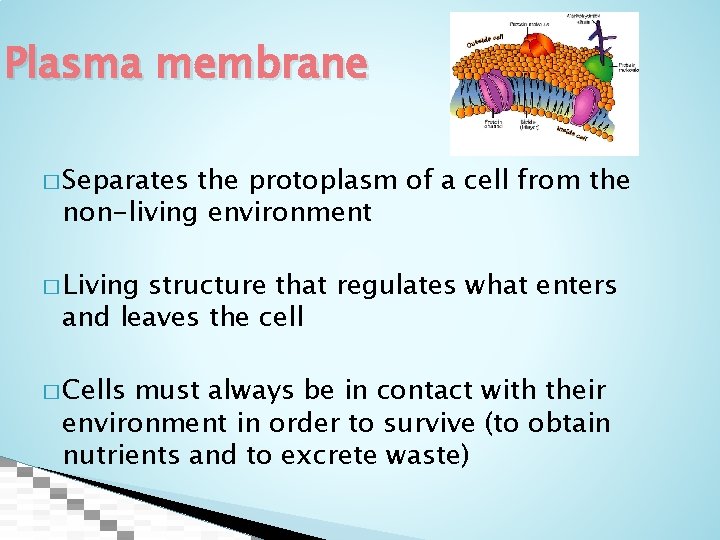
Plasma membrane � Separates the protoplasm of a cell from the non-living environment � Living structure that regulates what enters and leaves the cell � Cells must always be in contact with their environment in order to survive (to obtain nutrients and to excrete waste)
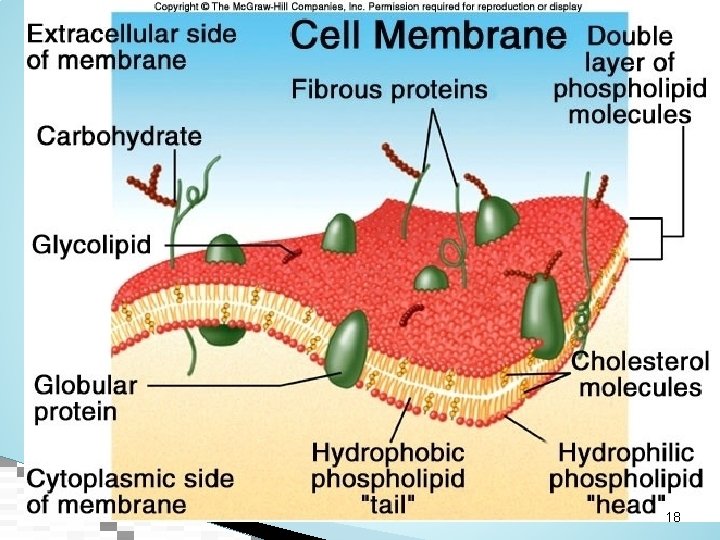
Fluid Mosaic Model � Scientists have inferred that the cell membrane contains a mosaic of different components scattered throughout it (much like raisins in a slice of bread) � Proteins and lipids molecules can drift sideways in the bilayer, supporting the idea that the bilayer has a fluid consistency fluidmosaic membrane model
� Most of the surface area of the cell membrane is made of phospholipids, but accounts for only 42% of the weight of the membrane. � The phoslipid is an amphipathic molecule – phosphate heads face the outside and inside, and fatty acid tails are in the middle. � The phosphate heads are hydrophilic (water loving) which are soluble in water � The fatty acid tails are hydrophobic (water hating) which are not soluble in water
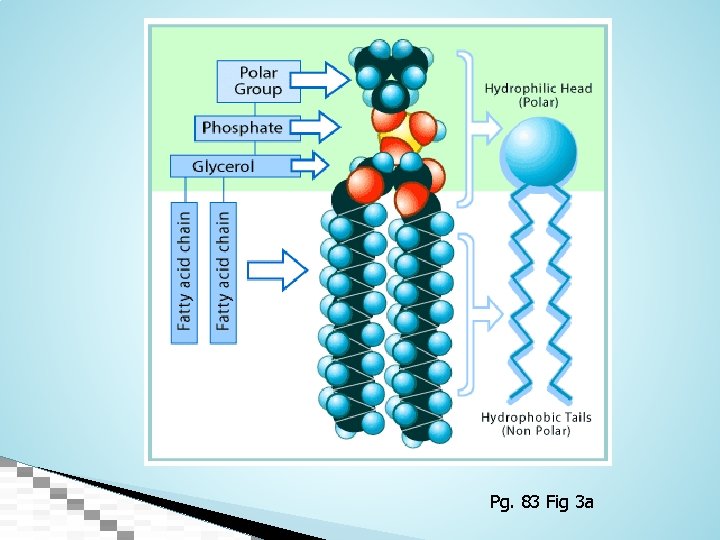
Pg. 83 Fig 3 a
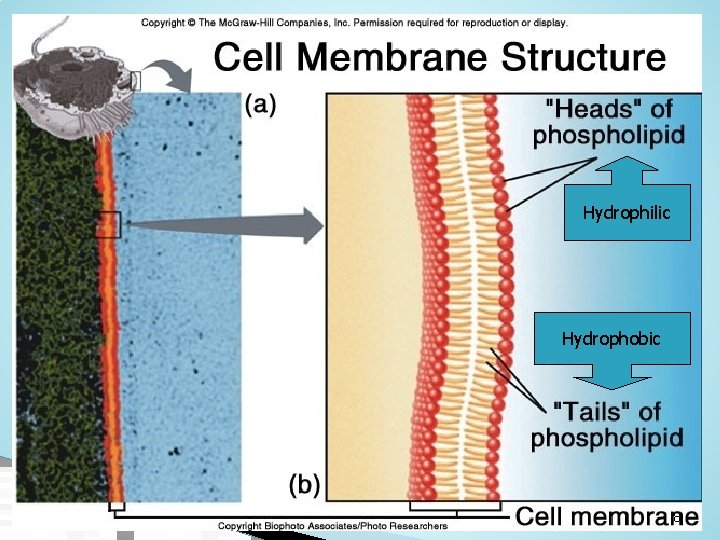
Hydrophilic Hydrophobic 8
Phospholipid Bilayer � Since there are two sets of phosphate heads and fatty acid tails (lipids) the membrane is called the phospholipid bilayer � The membrane is selectively permeable ◦ Fat soluble substances and some other small, uncharged molecules can pass through � Cholesterol is a large molecule, and helps to stabilize the membrane. ◦ At high temperatures: it helps maintain rigidity ◦ At low temperatures: keeps the membrane fluid, flexible and functional – preventing cell death from a frozen membrane
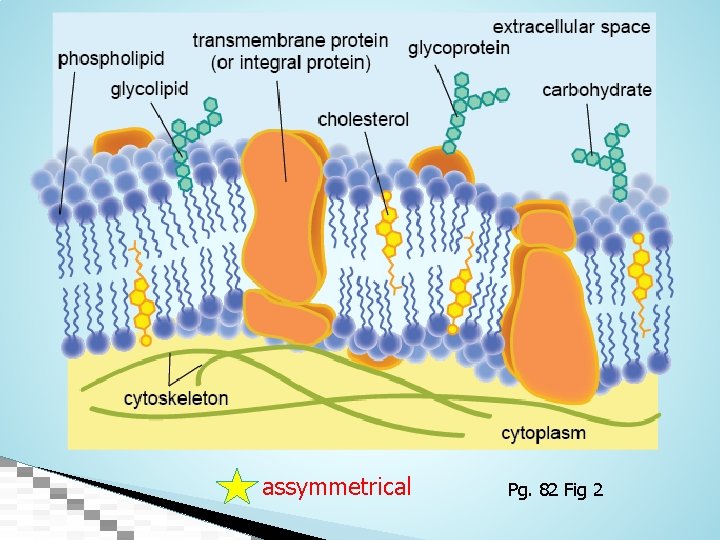
assymmetrical Pg. 82 Fig 2
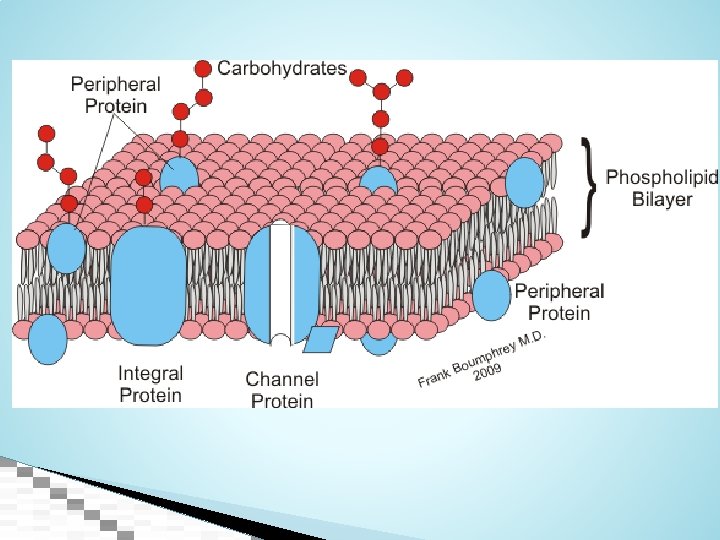
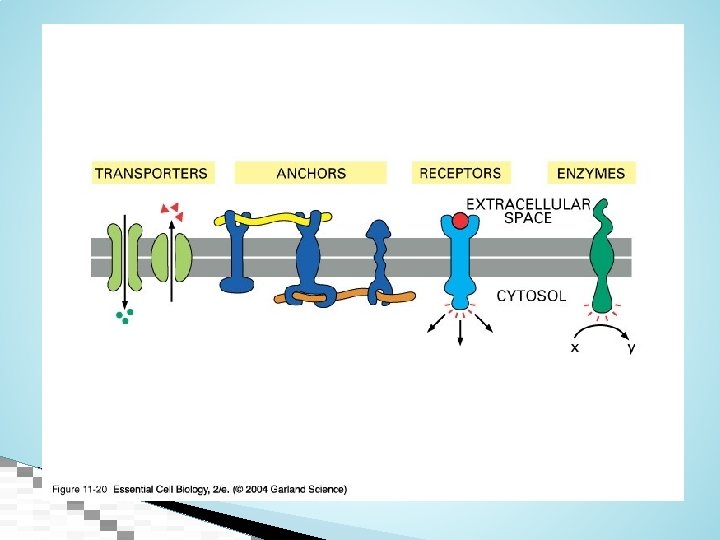
Protein Molecules � Embedded within the lipid bilayer (peripheral or integral) and carry out a number of functions: � Attachment & Recognition ◦ Most carry a special carbohydrate molecule and are known as glycoproteins: provide the cell with a unique identity ● Basis for the function of white blood cells and for organ transplant rejection ◦ Some attach to cytoskeleton filaments to help stabilize � Enzymatic activity ◦ Some membranes proteins are enzymes ● eg. those involved in respiration and photosynthesis
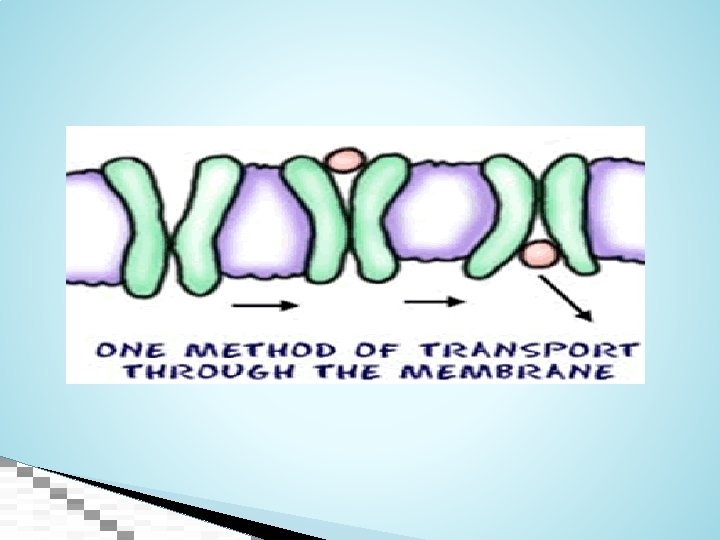
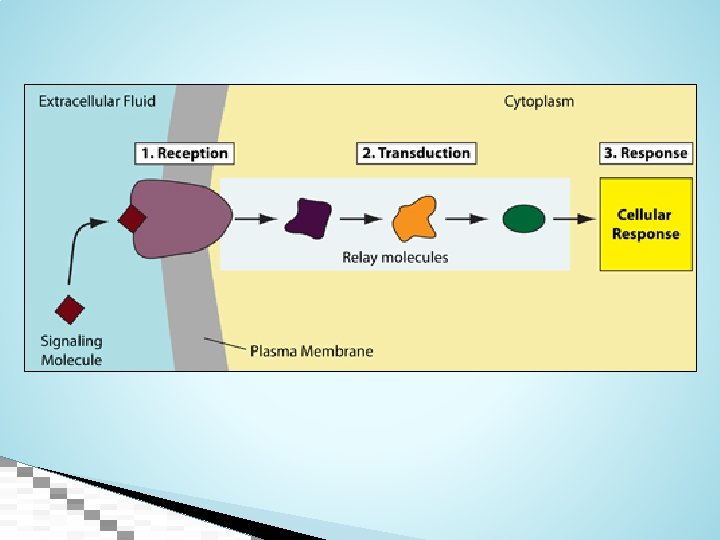
Protein Molecules � Triggering signals ◦ Some act as receptor sites for hormones which allow cells to communicate with one another ◦ Triggers cascade of events within the cell ● eg. insulin regulates blood sugar levels ● eg. serotonin insufficiency may result in depression � Transport ◦ Gatekeepers: opening and closing paths (shape-shifting) through which materials might move ● eg. sodium-potassium pump nerve impulses ◦ Channels: allow hydrophilic molecules and certain ions to move in/out ● eg. Cl- channel (malfunctioned in CF patients)
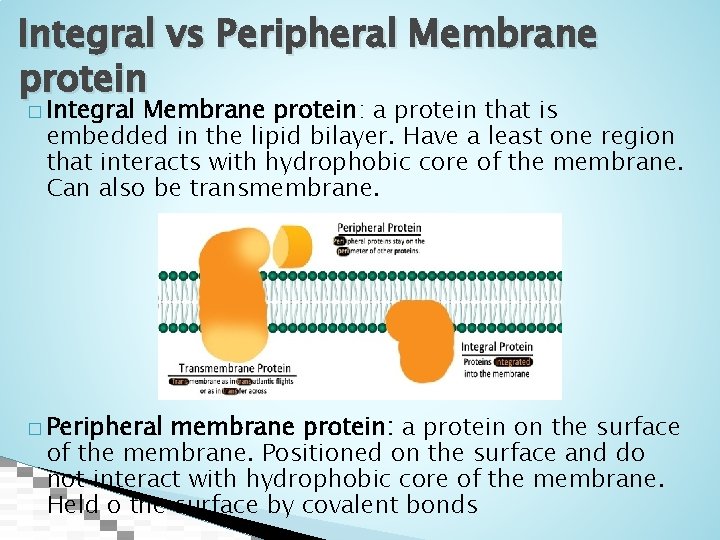
Integral vs Peripheral Membrane protein � Integral Membrane protein: a protein that is embedded in the lipid bilayer. Have a least one region that interacts with hydrophobic core of the membrane. Can also be transmembrane. � Peripheral membrane protein: a protein on the surface of the membrane. Positioned on the surface and do not interact with hydrophobic core of the membrane. Held o the surface by covalent bonds
18
- Slides: 18