
Membrane Structure Function BSCI 420 421 Lecture 14
Membrane Structure & Function BSCI 420, 421 Lecture 14 Oct 2002 Ghandi’s eyes looked out to sea. “When I was a boy, I used to sing a song in the temple: A true disciple knows another’s woes as his own. He bows to all and despises none. ” 1. Membrane functions 2. Membrane structure 3. Membrane fluidity
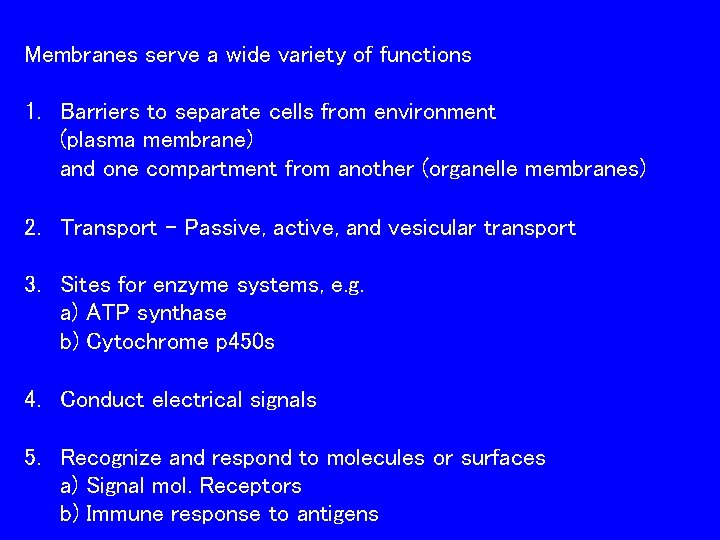
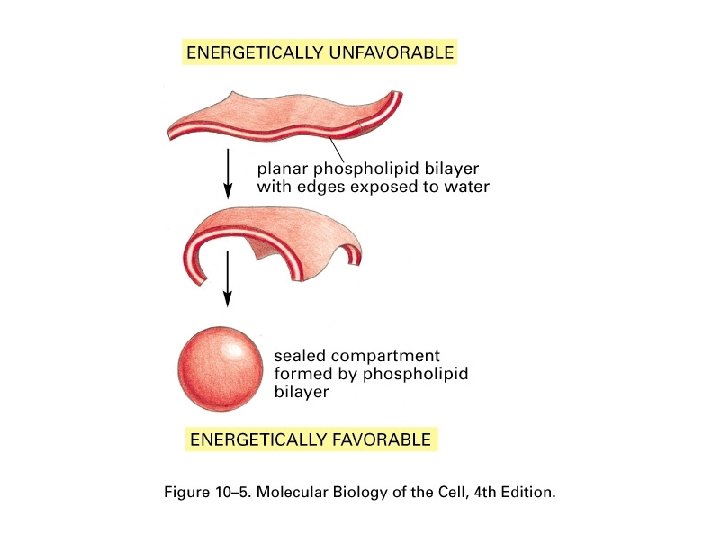
Membranes serve a wide variety of functions 1. Barriers to separate cells from environment (plasma membrane) and one compartment from another (organelle membranes) 2. Transport – Passive, active, and vesicular transport 3. Sites for enzyme systems, e. g. a) ATP synthase b) Cytochrome p 450 s 4. Conduct electrical signals 5. Recognize and respond to molecules or surfaces a) Signal mol. Receptors b) Immune response to antigens
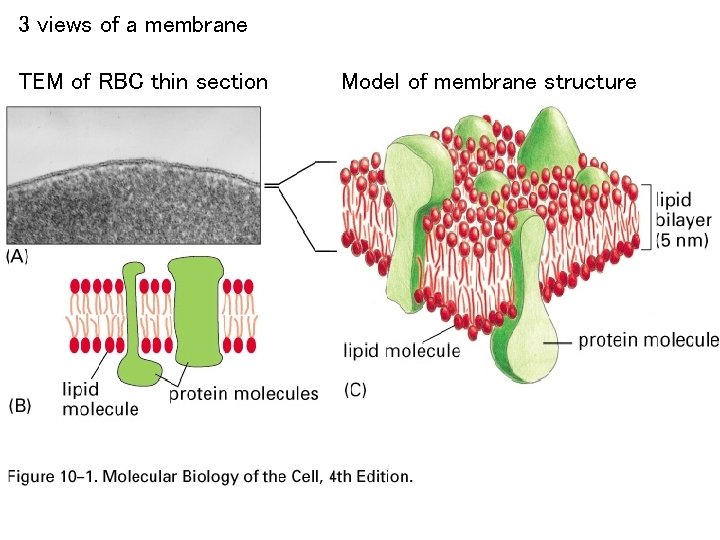
3 views of a membrane TEM of RBC thin section Model of membrane structure
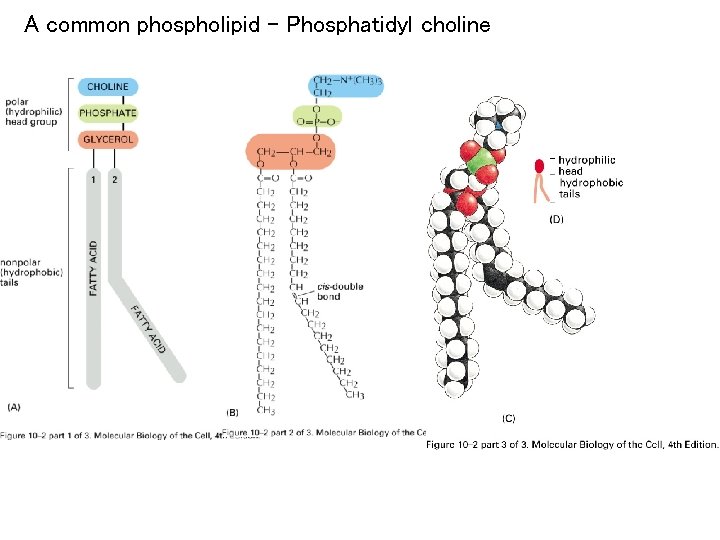
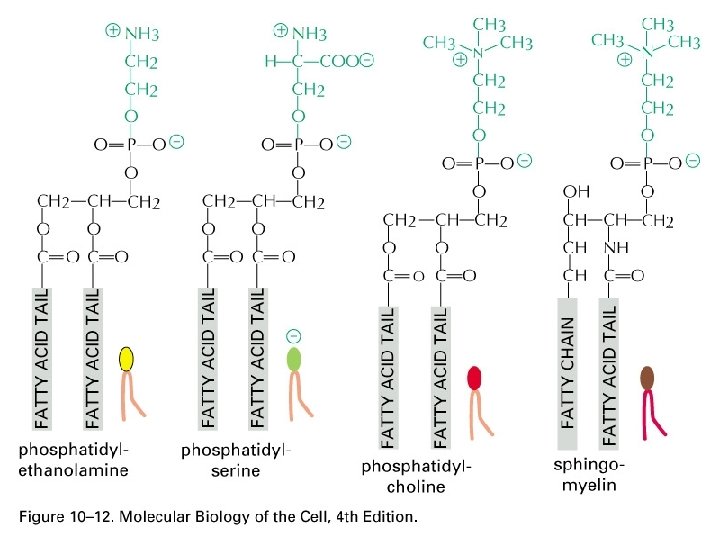
A common phospholipid – Phosphatidyl choline
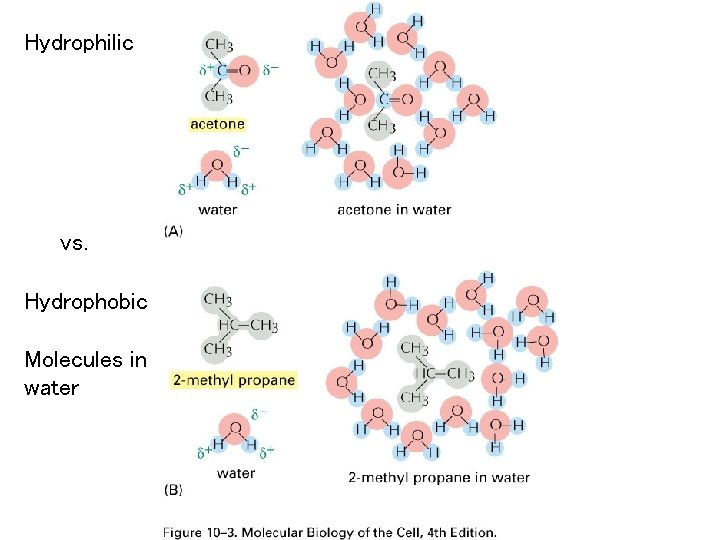
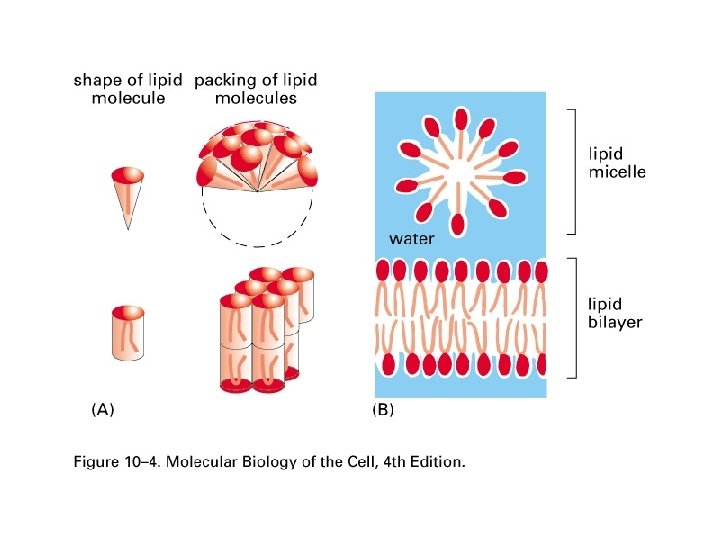
Hydrophilic vs. Hydrophobic Molecules in water
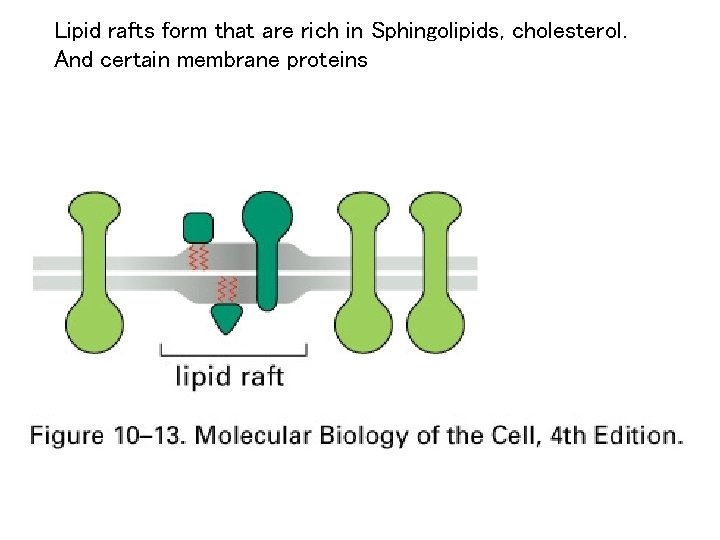
Lipid rafts form that are rich in Sphingolipids, cholesterol. And certain membrane proteins
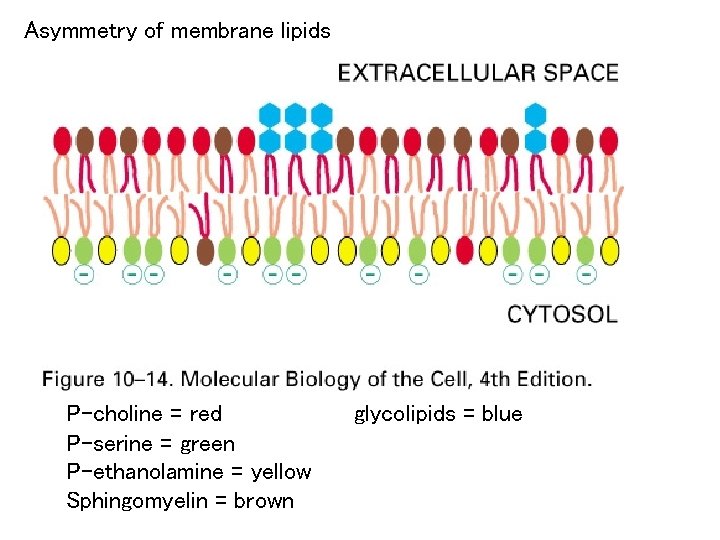
Asymmetry of membrane lipids P-choline = red P-serine = green P-ethanolamine = yellow Sphingomyelin = brown glycolipids = blue
Basis of lipid asymmetry: Synthesis of membrane lipids occurs on the ER. After they are delivered to the PM, a flippase enzyme selectively flips PS & PE to the cytosolic leaflet. (fig 12 -59).

Freeze fracture TEM
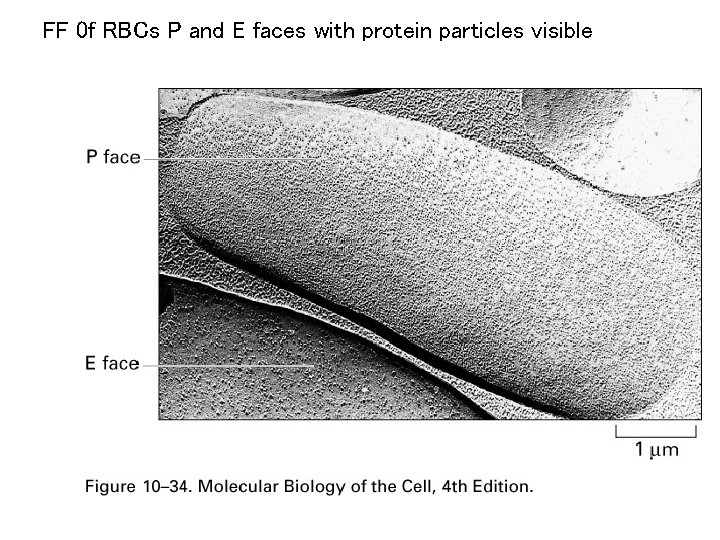
FF 0 f RBCs P and E faces with protein particles visible
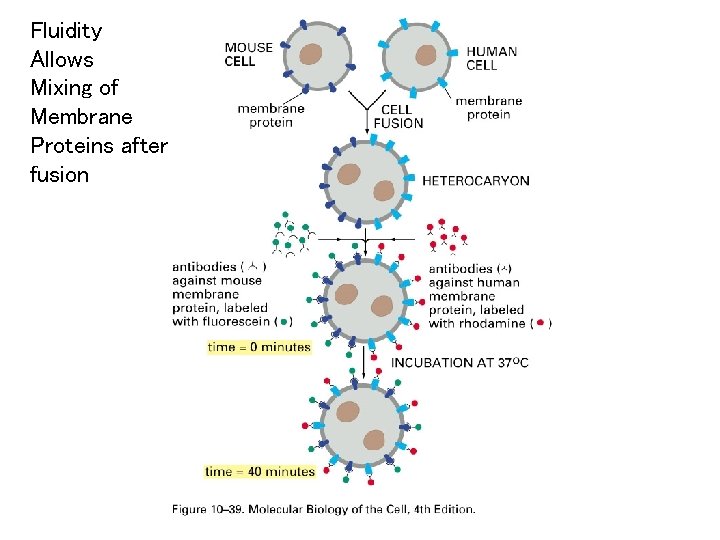
Fluidity Allows Mixing of Membrane Proteins after fusion
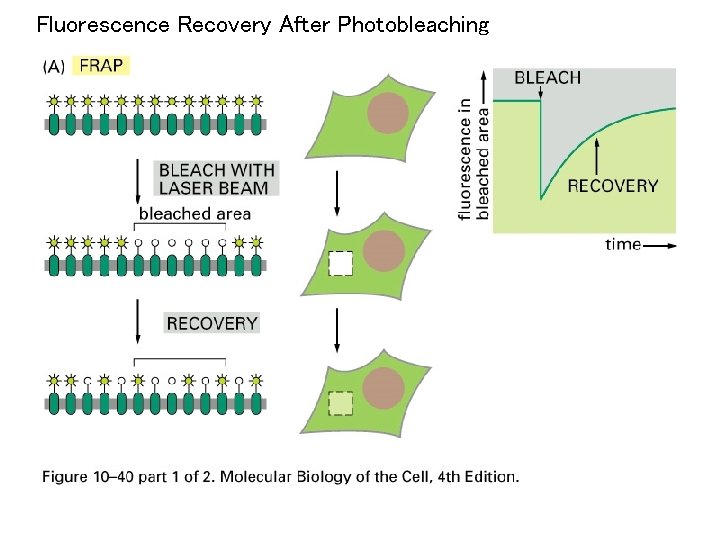
Fluorescence Recovery After Photobleaching
- Slides: 15