
Melissa FRANCOIS Alexandra HEBERT Mathilde Margaux LAROCHE Serge
Melissa FRANCOIS Alexandra HEBERT Mathilde Margaux LAROCHE Serge DA COSTA

THE GODS MUST BE CRAZY – JAMIE UYS http: //www. youtube. com/watch? v=EXTz. HUbk. OCE
DEFINITION OF NATURAL CULTURE Tylor Culture is that complex whole which includes knowledge, belief, art, morals, law, custom, and other capabilities acquired by man as a member of society.
COMPONENTS OF NATIONAL CULTURE Values Norms Attitudes
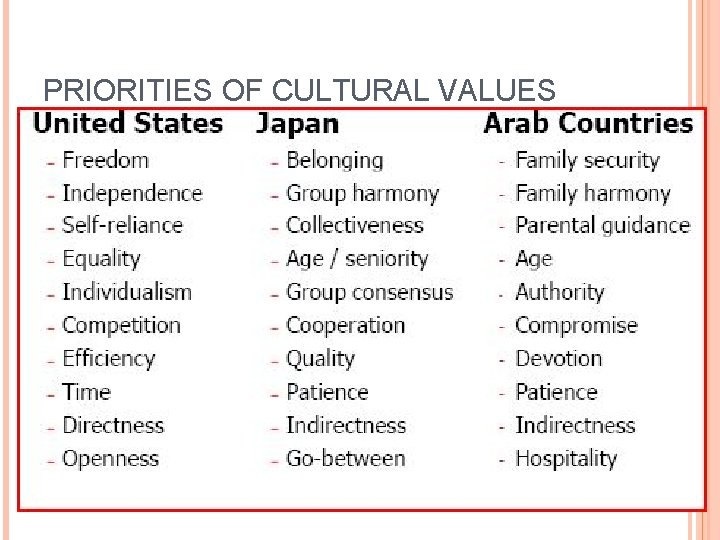
PRIORITIES OF CULTURAL VALUES
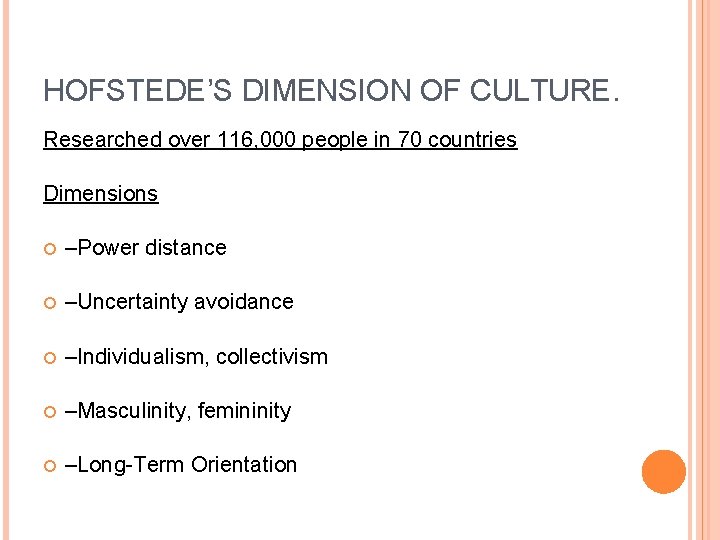
HOFSTEDE’S DIMENSION OF CULTURE. Researched over 116, 000 people in 70 countries Dimensions –Power distance –Uncertainty avoidance –Individualism, collectivism –Masculinity, femininity –Long-Term Orientation
SPOKEN LANGUAGES • There may be about 6, 000 languages worldwide, 90% with fewer than 100, 000 users. ENGLISH • • • Companies have adopted it as “the official company language”. –According to Ball, 83% of secondary school students learn English as a second language. –Approximately 85 percent of Internet sites are in English.
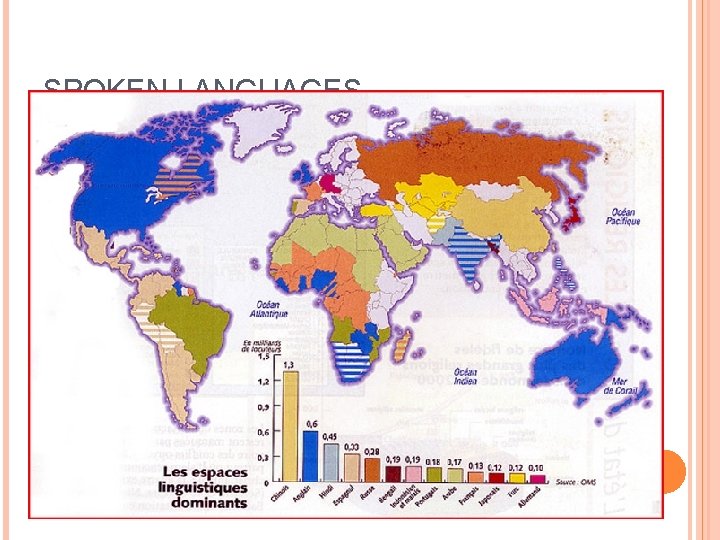
SPOKEN LANGUAGES
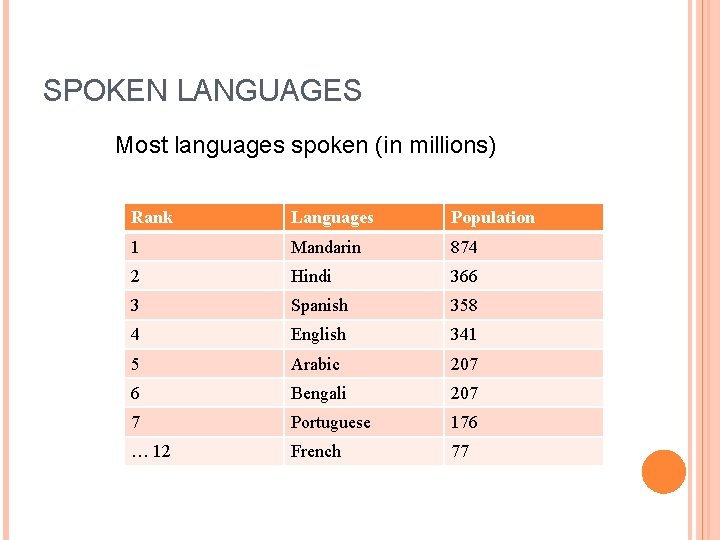
SPOKEN LANGUAGES Most languages spoken (in millions) Rank Languages Population 1 Mandarin 874 2 Hindi 366 3 Spanish 358 4 English 341 5 Arabic 207 6 Bengali 207 7 Portuguese 176 … 12 French 77
UNSPOKEN LANGUAGES Game
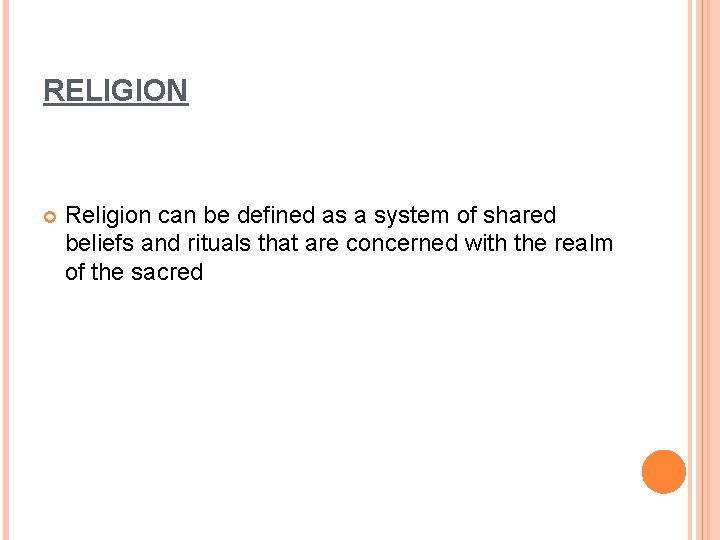
RELIGION Religion can be defined as a system of shared beliefs and rituals that are concerned with the realm of the sacred
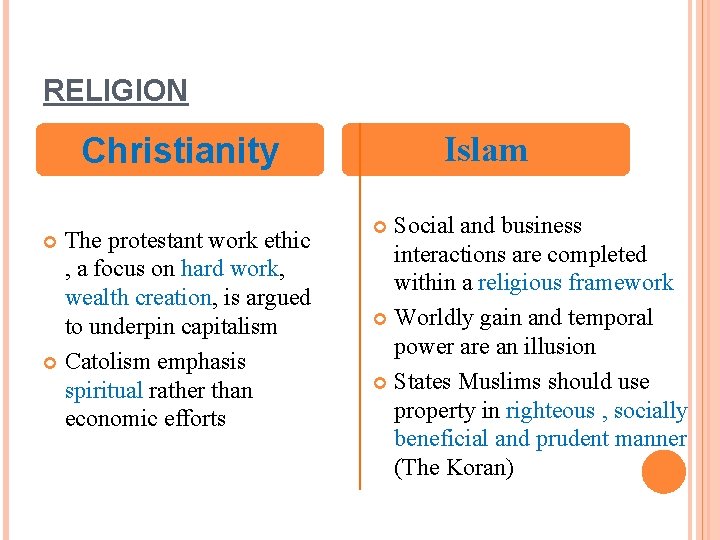
RELIGION Islam Christianity The protestant work ethic , a focus on hard work, wealth creation, is argued to underpin capitalism Catolism emphasis spiritual rather than economic efforts Social and business interactions are completed within a religious framework Worldly gain and temporal power are an illusion States Muslims should use property in righteous , socially beneficial and prudent manner (The Koran)
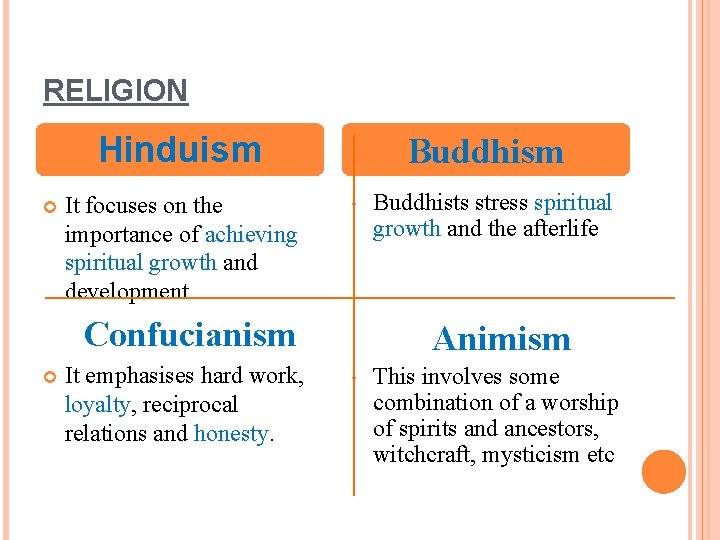
RELIGION Hinduism It focuses on the importance of achieving spiritual growth and development Buddhism • Confucianism It emphasises hard work, loyalty, reciprocal relations and honesty. Buddhists stress spiritual growth and the afterlife Animism • This involves some combination of a worship of spirits and ancestors, witchcraft, mysticism etc
ETIQUETTES • China: What you should not do during a business dinner ? – • Do not eat all of your meal. If you eat all of your meal, the Chinese will assume you did not receive enough food and are still hungry. Spain: When spanish people usually have a dinner? – Dinner is usually served after 9: 00 p. m, so you may want to take full advantage of the siesta and get in a nap
ETIQUETTES USA: What do you have to do when you meet someone? Offer a firm handshake, lasting 3 -5 seconds, upon greeting and leaving. Maintain good eye contact during your handshake. GREECE: During a business meeting, what is particular about the punctuality? Foreigners have to be punctual, except local population
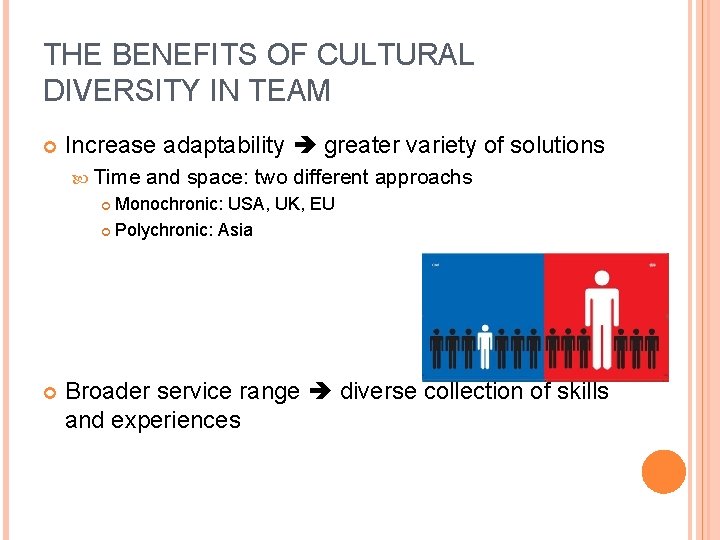
THE BENEFITS OF CULTURAL DIVERSITY IN TEAM Increase adaptability greater variety of solutions Time and space: two different approachs Monochronic: USA, UK, EU Polychronic: Asia Broader service range diverse collection of skills and experiences
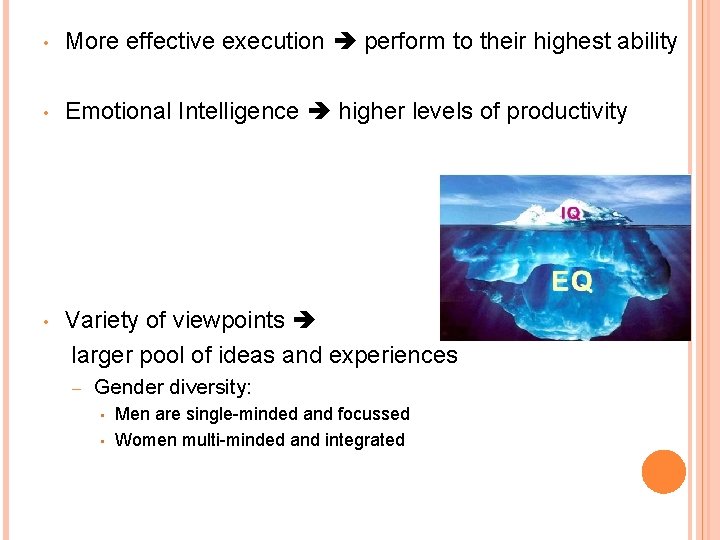
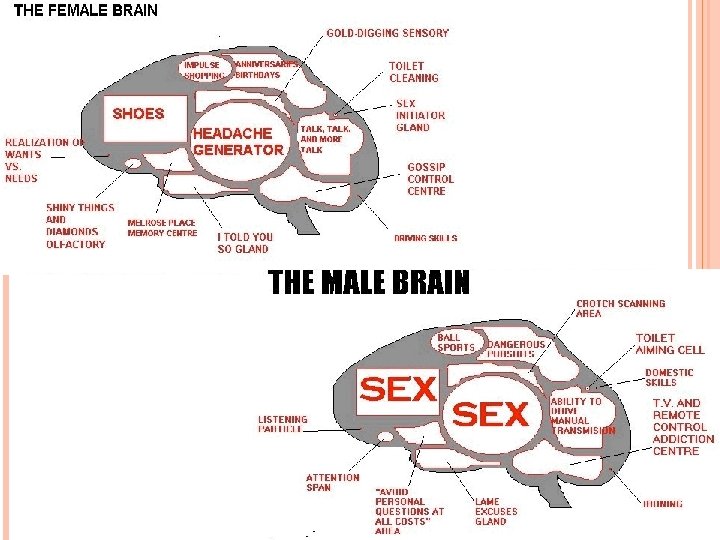
• More effective execution perform to their highest ability • Emotional Intelligence higher levels of productivity • Variety of viewpoints larger pool of ideas and experiences – Gender diversity: • • Men are single-minded and focussed Women multi-minded and integrated

INVICTUS – CLINT EASTWOOD http: //www. youtube. com/watch? v=E 9 Ovkye 6 lac
NEGATIVE ASPECTS OF CULTURAL DIVERSITY IN TEAMS “. . . the management of diversity. . . best viewed, not as alternative(s), but as complementary approache(s) which need to be interrelated” (Torrington, Hall & Taylor 2008, p. 590) Problems - Different behaviours Incomprehension Different ways to work
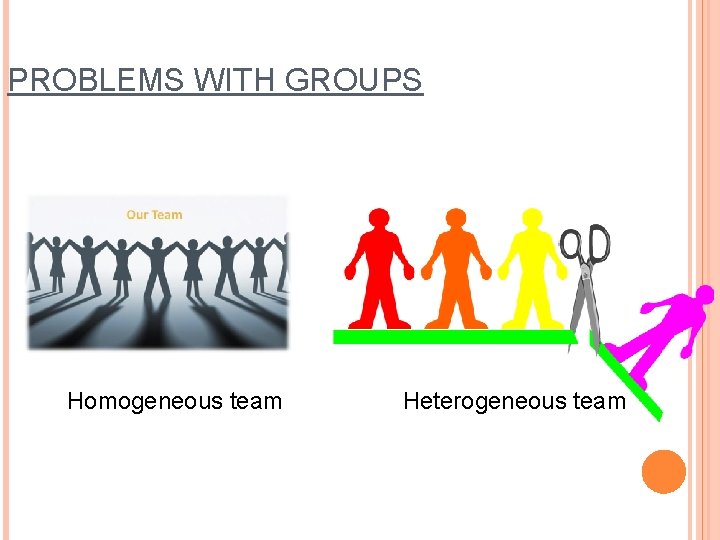
PROBLEMS WITH GROUPS Homogeneous team Heterogeneous team
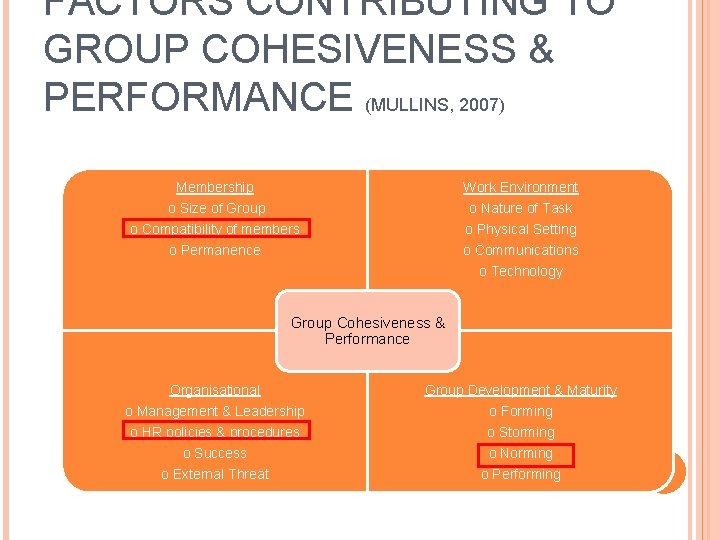
FACTORS CONTRIBUTING TO GROUP COHESIVENESS & PERFORMANCE (MULLINS, 2007) Membership Work Environment o Size of Group o Nature of Task o Compatibility of members o Permanence o Physical Setting o Communications o Technology Group Cohesiveness & Performance Organisational Group Development & Maturity o Management & Leadership o Forming o HR policies & procedures o Success o External Threat o Storming o Norming o Performing
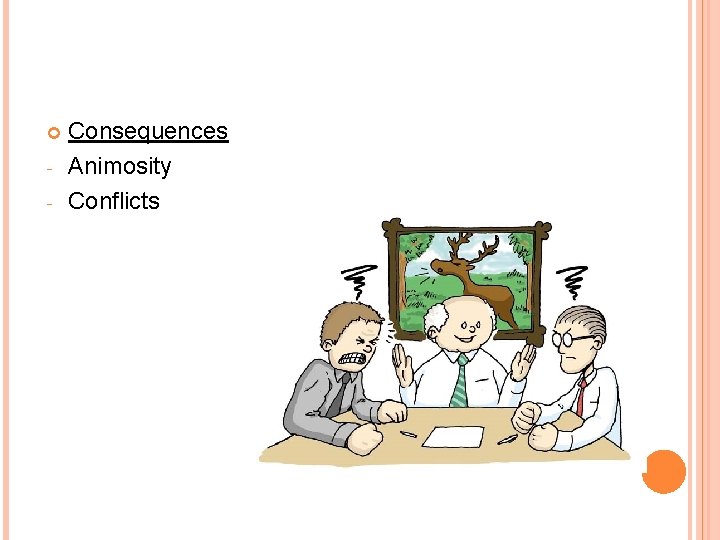
- Consequences Animosity Conflicts

THIS IS ENGLAND – SHANE MEADOWS http: //www. youtube. com/watch? v=Sfo. Jx 6 t 97 RE&feature=related
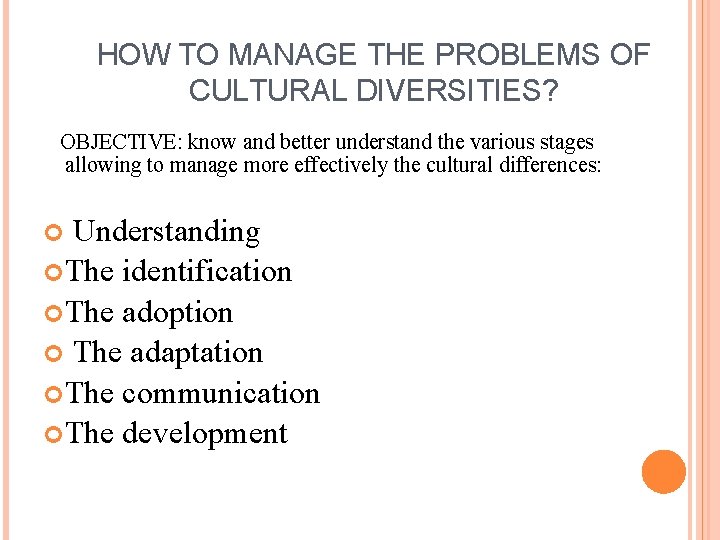
HOW TO MANAGE THE PROBLEMS OF CULTURAL DIVERSITIES? OBJECTIVE: know and better understand the various stages allowing to manage more effectively the cultural differences: Understanding The identification The adoption The adaptation The communication The development
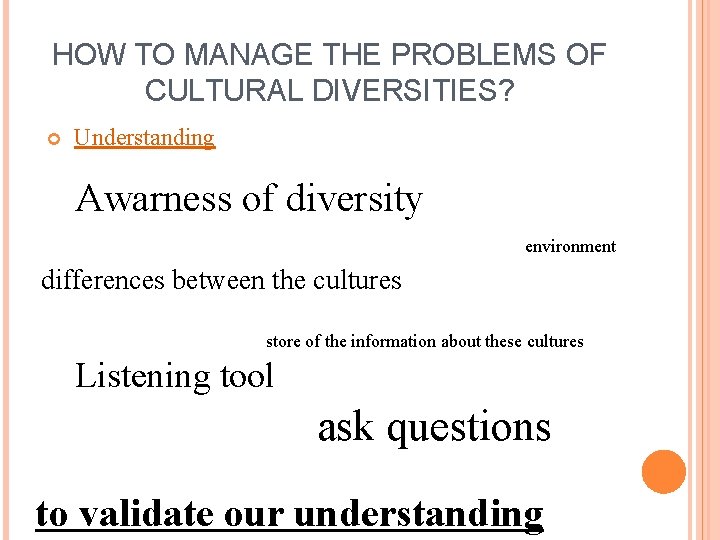
HOW TO MANAGE THE PROBLEMS OF CULTURAL DIVERSITIES? Understanding Awarness of diversity environment differences between the cultures store of the information about these cultures Listening tool ask questions to validate our understanding
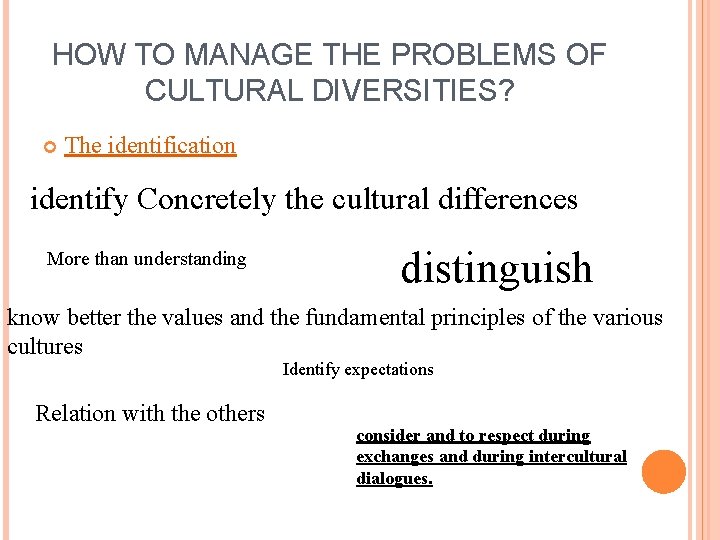
HOW TO MANAGE THE PROBLEMS OF CULTURAL DIVERSITIES? The identification identify Concretely the cultural differences More than understanding distinguish know better the values and the fundamental principles of the various cultures Identify expectations Relation with the others consider and to respect during exchanges and during intercultural dialogues.
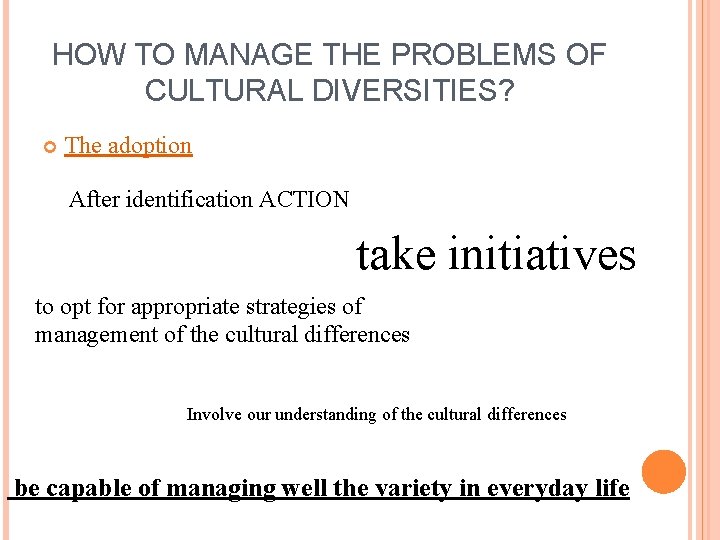
HOW TO MANAGE THE PROBLEMS OF CULTURAL DIVERSITIES? The adoption After identification ACTION take initiatives to opt for appropriate strategies of management of the cultural differences Involve our understanding of the cultural differences be capable of managing well the variety in everyday life
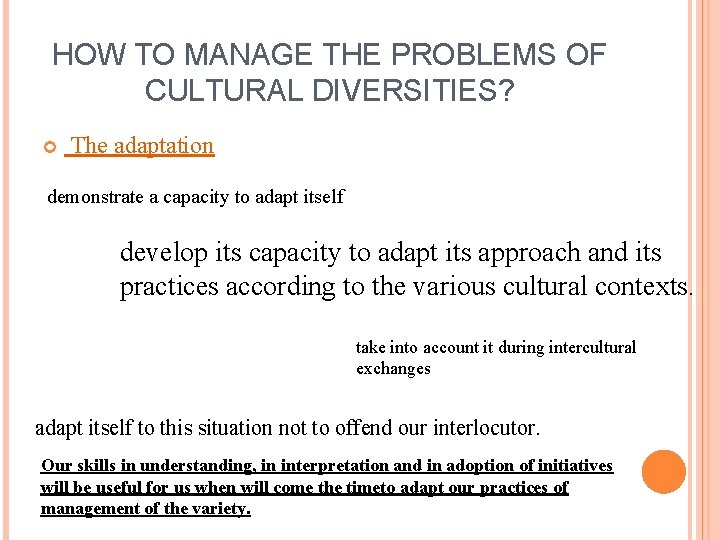
HOW TO MANAGE THE PROBLEMS OF CULTURAL DIVERSITIES? The adaptation demonstrate a capacity to adapt itself develop its capacity to adapt its approach and its practices according to the various cultural contexts. take into account it during intercultural exchanges adapt itself to this situation not to offend our interlocutor. Our skills in understanding, in interpretation and in adoption of initiatives will be useful for us when will come the timeto adapt our practices of management of the variety.
HOW TO MANAGE THE PROBLEMS OF CULTURAL DIVERSITIES? The communication The intercultural communication is a challenge the control of the intercultural communication. verbal or not verbal preparing the ground for the intercultural dialogue tone and the emotion in the voice, the precision of the message, the used words and the physical language
HOW TO MANAGE THE PROBLEMS OF CULTURAL DIVERSITIES? The development to try to improve the practices and the mastered strategies and to diversify them when the opportunity appears. The continuous development of the acquired skills is crucial for a better management of the variety and the cultural differences in a multicultural environment inconstant evolution.
- Slides: 33