
MEIOSIS REPRODUCTION Asexual splitting budding parthenogenesis egg develops
MEIOSIS

REPRODUCTION • Asexual • splitting • budding • parthenogenesis (egg develops w/o fertilization) • occurs naturally in some invertebrate animal species (e. g. , water fleas, aphids, nematodes, some bees, some scorpion species, and parasitic wasps) and a few vertebrates (e. g. , some fish, amphibians, reptiles, and very rarely birds) 2
SEXUAL REPRODUCTION • Fusion of two gametes to produce a single zygote. • Introduces greater genetic variation, allows genetic recombination. • With exception of self-fertilizing organisms (e. g. some plants), zygote has gametes from two different parents. 3
REVIEW • What happens in each of the phases of mitosis? • Prophase • Metaphase • Anaphase • Telophase
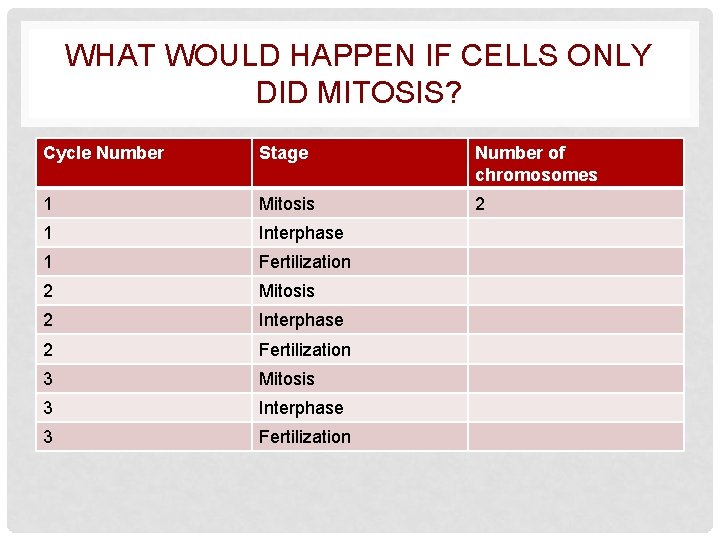
WHAT WOULD HAPPEN IF CELLS ONLY DID MITOSIS? Cycle Number Stage Number of chromosomes 1 Mitosis 2 1 Interphase 1 Fertilization 2 Mitosis 2 Interphase 2 Fertilization 3 Mitosis 3 Interphase 3 Fertilization
MEIOSIS • Occurs in reproductive organs • Meiosis produces haploid gametes • ½ the number of chromosomes of regular cells
CHROMOSOMES AND CHROMOSOME NUMBER • DNA in chromosomes is arranged into segments called genes • Control production of proteins • Each chromosome has hundreds of genes

HOMOLOGOUS CHROMOSOMES • Human Somatic cells each have 46 chromosomes • 23 from each parent • 23 pairs of chromosomes • Chromosomes that make up a pair = homologous chromosomes • Have same length and same centromere position • Carry genes that control the same trait • Don’t necessarily code for the same expression of gene
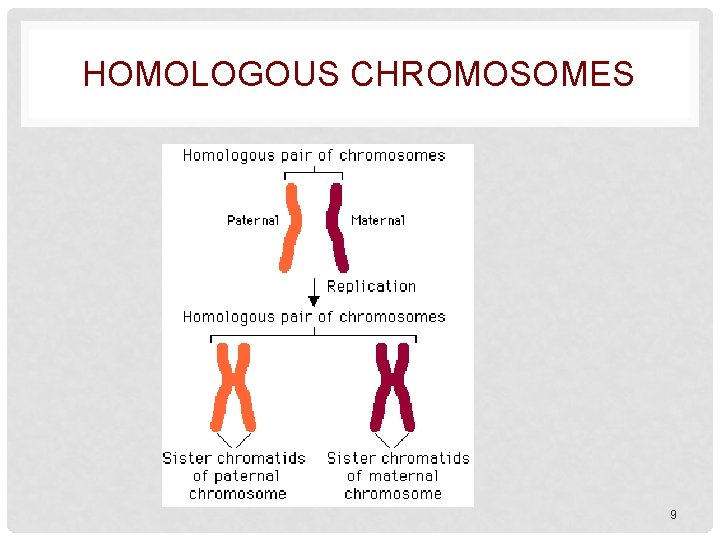
HOMOLOGOUS CHROMOSOMES 9
HAPLOID & DIPLOID CELLS • Gametes – sex cells • Have half the number of chromosomes as somatic cells • Humans – 23 individual chromosomes (not pairs) • Haploid – n • Sex cells • Diploid – 2 n • Somatic cells
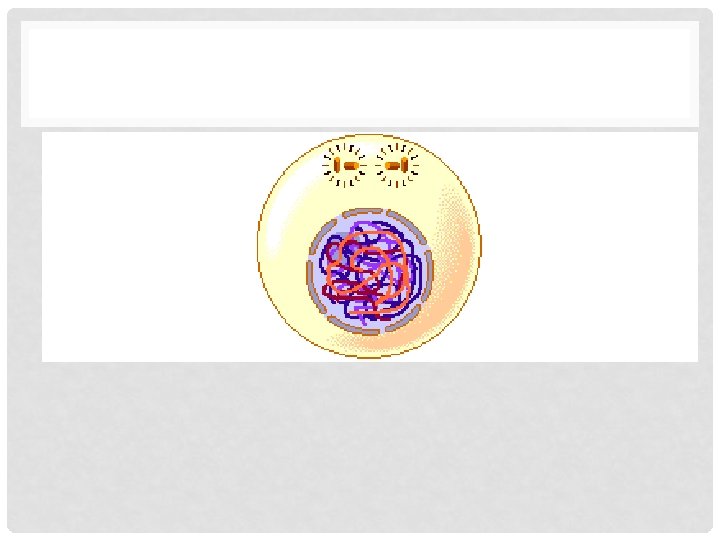
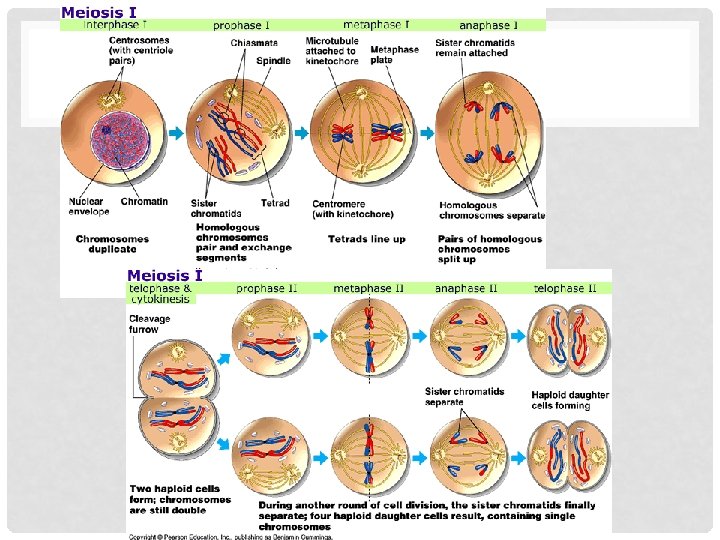
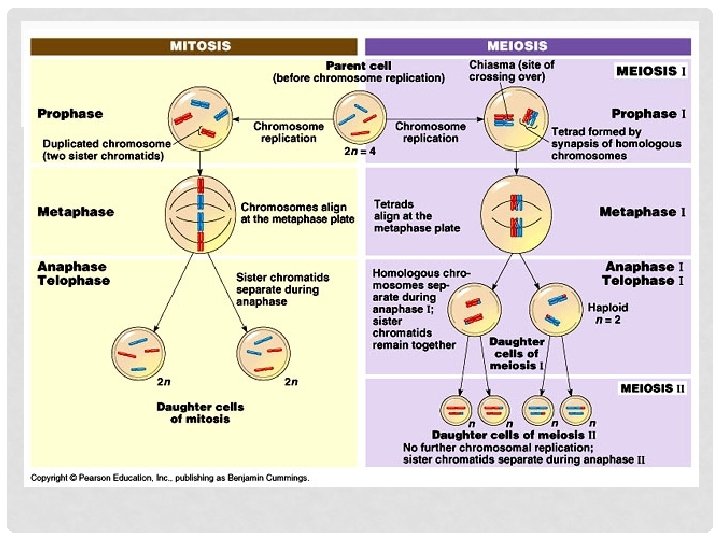
MEIOSIS I • Interphase – same as always • Prophase 1 • Chromatin condenses into chromosomes • Homologous chromosomes pair up • Crossing over occurs • Spindle forms

CROSSING OVER • Process in which chromosomal segments are exchanged between a pair of homologous chromosomes
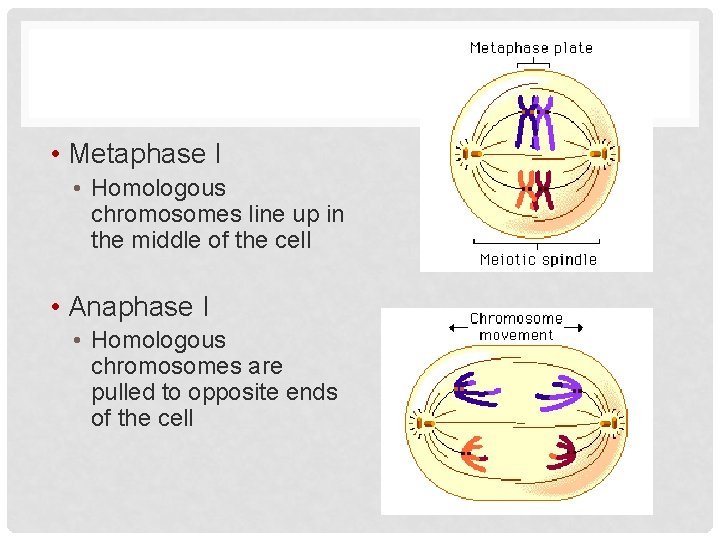
• Metaphase I • Homologous chromosomes line up in the middle of the cell • Anaphase I • Homologous chromosomes are pulled to opposite ends of the cell
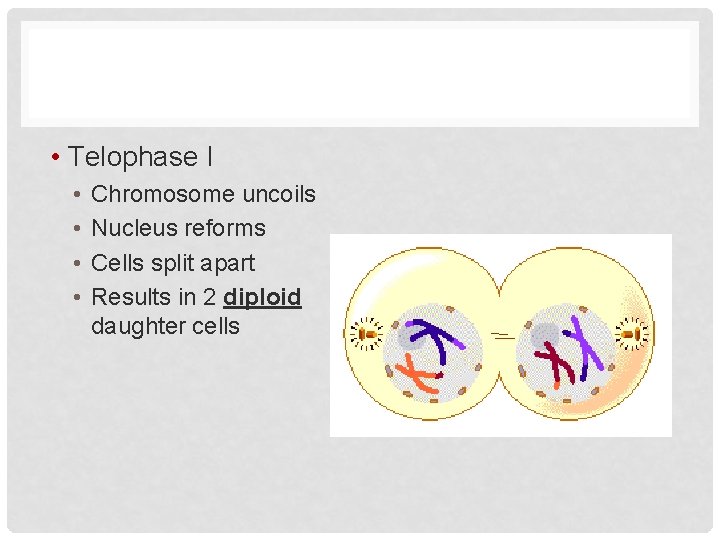
• Telophase I • • Chromosome uncoils Nucleus reforms Cells split apart Results in 2 diploid daughter cells
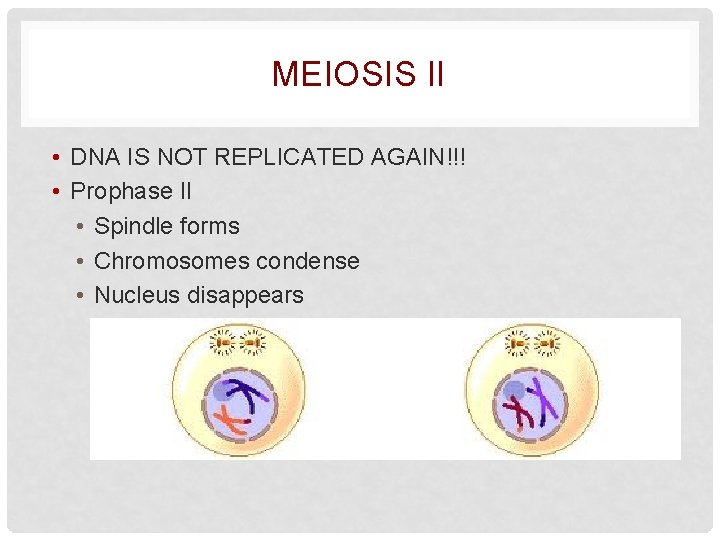
MEIOSIS II • DNA IS NOT REPLICATED AGAIN!!! • Prophase II • Spindle forms • Chromosomes condense • Nucleus disappears
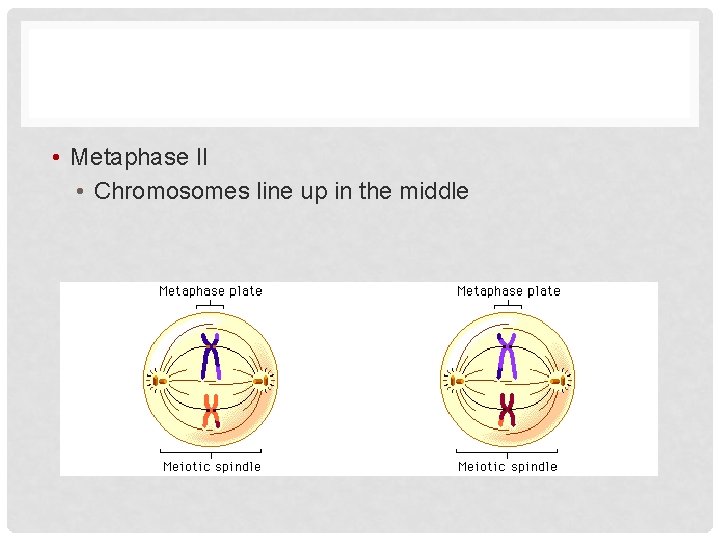
• Metaphase II • Chromosomes line up in the middle
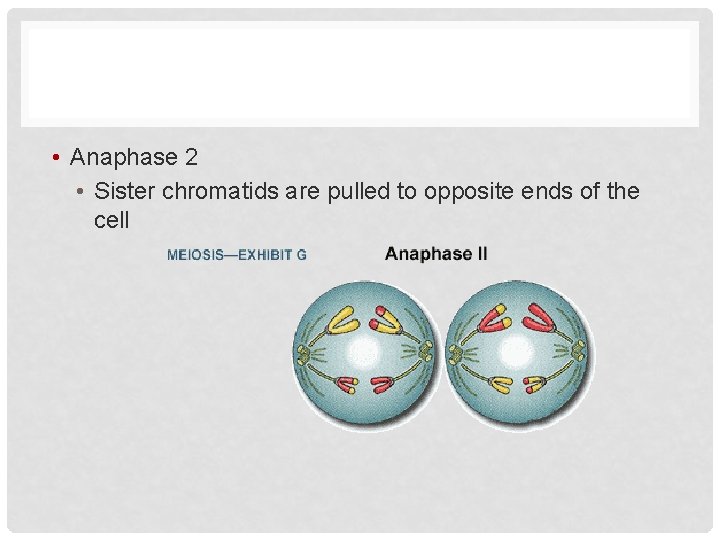
• Anaphase 2 • Sister chromatids are pulled to opposite ends of the cell
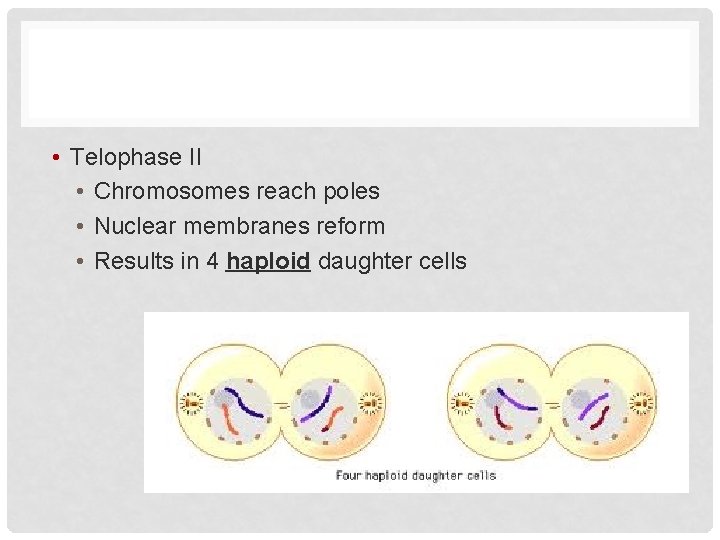
• Telophase II • Chromosomes reach poles • Nuclear membranes reform • Results in 4 haploid daughter cells
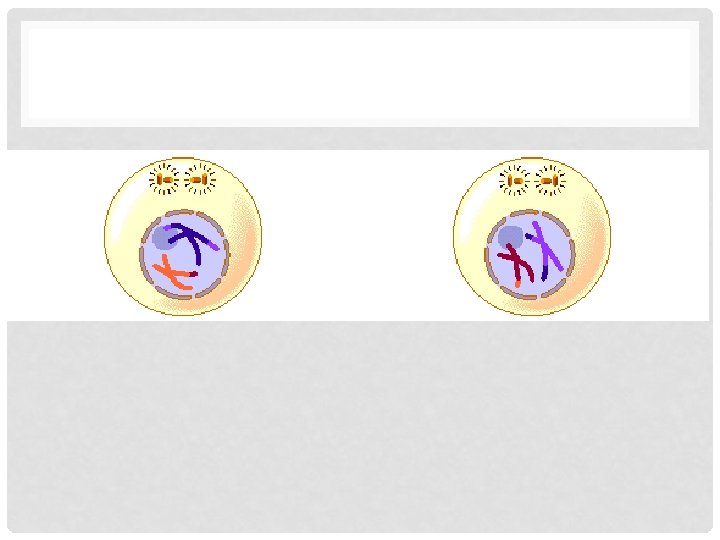
IMPORTANCE OF MEIOSIS • Results in genetic variation • How homologous pairs line up in metaphase I is random
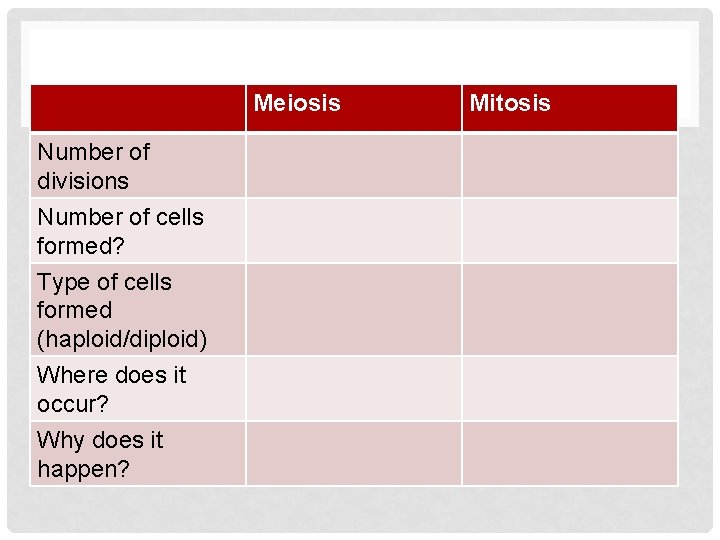
Meiosis Number of divisions Number of cells formed? Type of cells formed (haploid/diploid) Where does it occur? Why does it happen? Mitosis
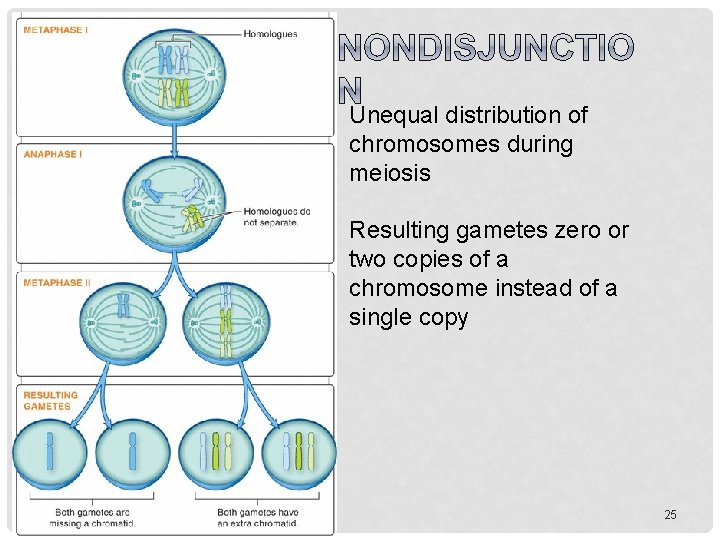
Unequal distribution of chromosomes during meiosis Resulting gametes zero or two copies of a chromosome instead of a single copy 25
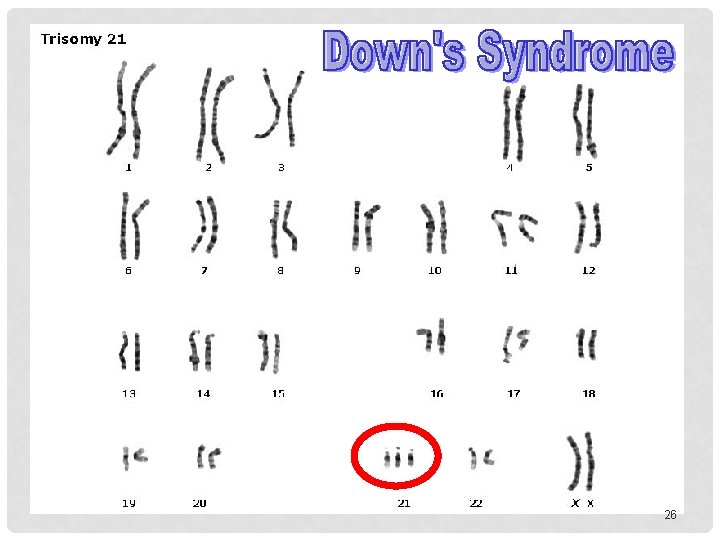
26
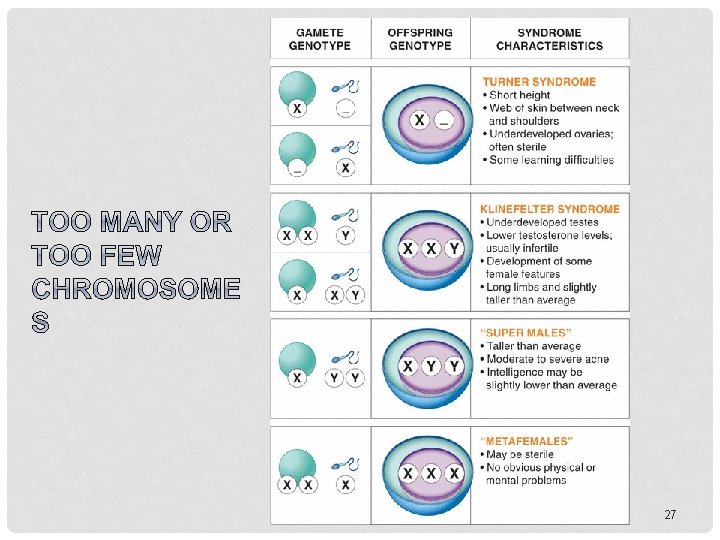
27
- Slides: 27