
Meiosis Homologous Chromosomes Chromosomes line up in homologous
- Slides: 34
Meiosis
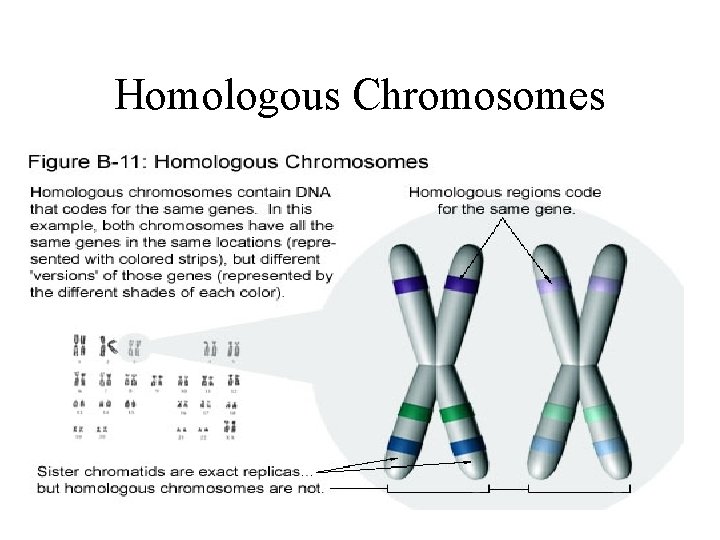
Homologous Chromosomes
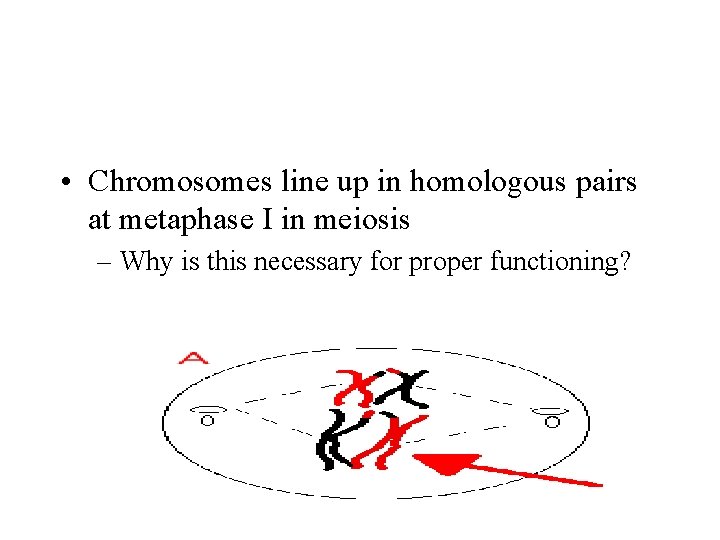
• Chromosomes line up in homologous pairs at metaphase I in meiosis – Why is this necessary for proper functioning?
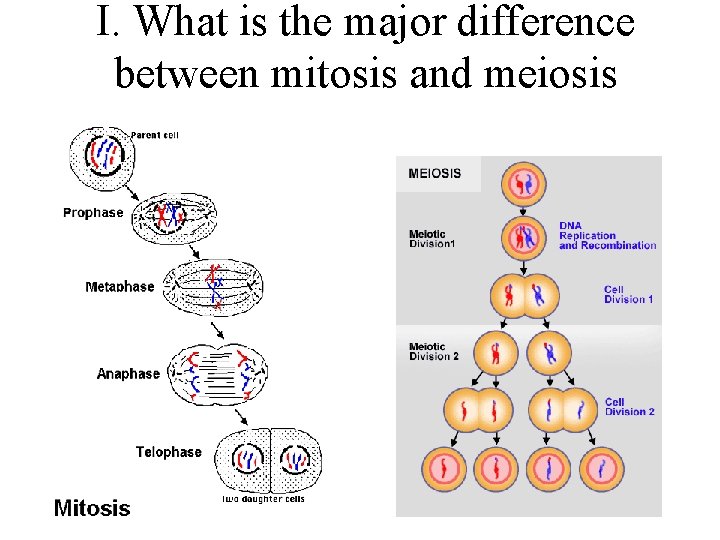
I. What is the major difference between mitosis and meiosis
Mitosis vs. meiosis • Mitosis = 1 division – Diploid cells • Meiosis = 2 divisions – Haploid cells
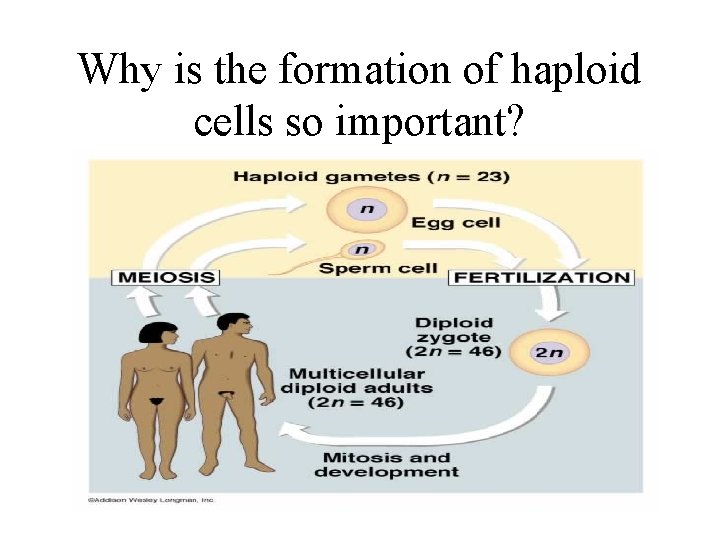
Why is the formation of haploid cells so important?
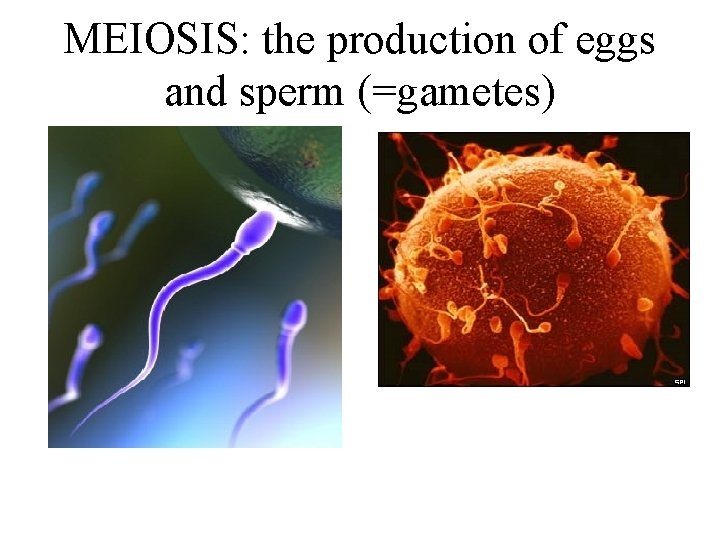
MEIOSIS: the production of eggs and sperm (=gametes)
Uses of Meiosis • Used to form eggs and sperm • Four products formed • Each product has 23 chromosomes (not 46) (haploid cell) • Products are genetically unique
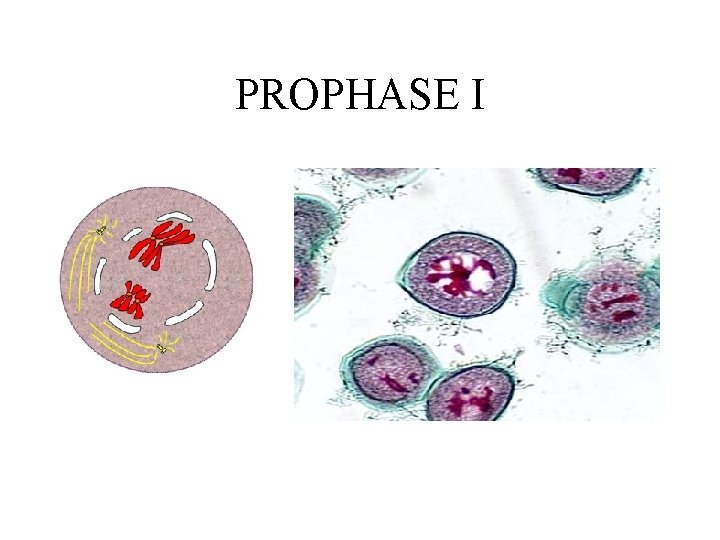
PROPHASE I
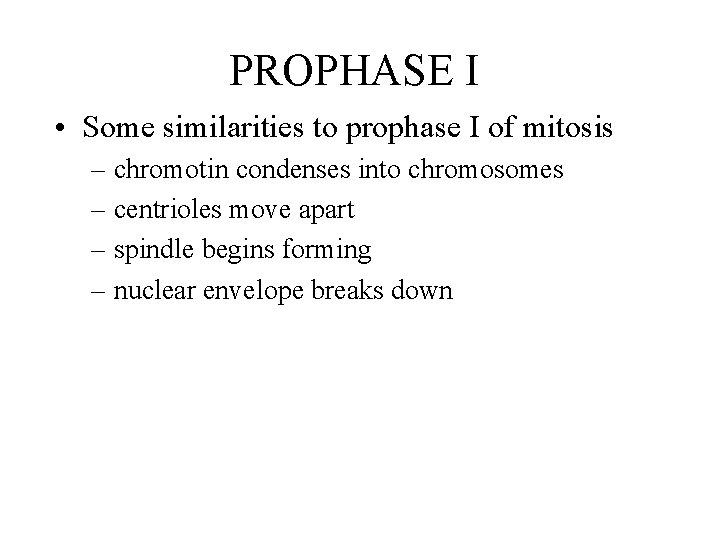
PROPHASE I • Some similarities to prophase I of mitosis – chromotin condenses into chromosomes – centrioles move apart – spindle begins forming – nuclear envelope breaks down
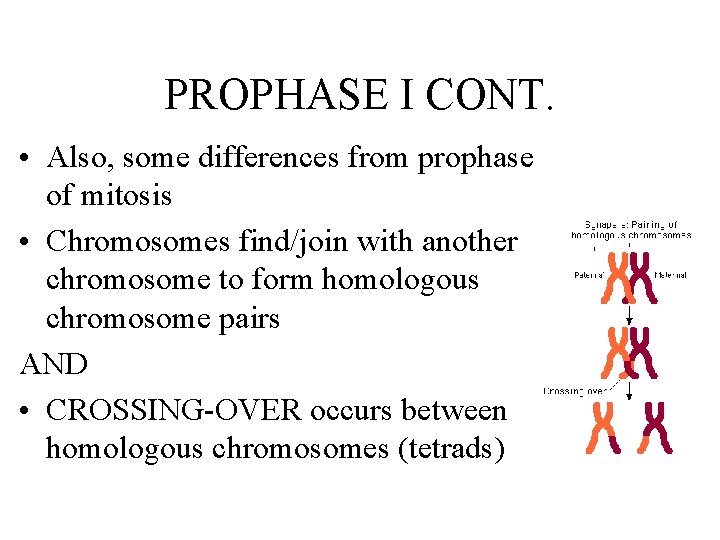
PROPHASE I CONT. • Also, some differences from prophase of mitosis • Chromosomes find/join with another chromosome to form homologous chromosome pairs AND • CROSSING-OVER occurs between homologous chromosomes (tetrads)
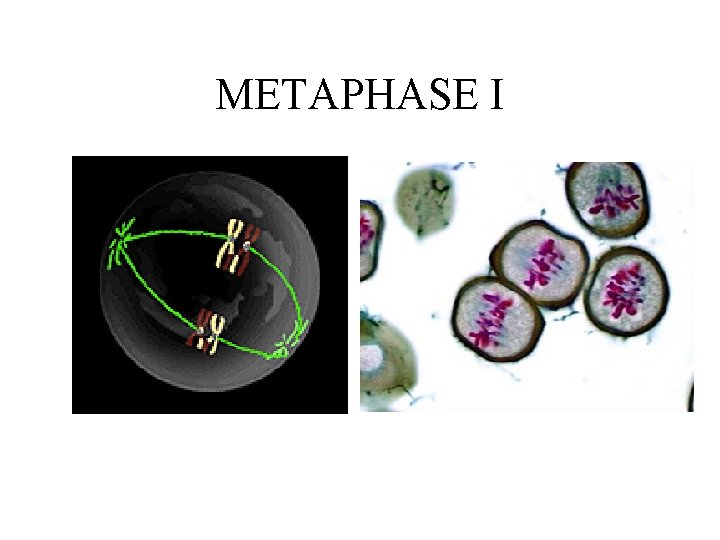
METAPHASE I
METAPHASE I • • Nuclear membrane gone Centrioles at opposite poles (animal cells) Spindle fully formed Homologous chromosome pairs line up along metaphase plate =INDEPENDENT ASSORTMENT -- chromosomes line up two-by-two…not single file!
ANAPHASE I
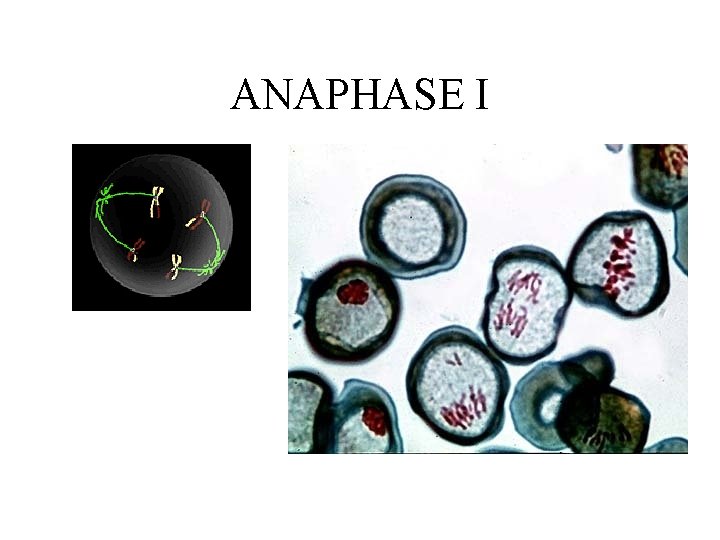
ANAPHASE I • Spindle pulls homologous chromosomes to opposite poles – Chromosomes still double stranded (X) • Cell is oval-like in shape
TELOPHASE I
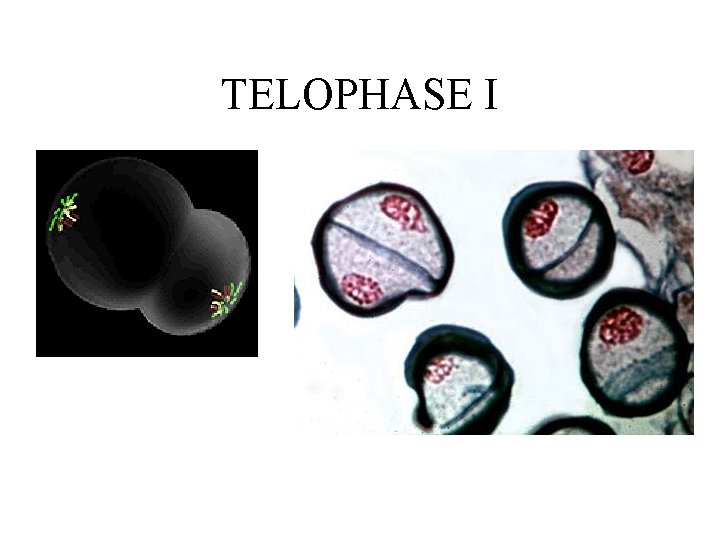
TELOPHASE I • Nuclear membrane may reform, and chromatin may become less condensed; cytokinesis occurs • Similar to telophase in mitosis • How many products formed?
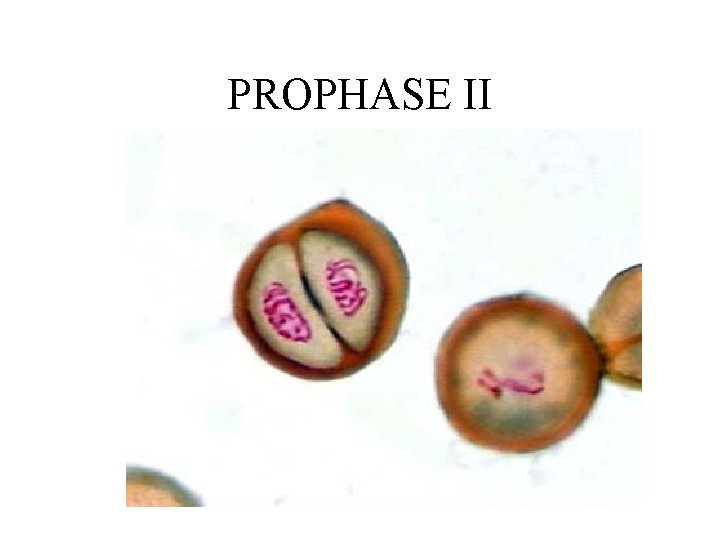
PROPHASE II
PROPHASE II • No interphase between telophase I and prophase II – Why is this important? • Nuclear membrane breaks down – if it reformed during telophase I) • Chromatin recondenses into chromosomes – (if it decondensed during telophase I) • Spindle forms, centriole pairs move away from one another
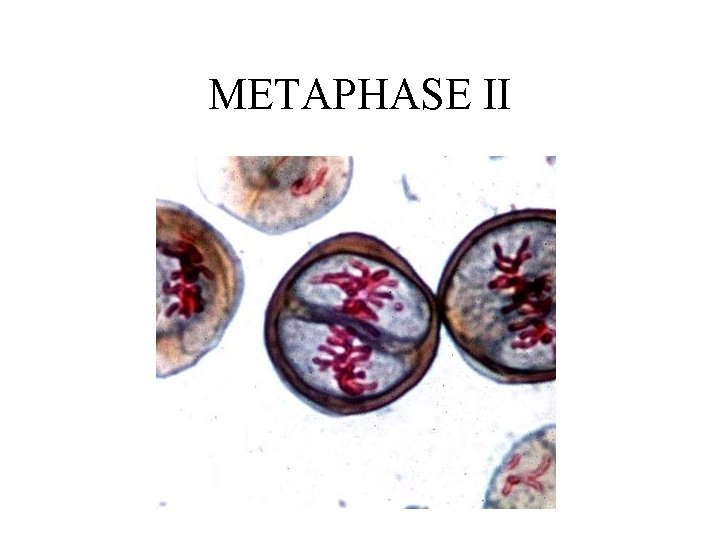
METAPHASE II
METAPHASE II • Spindle has fully formed, centrioles at opposite ends • Replicated chromosomes line up SINGLE file along metaphase plate
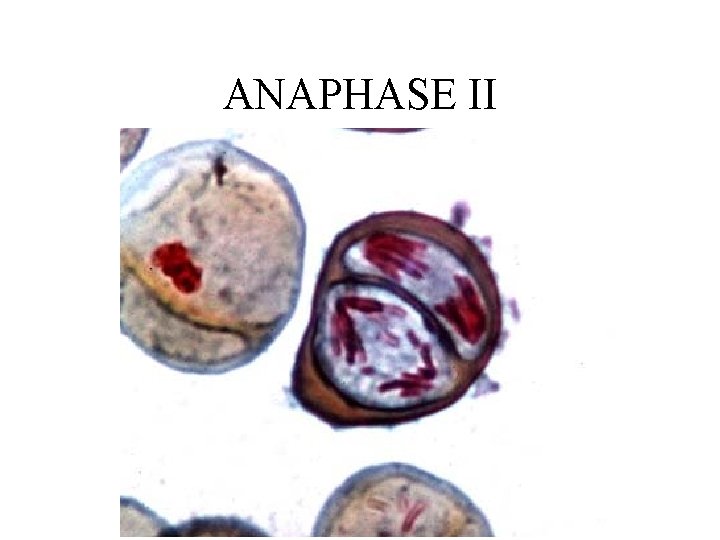
ANAPHASE II
ANAPHASE II • Spindle fibers pull sister chromatids to opposite poles of cell • Cell is oval-like in shape
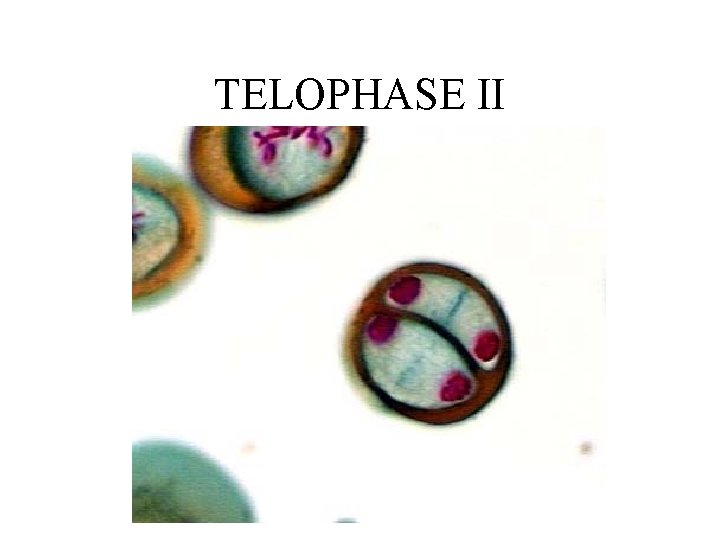
TELOPHASE II
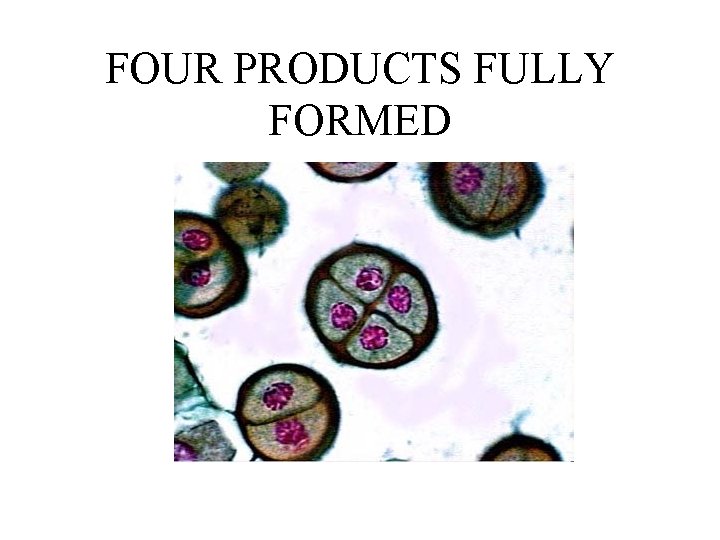
TELOPHASE II • Cytokinesis occurs -- How many products?
FOUR PRODUCTS FULLY FORMED
Video on meiosis • http: //www. youtube. com/watch? v=D 1_m. QS_FZ 0
How Meiosis Leads to Genetic Variation • 3 processes – Crossing over – Independent assortment – Random fertilization
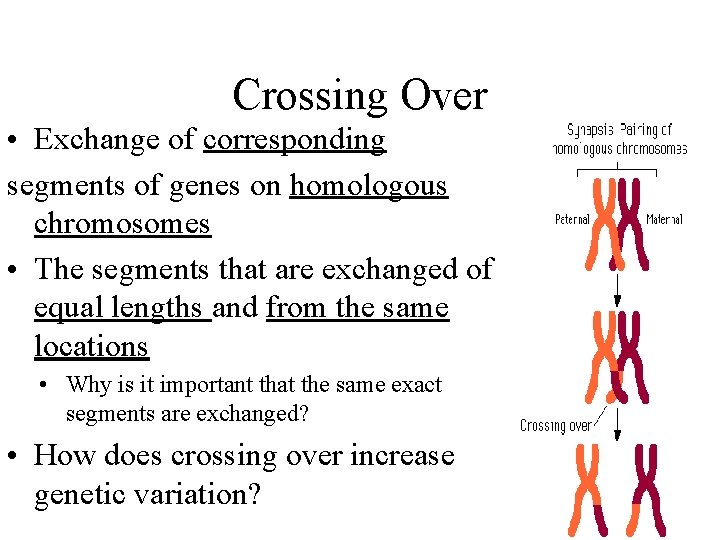
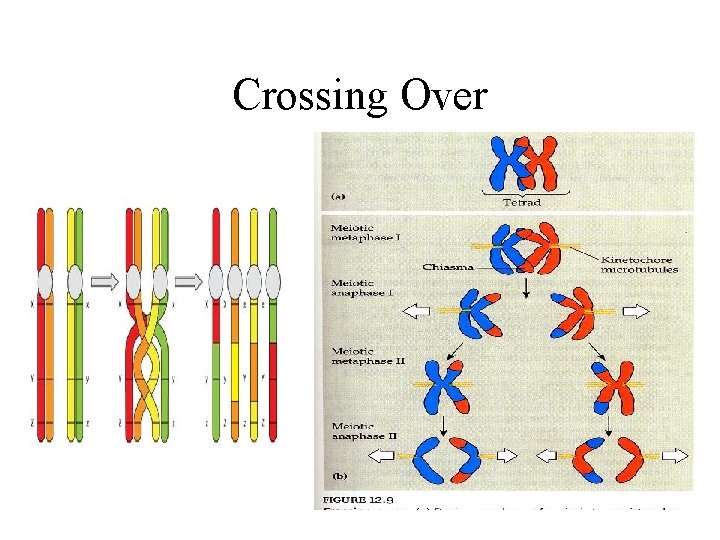
Crossing Over • Exchange of corresponding segments of genes on homologous chromosomes • The segments that are exchanged of equal lengths and from the same locations • Why is it important that the same exact segments are exchanged? • How does crossing over increase genetic variation?
How Crossing Over Increases Genetic Variation • Rather than getting an entire chromosome from either parent, get some genes from both parents on any given chromosome • Occurs differently each time it occurs – Therefore, leads to different combinations of paternal and maternal DNA • An average of 2 -3 crossing over events per chromosome
Crossing Over
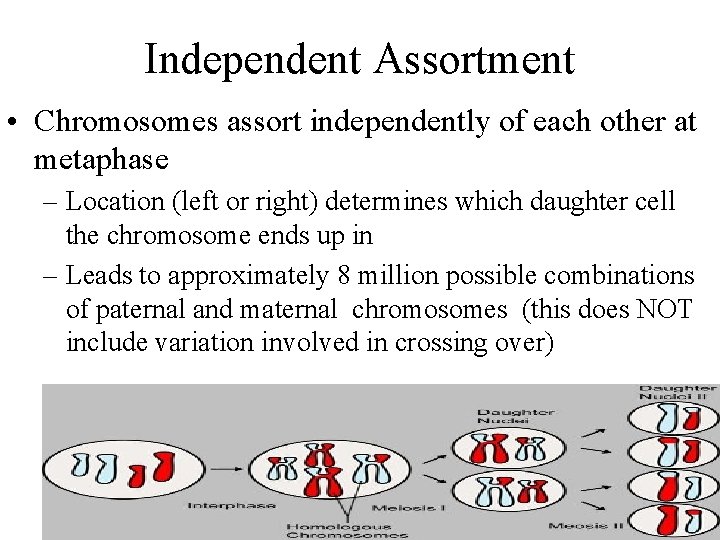
Independent Assortment • Chromosomes assort independently of each other at metaphase – Location (left or right) determines which daughter cell the chromosome ends up in – Leads to approximately 8 million possible combinations of paternal and maternal chromosomes (this does NOT include variation involved in crossing over)
Random Fertilization • 3 million sperm cells produced each day – Any of these sperm have equal potential to fertilize the egg – Are these sperm genetically identical? • HINT: think about what process occurred to produce sperm cells
Live Action Fertilization http: //www. youtube. com/watch? v= Iz 3094 FSZVQ