
Mediterranean Basin Post Classical Age 1 st Phase
Mediterranean Basin Post Classical Age: 1 st Phase 600 -1200
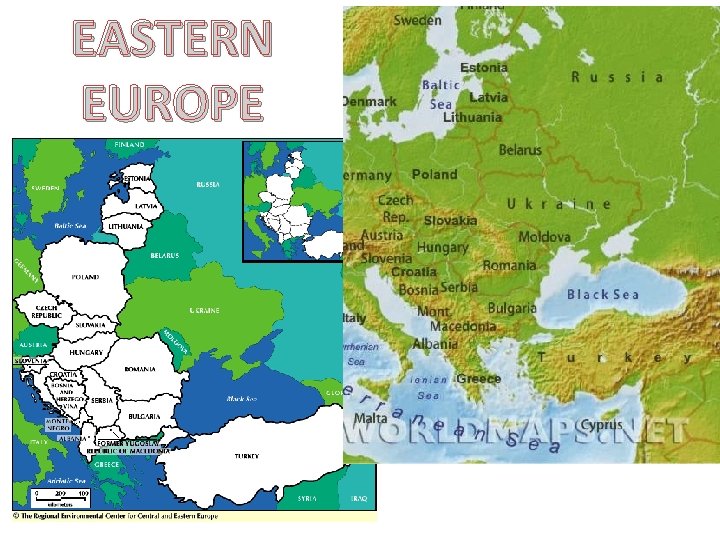
EASTERN EUROPE
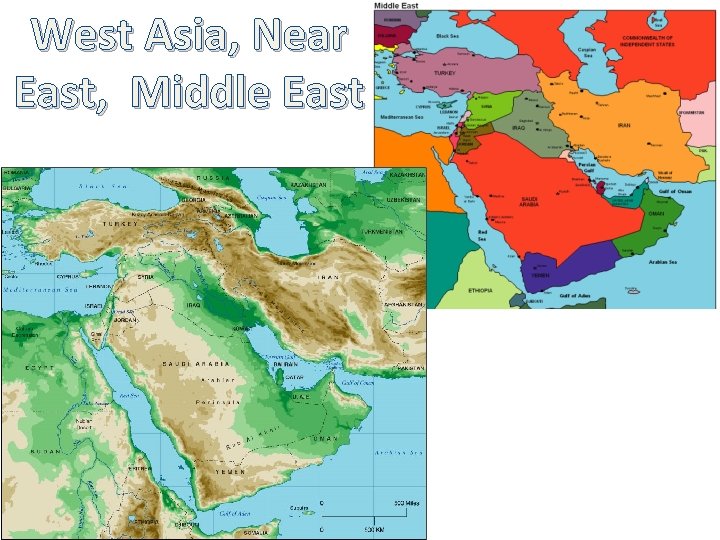
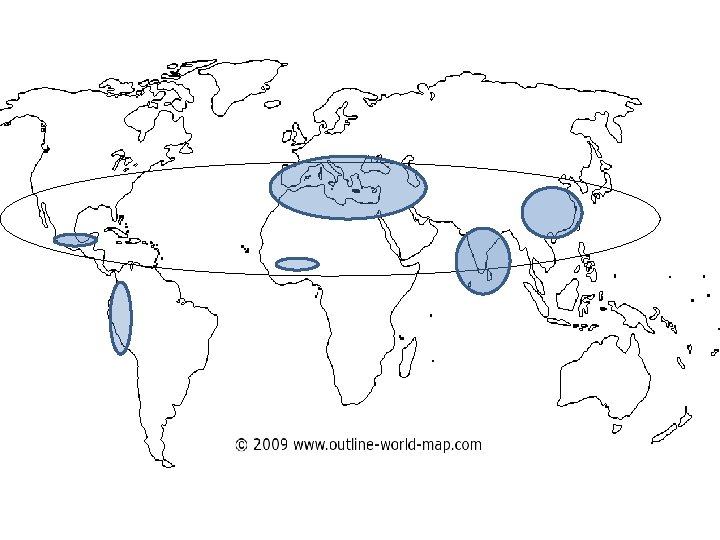
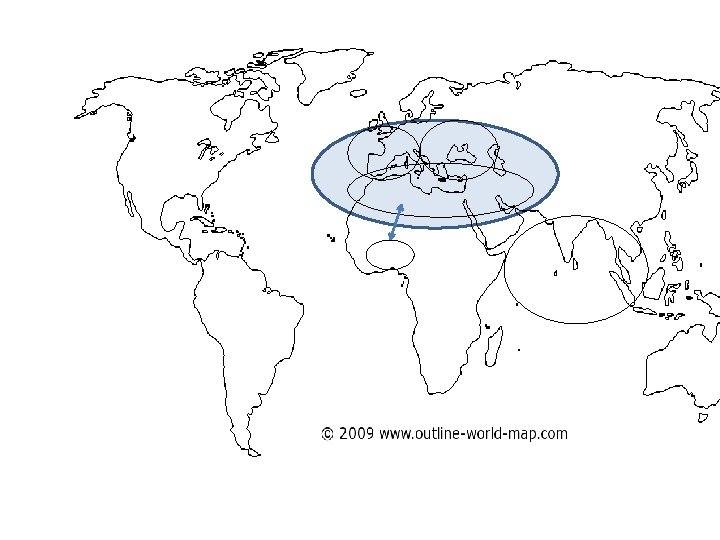
West Asia, Near East, Middle East
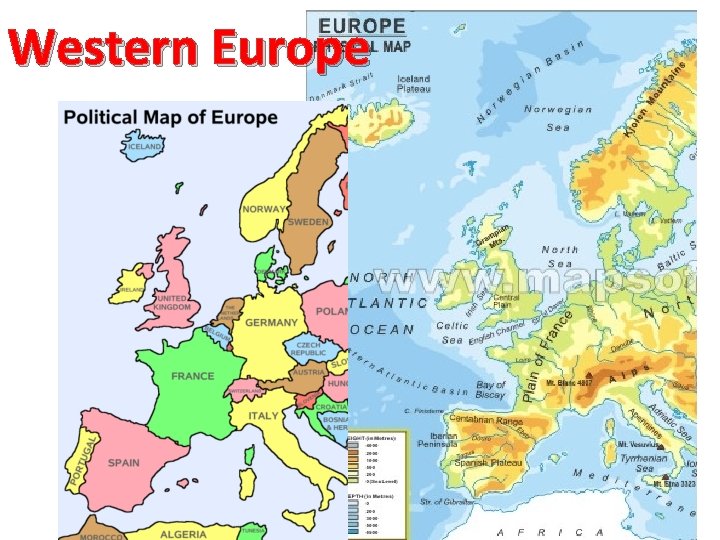
Western Europe
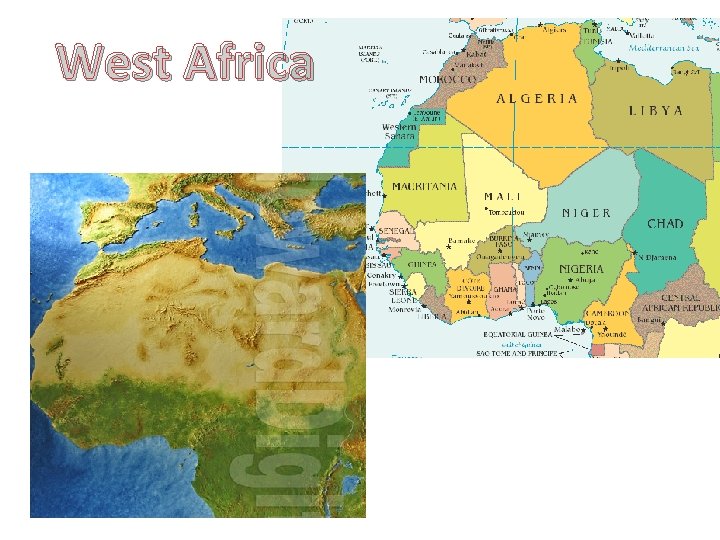
West Africa
Physical features: interaction between people & their environment Mediterranean Sea Sahara Desert Black Sea Niger River Tiber River Alps Balkans Tigris & Euphrates Nile Baltic Sea Atlantic Ocean Seine, Thames & Rhine Rivers Pyrenees Mountains Northern European Plain Dnieper & Danube Rivers Bosporus and Dardanelles Straits
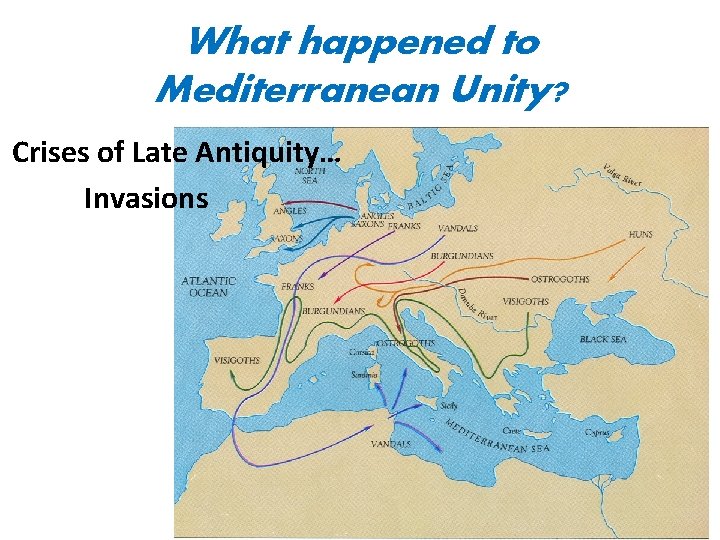
What happened to Mediterranean Unity? Crises of Late Antiquity… Invasions
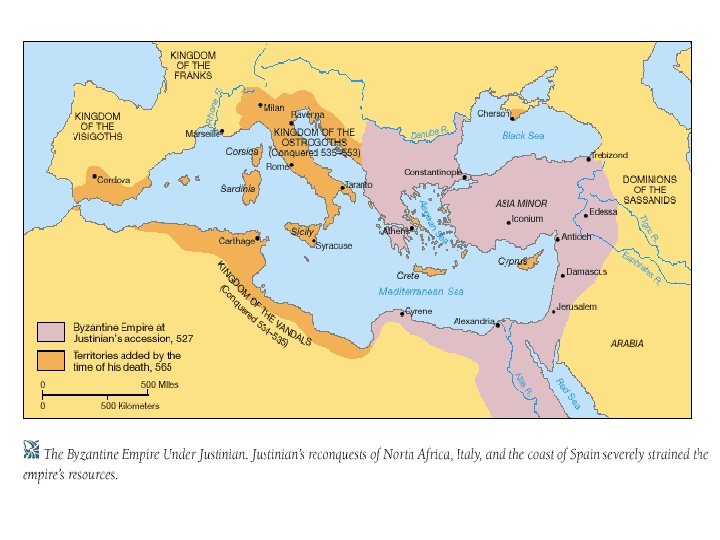
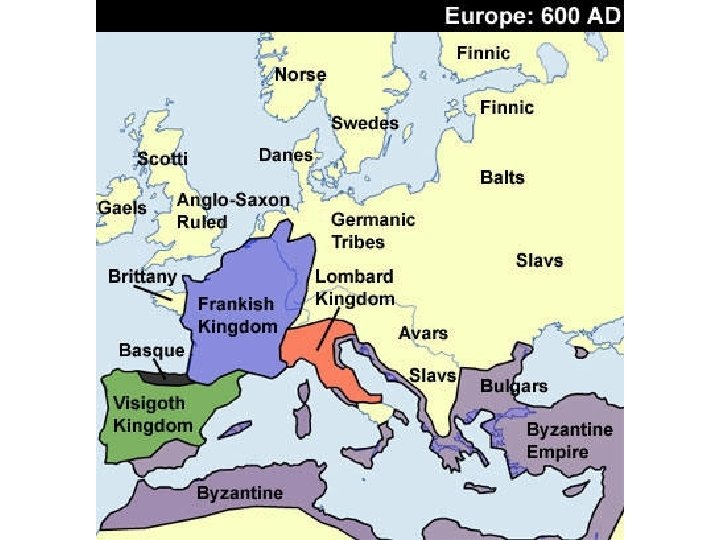
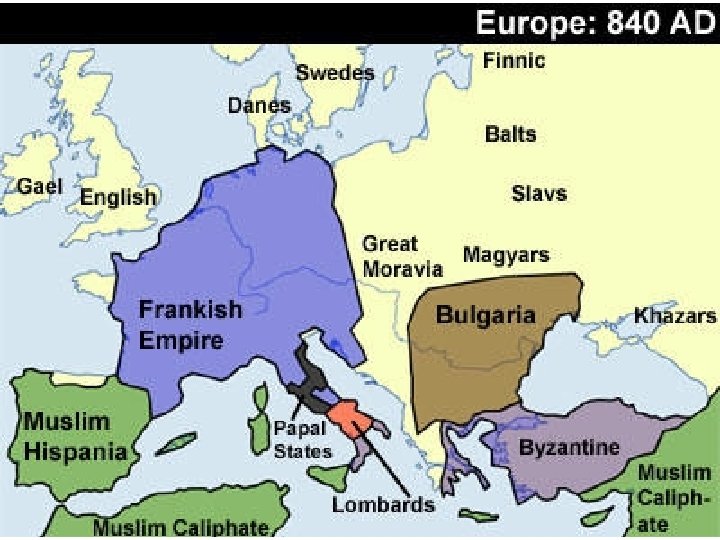
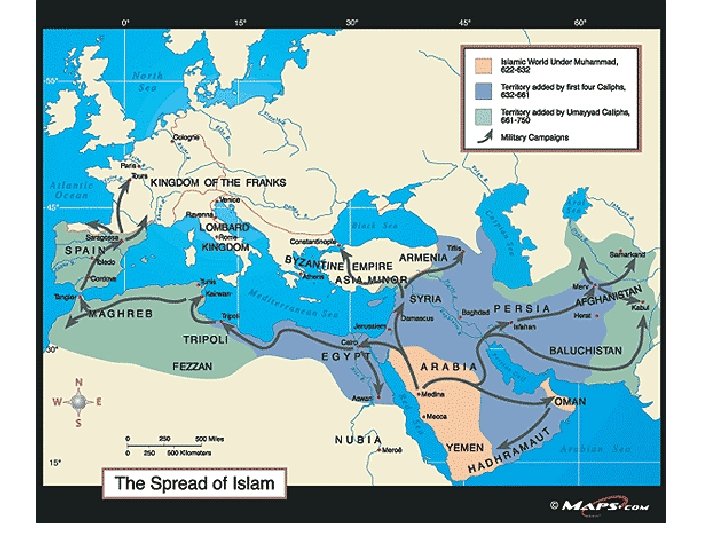
Origins of Islamic Arab Culture & Conquest Challenge to the unity of the Mediterranean Basin
Empire of Faith Arab Origins Influence of Muhammad
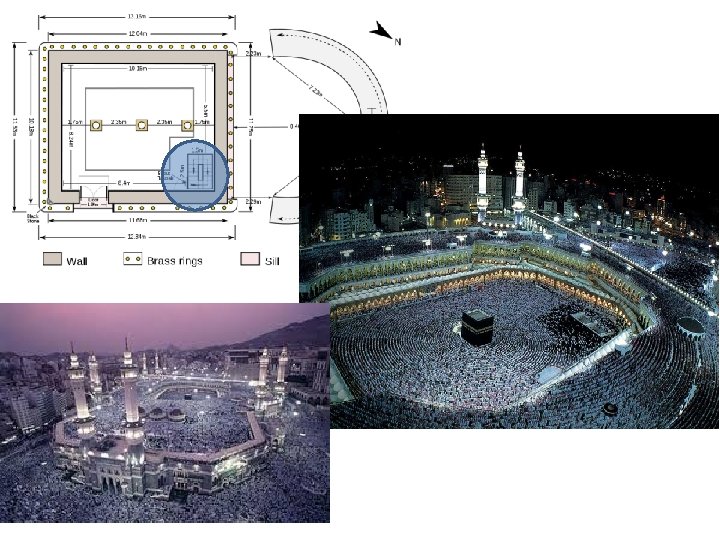
Arab Culture • • • Arabian Peninsula (Desert) Bedouin existence (nomadic) Loyalty & identification with tribes & clans – Necessary for protection and survival • Oasis towns, Animal Husbandry, Trade – Trade with Persia, Byzantines, India – Camel indigenous Scarce resources conflict – Rivalry over available water – Differing degrees of wealth • Polytheistic deities (Ka'aba at Mecca) • Oral Traditions – Poetry – source of unity & identity
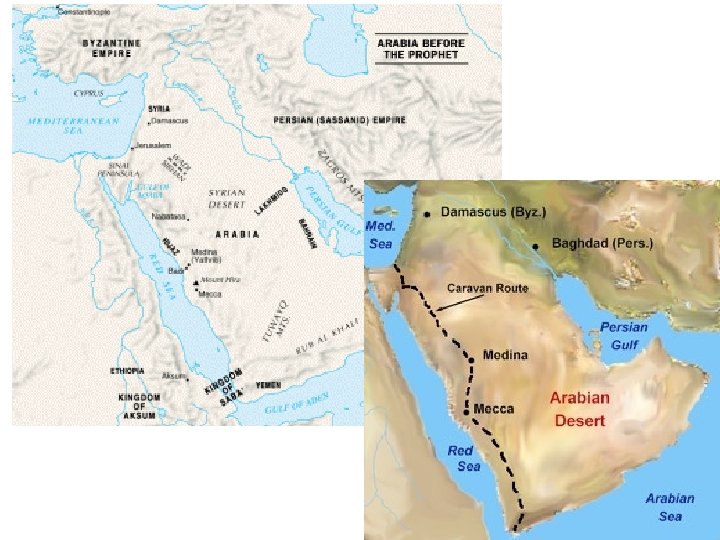
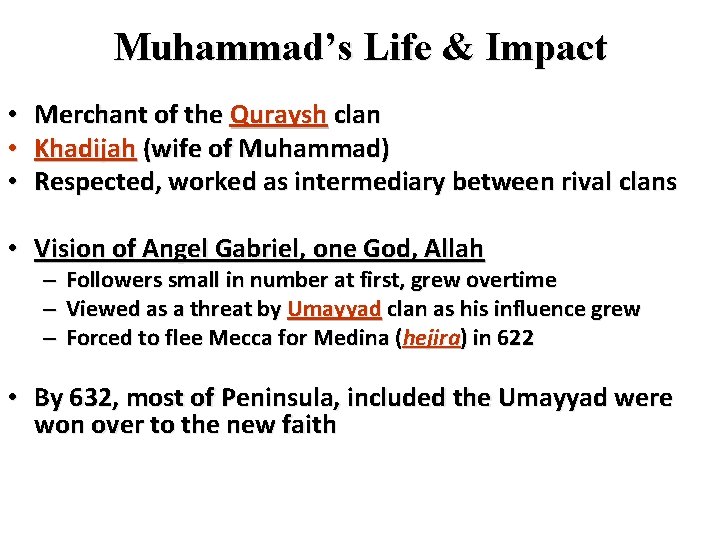
Muhammad’s Life & Impact • • • Merchant of the Quraysh clan Khadijah (wife of Muhammad) Respected, worked as intermediary between rival clans • Vision of Angel Gabriel, one God, Allah – – – Followers small in number at first, grew overtime Viewed as a threat by Umayyad clan as his influence grew Forced to flee Mecca for Medina (hejira) in 622 • By 632, most of Peninsula, included the Umayyad were won over to the new faith
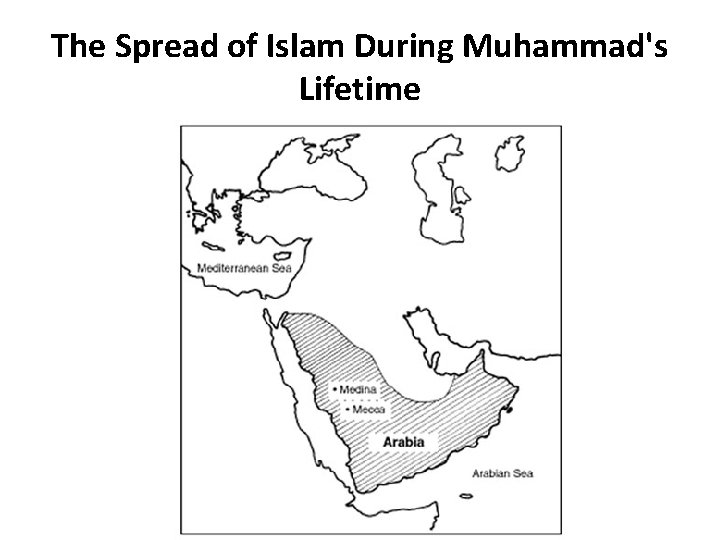
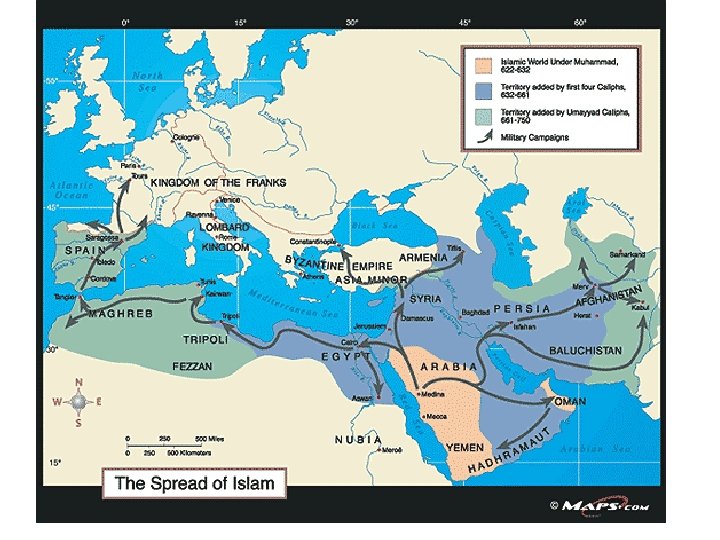
The Spread of Islam During Muhammad's Lifetime
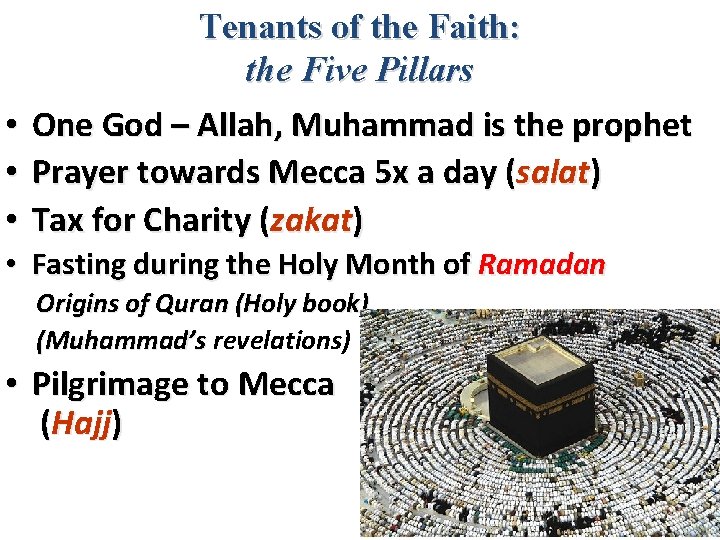
• • • Tenants of the Faith: the Five Pillars One God – Allah, Muhammad is the prophet Prayer towards Mecca 5 x a day (salat) Tax for Charity (zakat) • Fasting during the Holy Month of Ramadan Origins of Quran (Holy book) (Muhammad’s revelations) • Pilgrimage to Mecca (Hajj)
What other religious developments were taking place? Great Schism, 1054
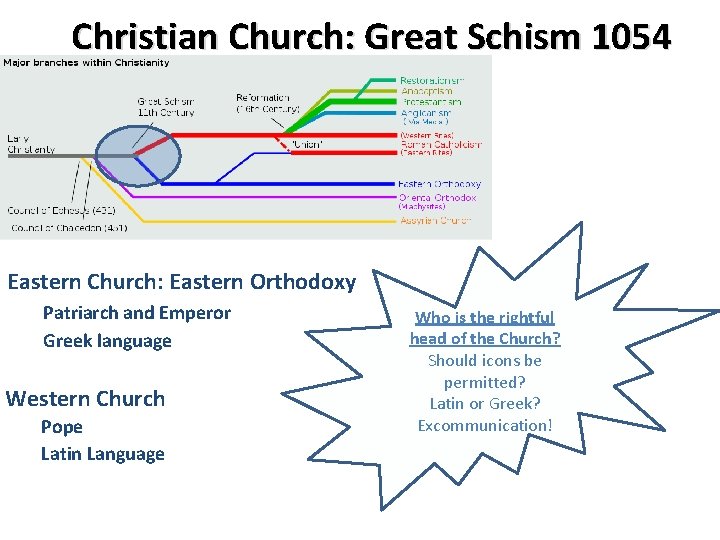
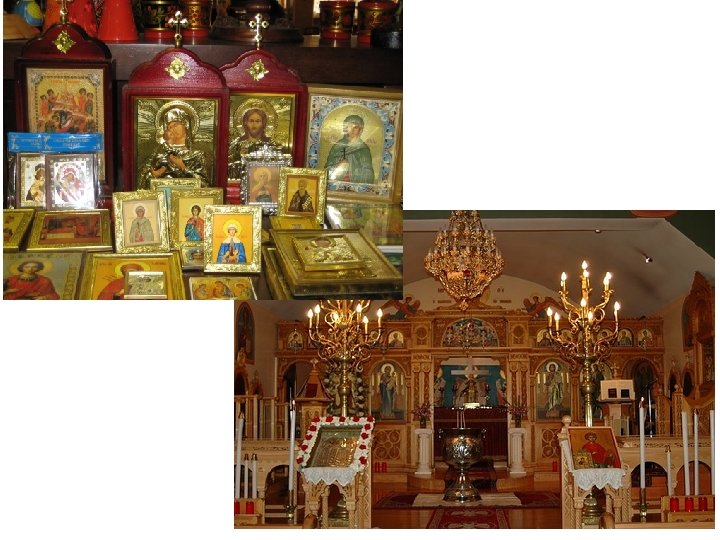
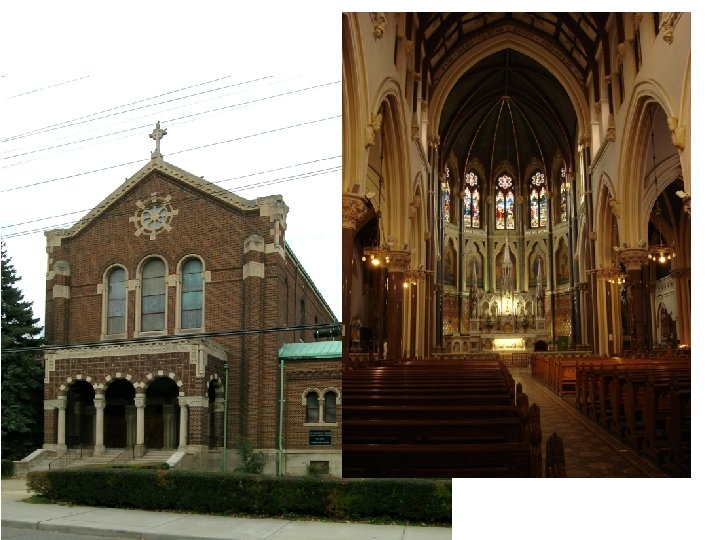
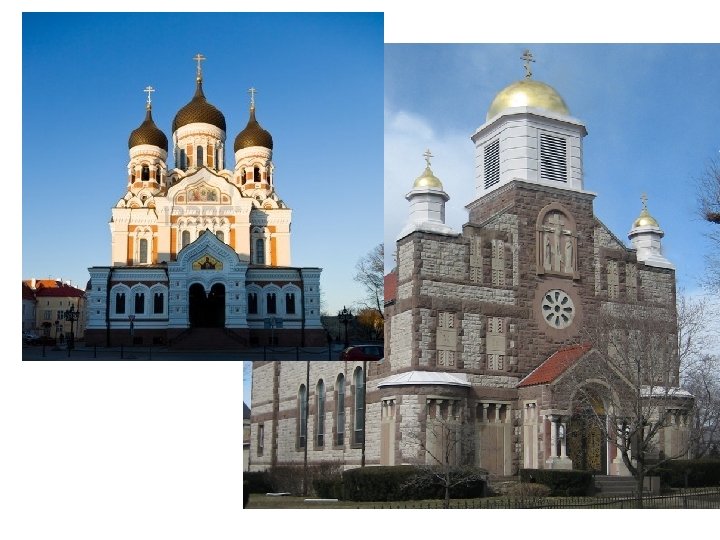
Christian Church: Great Schism 1054 Eastern Church: Eastern Orthodoxy Patriarch and Emperor Greek language Western Church Pope Latin Language Who is the rightful head of the Church? Should icons be permitted? Latin or Greek? Excommunication!
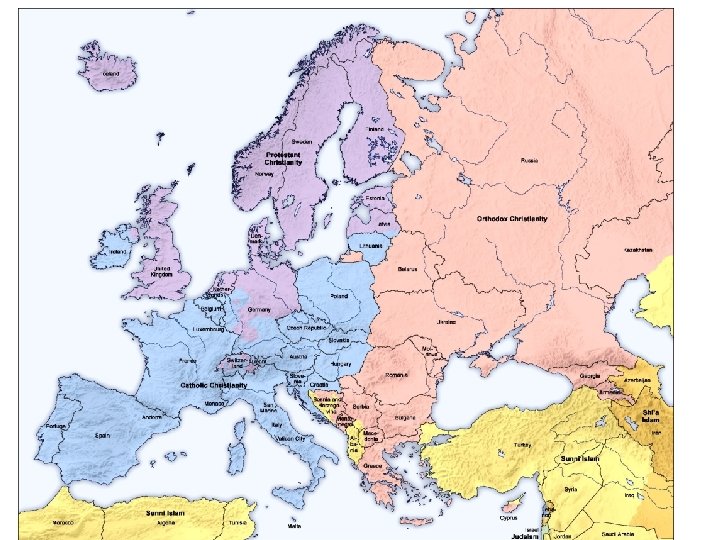
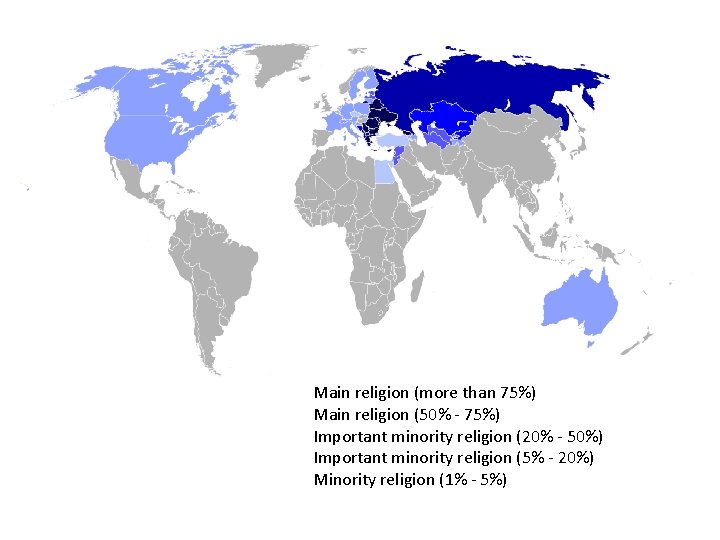
Main religion (more than 75%) Main religion (50% - 75%) Important minority religion (20% - 50%) Important minority religion (5% - 20%) Minority religion (1% - 5%)
Traditional Animism Sub Saharan Africa
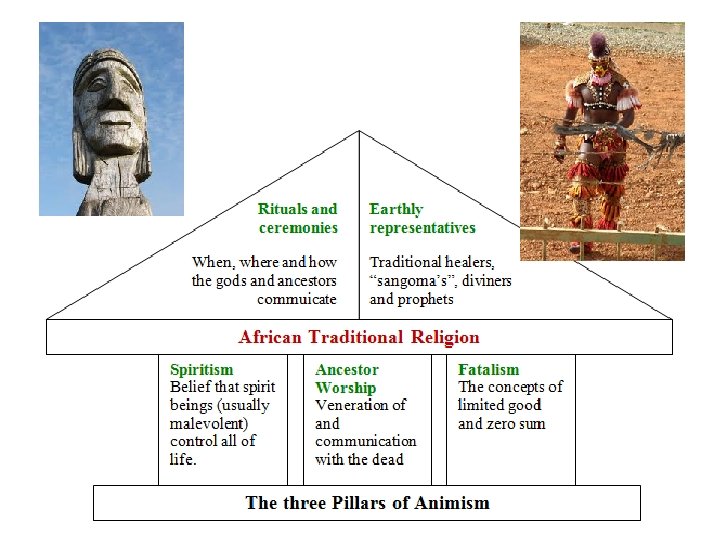
Animistic Beliefs & Practices varied … • Concept of Deity… – Many recognized single divine creator who sustained the world order indirectly – Lesser gods, spirits associated with natural forces participated directly & actively – Ancestors had the power to intervene in daily life • Practices… – Rituals to win favor of deities and ancestors – Prayers, animal sacrifices, ceremonies – Religious specialists (Priests) & diviners • Prescribe medicines, rituals to eliminate problems • Goals… – Emphasized morality & proper behavior – Local societies enforced rules as necessary for prosperity
Religion & its Influence on law and society Eastern Europe West Asia – North Africa West Africa
What beliefs dominated the regions connected by the Mediterranean Basin and what political and social institutions enforced their doctrine? Eastern Christianity Western Christian Islam Animism
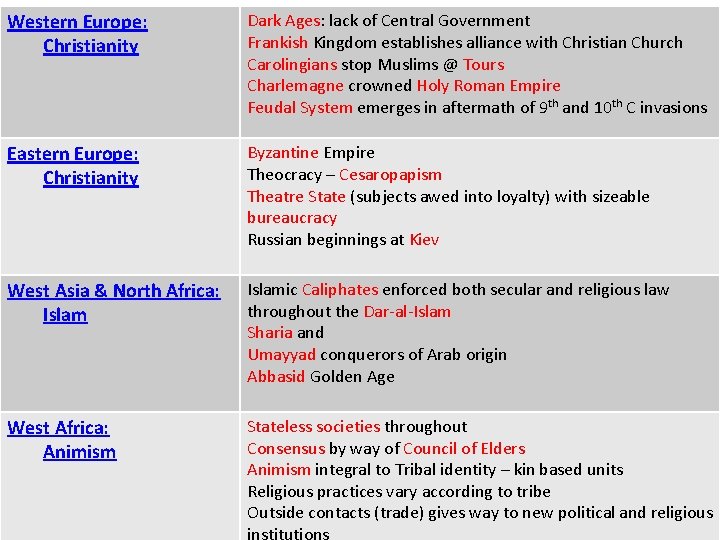
Western Europe: Christianity Dark Ages: lack of Central Government Frankish Kingdom establishes alliance with Christian Church Carolingians stop Muslims @ Tours Charlemagne crowned Holy Roman Empire Feudal System emerges in aftermath of 9 th and 10 th C invasions Eastern Europe: Christianity Byzantine Empire Theocracy – Cesaropapism Theatre State (subjects awed into loyalty) with sizeable bureaucracy Russian beginnings at Kiev West Asia & North Africa: Islamic Caliphates enforced both secular and religious law throughout the Dar-al-Islam Sharia and Umayyad conquerors of Arab origin Abbasid Golden Age West Africa: Animism Stateless societies throughout Consensus by way of Council of Elders Animism integral to Tribal identity – kin based units Religious practices vary according to tribe Outside contacts (trade) gives way to new political and religious
Trade & Contact Intellectual pursuits: art and education Gender Expectations Thematic Overview 600 -1200 Mediterranean Basin
A visit to the Post Classical Zones of development in the Mediterranean Basin…
Understanding Trade, Gender and the Intellectual life in Mediterranean Basin 600 -1200
Trade and Contact: Economic Activity Local Trade • Purpose: to maximize Usefulness, not for profit – Subsistence goods – Most people participated to some degree – Barter was commonplace • Function: Traditional based economic practices – Restricted trading partners – Established obligations What regions met with greatest success at trade, and least? What were the consequences of such successes and failures? Long Distance Trade Purpose: for profit Process: • Slow moving, Small amounts of luxury goods – Animal drawn carts – Human or wind powered ships – Silk, spices, gold • Widespread use of precious metals for money • To transverse entire world trade routes was rare
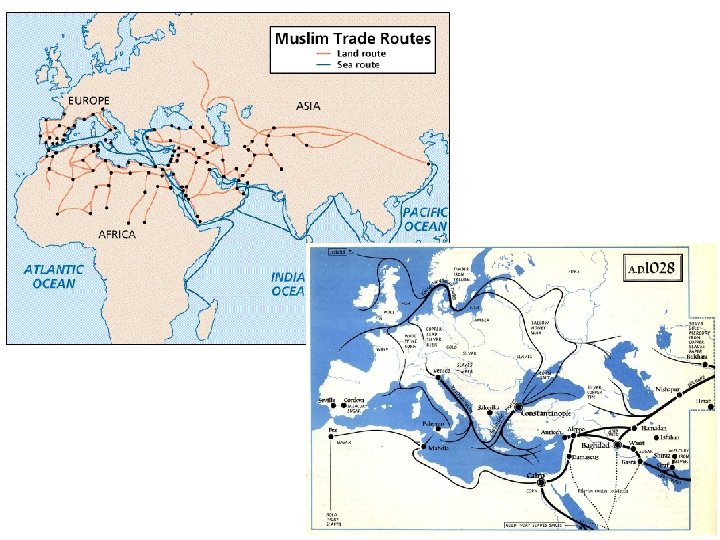
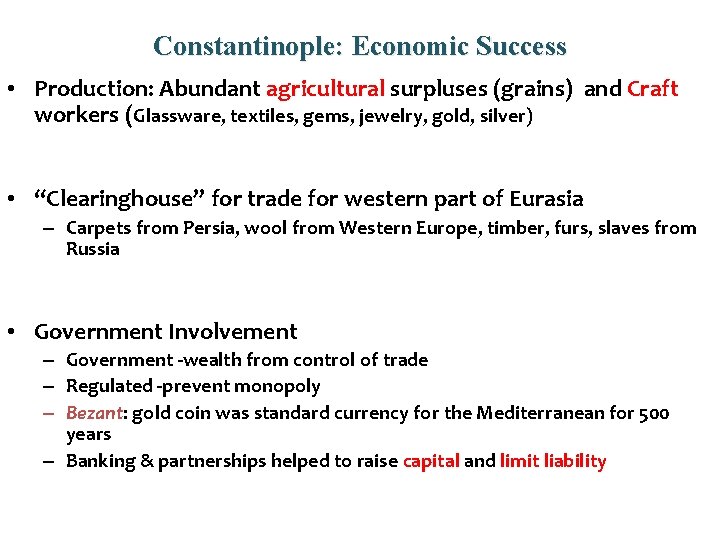
Constantinople: Economic Success • Production: Abundant agricultural surpluses (grains) and Craft workers (Glassware, textiles, gems, jewelry, gold, silver) • “Clearinghouse” for trade for western part of Eurasia – Carpets from Persia, wool from Western Europe, timber, furs, slaves from Russia • Government Involvement – Government -wealth from control of trade – Regulated -prevent monopoly – Bezant: gold coin was standard currency for the Mediterranean for 500 years – Banking & partnerships helped to raise capital and limit liability
Cultural, Artistic & Intellectual Pursuits Attitudes toward, institutions supporting and evidence of… – Architecture – Art – Education – Science – Math – Literature – Philosophy Comparison: Western Europe and Muslim World What regions experienced the greatest degree of innovation? How might this have been linked to religion, trade , etc. ? @15: 55
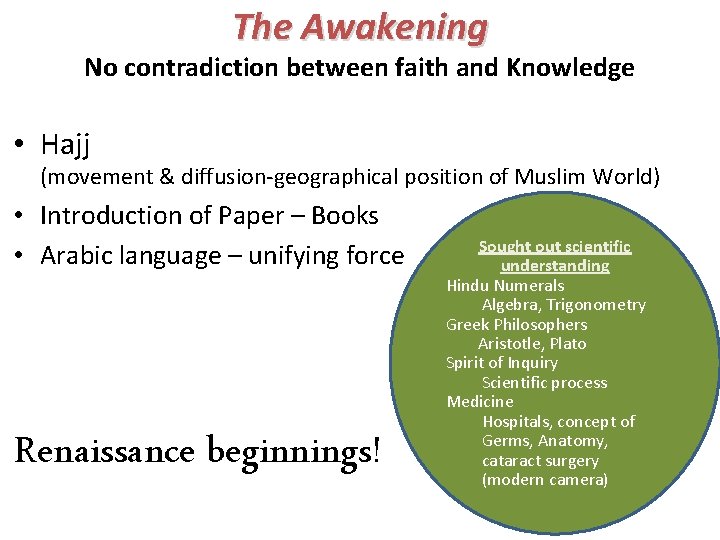
The Awakening No contradiction between faith and Knowledge • Hajj (movement & diffusion-geographical position of Muslim World) • Introduction of Paper – Books • Arabic language – unifying force Renaissance beginnings! Sought out scientific understanding Hindu Numerals Algebra, Trigonometry Greek Philosophers Aristotle, Plato Spirit of Inquiry Scientific process Medicine Hospitals, concept of Germs, Anatomy, cataract surgery (modern camera)
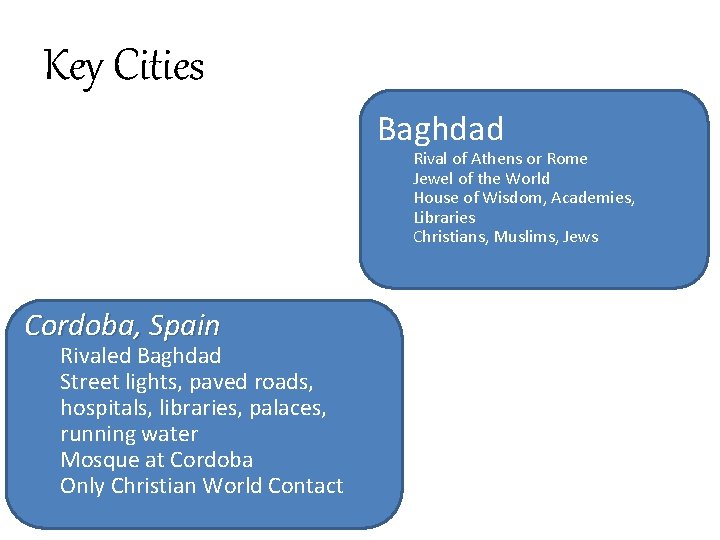
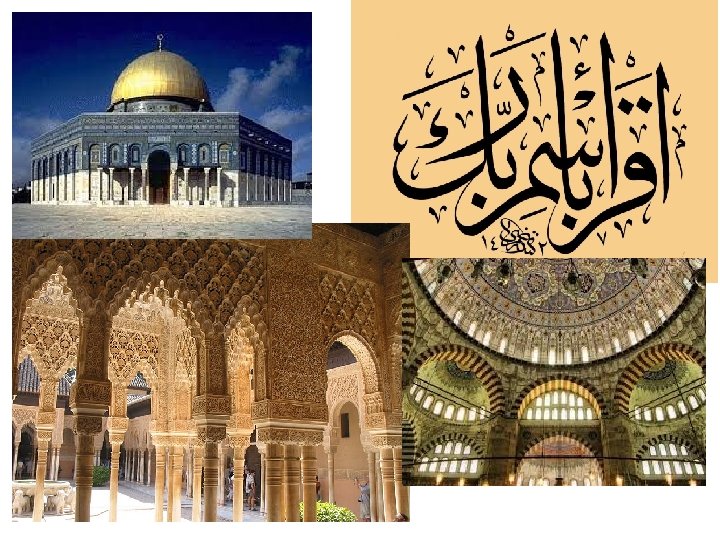
Key Cities Baghdad Rival of Athens or Rome Jewel of the World House of Wisdom, Academies, Libraries Christians, Muslims, Jews Cordoba, Spain Rivaled Baghdad Street lights, paved roads, hospitals, libraries, palaces, running water Mosque at Cordoba Only Christian World Contact
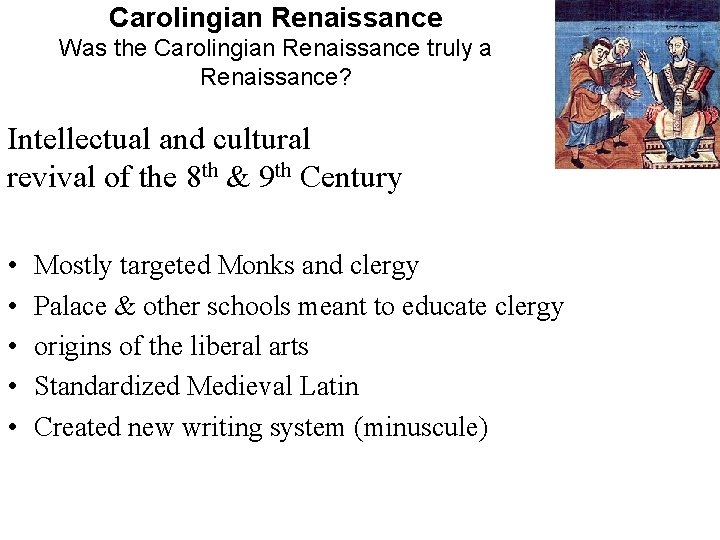
Carolingian Renaissance Was the Carolingian Renaissance truly a Renaissance? Intellectual and cultural revival of the 8 th & 9 th Century • • • Mostly targeted Monks and clergy Palace & other schools meant to educate clergy origins of the liberal arts Standardized Medieval Latin Created new writing system (minuscule)
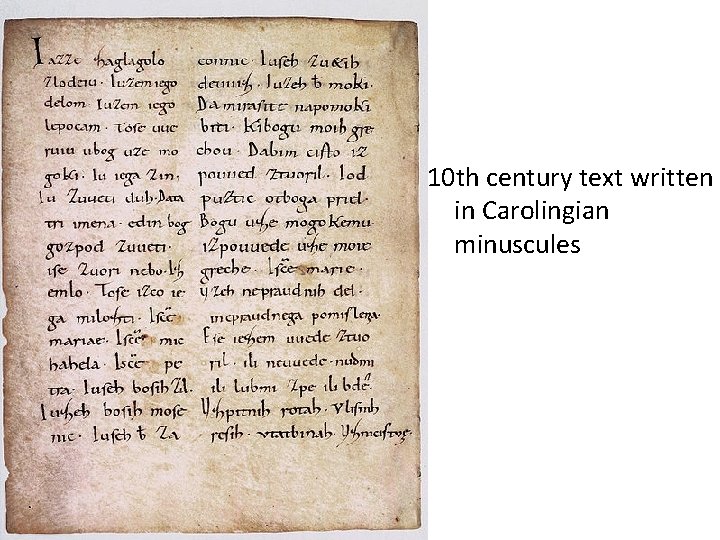
10 th century text written in Carolingian minuscules
Gender Expectations • Legal rights- property, marriage, family • Opportunities for public participation, education and occupation • Cultural expectations for dress, movement, contact • Historical and cultural roots of treatment and attitudes towards women Was public perception different than reality? How did the establishment of gender rules cross regional boundaries?
The Role of Women According to the Quran … • Rights & obligations for both in marriage • Equal access to salvation • Dowries (free gift) • Child bearing crucial role • Wives share property • Obedience to husband • Punishments for indecency • Provisions for wife in case of divorce or death of husband • Polygamy (sake of protection) In Practice… • Foundations of Patriarchal society • Sharia reinforced male dominance & inheritance • Required legitimacy of heritance- guardians, chaperones • Influence of Persia & Byzantine culture – Veiling to ensure modesty – Upper class women’s movement restricted
Conclusions: “… It is also relevant to emphasize that although Islamic laws marked a distinct decline, a Greek, a Roman, and a Christian period had already brought about major losses in women’s rights and status. In effect, Islam merely continued a restrictive trend already established by the successive conquerors of Egypt and the eastern Mediterranean…” –Leila Ahmed, Women and Gender in Islam
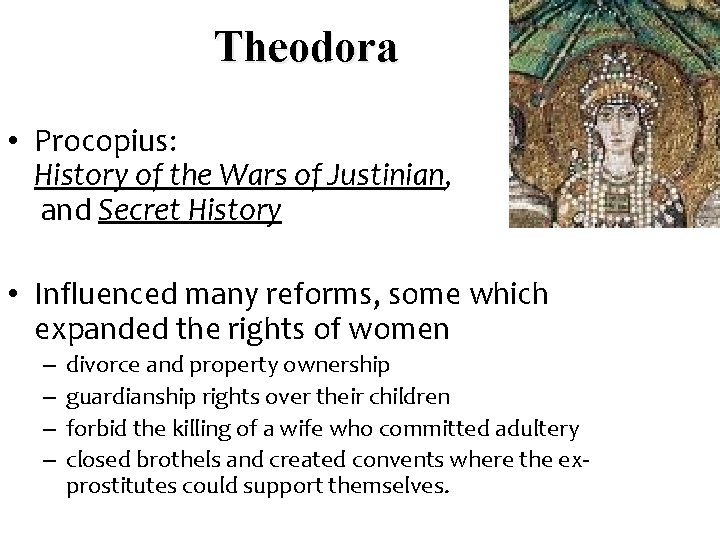
Theodora • Procopius: History of the Wars of Justinian, and Secret History • Influenced many reforms, some which expanded the rights of women – – divorce and property ownership guardianship rights over their children forbid the killing of a wife who committed adultery closed brothels and created convents where the exprostitutes could support themselves.
Africa: Tribal Culture • Gender expectations – Men- blacksmiths, tanners, clear the field – Women – potters, domestic chores, child-rearing – Both planted & harvested crops • Women enjoyed more rights in Africa than other Eurasian regions (occupations, freedom of movement) • Familial Arrangements: – – Age sets (age grade) Communal tasks Rights of passage Nuclear family recognized, not practiced
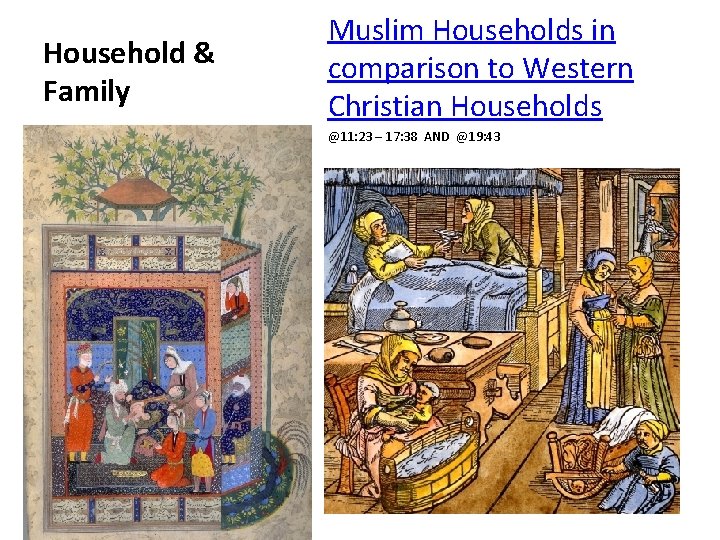
Household & Family Muslim Households in comparison to Western Christian Households @11: 23 – 17: 38 AND @19: 43
600 -1200: Mediterranean Basin A region in flux § Competing ideologies § Competing, combative and newly emerging political powers § Extension of cultural ‘civilized’ zones § Towards economic integration § Cultural integration of some regions § Survival & Restoration of Classical Age contributions Roots of modern identity
- Slides: 54