
Medieval Europe The Feudal System The Three Orders
- Slides: 16
Medieval Europe
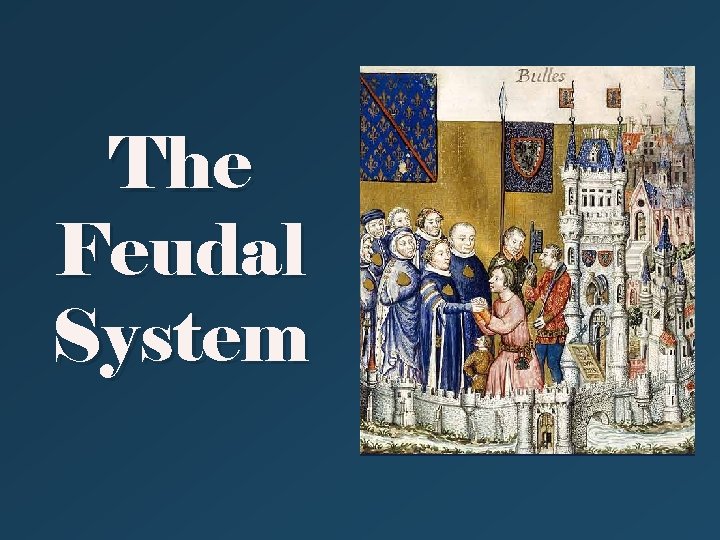
The Feudal System
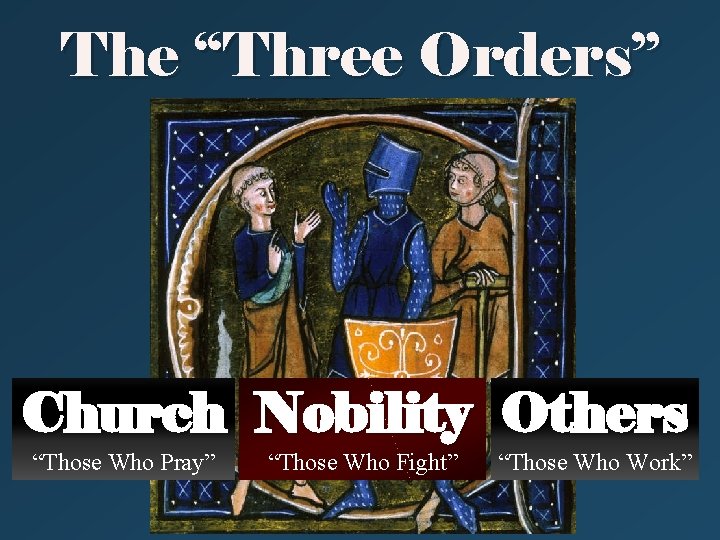
The “Three Orders” Church Nobility Others “Those Who Pray” “Those Who Fight” “Those Who Work”
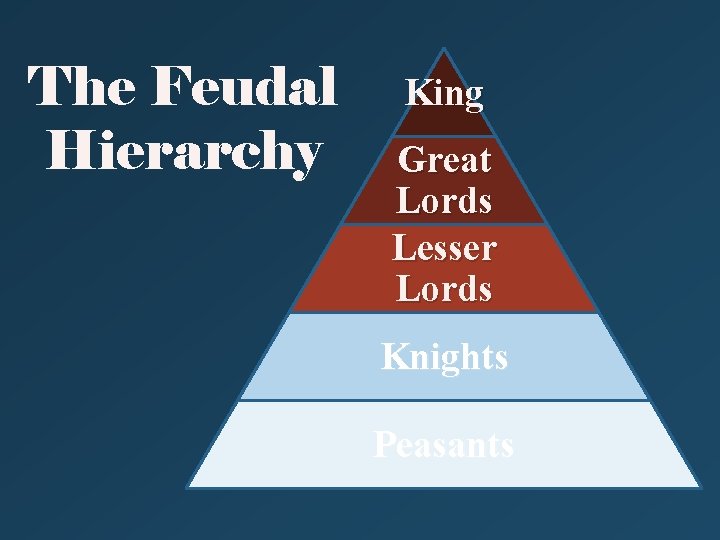
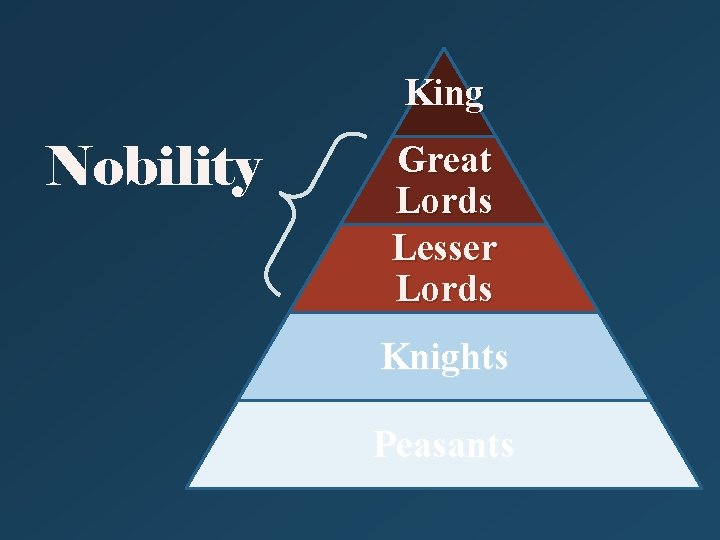
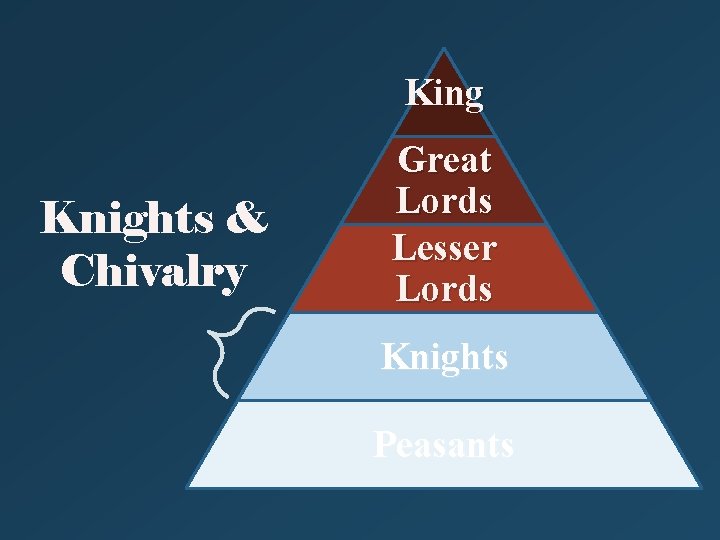
The Feudal Hierarchy King Great Lords Lesser Lords Knights Peasants
King Nobility Great Lords Lesser Lords Knights Peasants
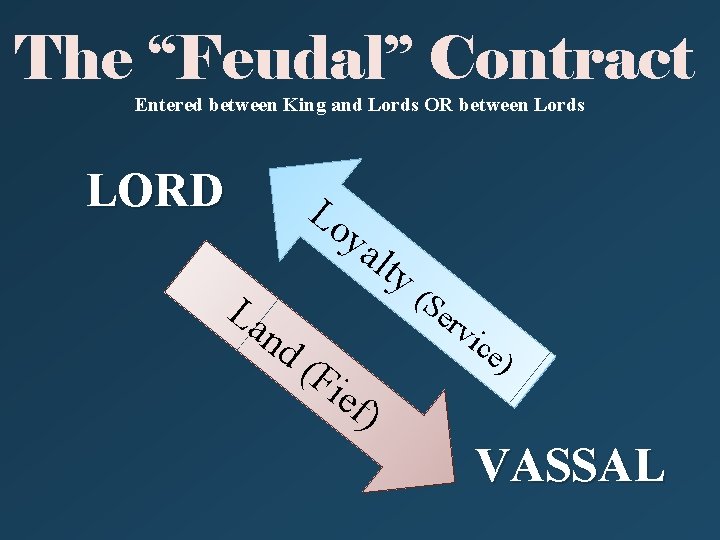
The “Feudal” Contract Entered between King and Lords OR between Lords LORD Lo La nd (F ya ief ) lty (S erv ice ) VASSAL
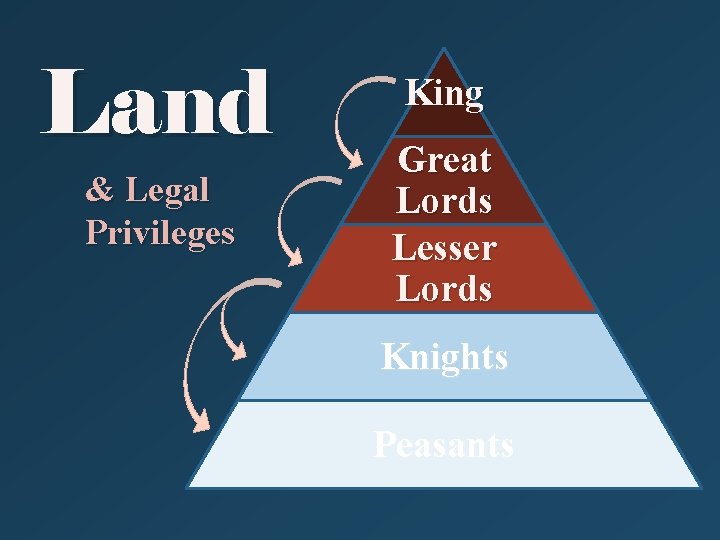
Land & Legal Privileges King Great Lords Lesser Lords Knights Peasants
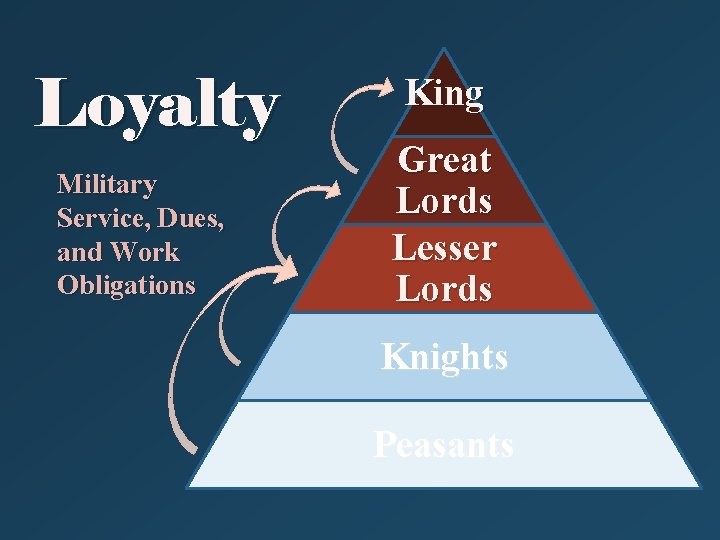
Loyalty Military Service, Dues, and Work Obligations King Great Lords Lesser Lords Knights Peasants
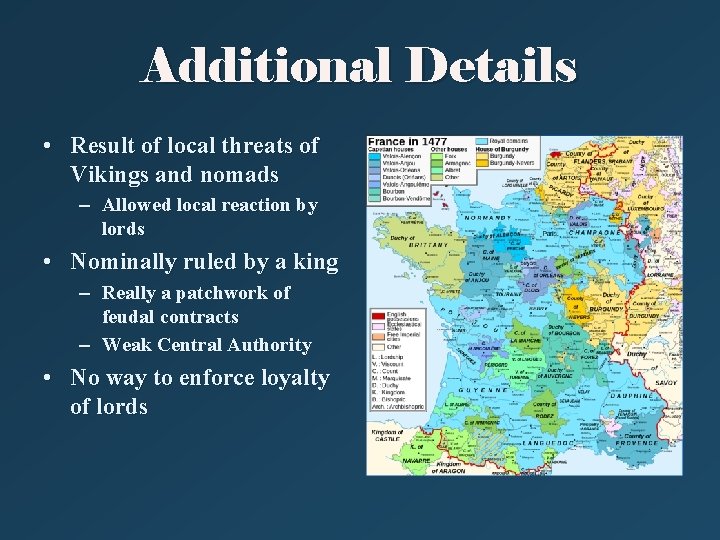
Additional Details • Result of local threats of Vikings and nomads – Allowed local reaction by lords • Nominally ruled by a king – Really a patchwork of feudal contracts – Weak Central Authority • No way to enforce loyalty of lords
King Knights & Chivalry Great Lords Lesser Lords Knights Peasants
What is a Knight • Mounted Soldiers • Began training at 7 • Wore full armor and used great weapons – Other soldiers used bows/spears with little to no armor • Often fought in tournaments • Followed Code of Chivalry
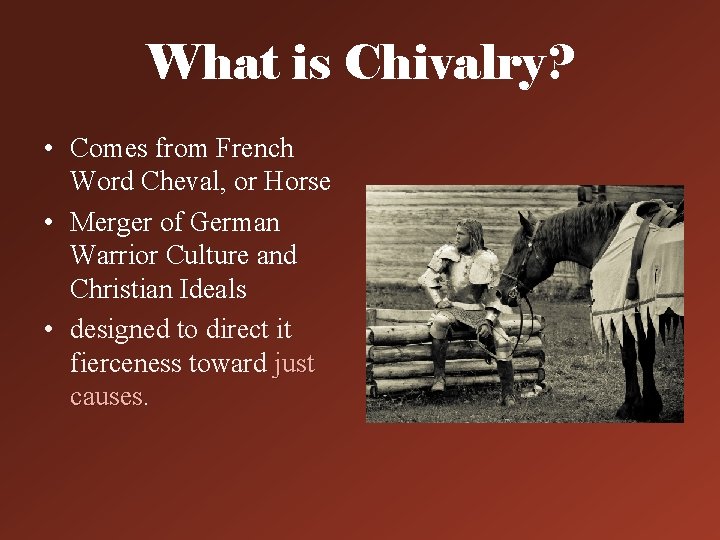
What is Chivalry? • Comes from French Word Cheval, or Horse • Merger of German Warrior Culture and Christian Ideals • designed to direct it fierceness toward just causes
The Values of Chivalry 1. Christian Orthodoxy 2. Defense of the Church 3. Defense of the Weak 4. Love of Country 5. Courage in the face of an enemy 6. Show no mercy toward infidels 7. Faithfulness to Duty 8. Honesty / Keeping One’s Word 9. Generosity 10. Defense of Just Causes
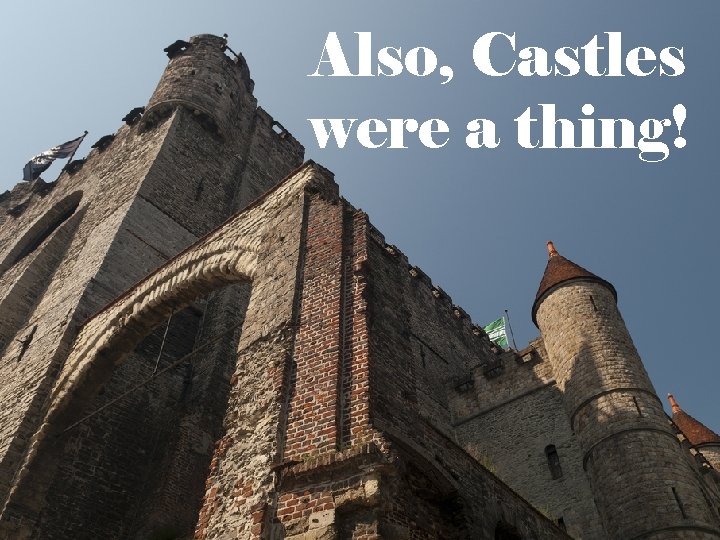
Also, Castles were a thing!
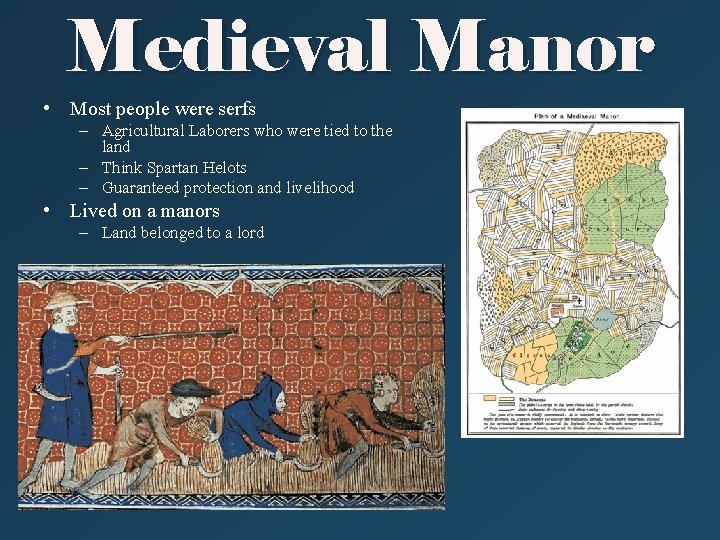
Medieval Manor • Most people were serfs – Agricultural Laborers who were tied to the land – Think Spartan Helots – Guaranteed protection and livelihood • Lived on a manors – Land belonged to a lord
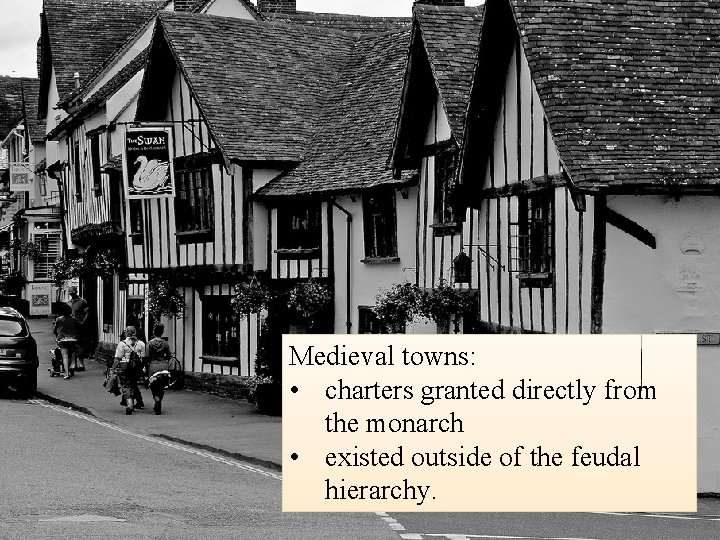
Medieval towns: • charters granted directly from the monarch • existed outside of the feudal hierarchy.