
Medieval Europe Background 800 1450 CE Post Roman
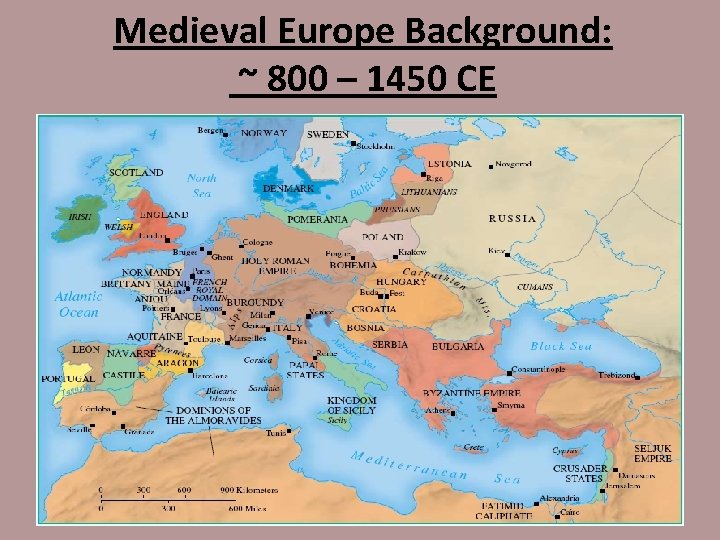
Medieval Europe Background: ~ 800 – 1450 CE
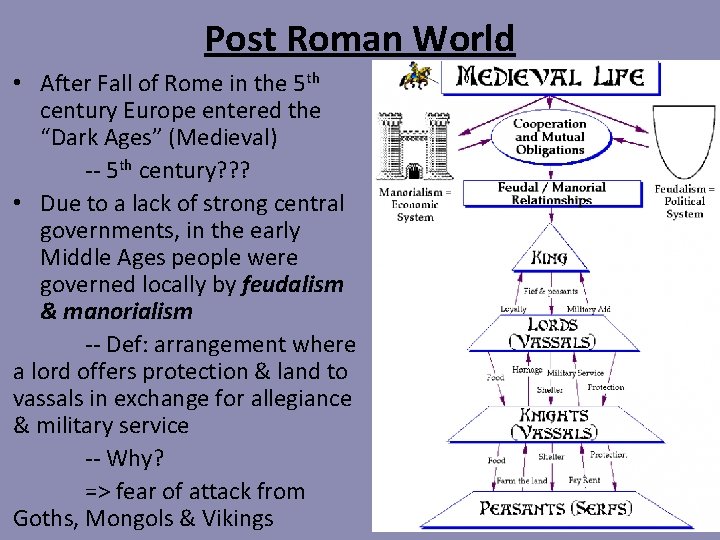
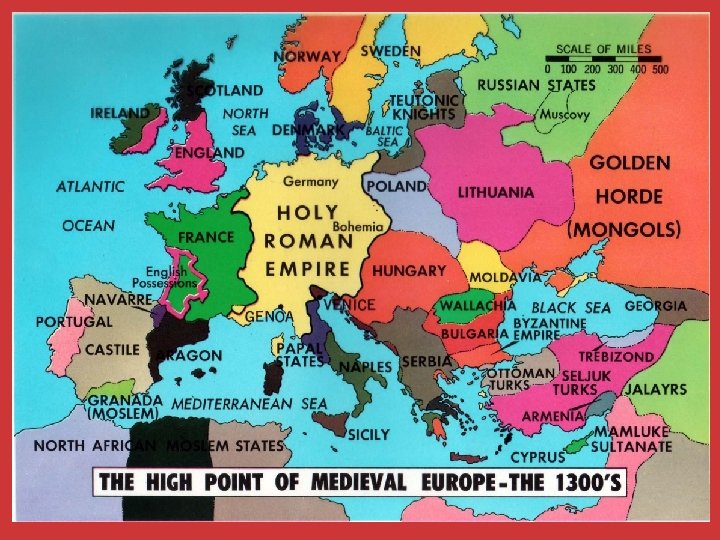
Post Roman World • After Fall of Rome in the 5 th century Europe entered the “Dark Ages” (Medieval) -- 5 th century? ? ? • Due to a lack of strong central governments, in the early Middle Ages people were governed locally by feudalism & manorialism -- Def: arrangement where a lord offers protection & land to vassals in exchange for allegiance & military service -- Why? => fear of attack from Goths, Mongols & Vikings
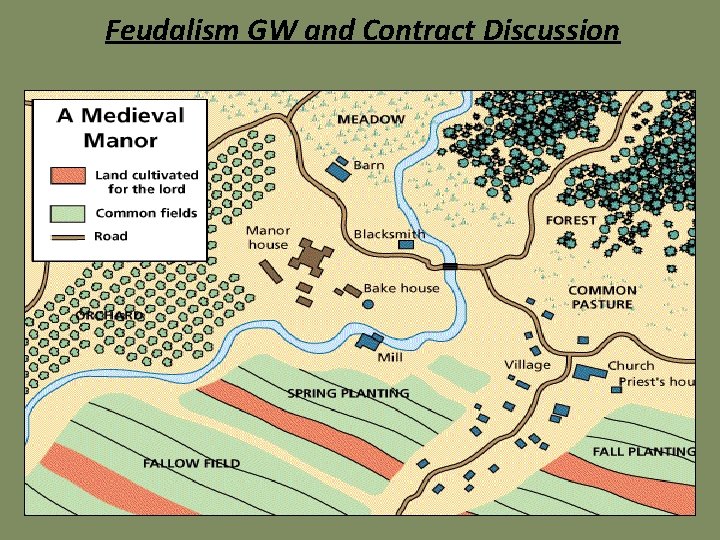
Feudalism GW and Contract Discussion
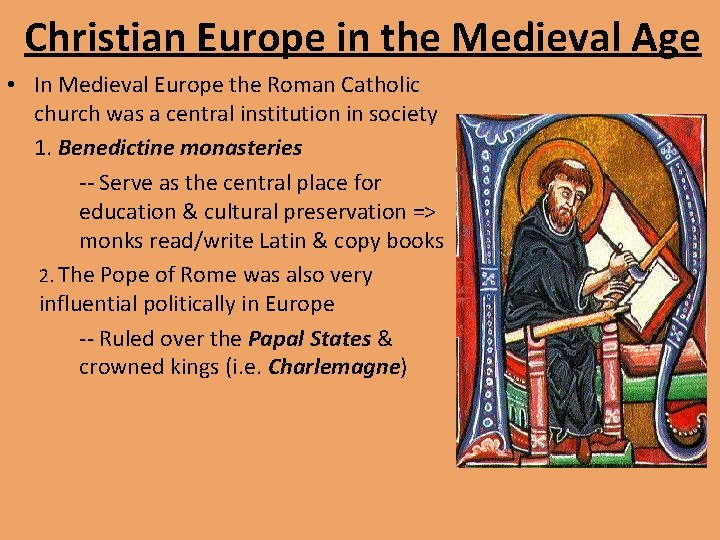
Christian Europe in the Medieval Age • In Medieval Europe the Roman Catholic church was a central institution in society 1. Benedictine monasteries -- Serve as the central place for education & cultural preservation => monks read/write Latin & copy books 2. The Pope of Rome was also very influential politically in Europe -- Ruled over the Papal States & crowned kings (i. e. Charlemagne)
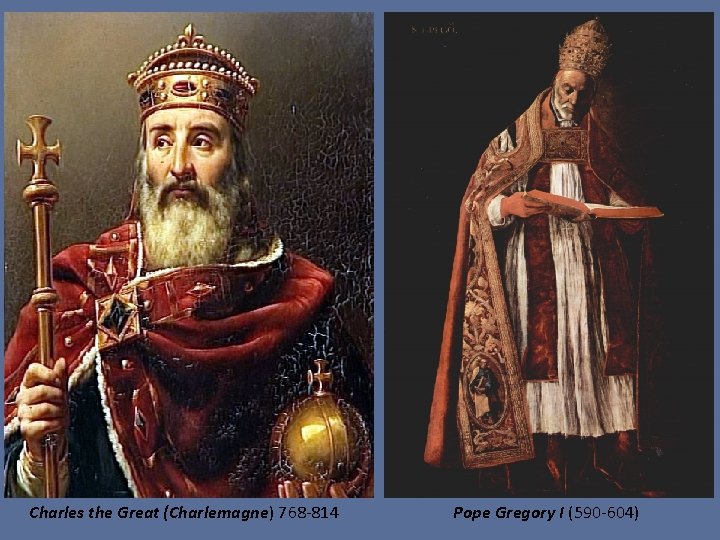
Charles the Great (Charlemagne) 768 -814 Pope Gregory I (590 -604)
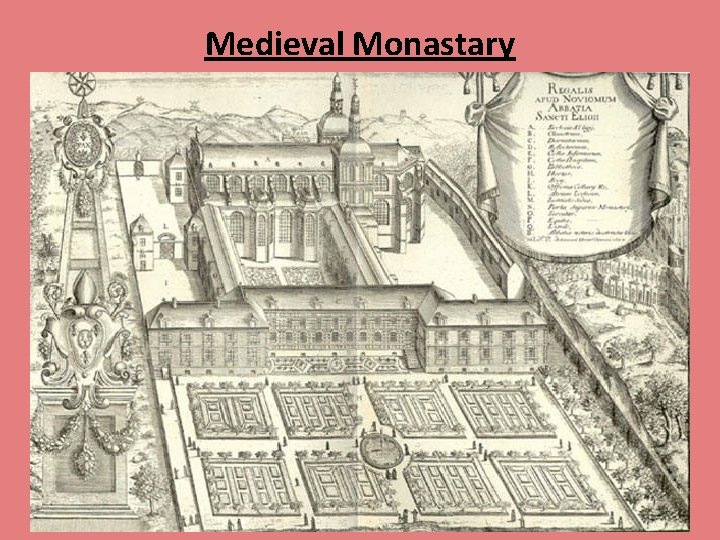
Medieval Monastary
Importance of Church in Late Medieval Society • Why? => interest in church was due to many factors including: 1. Higher standards for clergy (including new orders of Franciscan and Dominican monks) 2. Worship service & Bible only in Latin 3. Re-creation of the European calendar around Christianity (AD for dates and Christmas/Easter holidays) 4. Worship of Saints and their items • Ex of Church’s popularity and influence are the Crusades => religious wars to free Jerusalem & the Holy Land from Muslims -- 4 total Crusades from ~ 1100 to 1200 -- 1 st Crusade called by Pope Urban II in 1095 => 7000 knights & 35000 infantry responded => retook Jerusalem -- Led to important cultural exchanges from Arabs to Europeans
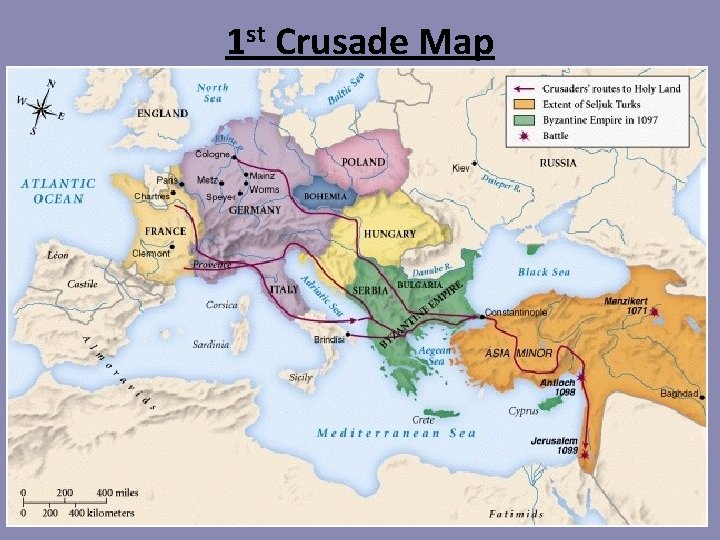
1 st Crusade Map
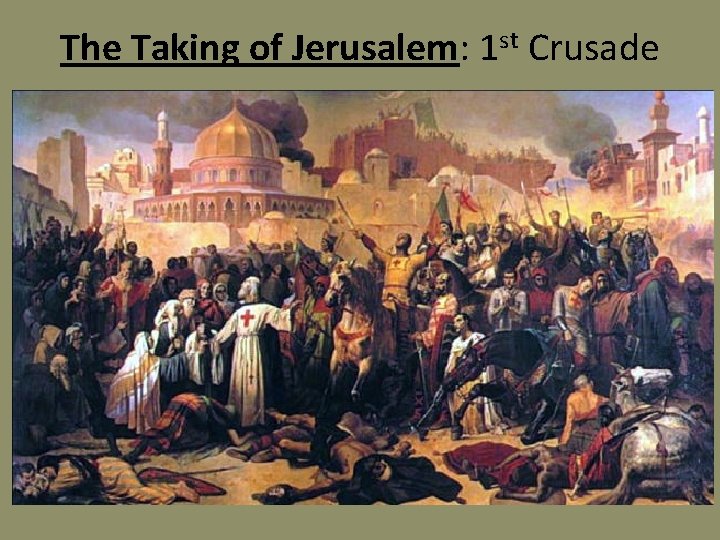
The Taking of Jerusalem: 1 st Crusade
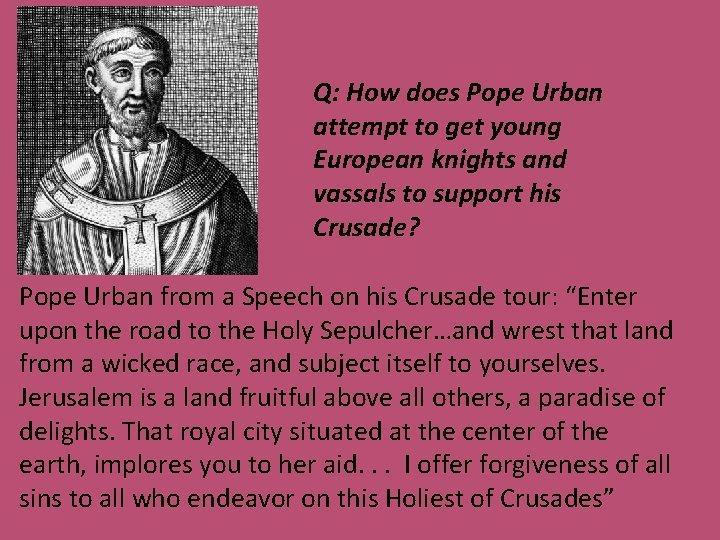
Q: How does Pope Urban attempt to get young European knights and vassals to support his Crusade? Pope Urban from a Speech on his Crusade tour: “Enter upon the road to the Holy Sepulcher…and wrest that land from a wicked race, and subject itself to yourselves. Jerusalem is a land fruitful above all others, a paradise of delights. That royal city situated at the center of the earth, implores you to her aid. . . I offer forgiveness of all sins to all who endeavor on this Holiest of Crusades”
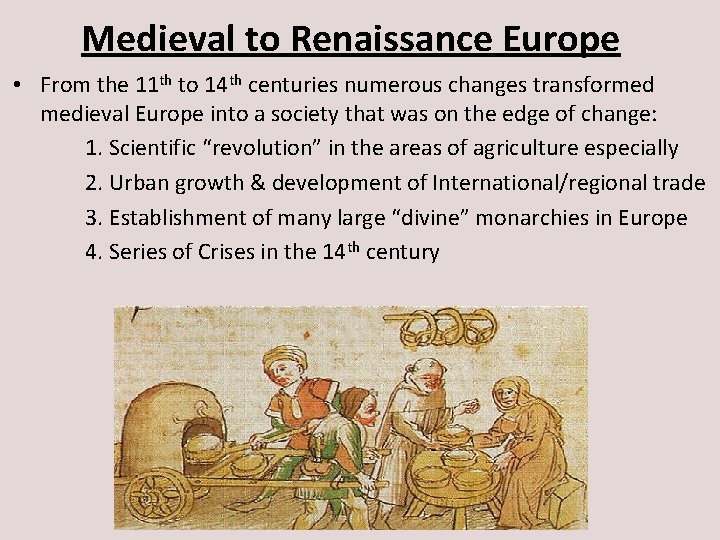
Medieval to Renaissance Europe • From the 11 th to 14 th centuries numerous changes transformed medieval Europe into a society that was on the edge of change: 1. Scientific “revolution” in the areas of agriculture especially 2. Urban growth & development of International/regional trade 3. Establishment of many large “divine” monarchies in Europe 4. Series of Crises in the 14 th century
Medieval Science • The medieval world was transformed by the European Crusades due to cultural exchange from the Islamic world • The largest advances were in the area of agriculture => 1. Land reclamation – forest clearing and swamp drainage 2. Use of heavy wheeled plow, horses, and windmills => imported from Chinese and Arabs 3. Adoption of the three field system – increases output by 33% 4. Cultivation of new crops – rice, sugarcane, bananas, beans, animal farming etc… ** All combined lead to a more balanced and protein rich diet which leads European population to increase from 36 M in 1000 to 80 M by 1300 ***
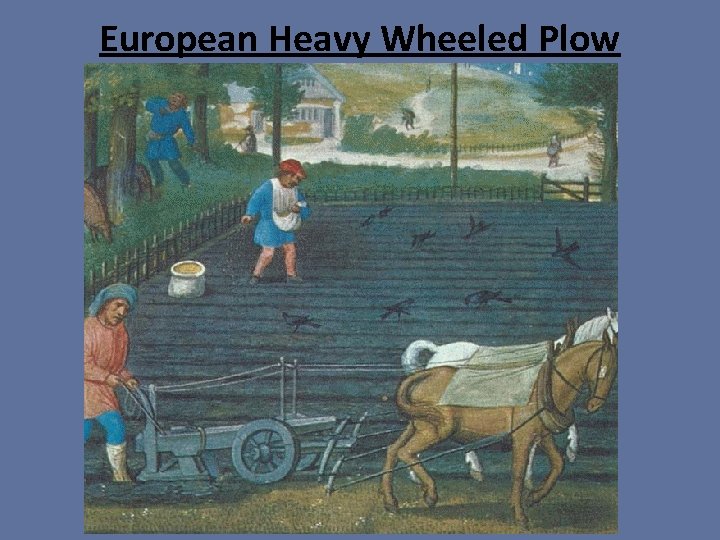
European Heavy Wheeled Plow
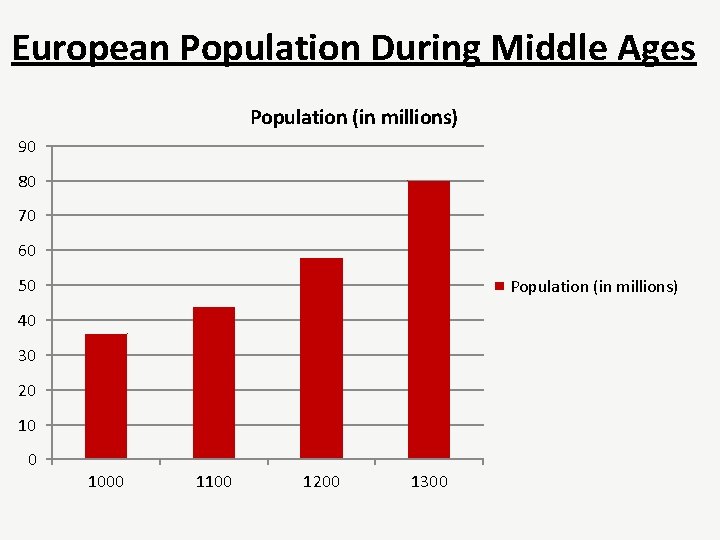
European Population During Middle Ages Population (in millions) 90 80 70 60 50 Population (in millions) 40 30 20 1000 1100 1200 1300
European Monarchies (1000 -1400) • By 1300 France, England Germany were all ruled by Monarchs who claimed a divine right to rule § French rulers created the Estates-General to serve as a sort of Congress made up of the 3 social “Estates” of French society => -- 1 st Estate: the Clergy -- 2 nd Estate: the Nobility -- 3 rd Estate: townspeople § English ruler John II signed the Magna Carta which gave broad rights & privileges to the nobility who formed Parliament § German King Otto I was crowned Holy Roman Emperor
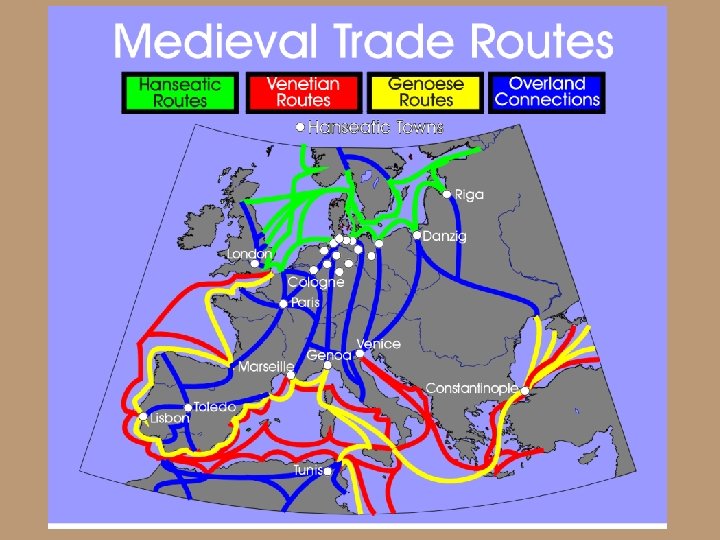
Trade and Commerce in Late Medieval Age • The European agricultural revolution sparked urban growth and specialization, which in turn sparked a revival of trade -- Most “urban” areas had populations of ~ 5, 000 (London = 40, 000 & Venice =100, 000) • How? => 1) Stern mounted rudder (allowed larger ships) 2) Lateen sail (triangular sail that was mobile) 3) Magnetic compass (adopted from the Chinese) • What ? -- Exports: Cloth, wines, tin, iron products -- Imports: alum, spices and silks • Who? -- Hanseatic League => European trading route that linked Northern and Southern European cities -- Mediterranean Routes also opened the Far East and Arab world to Europe (Venetian and Genoese Routes)
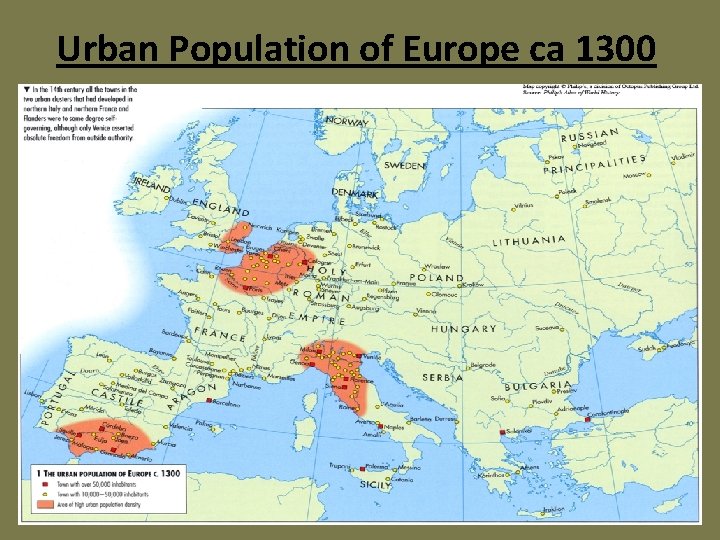
Urban Population of Europe ca 1300
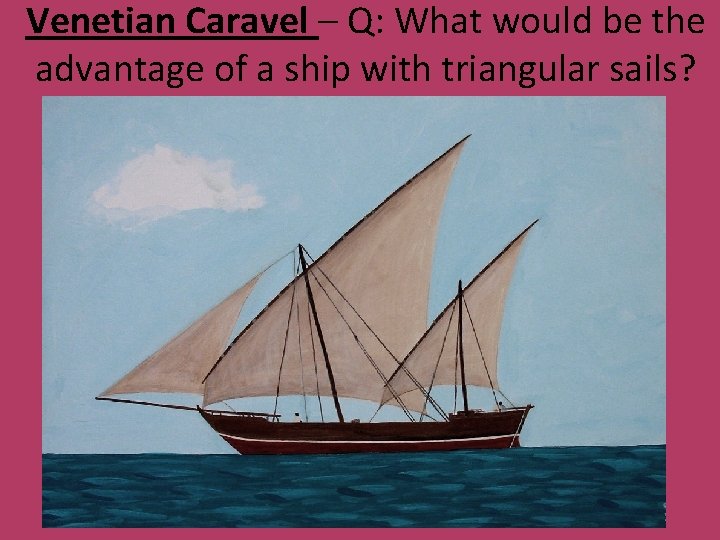
Venetian Caravel – Q: What would be the advantage of a ship with triangular sails?
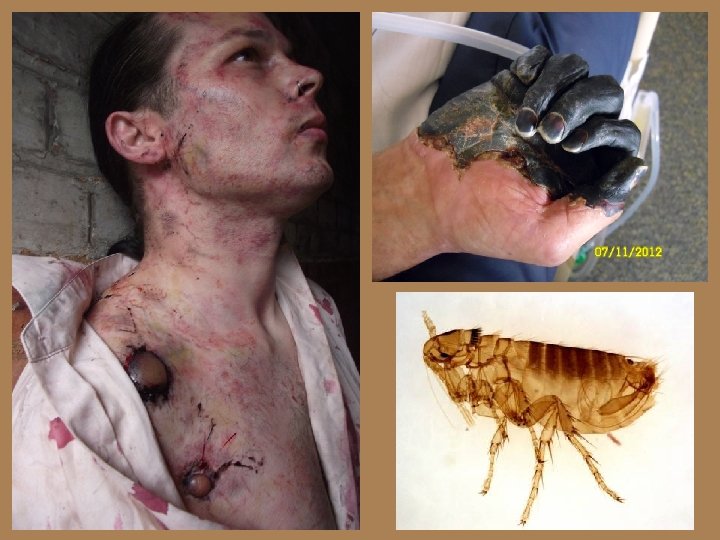
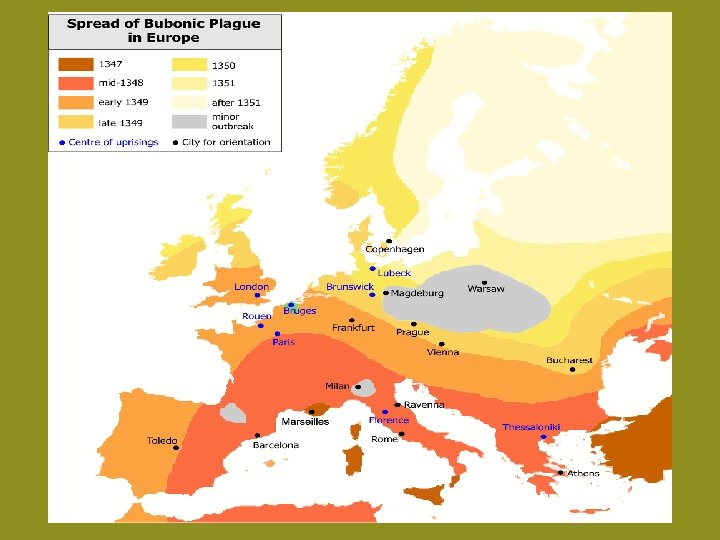
14 th Century Crisis – End of Medieval Age • Events of the 14 th century marked the end of the Middle Age: 1. 100 Years War – series of wars fought between England France between 1346 and 1453 -- Joan of Arc led French to a standstill after 100 years of death 2. Black Death – carried from Asia by traders it wiped out over 1/3 of Europe’s population from 1348 to 1352 3. Church Crises – Pope succession problems and church critics caused the influence of church to decline
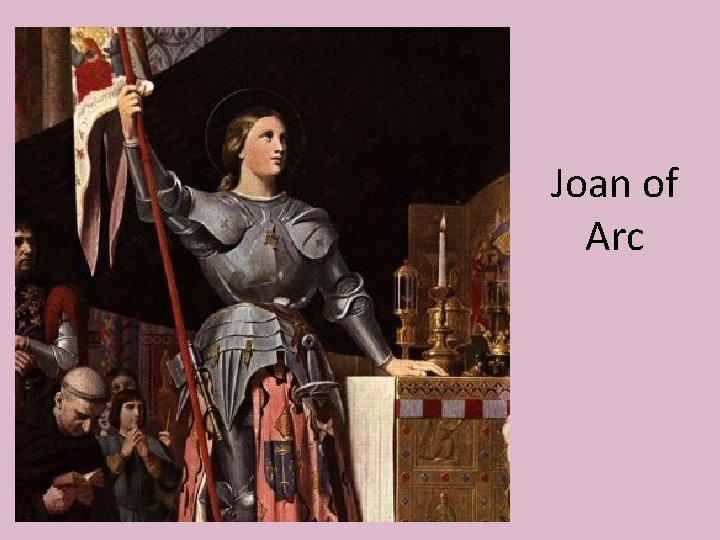
Joan of Arc
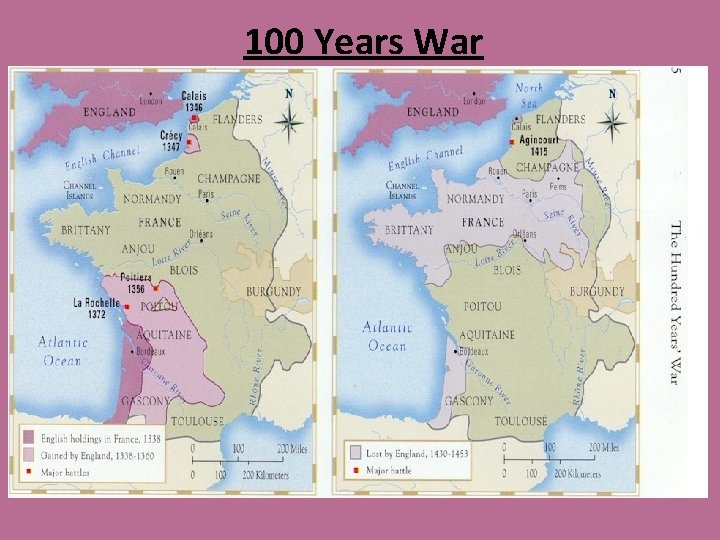
100 Years War
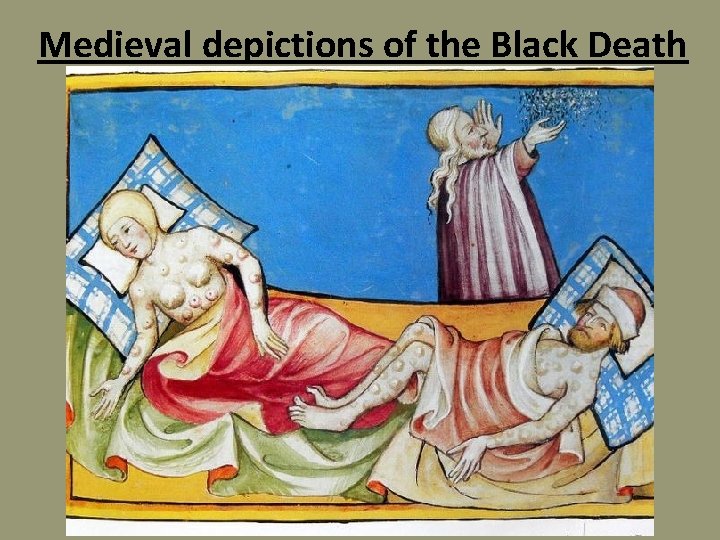
Medieval depictions of the Black Death
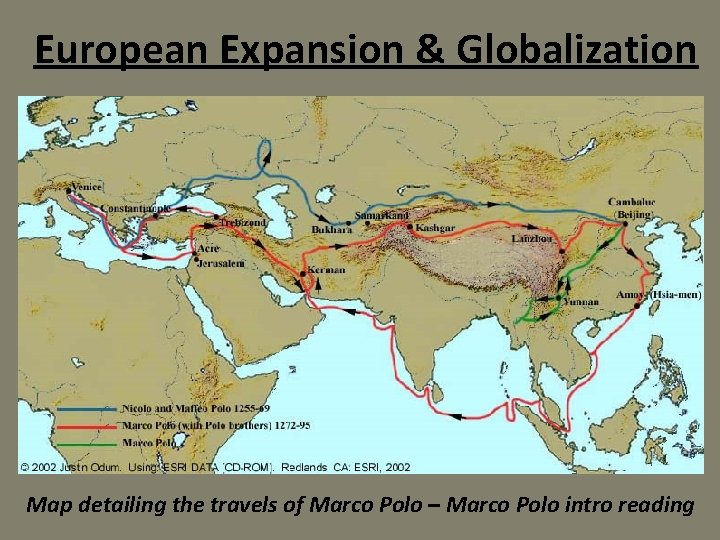
European Expansion & Globalization Map detailing the travels of Marco Polo – Marco Polo intro reading
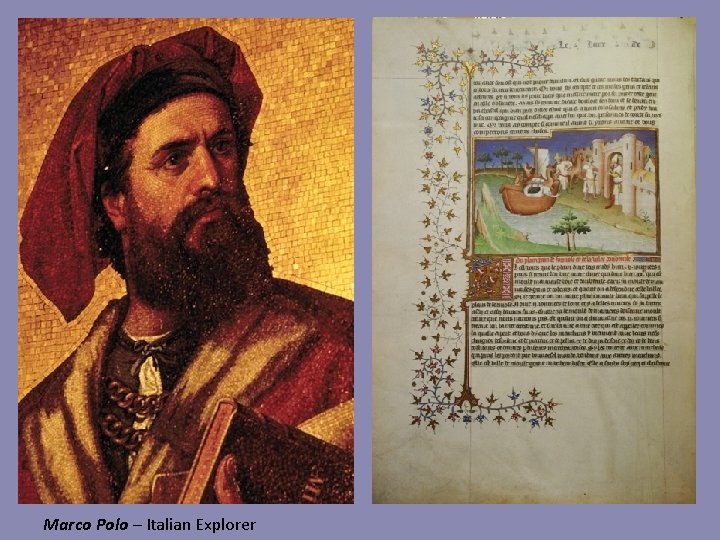
Marco Polo – Italian Explorer
European Trades Routes of the 1500’s • In 1500 Global trade was centered in the Indian Ocean § Why? ? => Europeans desire Far Eastern goods: #1: Chinese silk and spices &perfume (Why? ) -- Europeans smell bad #2: Persian textiles and shells (Why? ) -- Luxury item => exotic = wealth #3: African salt, pepper & slaves -- Food needs to be preserved and is often rotten (1 gr of pepper cost 30 gr of silver) ** Europeans though had little to trade in return (English wool, German metals, Dutch textiles) § Italian city states of Genoa & Venice , as well as the Ottoman Turks controlled the overseas and land based trade routes
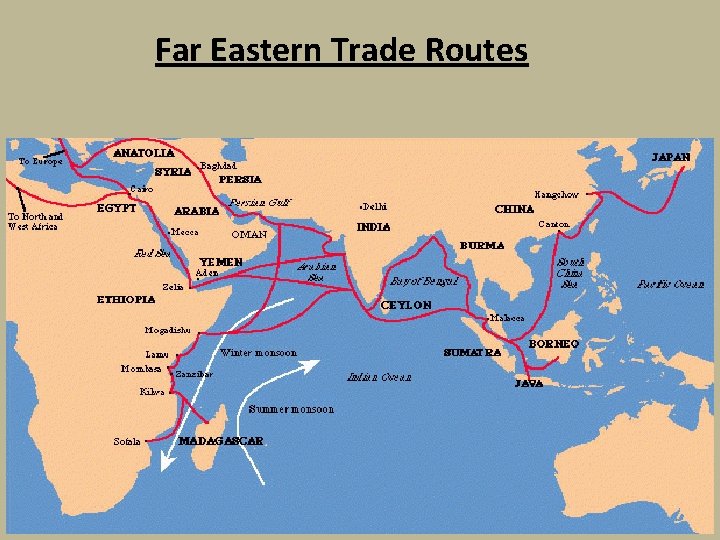
Far Eastern Trade Routes
Why European Exploration and Expansion? ? • By 1500, though, other European States had much motivation to attempt alternate trade routes: 1. Bypass the Italians and Ottomans 2. European population boom 3. Desire to spread Christianity (Spain and Portugal) 4. Desire for adventure (Renaissance) 5. European Competition for resources and wealth -- Also desire to find more goods to trade with the East
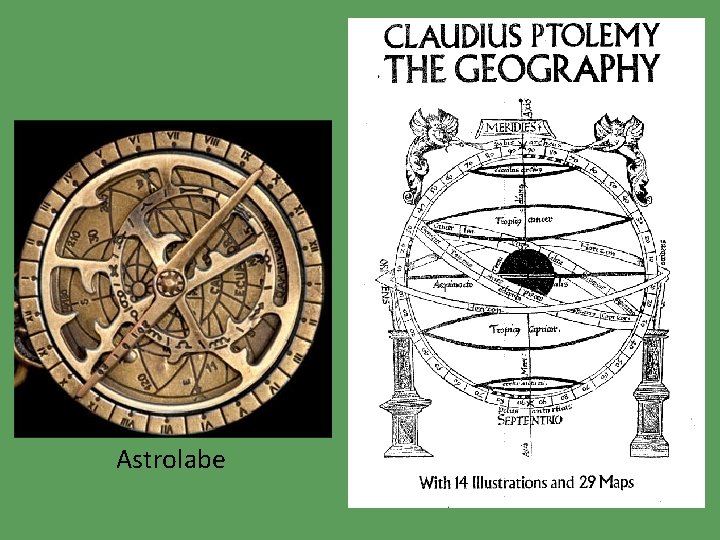
Astrolabe
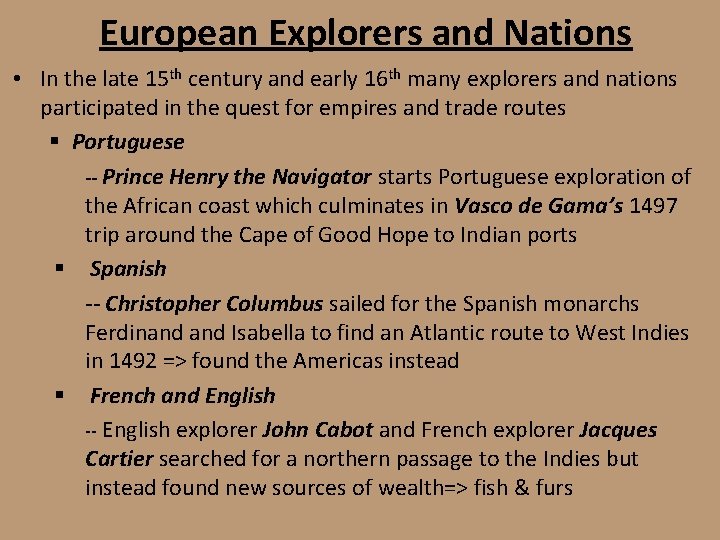
European Explorers and Nations • In the late 15 th century and early 16 th many explorers and nations participated in the quest for empires and trade routes § Portuguese -- Prince Henry the Navigator starts Portuguese exploration of the African coast which culminates in Vasco de Gama’s 1497 trip around the Cape of Good Hope to Indian ports § Spanish -- Christopher Columbus sailed for the Spanish monarchs Ferdinand Isabella to find an Atlantic route to West Indies in 1492 => found the Americas instead § French and English -- English explorer John Cabot and French explorer Jacques Cartier searched for a northern passage to the Indies but instead found new sources of wealth=> fish & furs
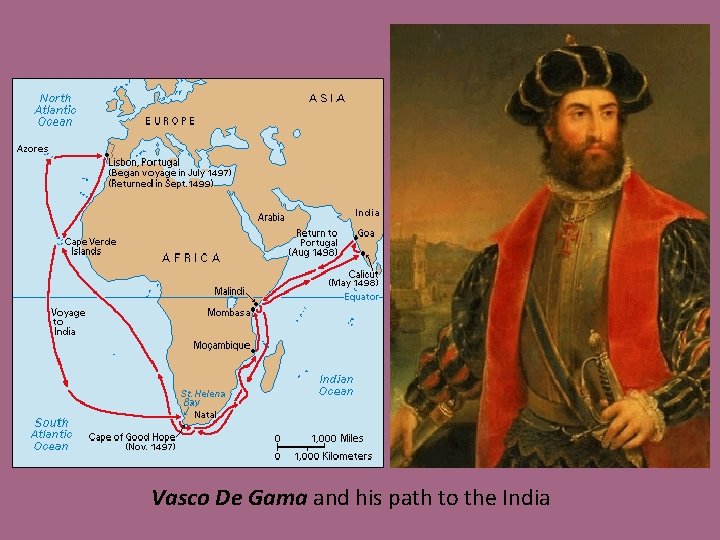
Vasco De Gama and his path to the India
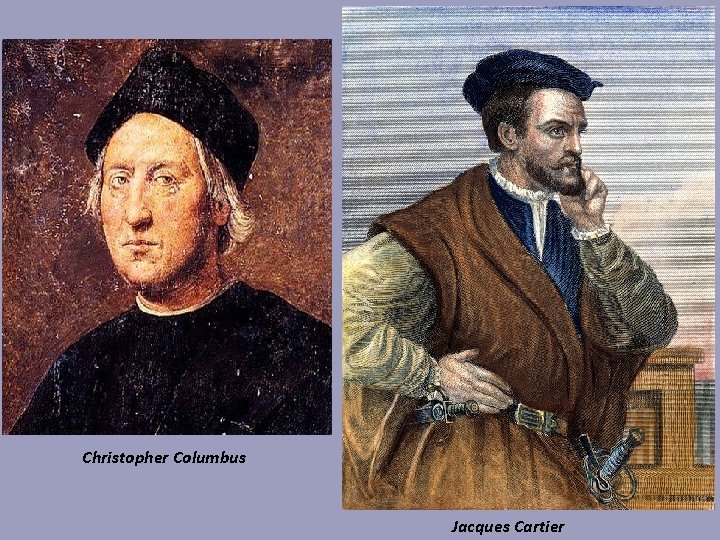
Christopher Columbus Jacques Cartier
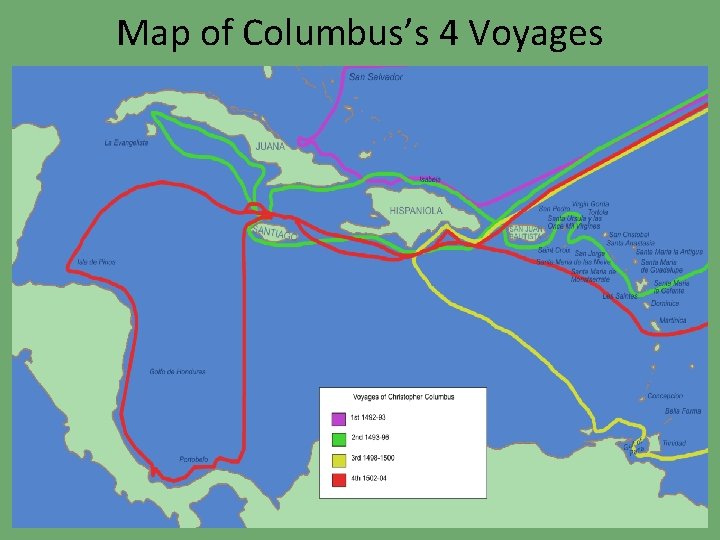
Map of Columbus’s 4 Voyages
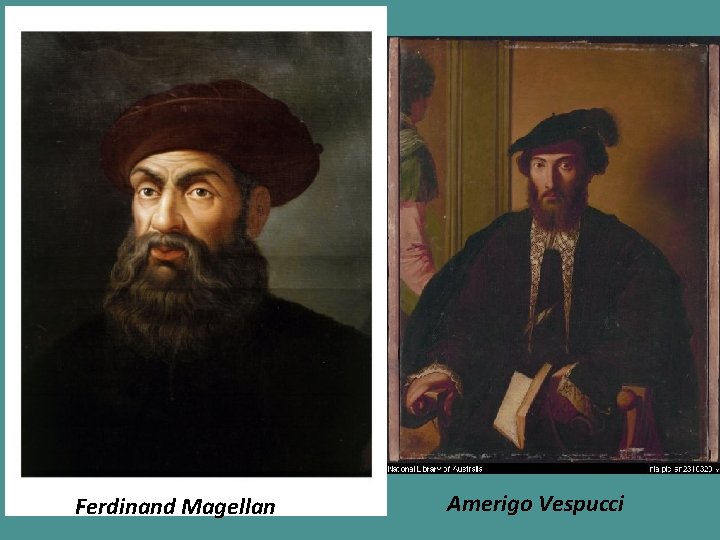
Ferdinand Magellan Amerigo Vespucci
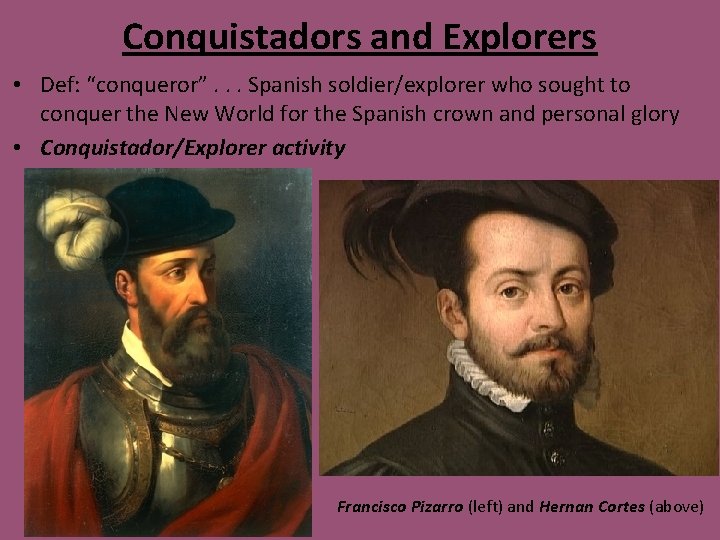
Conquistadors and Explorers • Def: “conqueror”. . . Spanish soldier/explorer who sought to conquer the New World for the Spanish crown and personal glory • Conquistador/Explorer activity Francisco Pizarro (left) and Hernan Cortes (above)
New Global Economy • The discovery of the New World transformed the global economy: #1: Columbian Exchange – the exchange of flora/fauna from Old to New World and vice versa #2: Triangular Trade – the trade between Africa (Slaves), Europe (finished goods) and the New World (raw materials; i. e. sugar, tobacco, cotton, gold, silver, etc…) § Most important were sugar and silver => -- Sugar requires large number of workers -- Silver allowed profitable trade with the Chinese Handout/GW on the Columbian Exchange and Triangular Trade
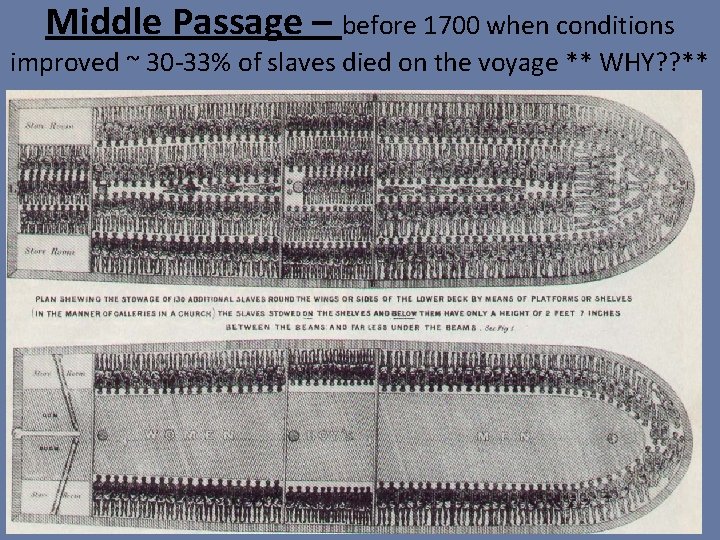
Middle Passage – before 1700 when conditions improved ~ 30 -33% of slaves died on the voyage ** WHY? ? **

Transatlantic Slave Trade – Prior to 1500 most slaves were white and/or Muslim; after the Ottoman Empire cut the supply & Natives were decimated, Europeans turned to Africans
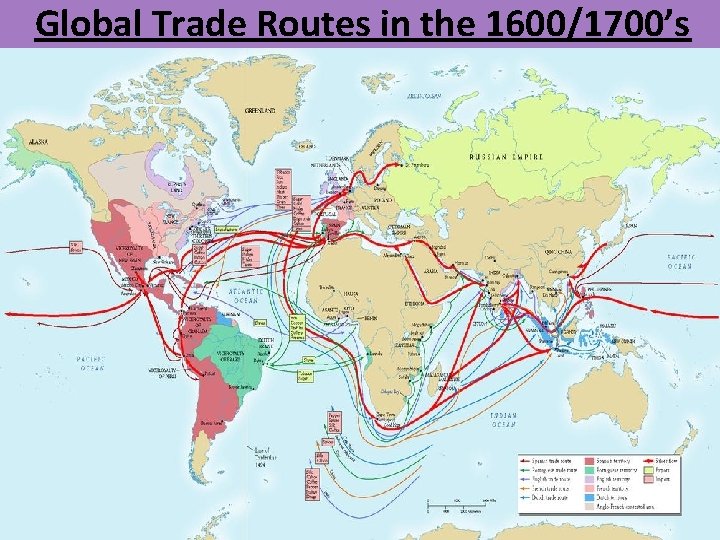
Global Trade Routes in the 1600/1700’s
Spanish Empire – 1500 & 1600’s • Due to the discoveries of Columbus, Pizarro & Cortes Spain had the most powerful empire in the world during the 16 th & 17 th centuries • The political administration of the colonies was handled by splitting NW territories into viceroyalties -- Viceroyalty = administrative district where a viceroy held extensive military and civil power -- There were 4 New World viceroyalties => New Spain, Peru, New Granada and La Plata • Spanish decline => By the late 1600’s Spain’s silver mines dried up and the reliance on easy mining profits stunted innovation => as a result Spanish were a weaker global player post 1700
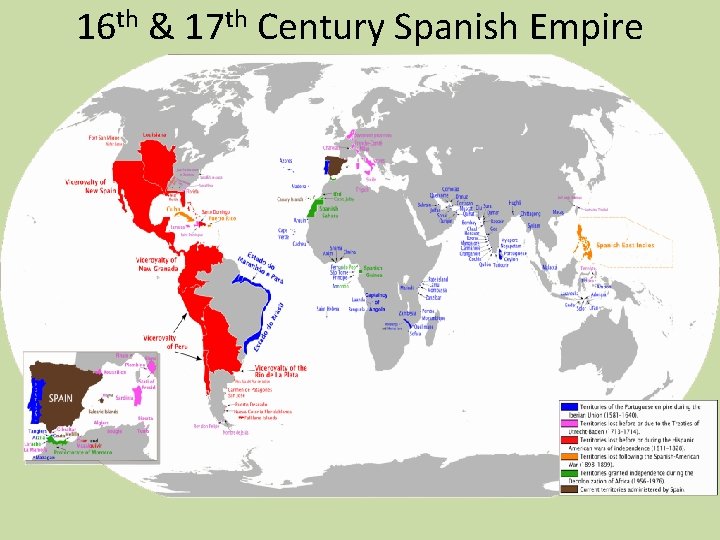
16 th & 17 th Century Spanish Empire
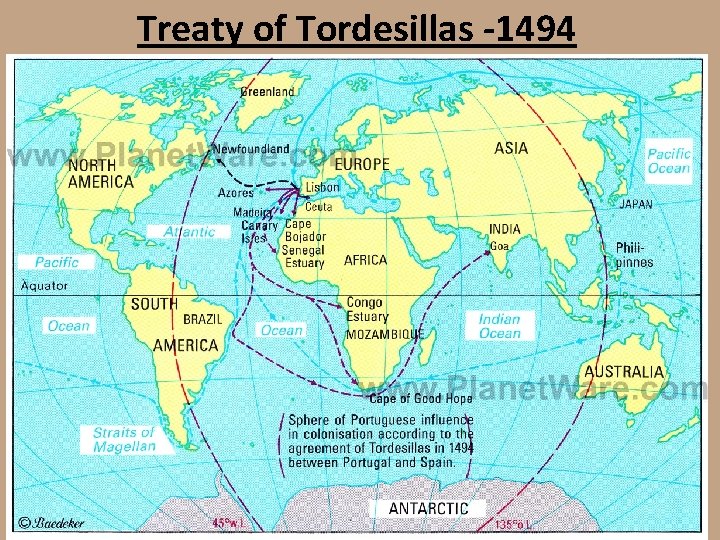
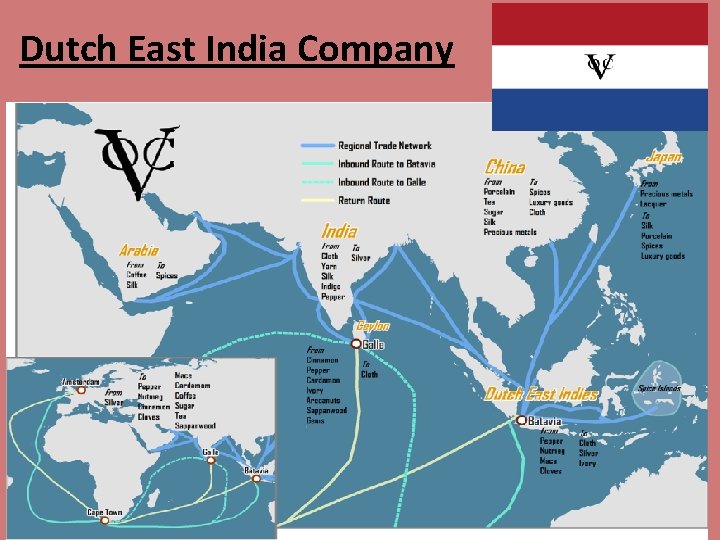
Economic Trade Wars • After the discovery of the New World, European powers were in constant competition for global trade dominance • In 1494 Pope Alexander negotiated the Treaty of Tordesillas between Spain and Portugal to try and settle New World claims -- Drew an imaginary line in the Atlantic and gave Spain all territory to the west and Portugal all territory to the east • In the 1600’s the Dutch via the Dutch East India Company (a Joint Stock Company – Def? ? ) wrestled control of the Indian spice trade from the Portuguese => leads to the age of Joint Stock companies (British East India company, Virginia Company, etc…. )
Treaty of Tordesillas -1494
Dutch East India Company
Impact of European Settlement of Natives • During the 16 th century over 200, 000 Spanish settlers migrated to the New World => goal = gain riches quickly • How? ? #1: Establish haciendas => ranches or estates for farming #2: Use of Encomienda system => legalized slavery where Spanish settlers employ groups of Natives for labor/tribute in exchange for food & shelter -- Natives used in silver mines or on sugar plantations ** Las Casas reading => Devastation of the Indies** • Result? ? => massive population loss -- ~ 50 M Natives in 1490 => ~9 M Natives in 1700 -- Native culture survived by racial intermixing
How Tupi Indians Roasted their Meat (ca 1550)
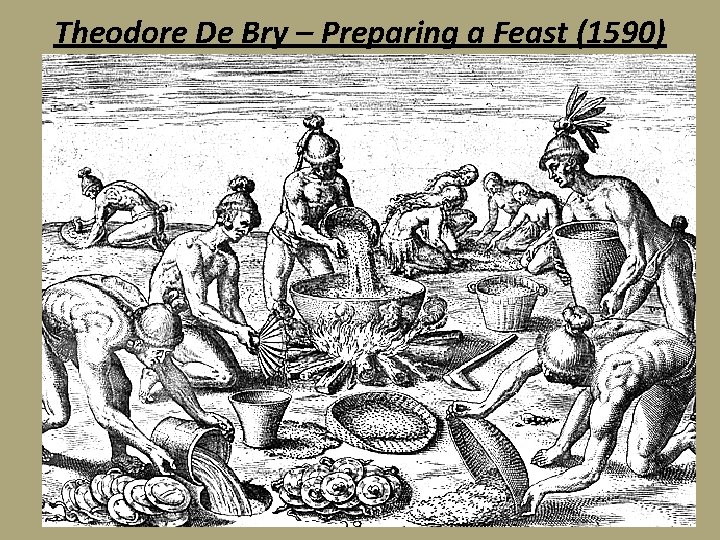
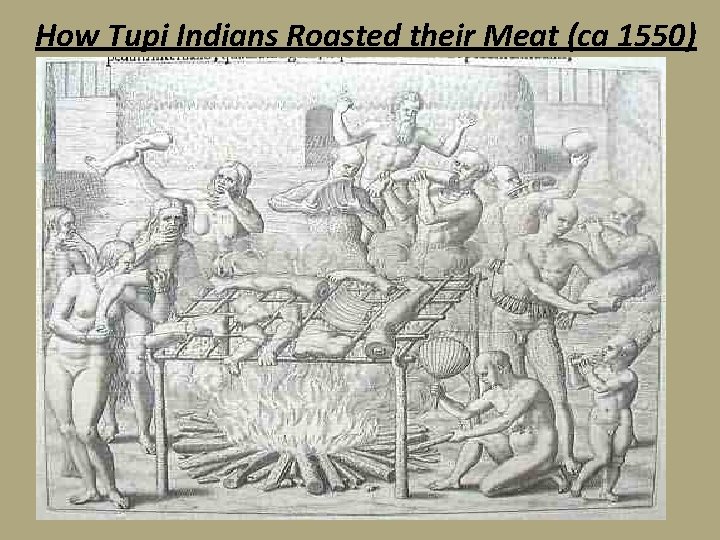
Theodore De Bry – Preparing a Feast (1590)
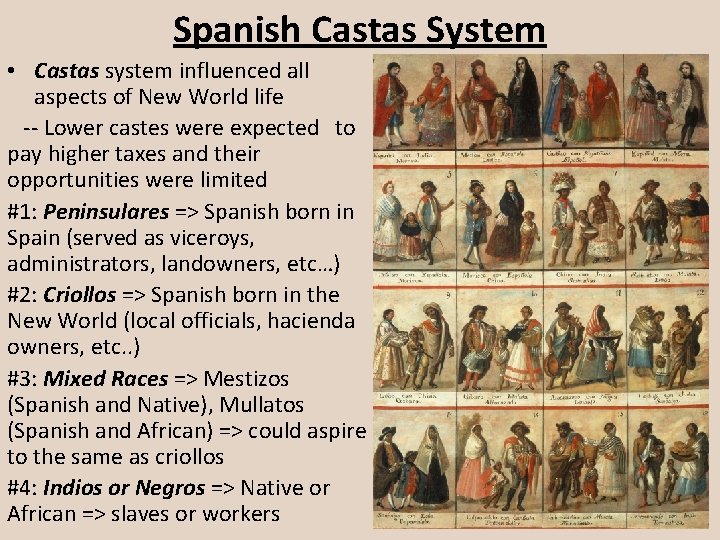
Spanish Castas System • Castas system influenced all aspects of New World life -- Lower castes were expected to pay higher taxes and their opportunities were limited #1: Peninsulares => Spanish born in Spain (served as viceroys, administrators, landowners, etc…) #2: Criollos => Spanish born in the New World (local officials, hacienda owners, etc. . ) #3: Mixed Races => Mestizos (Spanish and Native), Mullatos (Spanish and African) => could aspire to the same as criollos #4: Indios or Negros => Native or African => slaves or workers
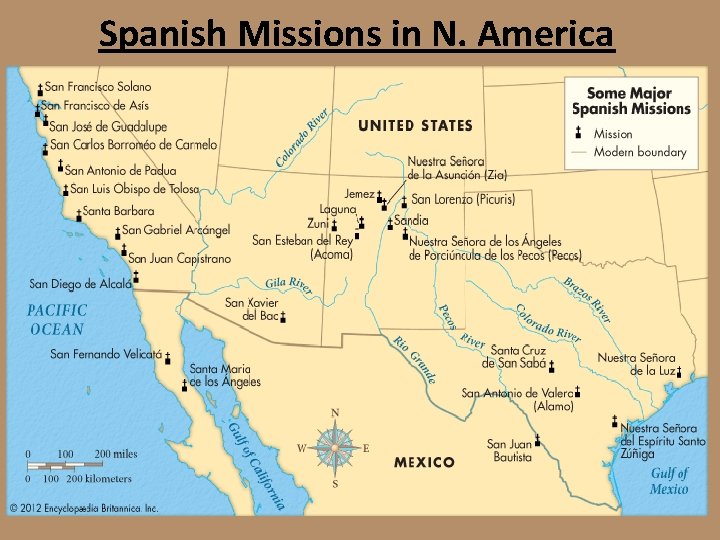
Racial Superiority and Religion • Key ambition of European powers in the New World was religious conversion of natives => Catholic powers especially • Settlement pattern in New World => #1: Catholic missionaries establish mission #2: Missionaries acclimate area to the Spanish culture ** Religion and language** #3: Civil authorities come in and establish governmental and economic structures ** Spanish missionaries in New World very successful in conversion of Natives ** • Due to their customs, diet (eating “roots”) and religion New World races were judged inferior to Europeans -- Originally Bible was used to justify slavery => Noah’s curse
Spanish Missions in N. America

Overall Evaluation • Q’s: § What was the LT/ST social, political, and economic impact of European exploration and contact on: -- European empires and peoples? (i. e. Portuguese & Spanish? ) -- Native populations? (i. e. Amerindian and African) ** GO on European contact**
- Slides: 54