
Medicinal Chemistry Drug Discovery Dr Peter Wipf Department












- Slides: 69
Medicinal Chemistry & Drug Discovery Dr. Peter Wipf Department of Chemistry University of Pittsburgh http: //ccc. chem. pitt. edu/wipf/index. html
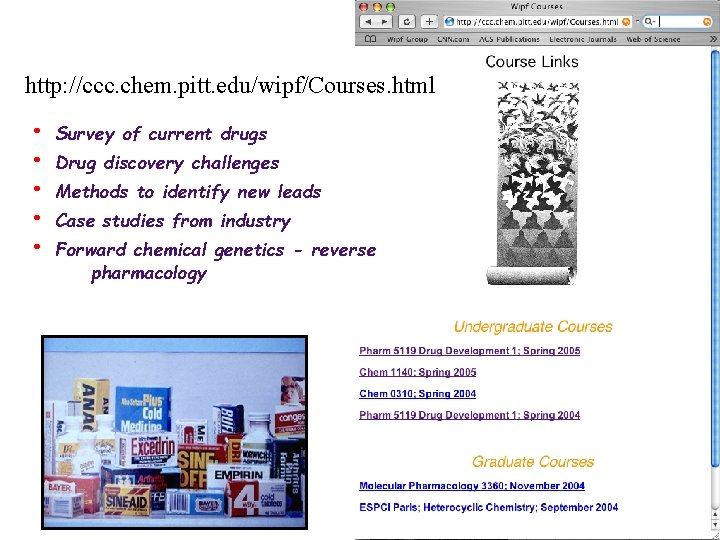
http: //ccc. chem. pitt. edu/wipf/Courses. html • • • Survey of current drugs Drug discovery challenges Methods to identify new leads Case studies from industry Forward chemical genetics - reverse pharmacology
Medicinal Chemistry The science that deals with the discovery or design of new therapeutic agents and their development into useful medicines. It involves: • Synthesis • Structure-Activity Relationships (SAR) • Receptor interactions • Absorption, distribution, metabolism, and excretion (ADME)
2003 Blockbusters at the Drugstore (US/Worldwide; out of ~$500 b) Lipitor (Pfizer) cholesterol $6. 8/10. 3 billion (66%) Zocor (Merck) cholesterol $4. 4/6. 1 billion (72%) Zyprexa (Eli Lilly) antipsychotic $3. 2/4. 8 billion (72%) Norvasc (Pfizer) blood pressure $2. 2/4. 5 billion (40%) Procrit (J&J) anemia $3. 3/4. 0 billion (83%) Prevacid (TAP) ulcers $4. 0/4. 0 billion (100%) Nexium (Astra. Zeneca) ulcers $3. 1/3. 8 billion (82%) Plavix (BMS-Sanofi) blood thinner $2. 2/3. 7 billion (59%) Seretide (GSK) asthma $2. 3/3. 7 billion (62%) Zoloft (Pfizer) depression $2. 9/3. 4 billion (85%) Epogen (Amgen) anemia $3. 1/? billion (? %) Celebrex (Pfizer) arthritis $2. 6/? billion (? %) Source: IMS Health, March 2004
“Big Pharma” Drug Discovery in the 21 st Century The Problem: The pharmaceutical industry is short of new drugs. In the 2 nd part of the 20 th century, about 50 -60 new drugs (NCEs) were approved by the FDA every year. In contrast, in 2002, a historical low of 18 NCEs were approved (in 2001, 24 NCEs, in 2000, 27 NCEs, in 2003, 21 NCEs). Conversely, research costs for a new drug are estimated to be in the $1 -1. 5 Bi. range. Considering all high-profile failures in recent drug discovery, this figure is unlikely to drop substantially.
“…gloom around the pharmaceuticals company. . ” Source: Wall Street J. 11/21/2003
Wallstreet (and companies) are looking for a scapegoat. . ” Drug Industry's Big Push Into Technology Falls Short. Testing Machines Were Built To Streamline Research -- But May Be Stifling It “A decade ago, pharmaceutical companies announced a revolutionary new way of finding drugs. Instead of relying on scientists' hunches about what chemicals to experiment with, they brought in machines to create thousands of chemical combinations at once and tested them out with robots. The new technology was supposed to bring a flood of medicines to patients and profits to investors. Today, some leading chemists are calling the effort an expensive fiasco. Machines churned out chemical after chemical that didn't produce useful results. And chemicals that seemed promising often turned out to have big flaws that traditional testing might have caught earlier on. Some drugs couldn't dissolve in water or be turned into pills, for example. Critics believe these problems help explain the pharmaceutical industry's drought of new products. "That's the secret of why they're spending billions of dollars and getting nothing, " says James Hussey, a former Bristol-Myers Squibb Co. manager who now leads biotech company Neo. Pharm Inc. …. . ” Source: Wall Street J. 2/24/2004
In Search of New Leads…. . The decline in the number of new drugs is based, among other reasons, on the current high therapeutic standard in many indications, focusing research on chronic diseases such as coronary heart, Alzheimer’s, arthritis, cancer, and AIDS, as well as the enhanced regulatory requirements for efficacy and safety of new drugs. A lead can be characterized as a compound that has some desirable biological activity, not extremely polar or lipophilic, and not contain toxic or reactive functional groups. Often, molecular weight (<350) and lipophilicity (log P < 3) are considered the most obvious characteristics of a drug-like lead. The lead should also have a series of congeners that modulate biological activity, indicating that further structural modification will improve selectivity and potency.
Why Is It So Difficult to Make Drugs? If 10, 000 chemists were to prepare 1 compound each per second, it would take 10, 000, 000, 000 years to finish the job.
Drug Discovery Paradigm Currently: Biology-driven drug discovery Chemistry-driven drug discovery back to the future?
Where Did (Do) Our Drugs Come From?
New drugs from old poisons The reductionist approach to medicine began with the isolation of opium alkaloids
Medicinal Chemistry Folklore Earliest medicines ~ 5100 years ago Chinese emperor Shen Nung - book of herbs, Pen Ts’ao Ch’ang Shan - contains alkaloids; used today in the treatment of malaria and for fevers Ma Huang - contains ephedrine; used as a heart stimulant and for asthma. Now used by body builders and endurance athletes because it quickly converts fat into energy and increases strength of muscle fibers. Modern therapeutics: Extract of foxglove plant, cited by Welsh physicians in 1250. Used to treat dropsy (congestive heart failure) in 1785 Contains digitoxin and digoxin; today called digitalis
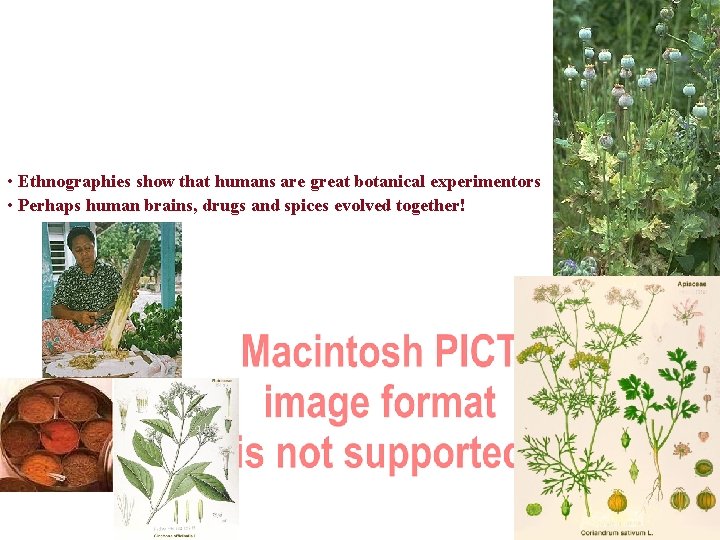
• Ethnographies show that humans are great botanical experimentors • Perhaps human brains, drugs and spices evolved together!
Examples of Natural Products as Leads & Drugs Cardiac glycosides, morphine, quinine, salicylic acid, taxol, camptothecin, penicillin, cyclosporin A, warfarin, artemisine….
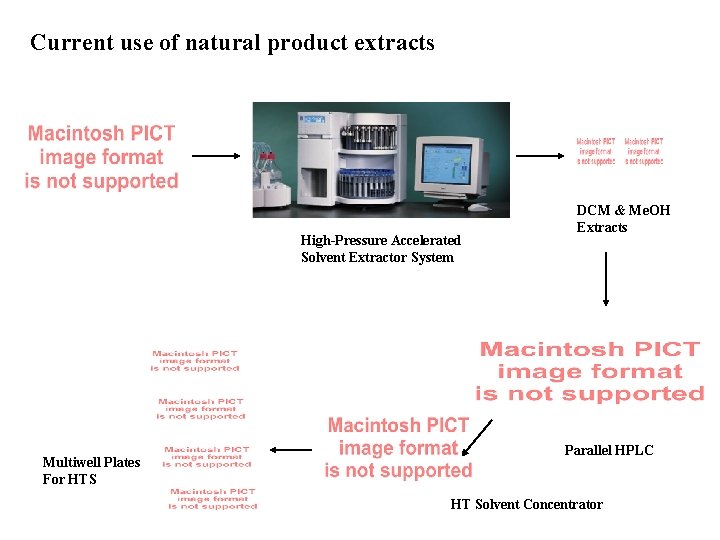
Current use of natural product extracts High-Pressure Accelerated Solvent Extractor System Multiwell Plates For HTS DCM & Me. OH Extracts Parallel HPLC HT Solvent Concentrator
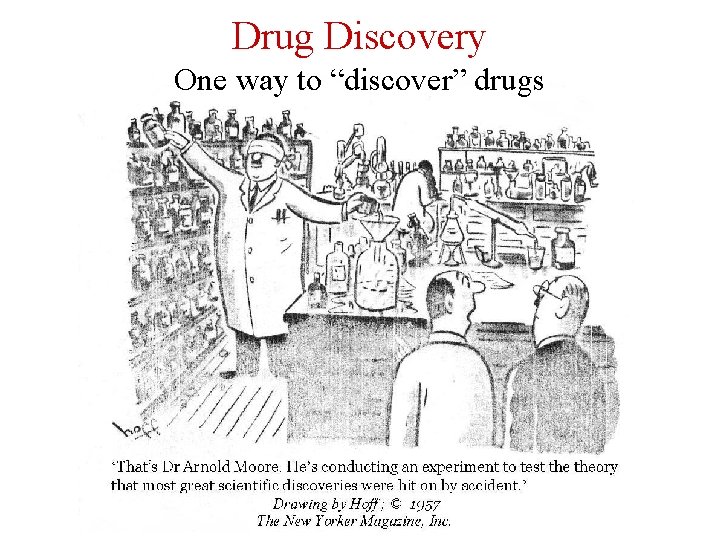
Drug Discovery One way to “discover” drugs
Serendipitous Drug Discovery • The use of nitrous oxide and ether as narcotic gases in surgery resulted from the observation that people who inhaled these chemicals [in parties] did not experience any pain after injury. • The vasodilatory activity of amyl nitrite and nitroglycerin was discovered by chemists who developed strong headaches after inhaling or ingesting minor amounts. • A wrong working hypothesis on chloral hydrate, which was supposed to degrade metabolically to narcotic chloroform, led to its application as a strong sedative (in reality, the metabolite trichloroethanol is the active form). Similarly, urethane was supposed to release ethanol but is a hypnotic by itself. • Acetylsalicylic acid was thought to be just a better tolerable prodrug of salicylic acid, but turned out to have a unique mechanism. • Phenolphthalein was considered as a useful dye for cheap wines; after a heroic self-experiment, a pharmacologist experienced its drastic diarrhoic activity. • Warfarin was used a rat poison.
Serendipitous Discovery of Librium without a Lead In 1955 Roche set out to prepare a series of benzheptoxdiazines as potential new tranquilizer drugs, but the actual structure was found to be that of a quinazoline 3 -oxide. No active compounds were found, so the project was abandoned
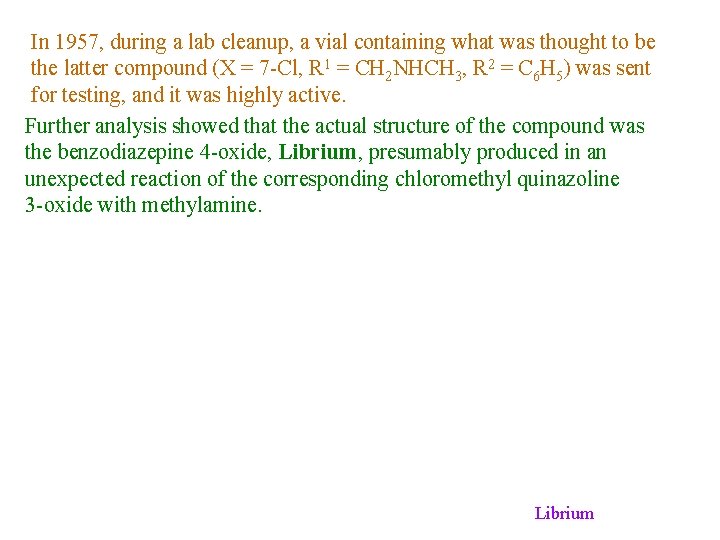
In 1957, during a lab cleanup, a vial containing what was thought to be the latter compound (X = 7 -Cl, R 1 = CH 2 NHCH 3, R 2 = C 6 H 5) was sent for testing, and it was highly active. Further analysis showed that the actual structure of the compound was the benzodiazepine 4 -oxide, Librium, presumably produced in an unexpected reaction of the corresponding chloromethyl quinazoline 3 -oxide with methylamine. Librium
Rational Drug Discovery • Nearly every modification of neurotransmitters dopamine, serotonin, histamine, or acetylcholine by classical medicinal chemistry led to a compound with modified activity and selectivity. • Steroid hormone modifications led to similar success stories. • Many enzyme inhibitors were developed from leads that mimic the transition state of the corresponding enzyme. Protease inhibitors started from cleavage-site peptides by converting the critical amide bond into another functionality. For example, aspartyl protease inhibitors should contain the amino acids at both sides of the cleavable peptide bond, and the latter bond needs to be replaced by a stable isostere that resembles the transition state. • In the 1980’s and 1990’s, computer modeling of enzyme-substrate complexes became a major driving force for rational drug discovery and the interpretation of SAR results.
Structure-Activity Relationships (SARs) 1868 - Crum-Brown and Fraser Examined neuromuscular blocking effects of a variety of simple quaternary ammonium salts to determine if the quaternary amine in curare was the cause for its muscle paralytic properties. Conclusion: the physiological action is a function of chemical constitution
Structurally specific drugs (most drugs): Act at specific sites (receptor or enzyme) Activity/potency susceptible to small changes in structure Structurally nonspecific drugs: No specific site of action Similar activities with varied structures (various gaseous anesthetics, sedatives, antiseptics)
Example of SAR Lead: sulfanilamide (R = H) Thousands of analogs synthesized From clinical trials, various analogs shown to possess three different activities: • Antimicrobial • Diuretic • Antidiabetic
SAR General Structure of Antimicrobial Agents R = SO 2 NHR , SO 3 H • Groups must be para • Must be NH 2 (or converted to NH 2 in vivo) • Replacement of benzene ring or added substituents decreases or abolishes activity • R can be , , (but potency is reduced) • R = SO 2 NR 2 gives inactive compounds ,
SAR Antidiabetic Agents X = O, S, or N
SAR Diuretics (2 types) hydrochlorothiazides R 2 is an electrophilic group high ceiling type
Rational Drug Discovery - Piroxicam • It took Pfizer about 18 years to develop the anti-inflammatory drug piroxicam, which was launched in 1980 during the “golden age of rational drug discovery”. • The starting point for the development was chemistry-driven, ie. to identify acidic, but not carboxylic acid-containing (salicylic acid) structurally novel compounds. • Measurement of a physical property (p. Ka) as well as serum half-life in dogs was the guide for the synthesis program. • Several generations of leads were refined and ultimately led to a successful structure with an acceptable safety and activity profile:
Bioisosterism Bioisosteres - substituents or groups with chemical or physical similarities that produce similar biological properties. Can attenuate toxicity, modify activity of lead, and/or alter pharmacokinetics of lead.
Classical Isosteres
Non-Classical Isosteres Do not have the same number of atoms and do not fit steric and electronic rules of classical isosteres, but have similar biological activity.
Examples of Bioisosteric Analogues
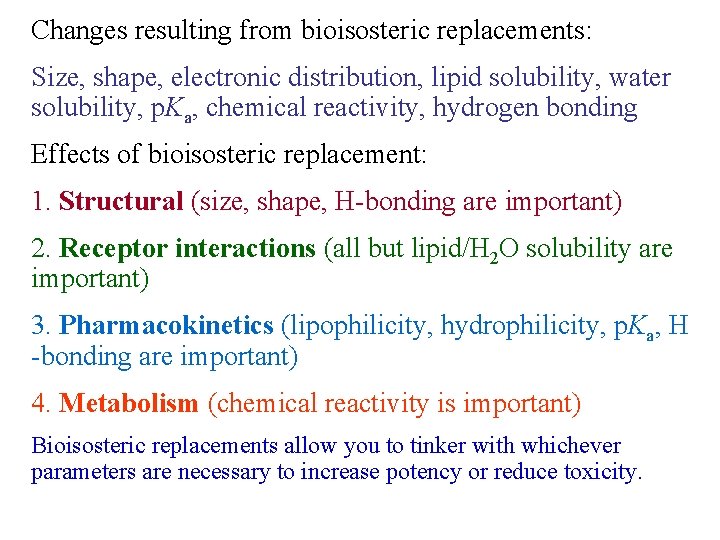
Changes resulting from bioisosteric replacements: Size, shape, electronic distribution, lipid solubility, water solubility, p. Ka, chemical reactivity, hydrogen bonding Effects of bioisosteric replacement: 1. Structural (size, shape, H-bonding are important) 2. Receptor interactions (all but lipid/H 2 O solubility are important) 3. Pharmacokinetics (lipophilicity, hydrophilicity, p. Ka, H -bonding are important) 4. Metabolism (chemical reactivity is important) Bioisosteric replacements allow you to tinker with whichever parameters are necessary to increase potency or reduce toxicity.
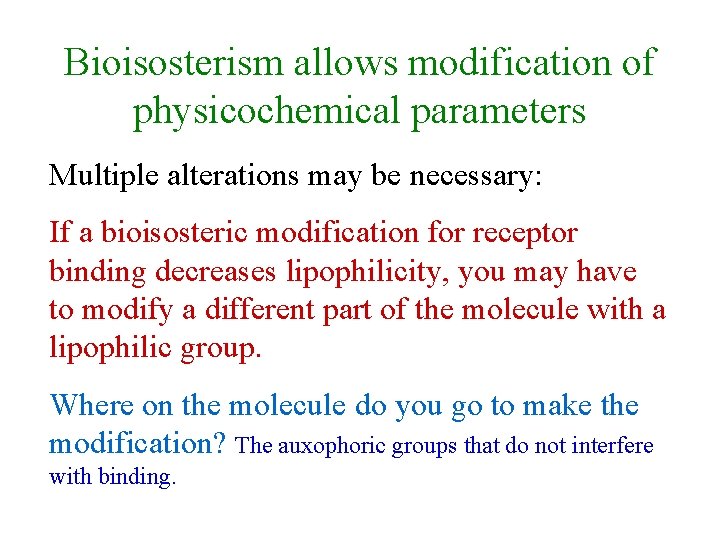
Bioisosterism allows modification of physicochemical parameters Multiple alterations may be necessary: If a bioisosteric modification for receptor binding decreases lipophilicity, you may have to modify a different part of the molecule with a lipophilic group. Where on the molecule do you go to make the modification? The auxophoric groups that do not interfere with binding.
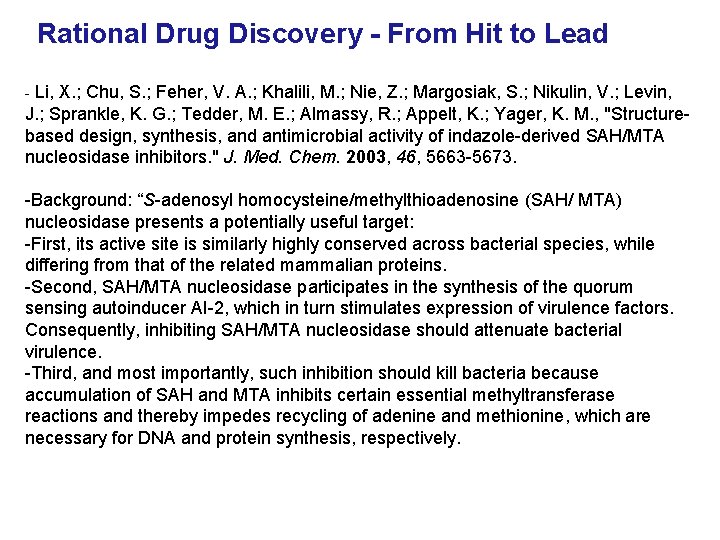
Rational Drug Discovery - From Hit to Lead - Li, X. ; Chu, S. ; Feher, V. A. ; Khalili, M. ; Nie, Z. ; Margosiak, S. ; Nikulin, V. ; Levin, J. ; Sprankle, K. G. ; Tedder, M. E. ; Almassy, R. ; Appelt, K. ; Yager, K. M. , "Structurebased design, synthesis, and antimicrobial activity of indazole-derived SAH/MTA nucleosidase inhibitors. " J. Med. Chem. 2003, 46, 5663 -5673. -Background: “S-adenosyl homocysteine/methylthioadenosine (SAH/ MTA) nucleosidase presents a potentially useful target: -First, its active site is similarly highly conserved across bacterial species, while differing from that of the related mammalian proteins. -Second, SAH/MTA nucleosidase participates in the synthesis of the quorum sensing autoinducer AI-2, which in turn stimulates expression of virulence factors. Consequently, inhibiting SAH/MTA nucleosidase should attenuate bacterial virulence. -Third, and most importantly, such inhibition should kill bacteria because accumulation of SAH and MTA inhibits certain essential methyltransferase reactions and thereby impedes recycling of adenine and methionine, which are necessary for DNA and protein synthesis, respectively.
Rational Drug Discovery - From Hit to Lead
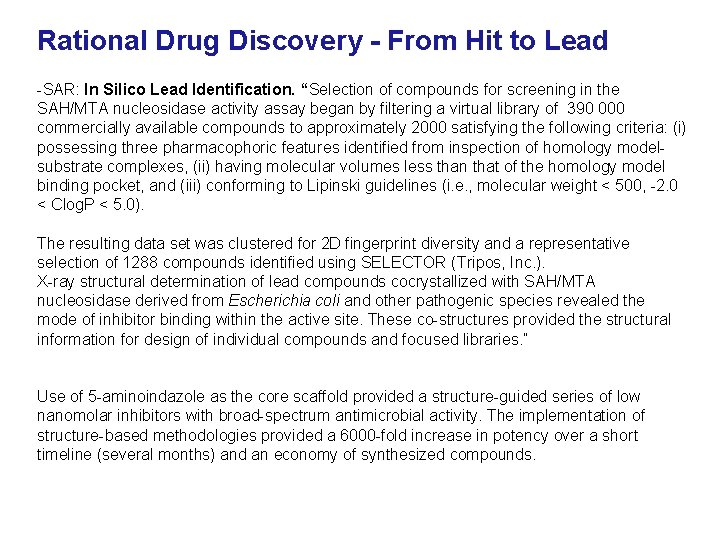
Rational Drug Discovery - From Hit to Lead -SAR: In Silico Lead Identification. “Selection of compounds for screening in the SAH/MTA nucleosidase activity assay began by filtering a virtual library of 390 000 commercially available compounds to approximately 2000 satisfying the following criteria: (i) possessing three pharmacophoric features identified from inspection of homology modelsubstrate complexes, (ii) having molecular volumes less than that of the homology model binding pocket, and (iii) conforming to Lipinski guidelines (i. e. , molecular weight < 500, -2. 0 < Clog. P < 5. 0). The resulting data set was clustered for 2 D fingerprint diversity and a representative selection of 1288 compounds identified using SELECTOR (Tripos, Inc. ). X-ray structural determination of lead compounds cocrystallized with SAH/MTA nucleosidase derived from Escherichia coli and other pathogenic species revealed the mode of inhibitor binding within the active site. These co-structures provided the structural information for design of individual compounds and focused libraries. ” Use of 5 -aminoindazole as the core scaffold provided a structure-guided series of low nanomolar inhibitors with broad-spectrum antimicrobial activity. The implementation of structure-based methodologies provided a 6000 -fold increase in potency over a short timeline (several months) and an economy of synthesized compounds.
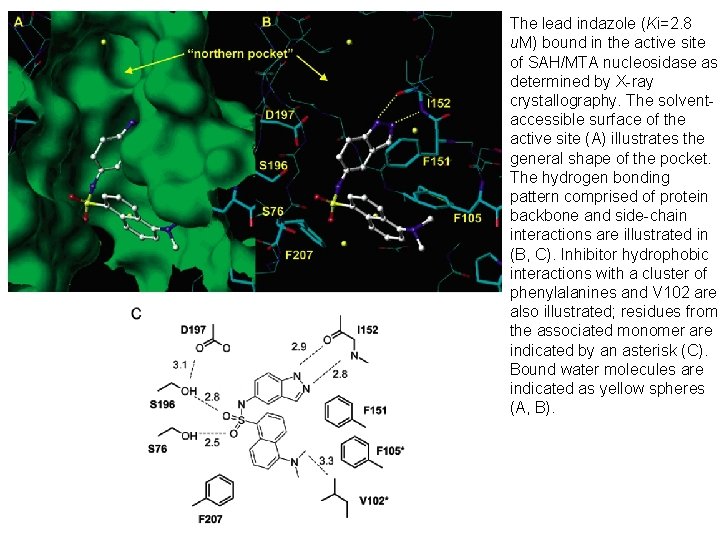
The lead indazole (Ki=2. 8 u. M) bound in the active site of SAH/MTA nucleosidase as determined by X-ray crystallography. The solventaccessible surface of the active site (A) illustrates the general shape of the pocket. The hydrogen bonding pattern comprised of protein backbone and side-chain interactions are illustrated in (B, C). Inhibitor hydrophobic interactions with a cluster of phenylalanines and V 102 are also illustrated; residues from the associated monomer are indicated by an asterisk (C). Bound water molecules are indicated as yellow spheres (A, B).
-Synthetic work:
-Synthetic work:
Rational Drug Discovery - From Hit to Lead -Conclusions: Structure-based design of a series of indazole-based S-adenosyl homocysteine/methylthioadenosine (SAH/ MTA) nucleosidase inhibitors led to the discovery of a chlorinated indazole, a potent, low molecular weight inhibitor with nanomolar potency in an enzyme inhibition assay. In antimicrobial assays, this compound inhibits the growth of three important pathogenic species, showing MIC values of less than 10 u. M.
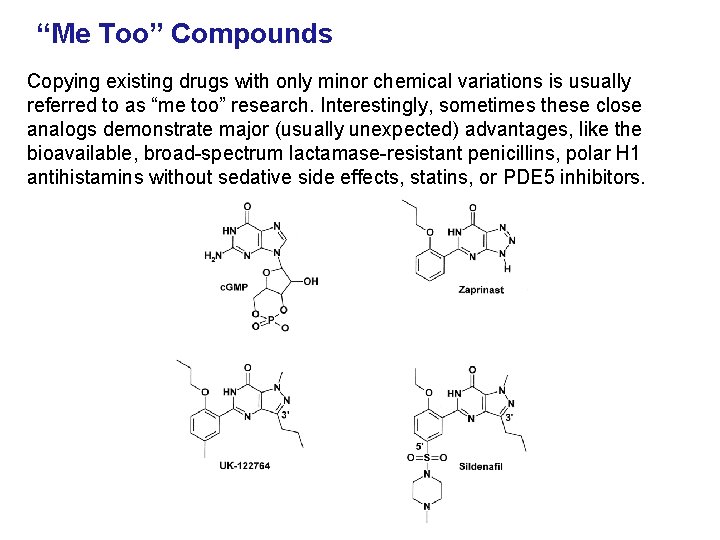
“Me Too” Compounds Copying existing drugs with only minor chemical variations is usually referred to as “me too” research. Interestingly, sometimes these close analogs demonstrate major (usually unexpected) advantages, like the bioavailable, broad-spectrum lactamase-resistant penicillins, polar H 1 antihistamins without sedative side effects, statins, or PDE 5 inhibitors.
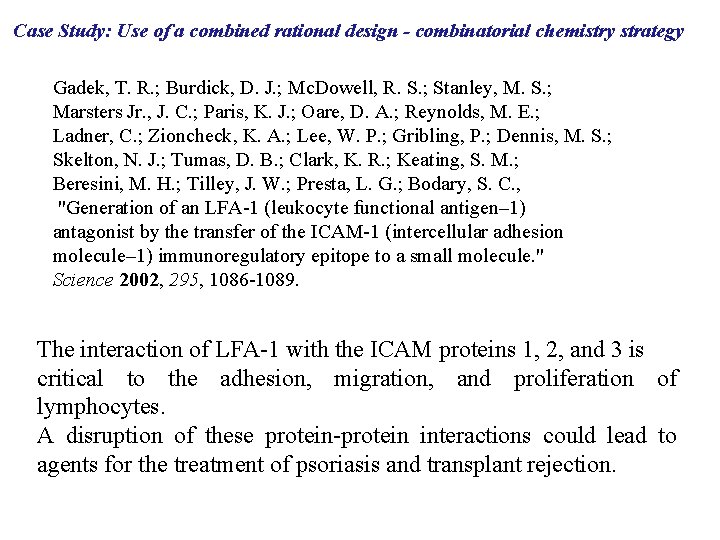
Case Study: Use of a combined rational design - combinatorial chemistry strategy Gadek, T. R. ; Burdick, D. J. ; Mc. Dowell, R. S. ; Stanley, M. S. ; Marsters Jr. , J. C. ; Paris, K. J. ; Oare, D. A. ; Reynolds, M. E. ; Ladner, C. ; Zioncheck, K. A. ; Lee, W. P. ; Gribling, P. ; Dennis, M. S. ; Skelton, N. J. ; Tumas, D. B. ; Clark, K. R. ; Keating, S. M. ; Beresini, M. H. ; Tilley, J. W. ; Presta, L. G. ; Bodary, S. C. , "Generation of an LFA-1 (leukocyte functional antigen– 1) antagonist by the transfer of the ICAM-1 (intercellular adhesion molecule– 1) immunoregulatory epitope to a small molecule. " Science 2002, 295, 1086 -1089. The interaction of LFA-1 with the ICAM proteins 1, 2, and 3 is critical to the adhesion, migration, and proliferation of lymphocytes. A disruption of these protein-protein interactions could lead to agents for the treatment of psoriasis and transplant rejection.
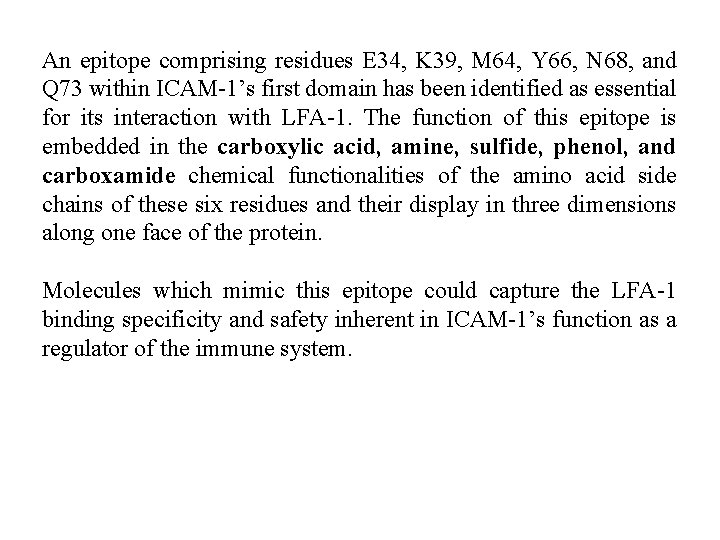
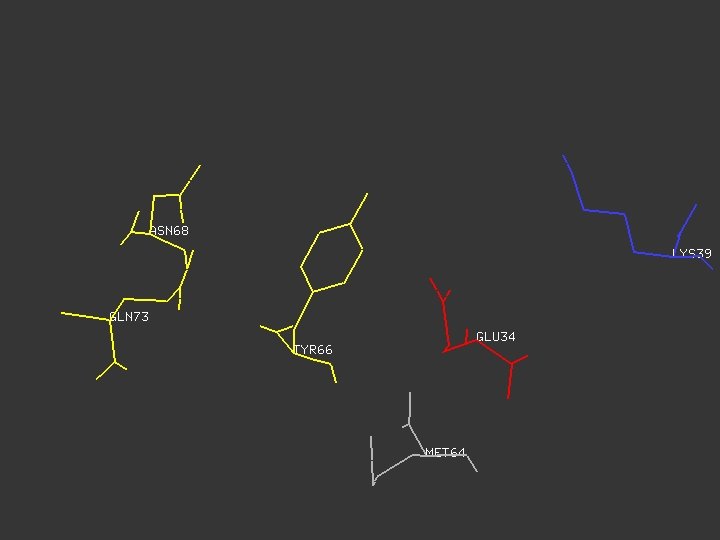
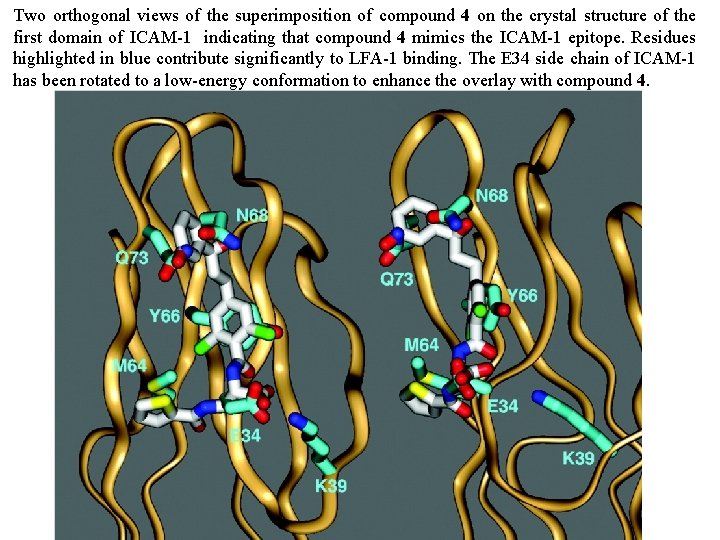
An epitope comprising residues E 34, K 39, M 64, Y 66, N 68, and Q 73 within ICAM-1’s first domain has been identified as essential for its interaction with LFA-1. The function of this epitope is embedded in the carboxylic acid, amine, sulfide, phenol, and carboxamide chemical functionalities of the amino acid side chains of these six residues and their display in three dimensions along one face of the protein. Molecules which mimic this epitope could capture the LFA-1 binding specificity and safety inherent in ICAM-1’s function as a regulator of the immune system.
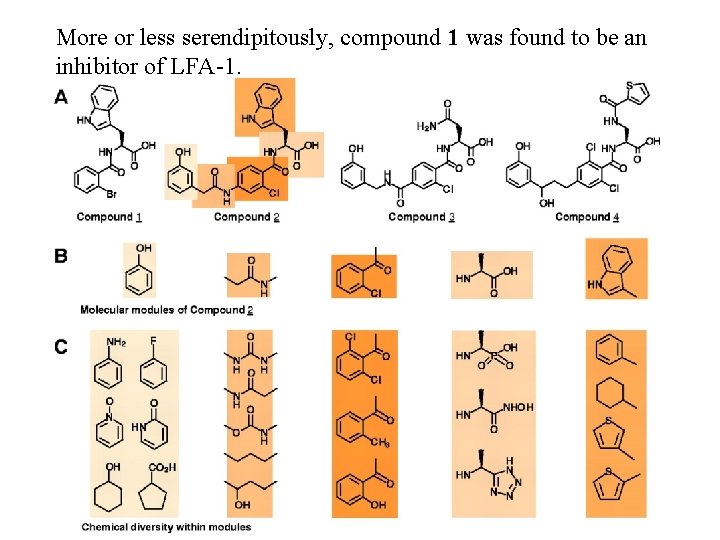
More or less serendipitously, compound 1 was found to be an inhibitor of LFA-1.
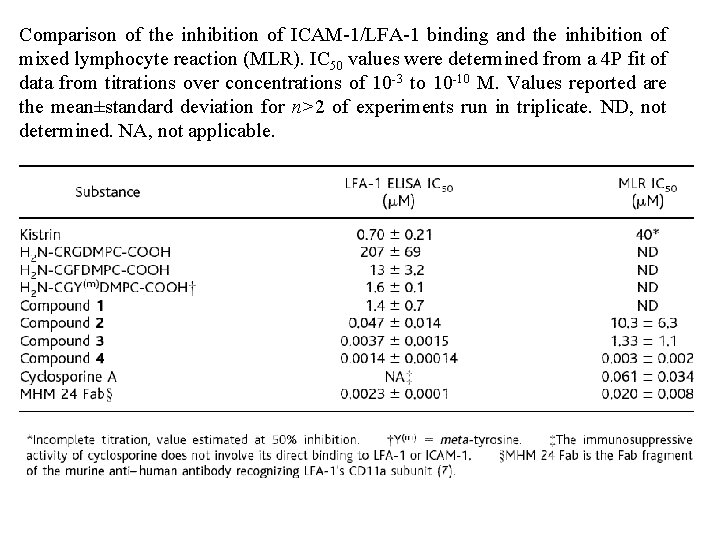
Comparison of the inhibition of ICAM-1/LFA-1 binding and the inhibition of mixed lymphocyte reaction (MLR). IC 50 values were determined from a 4 P fit of data from titrations over concentrations of 10 -3 to 10 -10 M. Values reported are the mean±standard deviation for n>2 of experiments run in triplicate. ND, not determined. NA, not applicable.
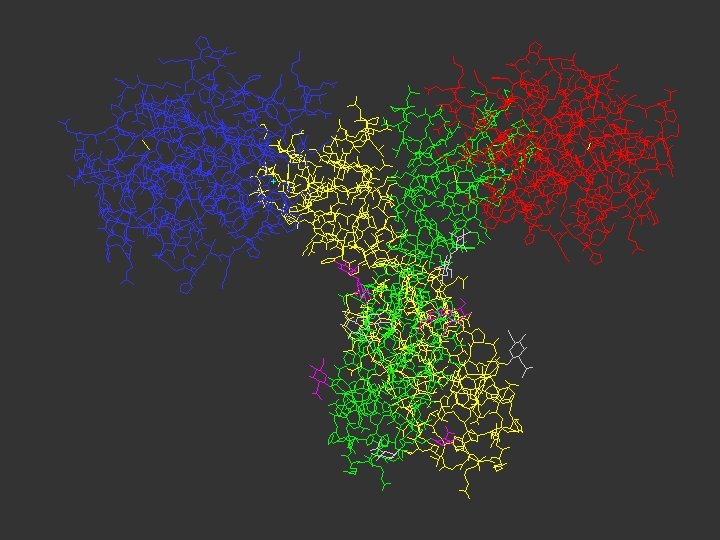
Two orthogonal views of the superimposition of compound 4 on the crystal structure of the first domain of ICAM-1 indicating that compound 4 mimics the ICAM-1 epitope. Residues highlighted in blue contribute significantly to LFA-1 binding. The E 34 side chain of ICAM-1 has been rotated to a low-energy conformation to enhance the overlay with compound 4.
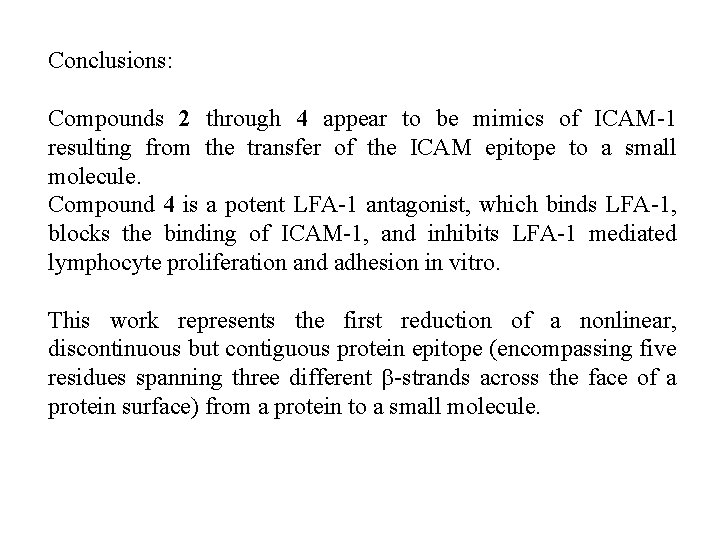
Conclusions: Compounds 2 through 4 appear to be mimics of ICAM-1 resulting from the transfer of the ICAM epitope to a small molecule. Compound 4 is a potent LFA-1 antagonist, which binds LFA-1, blocks the binding of ICAM-1, and inhibits LFA-1 mediated lymphocyte proliferation and adhesion in vitro. This work represents the first reduction of a nonlinear, discontinuous but contiguous protein epitope (encompassing five residues spanning three different -strands across the face of a protein surface) from a protein to a small molecule.
Peptides to Peptidomimetics Evelyn Paul, "It Is Indeed the Cup" from: Claire de Lune and Other Troubadour Romances. London: G. G. Harrap & Co. , Ltd. , 1913
Peptides to Peptidomimetics • Many substrates of enzymes, ie. angiotensinogen, fibrinogen, HIV protease, and receptors are either peptides or proteins, and the interaction of these ligands with their target is often mediated by only a few amino acid side chains; the rest of the protein stabilizes a certain 3 D conformation. The RGD motif which interacts with different integrins in different conformations is a striking example. • Peptides can be easily synthesized in large numbers, but the next step, the chemical conversion of such a peptide lead into a non-peptide mimetic is far from trivial. Achieving oral activity and bioavailability is even more challenging. The promiscuous benzodiazepines are examples of scaffold mimetics of peptide loops, but most other scaffolds described in the literature have not yet yielded similar successes. • The comparison between enkephalins and morphine is often used as an example for peptide mimicry. However, this is obviously flawed because morphine was discovered first.
Metabolic Stability of Biologically Active Peptides
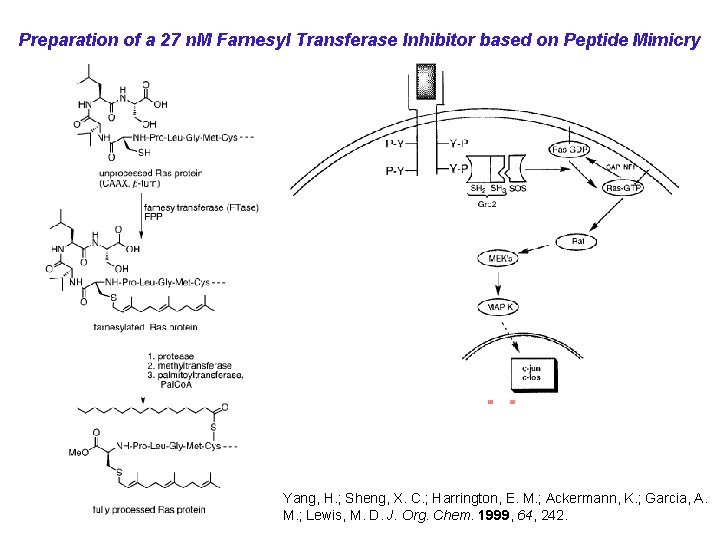
Preparation of a 27 n. M Farnesyl Transferase Inhibitor based on Peptide Mimicry Yang, H. ; Sheng, X. C. ; Harrington, E. M. ; Ackermann, K. ; Garcia, A. M. ; Lewis, M. D. J. Org. Chem. 1999, 64, 242.
Amide Bond Replacements in Cholecystokinin Dipeptoids
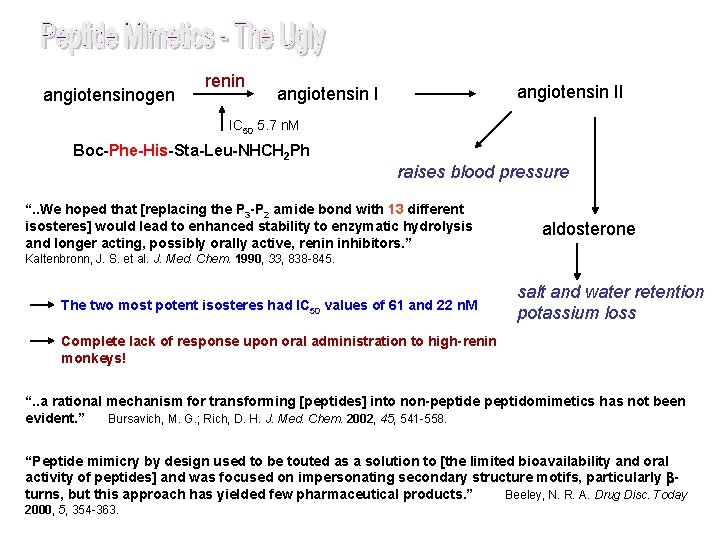
angiotensinogen renin angiotensin II angiotensin I IC 50 5. 7 n. M Boc-Phe-His-Sta-Leu-NHCH 2 Ph raises blood pressure “. . We hoped that [replacing the P 3 -P 2 amide bond with 13 different isosteres] would lead to enhanced stability to enzymatic hydrolysis and longer acting, possibly orally active, renin inhibitors. ” aldosterone Kaltenbronn, J. S. et al. J. Med. Chem. 1990, 33, 838 -845. The two most potent isosteres had IC 50 values of 61 and 22 n. M salt and water retention potassium loss Complete lack of response upon oral administration to high-renin monkeys! “. . a rational mechanism for transforming [peptides] into non-peptide peptidomimetics has not been evident. ” Bursavich, M. G. ; Rich, D. H. J. Med. Chem. 2002, 45, 541 -558. “Peptide mimicry by design used to be touted as a solution to [the limited bioavailability and oral activity of peptides] and was focused on impersonating secondary structure motifs, particularly bturns, but this approach has yielded few pharmaceutical products. ” Beeley, N. R. A. Drug Disc. Today 2000, 5, 354 -363.
What About Drug Discovery in Academia?
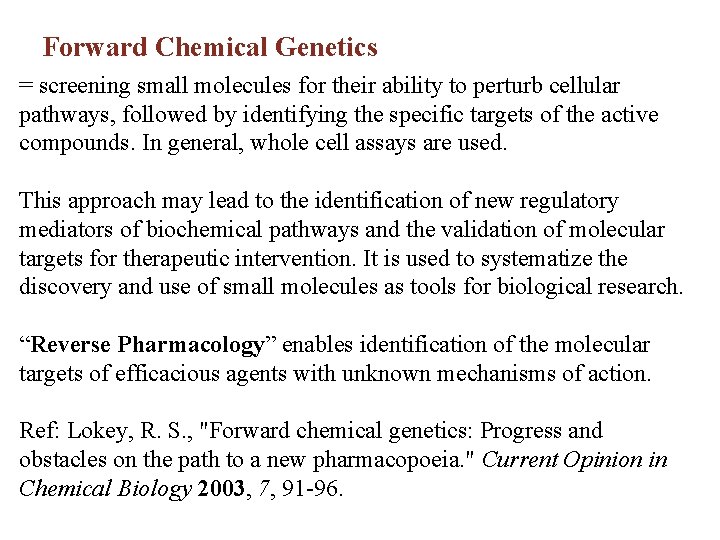
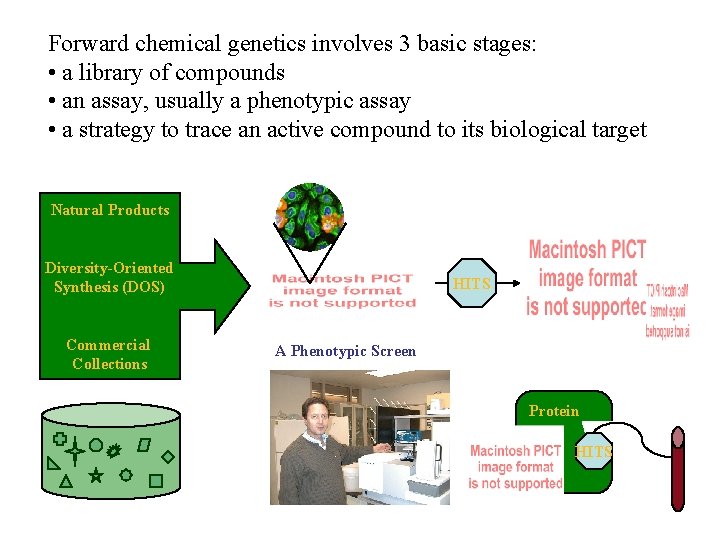
Forward Chemical Genetics = screening small molecules for their ability to perturb cellular pathways, followed by identifying the specific targets of the active compounds. In general, whole cell assays are used. This approach may lead to the identification of new regulatory mediators of biochemical pathways and the validation of molecular targets for therapeutic intervention. It is used to systematize the discovery and use of small molecules as tools for biological research. “Reverse Pharmacology” enables identification of the molecular targets of efficacious agents with unknown mechanisms of action. Ref: Lokey, R. S. , "Forward chemical genetics: Progress and obstacles on the path to a new pharmacopoeia. " Current Opinion in Chemical Biology 2003, 7, 91 -96.
Forward chemical genetics involves 3 basic stages: • a library of compounds • an assay, usually a phenotypic assay • a strategy to trace an active compound to its biological target Natural Products Diversity-Oriented Synthesis (DOS) Commercial Collections HITS A Phenotypic Screen Protein HITS
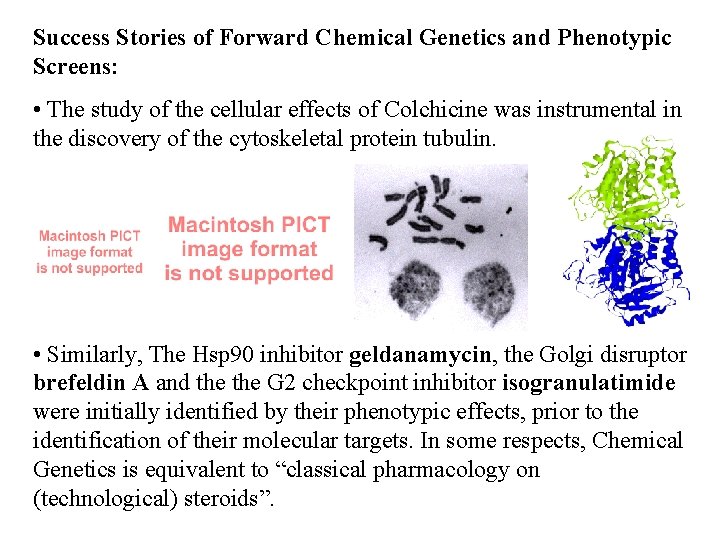
Success Stories of Forward Chemical Genetics and Phenotypic Screens: • The study of the cellular effects of Colchicine was instrumental in the discovery of the cytoskeletal protein tubulin. • Similarly, The Hsp 90 inhibitor geldanamycin, the Golgi disruptor brefeldin A and the G 2 checkpoint inhibitor isogranulatimide were initially identified by their phenotypic effects, prior to the identification of their molecular targets. In some respects, Chemical Genetics is equivalent to “classical pharmacology on (technological) steroids”.
Success Stories of Forward Chemical Genetics and Phenotypic Assays from Chemical Library Screens: • A 16, 600 -member library from Chembridge was used in a phenotypic assay for mitotic spindle disruptors, leading to the identification of the kinesin inhibitor monastrol (Mayer, T. U. ; Kapoor, T. M. ; Haggarty, S. J. ; King, R. W. ; Schreiber, S. L. ; Mitchison, T. J. , "Small molecule inhibitor of mitotic spindle bipolarity identified in a phenotype-based screen. " Science 1999, 286, 971 -974). • Phenotypic screens of commercial collections led to compounds that inhibit the Ras pathway, Sir 2 -mediated transcriptional silencing in yeast, alter the developmental program of zebrafish, and modulate TGF- signaling in mammalian cells. • Jiang, X. , H. -E. Kim, et al. (2003). "Distinctive roles of PHAP proteins and prothymosin-a in a death regulatory pathway. " Science 299(5604): 223 -226. An example of an empirical forward chemical genetics search for pharmacological agents that induce apoptosis only in transformed cells.
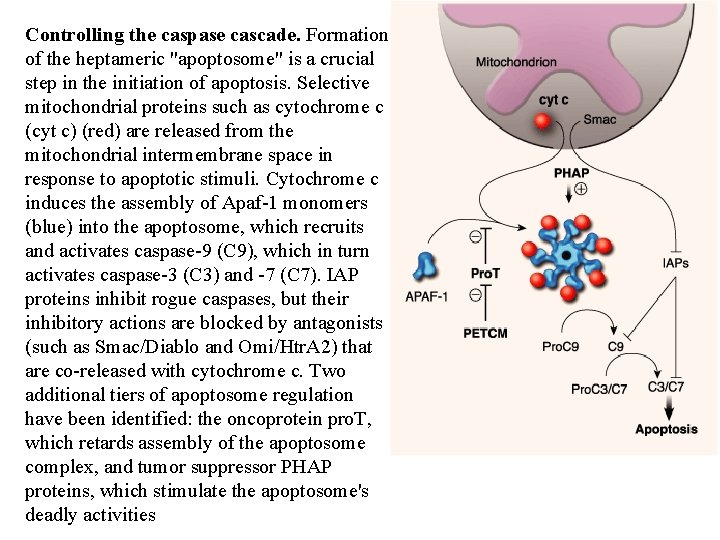
HTS led to the identification of a small molecule, PETCM, an Abbot compound, that activates caspase-3 in cell extracts. In elucidating the mechanism of action of PETCM, the oncoprotein prothymosin-a (Pro-T) and the tumor suppressor putative HLA-DRassociated proteins (PHAP) as important regulators of caspase-3 activation. These proteins appear to mediate distinct steps in the mitochondrial pathway: Pro. T blocks formation of the apoptosome, an event inhibited by PETCM. In contrast, PHAP appears to facilitate apoptosome-mediated caspase-9 activation. The apoptosome is a macromolecular complex that is formed in response to the cellular commitment to apoptodic death. The apoptosome is crucial to activation of caspase-9.
Controlling the caspase cascade. Formation of the heptameric "apoptosome" is a crucial step in the initiation of apoptosis. Selective mitochondrial proteins such as cytochrome c (cyt c) (red) are released from the mitochondrial intermembrane space in response to apoptotic stimuli. Cytochrome c induces the assembly of Apaf-1 monomers (blue) into the apoptosome, which recruits and activates caspase-9 (C 9), which in turn activates caspase-3 (C 3) and -7 (C 7). IAP proteins inhibit rogue caspases, but their inhibitory actions are blocked by antagonists (such as Smac/Diablo and Omi/Htr. A 2) that are co-released with cytochrome c. Two additional tiers of apoptosome regulation have been identified: the oncoprotein pro. T, which retards assembly of the apoptosome complex, and tumor suppressor PHAP proteins, which stimulate the apoptosome's deadly activities
This work nicely illustrates the opportunity of forward chemical genetics to identify novel players in a complex biochemical pathway. It also illustrates some potential pitfalls: • more work is needed to definitively establish the in vivo significance of the PHAP finding. • High (0. 2 m. M) concentrations of PETCM are necessary to stimulate caspase-3 activity and drive apoptosome formation. Under these high, physiologially not relevant concentrations, many other signaling processes might be partially influenced. • PETCM, identified by HTS, is not a “drug-like” molecule, and therefore is of questionable value as a lead structure for drug discovery.
Our Strategy for Integrating Organic Synthesis with Biology, Pharmacology and Drug Discovery Diversity-Oriented Synthesis Represents the synthesis of relatively small libraries of organic molecules that are structurally more complex, have a greater variety of core structures, and possess richer stereochemical variations than those produced by traditional combichem. DOS Strategies include: • Tandem or Multi-Component Reactions in which complex polycyclic products are synthesized in a minimum of steps • Bi- and polyfurcating reaction pathways, giving access to different scaffolds depending on reaction conditions • Biomimetic synthetic approaches for the preparation of complex polycyclic molecules C&E News, October 4, 2004, Volume 82, Number 40 pp. 32 -40
Further reading: Lombardino, J. G. ; Lowe, J. A. , "A guide to drug discovery: The role of the medicinal chemist in drug discovery - then and now. " Nat. Rev. Drug Disc. 2004, 3, 853 -862. Jorgensen, W. L. , "The many roles of computation in drug discovery. " Science 2004, 303, 1813 -1818. Gustafsson, D. ; Bylund, R. ; Antonsson, T. ; Nilsson, I. ; Nystroem, J. -E. ; Eriksson, U. ; Bredberg, U. ; Teger-Nilsson, A. -C. , "Case history: A new oral anticoagulant: The 50 year challenge. " Nat. Rev. Drug Disc. 2004, 3, 649 -659.