
Medication Reconciliation and Reducing Adverse Drug Events Regional

- Slides: 26
Medication Reconciliation and Reducing Adverse Drug Events Regional Learning & Action Network Meetings 2017
Importance of Getting Medication Management Right “Pharmaceuticals are the most common medical intervention, and their potential for both help and harm is enormous. Ensuring that the American people get the most benefit from advances in pharmacology is a critical component of improving the national health care system. ” - The Institute of Medicine (IOM), 2007 The Institute of Academy of Sciences. Informing the future: Critical issues in health. Fourth edition, page 13. http: //www. nap. edu/catalog/12014. html
Building the Case 1999 Institute of Medicine (IOM) report • To Err is Human • 44, 000– 98, 000 people die each year as a direct result of medical errors 2006 IOM report • Preventing Medication Errors • 400, 000 preventable drug-related injuries occur in U. S. hospitals each year, each costing about $8, 750 Journal for Healthcare Quality Vol. 36, No. 6, pp. 58– 68 C 2014 National Association for Healthcare Quality 3
Building the Case (cont. ) 2010 U. S, Office of Inspector General • 44 percent hospital adverse events were preventable • The most common preventable adverse events were related to medications (42 percent) Journal for Healthcare Quality Vol. 36, No. 6, pp. 58– 68 C 2014 National Association for Healthcare Quality 4
Building the Case (cont. ) 2014 Annals of Pharmacotherapy 28 to 60 percent of ADEs leading to hospital admission are preventable 2001 Pharmacoepidemiology and Drug Safety Emergency hospitalizations for recognized ADEs in older adults most often result from warfarin, insulin, antiplatelet and oral hypoglycemic agents 2002 Annals of Pharmacotherapy Patients rehospitalized within 30 days have more complex medication regimens 5 Willson MN, et al. Medication regimen complexity and hospital readmission for an adverse drug event. Ann Pharmacotherapy. 2014 Jan; 48(1): 26 -32. Jha AK, et al. Identifying hospital admissions due to adverse drug events using a computer-based monitor. Pharmacoepidemiology Drug Saf. 2001 Mar-Apr; 10(2): 113 -9. Mc. Donnell PJ, Jacobs MR. Hospital admissions resulting from preventable adverse drug reactions. Ann Pharmacotherapy. 2002 Sep; 36(9): 1331 -6.
Adverse Drug Events (ADEs)
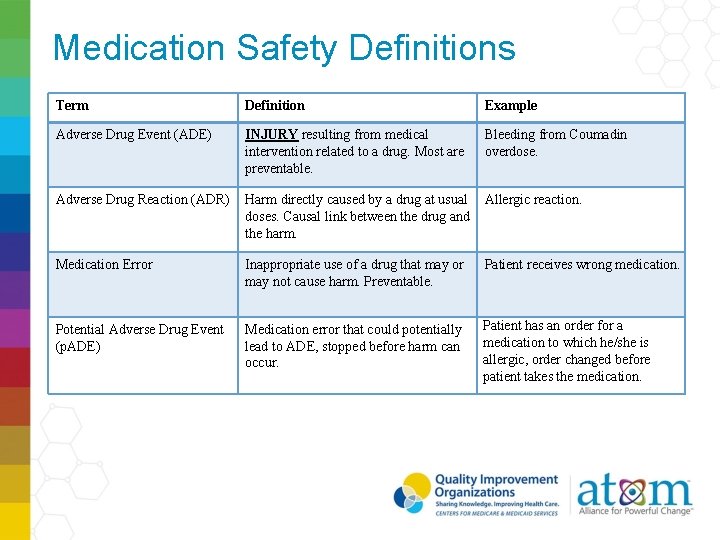
Medication Safety Definitions Term Definition Example Adverse Drug Event (ADE) INJURY resulting from medical intervention related to a drug. Most are preventable. Bleeding from Coumadin overdose. Adverse Drug Reaction (ADR) Harm directly caused by a drug at usual doses. Causal link between the drug and the harm. Allergic reaction. Medication Error Inappropriate use of a drug that may or may not cause harm. Preventable. Patient receives wrong medication. Potential Adverse Drug Event (p. ADE) Medication error that could potentially lead to ADE, stopped before harm can occur. Patient has an order for a medication to which he/she is allergic, order changed before patient takes the medication.
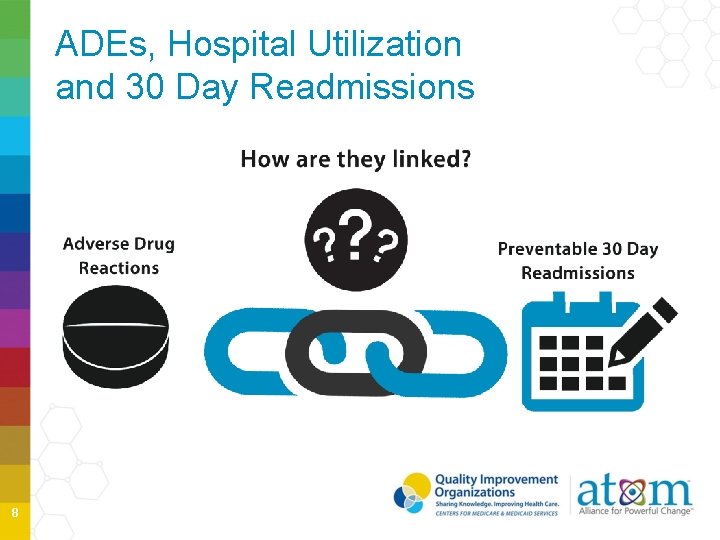
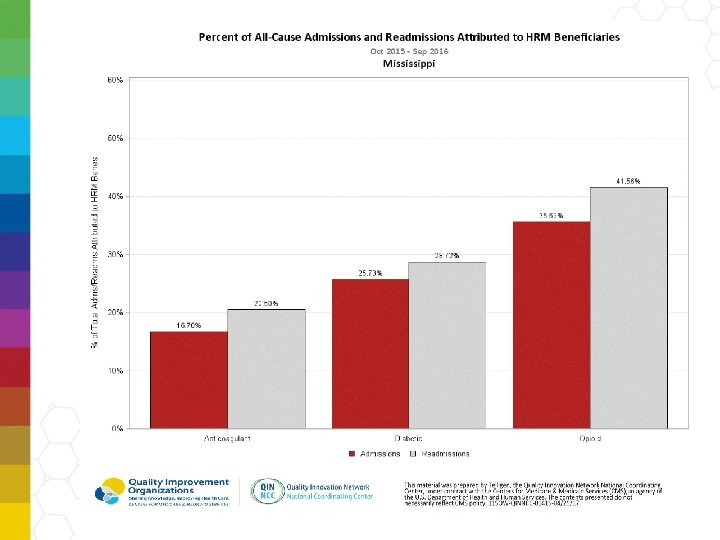
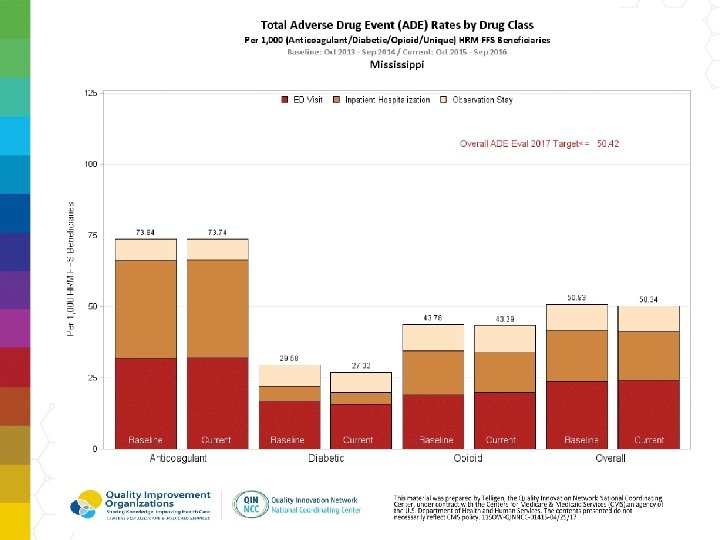
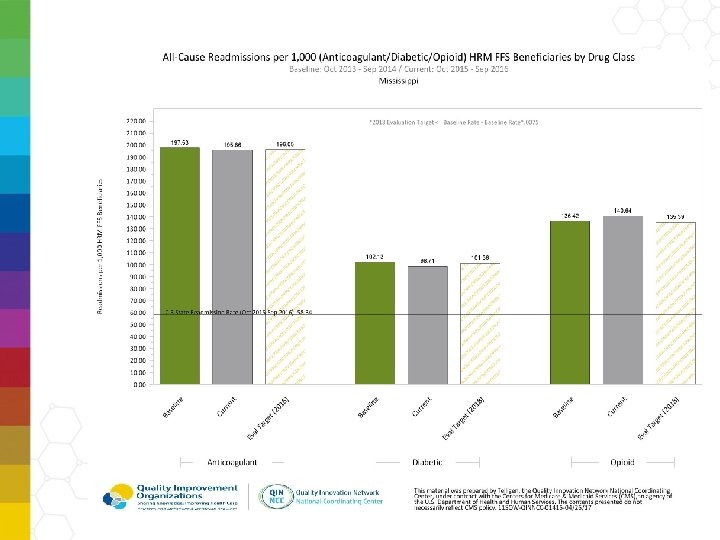
ADEs, Hospital Utilization and 30 Day Readmissions 8
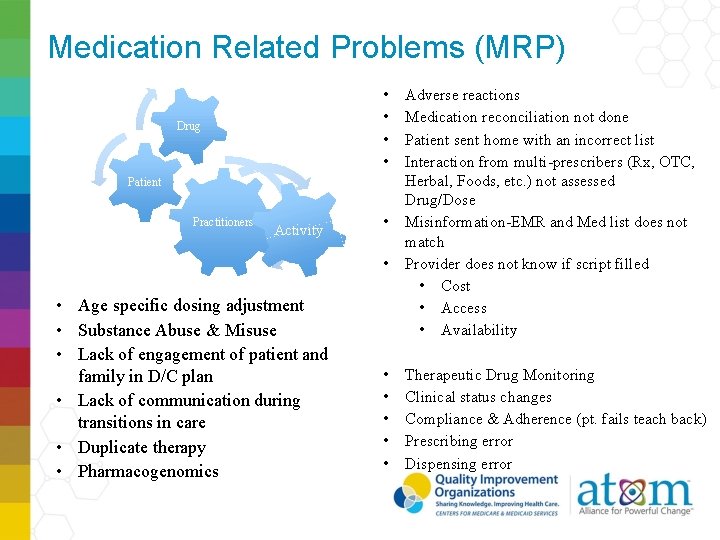
Medication Related Problems (MRP) • • Drug Patient Practitioners Activity • • • Age specific dosing adjustment • Substance Abuse & Misuse • Lack of engagement of patient and family in D/C plan • Lack of communication during transitions in care • Duplicate therapy • Pharmacogenomics • • • Adverse reactions Medication reconciliation not done Patient sent home with an incorrect list Interaction from multi-prescribers (Rx, OTC, Herbal, Foods, etc. ) not assessed Drug/Dose Misinformation-EMR and Med list does not match Provider does not know if script filled • Cost • Access • Availability Therapeutic Drug Monitoring Clinical status changes Compliance & Adherence (pt. fails teach back) Prescribing error Dispensing error
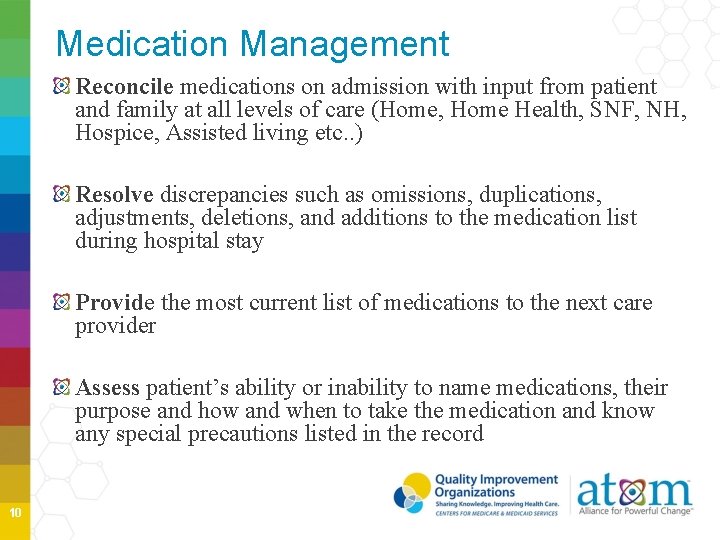
Medication Management Reconcile medications on admission with input from patient and family at all levels of care (Home, Home Health, SNF, NH, Hospice, Assisted living etc. . ) Resolve discrepancies such as omissions, duplications, adjustments, deletions, and additions to the medication list during hospital stay Provide the most current list of medications to the next care provider Assess patient’s ability or inability to name medications, their purpose and how and when to take the medication and know any special precautions listed in the record 10
Medication Management Alert and educate family/caregiver if patient is unable to name medications and purpose, Discuss patient needs with next care provider set up planned follow-up Refer patients with more than five medications or more than two medication changes during hospitalization for pharmacy/ medication management follow-up Discuss opting out of scheduled refills and automatic refills until medications are reconciled with pharmacist 11
Medication Management (cont. ) Refer patients with complex medications to the pharmacy for outpatient education, medication review, follow-up calls and in home visits OTHER Interventions? ? ? http: //www. rarereadmissions. org/areas/medmanagement. htm l 12
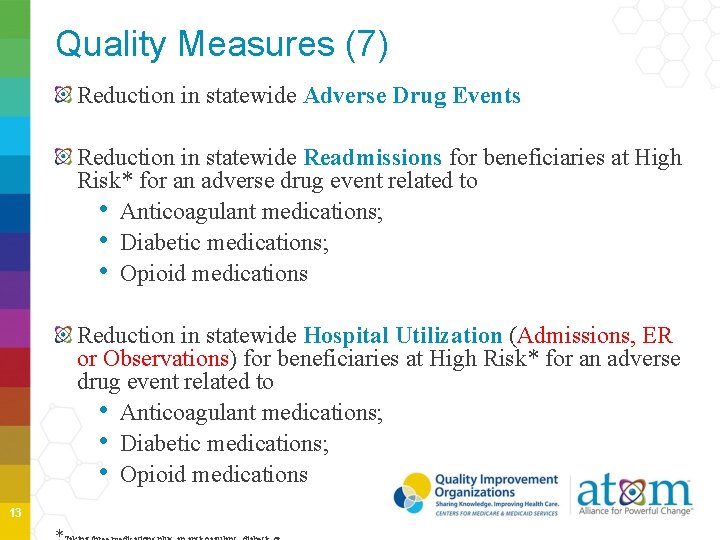
Quality Measures (7) Reduction in statewide Adverse Drug Events Reduction in statewide Readmissions for beneficiaries at High Risk* for an adverse drug event related to • Anticoagulant medications; • Diabetic medications; • Opioid medications Reduction in statewide Hospital Utilization (Admissions, ER or Observations) for beneficiaries at High Risk* for an adverse drug event related to • Anticoagulant medications; • Diabetic medications; • Opioid medications 13
Integrating Medication Reconciliation and ADE Prevention Medication reconciliation at each new encounter Reduce the number of potentially inappropriate medications Decrease the risk of an ADE through better communication and patient/family education/engagement/empowerment Focus on the three high risk medications: Opioid, Anticoagulant, and Diabetic 18
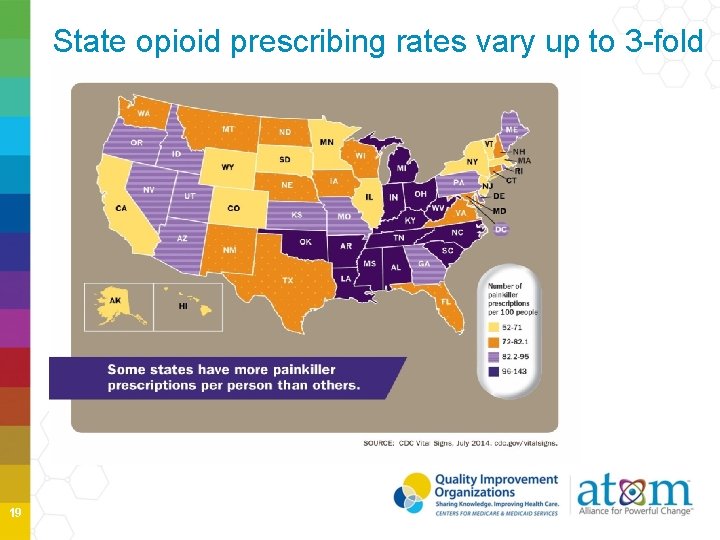
State opioid prescribing rates vary up to 3 -fold 19
Factors driving overuse of opioids Knowledge gaps: • Overestimation of effectiveness for chronic pain • Underestimation of opioid use disorder and overdose risks • Lack of familiarity with non-opioid treatments Insufficient access to non-opioid treatments Patient requests for opioids Time pressure; It takes time • to explain why opioids are not the best treatment • to arrange non-opioid treatment 20
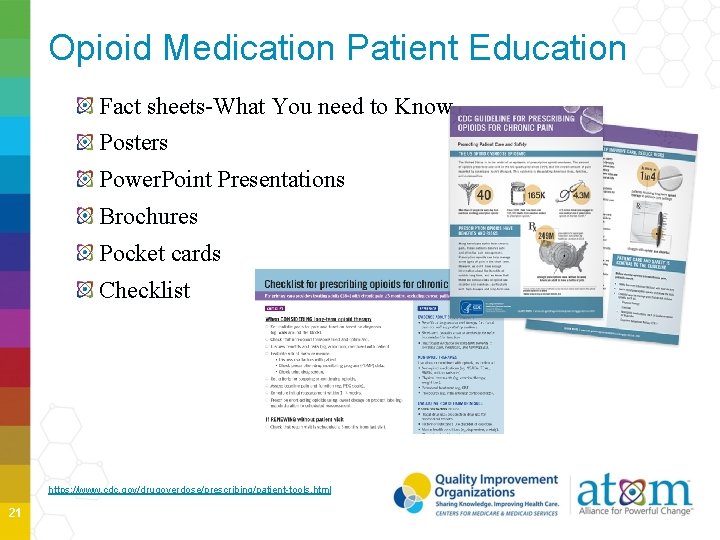
Opioid Medication Patient Education Fact sheets-What You need to Know Posters Power. Point Presentations Brochures Pocket cards Checklist https: //www. cdc. gov/drugoverdose/prescribing/patient-tools. html 21
Anticoagulation Medication Patient Education Excessive anticoagulation with warfarin • Increase “in control” INR • Testing at least every 30 days Anticoagulation Clinic UC San Diego Health • http: //bit. ly/2 x. TXLVh Anticoagulation Centers of Excellence • http: //bit. ly/2 jbkhp 3 American Heart Association • http: //bit. ly/2 w. Pz. D 67 22
Diabetic Medication Patient Education Hypoglycemia in persons receiving insulin • Increase “in control” A 1 c • Testing every three months Mississippi Diabetes Association | http: //bit. ly/2 w. NHlz. S American Diabetes Association | http: //bit. ly/1 m 4 ONGx Diabetes Forecast-Type 2 Diabetic Medications | http: //bit. ly/2 xbrfju 23
25
Contact Information Join the community coalition near you and serve on the Medication Safety workgroup Mary Helen Conner, Ph. D, MPH, BSN, RN, MCHES Mary. conner@area-g. hcqis. org Quality Improvement Advisor 1 -601 -957 -1575 ext. 219 26