
Medical Terminology Lesson 2 algia Painful condition A






- Slides: 64
Medical Terminology Lesson 2
-algia • • Painful condition A sensation of hurting Strong discomfort in some part of the body may be caused by injury, disease, or malfunction of a structure transmitted through the nervous system
-algia • Cerebralgia and cephalalgia both mean headache but cephalgia is used most often.
-algia • • -ia (condition), alg- (pain) -algia may be seperated into two parts: -algia is used most often meaning pain -alg (pain) can be used in other forms such as algesi-, algo-, algeo-, and angio- • They are used in other forms to avoid confusion with algae (plant group)
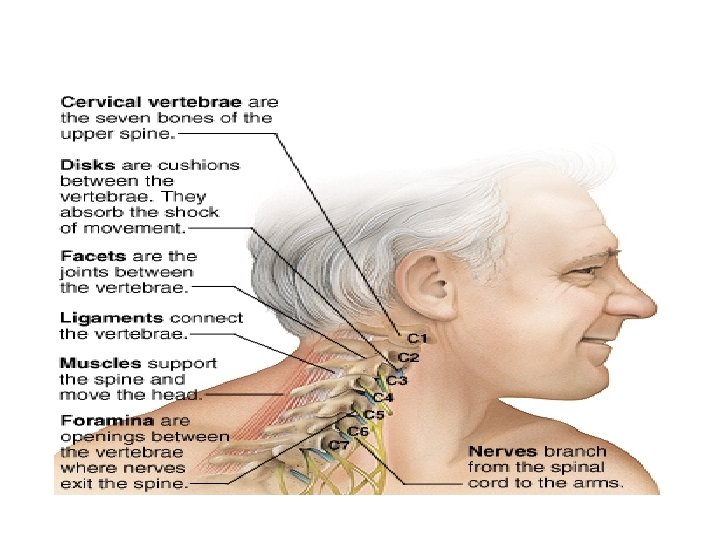
Cervic • Neck or neck-like structure • The cervix is the name for the neck or necklike part of the body; used to name parts of large bones of the body where the bone becomes narrow (constricted) behind the knoblike end (head)
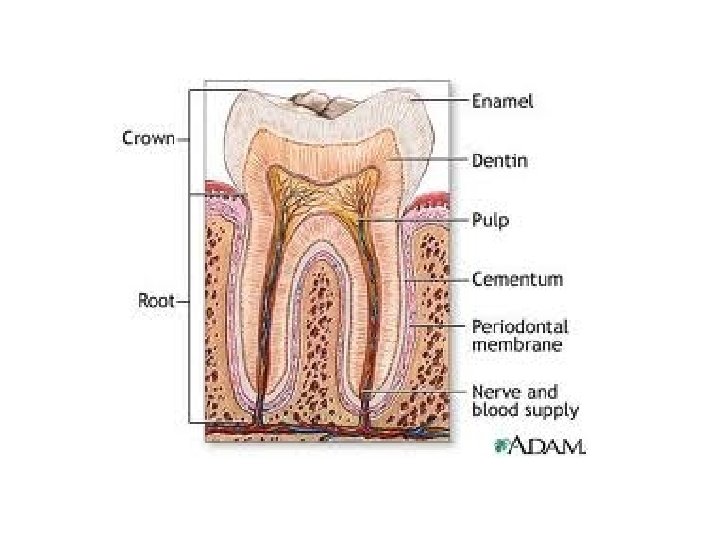
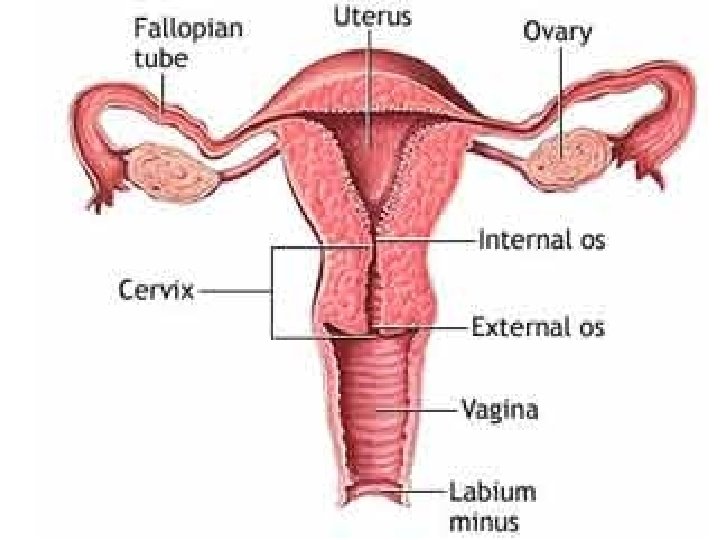
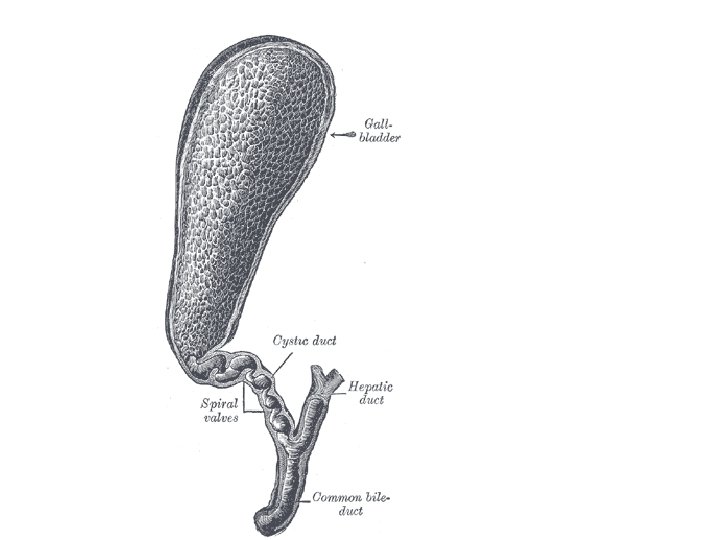
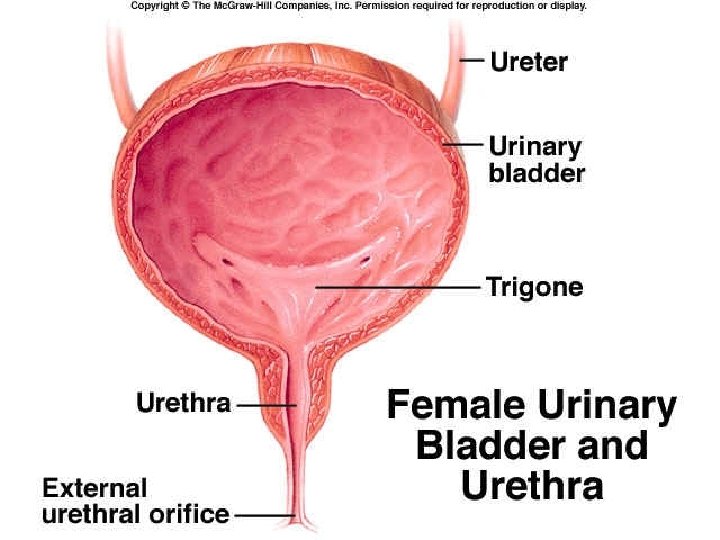
Cervix • The cervix is the name for the neck or necklike part of the body; The narrow part of a tooth at the gumline • The cervix is the name for the neck or necklike part of the body; parts of pearshaped organs such as the uterus, gall bladder, and urinary bladder
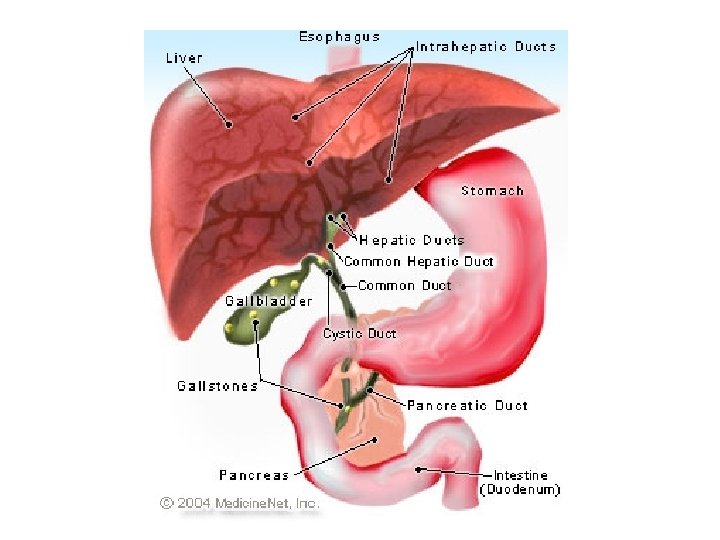
Chole • Bile; gall; yellow-brown or greenish fluid secreted by the liver and stored in the gallbladder (cholecyt) • The purpose of bile is to help digest foods, particularly fat. It is stored in the gallbladder and secreted into the intestines through the common bile duct (cholangi)
Chole • Another name for the bile duct is the common bile duct because it is common to (joins) the liver and the gallbladder (choledoch) • Cholangitis- inflammation of bile duct (bile vessel) angi here meaning tube, duct, or canal vs blood vessel
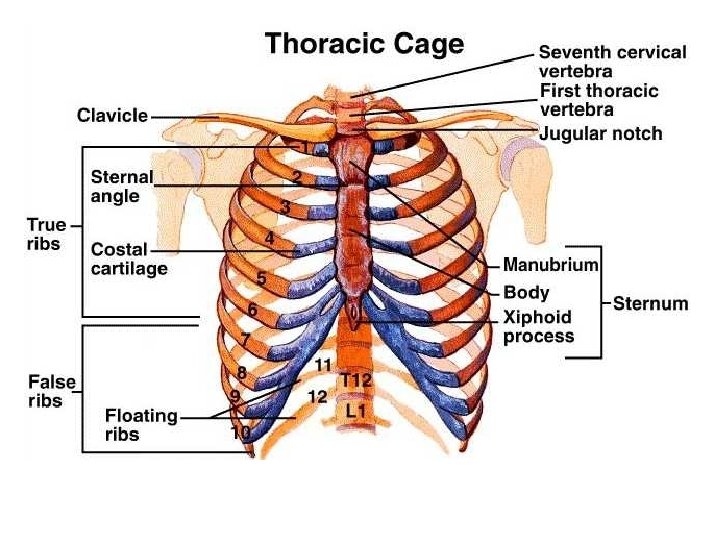
Chondr • Cartilage; gristle; a firm elastic tissue serving principally to connect body parts • Cartilage is found in joints, in connections between bones, and connected bones with each other
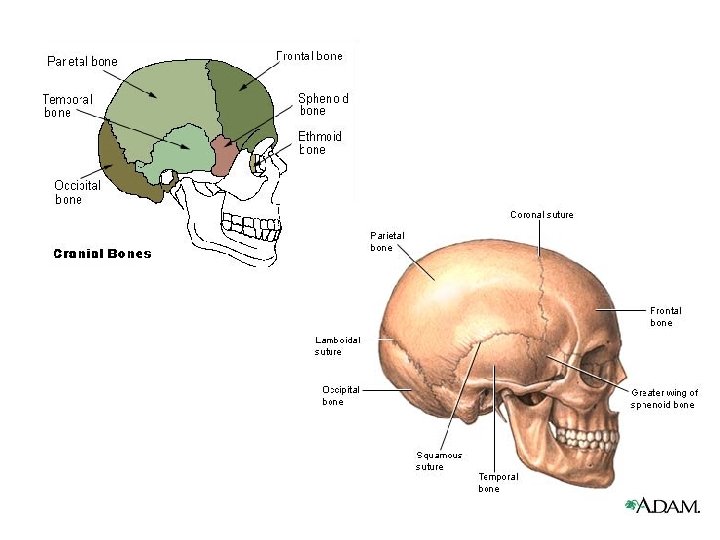
Crani • Both crani- and cranium are used to mean 3 different structures- all referring to bones of the head 1. All the bones of the head 2. All bones of the head except lower jaw (mandible) 3. Brain case of enclosure; all cranial bones around the brain, does not include facial bones
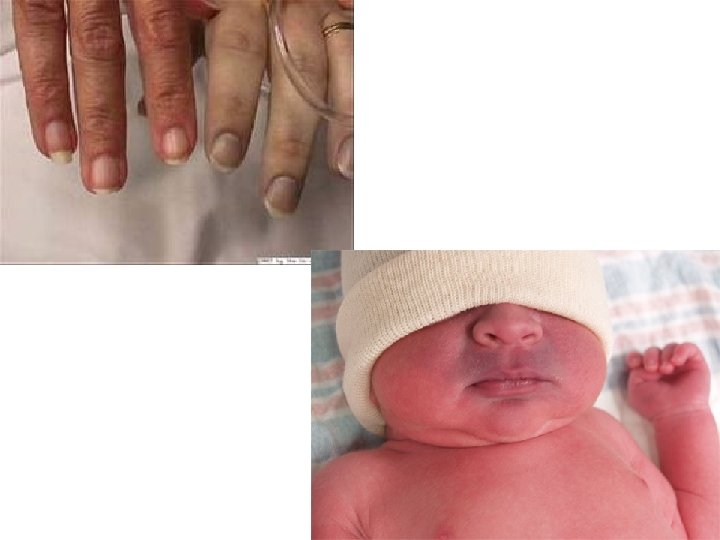
Cyan • Blue; generally a deep or dark blue • Have to do with an appearance of blueness usually due to reduction of red coloring matter of the blood (red blood cells (erythrocytes) and component of red blood cells (hemoglobin) • Can also refer to chemical as with cyanide
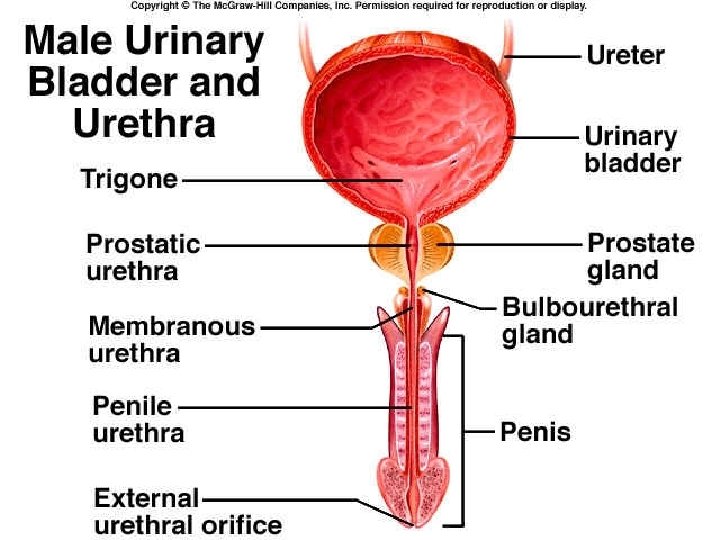
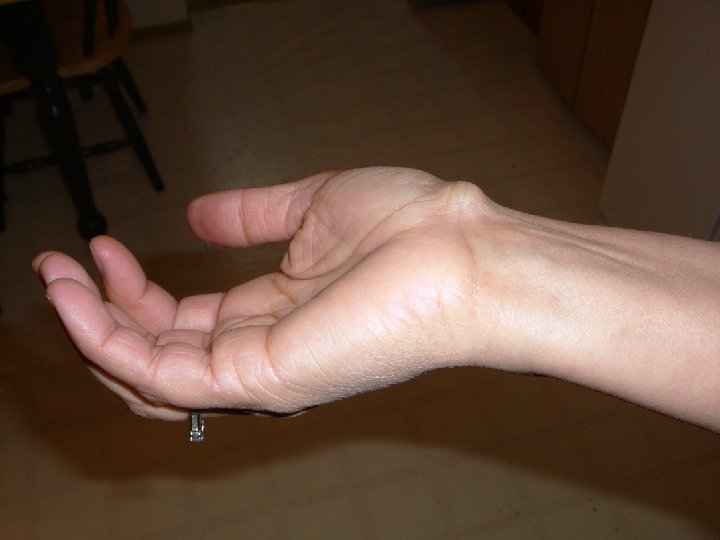
cyst • • Sac containing fluid Bladder A pouch or baglike structure or organ Used as a receptacle for secretions
cyst • Sac is a smaller unit that sack • Cyst can be an abnormal sac containing fluid or a normal saclike structure such as the urinary bladder or gallbladder
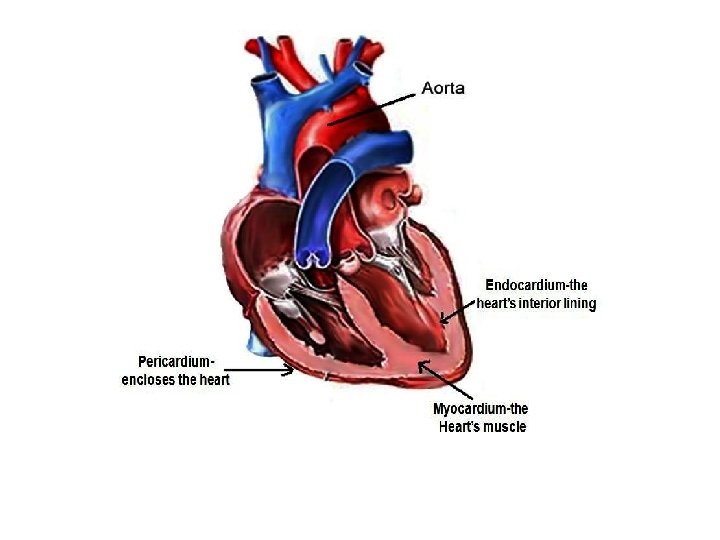
end • Inside; within; inner (sometimes seen in the for ent-) • Indicates “pointing to” something inside a body part • It may name the inner lining (usually membrane) using the form end/o/___/ium
end • It may also refer to the inside of a structure or organ in the for end/o/_____/al
hem(at) • Blood; the fluid that circulates in the heart (cardi-) and blood vessels (hemangi-) carrying nourishment and oxygen to the body cells.
hem(at)1. If a root ends with the letter “m” it have the form “mat” 2. If a root begins with the letter “h” and begins the medical term the “h” will be retained. If the root is proceeded by another root the “h” will be dropped Retained: hemangioma Dropped: hyperemia
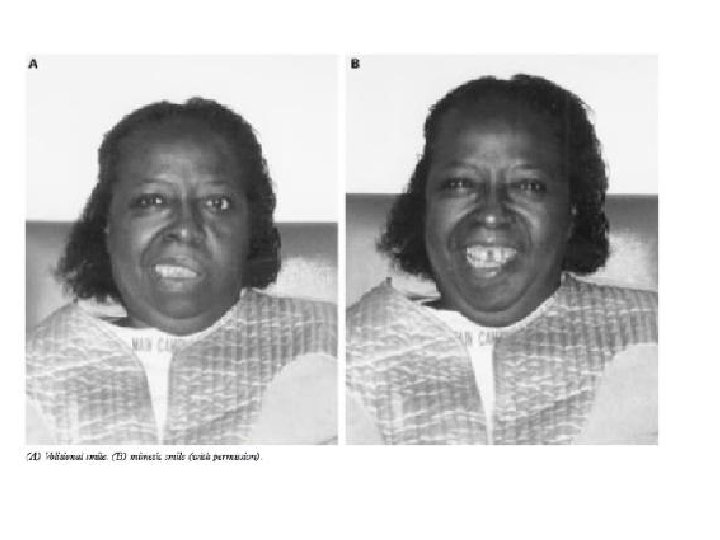
hemi • Half; half of; relating to or affecting a half or one side; sometimes “a part of”
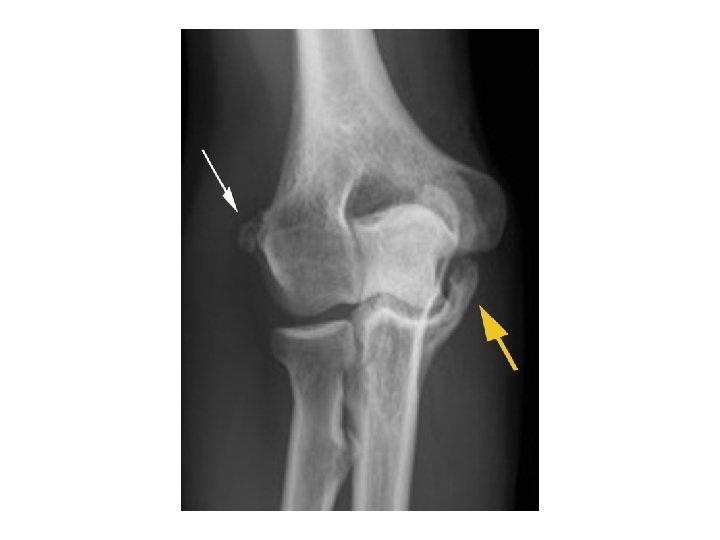
hyper • Above, more than normal; excessive; opposite of hypo- (underneath or deficient) • Although it may be used to indicate “located above” it usually means “excessive” or “more than usual
hypo • Under; beneath; deficient; less than normal; underneath or below in space; opposite of hyper • Hypotension- diminished tension; low blood pressure • Hypodermic- underneath the skin
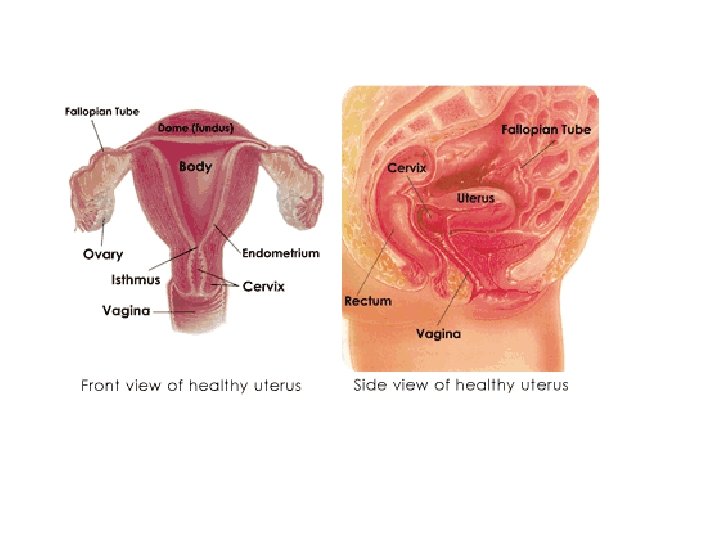
hyster • Uterus; womb; hollow muscle organ in the female in which the egg is deposited after fertilization and develops until birth
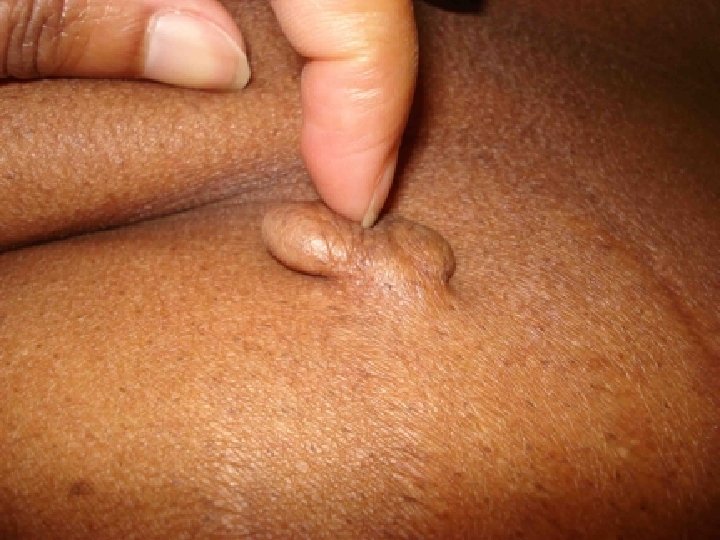
lip • Fat; fatty tissue • Many tumors may consists of fatty substances and additional substances • Fibrolipoma- tumor containing threadlike fibers and fat
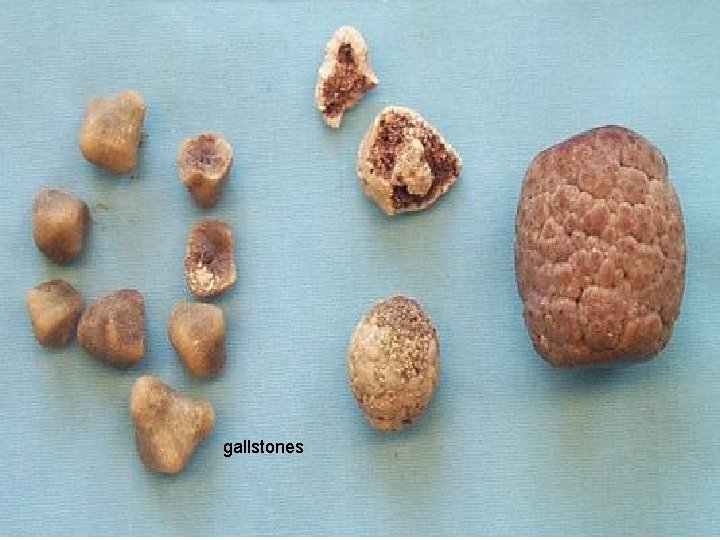
lith • Stone; a mass of extremely hard material; a calculus (an abnormal hardening of body substances or chemicals, particularly mineral salts) • Chole/lith- gallstones • Nephr/o/lith- kidney stones
gallstones
http: //www. herringlab. com/photos/
-lysis • Loosening; set free; destruction; release; breaking down; decomposition; freeing; dissolving • Lysis is a word meaning destruction; decomposition of chemical compound; loosening, as of an organ from adhesions (an abnormal “sticking together” of adjoining parts of the body)
my • Muscle; body organs consisting of bundles of cells or fibers that can be contracted and expanded to produce bodily movements
-oid • Like; resembling; having the form or shape of – lipoid – like or resembling fat • Also used to describe tumors as alternatives to –oma suffixed words – Adenoid- a tumor consisting of glandular or glandlike material
ophthalmopt • • Ophthalm- the eye or eyes Opt- seeing; vision; light Optic- usually used to refer to the eye Optical- usually used to refer to sight
Ophthalopt • Ophthalmologist- a physician, a doctor of medicine, specializing in the treatment of diseases of the eye • Optometrist- a doctor of optometry clinically trained and licensed to treat visual defects with corrective lenses and other methods not requiring license as a physician
ost • Bone; bone tissue • May appear in the forms of ost, oste, ossi, osse • Ost- and oste- are root words in dealing with disease conditions and therapy to correct disease conditions • Oss-, ossi-, osse- used in the naming of anatomical parts involving bone and normal biological processes involving bone
proct • “anus”, the past part of the digestive tube, measuring about 18 centimeters (7 inches) through which solid waste products are expelled from the body • Anus- opening that feces are expelled • Anal- about 4 centimeters (1 ½ inches) through which feces pass for expulsion • Rectum- about 13 cm (5”) that serves as a storage pouch for feces until it is expelled.
proct • Technically the element proct- is restricted to words dealing with the rectum. However, medical usage broadens the application of the element to include anus, anal canal, and rectum
psycho • Mind; mental processes; the processes of thought, judgement, and emotion • Psych- is used to express the behavior resulting from physical processes taking place in the brain (cerebr)
psych • Ologist- one who studies- “knower” or “healer” • -iatrist- always refers to a physician, “healer” • Clinical psychologist provides treatment for mental disorders but it limited by license or laws governing medical practice
psych • Psyciatrist- “healer of the mind”- a physician and is limited only by laws governing physicians • Psychoanalysis- state or condition of loosening the backwards
-scop • observe; look; reveal • Scope- the –e carries the meaning of “instrument for”- means “instrument for observing”
-ar • Pertaining to; having a connection • This “pertaining to” suffix is most frequently applied to words ending in –l and –le and is in the form –ular. • Triangle- triang/ular • Muscle- musc/ular
-ary • • Pertaining to/ having a connection with Honor/ary Budget/ary Unit/ary
-cle • Small; little • This terminal forms a “diminutive” that is the dictionary term for a word denoting a small version of the thing indicated by the main part of the word • A part/i/cle is a “small part” • An oss/i/cle is “a small bone”
-e • Means of; instrument for • This terminal usually applied to actions roots (verbs) to denote a means by which an action is performed, an instrument for performing the action • Scop/e- a means of looking or observing, an instrument for looking or observing
-an, -ian • Of or belonging to; frequently a person belonging to or associated with • Europe/an • Ohio/an • Flori/ian
-ide • A terminal used in the naming of chemical compounds • Cyan/ide • Brom/ide • Chlor/ide
-ist • One who practices; one who does; one who is concerned with • Chem/ist • Humor/ist • Novel/ist
-ium • Noun ending/ frequently means place or region, lining or covering tissue • Auditor/ium- place for hearing • Pod/ium- place for standing
ule • • Small, little; a diminutive Glob/ule- tiny ball or globe Caps/ule- small container Ven/ule- small vein
-ular • Pertaining to a small or little; pertaining to small version of the thing indicated in the main part of the word • Vavular- pertaining to a small valve