
Medical Overview of Diabetes in Older Adults Darin
Medical Overview of Diabetes in Older Adults Darin E. Olson, MD, Ph. D Assistant Professor of Medicine Division of Endocrinology, Metabolism & Lipids Emory University School of Medicine Atlanta VAMC
Case Studies of Diabetes Mellitus in Older Adults • Describe a broad spectrum of diabetes in older adults • Illustrate specific points about the approach and management of diabetes in older adults in 3 cases
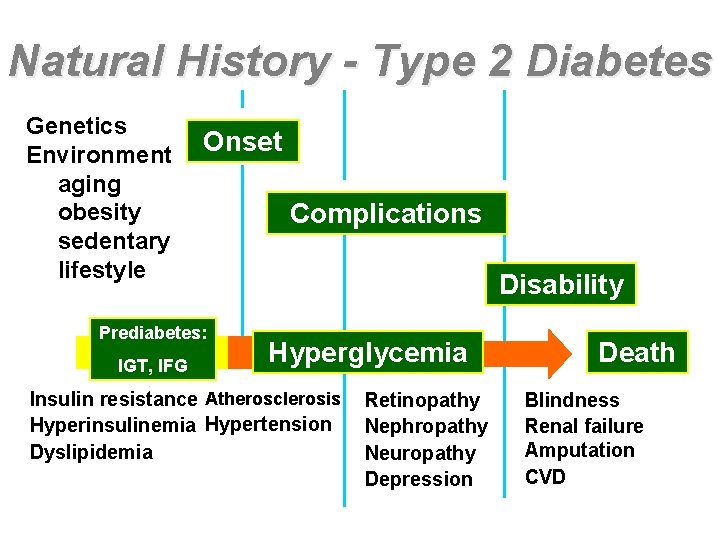
Natural History - Type 2 Diabetes Genetics Environment aging obesity sedentary lifestyle Onset Prediabetes: IGT, IFG Complications Disability Hyperglycemia Insulin resistance Atherosclerosis Hyperinsulinemia Hypertension Dyslipidemia Retinopathy Nephropathy Neuropathy Depression Death Blindness Renal failure Amputation CVD
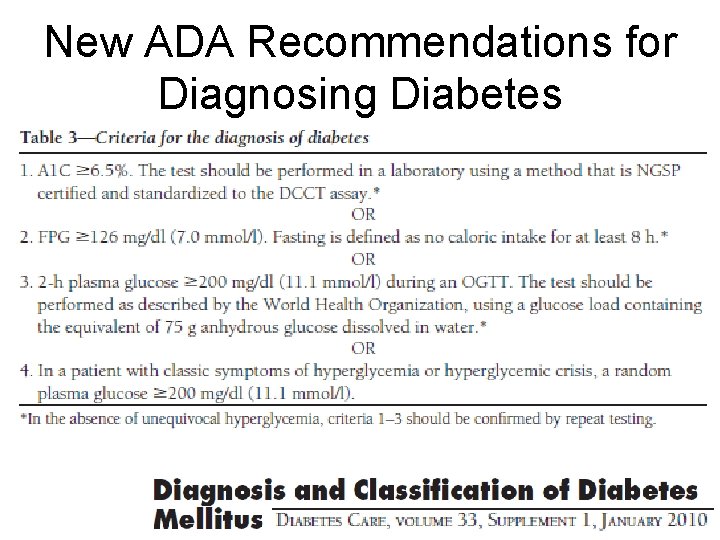
New ADA Recommendations for Diagnosing Diabetes
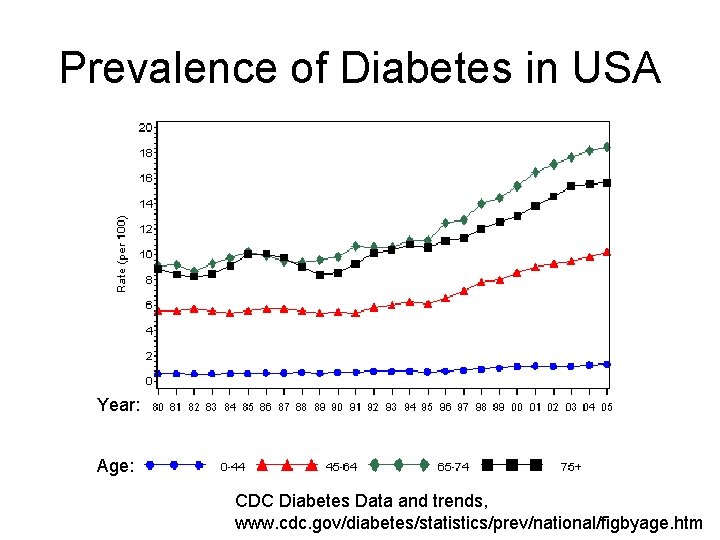
Prevalence of Diabetes in USA Year: Age: CDC Diabetes Data and trends, www. cdc. gov/diabetes/statistics/prev/national/figbyage. htm
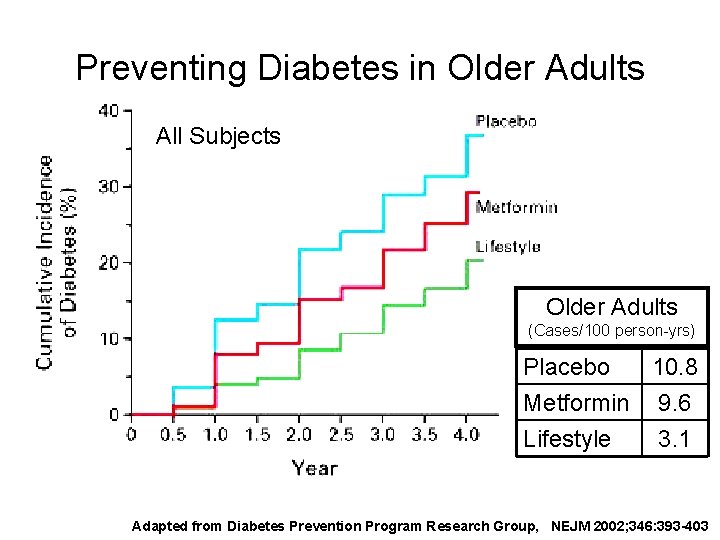
Cumulative Incidence of Diabetes According to Study Group Preventing Diabetes in Older Adults All Subjects Older Adults (Cases/100 person-yrs) Placebo 10. 8 Metformin 9. 6 Lifestyle 3. 1 Adapted from Diabetes Prevention Program Research Group, NEJM 2002; 346: 393 -403
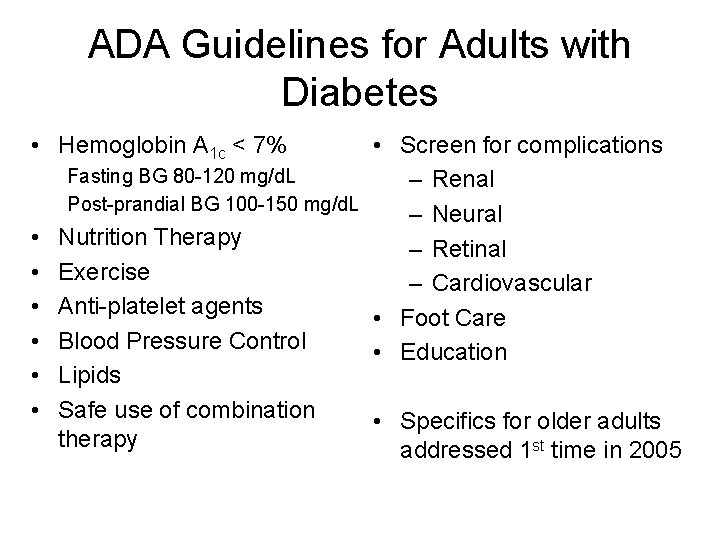
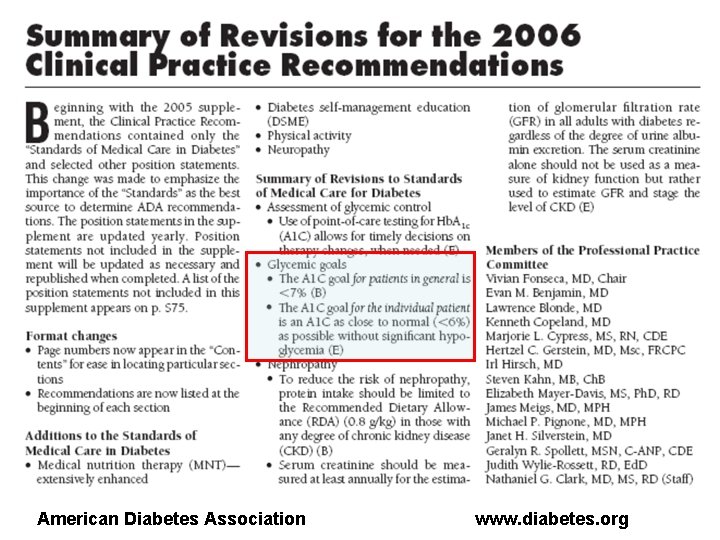
ADA Guidelines for Adults with Diabetes • Hemoglobin A 1 c < 7% • • Screen for complications Fasting BG 80 -120 mg/d. L – Renal Post-prandial BG 100 -150 mg/d. L – Neural Nutrition Therapy – Retinal Exercise – Cardiovascular Anti-platelet agents • Foot Care Blood Pressure Control • Education Lipids Safe use of combination • Specifics for older adults therapy addressed 1 st time in 2005
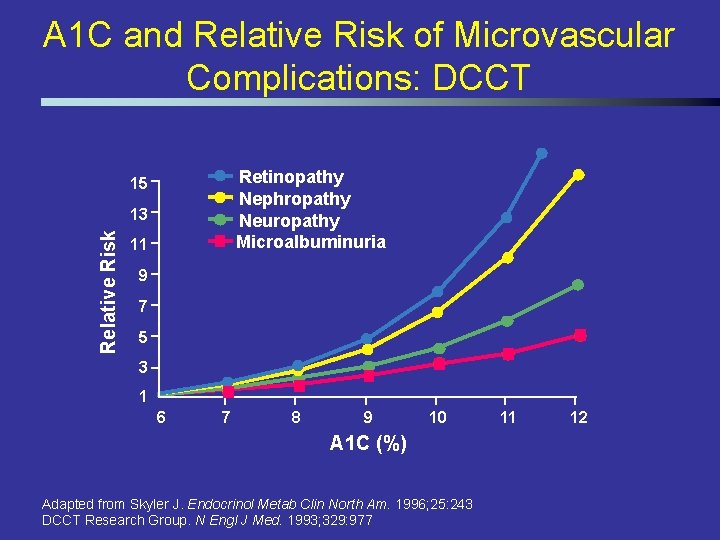
A 1 C and Relative Risk of Microvascular Complications: DCCT Retinopathy Nephropathy Neuropathy Microalbuminuria 15 Relative Risk 13 11 9 7 5 3 1 6 7 8 9 10 A 1 C (%) Adapted from Skyler J. Endocrinol Metab Clin North Am. 1996; 25: 243 DCCT Research Group. N Engl J Med. 1993; 329: 977 11 12
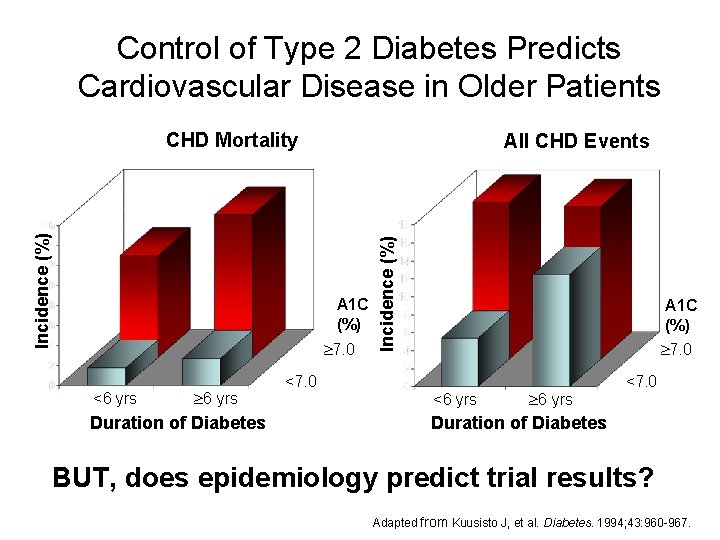
Control of Type 2 Diabetes Predicts Cardiovascular Disease in Older Patients All CHD Events A 1 C (%) 7. 0 <6 yrs Duration of Diabetes <7. 0 Incidence (%) CHD Mortality A 1 C (%) 7. 0 <6 yrs <7. 0 Duration of Diabetes BUT, does epidemiology predict trial results? Adapted from Kuusisto J, et al. Diabetes. 1994; 43: 960 -967.
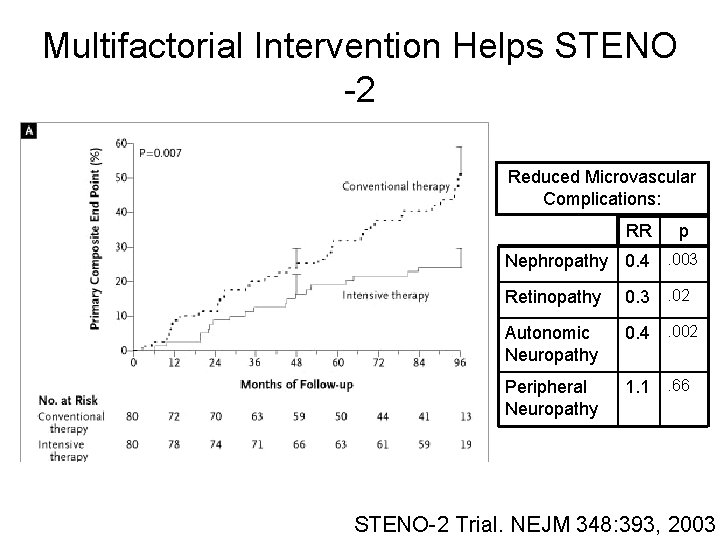
Multifactorial Intervention Helps STENO -2 Reduced Microvascular Complications: RR p Nephropathy 0. 4. 003 Retinopathy 0. 3. 02 Autonomic Neuropathy 0. 4. 002 Peripheral Neuropathy 1. 1. 66 STENO-2 Trial. NEJM 348: 393, 2003
American Diabetes Association www. diabetes. org
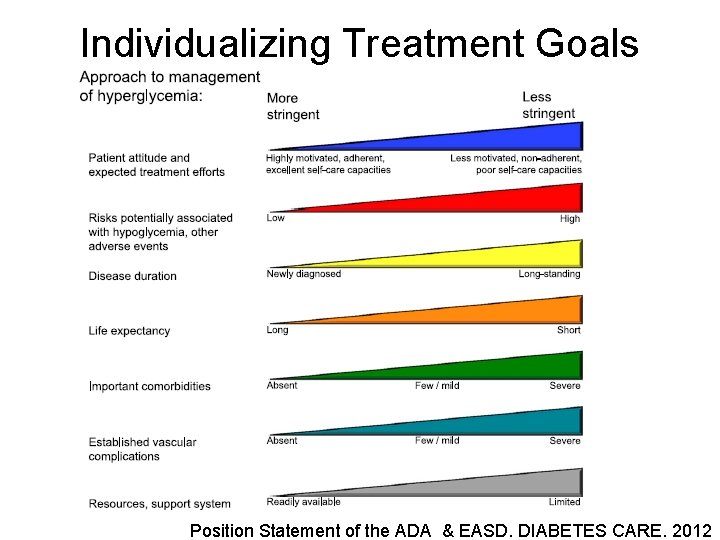
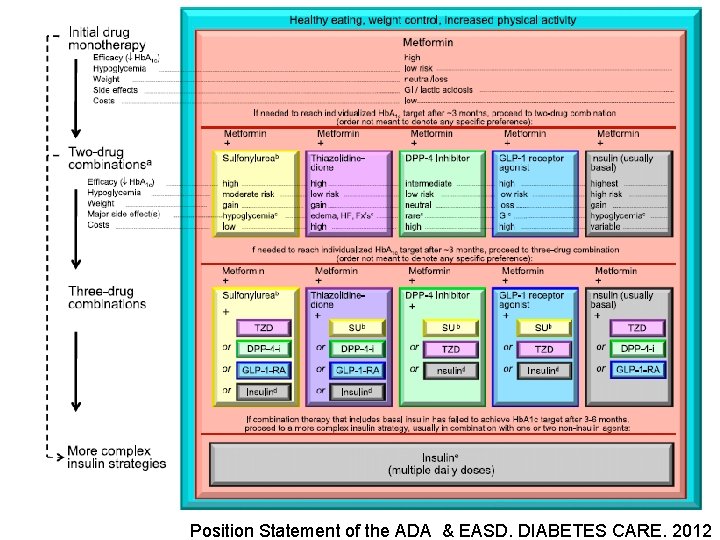
Individualizing Treatment Goals Position Statement of the ADA & EASD. DIABETES CARE. 2012
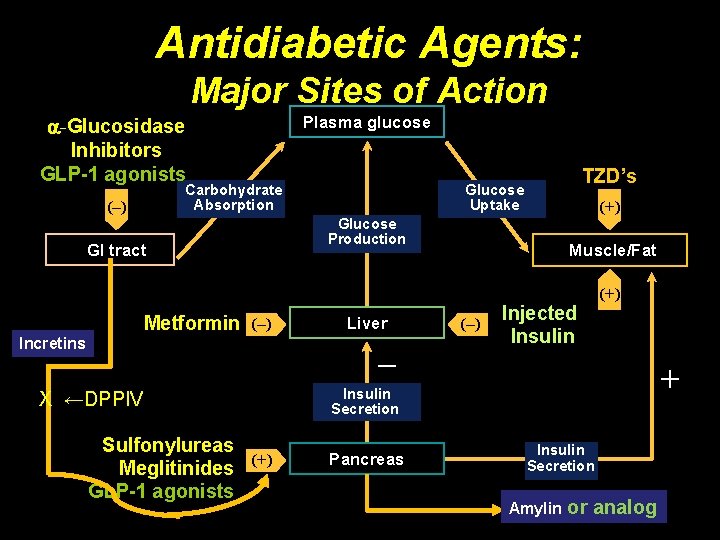
Antidiabetic Agents: Major Sites of Action -Glucosidase Inhibitors GLP-1 agonists Plasma glucose Carbohydrate Absorption (–) GI tract Metformin (–) Incretins Sulfonylureas Meglitinides (+) GLP-1 agonists (+) Glucose Production Liver – X ←DPPIV TZD’s Glucose Uptake Muscle/Fat (–) Injected Insulin (+) + Insulin Secretion Pancreas Insulin Secretion Amylin or analog 4 -5
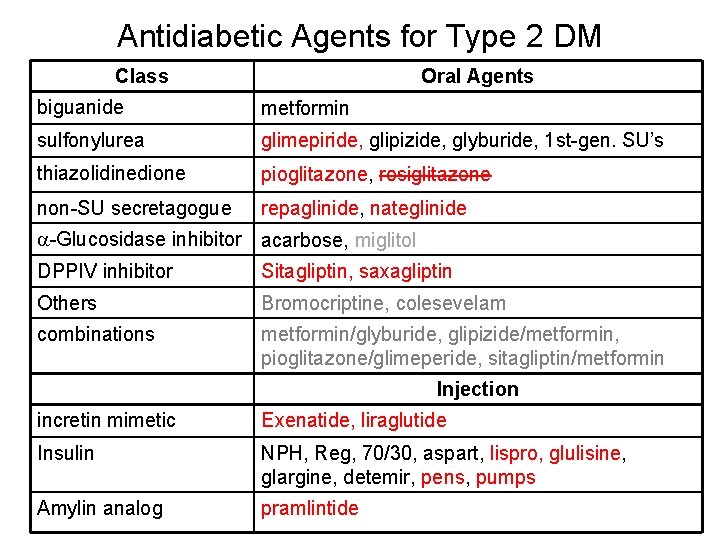
Antidiabetic Agents for Type 2 DM Class Oral Agents biguanide metformin sulfonylurea glimepiride, glipizide, glyburide, 1 st-gen. SU’s thiazolidinedione pioglitazone, rosiglitazone non-SU secretagogue repaglinide, nateglinide a-Glucosidase inhibitor acarbose, miglitol DPPIV inhibitor Sitagliptin, saxagliptin Others Bromocriptine, colesevelam combinations metformin/glyburide, glipizide/metformin, pioglitazone/glimeperide, sitagliptin/metformin Injection incretin mimetic Exenatide, liraglutide Insulin NPH, Reg, 70/30, aspart, lispro, glulisine, glargine, detemir, pens, pumps Amylin analog pramlintide

What would you choose?
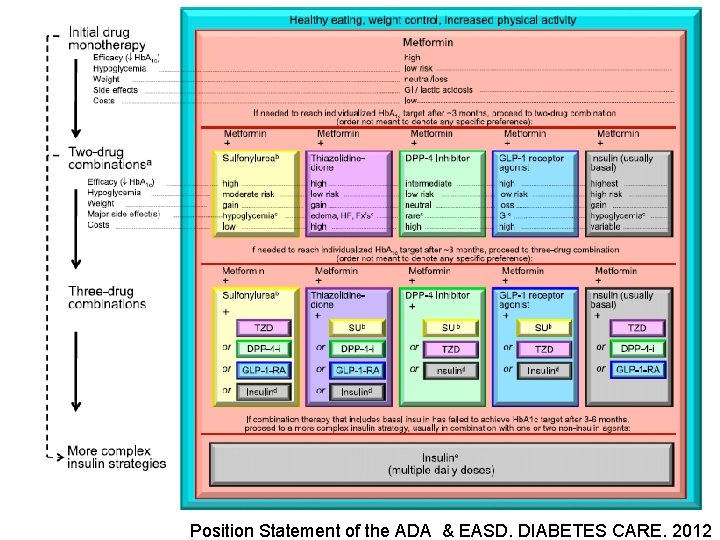
Position Statement of the ADA & EASD. DIABETES CARE. 2012
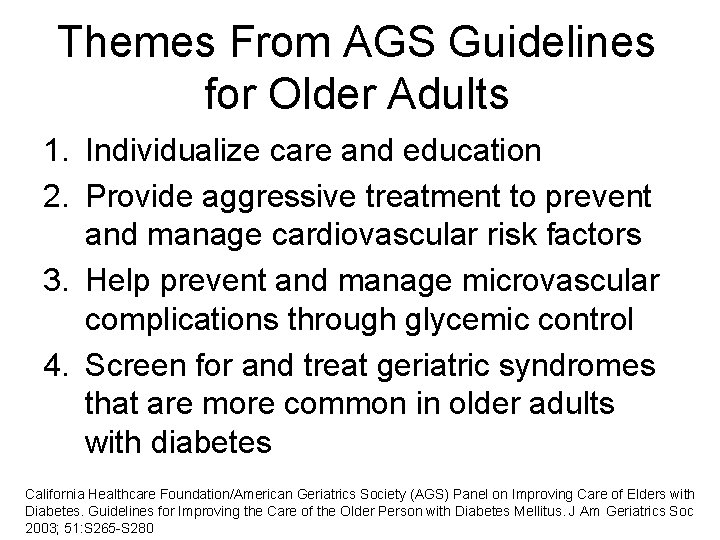
Themes From AGS Guidelines for Older Adults 1. Individualize care and education 2. Provide aggressive treatment to prevent and manage cardiovascular risk factors 3. Help prevent and manage microvascular complications through glycemic control 4. Screen for and treat geriatric syndromes that are more common in older adults with diabetes California Healthcare Foundation/American Geriatrics Society (AGS) Panel on Improving Care of Elders with Diabetes. Guidelines for Improving the Care of the Older Person with Diabetes Mellitus. J Am Geriatrics Soc 2003; 51: S 265 -S 280
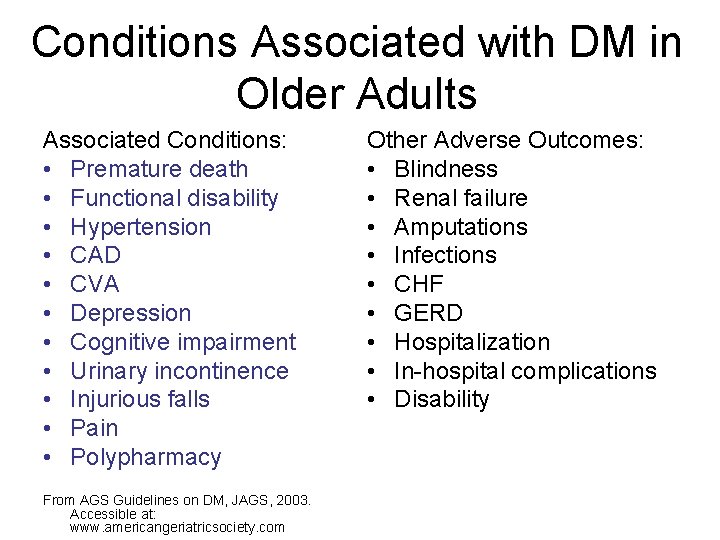
Conditions Associated with DM in Older Adults Associated Conditions: • Premature death • Functional disability • Hypertension • CAD • CVA • Depression • Cognitive impairment • Urinary incontinence • Injurious falls • Pain • Polypharmacy From AGS Guidelines on DM, JAGS, 2003. Accessible at: www. americangeriatricsociety. com Other Adverse Outcomes: • Blindness • Renal failure • Amputations • Infections • CHF • GERD • Hospitalization • In-hospital complications • Disability
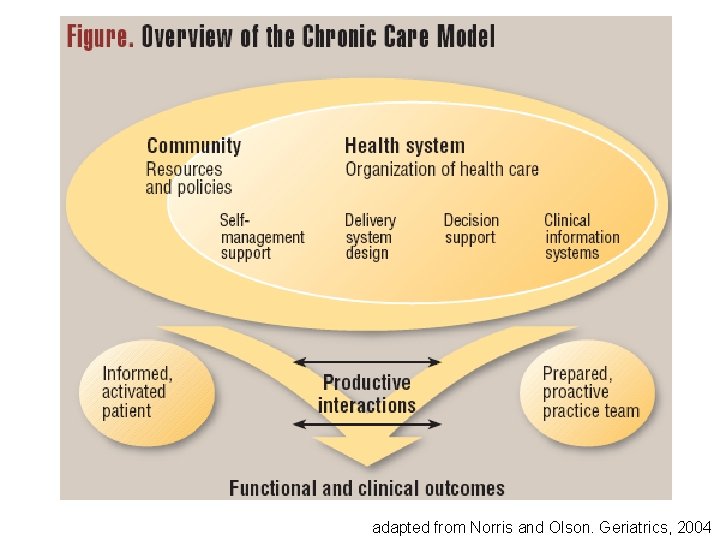
adapted from Norris and Olson. Geriatrics, 2004
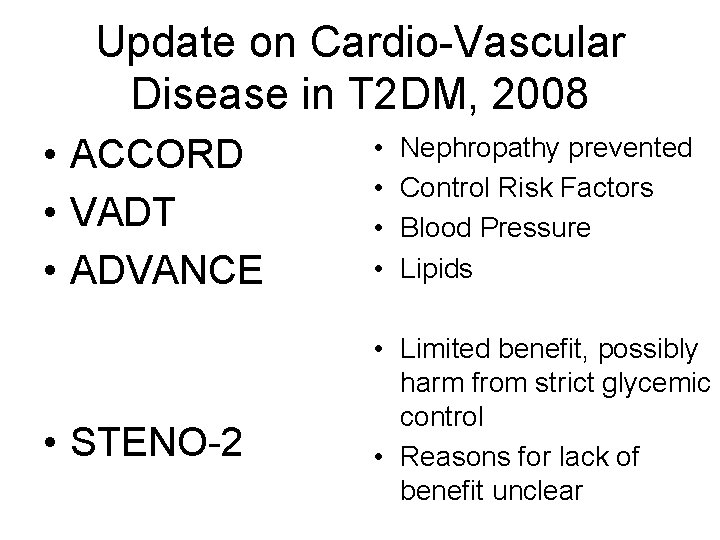
Update on Cardio-Vascular Disease in T 2 DM, 2008 • ACCORD • VADT • ADVANCE • STENO-2 • • Nephropathy prevented Control Risk Factors Blood Pressure Lipids • Limited benefit, possibly harm from strict glycemic control • Reasons for lack of benefit unclear
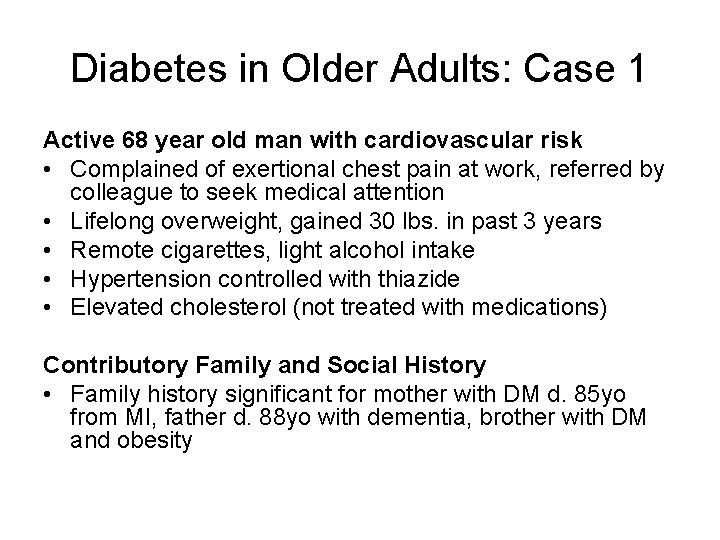
Diabetes in Older Adults: Case 1 Active 68 year old man with cardiovascular risk • Complained of exertional chest pain at work, referred by colleague to seek medical attention • Lifelong overweight, gained 30 lbs. in past 3 years • Remote cigarettes, light alcohol intake • Hypertension controlled with thiazide • Elevated cholesterol (not treated with medications) Contributory Family and Social History • Family history significant for mother with DM d. 85 yo from MI, father d. 88 yo with dementia, brother with DM and obesity
Diabetes in Older Adults: Case 1 Contributory Medications and Comorbidities • No major comorbid illness Targeted elements of physical exam • MMSE 30/30 • BP 135/90, HR 70, weight 245 lbs. , height 5’ 10”, waist 44” • ECG = NSR, leftward axis Labs • Fasting blood glucose = 164 & 138 mg/d. L • Hb. A 1 c = 8. 0% • Cholesterol 210, LDL 140, HDL 39, TG 160 (mg/d. L) • BUN/Cr = 18/1. 2, Urine Albumin = 8 mg/day
Diabetes in Older Adults: Case 1 Treatment Goals Standard Type 2 DM and major AGS themes guidelines apply for this patient • Aggressively Prevent and Manage Cardiovascular Risk Factors through lifestyle management and medication adherence – – – Smoking Lipids Blood Pressure Exercise and Diet Glycemic control: • Nutrition therapy • Lifestyle • Monitoring • Hb. A 1 c, fasting and post-prandial goals • Oral or injectable agents all have potential roles
Diabetes in Older Adults: Case 1 Therapeutic Approach Pharmacological goals related to CV risk: • Glycemic Control • Blood Pressure • Lipids • Anti-platelet agents
Diabetes in Older Adults: Case 1 Summary • Provide aggressive treatment to prevent and manage cardiovascular risk factors • Help prevent and manage microvascular complications through glycemic control • Follow same DM guidelines as younger adults (unless specific factors need consideration) • Pursue additional conditions associated with DM in older adults • Use multifactorial approach in majority of patients • Individualize approach for every patient…
Position Statement of the ADA & EASD. DIABETES CARE. 2012
Metformin • Generally first choice medication • Reduces hepatic glucose output • Effective in many studies • • Mild weight loss Reduce GI ADE’s by starting low dose Low risk of hypoglycemia as monotherapy Prevents DM in younger patients in DPP
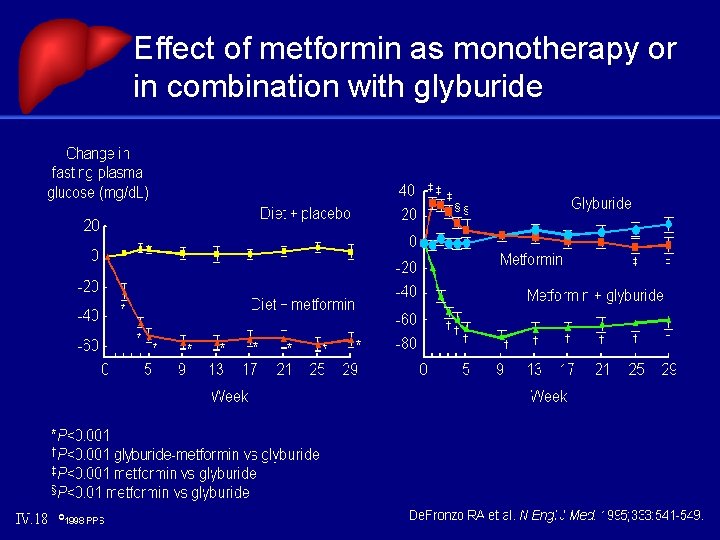
Effect of metformin as monotherapy or in combination with glyburide
Metformin • High rate of GI adverse effects • Mild weight loss • Lactic acidosis – Rare (1/40, 000) and usually associated with another risk factor • Contraindications: – Renal disease – Hepatic disease – Hypoxic or acidotic conditions
Metformin: Use in the elderly? • Age is frequently listed as contraindication • Really Shouldn’t be – Contraindications may be more common in older adults, – remain vigilant
Sulfonyl-Ureas • • • Previous first choice medication Increase insulin secretion from beta-cells glyburide, glipizide, glimeperide Long history Efficacy in multiple studies
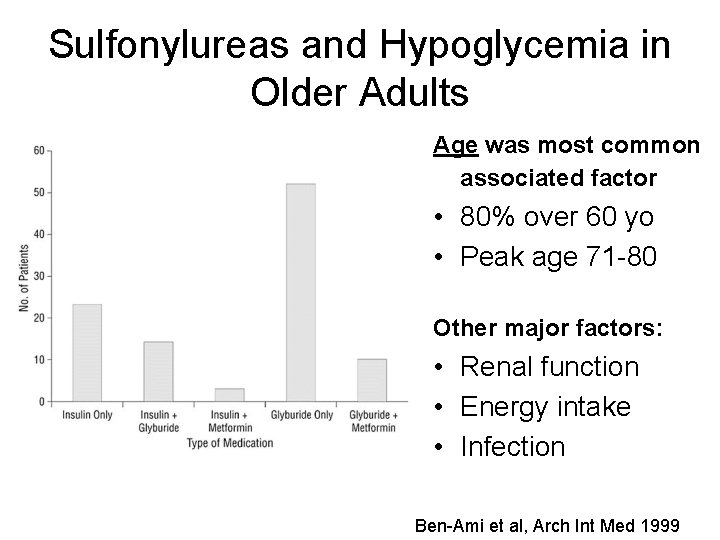
Sulfonylureas and Hypoglycemia in Older Adults Age was most common associated factor • 80% over 60 yo • Peak age 71 -80 Other major factors: • Renal function • Energy intake • Infection Ben-Ami et al, Arch Int Med 1999
Sulfonyl-Ureas • • • 2 nd generation safer than 1 st generation Highest risk of hypoglycemia Weight gain High risk of treatment “failure” Renal metabolism and excretion Glyburide may be more associated with cardiac arrhythmia risk • Glipizide has shorter half-life • Sulfa allergies
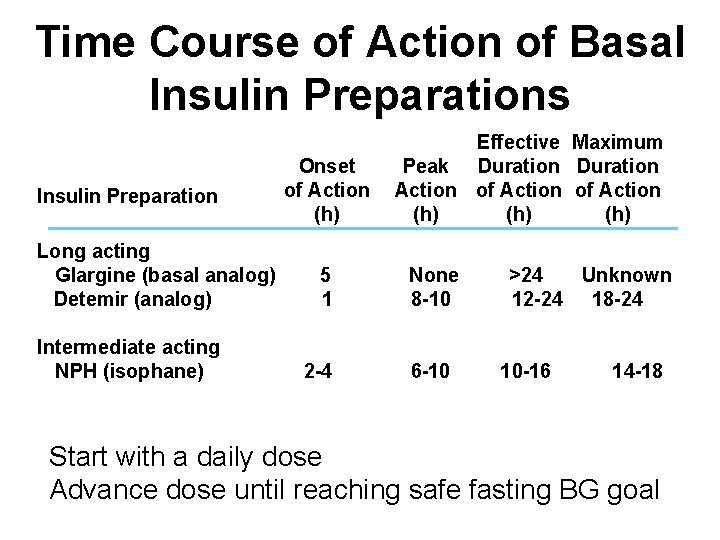
Time Course of Action of Basal Insulin Preparations Insulin Preparation Long acting Glargine (basal analog) Detemir (analog) Intermediate acting NPH (isophane) Onset of Action (h) 5 1 2 -4 Effective Maximum Peak Duration Action of Action (h) (h) None 8 -10 6 -10 >24 Unknown 12 -24 18 -24 10 -16 14 -18 Start with a daily dose Advance dose until reaching safe fasting BG goal
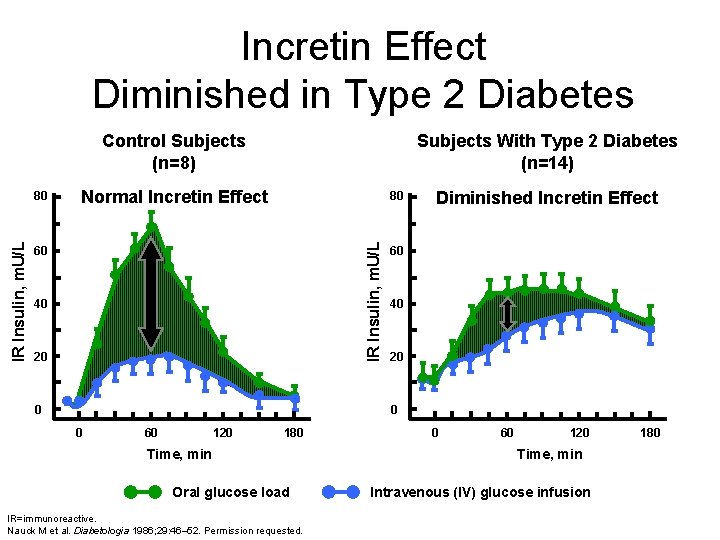
Incretin Effect Diminished in Type 2 Diabetes Control Subjects (n=8) Normal Incretin Effect 80 IR Insulin, m. U/L 80 Subjects With Type 2 Diabetes (n=14) 60 40 20 0 Diminished Incretin Effect 60 40 20 0 0 60 120 180 Time, min Oral glucose load IR=immunoreactive. Nauck M et al. Diabetologia 1986; 29: 46– 52. Permission requested. 0 60 120 Time, min Intravenous (IV) glucose infusion 180
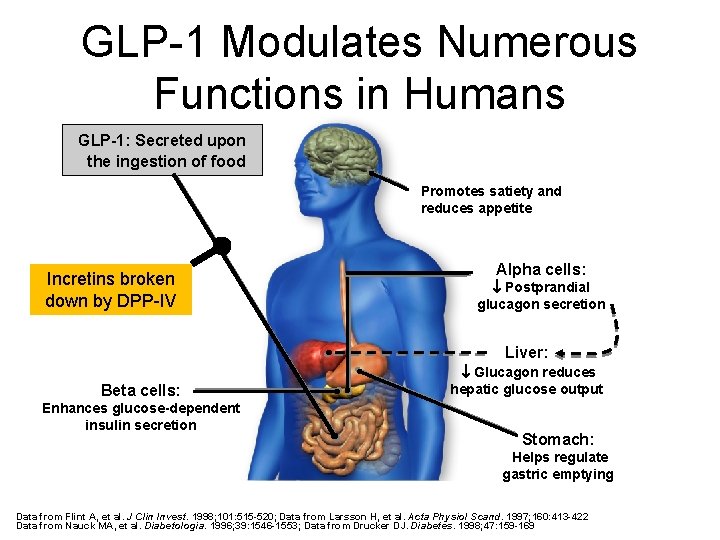
GLP-1 Modulates Numerous Functions in Humans GLP-1: Secreted upon the ingestion of food Promotes satiety and reduces appetite Incretins broken down by DPP-IV Alpha cells: Postprandial glucagon secretion Liver: Beta cells: Enhances glucose-dependent insulin secretion Glucagon reduces hepatic glucose output Stomach: Helps regulate gastric emptying Data from Flint A, et al. J Clin Invest. 1998; 101: 515 -520; Data from Larsson H, et al. Acta Physiol Scand. 1997; 160: 413 -422 Data from Nauck MA, et al. Diabetologia. 1996; 39: 1546 -1553; Data from Drucker DJ. Diabetes. 1998; 47: 159 -169
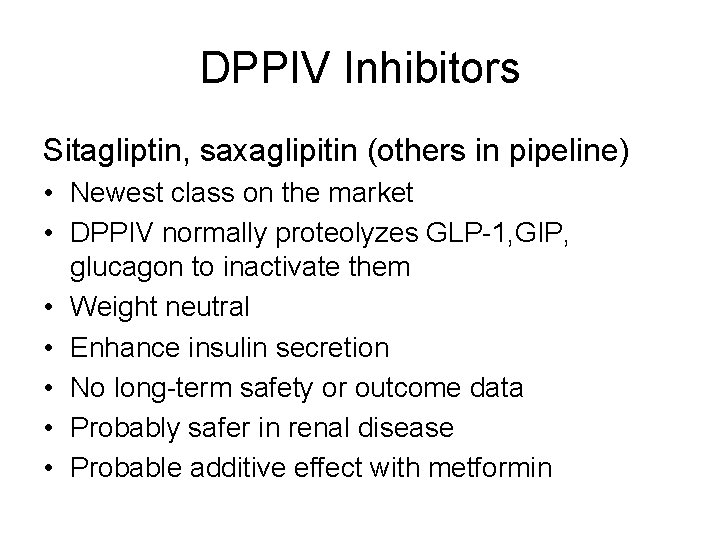
DPPIV Inhibitors Sitagliptin, saxaglipitin (others in pipeline) • Newest class on the market • DPPIV normally proteolyzes GLP-1, GIP, glucagon to inactivate them • Weight neutral • Enhance insulin secretion • No long-term safety or outcome data • Probably safer in renal disease • Probable additive effect with metformin
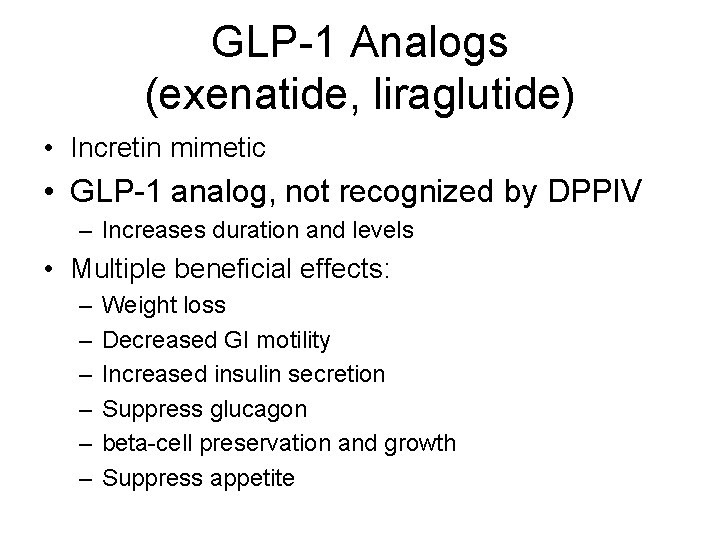
GLP-1 Analogs (exenatide, liraglutide) • Incretin mimetic • GLP-1 analog, not recognized by DPPIV – Increases duration and levels • Multiple beneficial effects: – – – Weight loss Decreased GI motility Increased insulin secretion Suppress glucagon beta-cell preservation and growth Suppress appetite
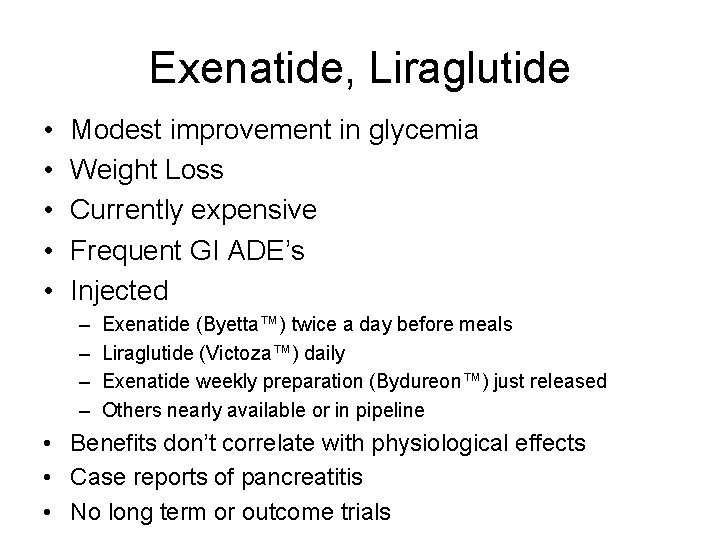
Exenatide, Liraglutide • • • Modest improvement in glycemia Weight Loss Currently expensive Frequent GI ADE’s Injected – – Exenatide (Byetta™) twice a day before meals Liraglutide (Victoza™) daily Exenatide weekly preparation (Bydureon™) just released Others nearly available or in pipeline • Benefits don’t correlate with physiological effects • Case reports of pancreatitis • No long term or outcome trials
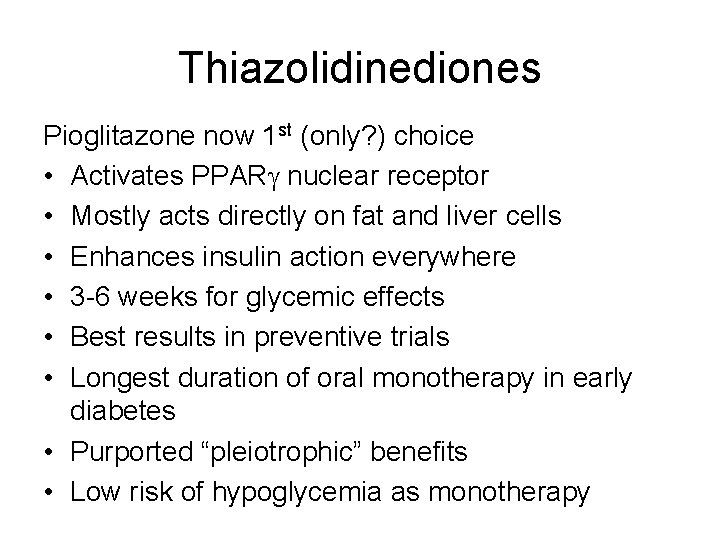
Thiazolidinediones Pioglitazone now 1 st (only? ) choice • Activates PPARg nuclear receptor • Mostly acts directly on fat and liver cells • Enhances insulin action everywhere • 3 -6 weeks for glycemic effects • Best results in preventive trials • Longest duration of oral monotherapy in early diabetes • Purported “pleiotrophic” benefits • Low risk of hypoglycemia as monotherapy
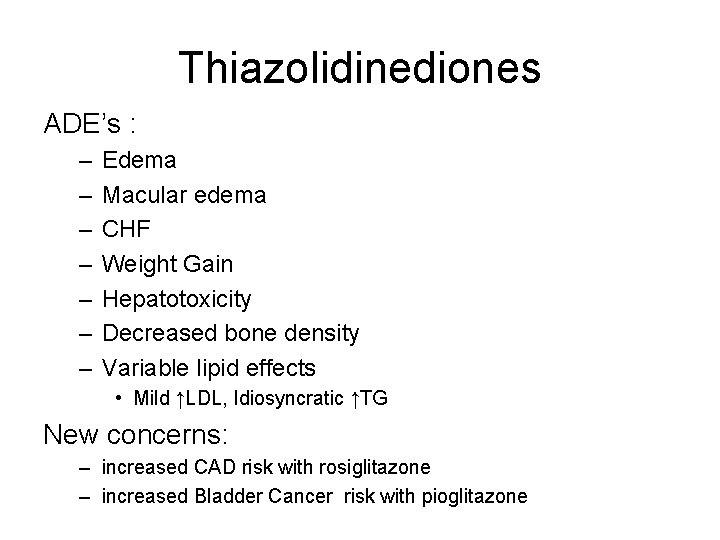
Thiazolidinediones ADE’s : – – – – Edema Macular edema CHF Weight Gain Hepatotoxicity Decreased bone density Variable lipid effects • Mild ↑LDL, Idiosyncratic ↑TG New concerns: – increased CAD risk with rosiglitazone – increased Bladder Cancer risk with pioglitazone
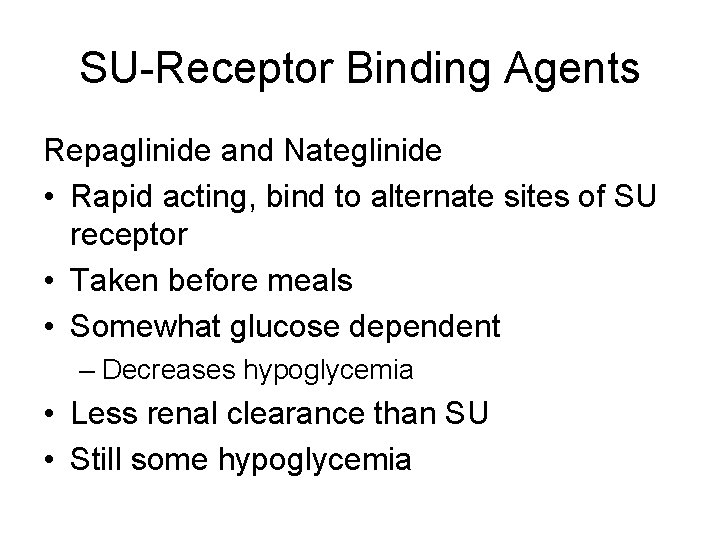
SU-Receptor Binding Agents Repaglinide and Nateglinide • Rapid acting, bind to alternate sites of SU receptor • Taken before meals • Somewhat glucose dependent – Decreases hypoglycemia • Less renal clearance than SU • Still some hypoglycemia
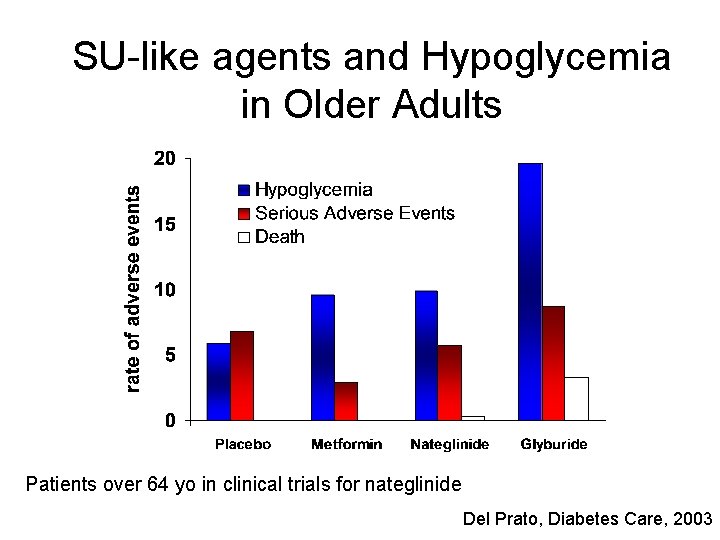
SU-like agents and Hypoglycemia in Older Adults Patients over 64 yo in clinical trials for nateglinide Del Prato, Diabetes Care, 2003
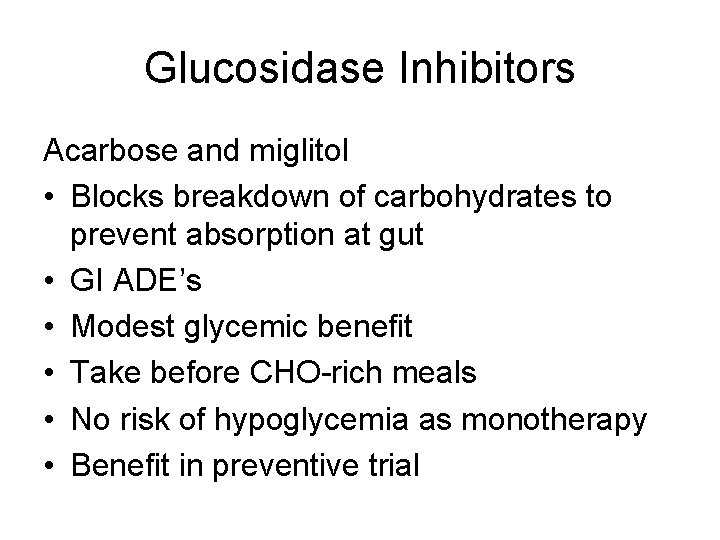
Glucosidase Inhibitors Acarbose and miglitol • Blocks breakdown of carbohydrates to prevent absorption at gut • GI ADE’s • Modest glycemic benefit • Take before CHO-rich meals • No risk of hypoglycemia as monotherapy • Benefit in preventive trial
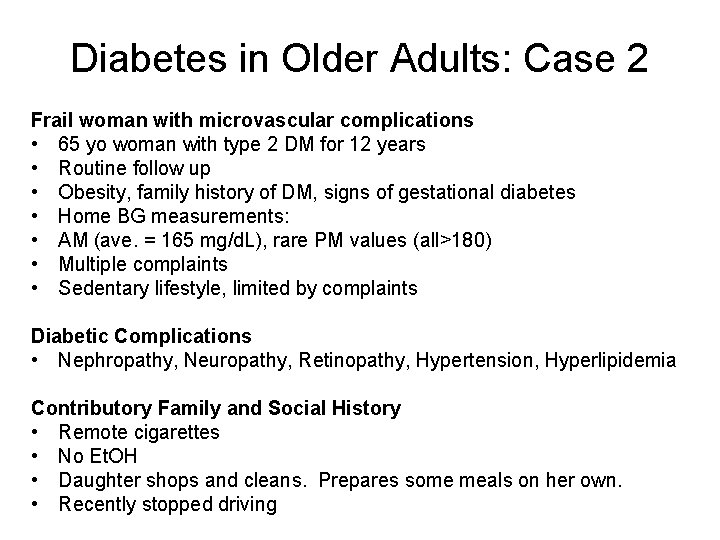
Diabetes in Older Adults: Case 2 Frail woman with microvascular complications • 65 yo woman with type 2 DM for 12 years • Routine follow up • Obesity, family history of DM, signs of gestational diabetes • Home BG measurements: • AM (ave. = 165 mg/d. L), rare PM values (all>180) • Multiple complaints • Sedentary lifestyle, limited by complaints Diabetic Complications • Nephropathy, Neuropathy, Retinopathy, Hypertension, Hyperlipidemia Contributory Family and Social History • Remote cigarettes • No Et. OH • Daughter shops and cleans. Prepares some meals on her own. • Recently stopped driving
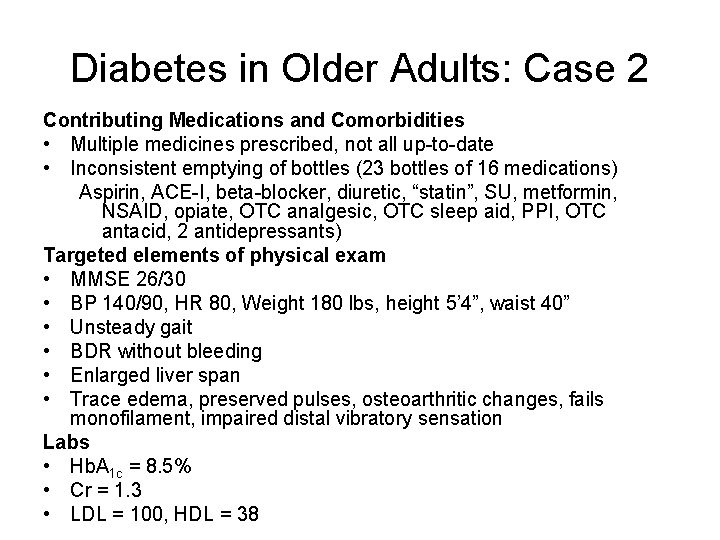
Diabetes in Older Adults: Case 2 Contributing Medications and Comorbidities • Multiple medicines prescribed, not all up-to-date • Inconsistent emptying of bottles (23 bottles of 16 medications) Aspirin, ACE-I, beta-blocker, diuretic, “statin”, SU, metformin, NSAID, opiate, OTC analgesic, OTC sleep aid, PPI, OTC antacid, 2 antidepressants) Targeted elements of physical exam • MMSE 26/30 • BP 140/90, HR 80, Weight 180 lbs, height 5’ 4”, waist 40” • Unsteady gait • BDR without bleeding • Enlarged liver span • Trace edema, preserved pulses, osteoarthritic changes, fails monofilament, impaired distal vibratory sensation Labs • Hb. A 1 c = 8. 5% • Cr = 1. 3 • LDL = 100, HDL = 38
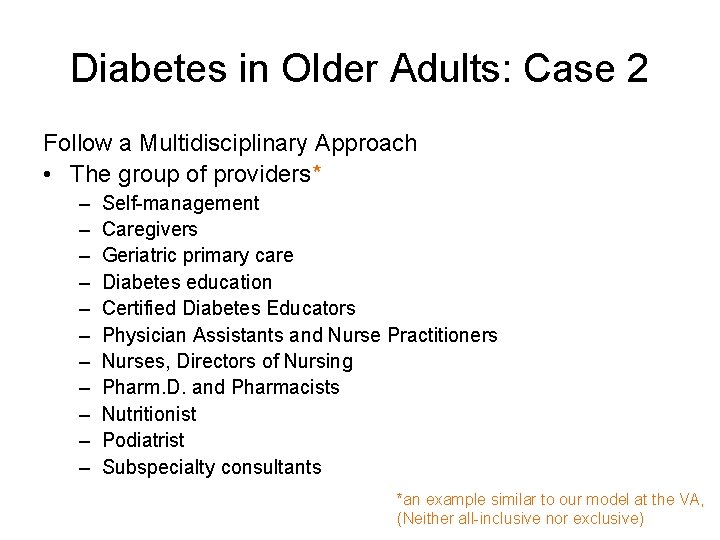
Diabetes in Older Adults: Case 2 Follow a Multidisciplinary Approach • The group of providers* – – – Self-management Caregivers Geriatric primary care Diabetes education Certified Diabetes Educators Physician Assistants and Nurse Practitioners Nurses, Directors of Nursing Pharm. D. and Pharmacists Nutritionist Podiatrist Subspecialty consultants *an example similar to our model at the VA, (Neither all-inclusive nor exclusive)
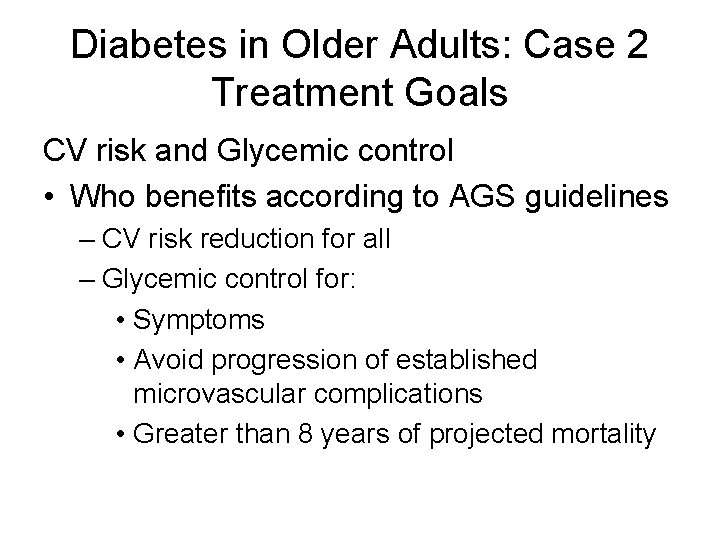
Diabetes in Older Adults: Case 2 Treatment Goals CV risk and Glycemic control • Who benefits according to AGS guidelines – CV risk reduction for all – Glycemic control for: • Symptoms • Avoid progression of established microvascular complications • Greater than 8 years of projected mortality
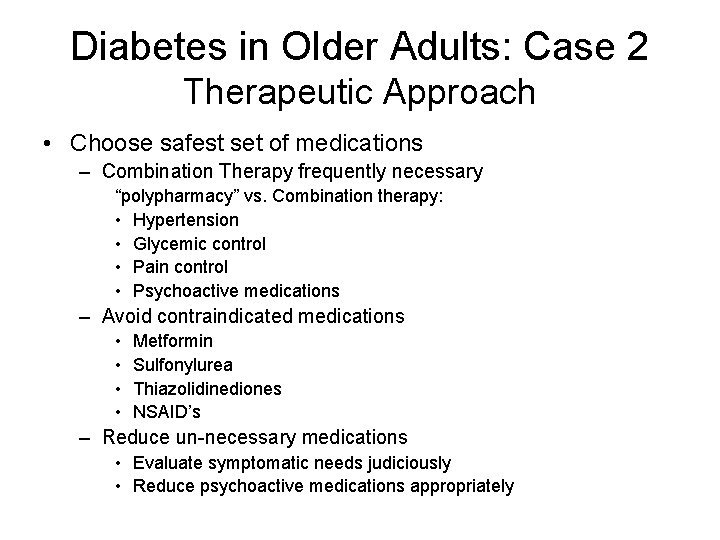
Diabetes in Older Adults: Case 2 Therapeutic Approach • Choose safest set of medications – Combination Therapy frequently necessary “polypharmacy” vs. Combination therapy: • Hypertension • Glycemic control • Pain control • Psychoactive medications – Avoid contraindicated medications • • Metformin Sulfonylurea Thiazolidinediones NSAID’s – Reduce un-necessary medications • Evaluate symptomatic needs judiciously • Reduce psychoactive medications appropriately
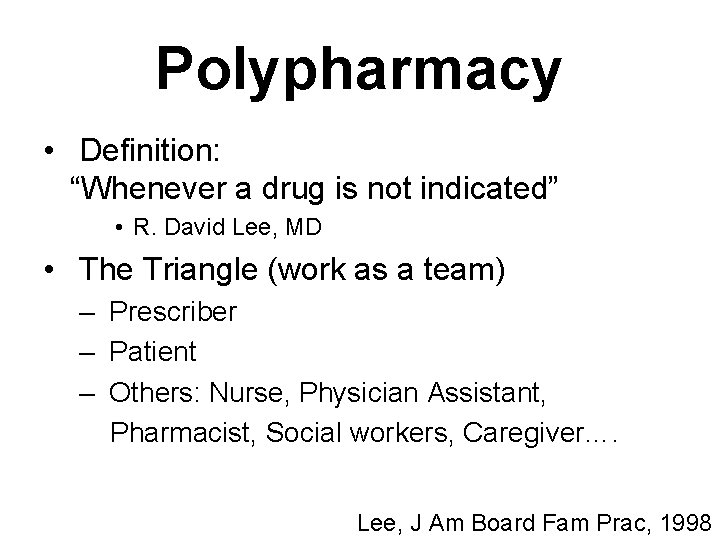
Polypharmacy • Definition: “Whenever a drug is not indicated” • R. David Lee, MD • The Triangle (work as a team) – Prescriber – Patient – Others: Nurse, Physician Assistant, Pharmacist, Social workers, Caregiver…. Lee, J Am Board Fam Prac, 1998
Diabetes in Older Adults: Case 2 Summary Established microvascular complications and has already developed associated conditions • Focus on CV risk • Prevent progression of established DM microvascular disease with glycemic control • Identify associated conditions that occur in older people with DM • Avoid the “tyranny of complaints” – utilize Chronic Care Model
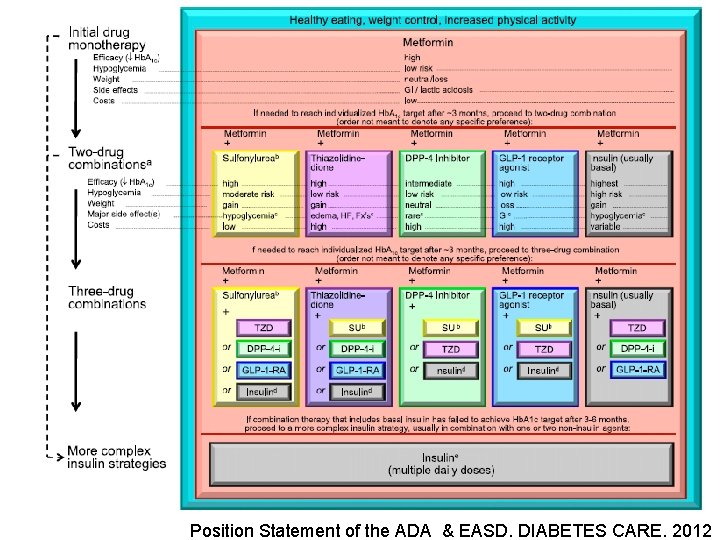
Position Statement of the ADA & EASD. DIABETES CARE. 2012
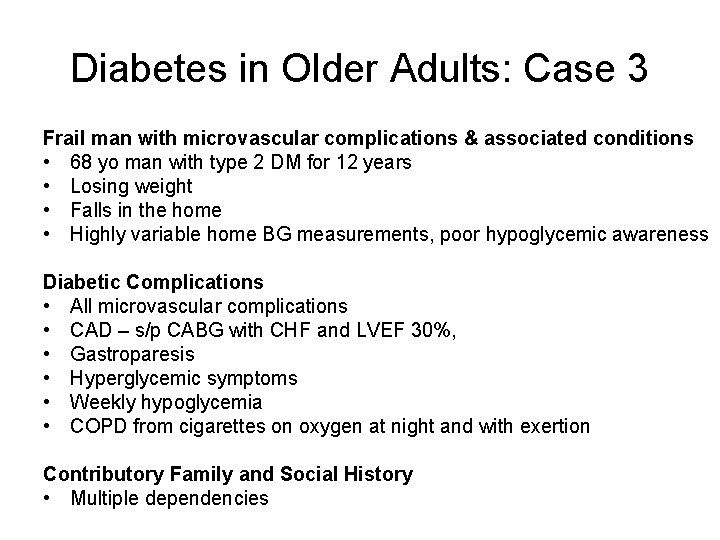
Diabetes in Older Adults: Case 3 Frail man with microvascular complications & associated conditions • 68 yo man with type 2 DM for 12 years • Losing weight • Falls in the home • Highly variable home BG measurements, poor hypoglycemic awareness Diabetic Complications • All microvascular complications • CAD – s/p CABG with CHF and LVEF 30%, • Gastroparesis • Hyperglycemic symptoms • Weekly hypoglycemia • COPD from cigarettes on oxygen at night and with exertion Contributory Family and Social History • Multiple dependencies
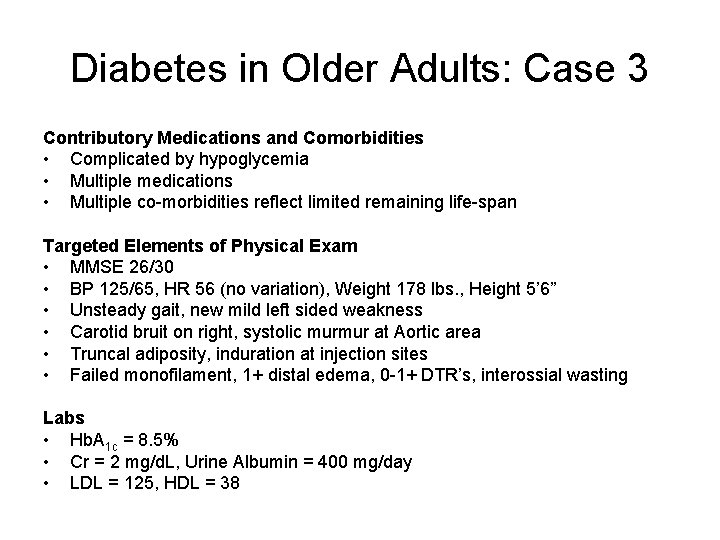
Diabetes in Older Adults: Case 3 Contributory Medications and Comorbidities • Complicated by hypoglycemia • Multiple medications • Multiple co-morbidities reflect limited remaining life-span Targeted Elements of Physical Exam • MMSE 26/30 • BP 125/65, HR 56 (no variation), Weight 178 lbs. , Height 5’ 6” • Unsteady gait, new mild left sided weakness • Carotid bruit on right, systolic murmur at Aortic area • Truncal adiposity, induration at injection sites • Failed monofilament, 1+ distal edema, 0 -1+ DTR’s, interossial wasting Labs • Hb. A 1 c = 8. 5% • Cr = 2 mg/d. L, Urine Albumin = 400 mg/day • LDL = 125, HDL = 38
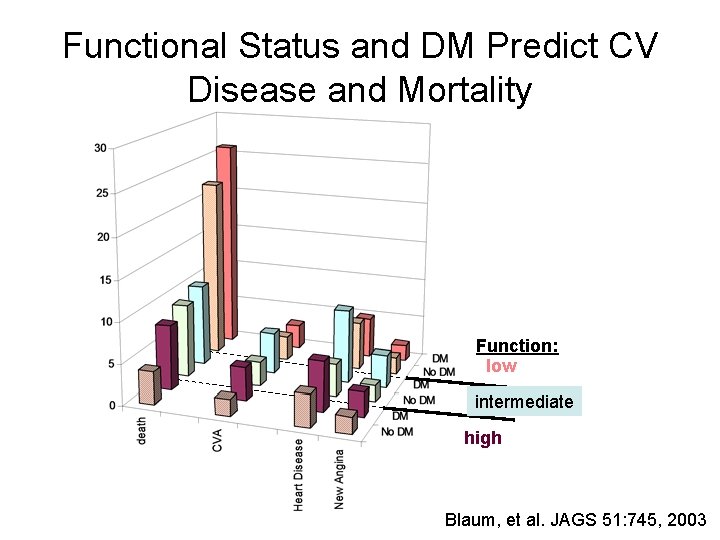
Functional Status and DM Predict CV Disease and Mortality Function: low intermediate high Blaum, et al. JAGS 51: 745, 2003
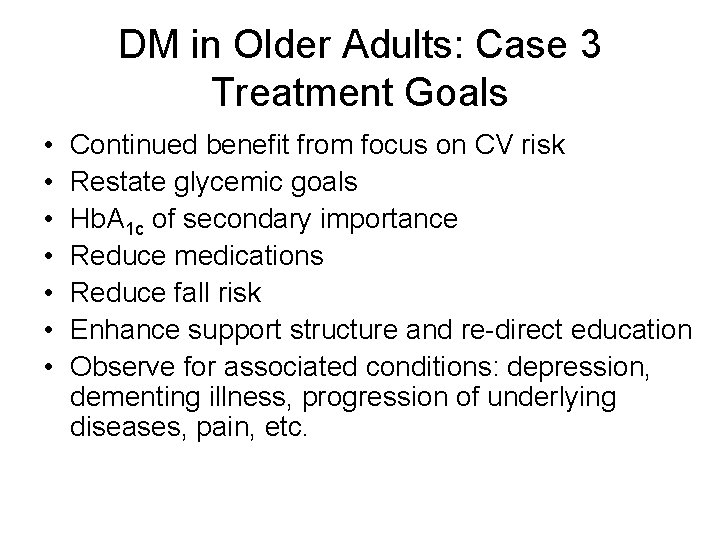
DM in Older Adults: Case 3 Treatment Goals • • Continued benefit from focus on CV risk Restate glycemic goals Hb. A 1 c of secondary importance Reduce medications Reduce fall risk Enhance support structure and re-direct education Observe for associated conditions: depression, dementing illness, progression of underlying diseases, pain, etc.
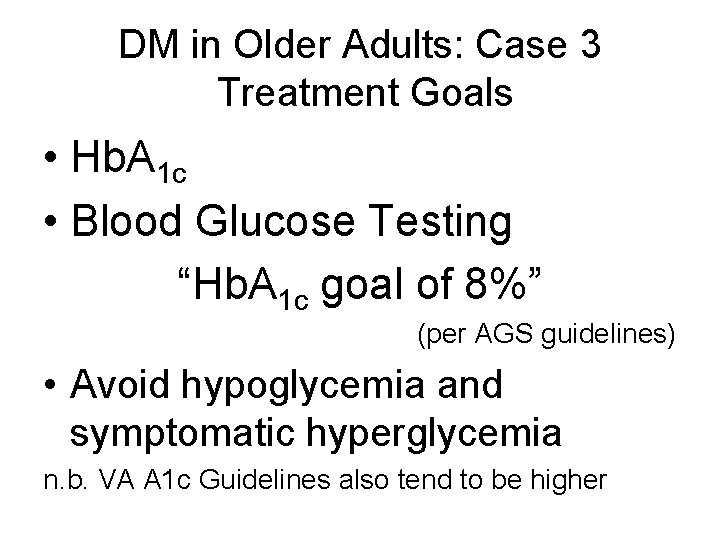
DM in Older Adults: Case 3 Treatment Goals • Hb. A 1 c • Blood Glucose Testing “Hb. A 1 c goal of 8%” (per AGS guidelines) • Avoid hypoglycemia and symptomatic hyperglycemia n. b. VA A 1 c Guidelines also tend to be higher
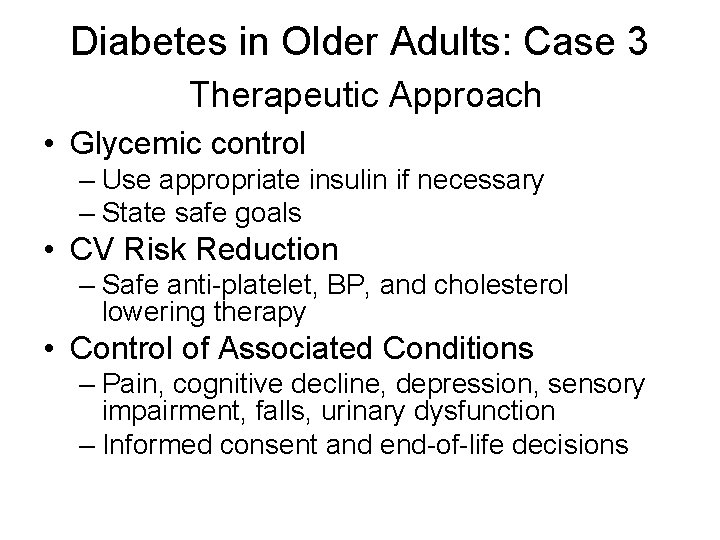
Diabetes in Older Adults: Case 3 Therapeutic Approach • Glycemic control – Use appropriate insulin if necessary – State safe goals • CV Risk Reduction – Safe anti-platelet, BP, and cholesterol lowering therapy • Control of Associated Conditions – Pain, cognitive decline, depression, sensory impairment, falls, urinary dysfunction – Informed consent and end-of-life decisions
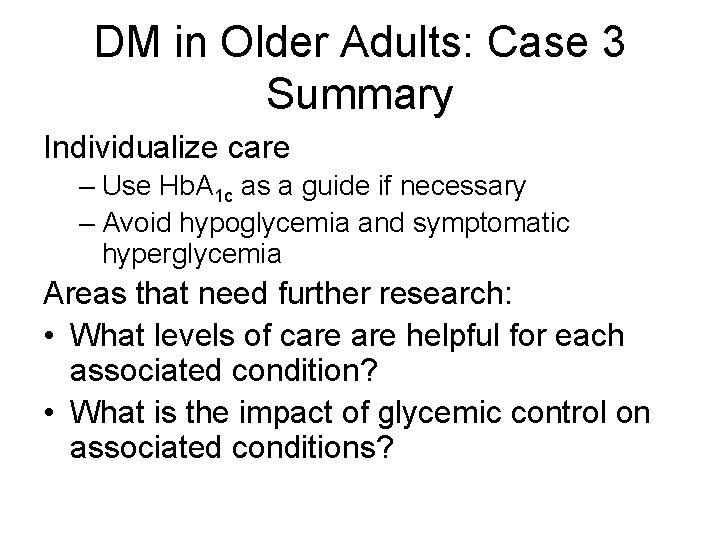
DM in Older Adults: Case 3 Summary Individualize care – Use Hb. A 1 c as a guide if necessary – Avoid hypoglycemia and symptomatic hyperglycemia Areas that need further research: • What levels of care helpful for each associated condition? • What is the impact of glycemic control on associated conditions?
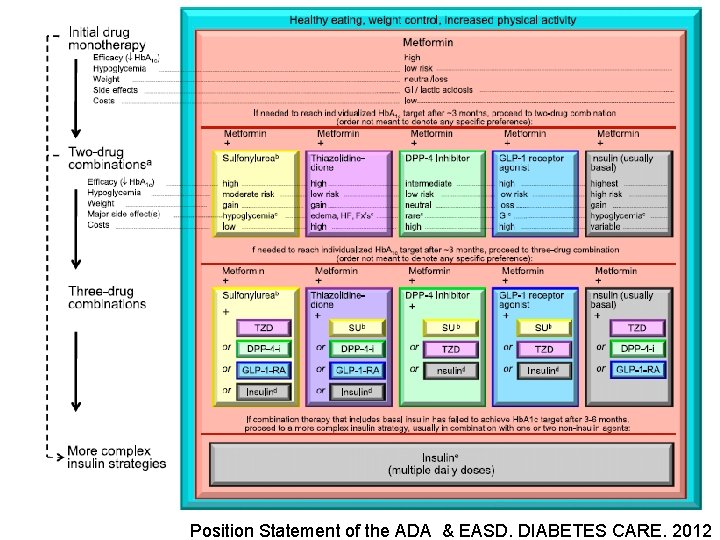
Position Statement of the ADA & EASD. DIABETES CARE. 2012
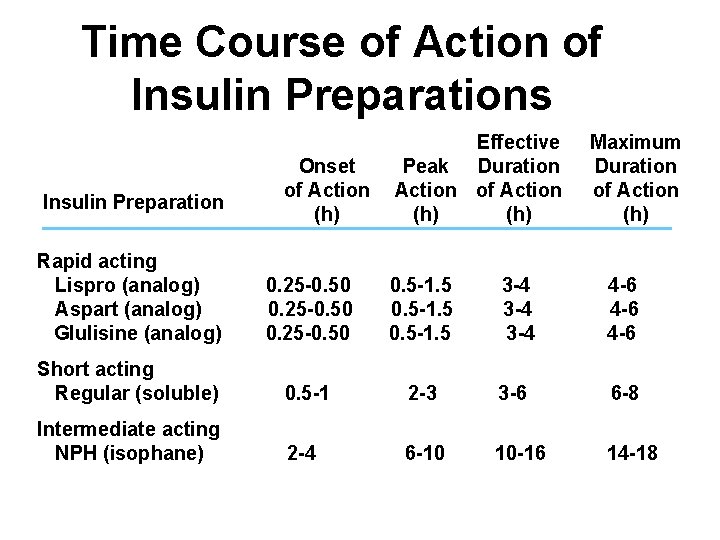
Time Course of Action of Insulin Preparations Insulin Preparation Onset of Action (h) Effective Peak Duration Action of Action (h) Maximum Duration of Action (h) Rapid acting Lispro (analog) Aspart (analog) Glulisine (analog) 0. 25 -0. 50 0. 5 -1. 5 3 -4 3 -4 4 -6 4 -6 Short acting Regular (soluble) 0. 5 -1 2 -3 3 -6 6 -8 Intermediate acting NPH (isophane) 2 -4 6 -10 10 -16 14 -18
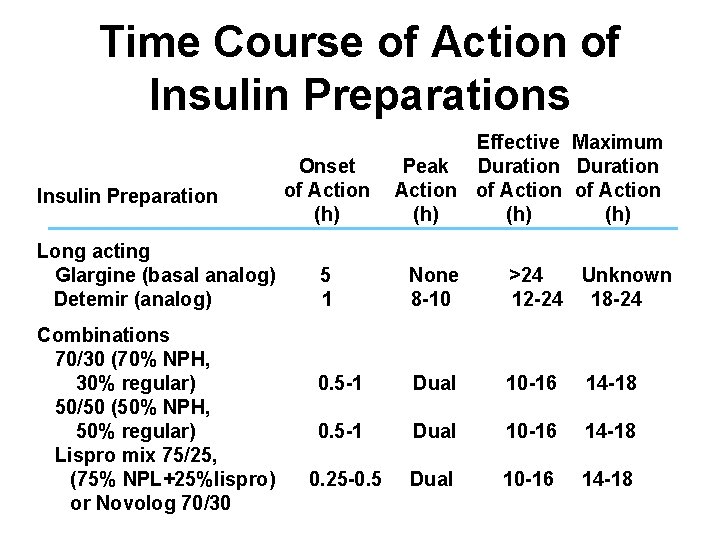
Time Course of Action of Insulin Preparations Insulin Preparation Long acting Glargine (basal analog) Detemir (analog) Combinations 70/30 (70% NPH, 30% regular) 50/50 (50% NPH, 50% regular) Lispro mix 75/25, (75% NPL+25%lispro) or Novolog 70/30 Onset of Action (h) Effective Maximum Peak Duration Action of Action (h) (h) 5 1 None 8 -10 >24 Unknown 12 -24 18 -24 0. 5 -1 Dual 10 -16 14 -18 0. 25 -0. 5 Dual 10 -16 14 -18
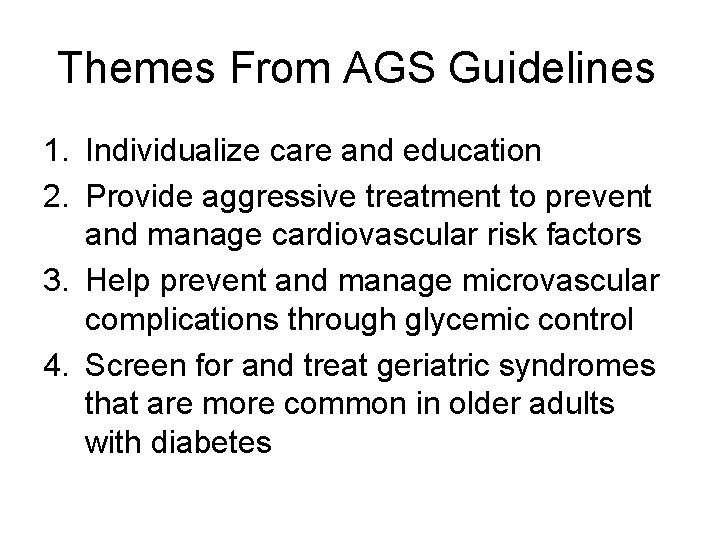
Themes From AGS Guidelines 1. Individualize care and education 2. Provide aggressive treatment to prevent and manage cardiovascular risk factors 3. Help prevent and manage microvascular complications through glycemic control 4. Screen for and treat geriatric syndromes that are more common in older adults with diabetes
- Slides: 63