
MEDICAL ETHICS Nadra Kandeel Objectives Definition Basic concept
MEDICAL ETHICS Nadra Kandeel

Objectives Definition. Basic concept of medical ethics. Historical introduction. General principles of medical ethics. Items of medical ethics. Ethical aspect of some medical practice of special nature. • Medical certificate. • Medical syndicate. • • •
Definition Medical ethics: *Rules of professional etiquette and traditions in medicine. *A set of principles that attempts to guide physicians in their relationship with patients and with each others.

Greek : -Hippocratic Oath. The touchstone of modern medical ethics. The Hippocratic Ethic, particularly the oath, was incorporated into the teaching of (Moslem, Jewish, and Christian physicians). -Aesculapius. The priests of Aesculapius healed through art and magic and had little science. To date, the staff and snake of Aesculapius remain the symbol of healing of the medical physicians.
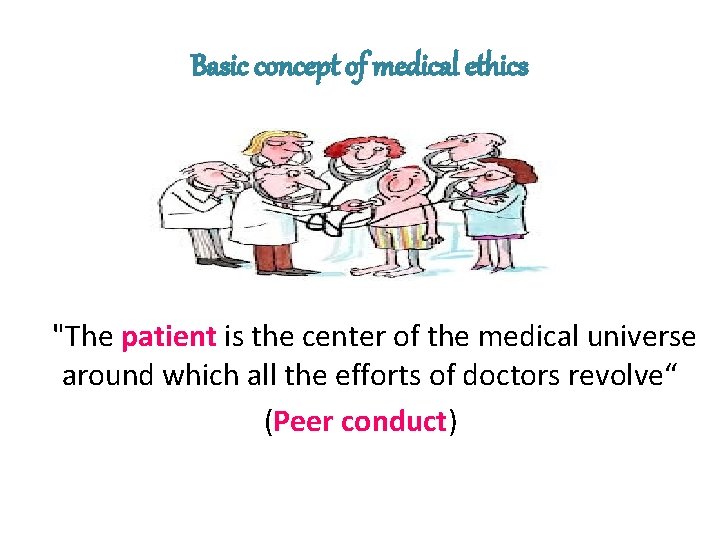
Basic concept of medical ethics "The patient is the center of the medical universe around which all the efforts of doctors revolve“ (Peer conduct)
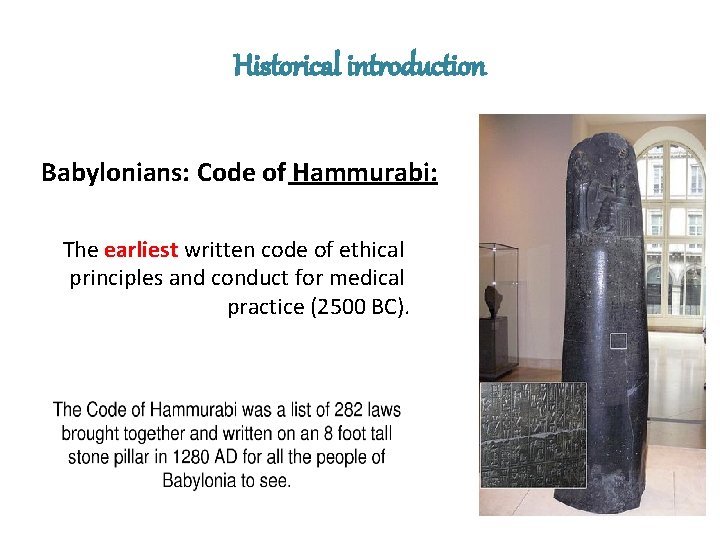
Historical introduction Babylonians: Code of Hammurabi: The earliest written code of ethical principles and conduct for medical practice (2500 BC).
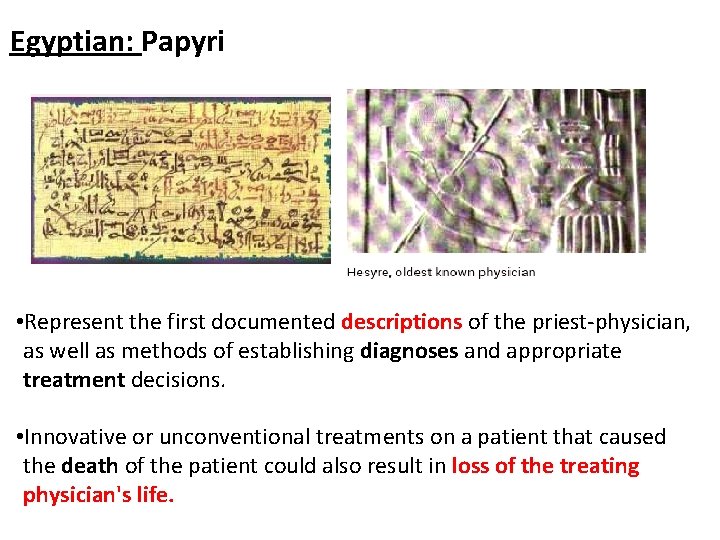
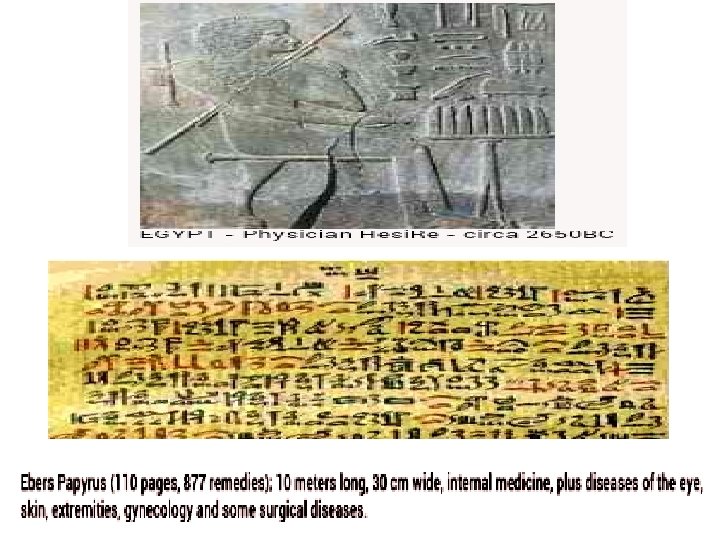
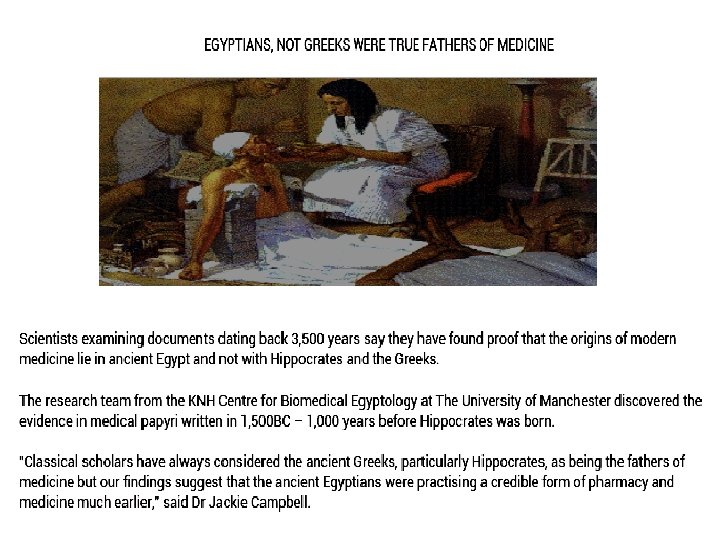
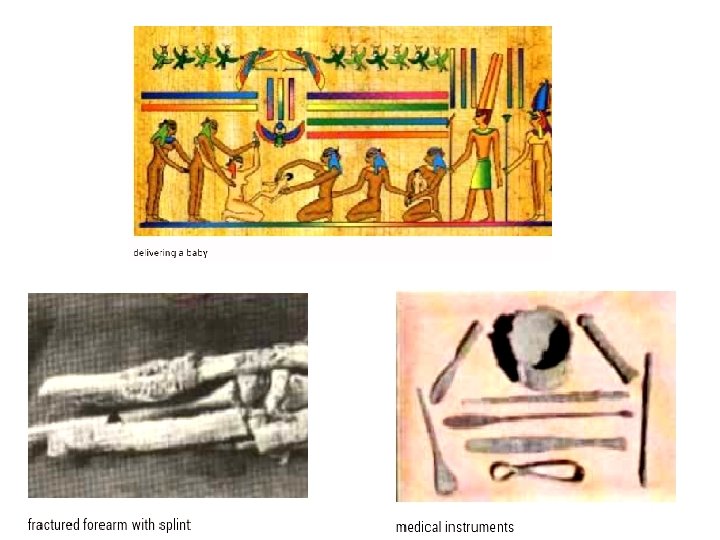
Egyptian: Papyri • Represent the first documented descriptions of the priest-physician, as well as methods of establishing diagnoses and appropriate treatment decisions. • Innovative or unconventional treatments on a patient that caused the death of the patient could also result in loss of the treating physician's life.
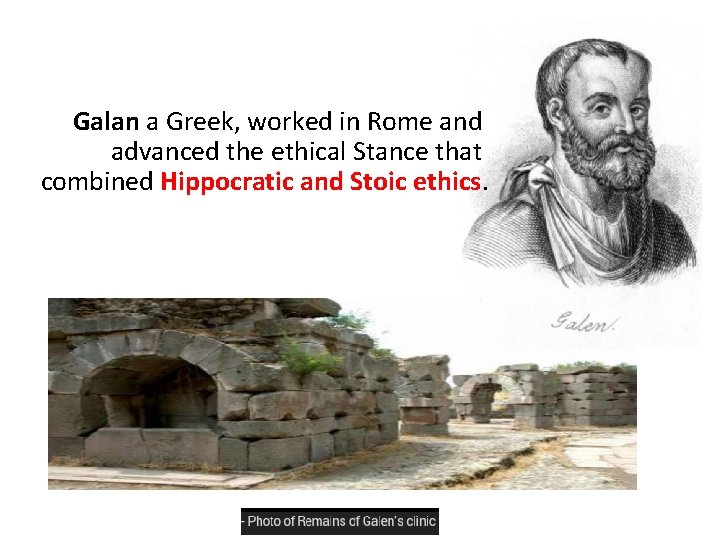
Roman: Galan a Greek, worked in Rome and advanced the ethical Stance that combined Hippocratic and Stoic ethics.
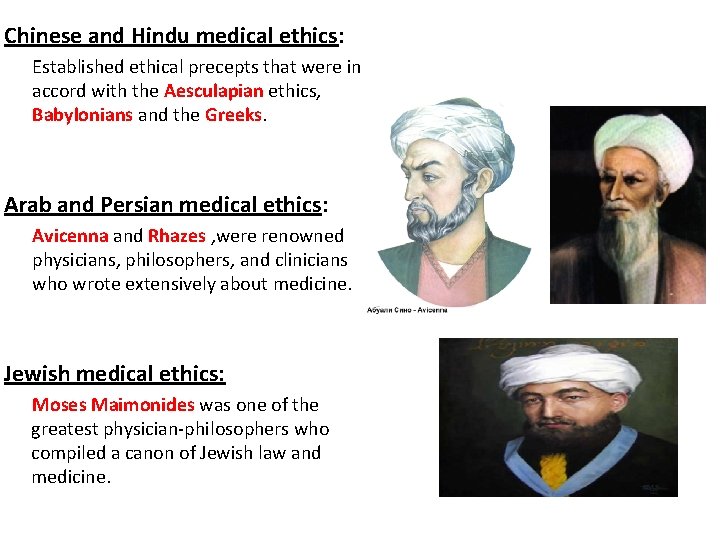
Chinese and Hindu medical ethics: Established ethical precepts that were in accord with the Aesculapian ethics, Babylonians and the Greeks. Arab and Persian medical ethics: Avicenna and Rhazes , were renowned physicians, philosophers, and clinicians who wrote extensively about medicine. Jewish medical ethics: Moses Maimonides was one of the greatest physician-philosophers who compiled a canon of Jewish law and medicine.
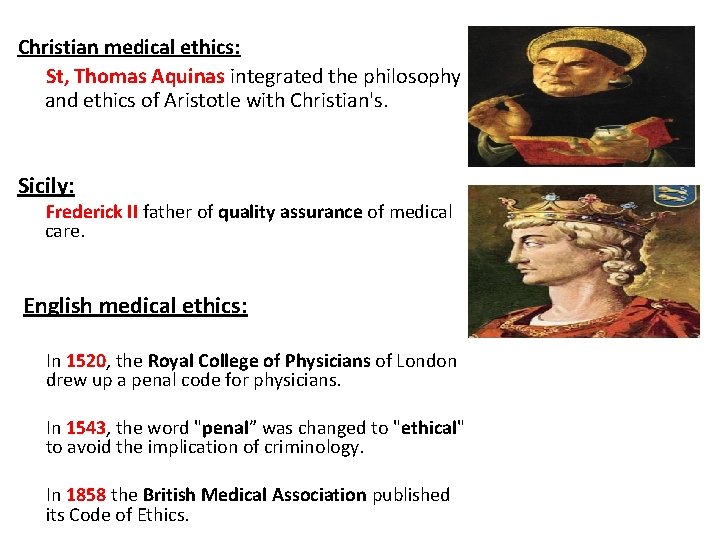
Christian medical ethics: St, Thomas Aquinas integrated the philosophy and ethics of Aristotle with Christian's. Sicily: Frederick II father of quality assurance of medical care. English medical ethics: In 1520, the Royal College of Physicians of London drew up a penal code for physicians. In 1543, the word "penal” was changed to "ethical" to avoid the implication of criminology. In 1858 the British Medical Association published its Code of Ethics.
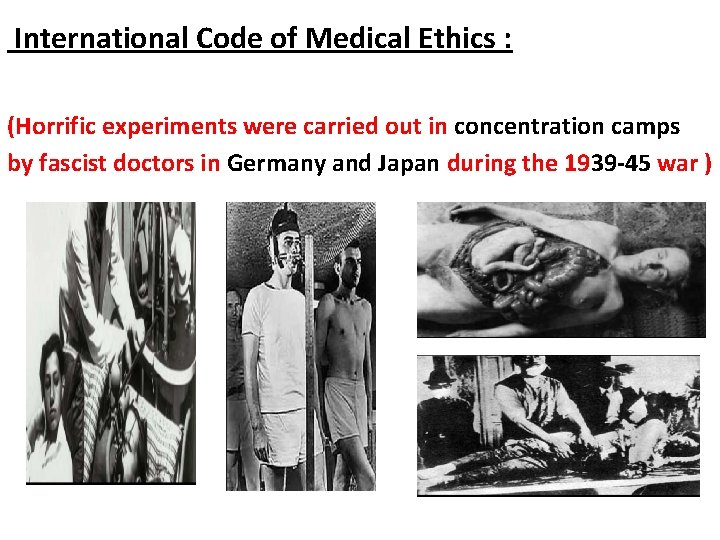
International Code of Medical Ethics : (Horrific experiments were carried out in concentration camps by fascist doctors in Germany and Japan during the 1939 -45 war )
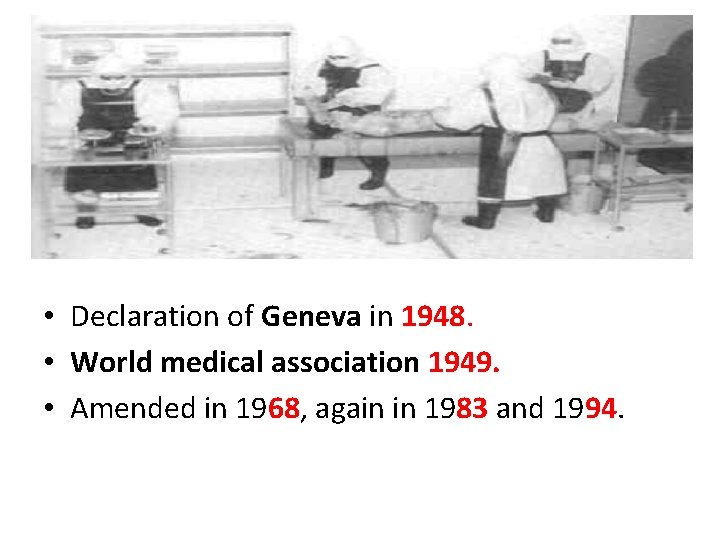
• Declaration of Geneva in 1948. • World medical association 1949. • Amended in 1968, again in 1983 and 1994.
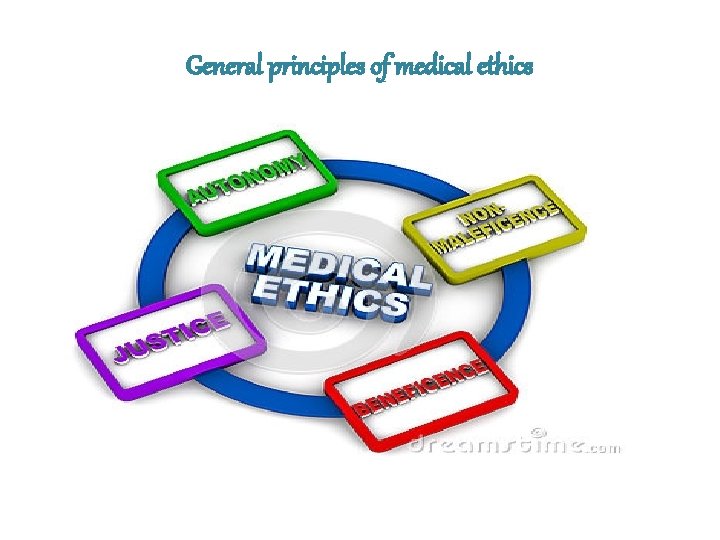
General principles of medical ethics
Items of medical ethics • 1. Duties of physicians. • 2. Medical confidentiality. 3. Consent. •
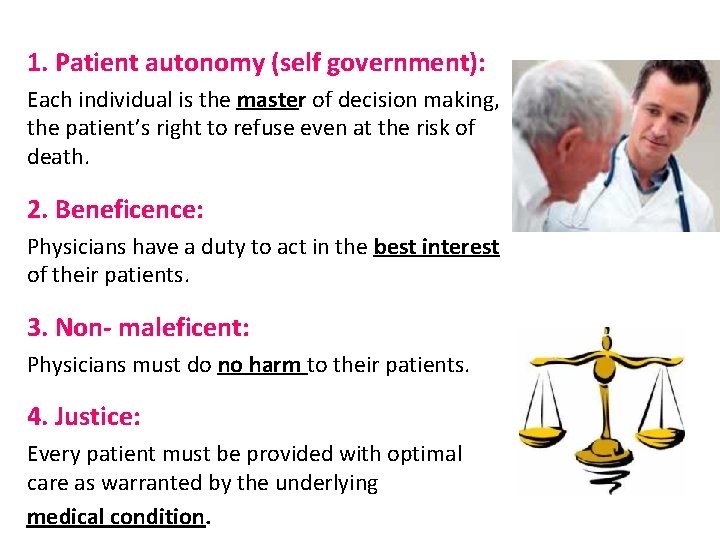
1. Patient autonomy (self government): Each individual is the master of decision making, the patient’s right to refuse even at the risk of death. 2. Beneficence: Physicians have a duty to act in the best interest of their patients. 3. Non- maleficent: Physicians must do no harm to their patients. 4. Justice: Every patient must be provided with optimal care as warranted by the underlying medical condition.

- Slides: 20