
Medical and Anatomical Terminology Anatomical Position When a
- Slides: 64
Medical and Anatomical Terminology
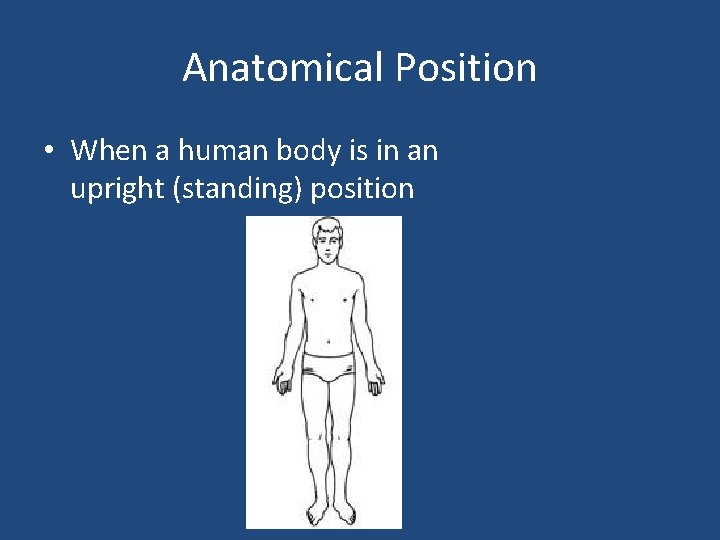
Anatomical Position • When a human body is in an upright (standing) position
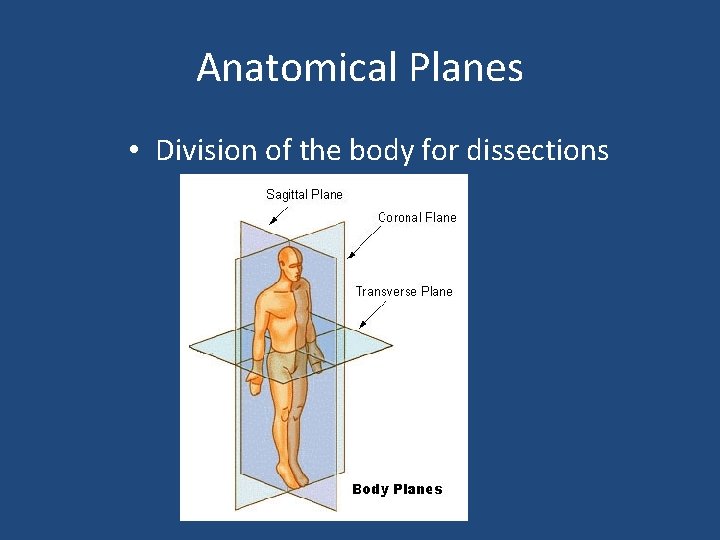
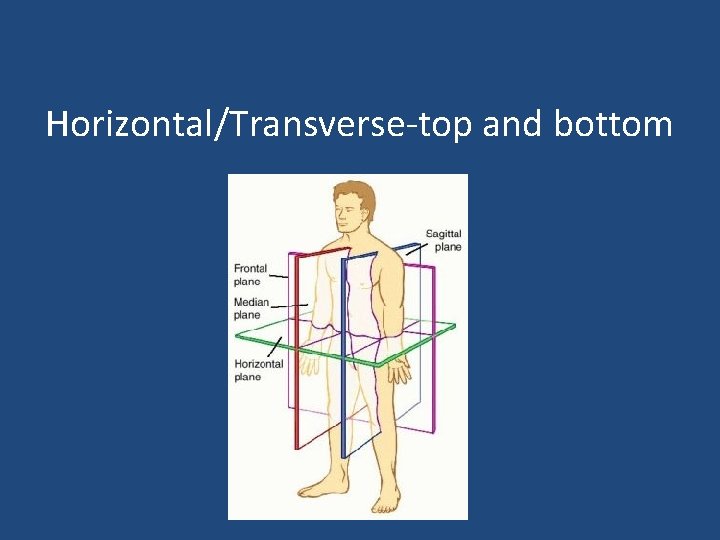
Anatomical Planes • Division of the body for dissections
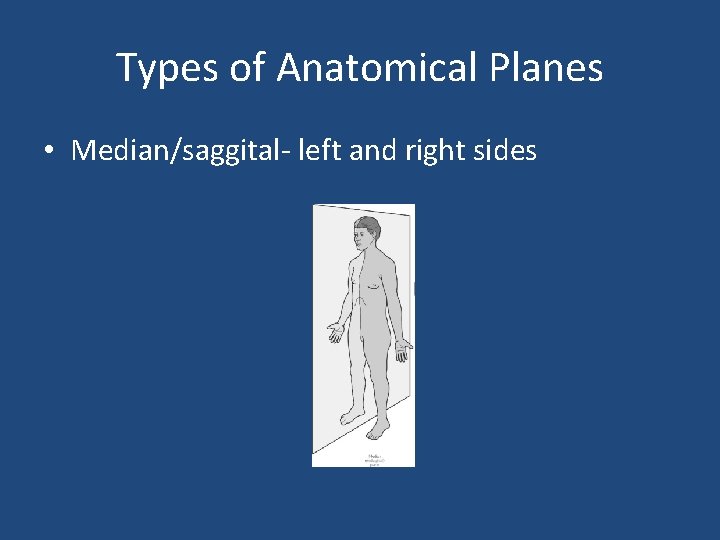
Types of Anatomical Planes • Median/saggital- left and right sides
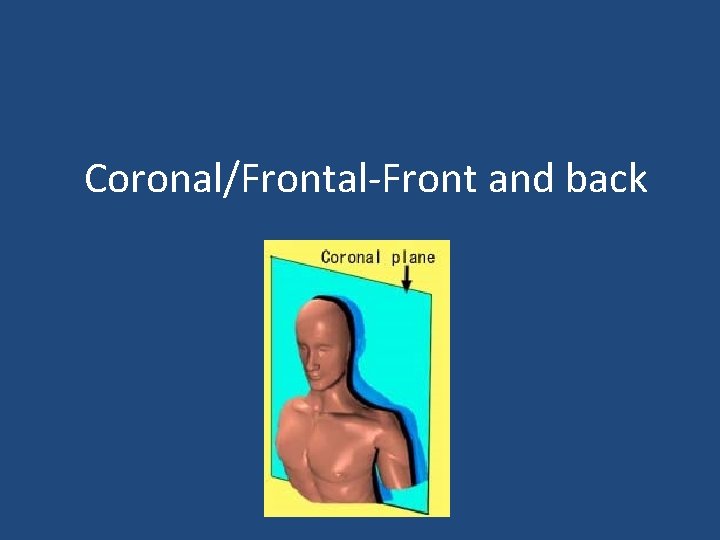
Coronal/Frontal-Front and back
Horizontal/Transverse-top and bottom
Terms of Relationship
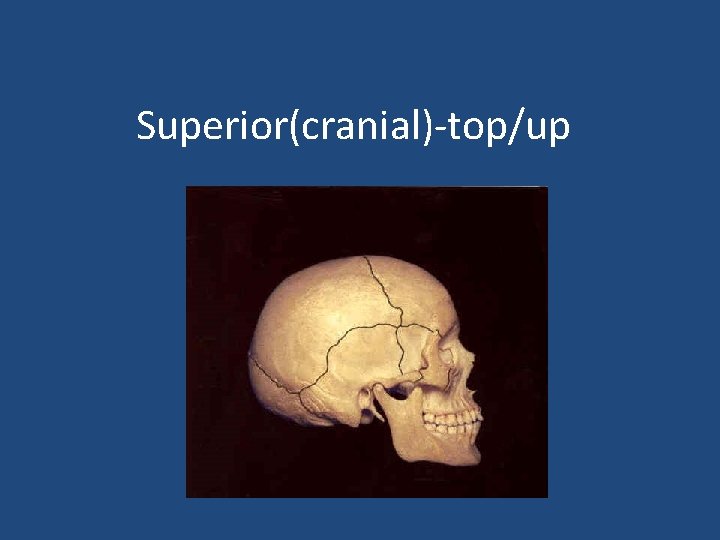
Superior(cranial)-top/up
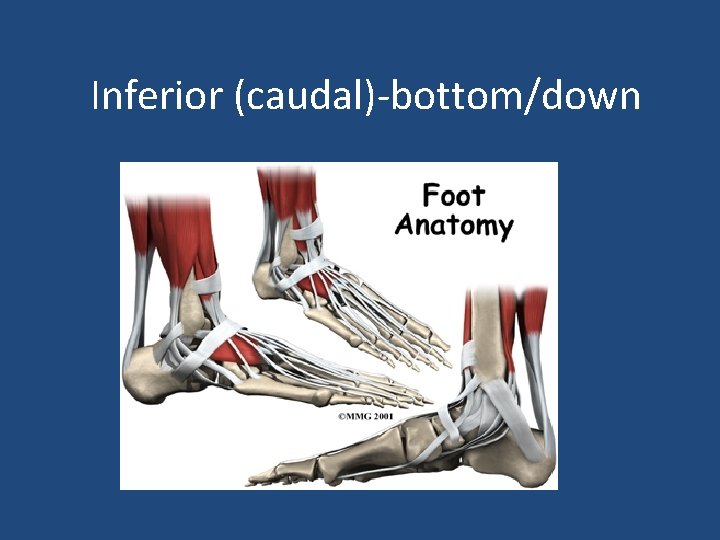
Inferior (caudal)-bottom/down
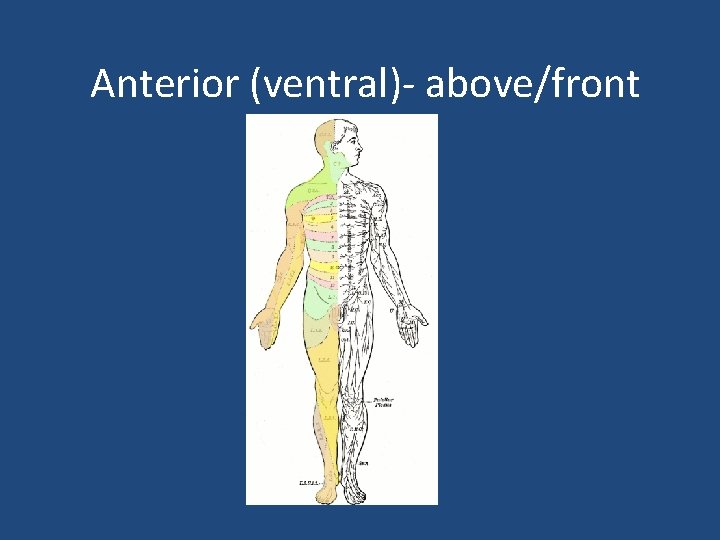
Anterior (ventral)- above/front
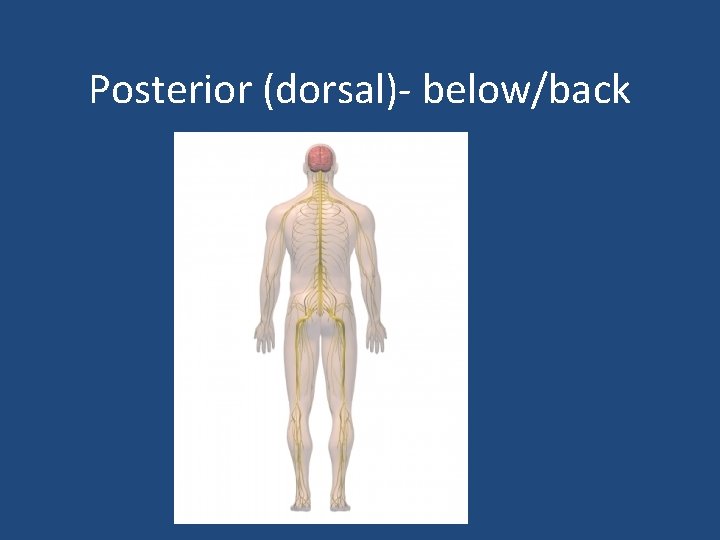
Posterior (dorsal)- below/back
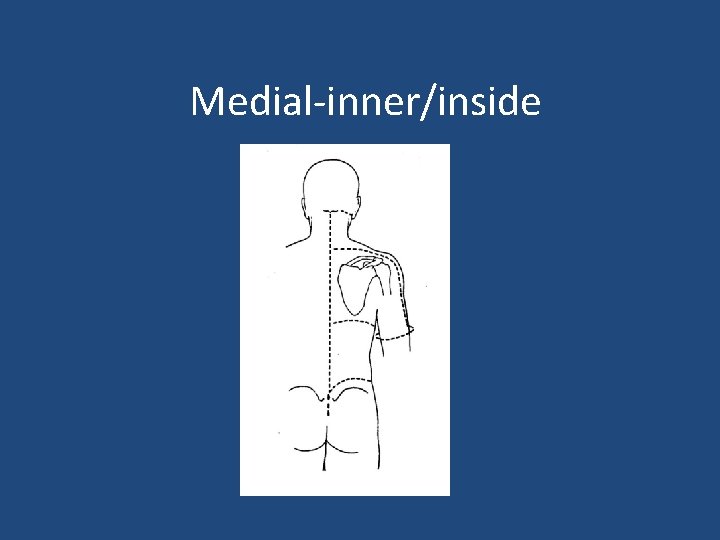
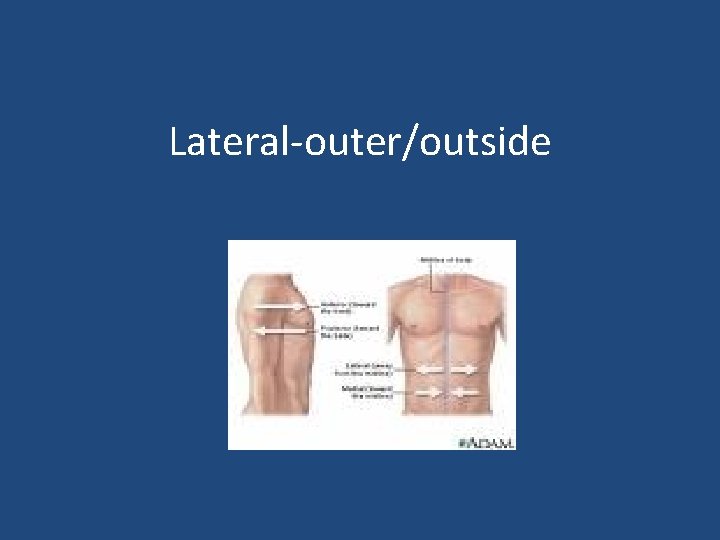
Medial-inner/inside
Lateral-outer/outside
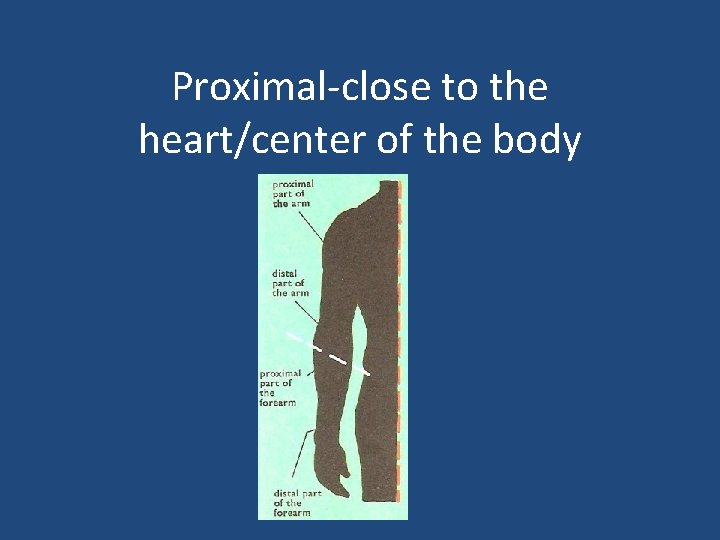
Proximal-close to the heart/center of the body
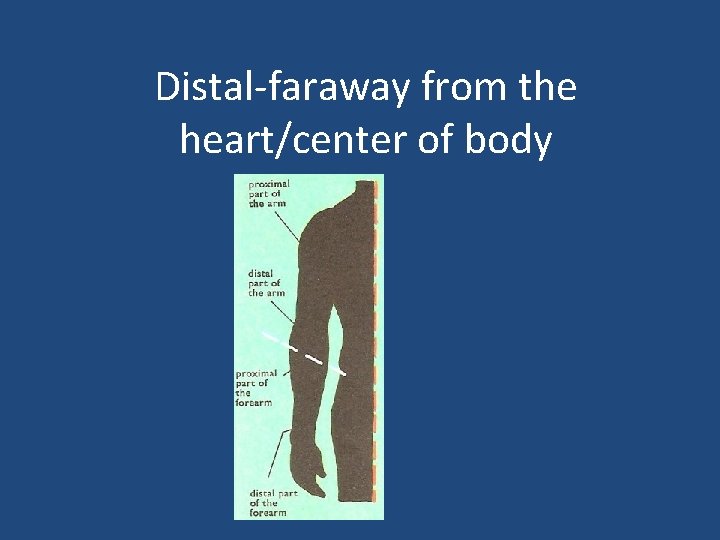
Distal-faraway from the heart/center of body
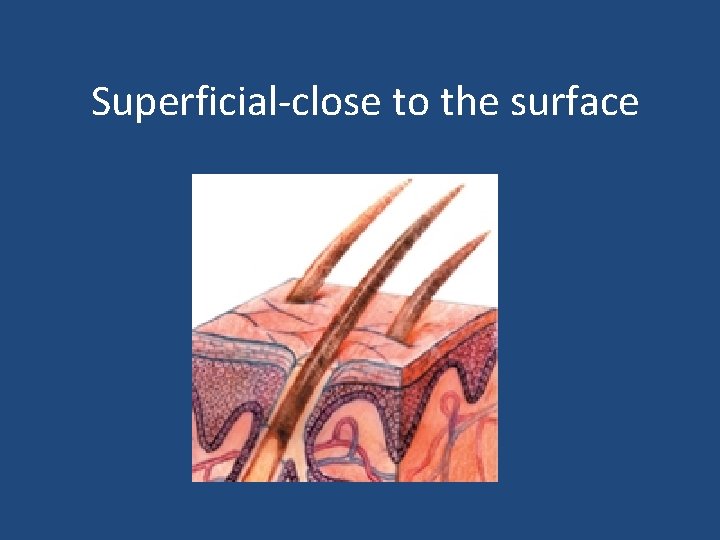
Superficial-close to the surface
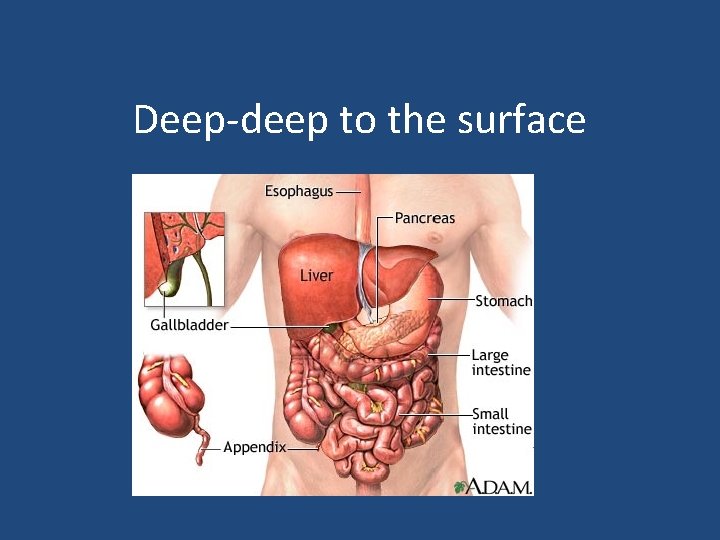
Deep-deep to the surface
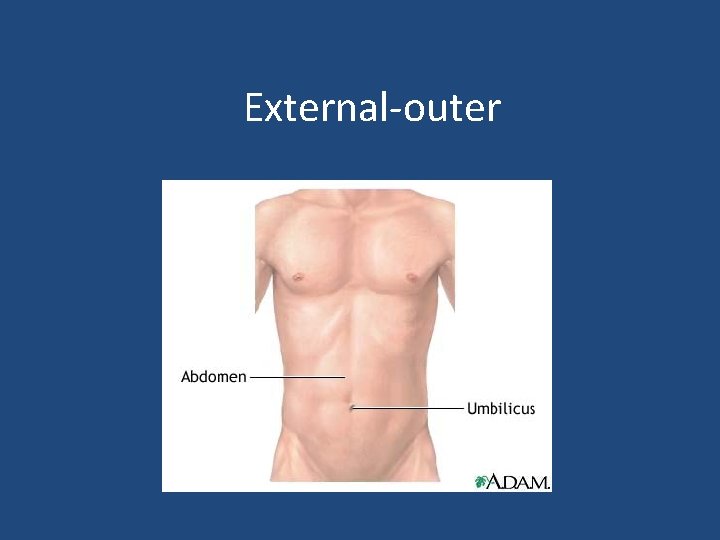
External-outer
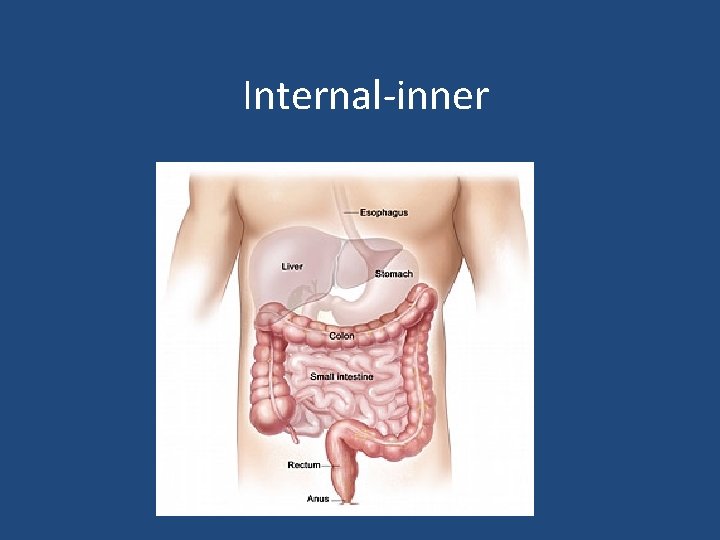
Internal-inner
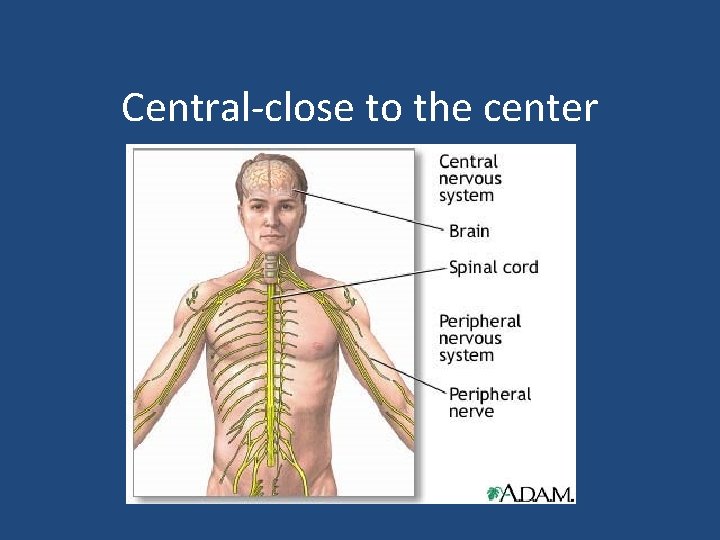
Central-close to the center
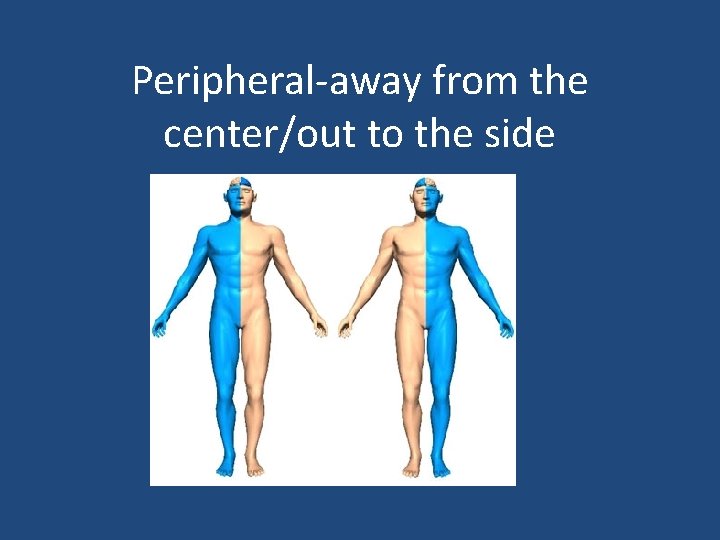
Peripheral-away from the center/out to the side
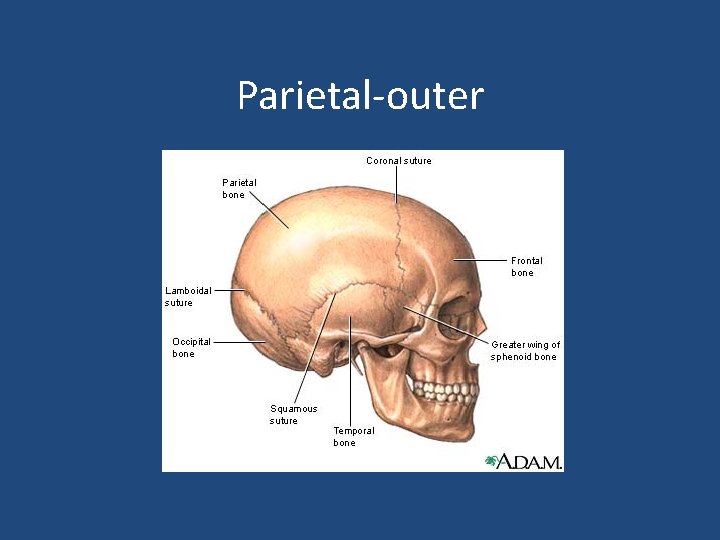
Parietal-outer
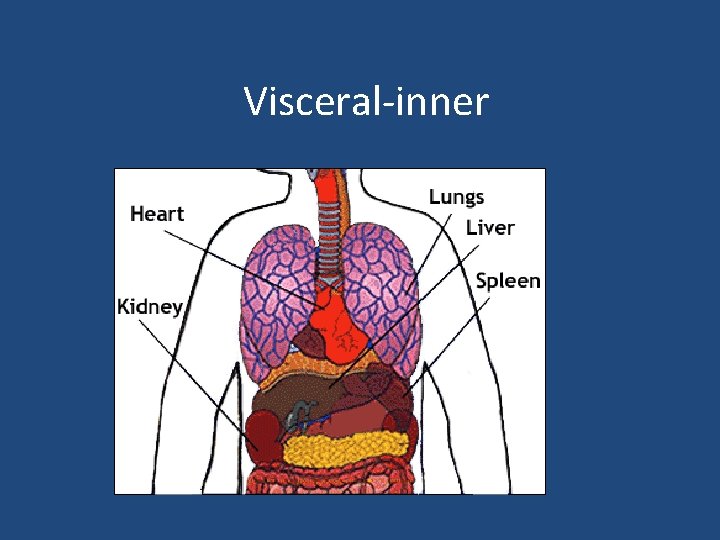
Visceral-inner
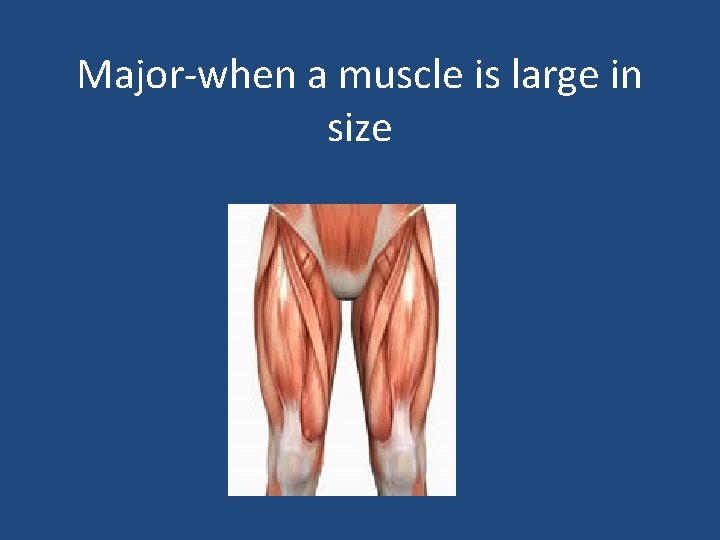
Major-when a muscle is large in size
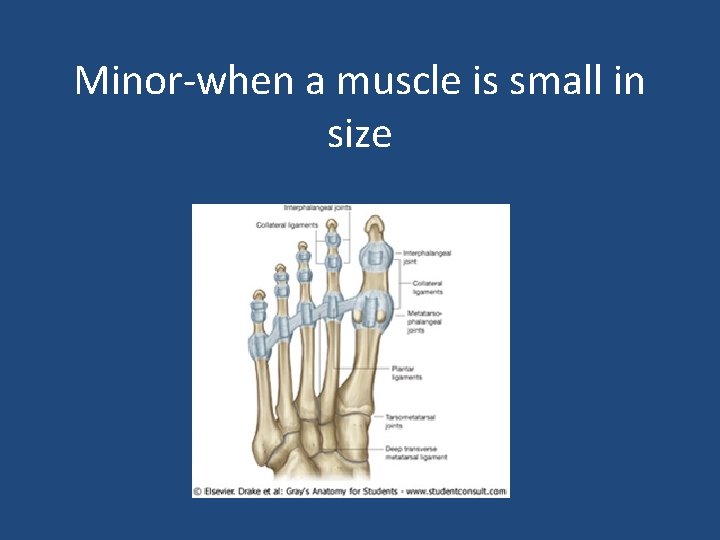
Minor-when a muscle is small in size
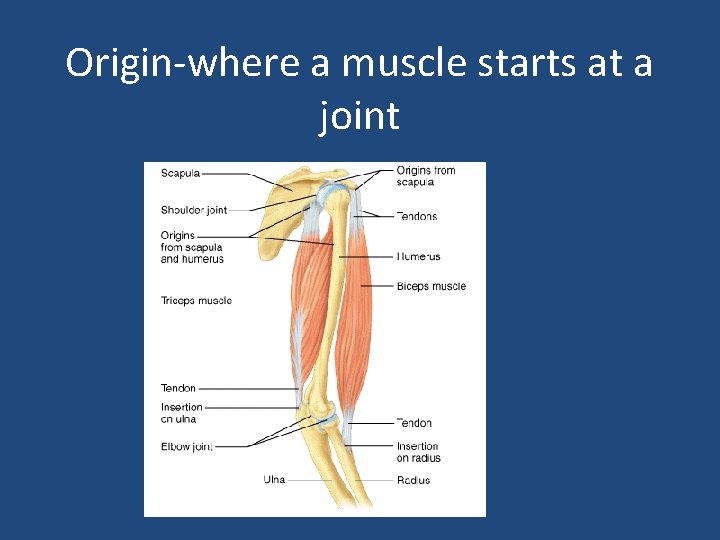
Origin-where a muscle starts at a joint
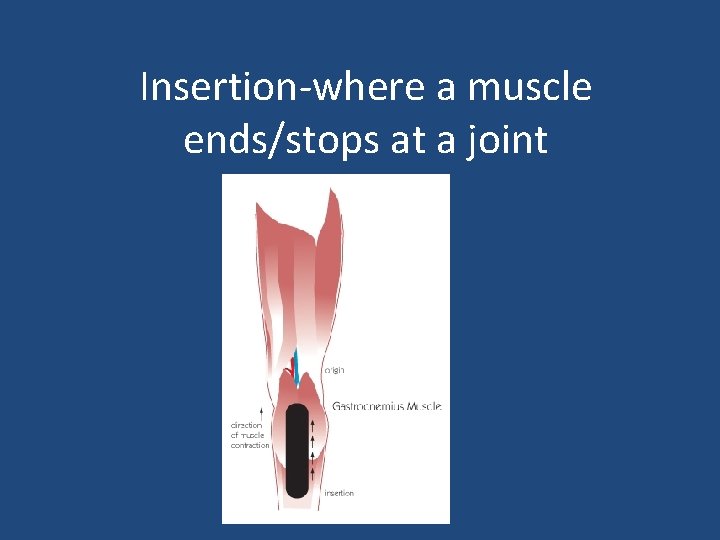
Insertion-where a muscle ends/stops at a joint
Action-what movement a muscle does Flexion Extension Abduction Adduction Internal rotation External rotation
Basic Movement Patterns
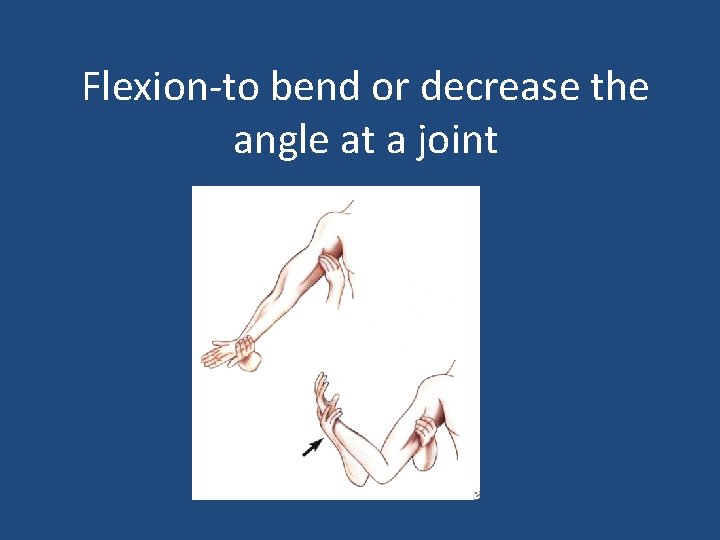
Flexion-to bend or decrease the angle at a joint
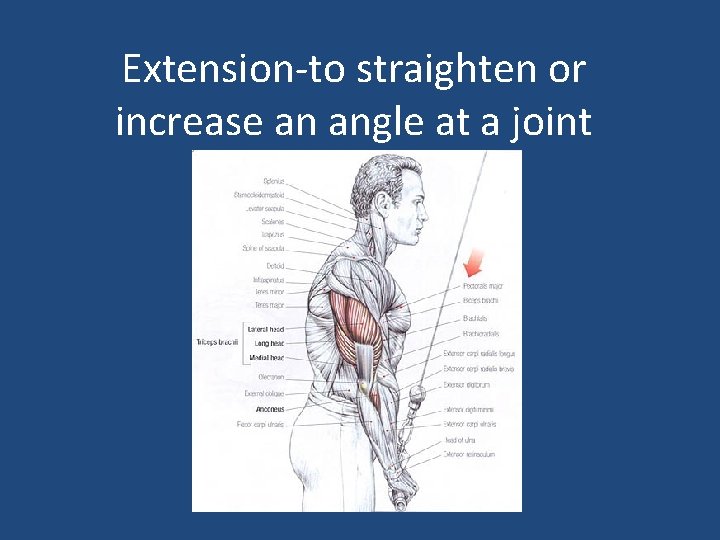
Extension-to straighten or increase an angle at a joint
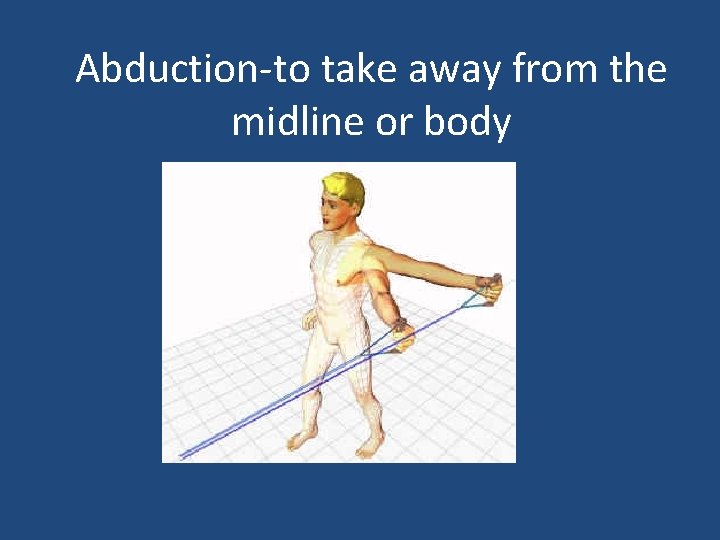
Abduction-to take away from the midline or body
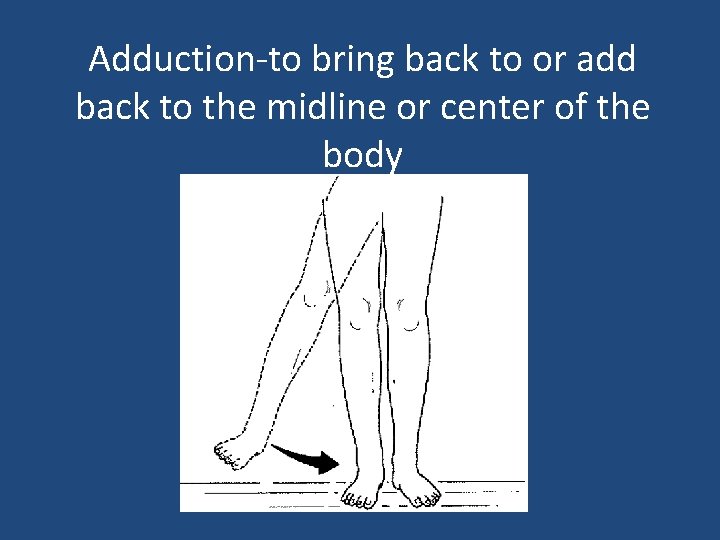
Adduction-to bring back to or add back to the midline or center of the body
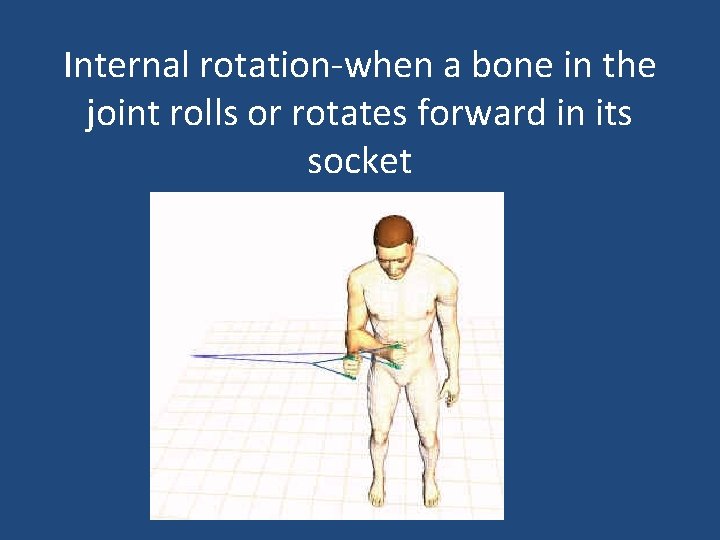
Internal rotation-when a bone in the joint rolls or rotates forward in its socket
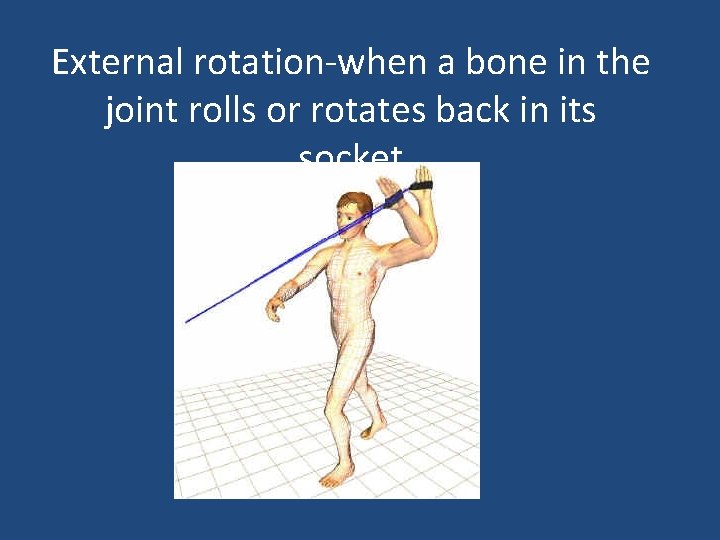
External rotation-when a bone in the joint rolls or rotates back in its socket
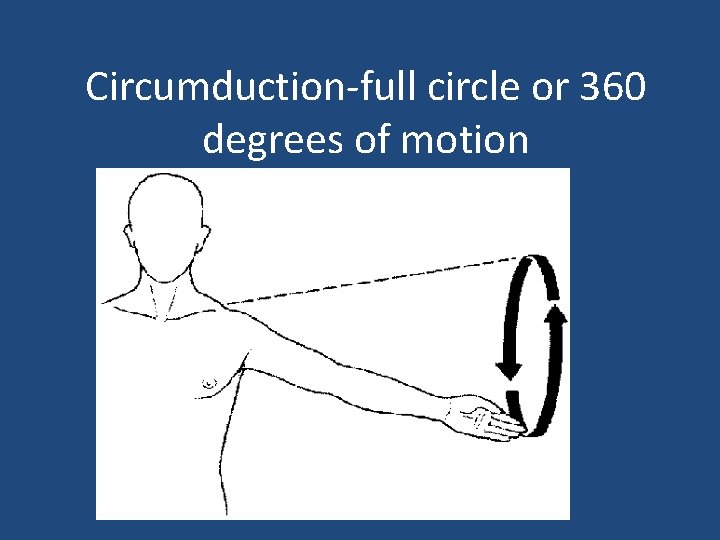
Circumduction-full circle or 360 degrees of motion
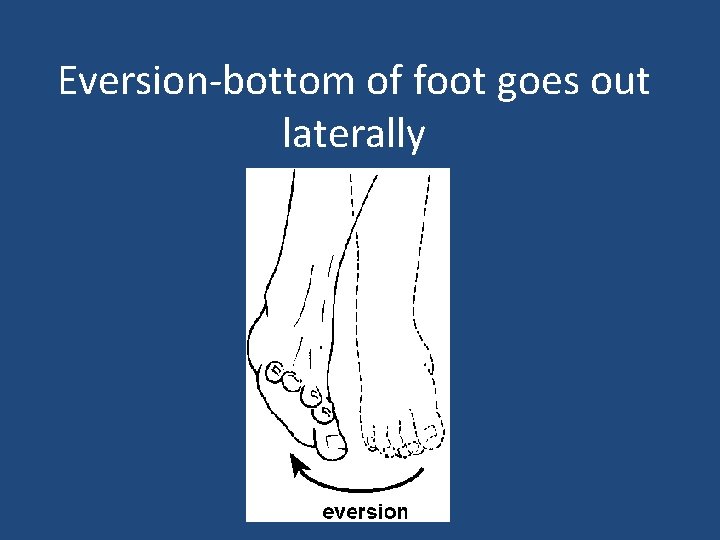
Eversion-bottom of foot goes out laterally
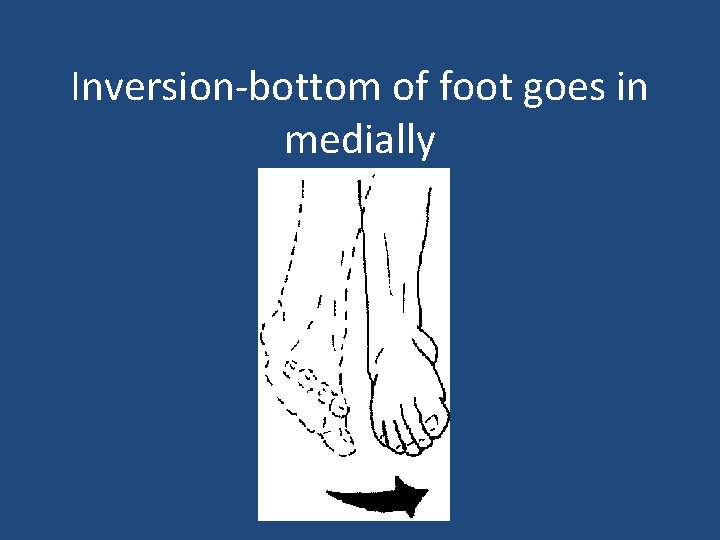
Inversion-bottom of foot goes in medially
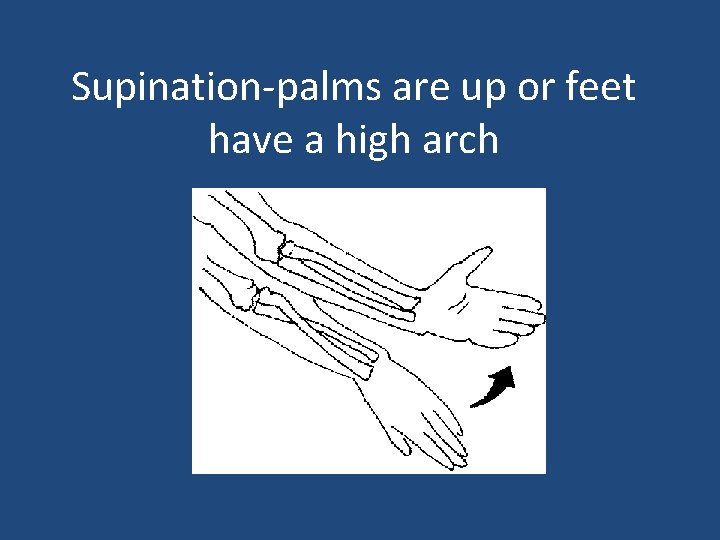
Supination-palms are up or feet have a high arch
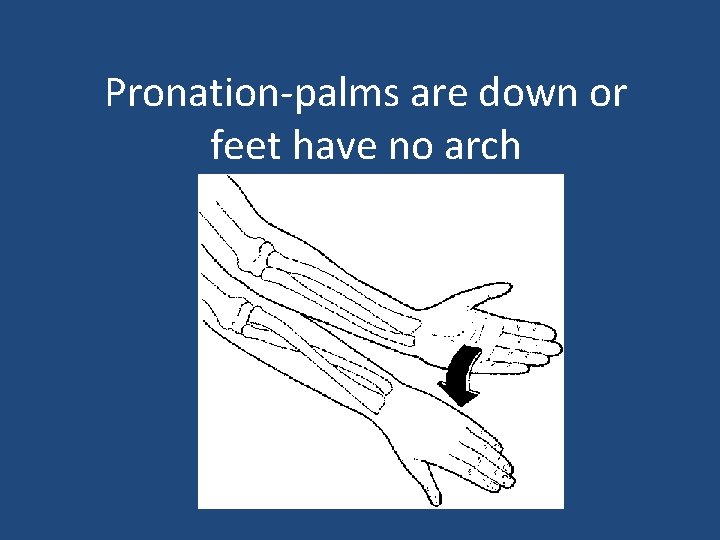
Pronation-palms are down or feet have no arch
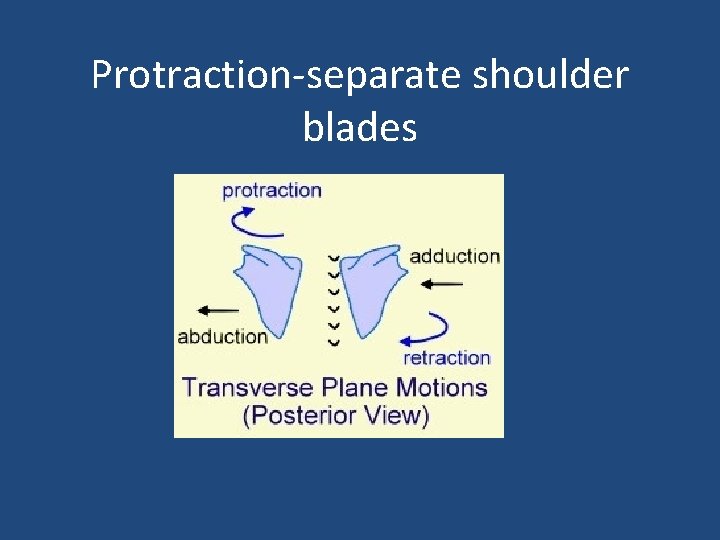
Protraction-separate shoulder blades
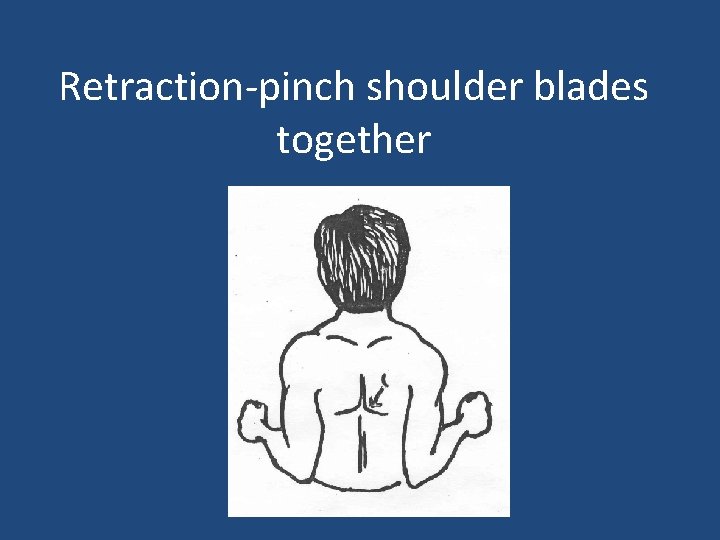
Retraction-pinch shoulder blades together
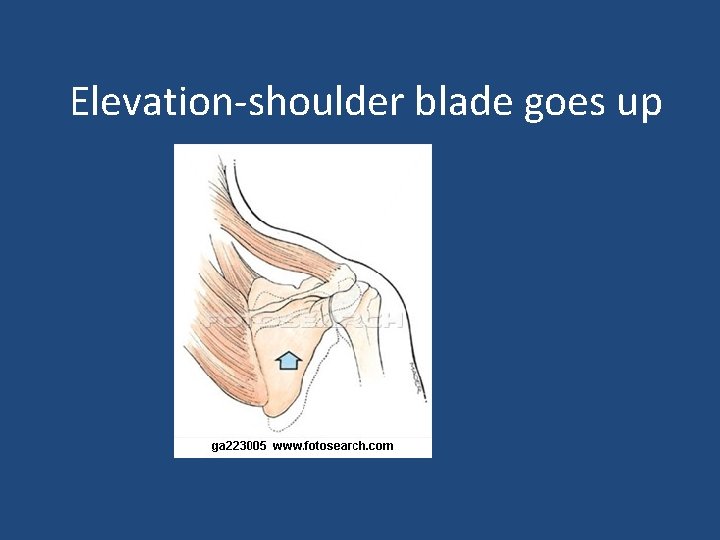
Elevation-shoulder blade goes up
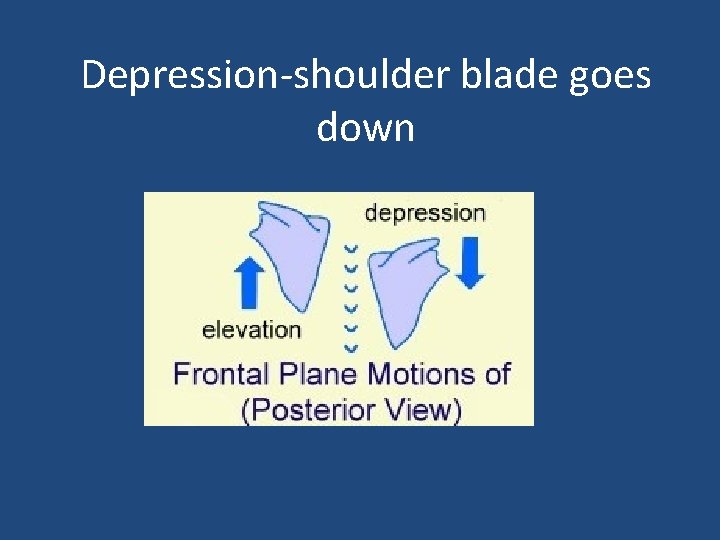
Depression-shoulder blade goes down
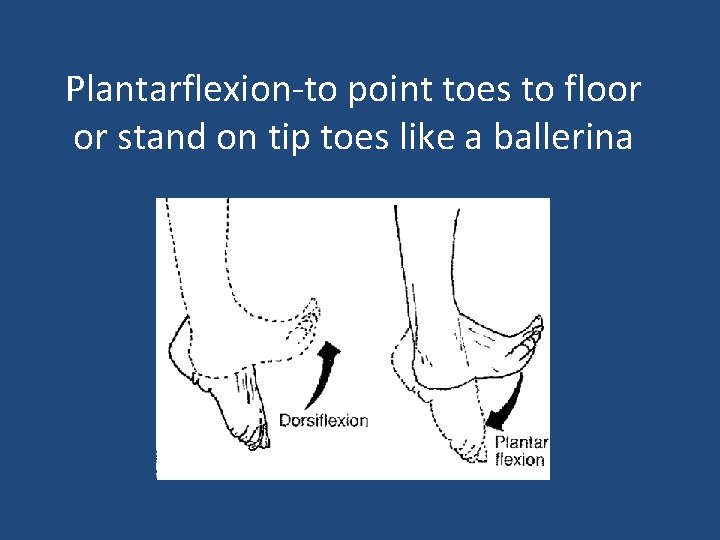
Plantarflexion-to point toes to floor or stand on tip toes like a ballerina
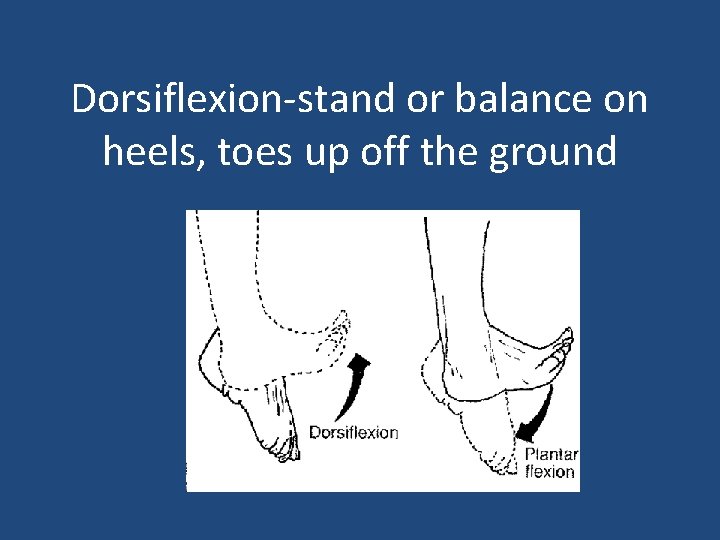
Dorsiflexion-stand or balance on heels, toes up off the ground
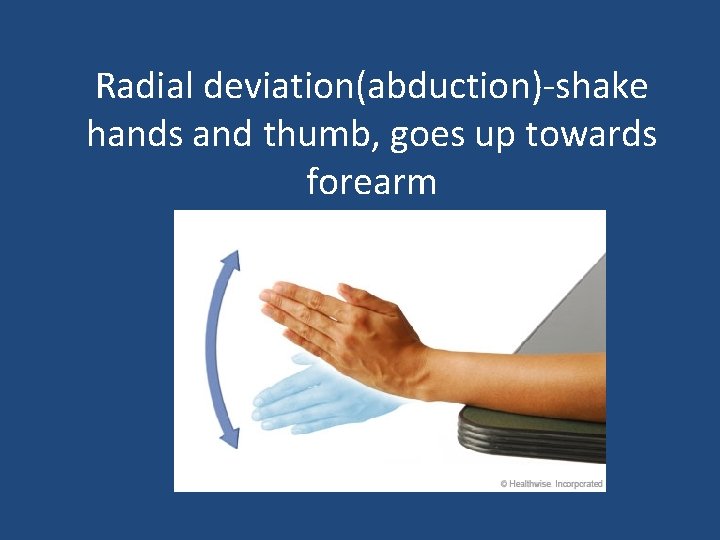
Radial deviation(abduction)-shake hands and thumb, goes up towards forearm
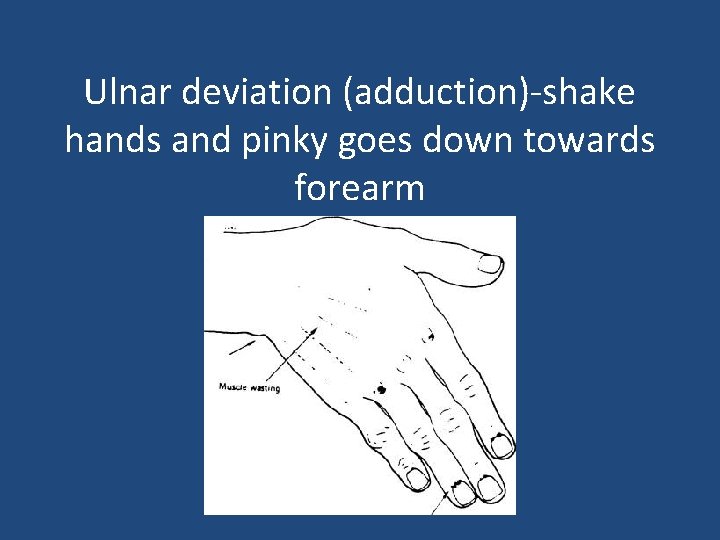
Ulnar deviation (adduction)-shake hands and pinky goes down towards forearm
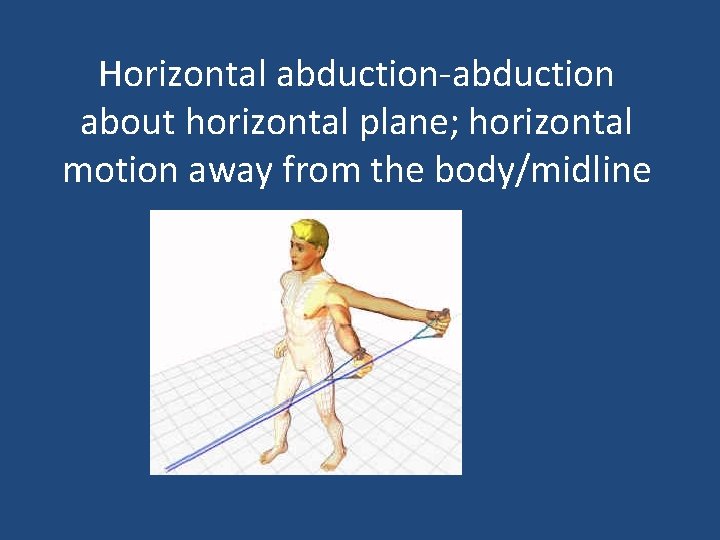
Horizontal abduction-abduction about horizontal plane; horizontal motion away from the body/midline
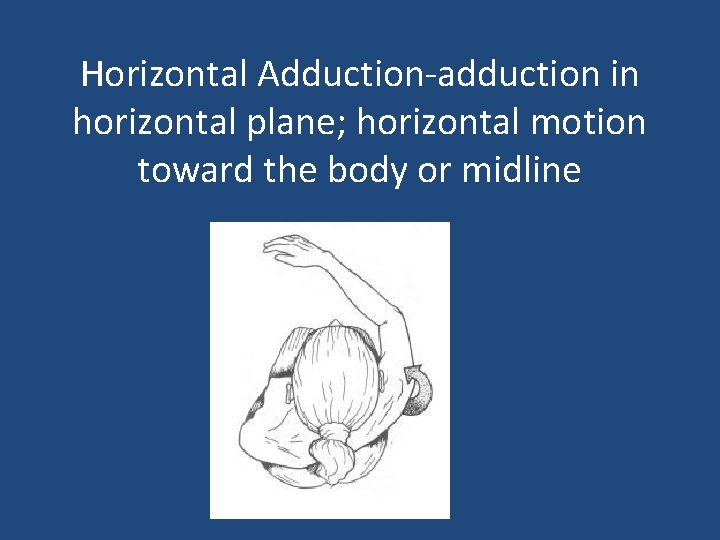
Horizontal Adduction-adduction in horizontal plane; horizontal motion toward the body or midline
Bone marking and landmarks
Elevation • Tubercle (small, raised, rounded) • Trochanter (large, blunt, rounded) • Tuberosity (large, rounded) • Malleolus (hammerhead-like) • Crest (large, linear) • Spine (sharp)
Depressions • Fossa (circumscribed-large or small) • Sulcus (trough like)
Anatomical Structures
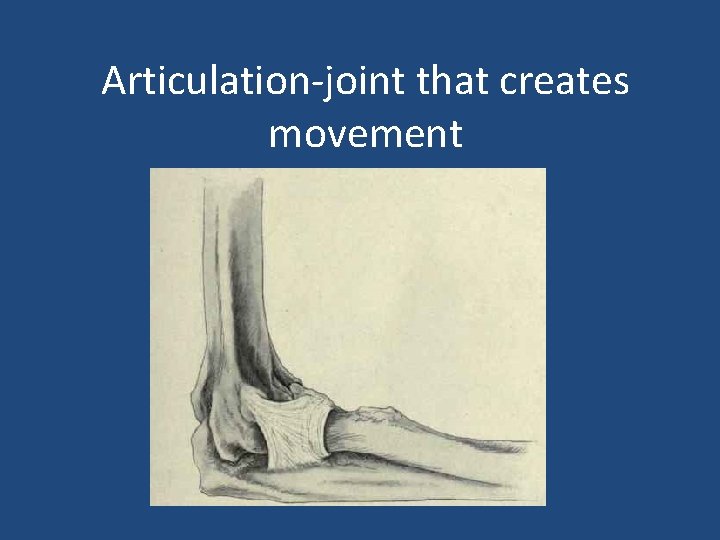
Articulation-joint that creates movement
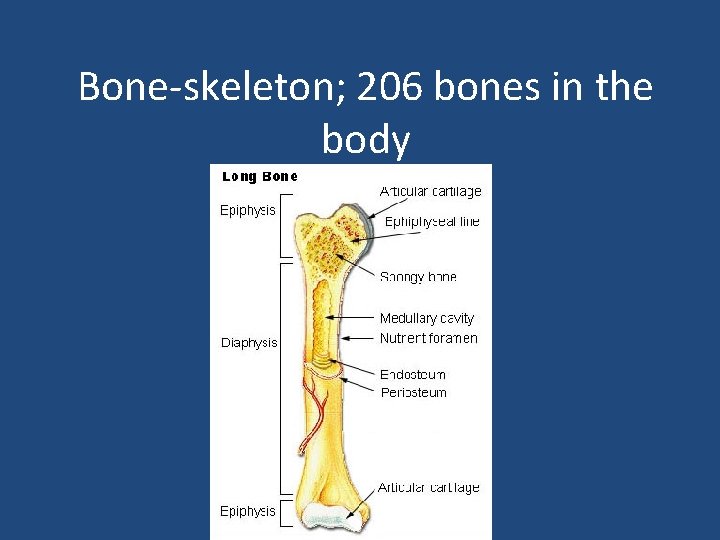
Bone-skeleton; 206 bones in the body
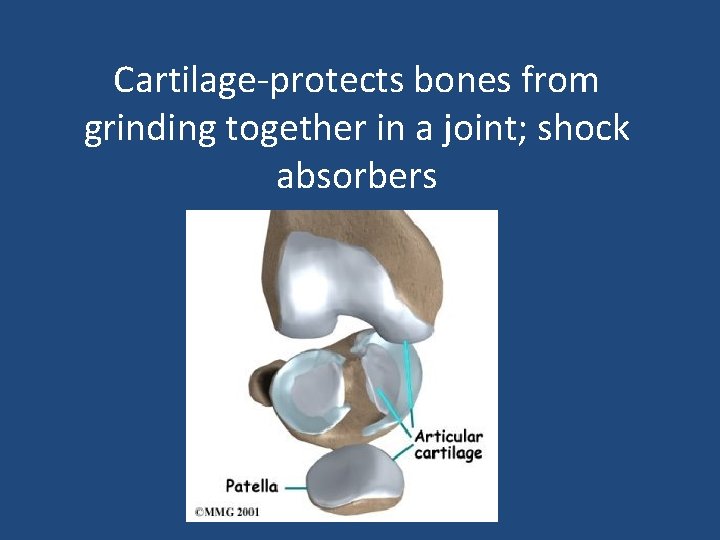
Cartilage-protects bones from grinding together in a joint; shock absorbers
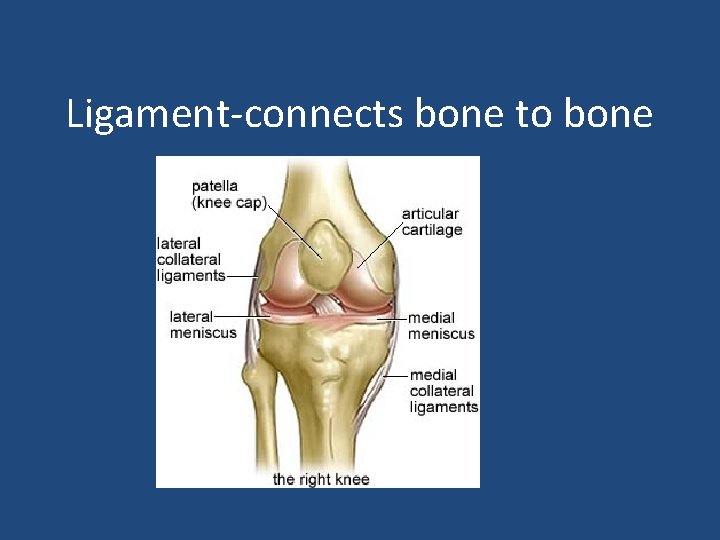
Ligament-connects bone to bone
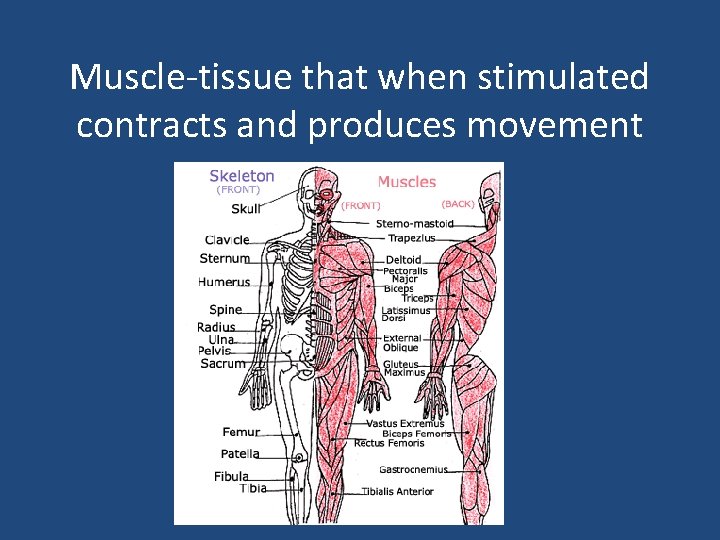
Muscle-tissue that when stimulated contracts and produces movement
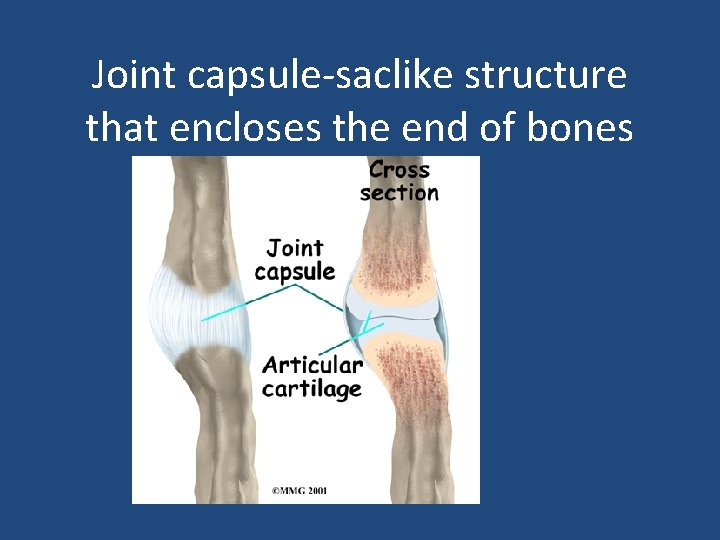
Joint capsule-saclike structure that encloses the end of bones
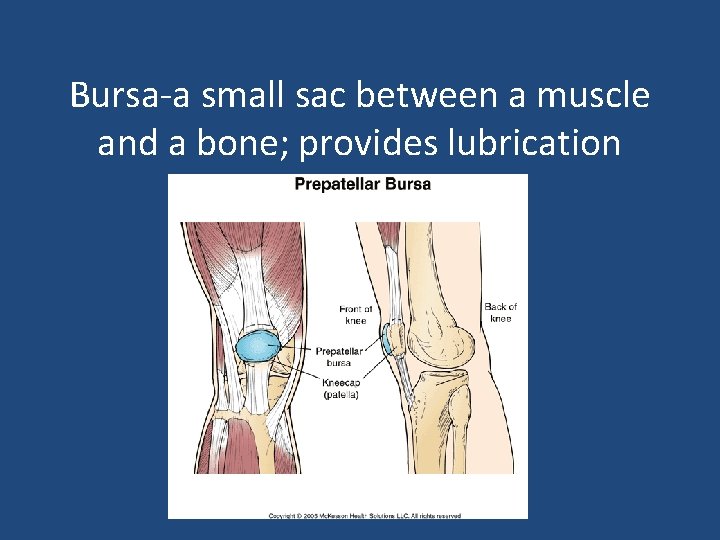
Bursa-a small sac between a muscle and a bone; provides lubrication
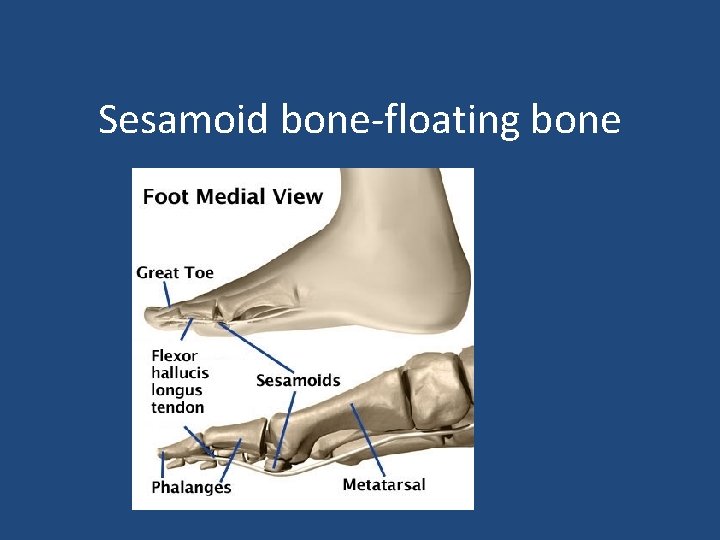
Sesamoid bone-floating bone
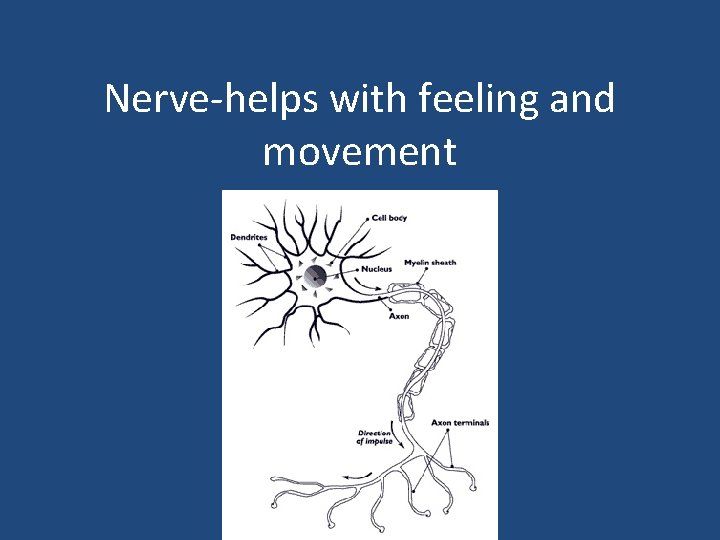
Nerve-helps with feeling and movement
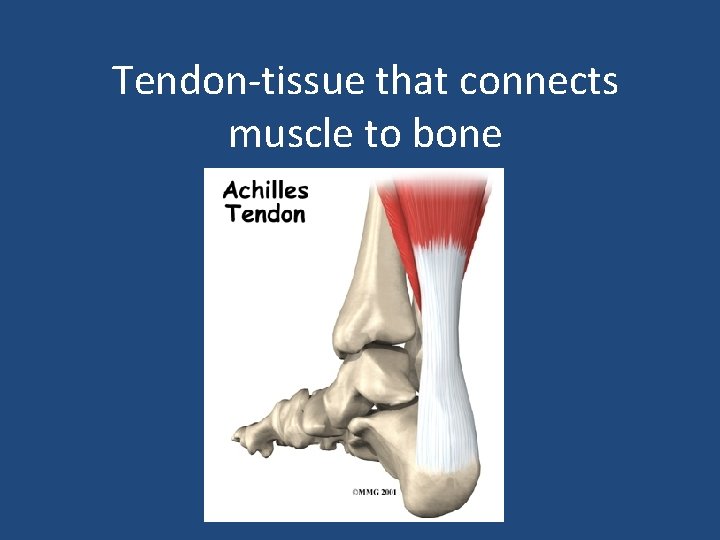
Tendon-tissue that connects muscle to bone