
Mediation Strategies for Handling Difficult Conversations This Photo
- Slides: 11
Mediation & Strategies for Handling Difficult Conversations This Photo by Unknown Author is licensed under CC BY Sherri Goren Slovin, J. D. sgslovin@slovinlaw. com Beyond. Civility. org
THE CORE OF MEDIATION Mediation is a PROCESS wherein the parties meet with a mutually selected IMPARTIAL and NEUTRAL person who assists them in the NEGOTIATION of their differences.
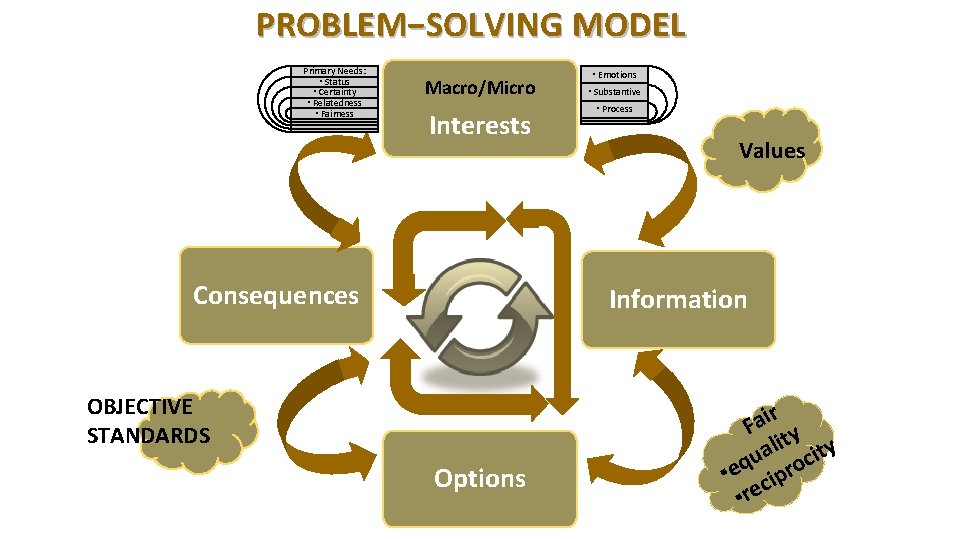
PROBLEM−SOLVING MODEL Primary Needs: ◦ Status ◦ Certainty ◦ Relatedness ◦ Fairness Macro/Micro Interests Consequences ◦ Emotions ◦ Substantive ◦ Process Values Information OBJECTIVE STANDARDS Options r Fai ty li ity a u oc q e ▪ cipr ▪re
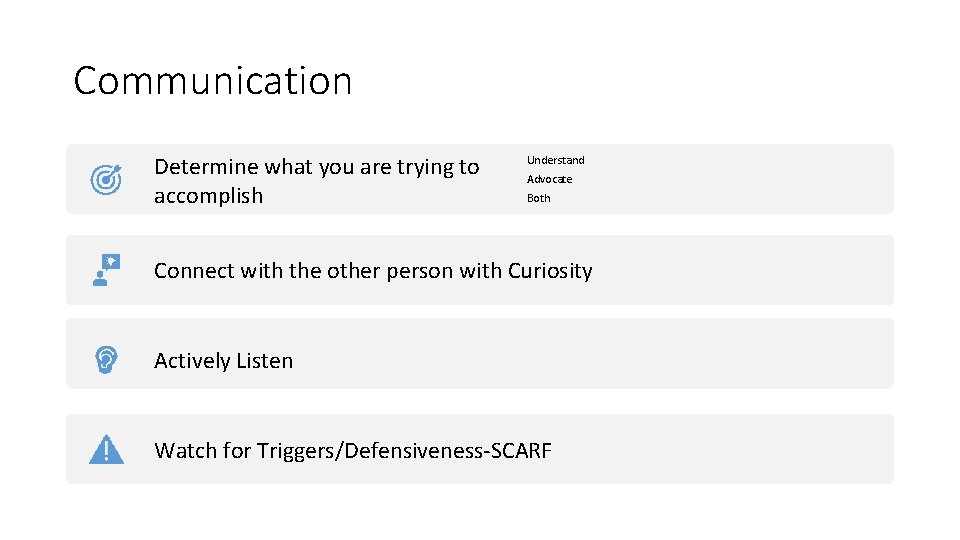
Communication Determine what you are trying to accomplish Understand Advocate Both Connect with the other person with Curiosity Actively Listen Watch for Triggers/Defensiveness-SCARF
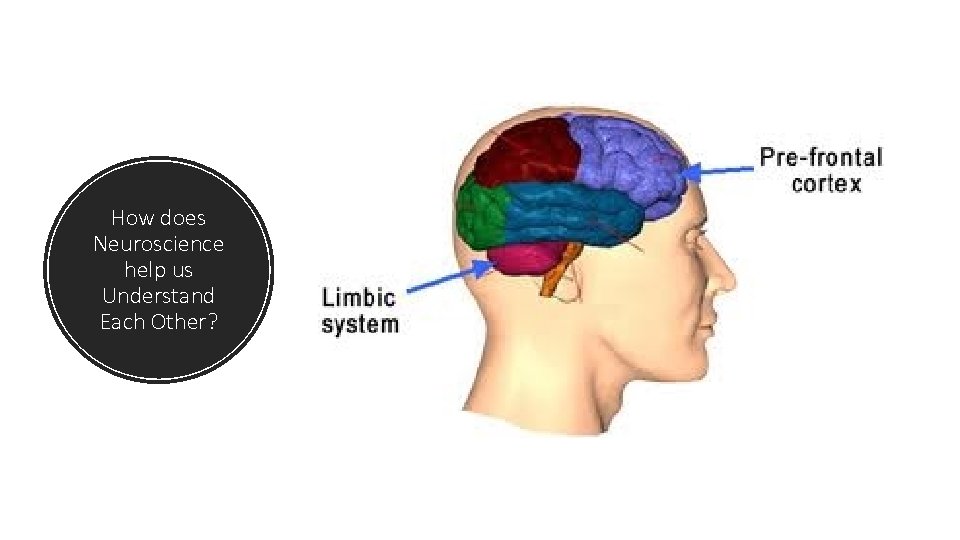
How does Neuroscience help us Understand Each Other?
THE POWER OF STORY • CHANGES YOUR BLOODSTREAM- OCYTOCIN AND CORTISOL • WORKS LIKE VIRTUAL REALITY- AREA OF BRAIN TRIGGERED AS THOUGH YOU ARE EXPERIENCING IT • CREATES IMAGINATION, ELABORATION AND RECALL- EMOTIONAL PROCESSING IS POWERFUL
SCARF A diagnostic tool tied to what we know about the brain • It’s about approach(reward/engage) and avoid (threat/defend) • Brains two systems: • Prefrontal cortex • Limbic- amygdala
Social Triggers that Generate both Avoid and Approach Status- Relative importance to others Certainty-Brain likes patterns Autonomy- Sense of Control over events Relatedness- A sense of safety with others Fairness- Perception of equitable exchanges, reciprocity
Active Listening • Listen for 3 levels of input • Speaker’s-Substance/Content-Factual information • Speaker’s Feeling (Empathetic meaning)- the speaker’s attitude, belief, value, feeling, emotion, need interest • Our Own Critical Response- Awareness of how we are filtering the message
Understanding Defensiveness In a threat state, we act defensively We are conditioned to defend: • Invasion of one’s space or territory is an act of aggression. • When our ideas are attacked, even by the slightest perception of hostile or unfriendly inquiry, our first natural reaction is to defend our ideas as valid and worthy. • How have others made you feel defensive/ How have you made others feel defensive?
WHEN YOU FEEL REALLY DEFENSIVE Recognize and Count to Three Be Curious/ Admit to feeling reactive. “I am feeling very reactive and I know until I calm down, whatever I say or do will make this conversation worse and I am not going to do that. ” Can we take a few steps back. “I want to understand what it is about this issue that makes you feel the way you do. There might be some place we agree. ” Go from Macro to humanize.