
Media Tools and Materials Drawing Media Pencil The
- Slides: 67
Media Tools and Materials
Drawing Media
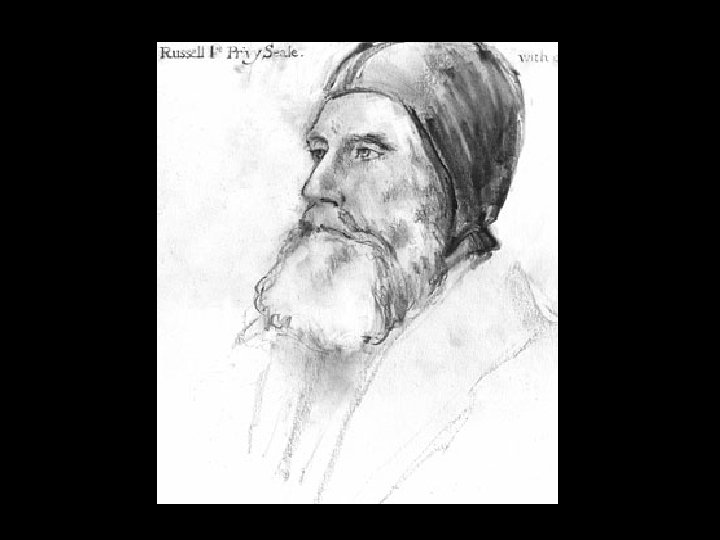
Pencil • The modern pencil, a mix of graphite and clay, was invented in 1795. • Can be used for quick sketches or detailed drawings.
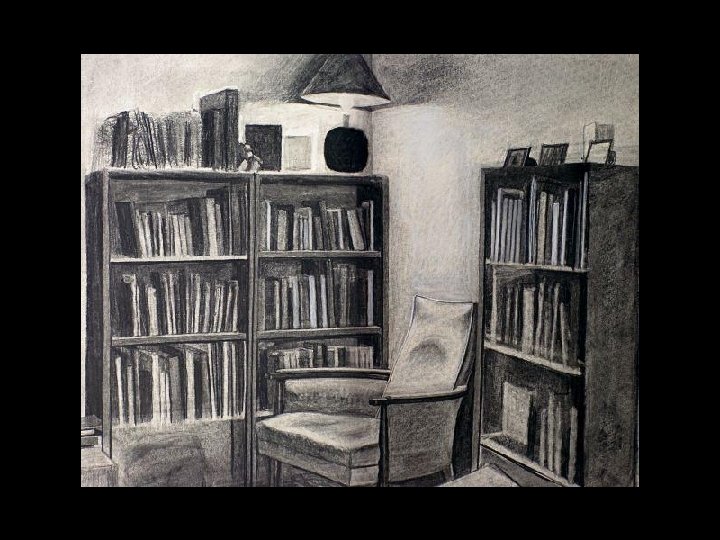
Charcoal • Made from burnt wood • Can be used in stick form or in pencil form • Smudges easily and is used primarily as a sketching material
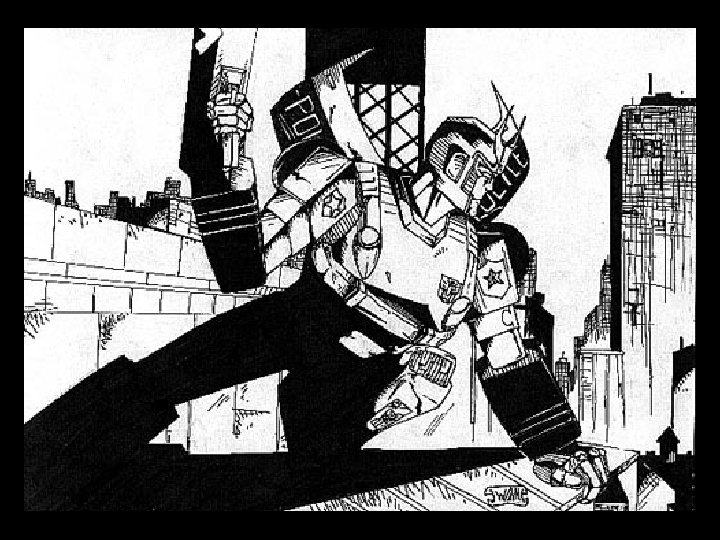
Ink • Applied with a pen or a brush • Can be diluted in water to make light grays, called washes.
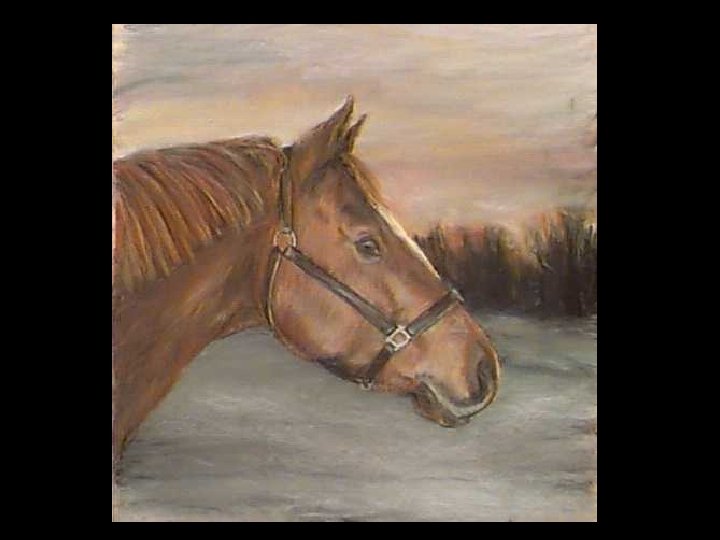
Pastel • Chalk pastels look like colored chalk. • Oil pastels resemble crayons. The finishes work often looks like a painting.
Painting Media
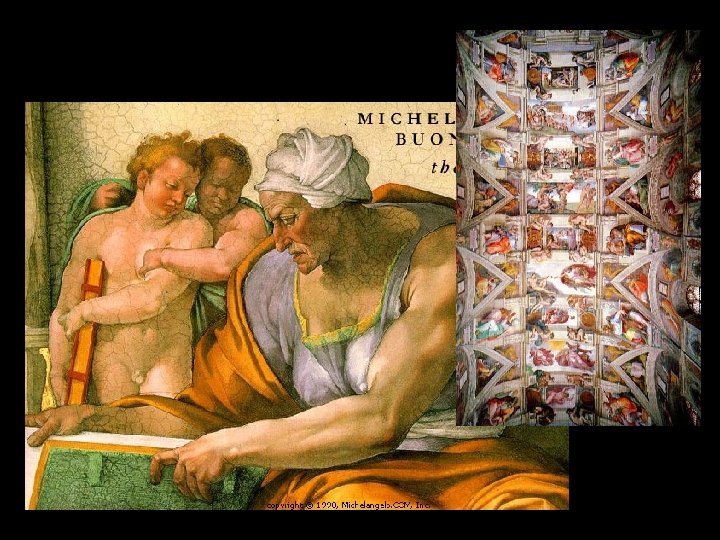
Fresco • The oldest painting media and the most difficult to master. • Pigment is applied to wet plaster to make the painting a permanent part of the wall or ceiling.
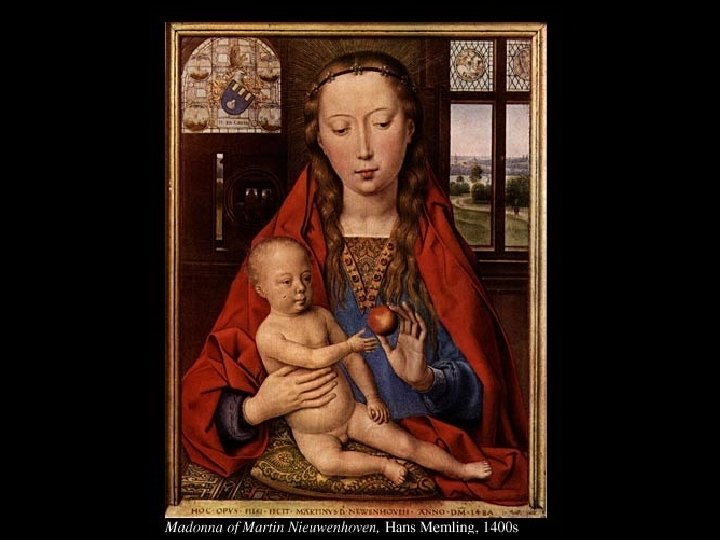
Tempera • The early forms of tempera had egg yolk as a binding agent, which also makes the paint dry very fast. • Paint used in schools today.
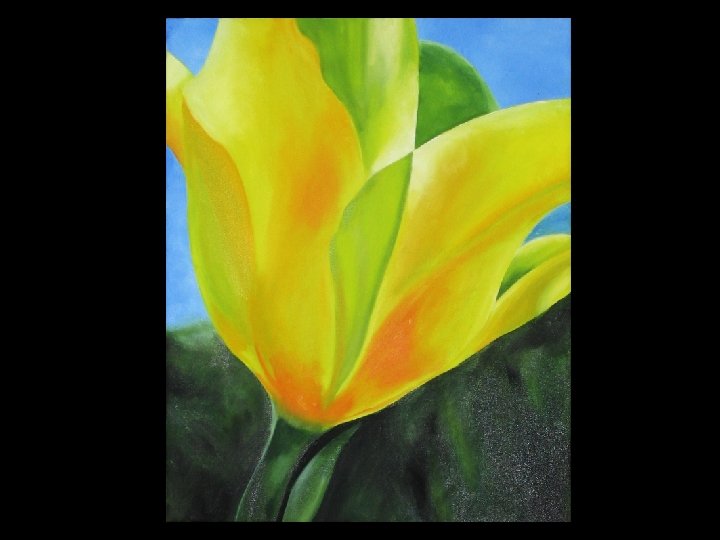
Oil • Dominate media in European art. • Pigments are bound with linseed or poppy oil. • Very slow drying time gives the artist more time to work.
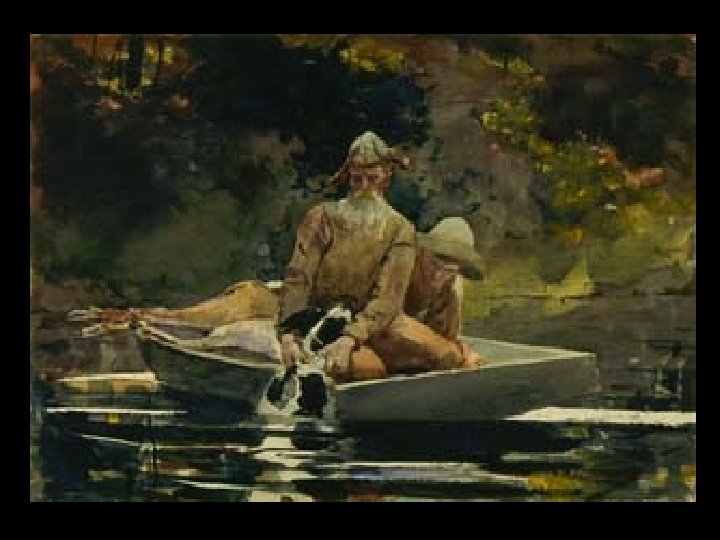
Watercolor • Was not considered a major painting medium until about 100 years ago. • Binding agent is gum arabic, a water-soluble adhesive.
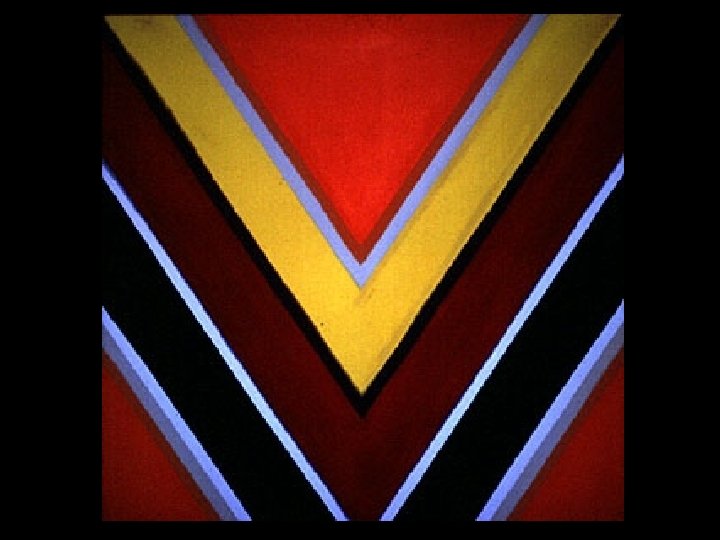
Acrylic • Uses a synthetic binder so that the paint can be applied to almost any surface. • Very versatile, easy to use, and easy to clean up.
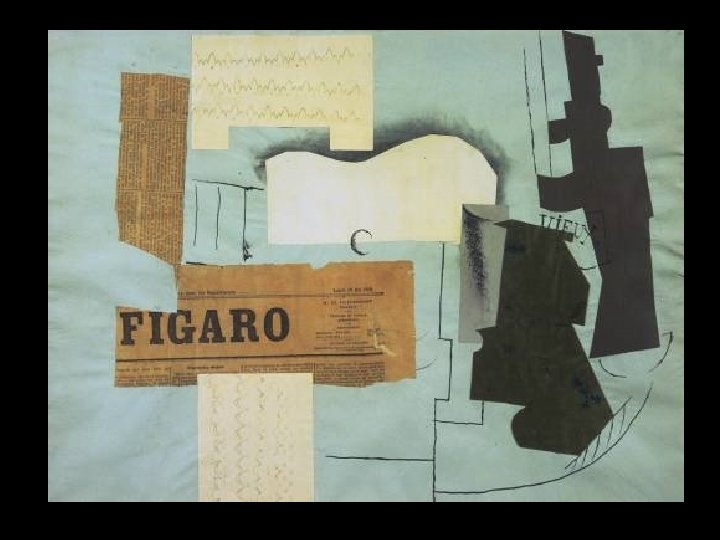
Collage • One of the latest media to be developed. • Started by Picasso and Braque in France in 1912. • Involves pasting papers or other materials to a ground.
Printmaking Media
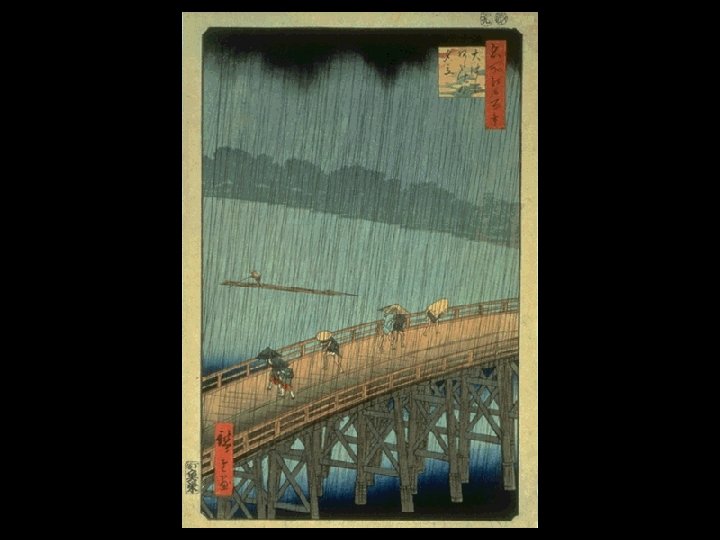
Woodcut • Called a relief print because the image on the plate sticks up from the surface. • The surface is printed to make a mirror image of the original design.
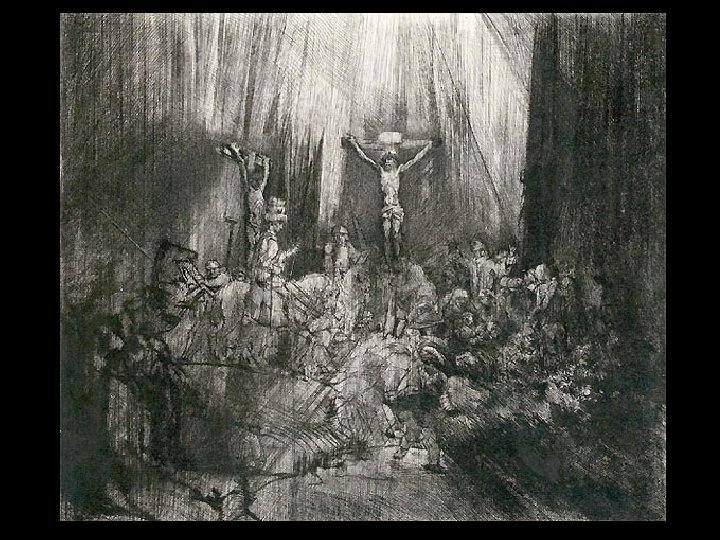
Intaglio • Made from the lines in a plate instead of raised surfaces. • Lines are made by etching (applying acid) or drypoint (scratching the surface).
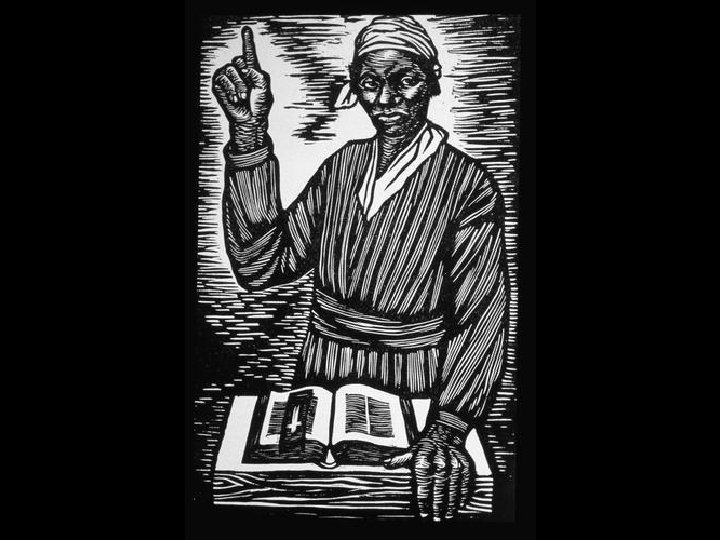
Linocut • Cuts are made into the surface of a linoleum block. • Produces an image similar to a wood cut because the ink is applied to the raised surface.
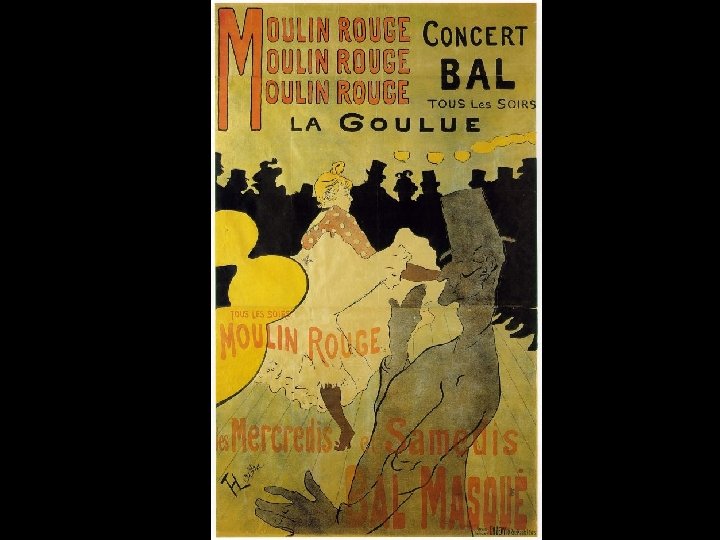
Lithograph • Very expensive and complicated process. • A design is drawn on a limestone with a greasy crayon, then covered with water and greasy ink. • Several stones are used to make prints with several colors.
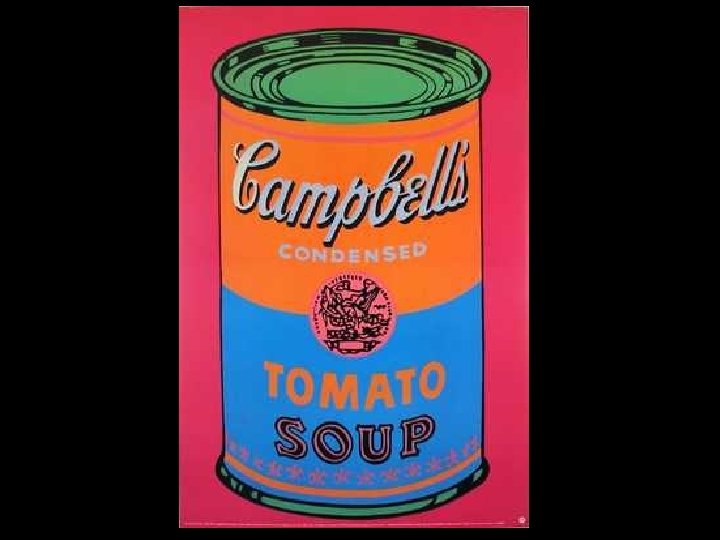
Serigraph • Also known as silkscreen printing. • A piece of silk is stretched over a frame and a stencil is laid on top. Colored ink is pressed through the stencil onto a paper underneath. • A separate stencil is used for each different color.
Sculpture Media
Sculptors work in a number of ways: • • By cutting away = subtractive By putting parts together = additive By forming with hands = modeling And by producing from a mold = casting
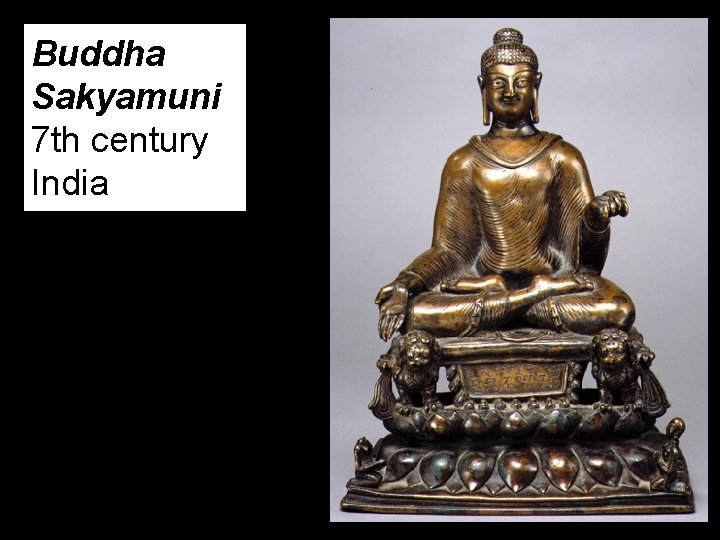
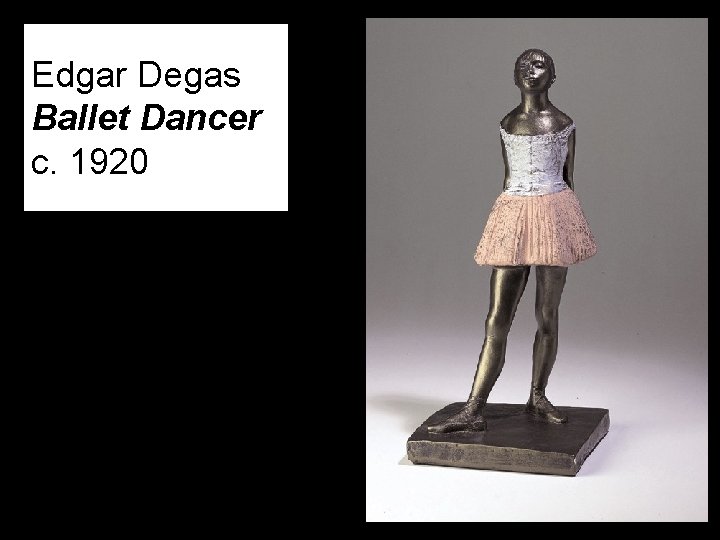
Bronze • Casting is a method of producing a 3 -D object by pouring a hardening liquid or molten metal into a mold bearing its impression. • Ancient Chinese, Greeks, and Egyptians were experts at casting metal.
Buddha Sakyamuni 7 th century India
Edgar Degas Ballet Dancer c. 1920
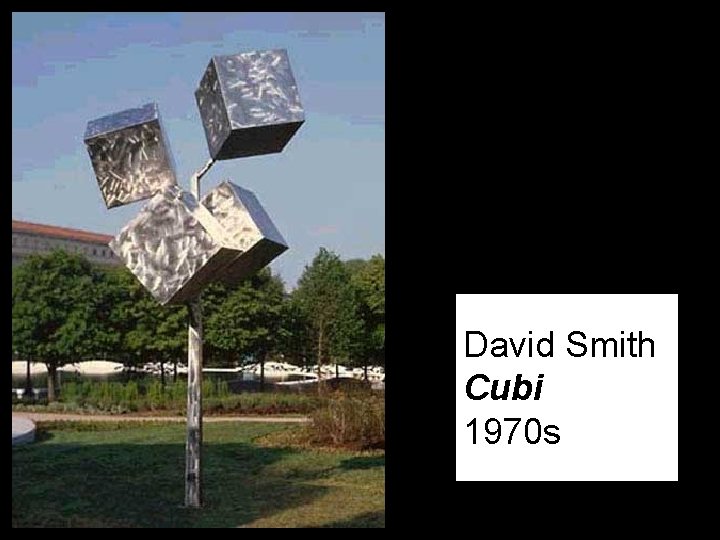
Steel • Sheet steel can be cut and welded into many different forms. • Example of additive sculpture. • Can be painted, polished , or allowed to rust.
David Smith Cubi 1970 s
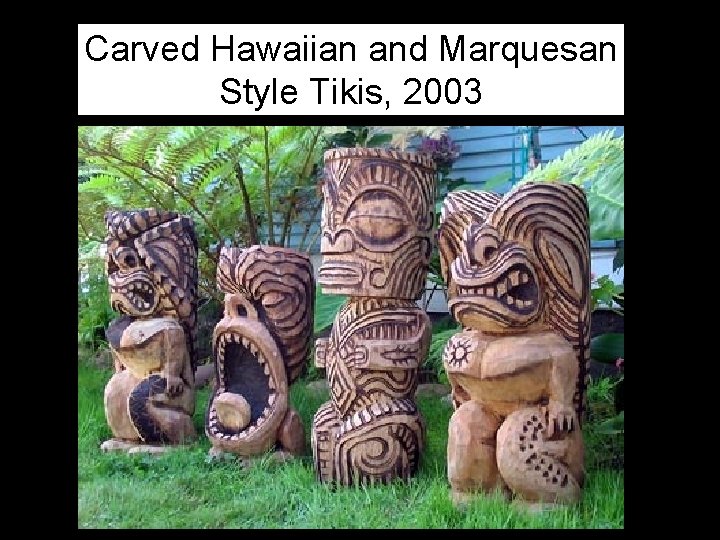
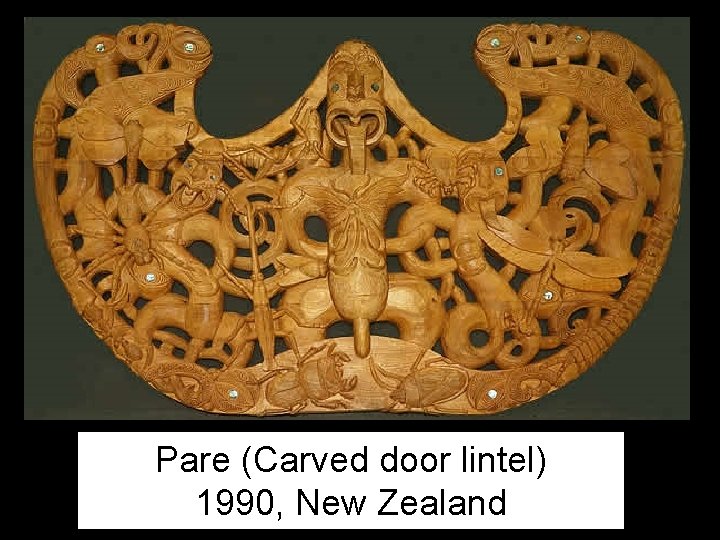
Wood • A very versatile sculpture material that can be carved, nailed, filed, drilled, sanded, and glued. • It is an abundant and low cost medium that have made it popular from ancient times to the present.
Carved Hawaiian and Marquesan Style Tikis, 2003
Pare (Carved door lintel) 1990, New Zealand
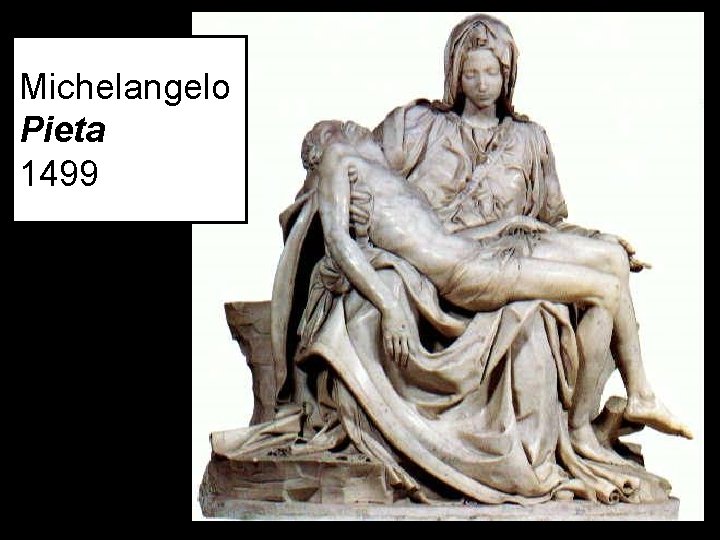
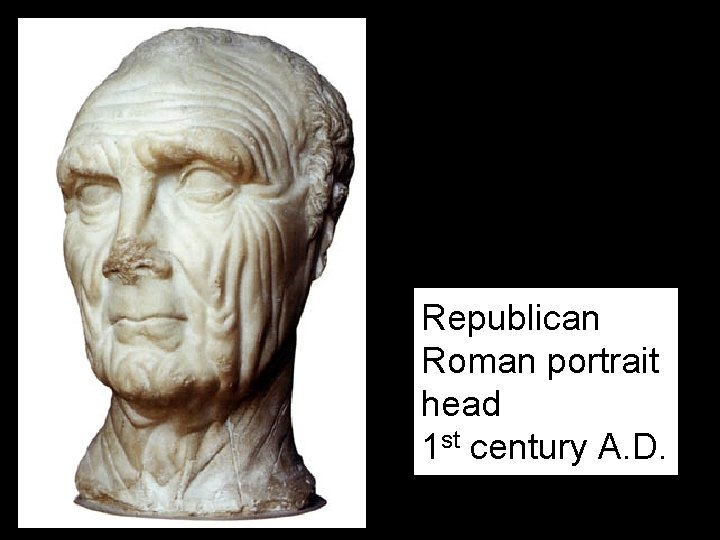
Marble • Can be polished to a glasslike finish or left rough and textured. • An example of subtractive sculpture. • Very popular medium in ancient Rome and during the Renaissance.
Michelangelo Pieta 1499
Republican Roman portrait head 1 st century A. D.
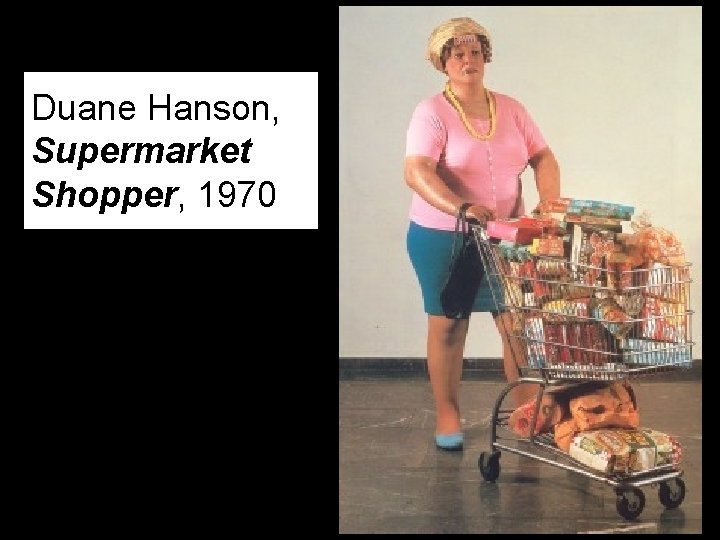
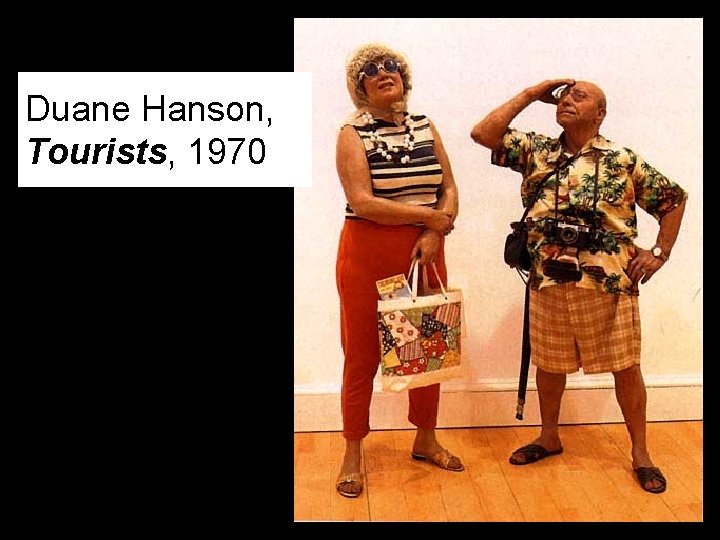
Plastic • One of many new materials artists have experimented with in the 20 th century. • Made from casting.
Duane Hanson, Supermarket Shopper, 1970
Duane Hanson, Tourists, 1970
Crafts
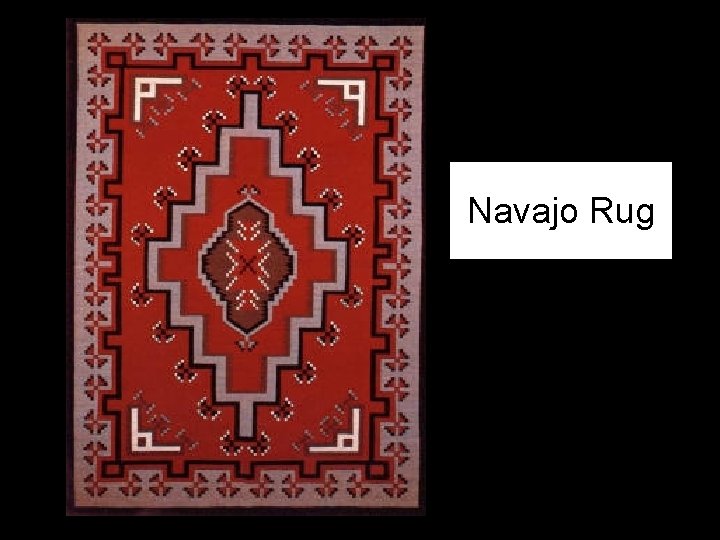
Fibers • Includes tapestries, carpets, stitchery, and fabrics. • Woven using looms. • Created in cultures all over the world as household objects.
Navajo Rug
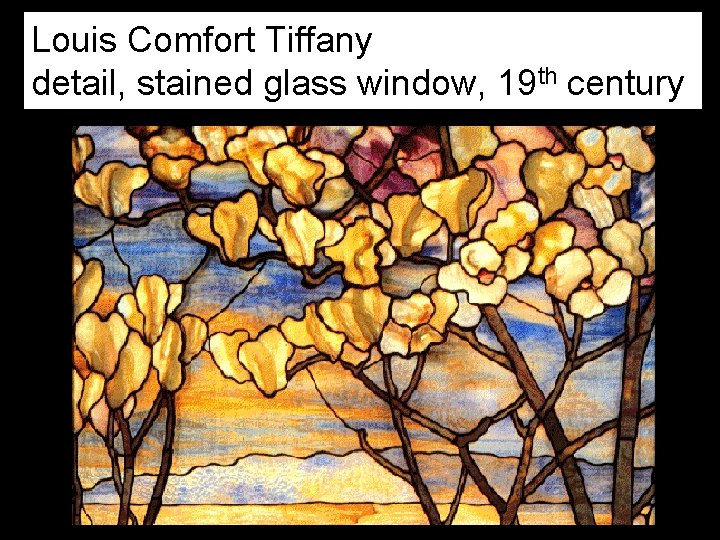
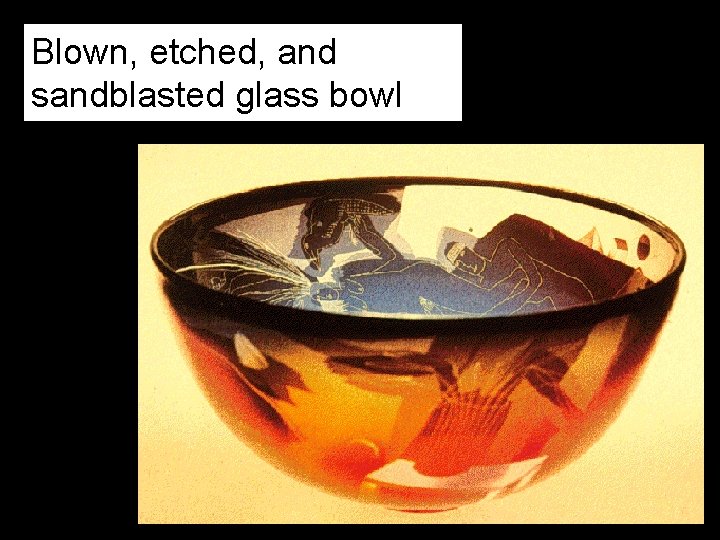
Glass • Glass may be clear, opaque, or colored, depending on the mixture and methods used. • Has both domestic and industrial applications. • Its beauty has inspired many craftsmen to create marvelous works of art.
Louis Comfort Tiffany detail, stained glass window, 19 th century
Blown, etched, and sandblasted glass bowl
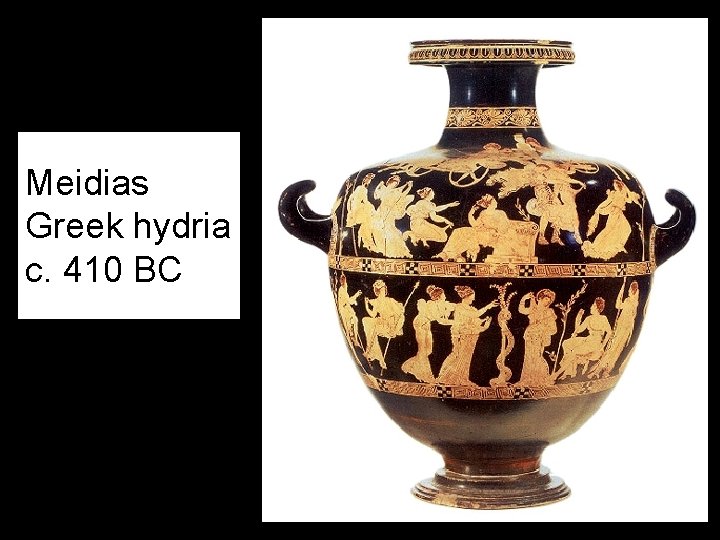
Clay • Clay vessels (also known as ceramics) can be formed by hand or on a potter’s wheel. • The earliest ceramics were flashfired in pits. Today they are heated in kilns.
Meidias Greek hydria c. 410 BC
Furniture • Furniture is also a common item, but craftspersons often sign their works just like a sculptor or painter would. • Can be simple as a Shaker chair or as elaborate as a throne.
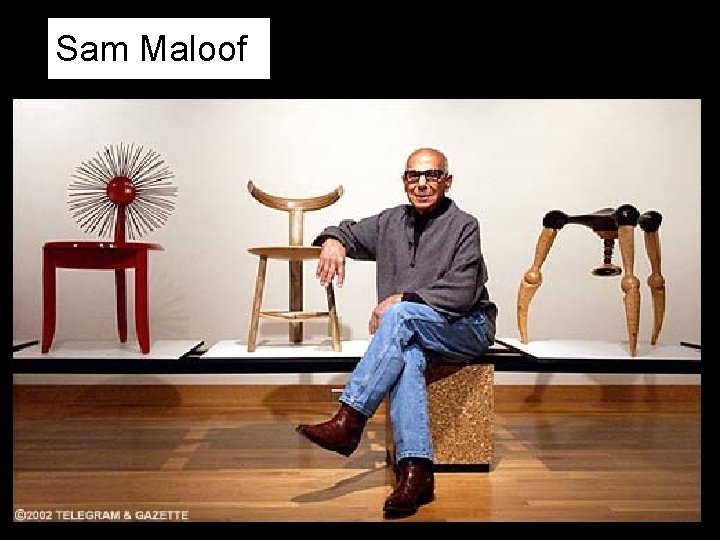
Sam Maloof
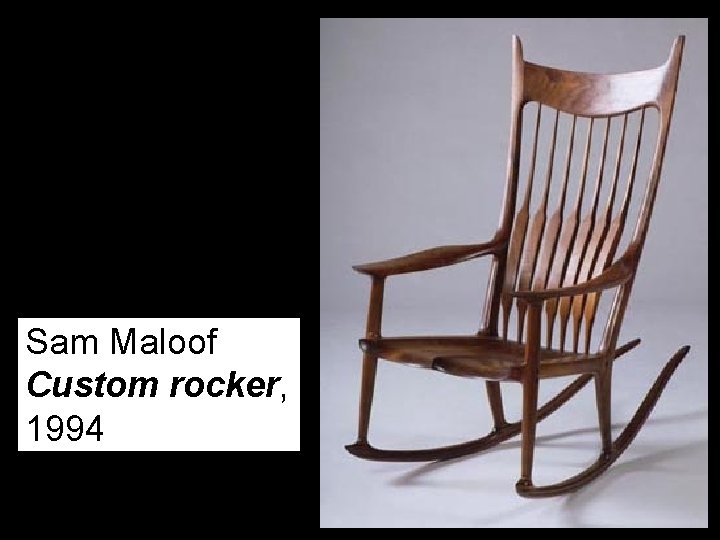
Sam Maloof Custom rocker, 1994
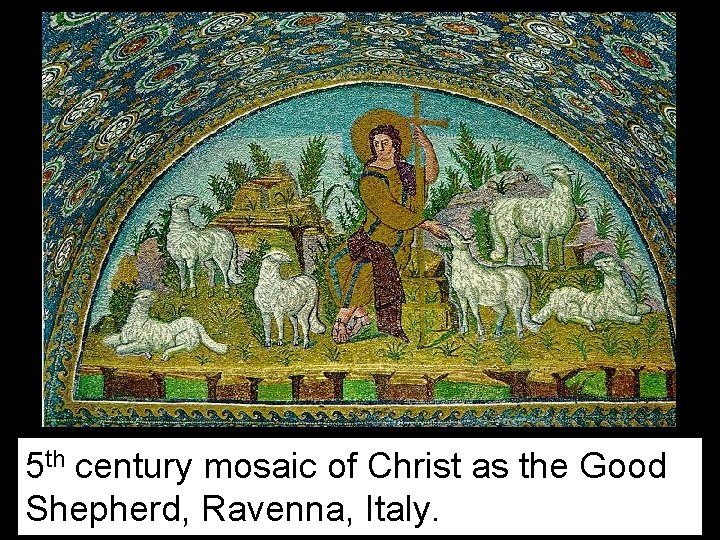
Mosaics • Mosaics can be made form glass, marble, ceramic tile, wood, or even seeds and paper. • Early Christian churches were lined with mosaics made of colored glass and pieces of gold.
5 th century mosaic of Christ as the Good Shepherd, Ravenna, Italy.
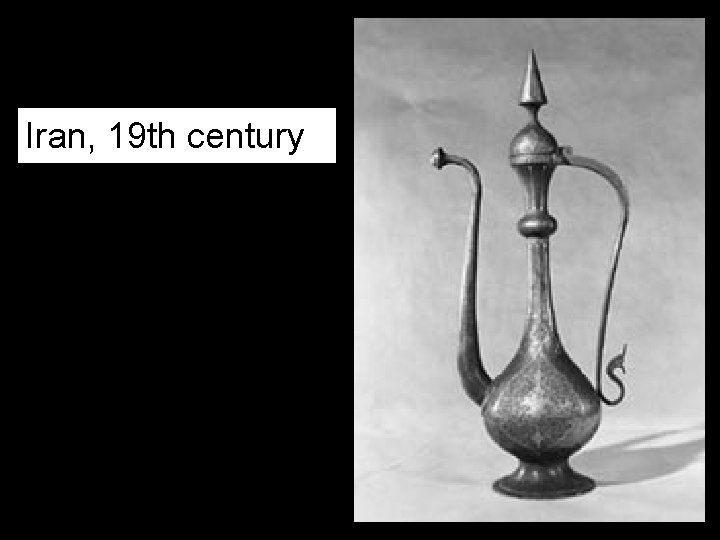
Metalwork • Made from gold, silver, copper, bronze, iron, steel, and aluminum. • Craftspersons working in metal have produced artworks for their societies for centuries.
Iran, 19 th century