
Mechanism of The Bainite Transformation in Steels Harry
Mechanism of The Bainite Transformation in Steels Harry Bhadeshia

Bundy (1965)
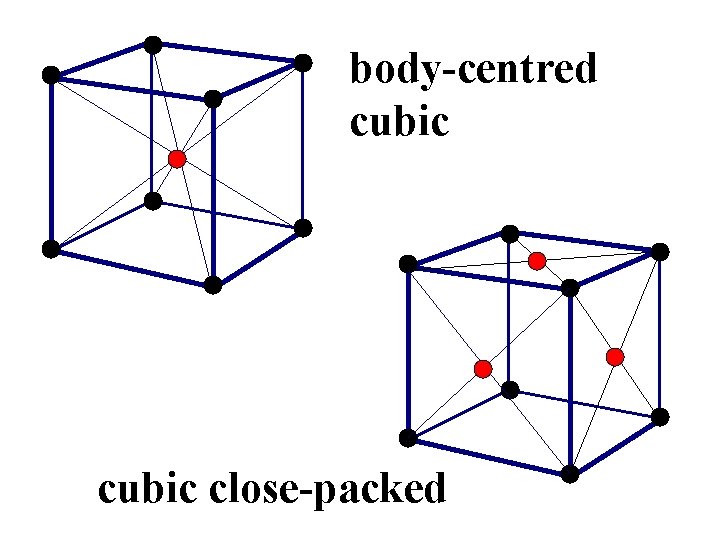
body-centred cubic close-packed
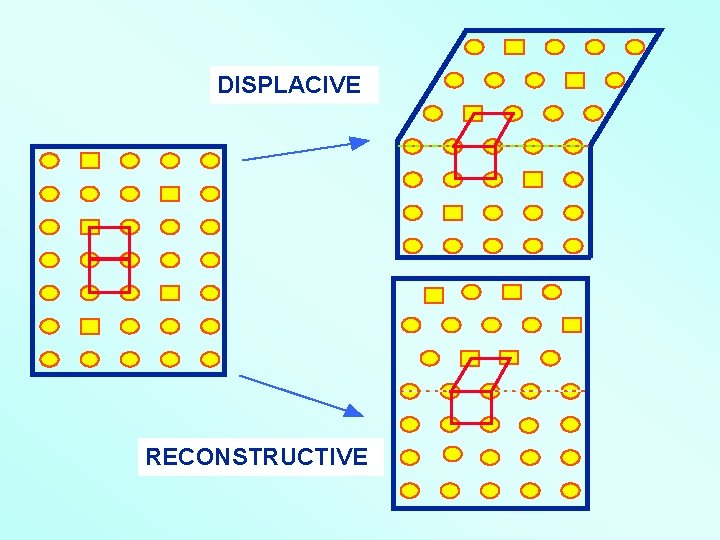
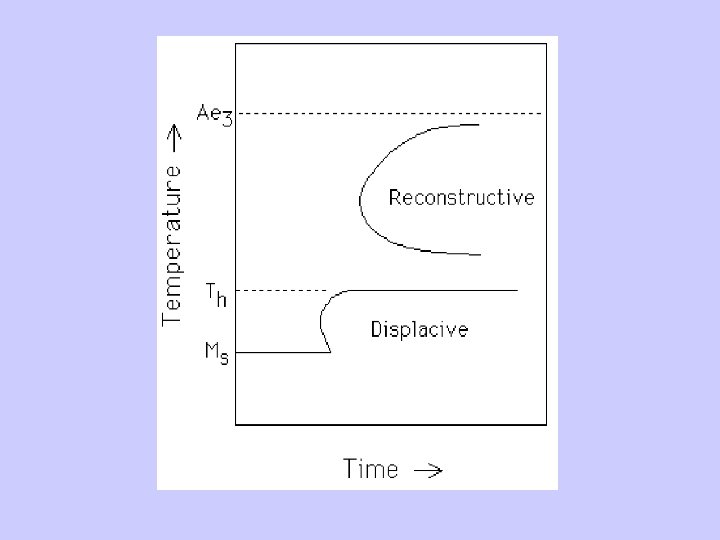
DISPLACIVE RECONSTRUCTIVE


upper bainite 1 µm
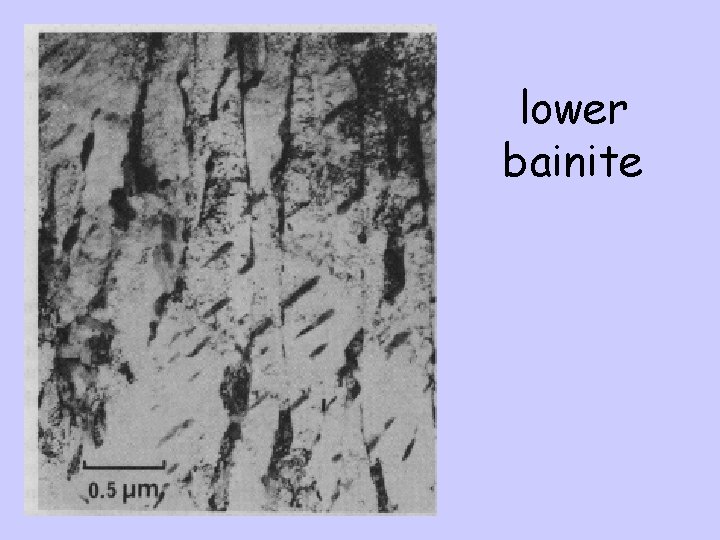
lower bainite
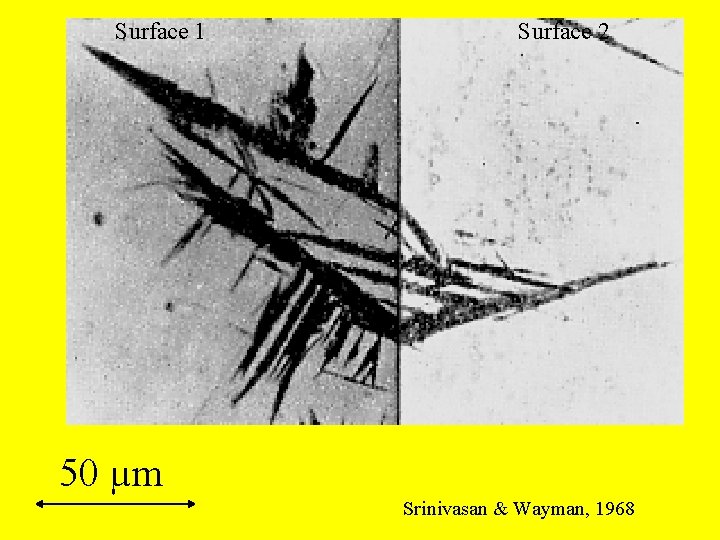
Surface 1 Surface 2 50 µm Srinivasan & Wayman, 1968
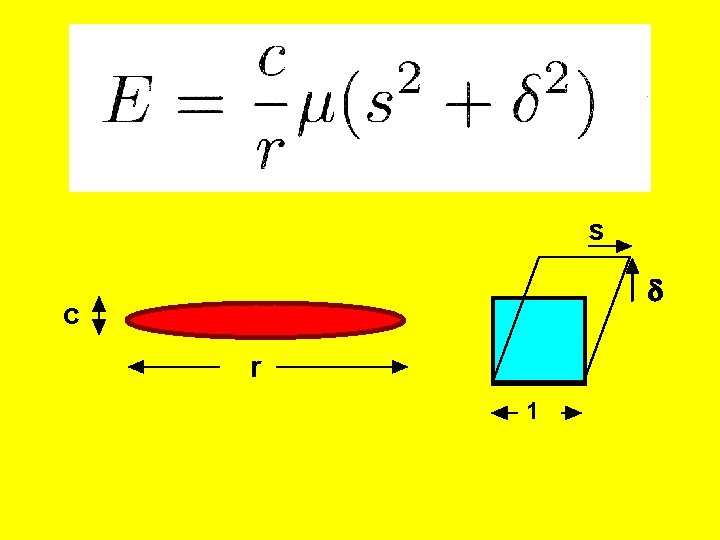
s d c r 1
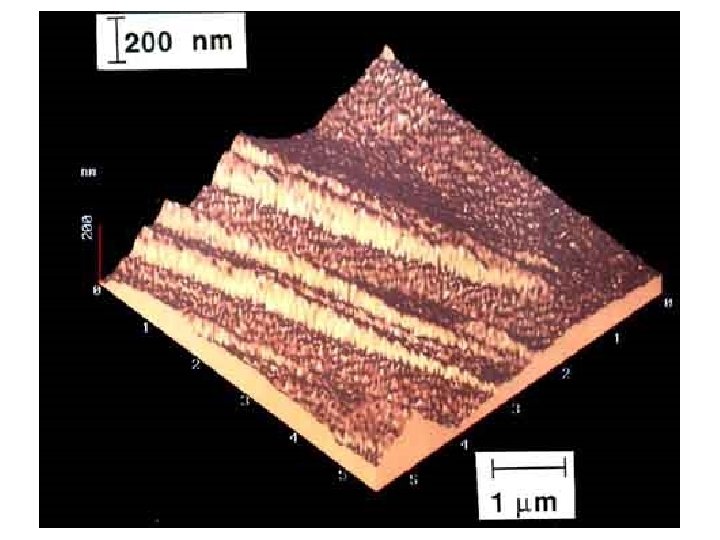
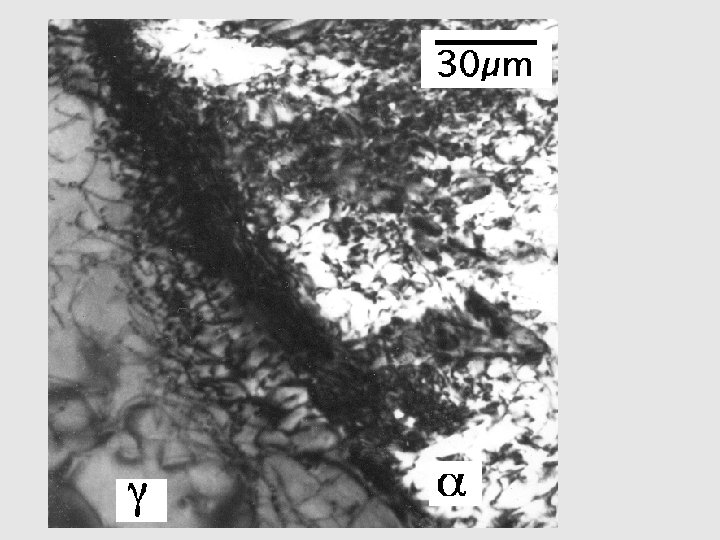
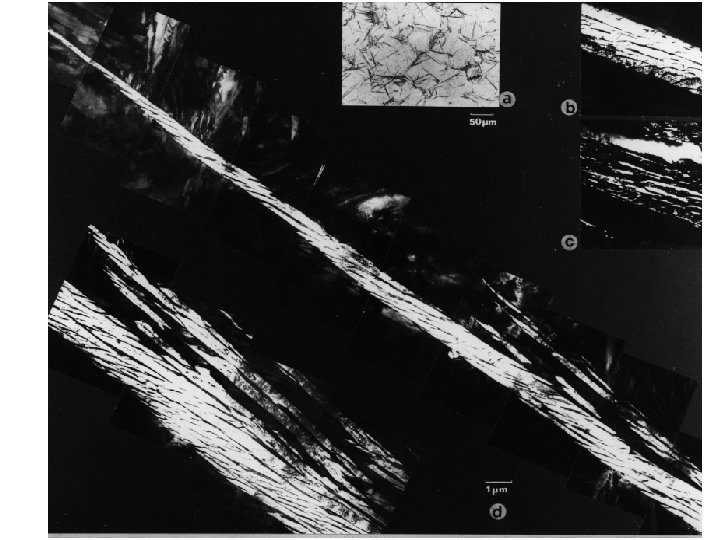
50 µm
Carbon supersaturated plate Carbon diffusion into austenite and carbide precipitation in ferrite Carbon diffusion into austenite Carbide precipitation from austenite UPPER BAINITE (High Temperature) LOWER BAINITE (Low Temperature)
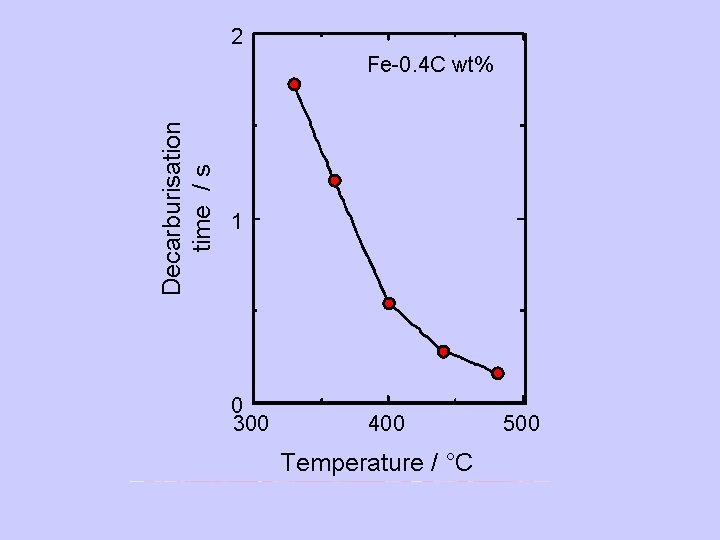
2 Decarburisation time / s Fe-0. 4 C wt% 1 0 300 400 Temperature / °C 500

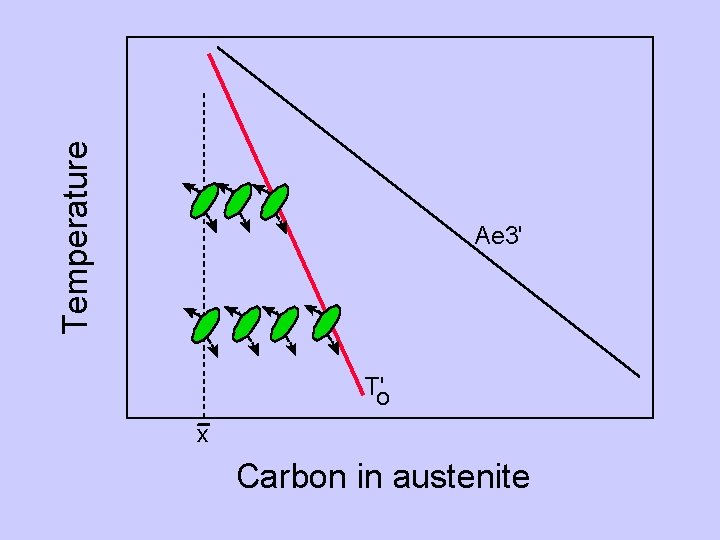
Temperature Ae 3' T'o x Carbon in austenite
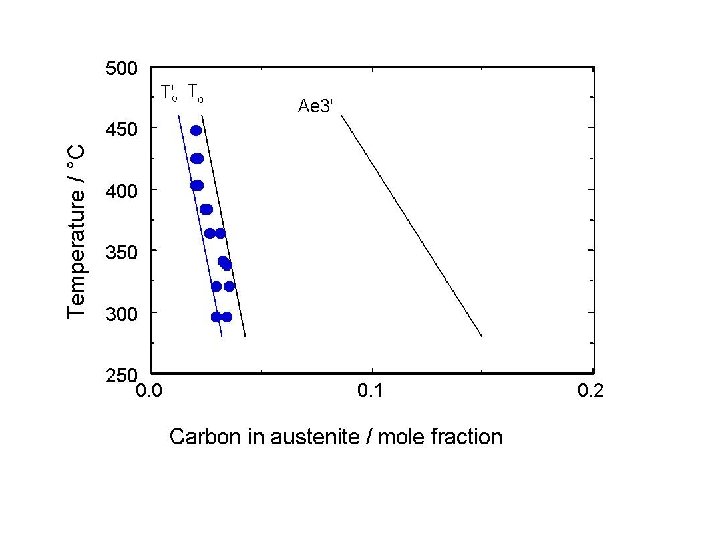

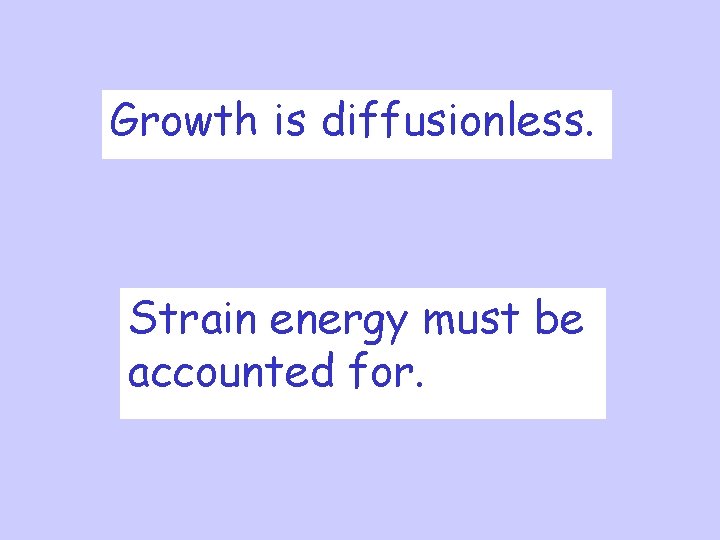
Growth is diffusionless. Strain energy must be accounted for.

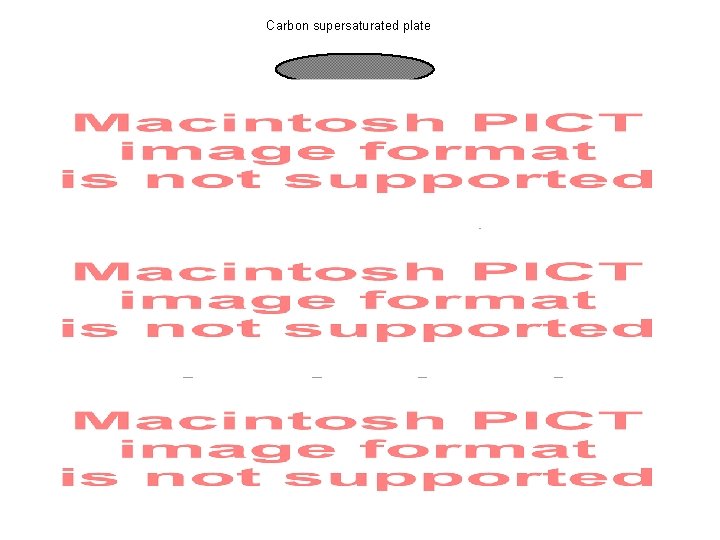
Carbon supersaturated plate Carbon diffusion into austenite and carbide precipitation in ferrite Carbon diffusion into austenite Carbide precipitation from austenite UPPER BAINITE (High Temperature) LOWER BAINITE (Low Temperature)
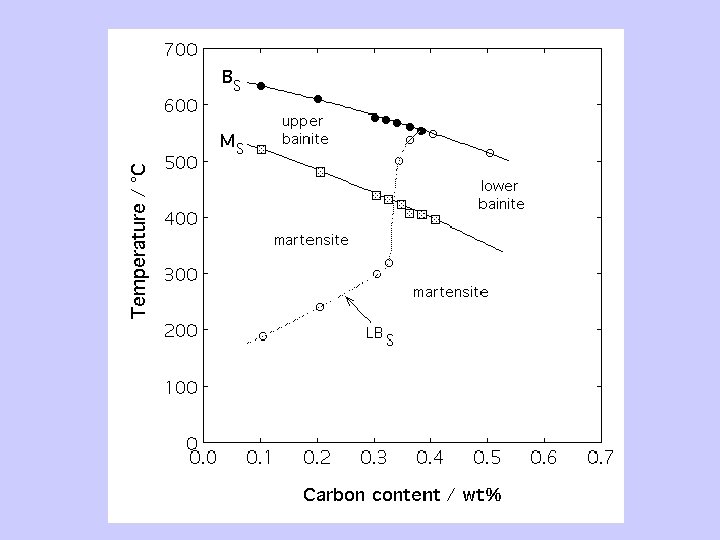
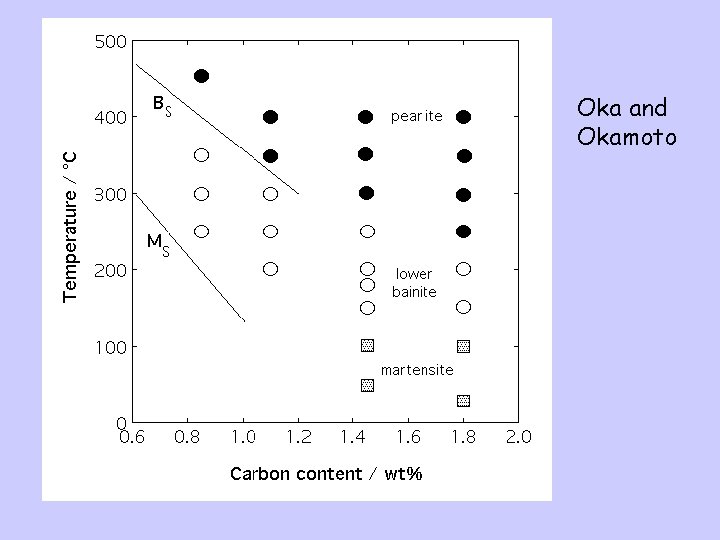
Oka and Okamoto
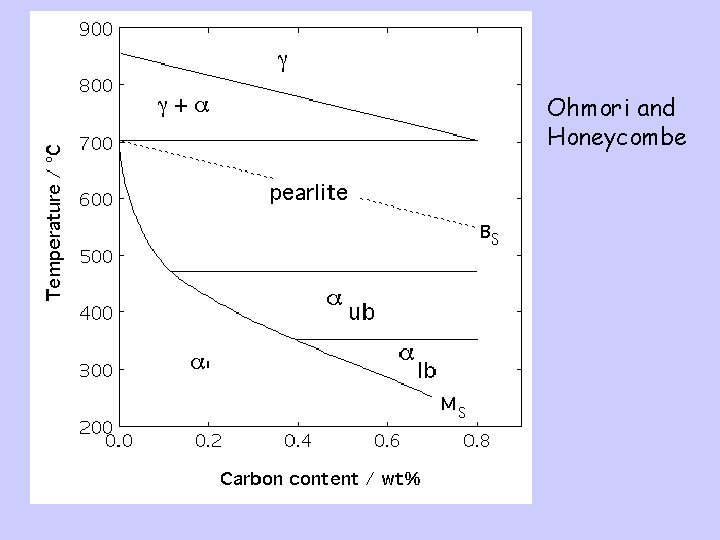
Ohmori and Honeycombe
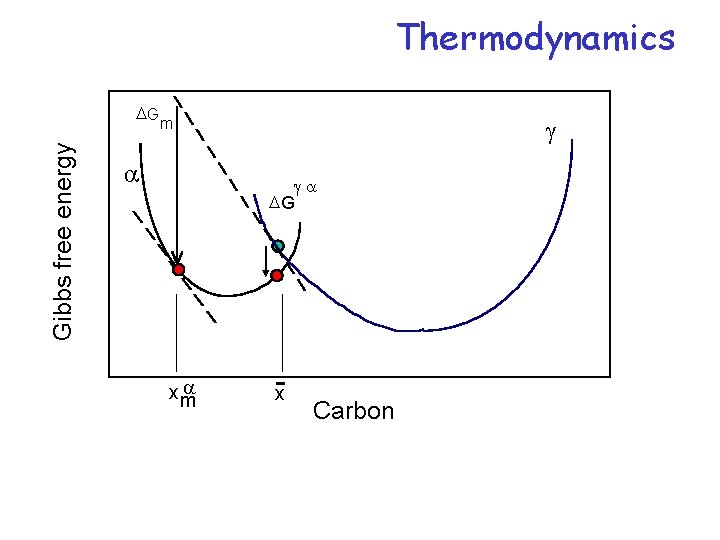
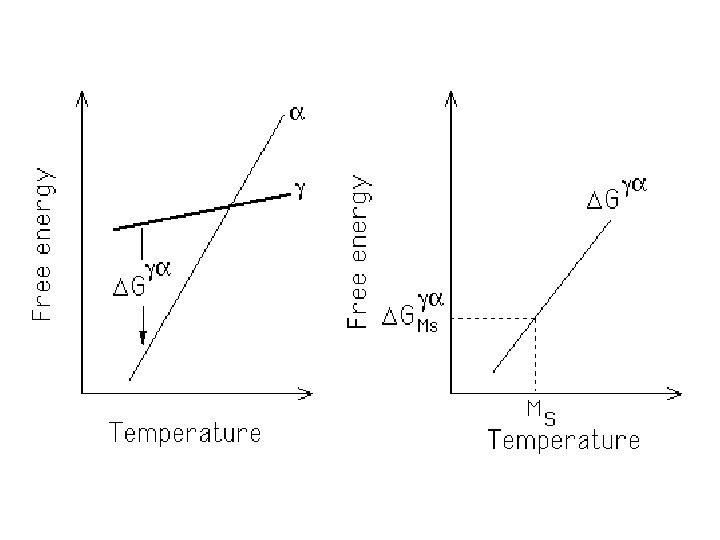
Thermodynamics Gibbs free energy DG m a g ga DG a xm x Carbon
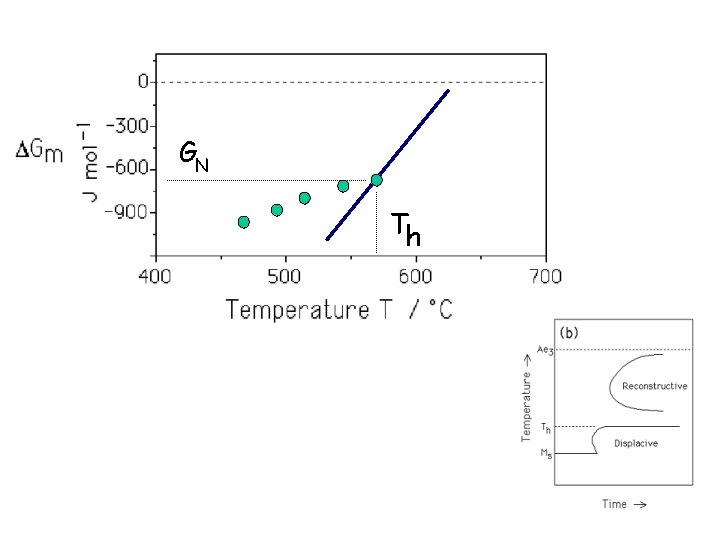
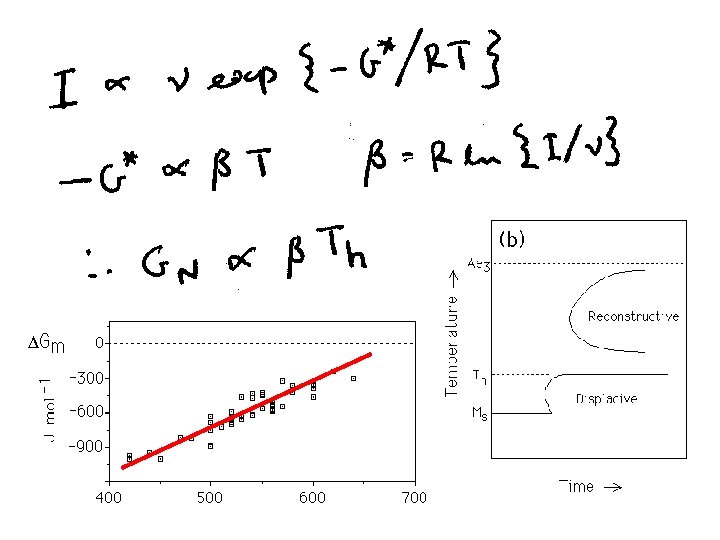
GN Th
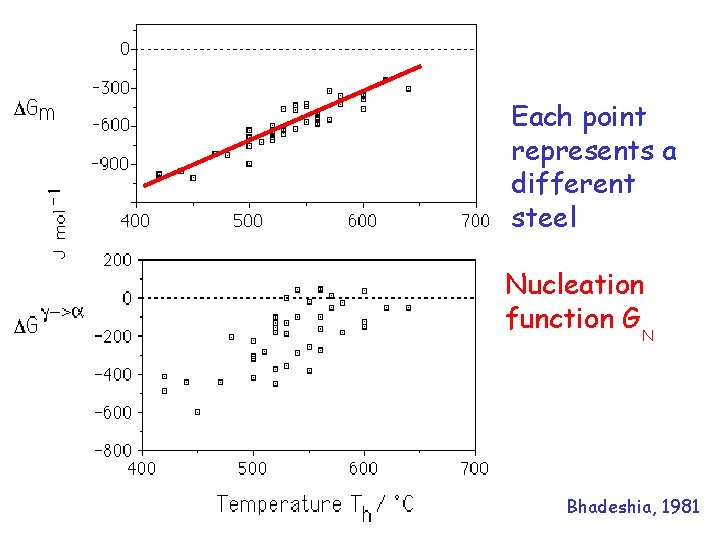
Each point represents a different steel Nucleation function G N Bhadeshia, 1981
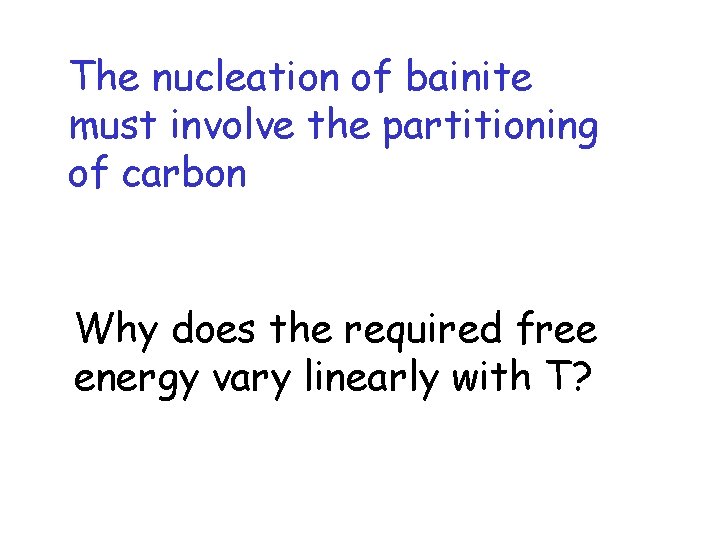
The nucleation of bainite must involve the partitioning of carbon Why does the required free energy vary linearly with T?
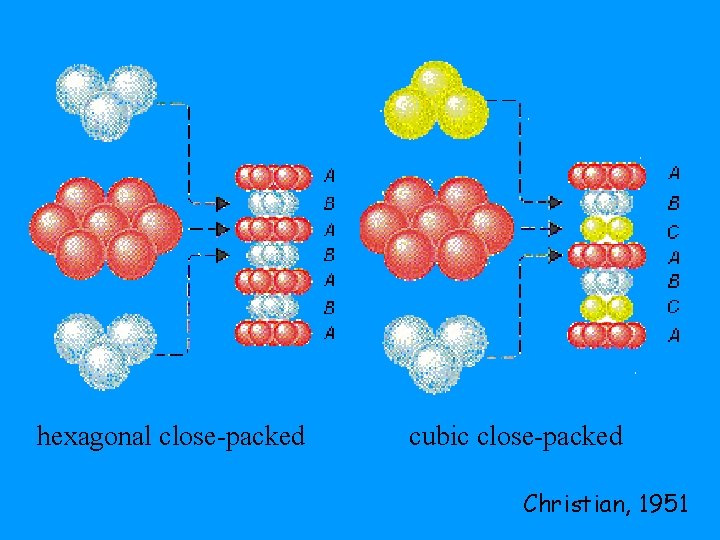
hexagonal close-packed cubic close-packed Christian, 1951
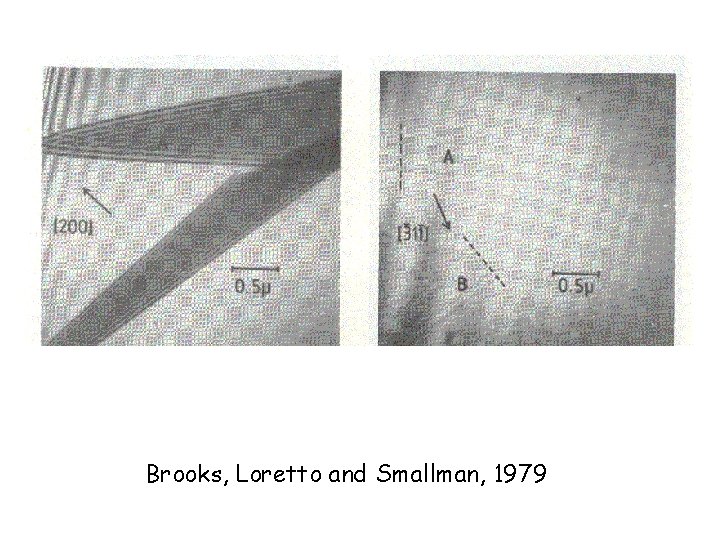
Brooks, Loretto and Smallman, 1979
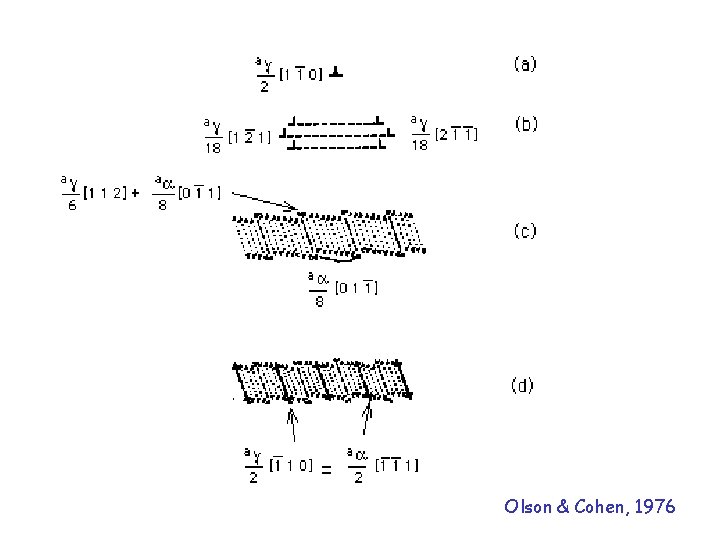
Olson & Cohen, 1976
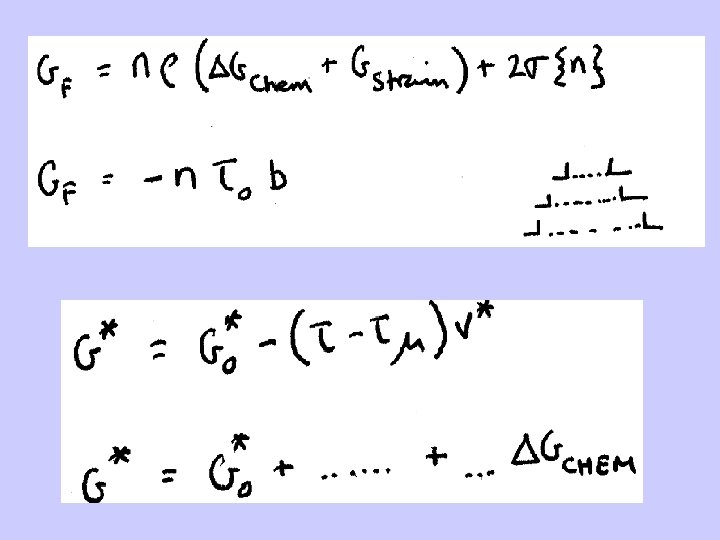
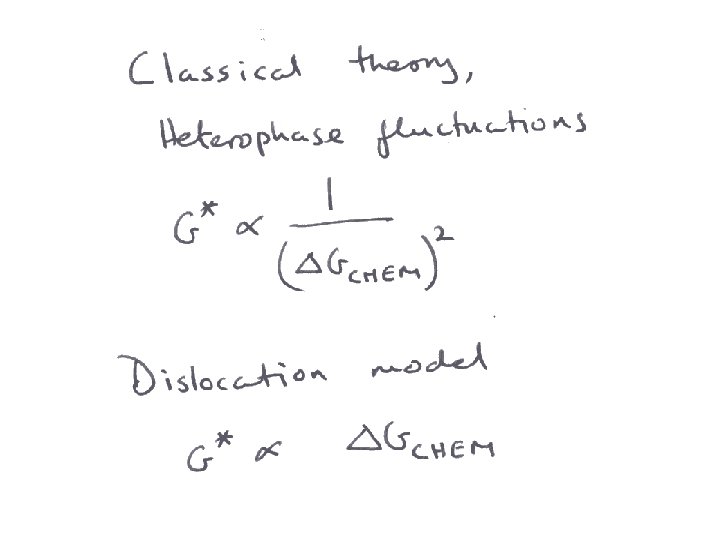
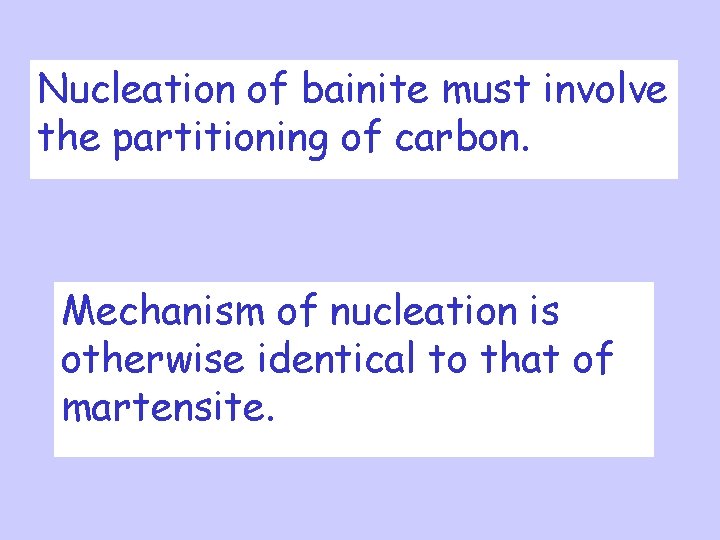
Nucleation of bainite must involve the partitioning of carbon. Mechanism of nucleation is otherwise identical to that of martensite.
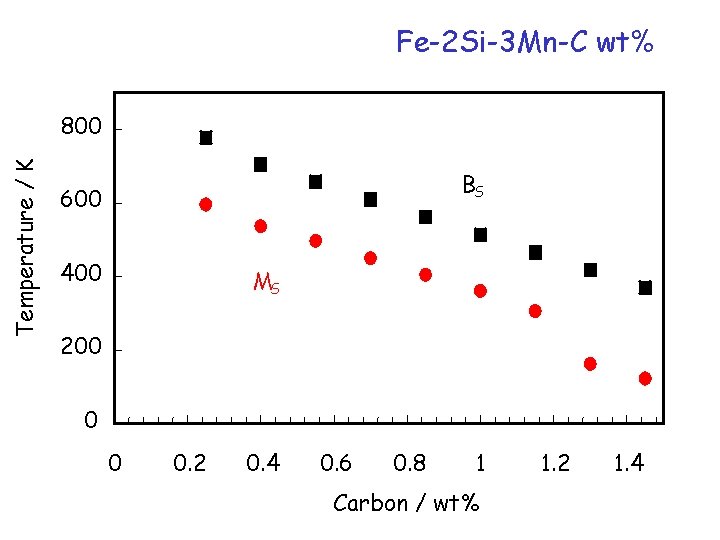
Fe-2 Si-3 Mn-C wt% Temperature / K 800 BS 600 400 MS 200 0 0 0. 2 0. 4 0. 6 0. 8 1 Carbon / wt% 1. 2 1. 4
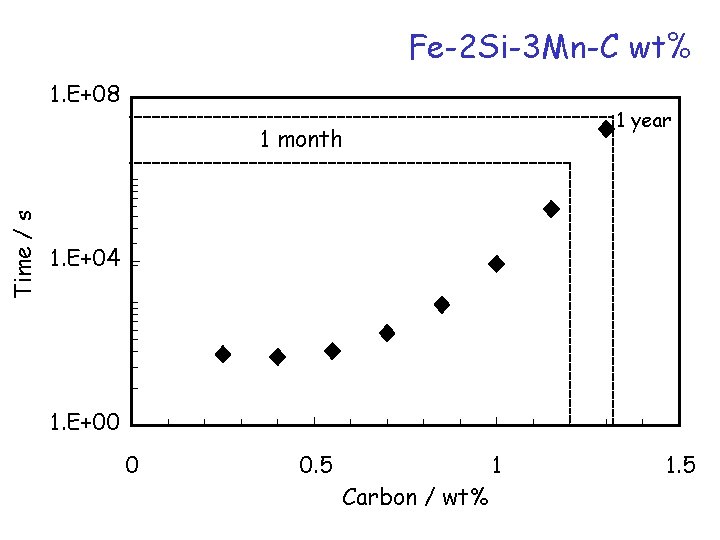
Fe-2 Si-3 Mn-C wt% 1. E+08 1 year Time / s 1 month 1. E+04 1. E+00 0 0. 5 Carbon / wt% 1 1. 5
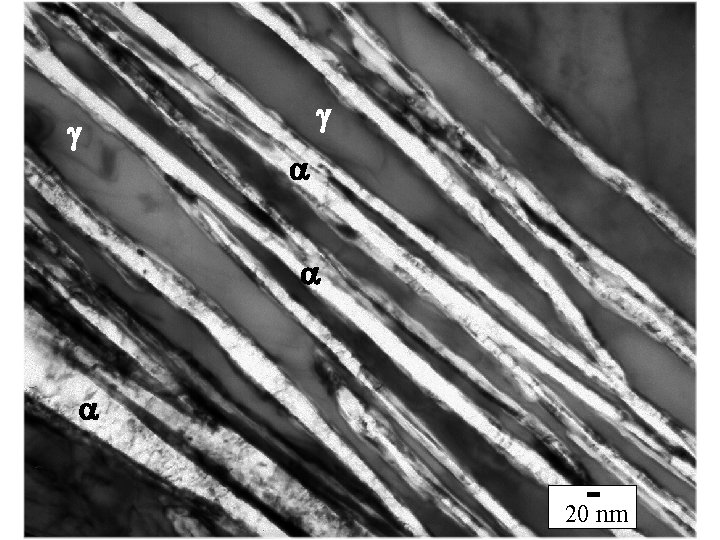
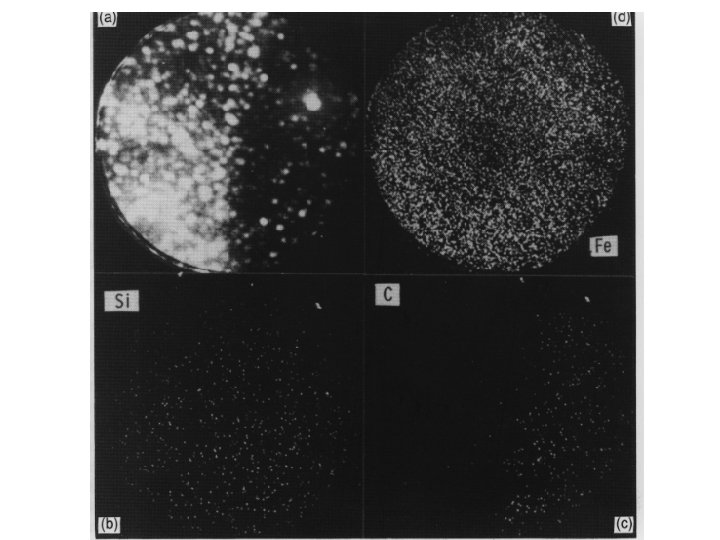
g g a a a 20 nm
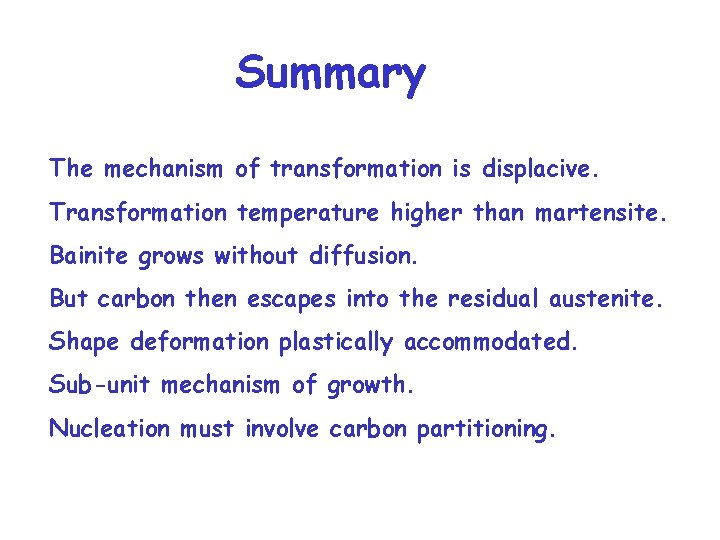
Summary The mechanism of transformation is displacive. Transformation temperature higher than martensite. Bainite grows without diffusion. But carbon then escapes into the residual austenite. Shape deformation plastically accommodated. Sub-unit mechanism of growth. Nucleation must involve carbon partitioning.
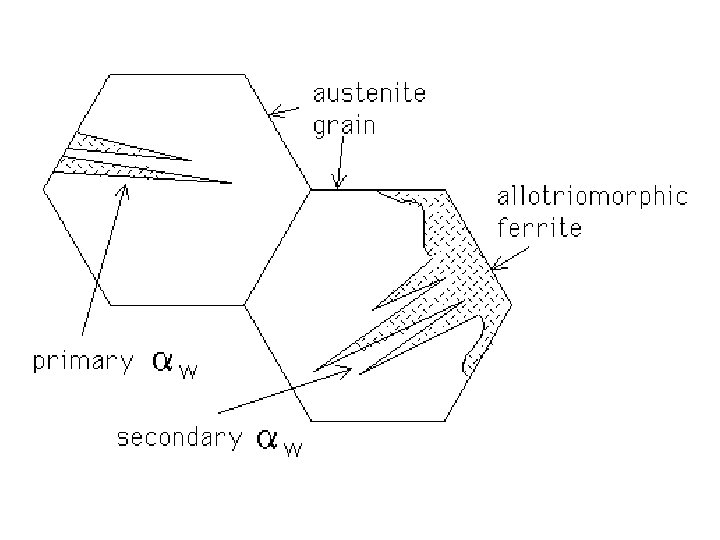
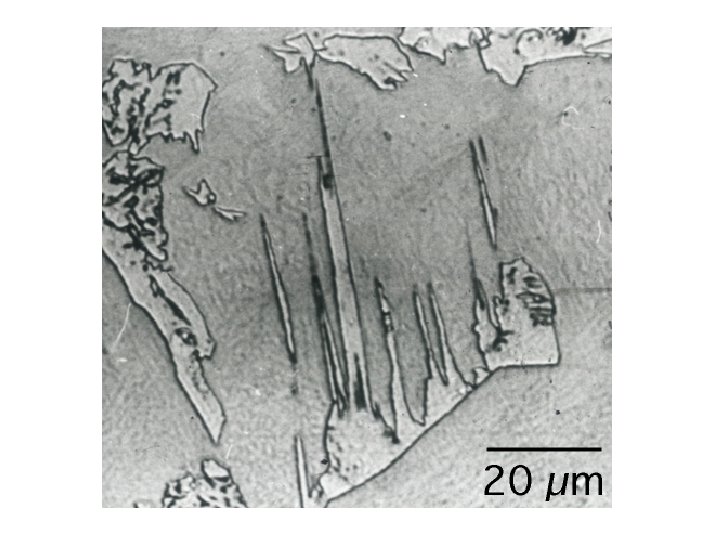
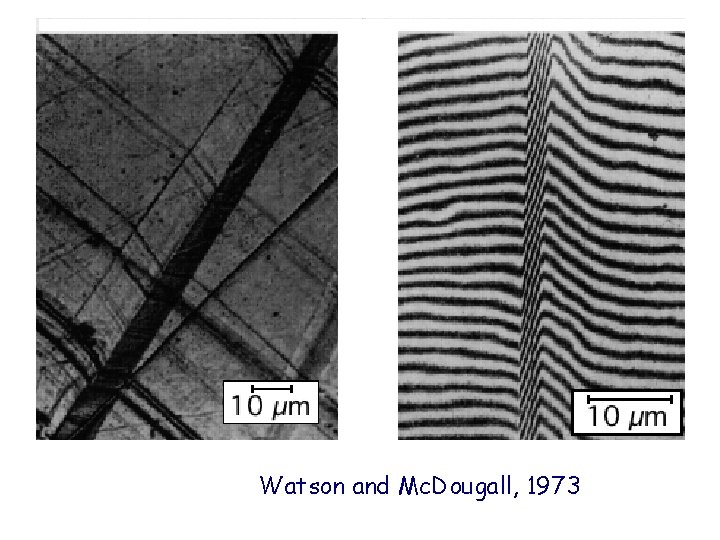
Watson and Mc. Dougall, 1973
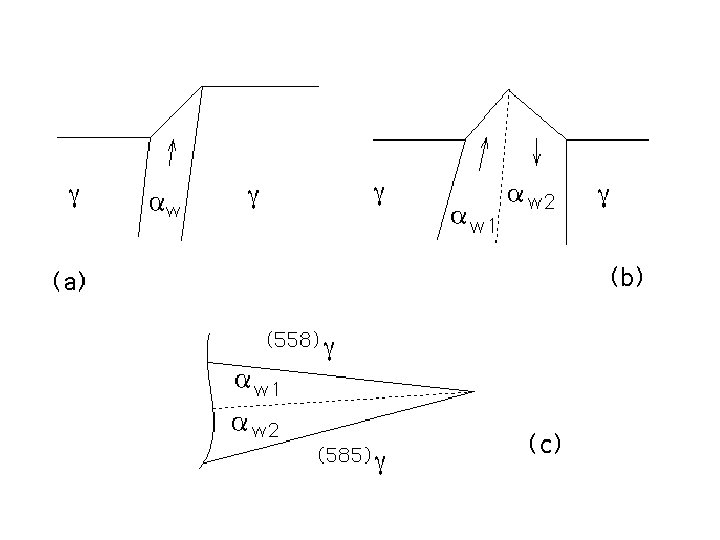
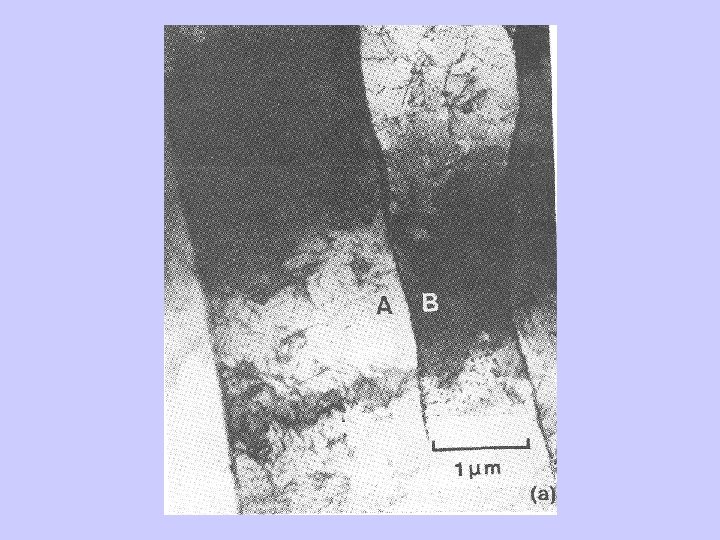
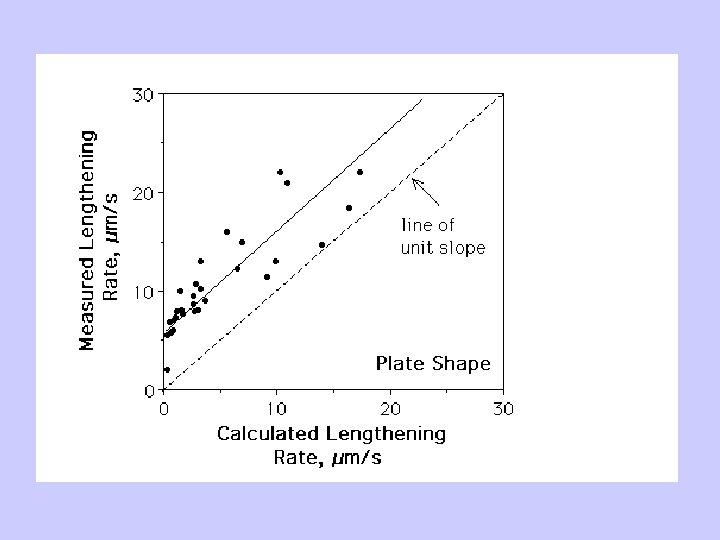
Summary Mechanism displacive but carbon must partition during growth. Pairs of plates grow together to minimise strain.
- Slides: 52