
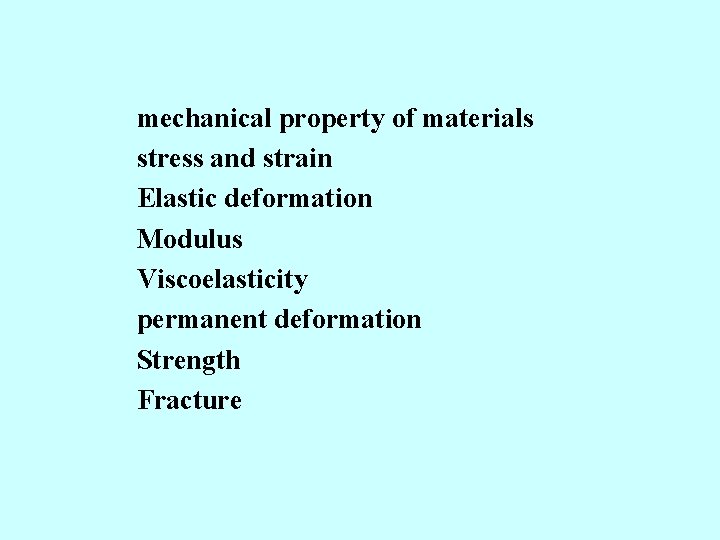
mechanical property of materials stress and strain Elastic
- Slides: 73
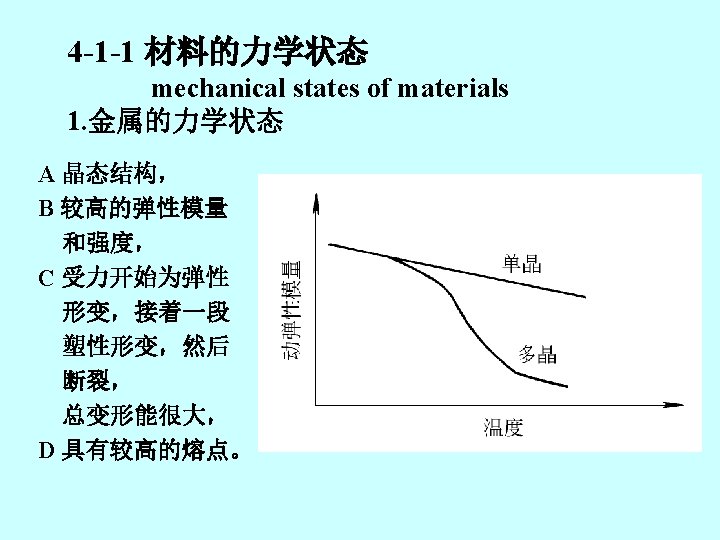
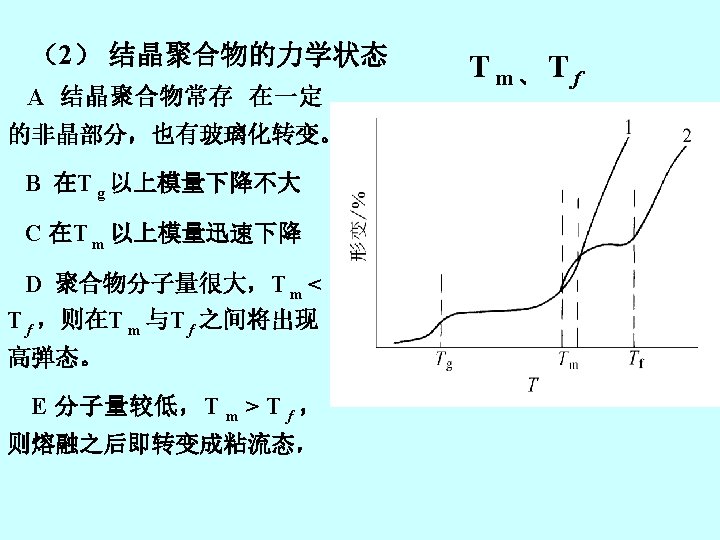
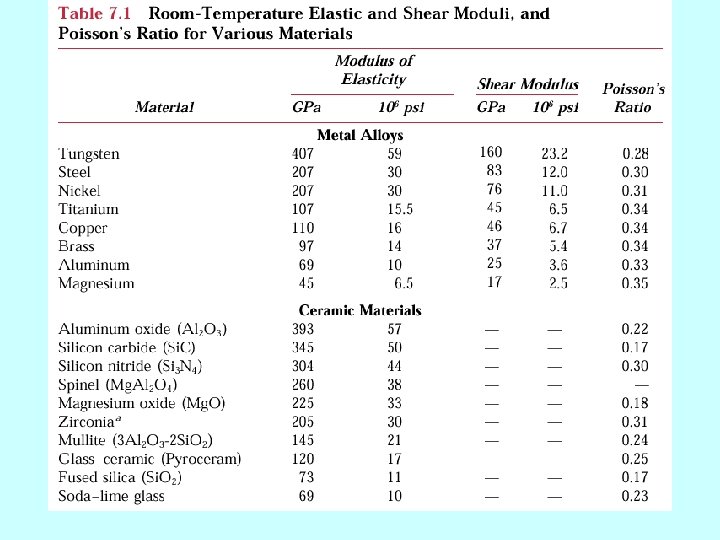
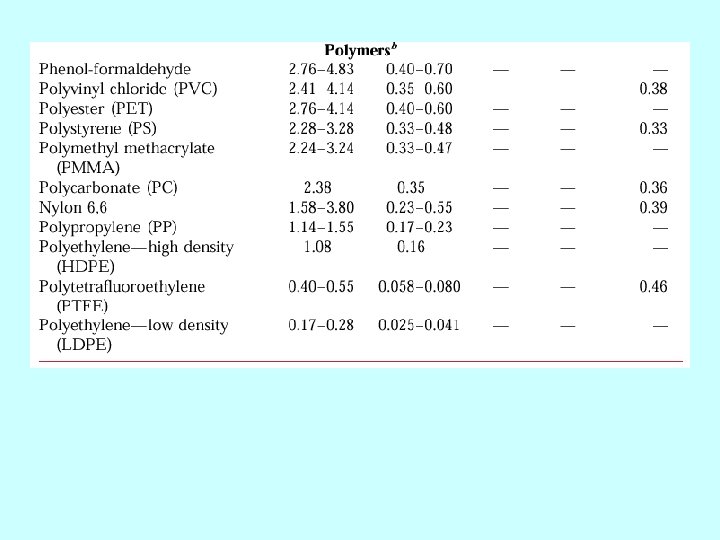
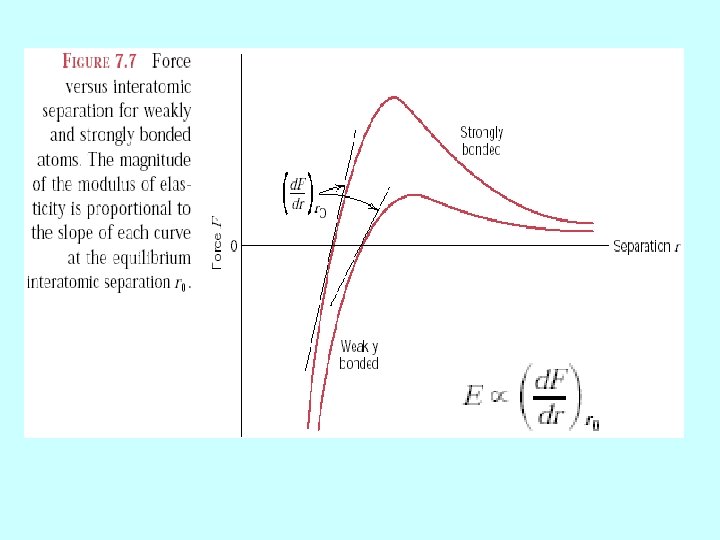
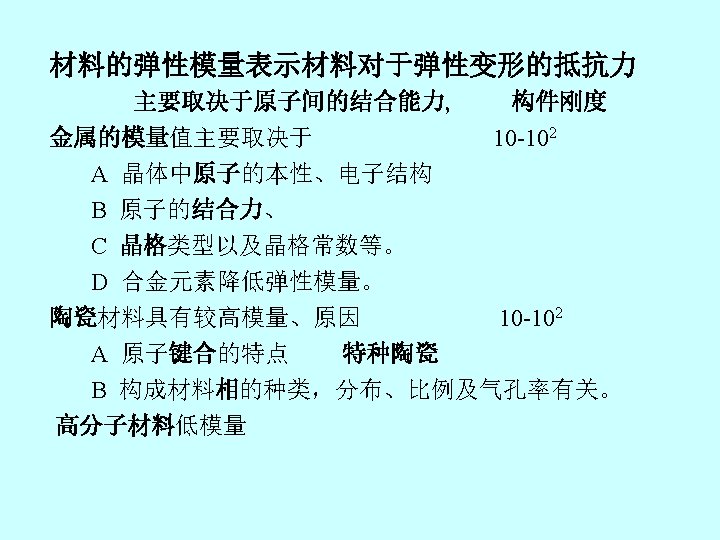
mechanical property of materials stress and strain Elastic deformation Modulus Viscoelasticity permanent deformation Strength Fracture
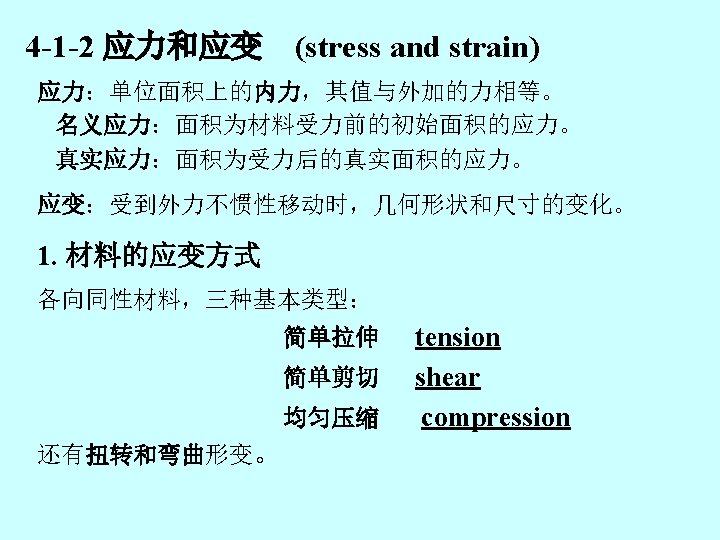
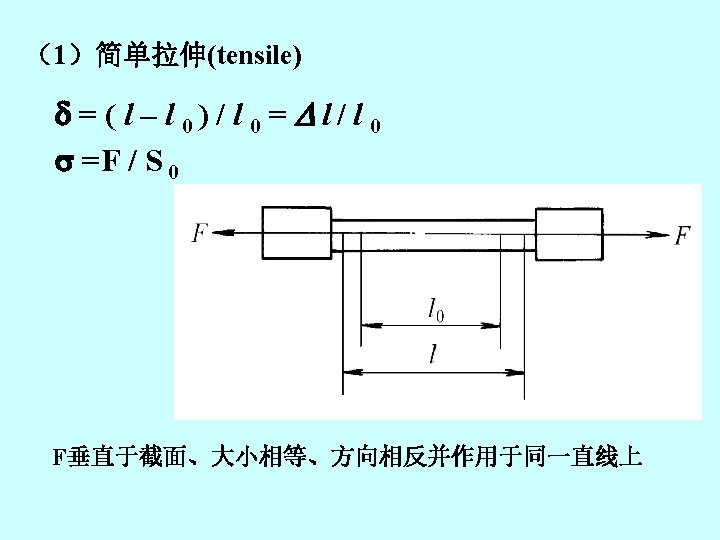
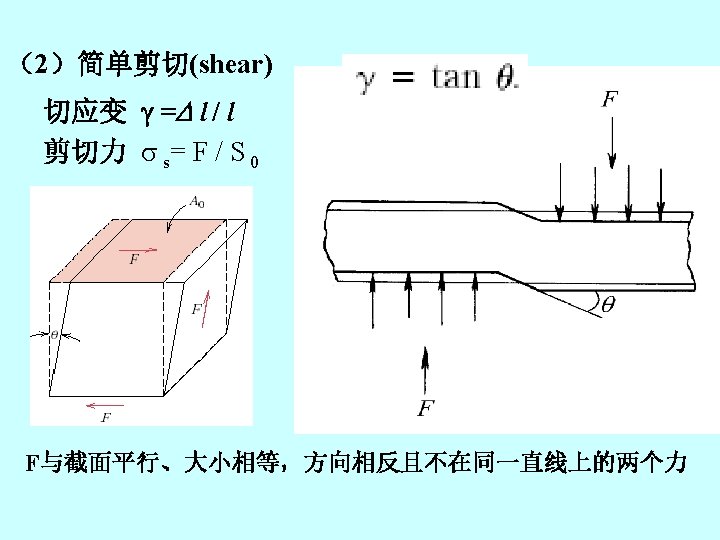
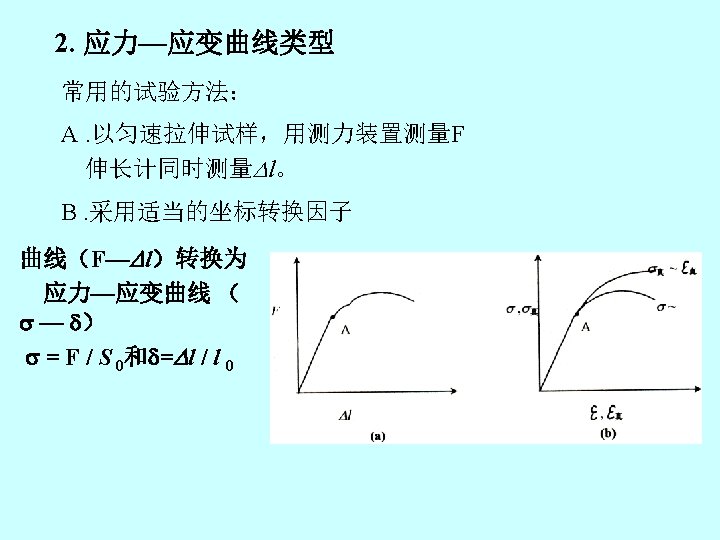
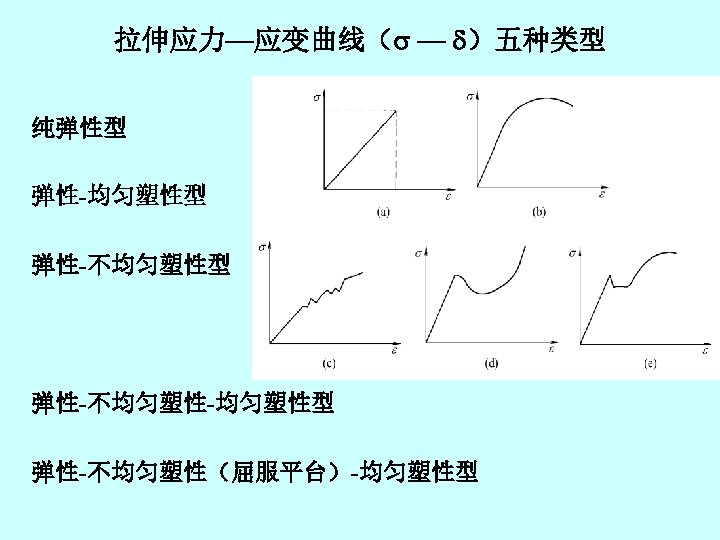
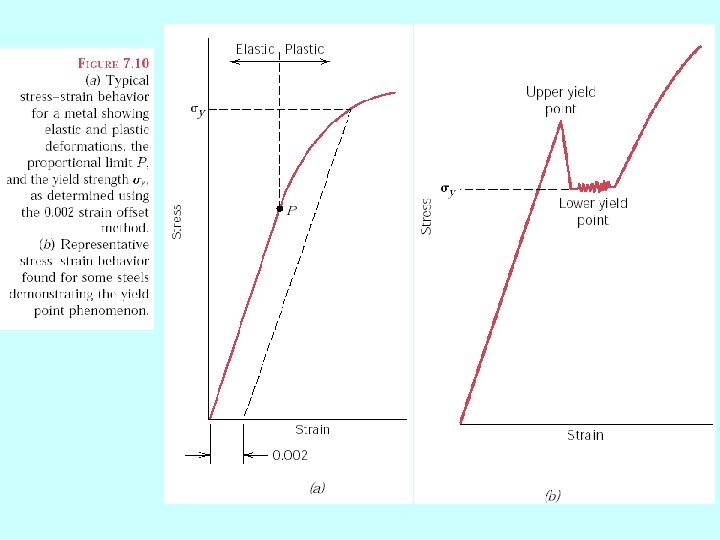
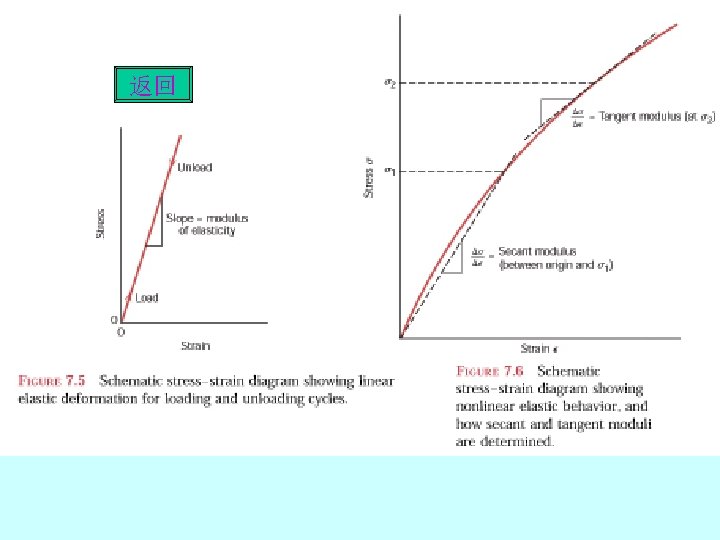
4 -1 -2 应力和应变 stress-strain • If a load is static or changes relatively slowly with a time and is applied uniformly over a cross section or surface of a member, the mechanical behavior may be ascertained by a simple stress-strain test. These are mostly commonly conducted for materials at room temperature.
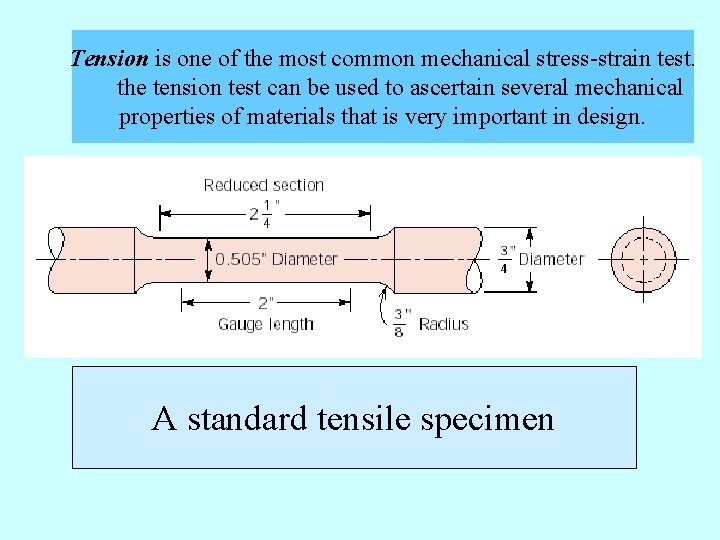
Tension is one of the most common mechanical stress-strain test. the tension test can be used to ascertain several mechanical properties of materials that is very important in design. A standard tensile specimen
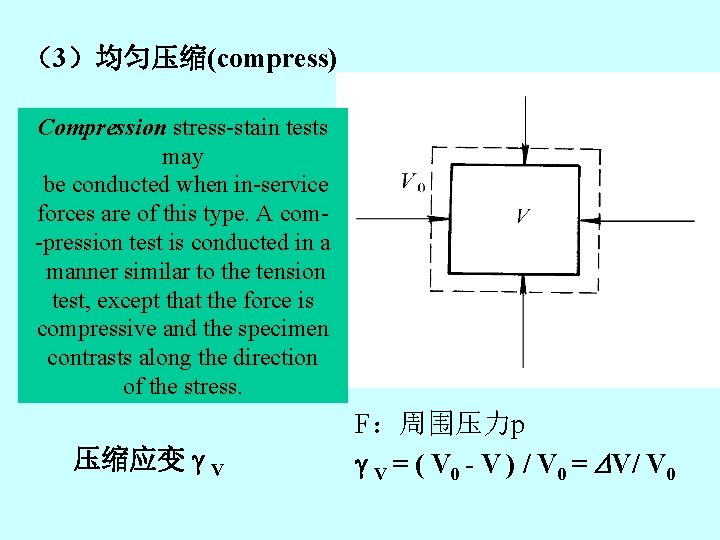
(3)均匀压缩(compress) Compression stress-stain tests may be conducted when in-service forces are of this type. A com-pression test is conducted in a manner similar to the tension test, except that the force is compressive and the specimen contrasts along the direction of the stress. 压缩应变 V F:周围压力p V = ( V 0 - V ) / V 0 = V/ V 0
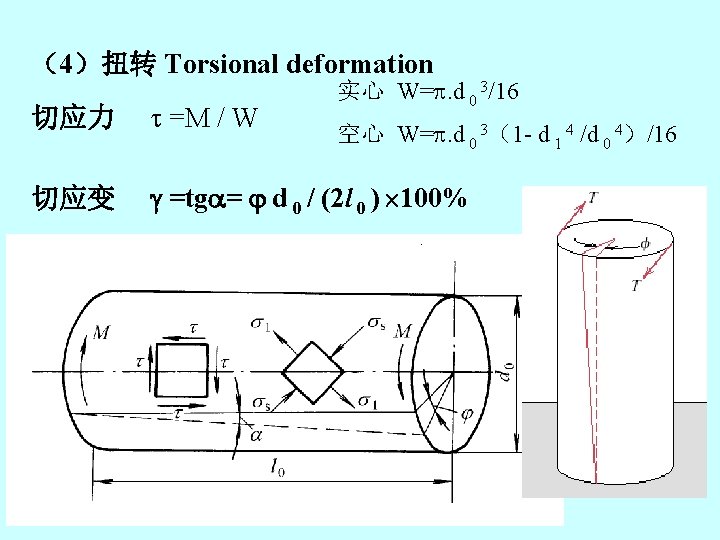
(4)扭转 Torsional deformation 实心 W=. d 0 3/16 切应力 =M / W 切应变 =tg = d 0 / (2 l 0 ) 100% 空心 W=. d 0 3(1 - d 1 4 /d 0 4)/16
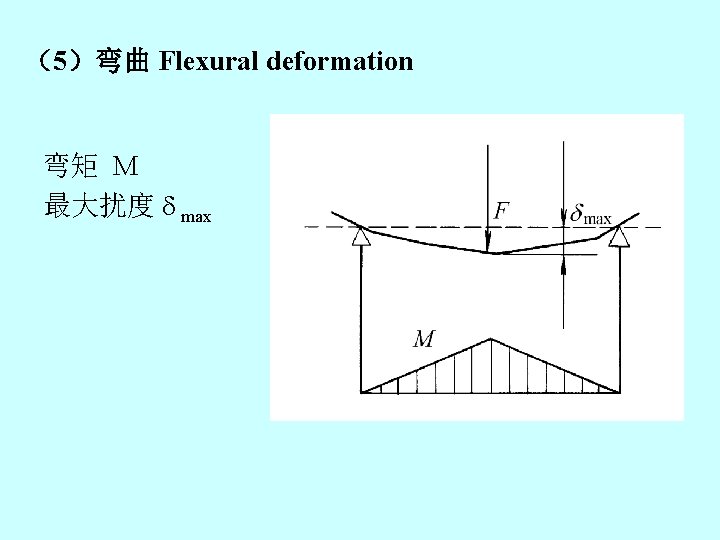
(5)弯曲 Flexural deformation 弯矩 M 最大扰度 max
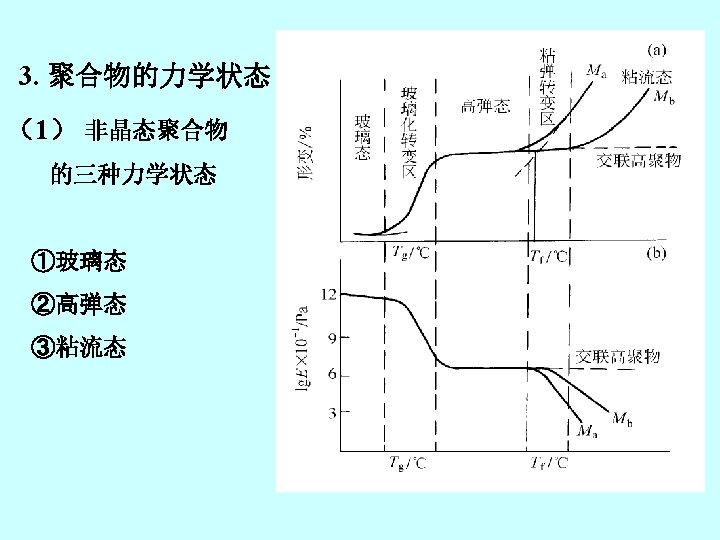
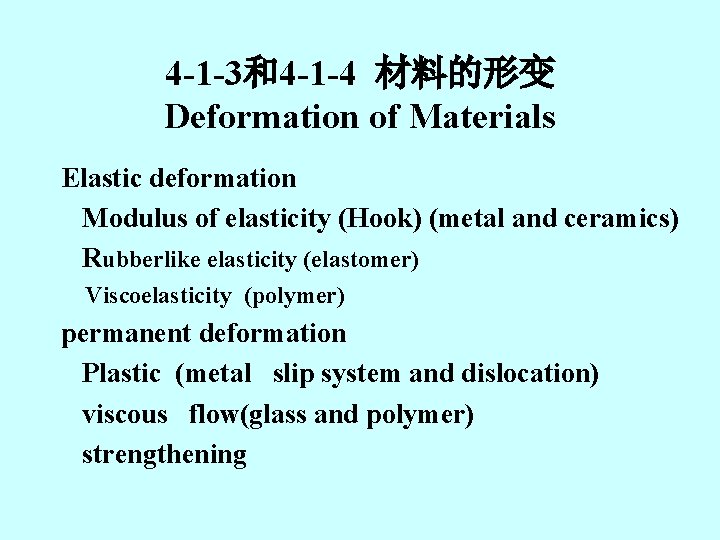
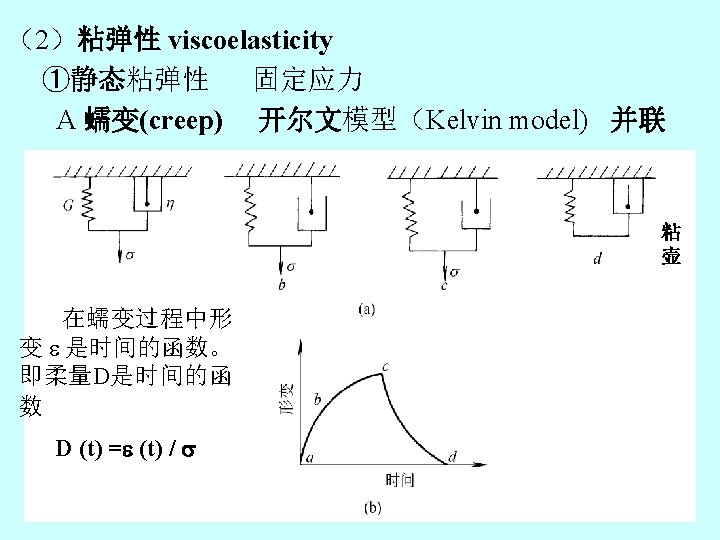
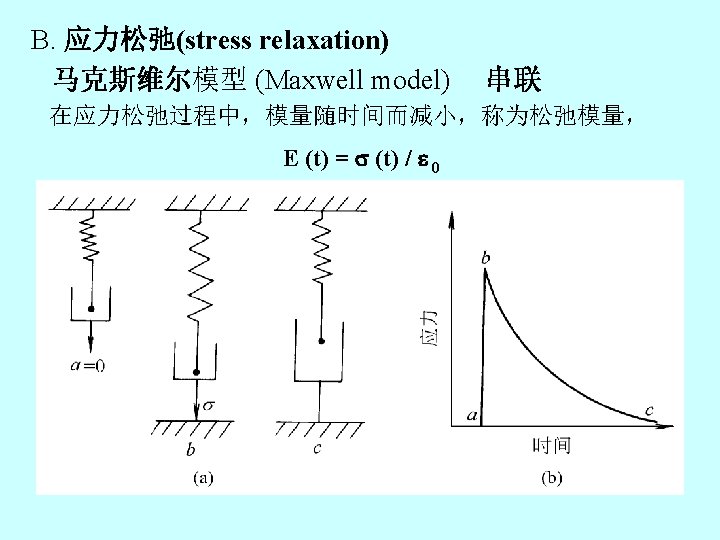
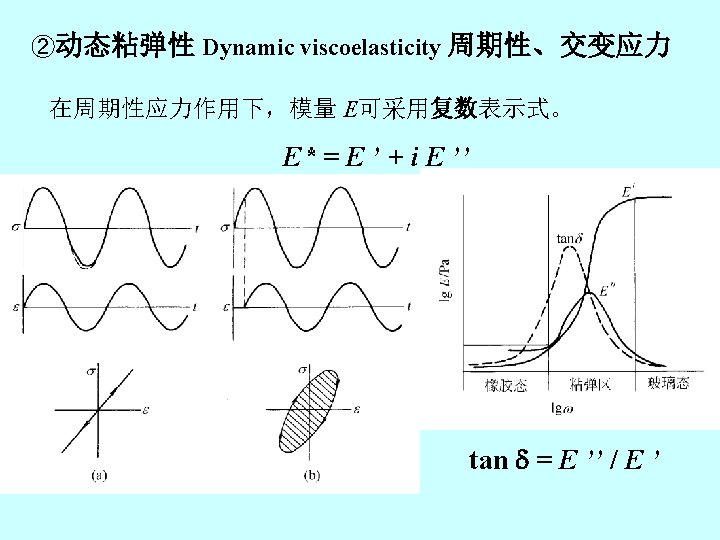
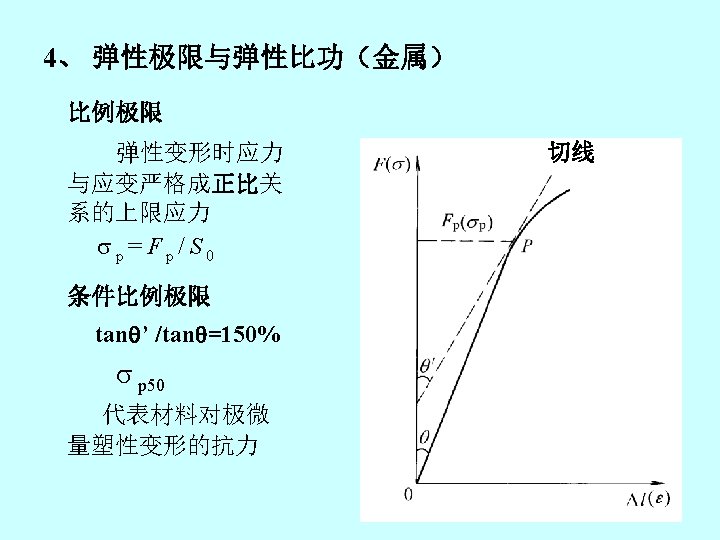
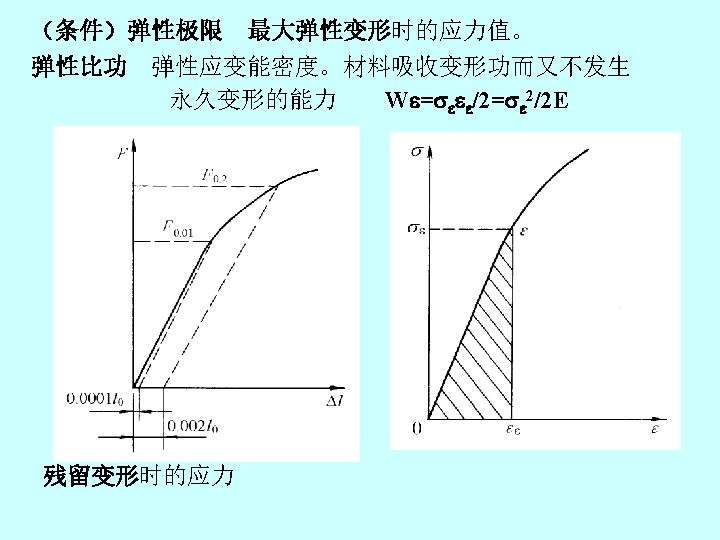
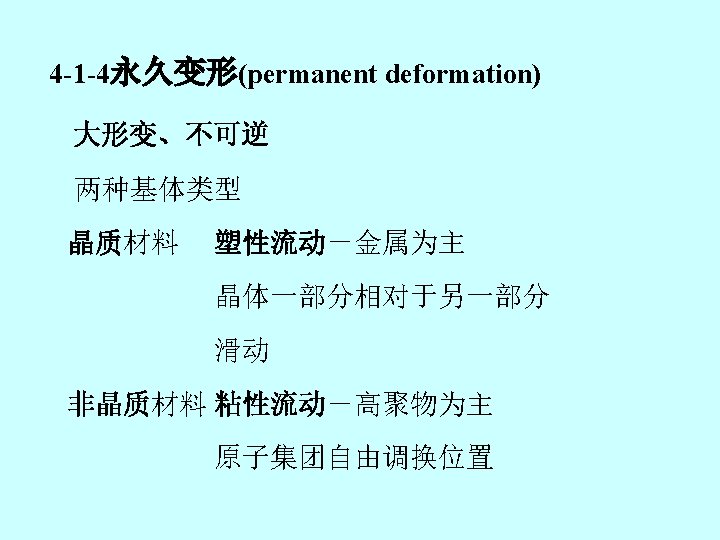
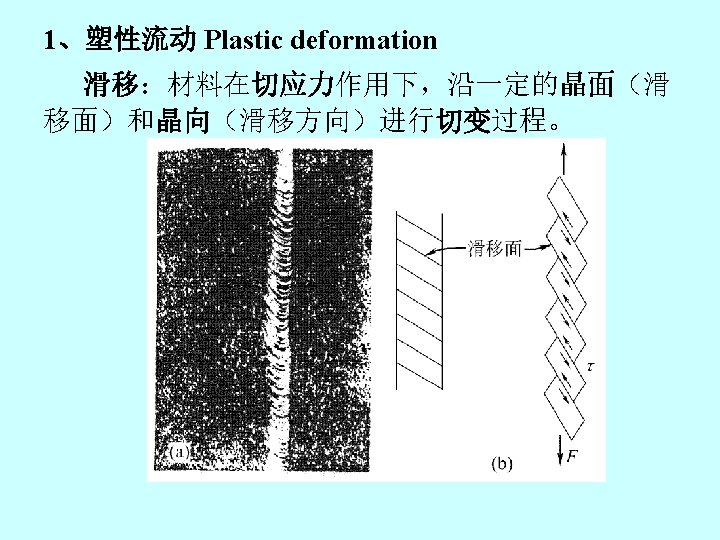
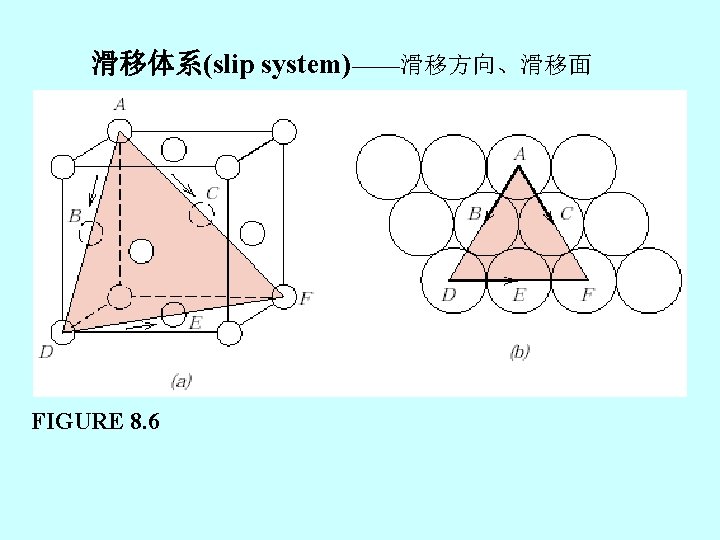
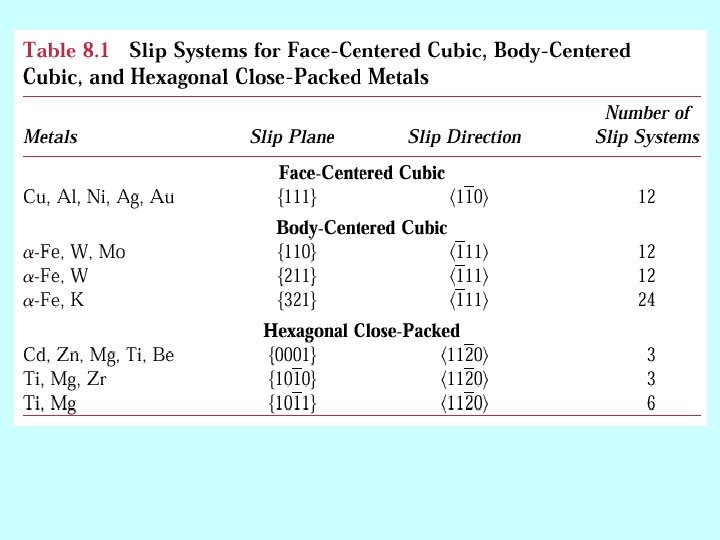
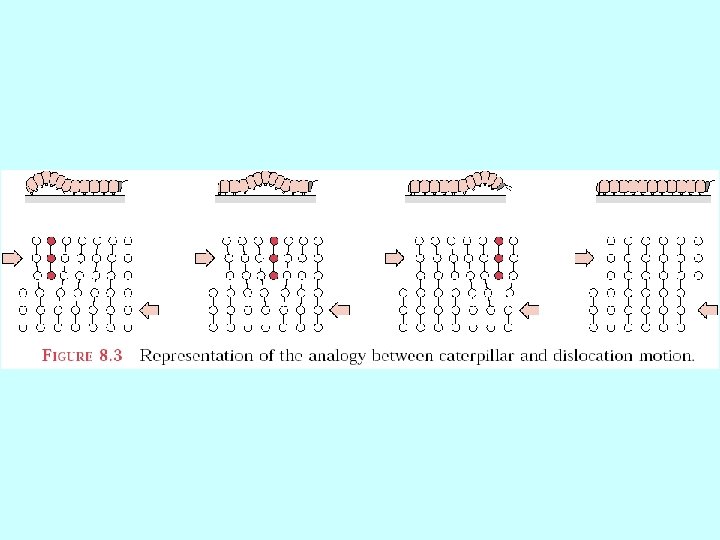
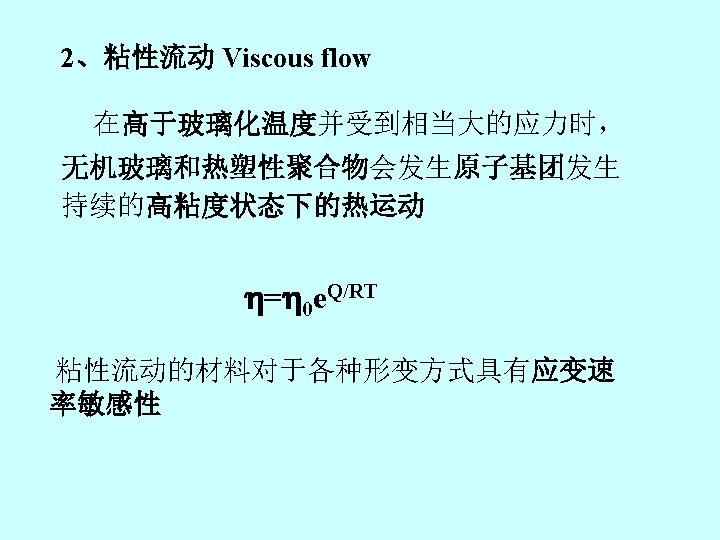
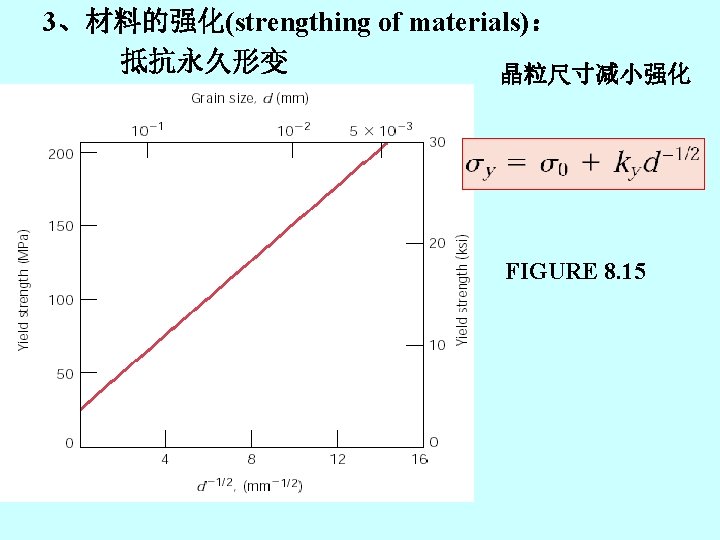
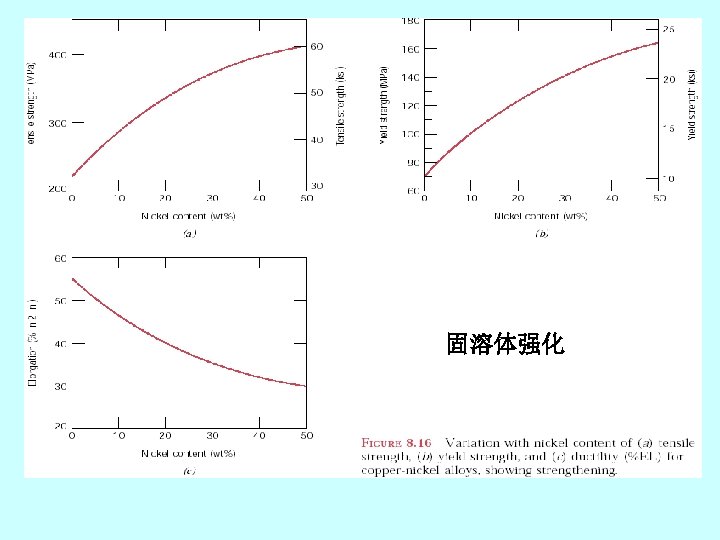
4 -1 -3和4 -1 -4 材料的形变 Deformation of Materials Elastic deformation Modulus of elasticity (Hook) (metal and ceramics) Rubberlike elasticity (elastomer) Viscoelasticity (polymer) permanent deformation Plastic (metal slip system and dislocation) viscous flow(glass and polymer) strengthening
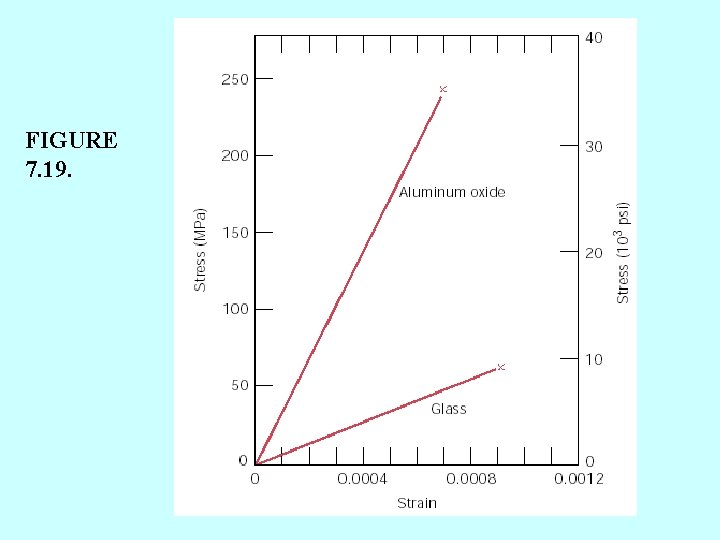
FIGURE 7. 19.
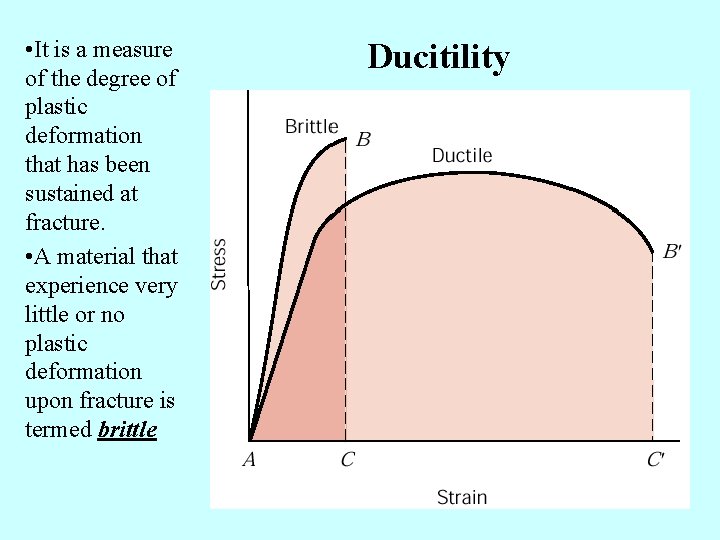
• It is a measure of the degree of plastic deformation that has been sustained at fracture. • A material that experience very little or no plastic deformation upon fracture is termed brittle Ducitility
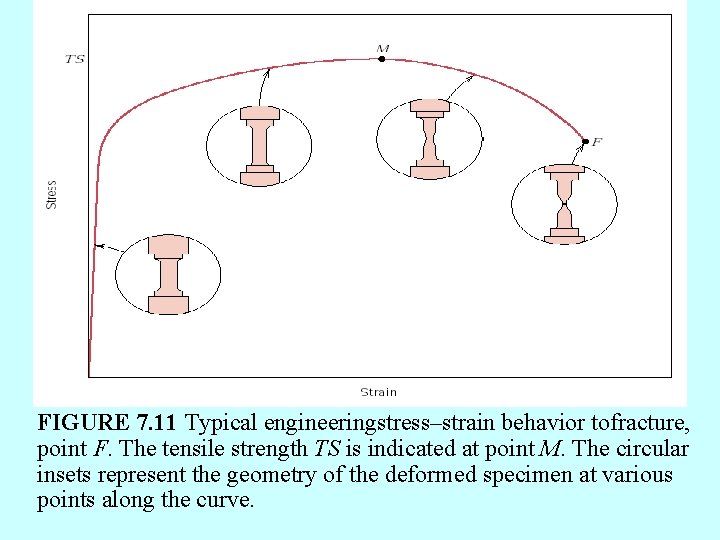
FIGURE 7. 11 Typical engineeringstress–strain behavior tofracture, point F. The tensile strength TS is indicated at point M. The circular insets represent the geometry of the deformed specimen at various points along the curve.
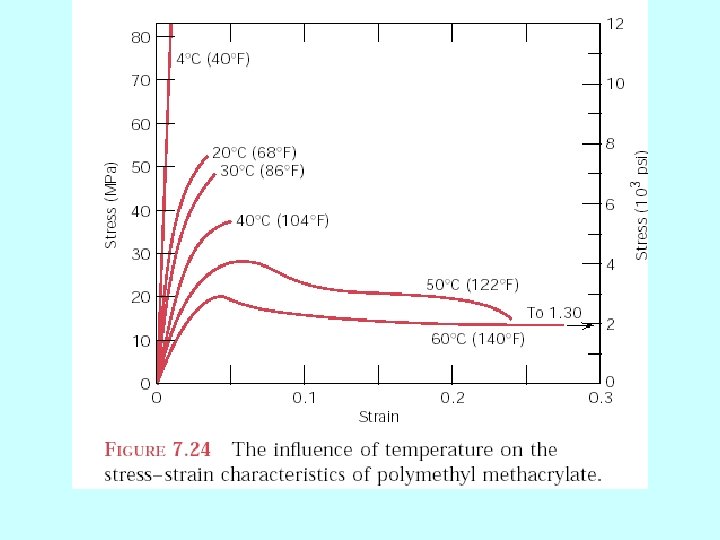
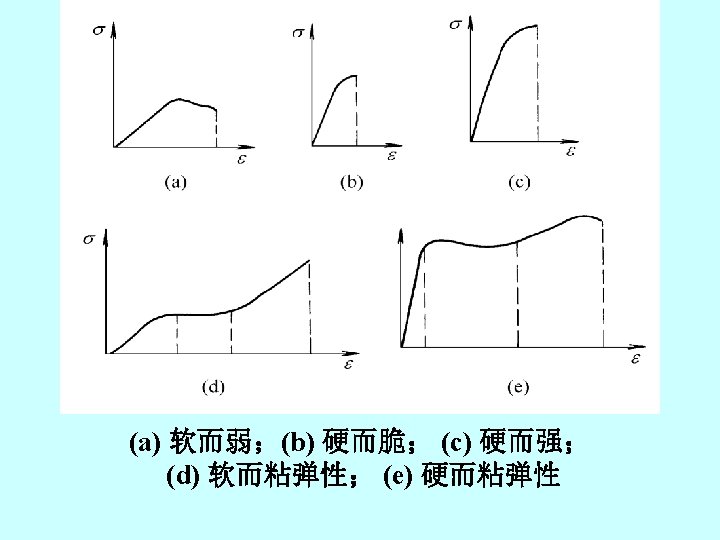
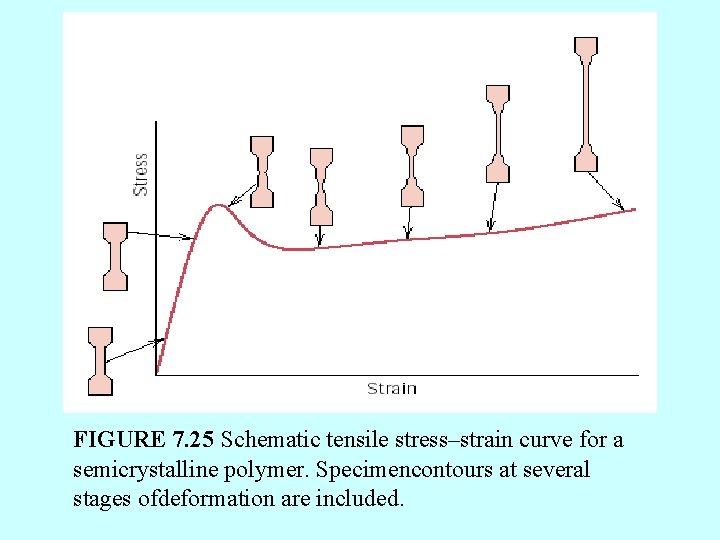
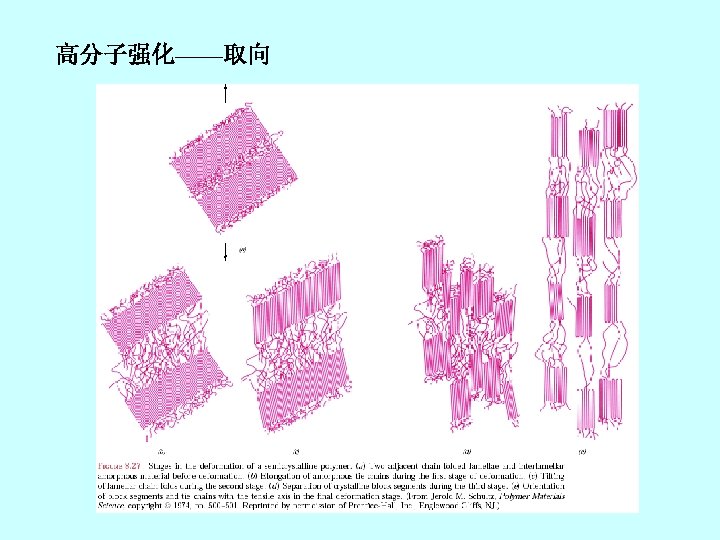
FIGURE 7. 25 Schematic tensile stress–strain curve for a semicrystalline polymer. Specimencontours at several stages ofdeformation are included.
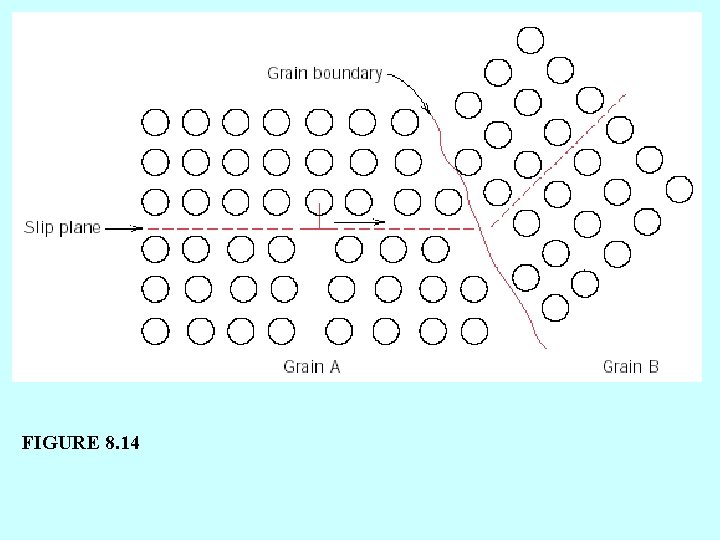
FIGURE 8. 14
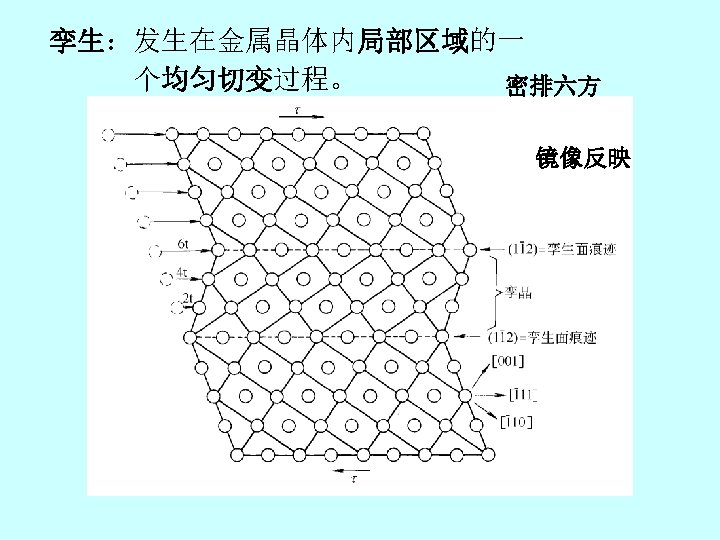
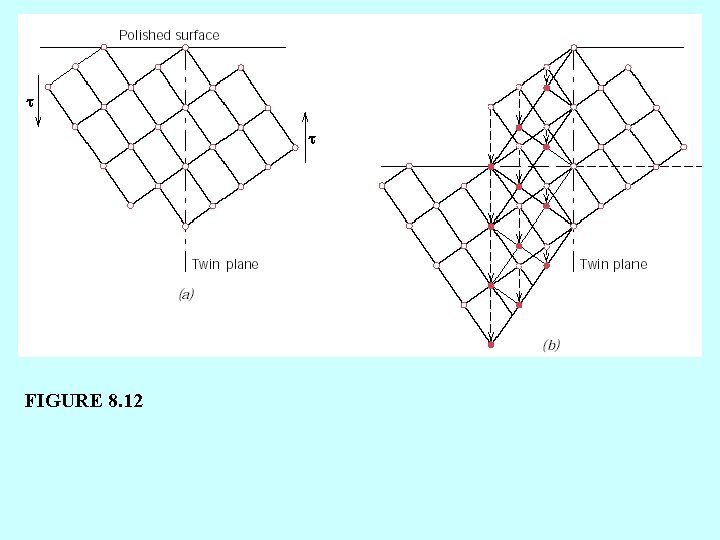
FIGURE 8. 12
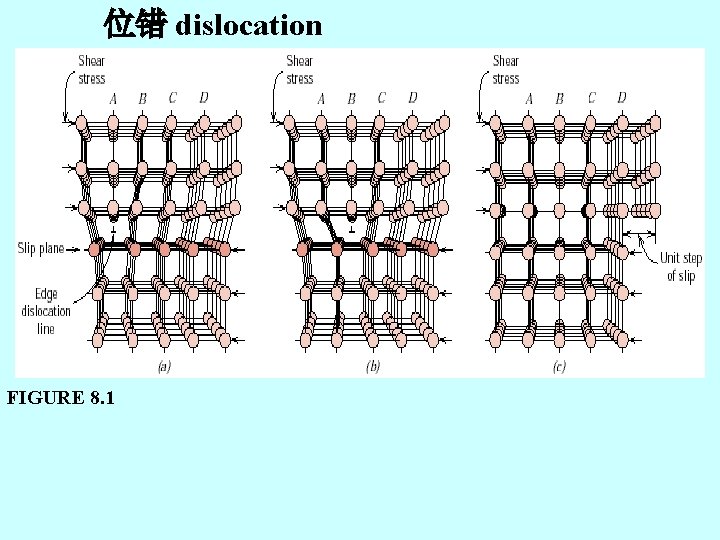
位错 dislocation FIGURE 8. 1
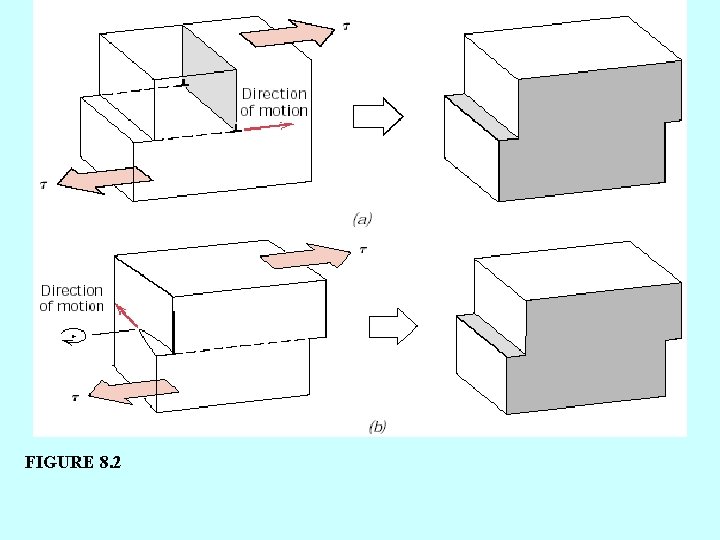
FIGURE 8. 2
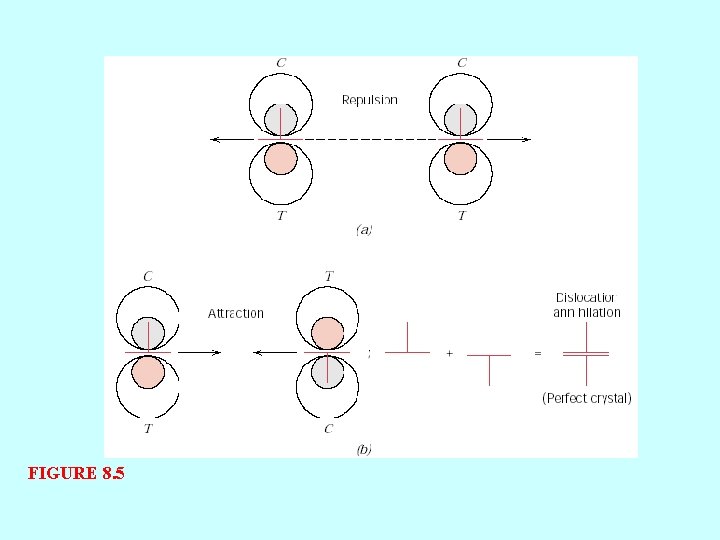
FIGURE 8. 5
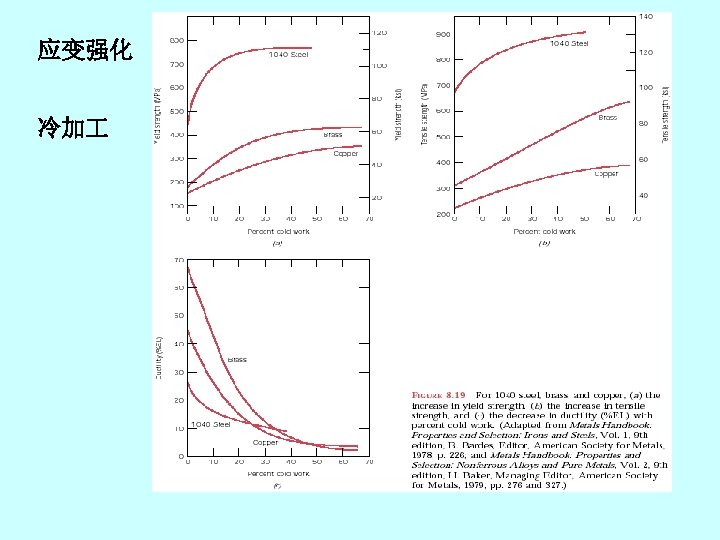
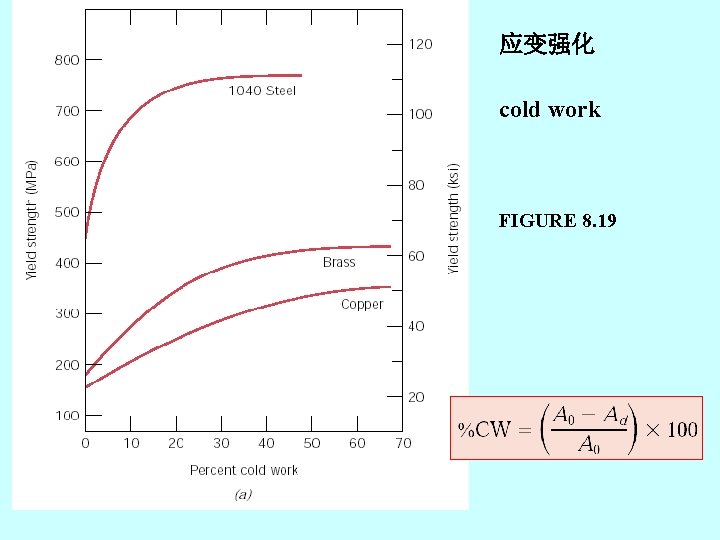
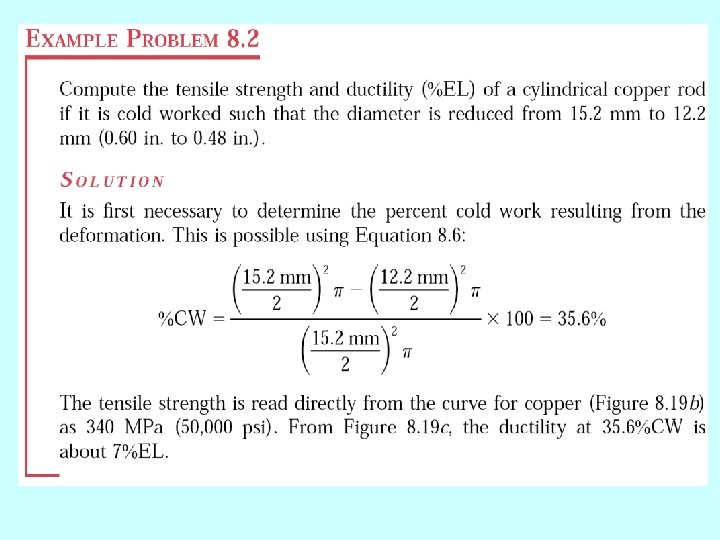
应变强化 cold work FIGURE 8. 19
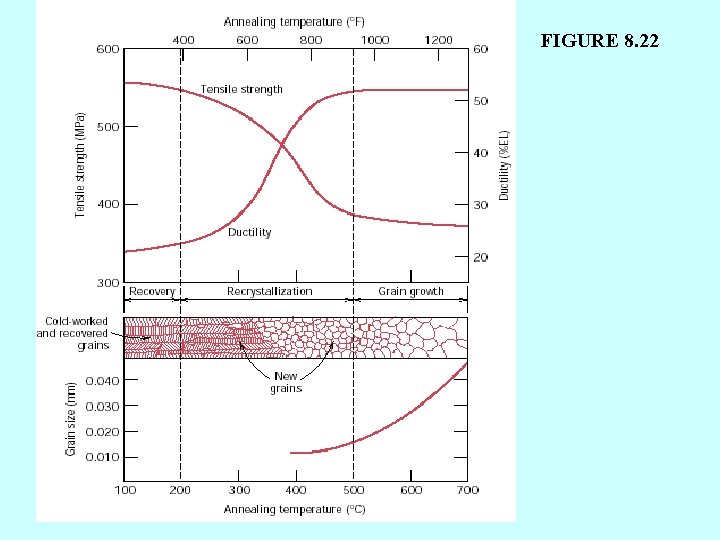
FIGURE 8. 22
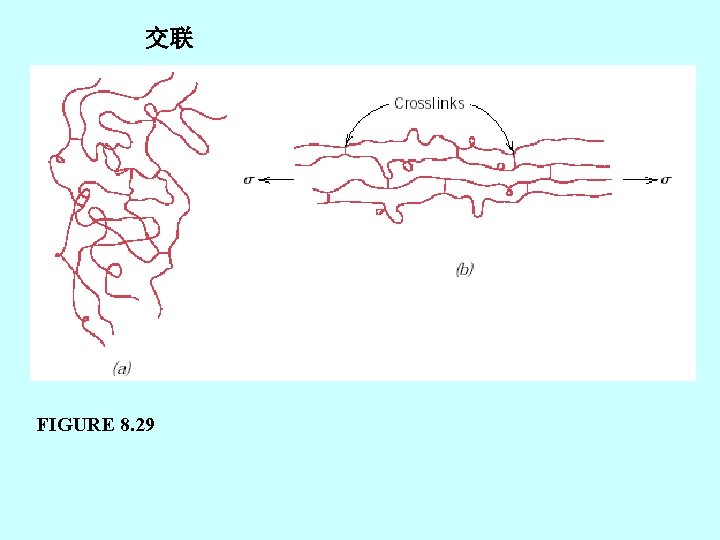
交联 FIGURE 8. 29