
Mechanical Hazards Types of Mechanical Hazards Controls for
- Slides: 21
Mechanical Hazards
Types of Mechanical Hazards Controls for Mechanical Hazards Page 2
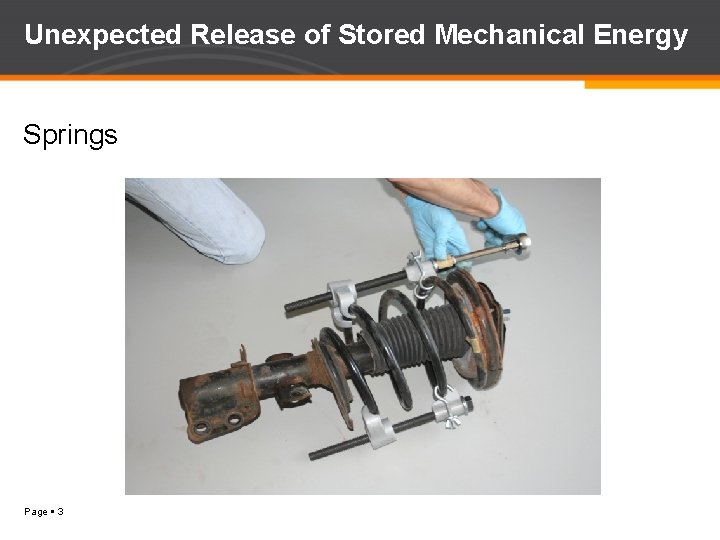
Unexpected Release of Stored Mechanical Energy Springs Page 3
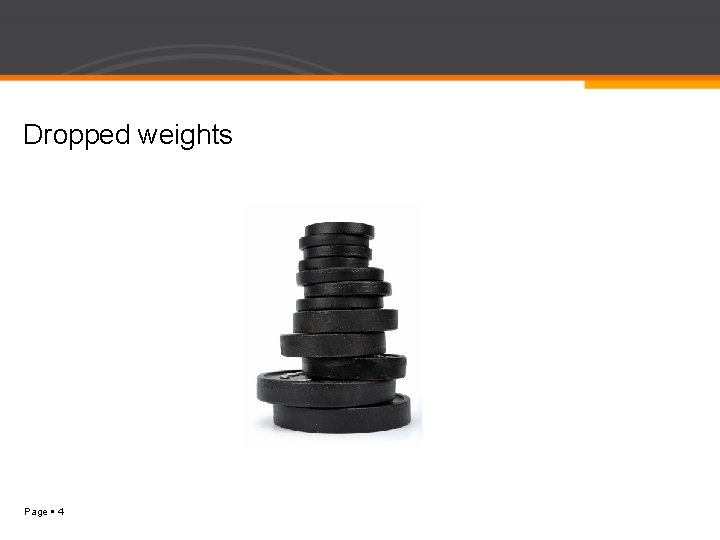
Dropped weights Page 4
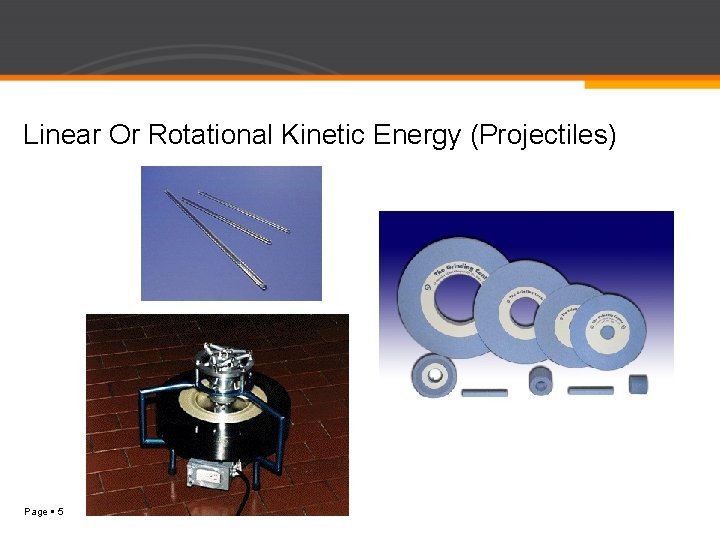
Linear Or Rotational Kinetic Energy (Projectiles) Page 5
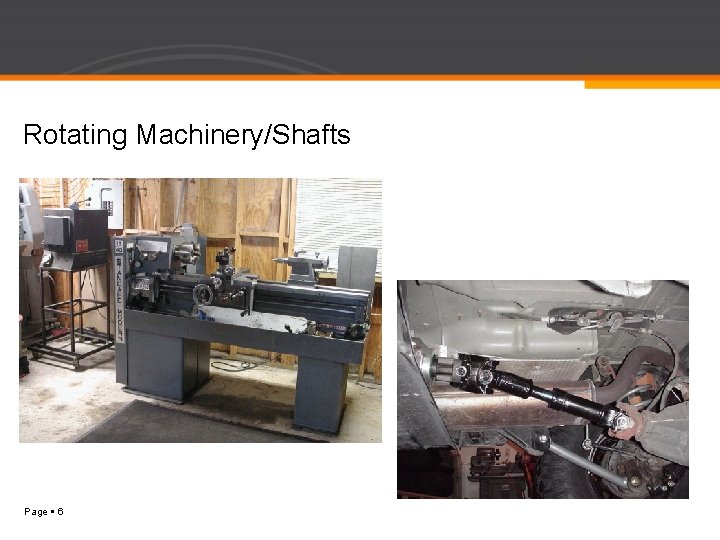
Rotating Machinery/Shafts Page 6
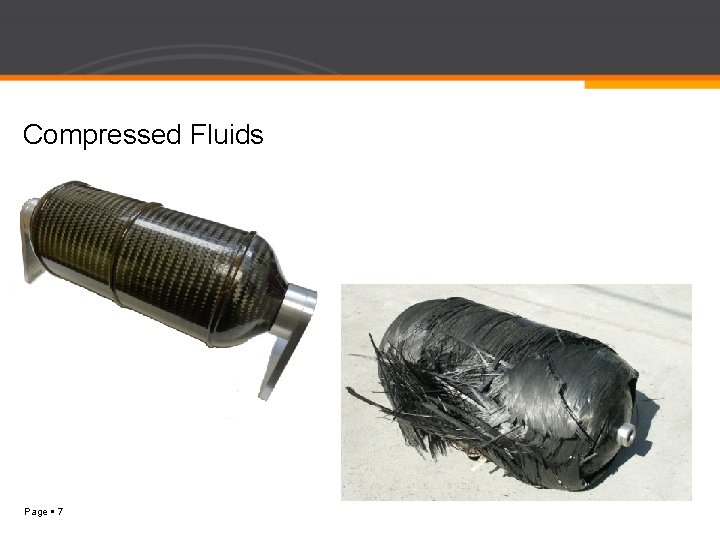
Compressed Fluids Page 7
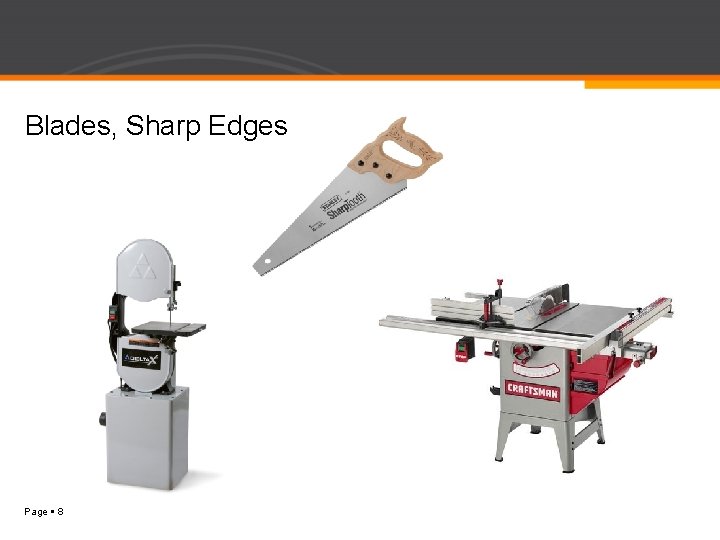
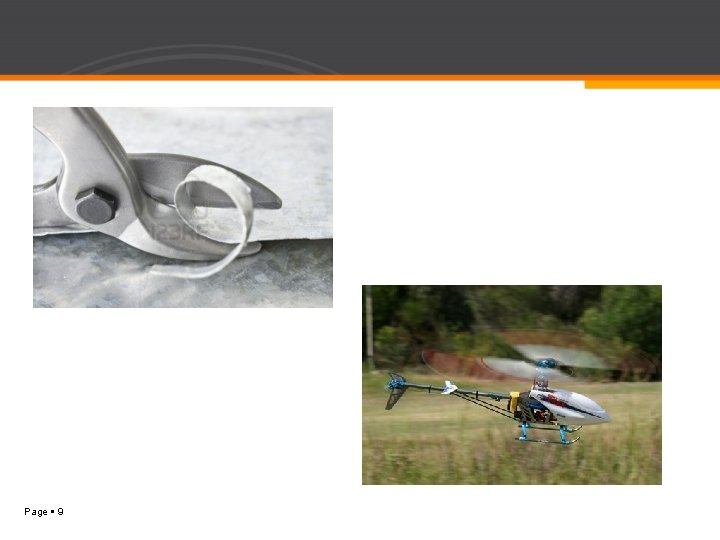
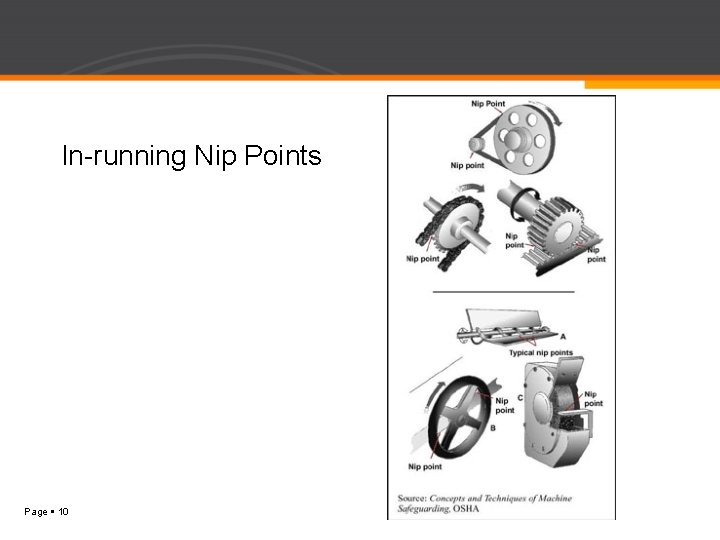
Blades, Sharp Edges Page 8
Page 9
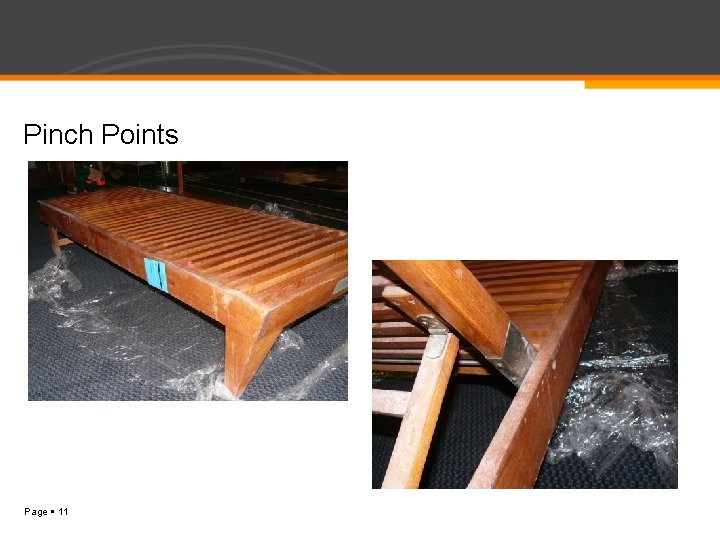
In-running Nip Points Page 10
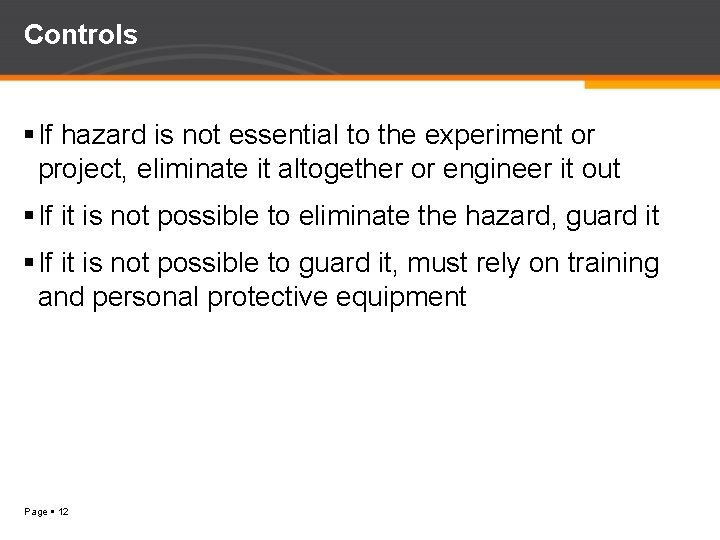
Pinch Points Page 11
Controls If hazard is not essential to the experiment or project, eliminate it altogether or engineer it out If it is not possible to eliminate the hazard, guard it If it is not possible to guard it, must rely on training and personal protective equipment Page 12
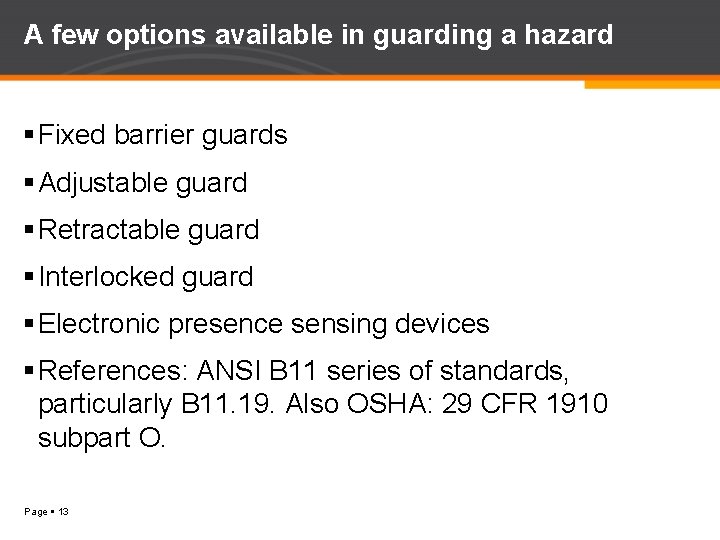
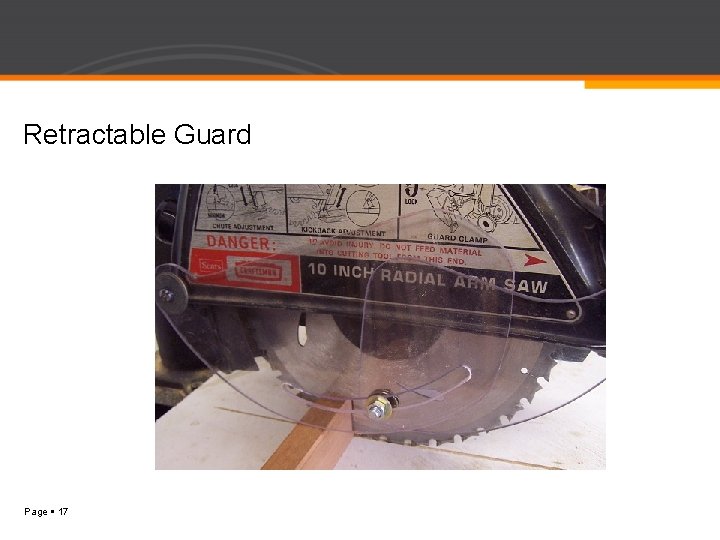
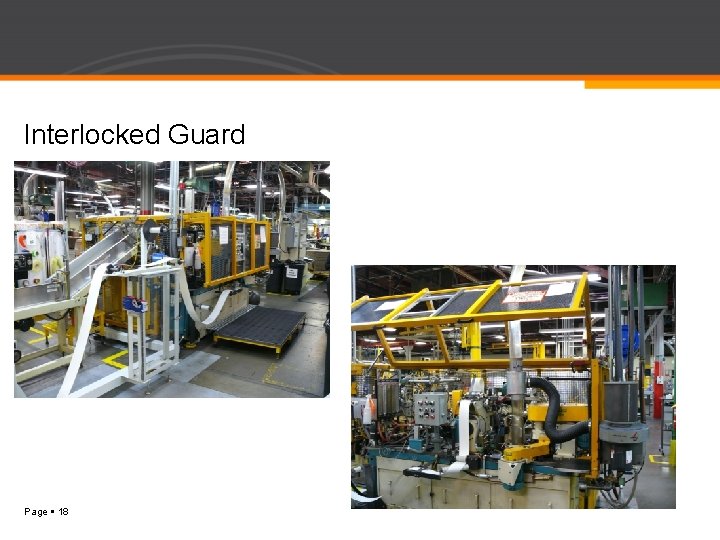
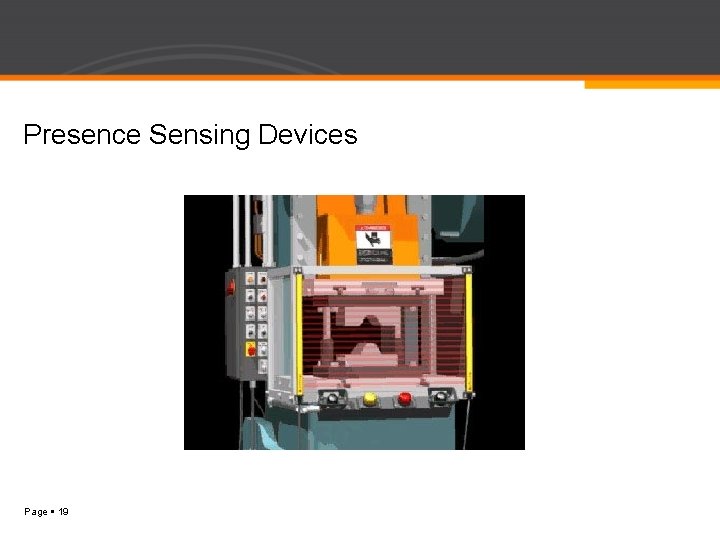
A few options available in guarding a hazard Fixed barrier guards Adjustable guard Retractable guard Interlocked guard Electronic presence sensing devices References: ANSI B 11 series of standards, particularly B 11. 19. Also OSHA: 29 CFR 1910 subpart O. Page 13
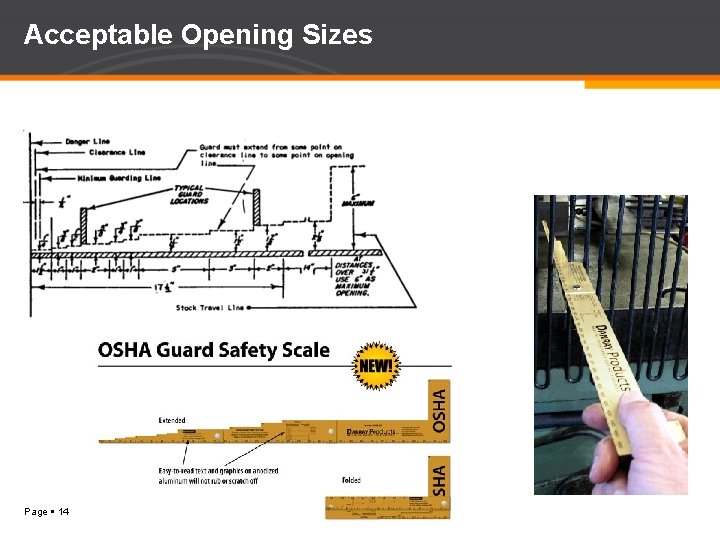
Acceptable Opening Sizes Page 14
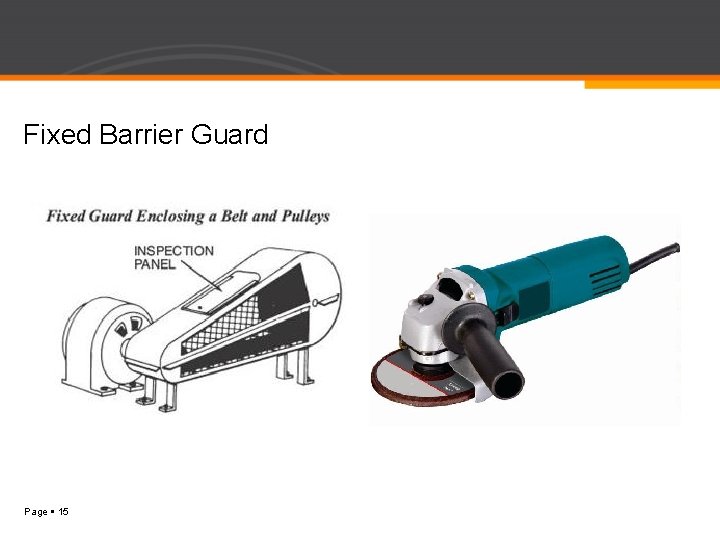
Fixed Barrier Guard Page 15
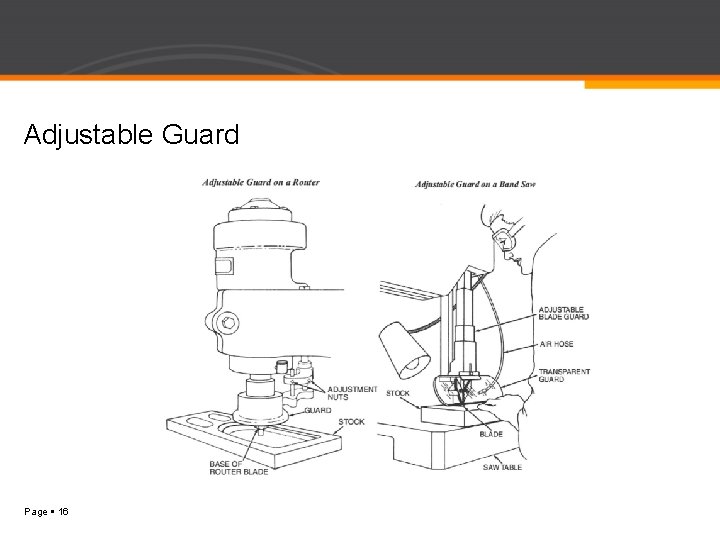
Adjustable Guard Page 16
Retractable Guard Page 17
Interlocked Guard Page 18
Presence Sensing Devices Page 19
Training Safety training (well designed, consistently implemented, documented, refresher courses as necessary) Procedural controls, such as: • Lock out/ tag out • Limiting hours (no working at 2 am) • Buddy system Page 20
Examples of Personal Protective Equipment Safety glasses Gloves Hard hats Steel-toed boots Lab coats Safety harnesses for fall protection Ear plugs Page 21