
Measuring the Timing of Ovulation Implantation Old Ways



- Slides: 35
Measuring the Timing of Ovulation & Implantation: Old Ways & New Kenneth L. Campbell Professor of Biology University of Massachusetts at Boston
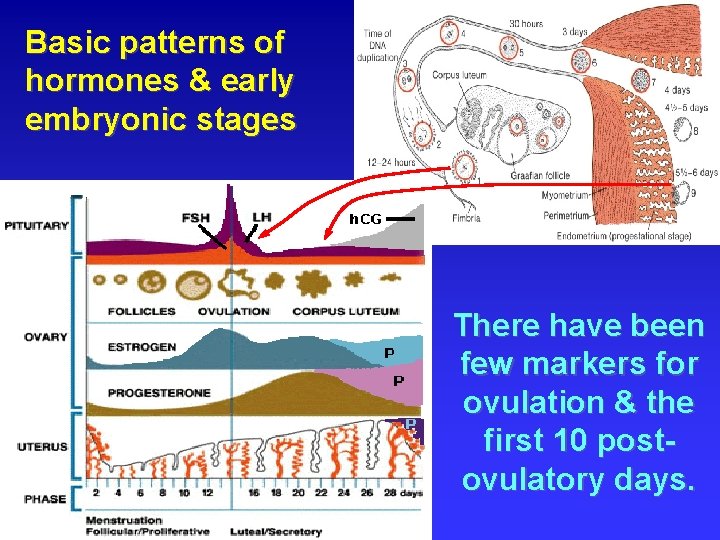
Basic patterns of hormones & early embryonic stages There have been few markers for ovulation & the first 10 postovulatory days.
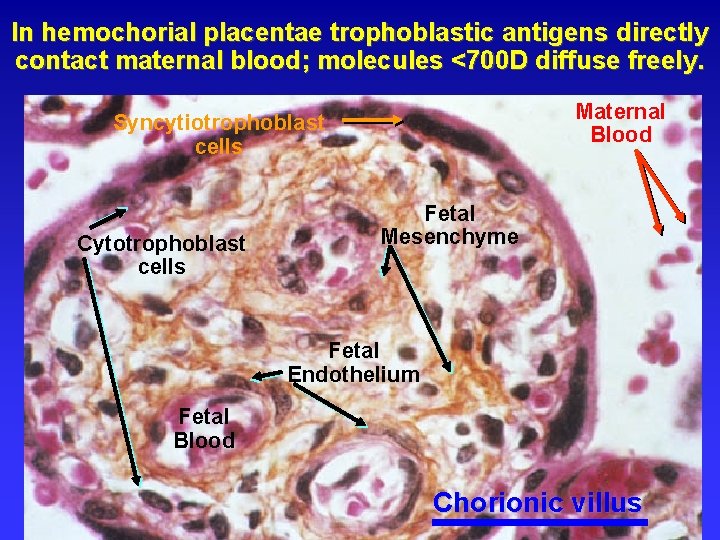
In hemochorial placentae trophoblastic antigens directly contact maternal blood; molecules <700 D diffuse freely. Maternal Blood Syncytiotrophoblast cells Cytotrophoblast cells Fetal Mesenchyme Fetal Endothelium Fetal Blood Chorionic villus
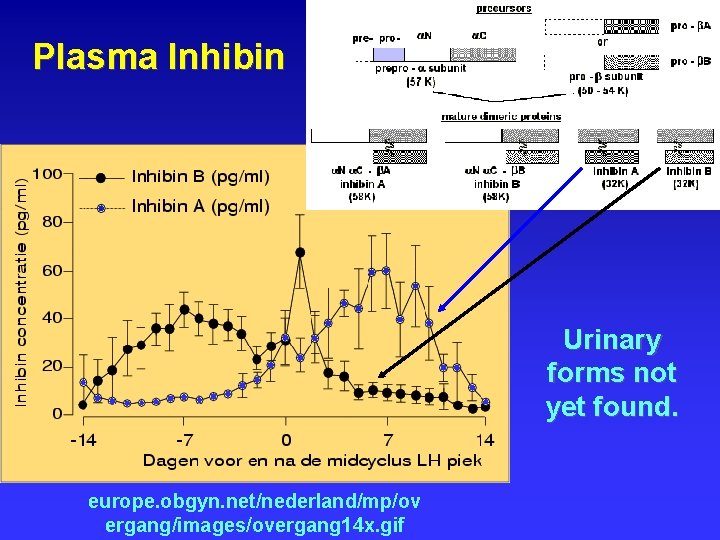
Plasma Inhibin Urinary forms not yet found. europe. obgyn. net/nederland/mp/ov ergang/images/overgang 14 x. gif
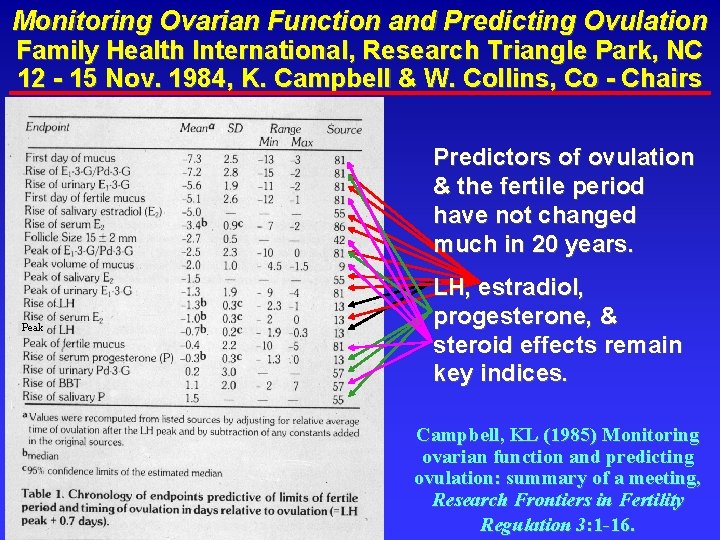
Monitoring Ovarian Function and Predicting Ovulation Family Health International, Research Triangle Park, NC 12 - 15 Nov. 1984, K. Campbell & W. Collins, Co - Chairs Predictors of ovulation & the fertile period have not changed much in 20 years. Peak LH, estradiol, progesterone, & steroid effects remain key indices. Campbell, KL (1985) Monitoring ovarian function and predicting ovulation: summary of a meeting, Research Frontiers in Fertility Regulation 3: 1 -16.
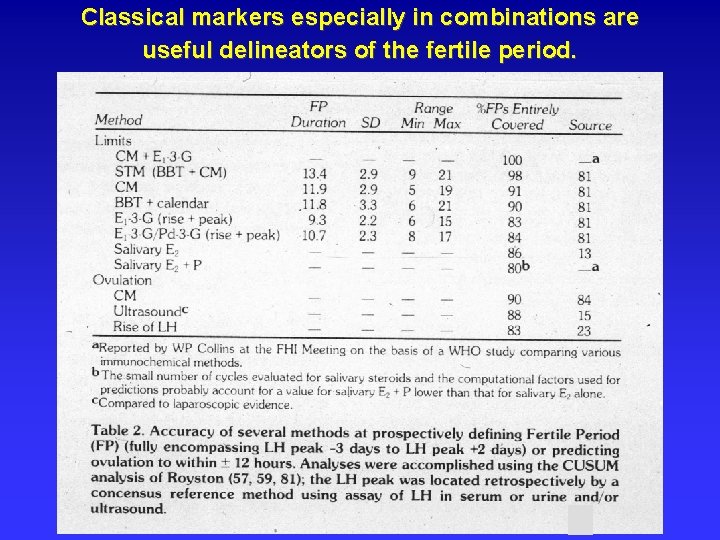
Classical markers especially in combinations are useful delineators of the fertile period.
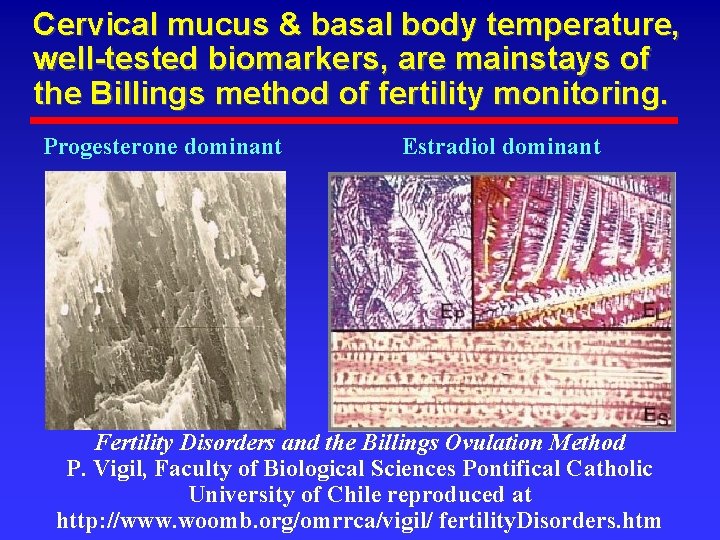
Cervical mucus & basal body temperature, well-tested biomarkers, are mainstays of the Billings method of fertility monitoring. Progesterone dominant Estradiol dominant Fertility Disorders and the Billings Ovulation Method P. Vigil, Faculty of Biological Sciences Pontifical Catholic University of Chile reproduced at http: //www. woomb. org/omrrca/vigil/ fertility. Disorders. htm
Advances with Potential Impact on Biomarker Use Since 1984 • Human & animal genome projects • DNA & protein databases & computerized search techniques • Animal cloning & associated techniques • Molecular monitoring of development • DNA biotechnology; PCR, microarray • Mass spectrometry: MALDI-TOF, MS/MS; coupling to HPLC • High throughput immunoassay, fluorescence & luminescence detection; sensitivity at or below attomolar levels (down to single molecules)
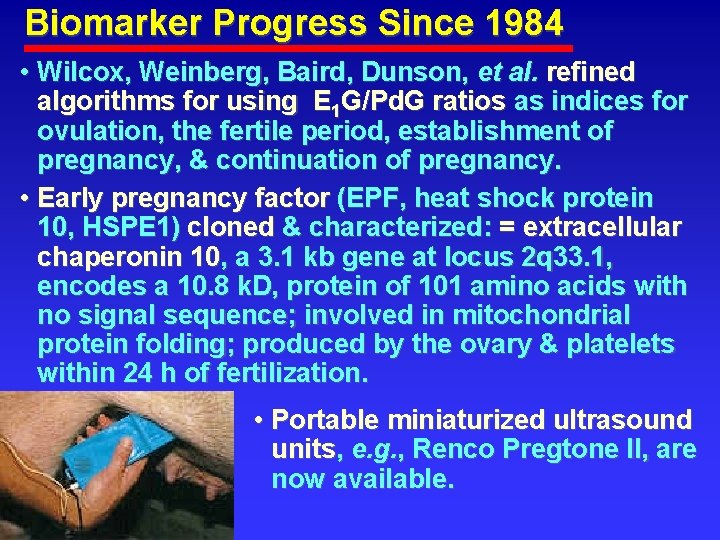
Biomarker Progress Since 1984 • Wilcox, Weinberg, Baird, Dunson, et al. refined algorithms for using E 1 G/Pd. G ratios as indices for ovulation, the fertile period, establishment of pregnancy, & continuation of pregnancy. • Early pregnancy factor (EPF, heat shock protein 10, HSPE 1) cloned & characterized: = extracellular chaperonin 10, a 3. 1 kb gene at locus 2 q 33. 1, encodes a 10. 8 k. D, protein of 101 amino acids with no signal sequence; involved in mitochondrial protein folding; produced by the ovary & platelets within 24 h of fertilization. • Portable miniaturized ultrasound units, e. g. , Renco Pregtone II, are now available.
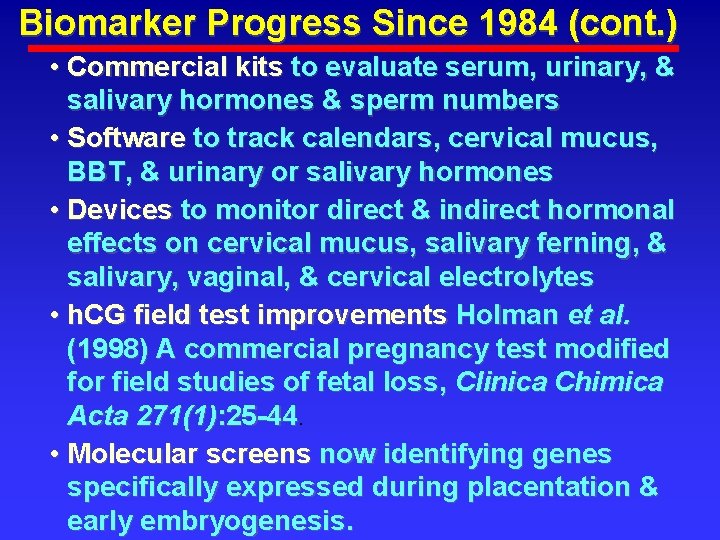
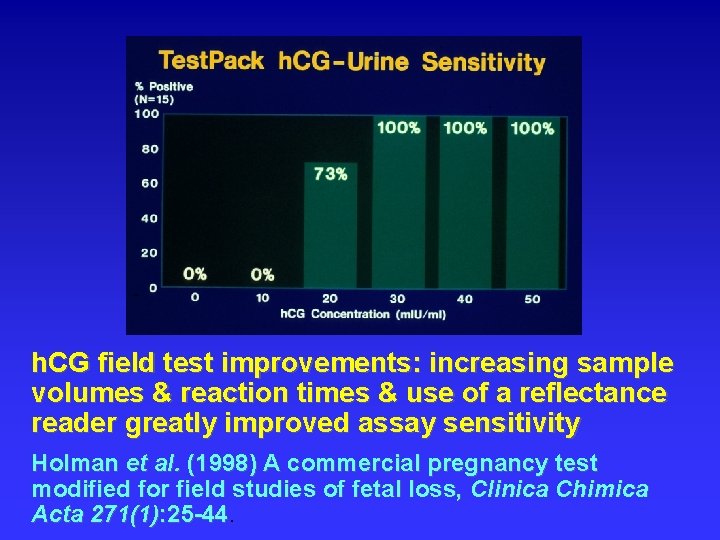
Biomarker Progress Since 1984 (cont. ) • Commercial kits to evaluate serum, urinary, & salivary hormones & sperm numbers • Software to track calendars, cervical mucus, BBT, & urinary or salivary hormones • Devices to monitor direct & indirect hormonal effects on cervical mucus, salivary ferning, & salivary, vaginal, & cervical electrolytes • h. CG field test improvements Holman et al. (1998) A commercial pregnancy test modified for field studies of fetal loss, Clinica Chimica Acta 271(1): 25 -44. • Molecular screens now identifying genes specifically expressed during placentation & early embryogenesis.
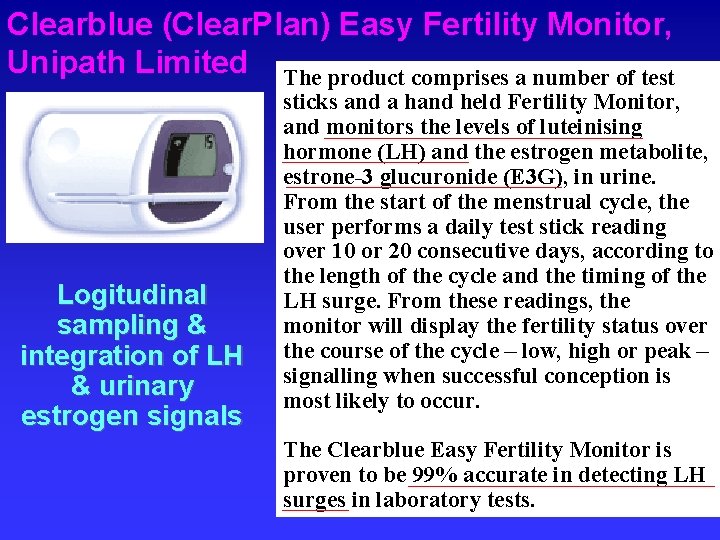
Clearblue (Clear. Plan) Easy Fertility Monitor, Unipath Limited The product comprises a number of test Logitudinal sampling & integration of LH & urinary estrogen signals sticks and a hand held Fertility Monitor, and monitors the levels of luteinising hormone (LH) and the estrogen metabolite, estrone-3 glucuronide (E 3 G), in urine. From the start of the menstrual cycle, the user performs a daily test stick reading over 10 or 20 consecutive days, according to the length of the cycle and the timing of the LH surge. From these readings, the monitor will display the fertility status over the course of the cycle – low, high or peak – signalling when successful conception is most likely to occur. The Clearblue Easy Fertility Monitor is proven to be 99% accurate in detecting LH surges in laboratory tests.
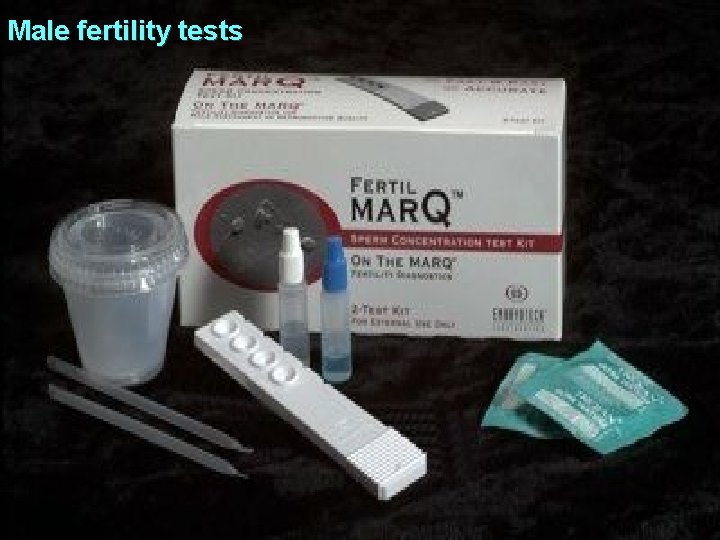
Male fertility tests
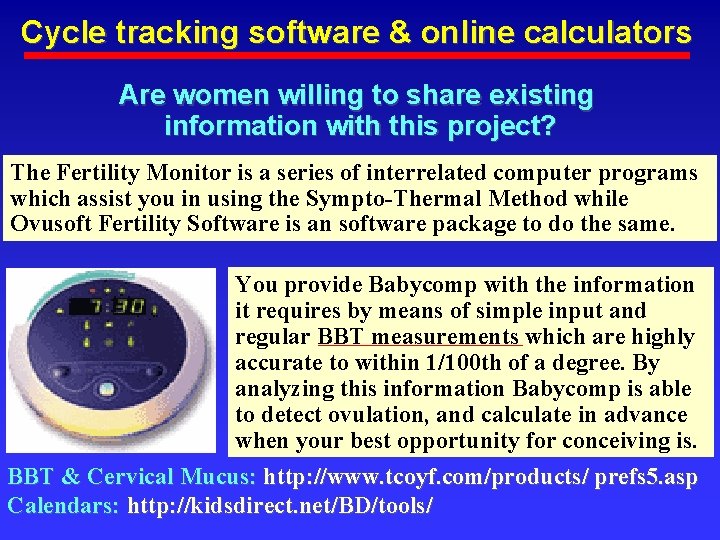
Cycle tracking software & online calculators Are women willing to share existing information with this project? The Fertility Monitor is a series of interrelated computer programs which assist you in using the Sympto-Thermal Method while Ovusoft Fertility Software is an software package to do the same. You provide Babycomp with the information it requires by means of simple input and regular BBT measurements which are highly accurate to within 1/100 th of a degree. By analyzing this information Babycomp is able to detect ovulation, and calculate in advance when your best opportunity for conceiving is. BBT & Cervical Mucus: http: //www. tcoyf. com/products/ prefs 5. asp Calendars: http: //kidsdirect. net/BD/tools/
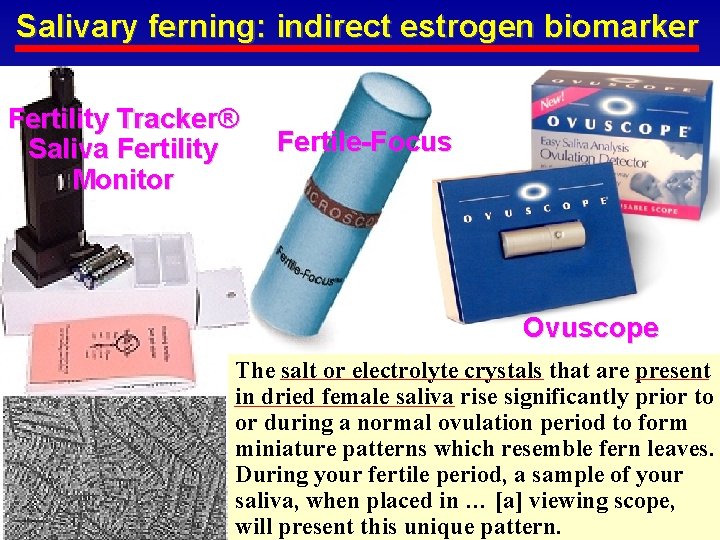
Salivary ferning: indirect estrogen biomarker Fertility Tracker® Saliva Fertility Monitor Fertile-Focus Ovuscope The salt or electrolyte crystals that are present in dried female saliva rise significantly prior to or during a normal ovulation period to form miniature patterns which resemble fern leaves. During your fertile period, a sample of your saliva, when placed in … [a] viewing scope, will present this unique pattern.
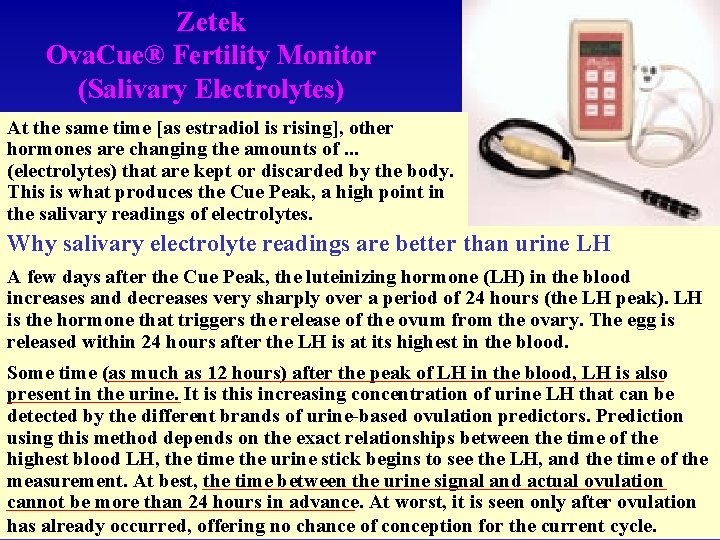
Zetek Ova. Cue® Fertility Monitor (Salivary Electrolytes) At the same time [as estradiol is rising], other hormones are changing the amounts of. . . (electrolytes) that are kept or discarded by the body. This is what produces the Cue Peak, a high point in the salivary readings of electrolytes. Why salivary electrolyte readings are better than urine LH A few days after the Cue Peak, the luteinizing hormone (LH) in the blood increases and decreases very sharply over a period of 24 hours (the LH peak). LH is the hormone that triggers the release of the ovum from the ovary. The egg is released within 24 hours after the LH is at its highest in the blood. Some time (as much as 12 hours) after the peak of LH in the blood, LH is also present in the urine. It is this increasing concentration of urine LH that can be detected by the different brands of urine-based ovulation predictors. Prediction using this method depends on the exact relationships between the time of the highest blood LH, the time the urine stick begins to see the LH, and the time of the measurement. At best, the time between the urine signal and actual ovulation cannot be more than 24 hours in advance. At worst, it is seen only after ovulation has already occurred, offering no chance of conception for the current cycle.
h. CG field test improvements: increasing sample volumes & reaction times & use of a reflectance reader greatly improved assay sensitivity Holman et al. (1998) A commercial pregnancy test modified for field studies of fetal loss, Clinica Chimica Acta 271(1): 25 -44
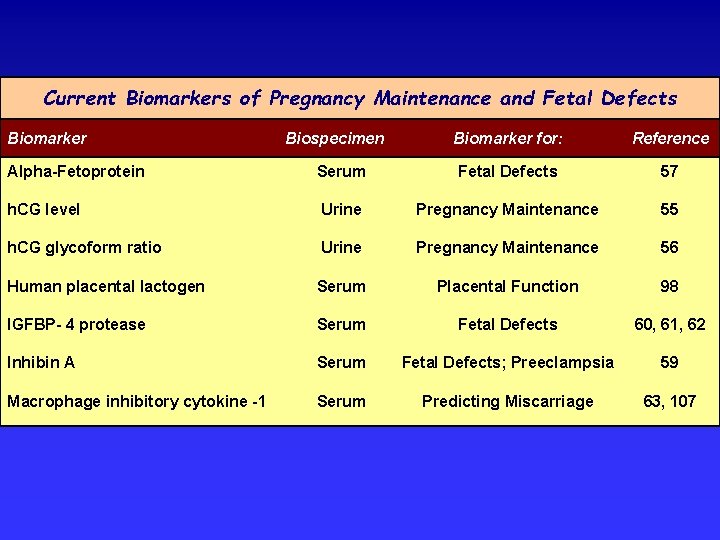
Current Biomarkers of Pregnancy Maintenance and Fetal Defects Biomarker Biospecimen Biomarker for: Reference Alpha-Fetoprotein Serum Fetal Defects 57 h. CG level Urine Pregnancy Maintenance 55 h. CG glycoform ratio Urine Pregnancy Maintenance 56 Human placental lactogen Serum Placental Function 98 IGFBP- 4 protease Serum Fetal Defects 60, 61, 62 Inhibin A Serum Fetal Defects; Preeclampsia 59 Macrophage inhibitory cytokine -1 Serum Predicting Miscarriage 63, 107
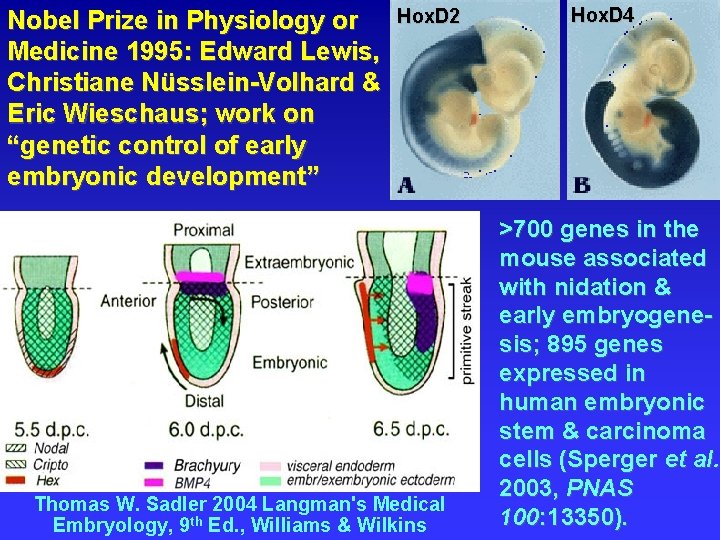
Nobel Prize in Physiology or Medicine 1995: Edward Lewis, Christiane Nüsslein-Volhard & Eric Wieschaus; work on “genetic control of early embryonic development” Hox. D 2 Thomas W. Sadler 2004 Langman's Medical Embryology, 9 th Ed. , Williams & Wilkins Hox. D 4 >700 genes in the mouse associated with nidation & early embryogenesis; 895 genes expressed in human embryonic stem & carcinoma cells (Sperger et al. 2003, PNAS 100: 13350).
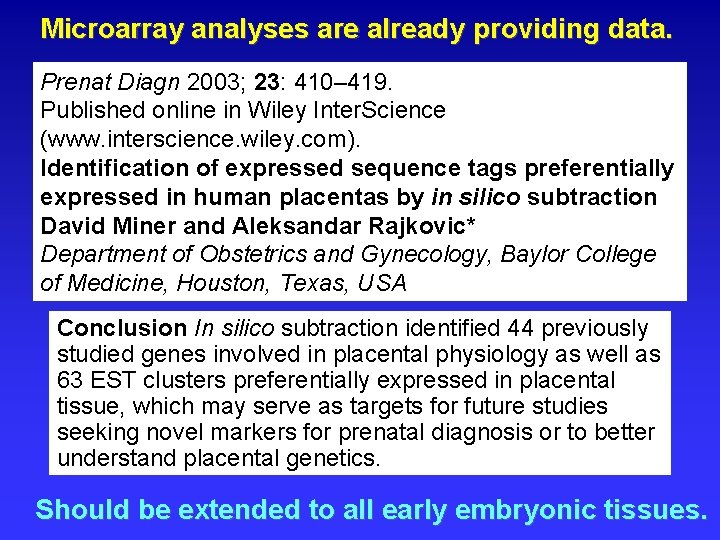
Microarray analyses are already providing data. Prenat Diagn 2003; 23: 410– 419. Published online in Wiley Inter. Science (www. interscience. wiley. com). Identification of expressed sequence tags preferentially expressed in human placentas by in silico subtraction David Miner and Aleksandar Rajkovic* Department of Obstetrics and Gynecology, Baylor College of Medicine, Houston, Texas, USA Conclusion In silico subtraction identified 44 previously studied genes involved in placental physiology as well as 63 EST clusters preferentially expressed in placental tissue, which may serve as targets for future studies seeking novel markers for prenatal diagnosis or to better understand placental genetics. Should be extended to all early embryonic tissues.
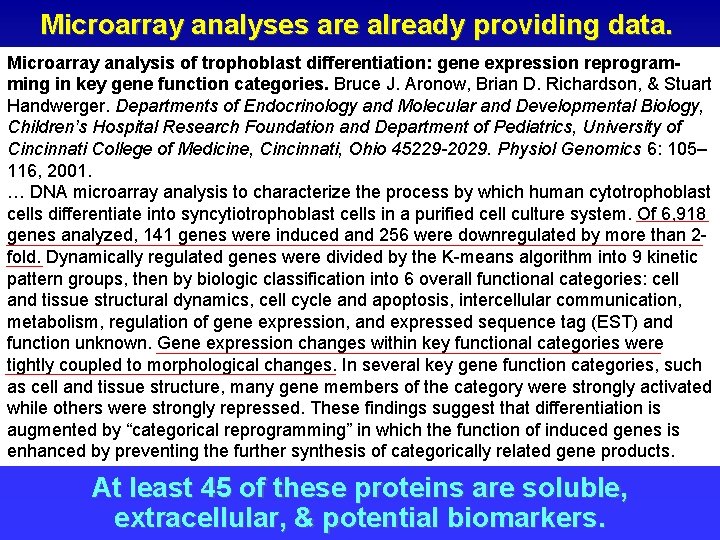
Microarray analyses are already providing data. Microarray analysis of trophoblast differentiation: gene expression reprogramming in key gene function categories. Bruce J. Aronow, Brian D. Richardson, & Stuart Handwerger. Departments of Endocrinology and Molecular and Developmental Biology, Children’s Hospital Research Foundation and Department of Pediatrics, University of Cincinnati College of Medicine, Cincinnati, Ohio 45229 -2029. Physiol Genomics 6: 105– 116, 2001. … DNA microarray analysis to characterize the process by which human cytotrophoblast cells differentiate into syncytiotrophoblast cells in a purified cell culture system. Of 6, 918 genes analyzed, 141 genes were induced and 256 were downregulated by more than 2 fold. Dynamically regulated genes were divided by the K-means algorithm into 9 kinetic pattern groups, then by biologic classification into 6 overall functional categories: cell and tissue structural dynamics, cell cycle and apoptosis, intercellular communication, metabolism, regulation of gene expression, and expressed sequence tag (EST) and function unknown. Gene expression changes within key functional categories were tightly coupled to morphological changes. In several key gene function categories, such as cell and tissue structure, many gene members of the category were strongly activated while others were strongly repressed. These findings suggest that differentiation is augmented by “categorical reprogramming” in which the function of induced genes is enhanced by preventing the further synthesis of categorically related gene products. At least 45 of these proteins are soluble, extracellular, & potential biomarkers.
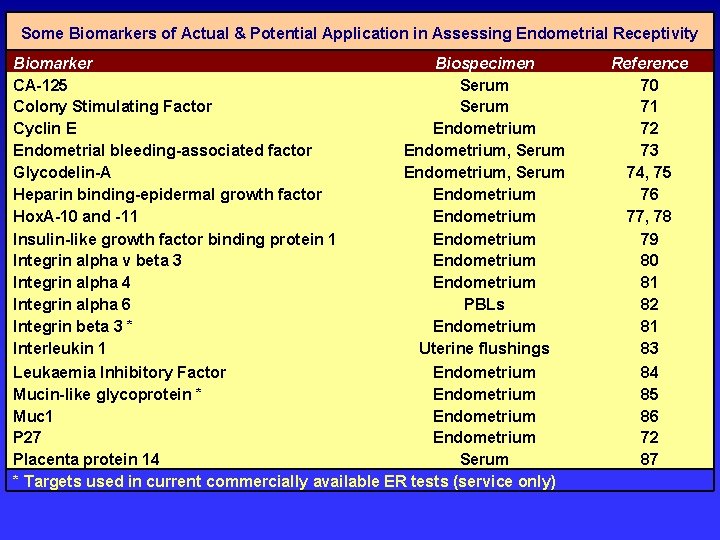
Some Biomarkers of Actual & Potential Application in Assessing Endometrial Receptivity Biomarker CA-125 Colony Stimulating Factor Cyclin E Endometrial bleeding-associated factor Glycodelin-A Heparin binding-epidermal growth factor Hox. A-10 and -11 Insulin-like growth factor binding protein 1 Integrin alpha v beta 3 Integrin alpha 4 Integrin alpha 6 Integrin beta 3 * Interleukin 1 Biospecimen Serum Endometrium, Serum Endometrium Endometrium PBLs Endometrium Uterine flushings Leukaemia Inhibitory Factor Endometrium Mucin-like glycoprotein * Endometrium Muc 1 Endometrium P 27 Endometrium Placenta protein 14 Serum * Targets used in current commercially available ER tests (service only) Reference 70 71 72 73 74, 75 76 77, 78 79 80 81 82 81 83 84 85 86 72 87
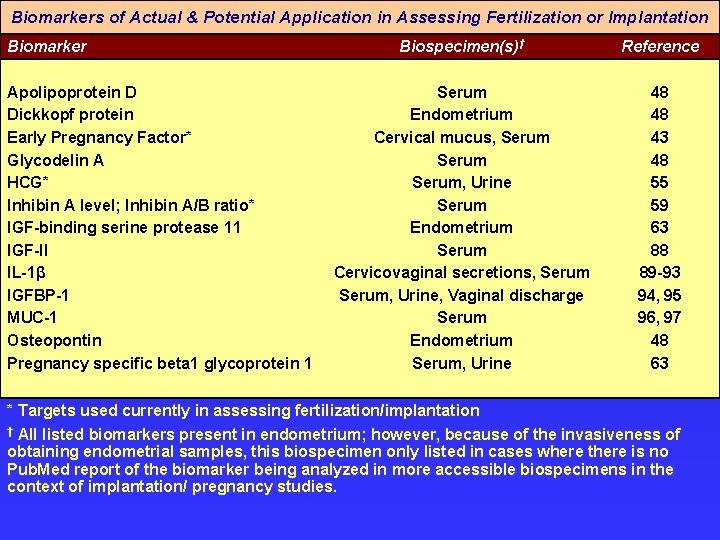
Biomarkers of Actual & Potential Application in Assessing Fertilization or Implantation Biomarker Apolipoprotein D Dickkopf protein Early Pregnancy Factor* Glycodelin A HCG* Inhibin A level; Inhibin A/B ratio* IGF-binding serine protease 11 IGF-II IL-1β IGFBP-1 MUC-1 Osteopontin Pregnancy specific beta 1 glycoprotein 1 Biospecimen(s)† Reference Serum Endometrium Cervical mucus, Serum, Urine Serum Endometrium Serum Cervicovaginal secretions, Serum, Urine, Vaginal discharge Serum Endometrium Serum, Urine 48 48 43 48 55 59 63 88 89 -93 94, 95 96, 97 48 63 * Targets used currently in assessing fertilization/implantation † All listed biomarkers present in endometrium; however, because of the invasiveness of obtaining endometrial samples, this biospecimen only listed in cases where there is no Pub. Med report of the biomarker being analyzed in more accessible biospecimens in the context of implantation/ pregnancy studies.
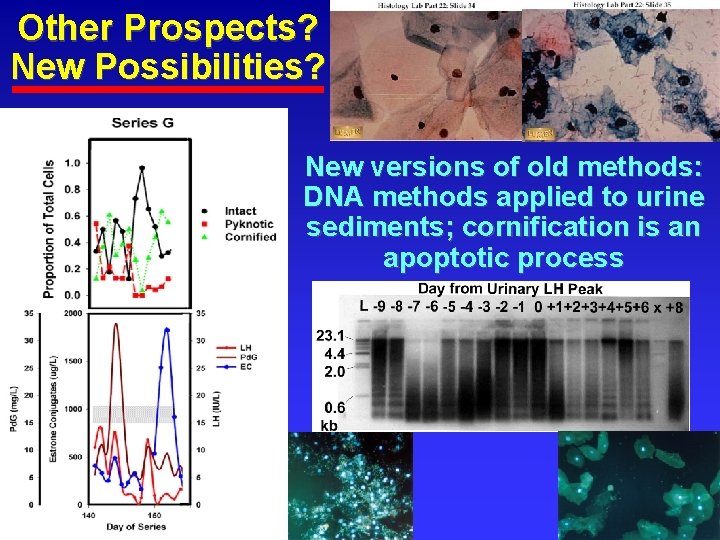
Other Prospects? New Possibilities? New versions of old methods: DNA methods applied to urine sediments; cornification is an apoptotic process
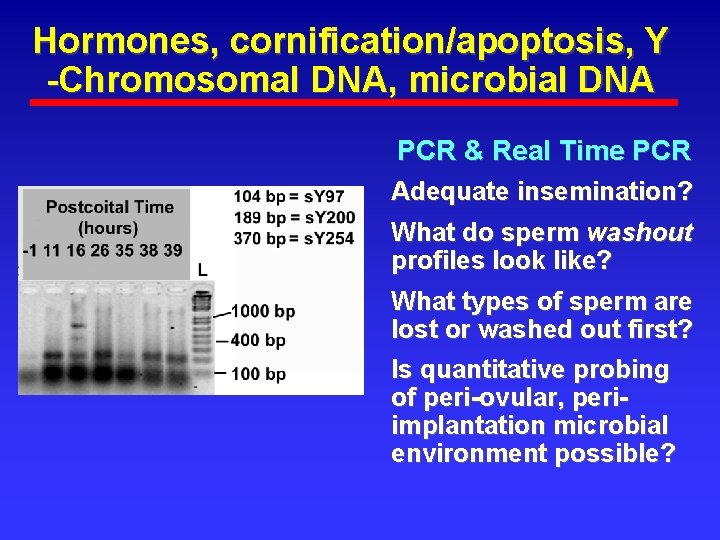
Hormones, cornification/apoptosis, Y -Chromosomal DNA, microbial DNA PCR & Real Time PCR Adequate insemination? What do sperm washout profiles look like? What types of sperm are lost or washed out first? Is quantitative probing of peri-ovular, periimplantation microbial environment possible?
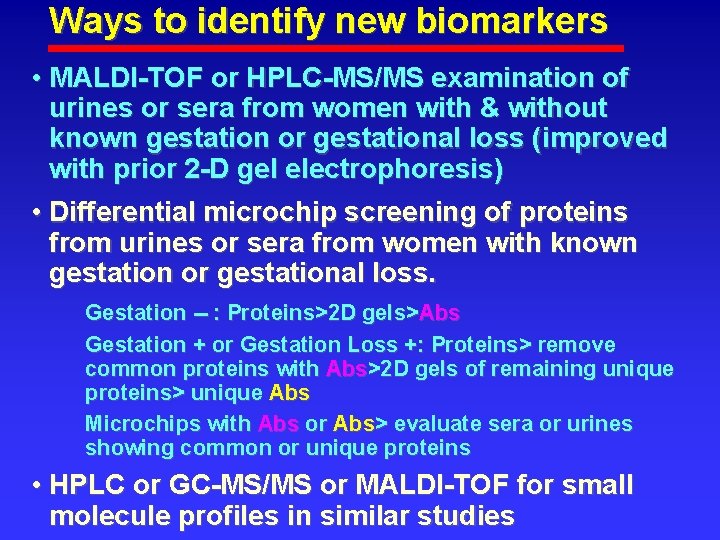
Ways to identify new biomarkers • MALDI-TOF or HPLC-MS/MS examination of urines or sera from women with & without known gestation or gestational loss (improved with prior 2 -D gel electrophoresis) • Differential microchip screening of proteins from urines or sera from women with known gestation or gestational loss. Gestation -- : Proteins>2 D gels>Abs Gestation + or Gestation Loss +: Proteins> remove common proteins with Abs>2 D gels of remaining unique proteins> unique Abs Microchips with Abs or Abs> evaluate sera or urines showing common or unique proteins • HPLC or GC-MS/MS or MALDI-TOF for small molecule profiles in similar studies
Conclusions The processes of interest are occult. We have reasonably good, well- tested methods to monitor many key events & some new devices to do so. New approaches to old methods & use of new genomic data indicate more markers do exist. Development & use of such markers would open important additional windows on the events central to predicting & understanding ovulation, fertilization, implantation, & failure of implantation.
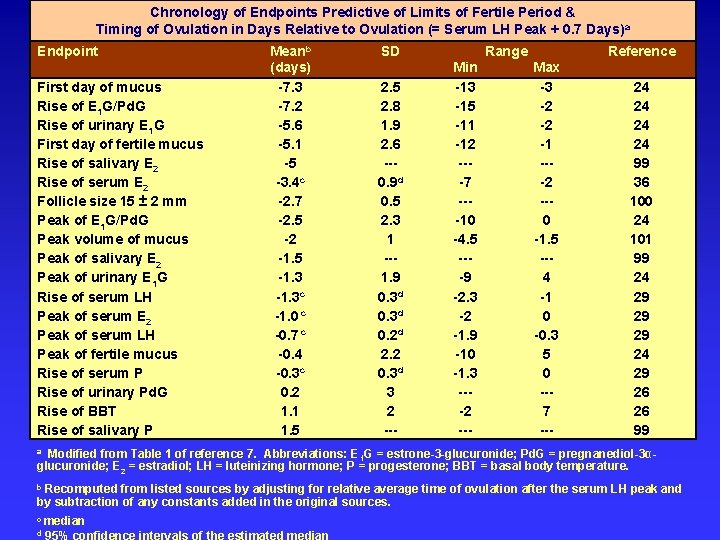
Chronology of Endpoints Predictive of Limits of Fertile Period & Timing of Ovulation in Days Relative to Ovulation (= Serum LH Peak + 0. 7 Days) a Endpoint First day of mucus Rise of E 1 G/Pd. G Rise of urinary E 1 G First day of fertile mucus Rise of salivary E 2 Rise of serum E 2 Follicle size 15 ± 2 mm Peak of E 1 G/Pd. G Peak volume of mucus Peak of salivary E 2 Peak of urinary E 1 G Rise of serum LH Peak of serum E 2 Peak of serum LH Peak of fertile mucus Rise of serum P Rise of urinary Pd. G Rise of BBT Rise of salivary P Meanb (days) -7. 3 -7. 2 -5. 6 -5. 1 -5 -3. 4 c -2. 7 -2. 5 -2 -1. 5 -1. 3 c -1. 0 c -0. 7 c -0. 4 -0. 3 c 0. 2 1. 1 1. 5 SD 2. 5 2. 8 1. 9 2. 6 --0. 9 d 0. 5 2. 3 1 --1. 9 0. 3 d 0. 2 d 2. 2 0. 3 d 3 2 --- Range Min -13 -15 -11 -12 ---7 ---10 -4. 5 ---9 -2. 3 -2 -1. 9 -10 -1. 3 ---2 --- Reference Max -3 -2 -2 -1 ---2 --0 -1. 5 --4 -1 0 -0. 3 5 0 --7 --- 24 24 99 36 100 24 101 99 24 29 29 29 24 29 26 26 99 a Modified from Table 1 of reference 7. Abbreviations: E 1 G = estrone-3 -glucuronide; Pd. G = pregnanediol-3αglucuronide; E 2 = estradiol; LH = luteinizing hormone; P = progesterone; BBT = basal body temperature. b Recomputed from listed sources by adjusting for relative average time of ovulation after the serum LH peak and by subtraction of any constants added in the original sources. c median d 95% confidence intervals of the estimated median
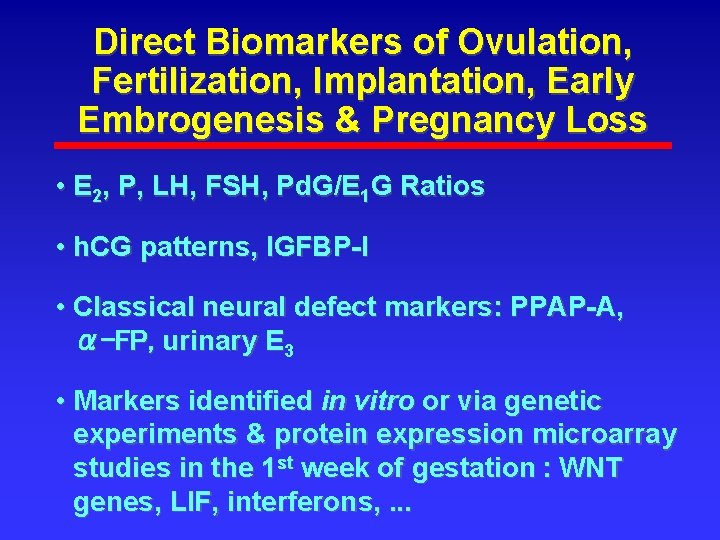
Direct Biomarkers of Ovulation, Fertilization, Implantation, Early Embrogenesis & Pregnancy Loss • E 2, P, LH, FSH, Pd. G/E 1 G Ratios • h. CG patterns, IGFBP-I • Classical neural defect markers: PPAP-A, α-FP, urinary E 3 • Markers identified in vitro or via genetic experiments & protein expression microarray studies in the 1 st week of gestation : WNT genes, LIF, interferons, . . .
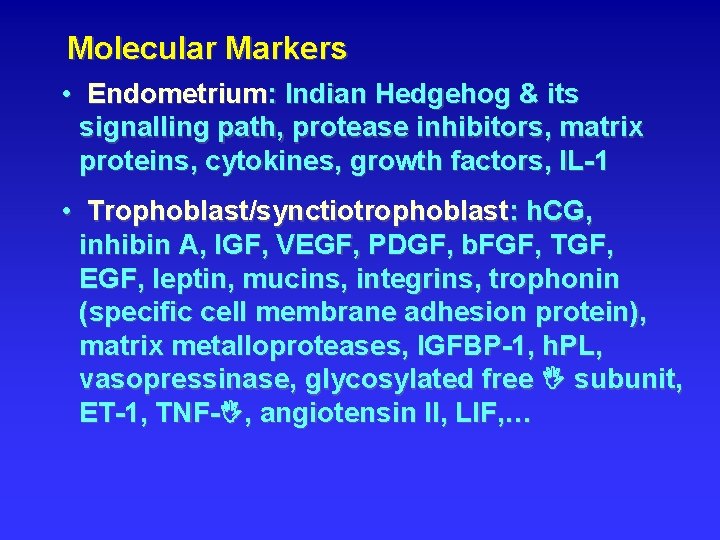
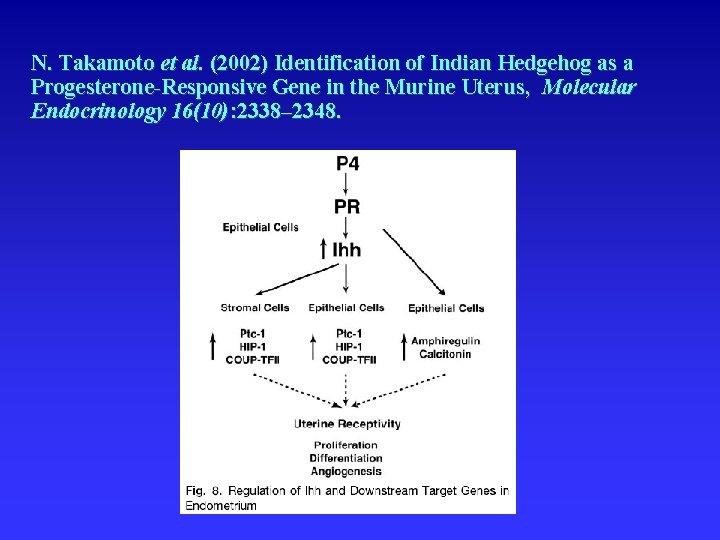
Molecular Markers • Endometrium: Indian Hedgehog & its signalling path, protease inhibitors, matrix proteins, cytokines, growth factors, IL-1 • Trophoblast/synctiotrophoblast: h. CG, inhibin A, IGF, VEGF, PDGF, b. FGF, TGF, EGF, leptin, mucins, integrins, trophonin (specific cell membrane adhesion protein), matrix metalloproteases, IGFBP-1, h. PL, vasopressinase, glycosylated free subunit, ET-1, TNF- , angiotensin II, LIF, …
N. Takamoto et al. (2002) Identification of Indian Hedgehog as a Progesterone-Responsive Gene in the Murine Uterus, Molecular Endocrinology 16(10): 2338– 2348.
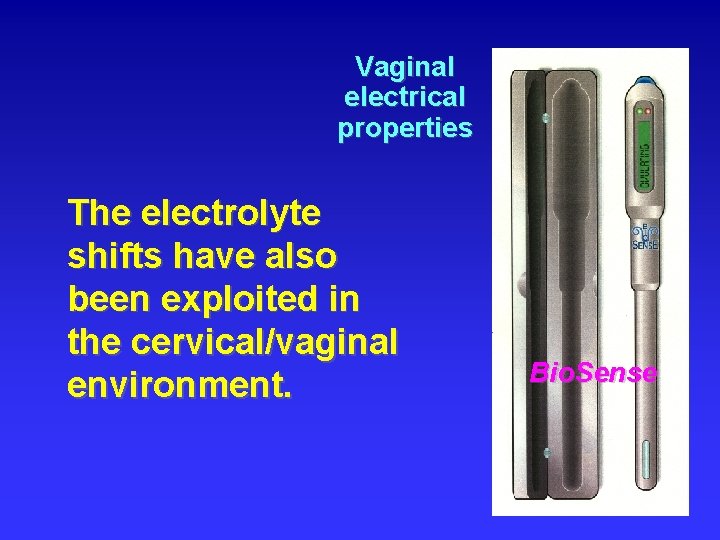
Vaginal electrical properties The electrolyte shifts have also been exploited in the cervical/vaginal environment. Bio. Sense
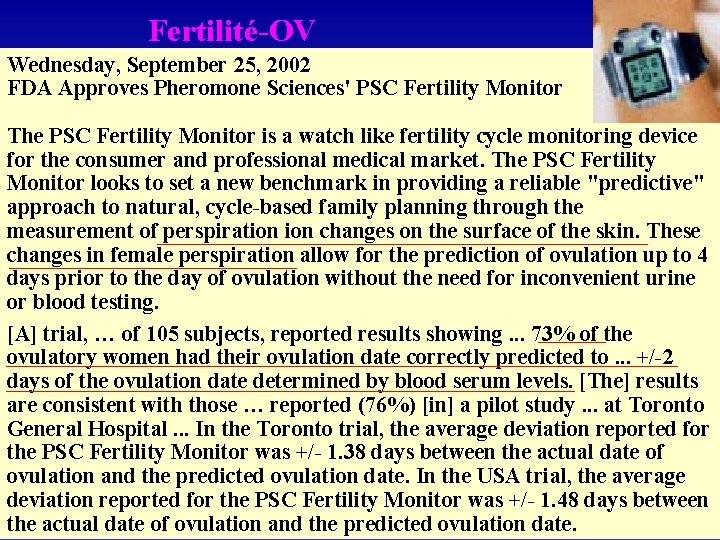
Fertilité-OV Wednesday, September 25, 2002 FDA Approves Pheromone Sciences' PSC Fertility Monitor The PSC Fertility Monitor is a watch like fertility cycle monitoring device for the consumer and professional medical market. The PSC Fertility Monitor looks to set a new benchmark in providing a reliable "predictive" approach to natural, cycle-based family planning through the measurement of perspiration changes on the surface of the skin. These changes in female perspiration allow for the prediction of ovulation up to 4 days prior to the day of ovulation without the need for inconvenient urine or blood testing. [A] trial, … of 105 subjects, reported results showing. . . 73% of the ovulatory women had their ovulation date correctly predicted to. . . +/-2 days of the ovulation date determined by blood serum levels. [The] results are consistent with those … reported (76%) [in] a pilot study. . . at Toronto General Hospital. . . In the Toronto trial, the average deviation reported for the PSC Fertility Monitor was +/- 1. 38 days between the actual date of ovulation and the predicted ovulation date. In the USA trial, the average deviation reported for the PSC Fertility Monitor was +/- 1. 48 days between the actual date of ovulation and the predicted ovulation date.
Suggestions for this study • Begin by sampling for existing markers: LH, FSH, E 2, P, E 1 G, Pd. G, h. CG, IGFBP-1, α-FP, PPAP-A, u. E 3, inhibin A, inhibin B • Keep a reserve of samples for retrospective evaluation of urine sediment DNA & not - yet - identified soluble markers in urine or serum • Begin a significant program of research to uncover new biomarkers using updated methods and database sources