
Measuring the Cosmic Xray Background With RXTE Using
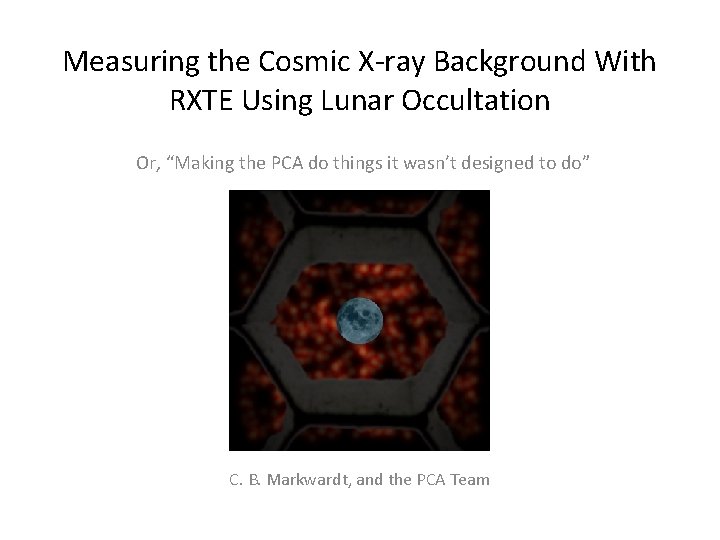
Measuring the Cosmic X-ray Background With RXTE Using Lunar Occultation Or, “Making the PCA do things it wasn’t designed to do” C. B. Markwardt, and the PCA Team
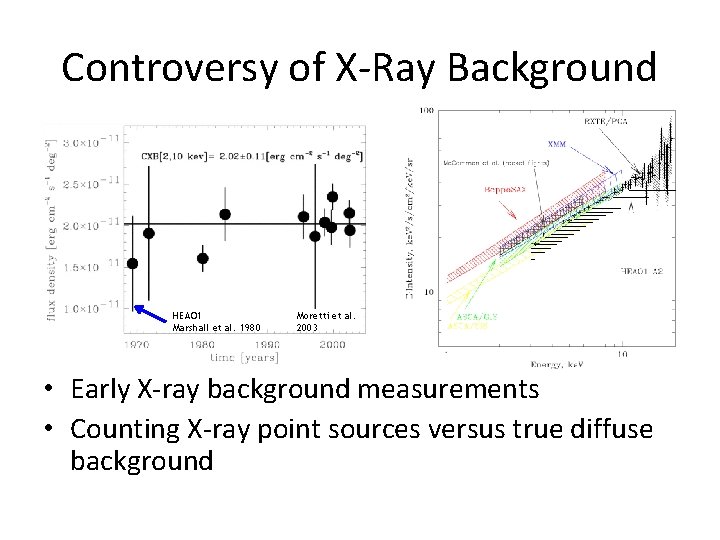
Controversy of X-Ray Background HEAO 1 Marshall et al. 1980 Moretti et al. 2003 • Early X-ray background measurements • Counting X-ray point sources versus true diffuse background
Hakki Ögelman Passed Away 2011

Shortly After Joining PCA Team 1998
Catching Photons

Sometimes Puzzled
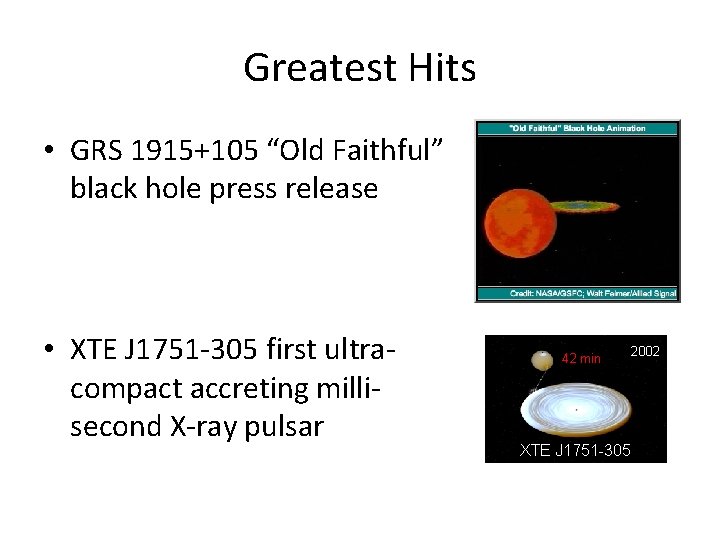
Greatest Hits • GRS 1915+105 “Old Faithful” black hole press release • XTE J 1751 -305 first ultracompact accreting millisecond X-ray pulsar 42 min XTE J 1751 -305 2002
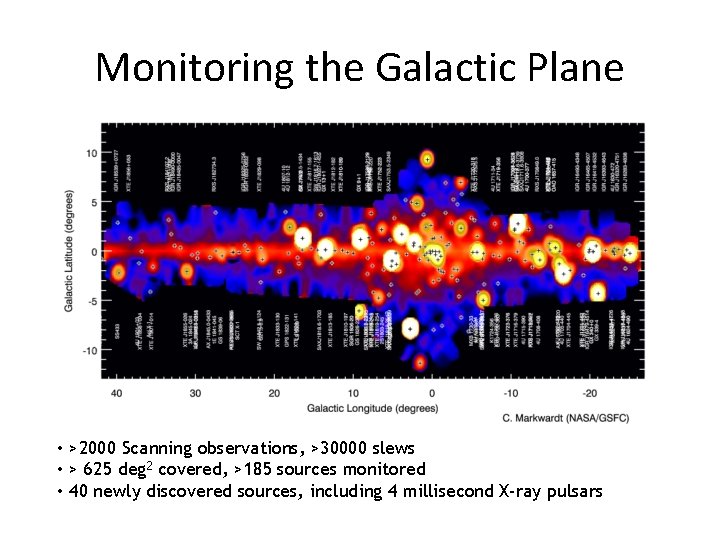
Monitoring the Galactic Plane • >2000 Scanning observations, >30000 slews • > 625 deg 2 covered, >185 sources monitored • 40 newly discovered sources, including 4 millisecond X-ray pulsars
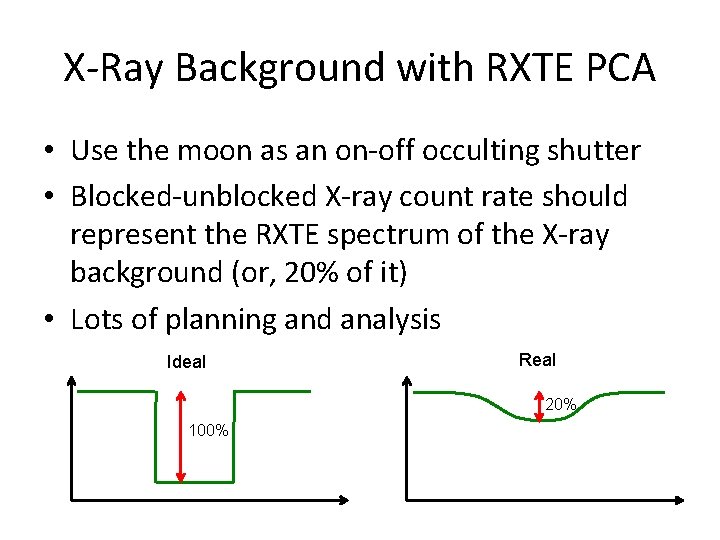
X-Ray Background with RXTE PCA • Use the moon as an on-off occulting shutter • Blocked-unblocked X-ray count rate should represent the RXTE spectrum of the X-ray background (or, 20% of it) • Lots of planning and analysis Ideal Real 20% 100%
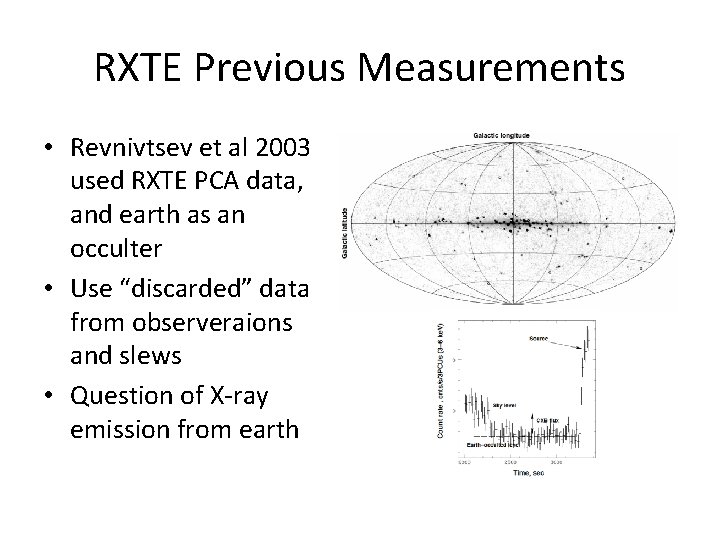
RXTE Previous Measurements • Revnivtsev et al 2003 used RXTE PCA data, and earth as an occulter • Use “discarded” data from observeraions and slews • Question of X-ray emission from earth

Lunar Parallax Effect
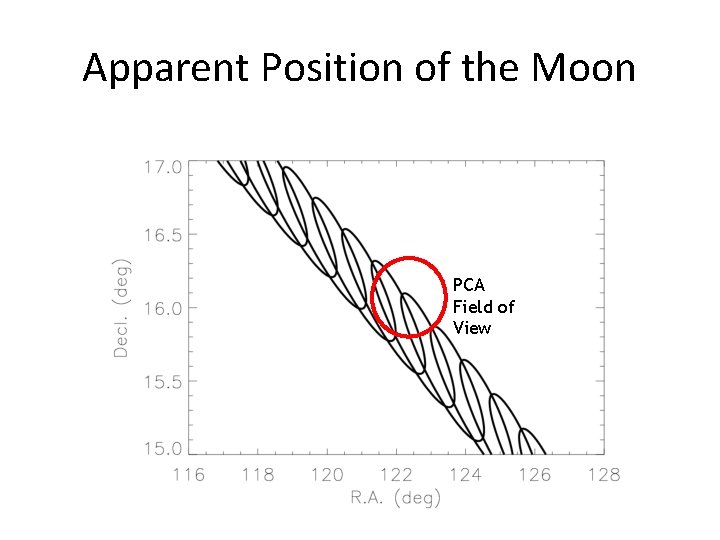
Apparent Position of the Moon PCA Field of View
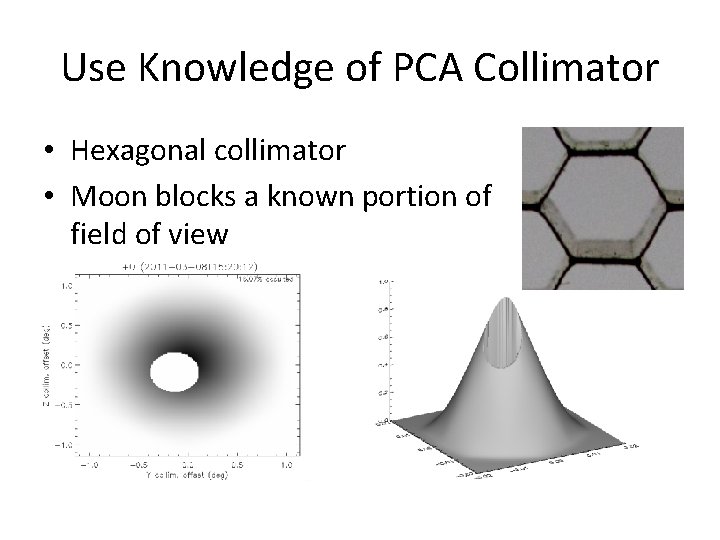
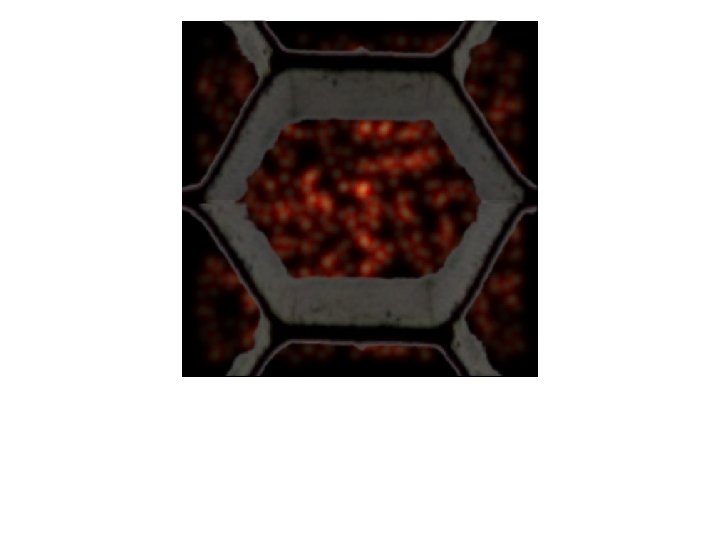
Use Knowledge of PCA Collimator • Hexagonal collimator • Moon blocks a known portion of field of view
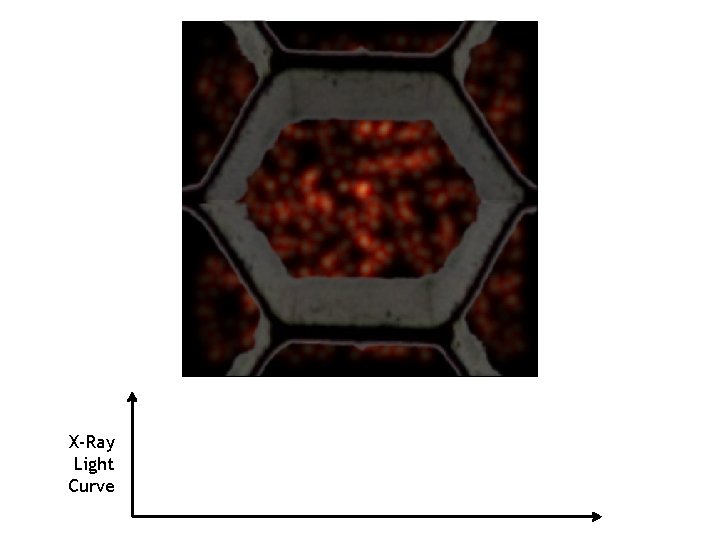
X-Ray Light Curve
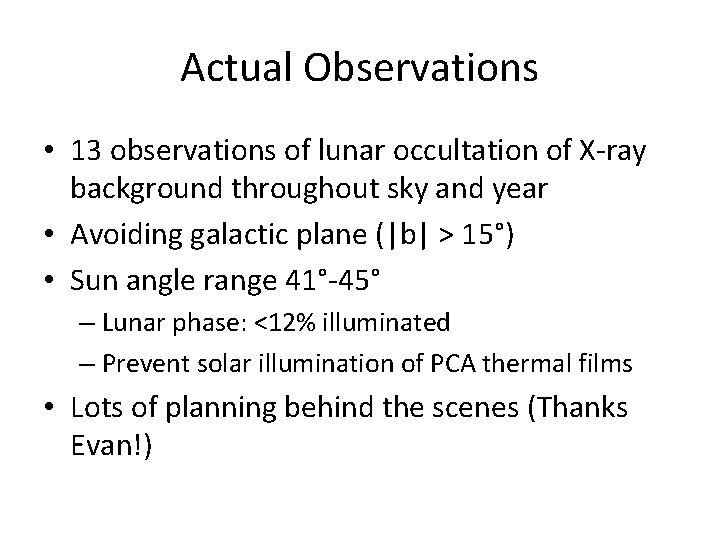
Actual Observations • 13 observations of lunar occultation of X-ray background throughout sky and year • Avoiding galactic plane (|b| > 15°) • Sun angle range 41°-45° – Lunar phase: <12% illuminated – Prevent solar illumination of PCA thermal films • Lots of planning behind the scenes (Thanks Evan!)
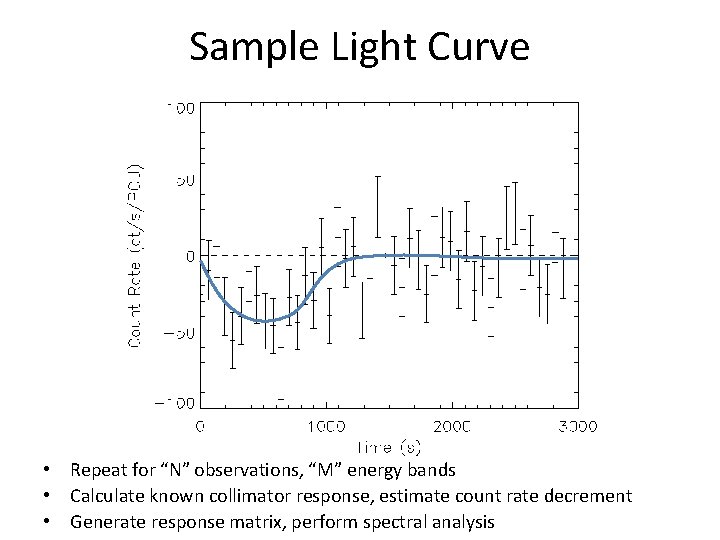
Sample Light Curve • Repeat for “N” observations, “M” energy bands • Calculate known collimator response, estimate count rate decrement • Generate response matrix, perform spectral analysis
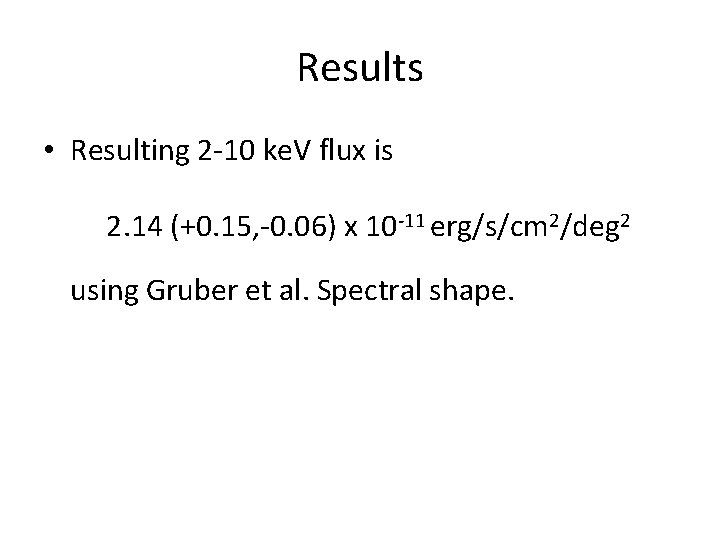
Results • Resulting 2 -10 ke. V flux is 2. 14 (+0. 15, -0. 06) x 10 -11 erg/s/cm 2/deg 2 using Gruber et al. Spectral shape.
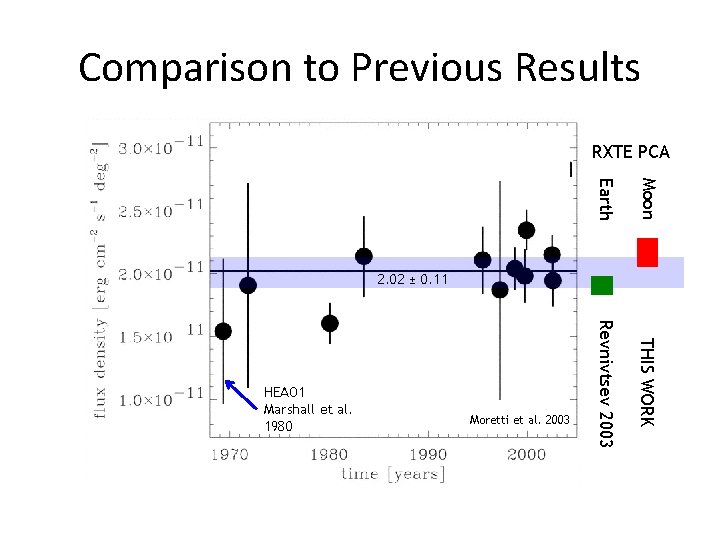
Comparison to Previous Results RXTE PCA Earth Moon Revnivtsev 2003 THIS WORK 2. 02 ± 0. 11 HEAO 1 Marshall et al. 1980 Moretti et al. 2003
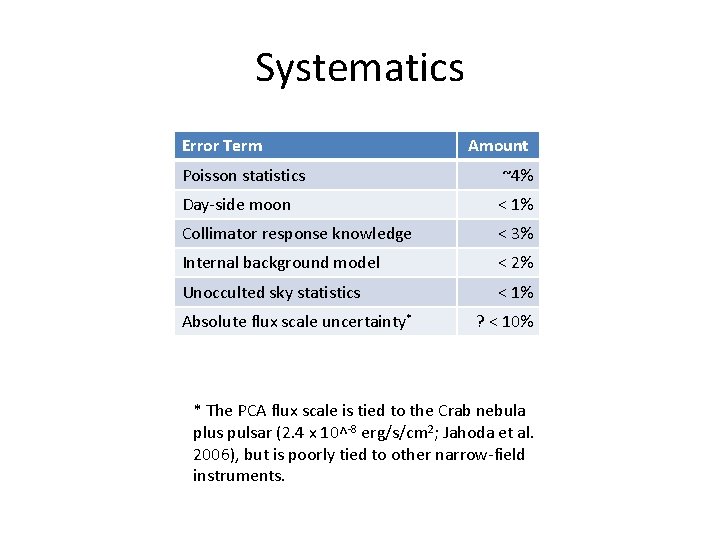
Systematics Error Term Amount Poisson statistics ~4% Day-side moon < 1% Collimator response knowledge < 3% Internal background model < 2% Unocculted sky statistics < 1% Absolute flux scale uncertainty* ? < 10% * The PCA flux scale is tied to the Crab nebula plus pulsar (2. 4 x 10^-8 erg/s/cm 2; Jahoda et al. 2006), but is poorly tied to other narrow-field instruments.
Conclusion • I’m glad to have worked with so many wonderful scientists and engineers related to RXTE, and be allowed to participate in such innovative projects. • Other notes: – New products in the archive soon – New background model: one model for faint & bright sources
- Slides: 22