
MCDA Tool Examples MCDA A Guide through the



- Slides: 33
MCDA Tool & Examples MCDA: A Guide through the Application of Different Methods for Assessment and Prioritization of Rare Disease Health Technologies August 28, 2018 Vladimir Zah, DPhil, ACIM, CPIAPD ZRx Outcomes Research Inc. , Canada
Antitrust Compliance Statement • ISPOR has a policy of strict compliance with both United States, and other applicable international antitrust laws and regulations. • Antitrust laws prohibit competitors from engaging in actions that could result in an unreasonable restraint of trade. • ISPOR members must avoid discussing certain topics when they are together, including, proprietary or company-specific prices, fees, rates, profit margins, or other terms or conditions of sale. • Members have an obligation to terminate any discussion, seek legal counsel’s advice, or, if necessary, terminate any meeting if the discussion might be construed to raise antitrust risks. • The Antitrust policy is available on the ISPOR website, under “About ISPOR. ” 2
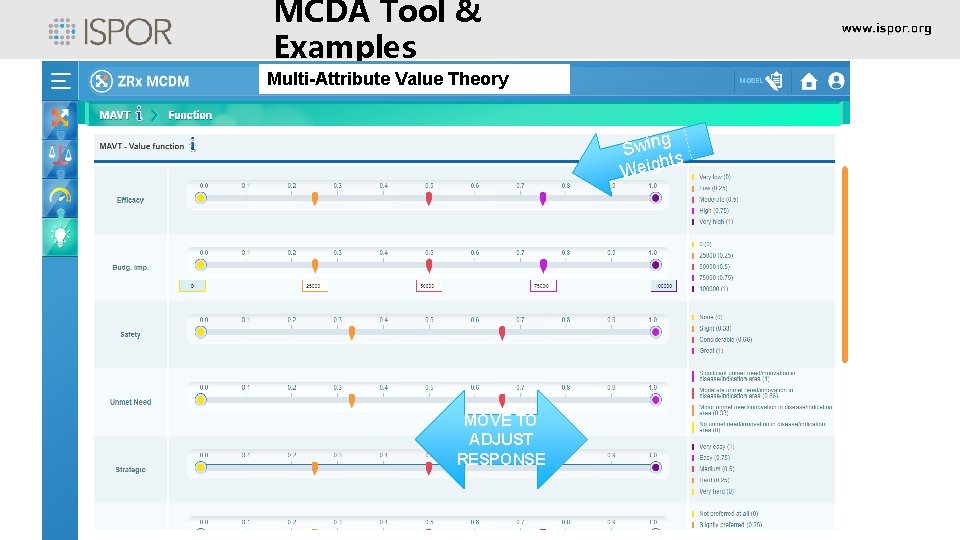
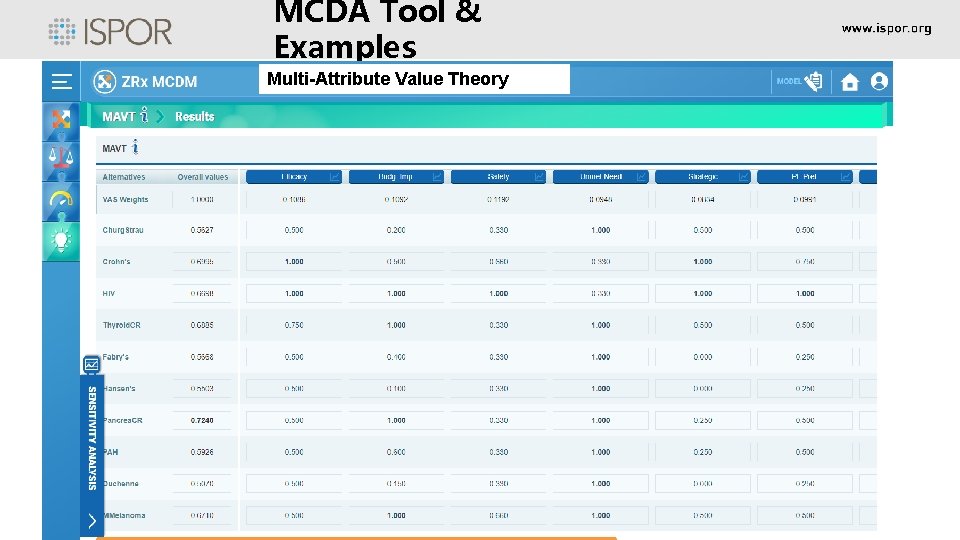
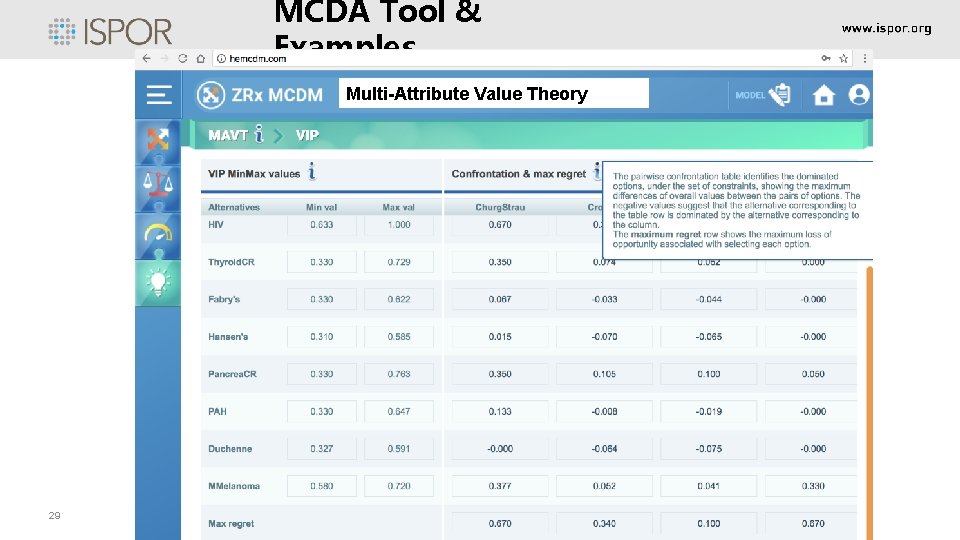
MCDA Tool & Examples • Multiple-criteria decision analysis (MCDA) comprises a set of methods that explicitly considers multiple criteria in decision-making environments. • Formally structuring complex problems appropriately and considering multiple criteria explicitly is expected to lead to more informed and transparent decisions. • MCDA methods are increasing in popularity however existing instruments do not reflect local decision making needs. 3
SECTION 1 Rare Diseases – Why MCDA?
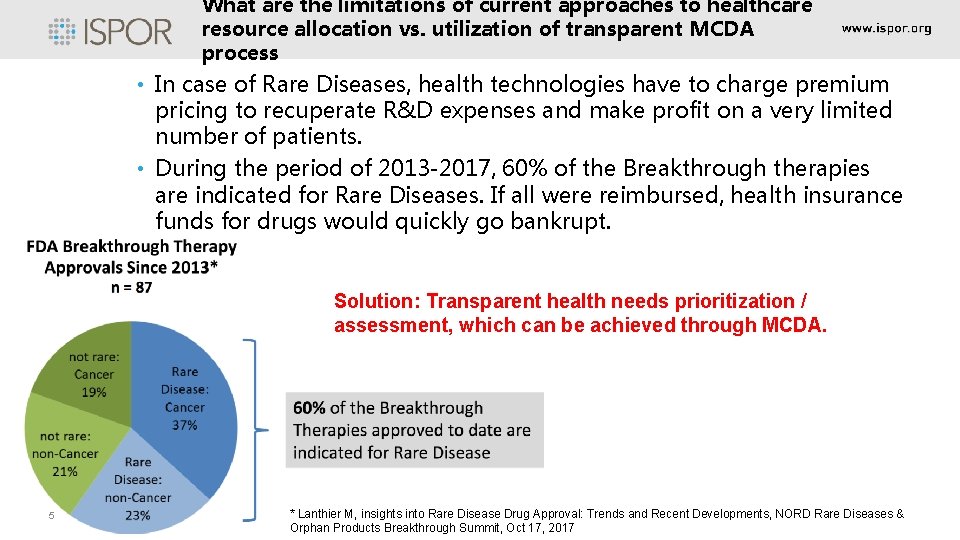
What are the limitations of current approaches to healthcare resource allocation vs. utilization of transparent MCDA process • In case of Rare Diseases, health technologies have to charge premium pricing to recuperate R&D expenses and make profit on a very limited number of patients. • During the period of 2013 -2017, 60% of the Breakthrough therapies are indicated for Rare Diseases. If all were reimbursed, health insurance funds for drugs would quickly go bankrupt. Solution: Transparent health needs prioritization / assessment, which can be achieved through MCDA. 5 * Lanthier M, insights into Rare Disease Drug Approval: Trends and Recent Developments, NORD Rare Diseases & Orphan Products Breakthrough Summit, Oct 17, 2017
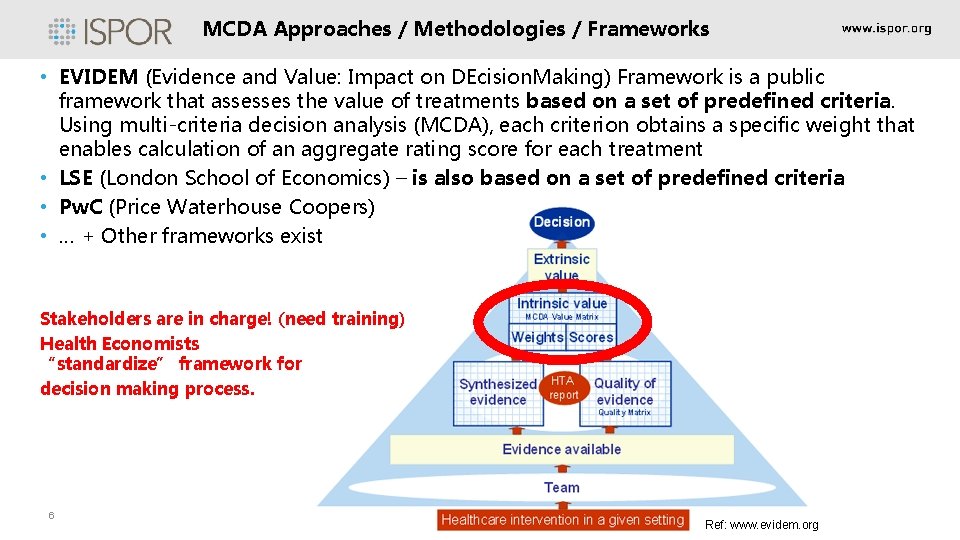
MCDA Approaches / Methodologies / Frameworks • EVIDEM (Evidence and Value: Impact on DEcision. Making) Framework is a public framework that assesses the value of treatments based on a set of predefined criteria. Using multi-criteria decision analysis (MCDA), each criterion obtains a specific weight that enables calculation of an aggregate rating score for each treatment • LSE (London School of Economics) – is also based on a set of predefined criteria • Pw. C (Price Waterhouse Coopers) • … + Other frameworks exist Stakeholders are in charge! (need training) Health Economists “standardize” framework for decision making process. 6 Ref: www. evidem. org
SECTION 2 Steps Necessary to Build MCDA
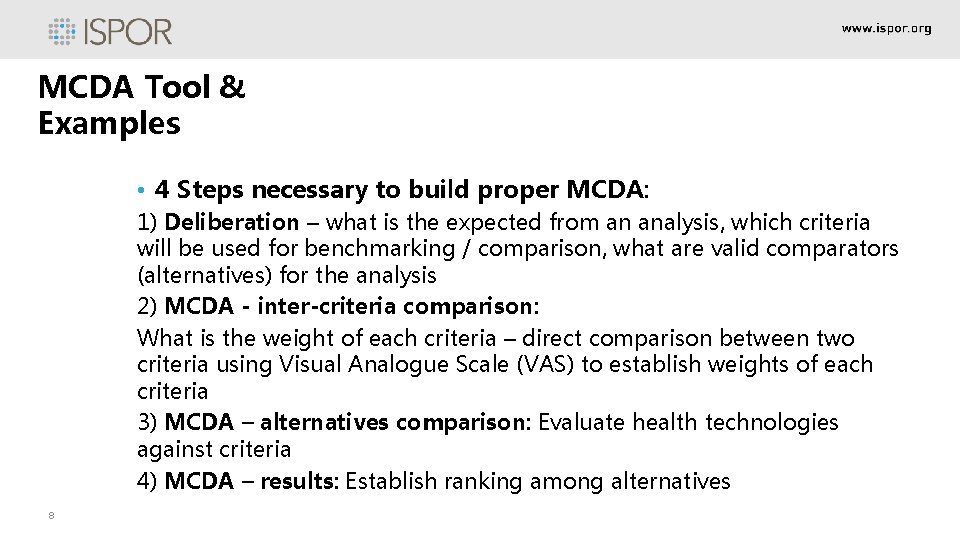
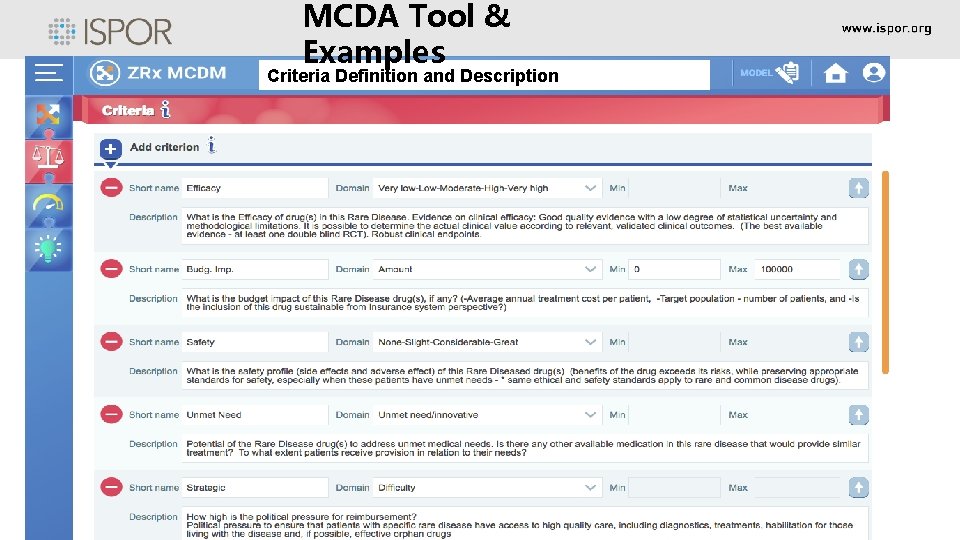
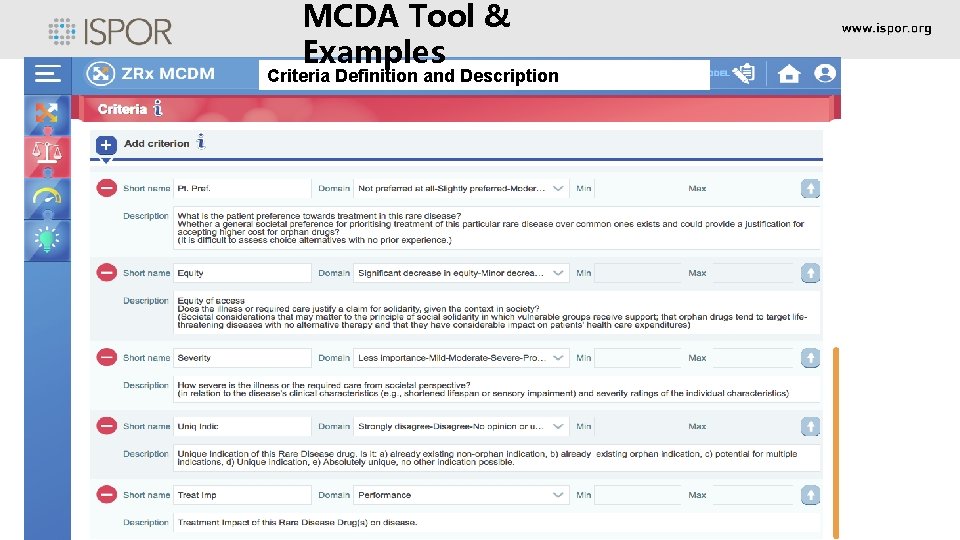
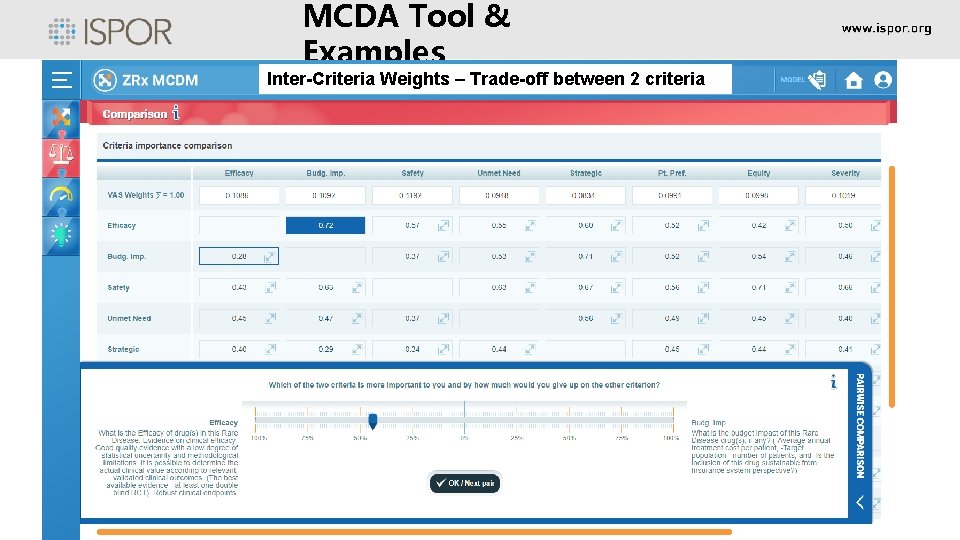
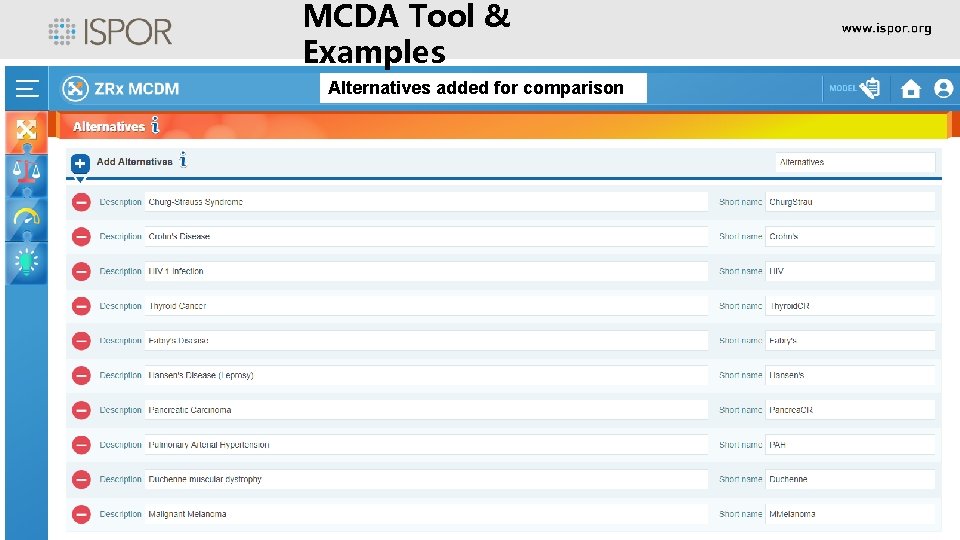
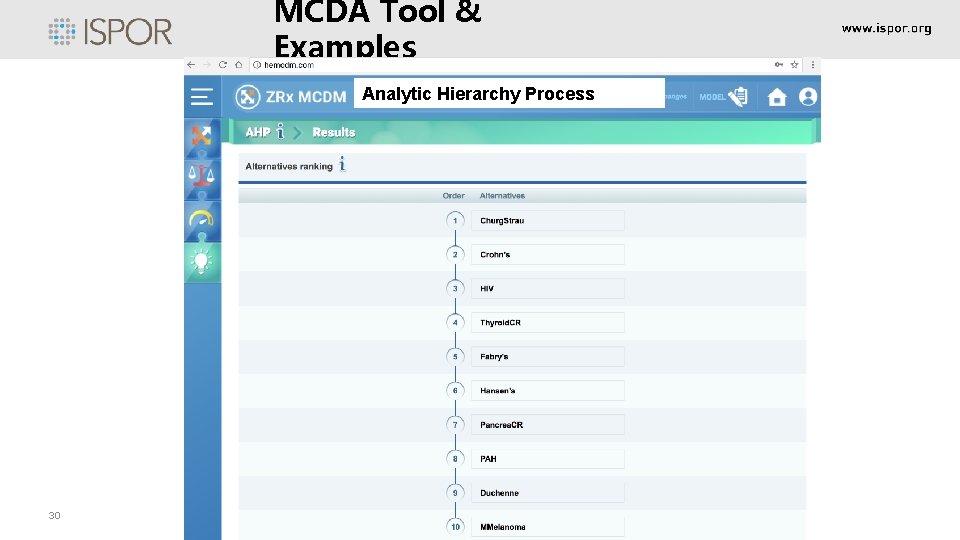
MCDA Tool & Examples • 4 Steps necessary to build proper MCDA: 1) Deliberation – what is the expected from an analysis, which criteria will be used for benchmarking / comparison, what are valid comparators (alternatives) for the analysis 2) MCDA - inter-criteria comparison: What is the weight of each criteria – direct comparison between two criteria using Visual Analogue Scale (VAS) to establish weights of each criteria 3) MCDA – alternatives comparison: Evaluate health technologies against criteria 4) MCDA – results: Establish ranking among alternatives 8
BACKGROUND COMPLETED
SECTION 3 MCDA Tool
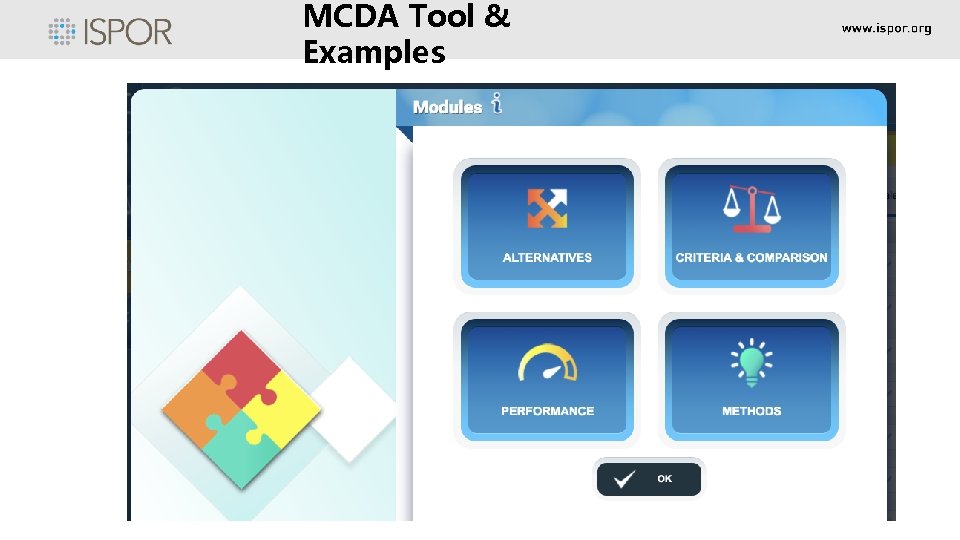
MCDA Tool & Examples
SECTION 4 Steps necessary to create a valid MCDA criteria through deliberation and descriptions thereof
MCDA Tool & Examples Criteria Definition and Description 13
MCDA Tool & Examples Criteria Definition and Description 14
50% MCDA INTRO & STEPS COMPLETED
SECTION 5 MORE DELIBERATION: How to provide inter-criteria weights and select appropriate alternatives
MCDA Tool & Examples Inter-Criteria Weights – Trade-off between 2 criteria • . 17
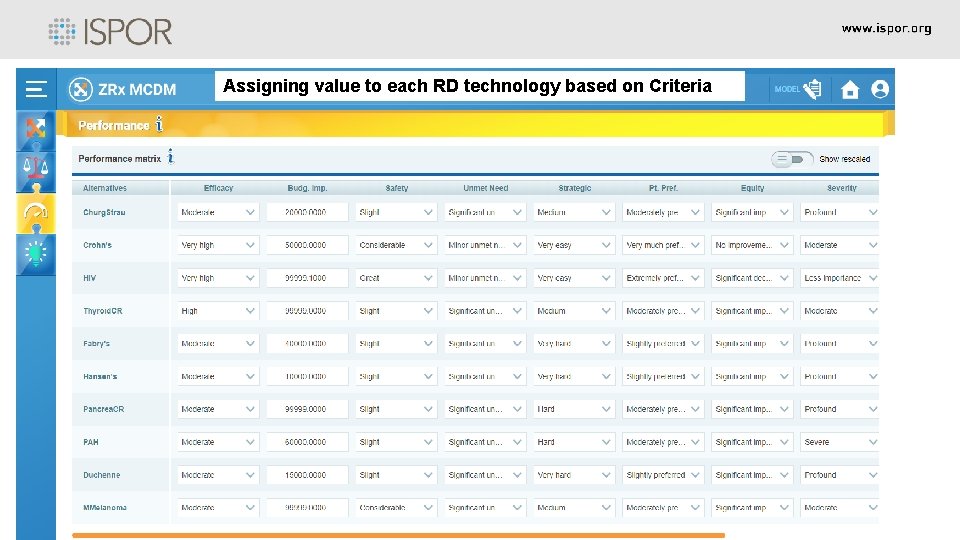
MCDA Tool & Examples Alternatives added for comparison • . 18
Assigning value to each RD technology based on Criteria
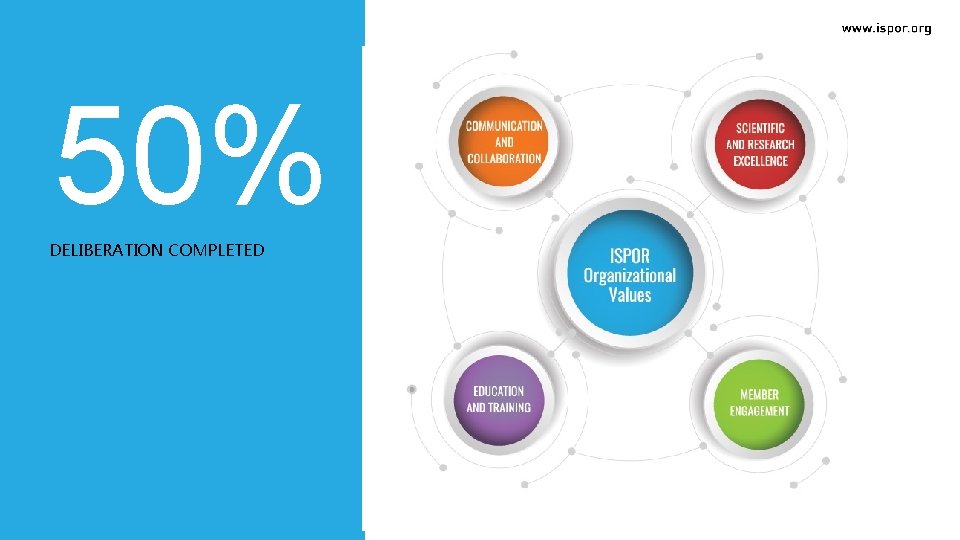
50% DELIBERATION COMPLETED
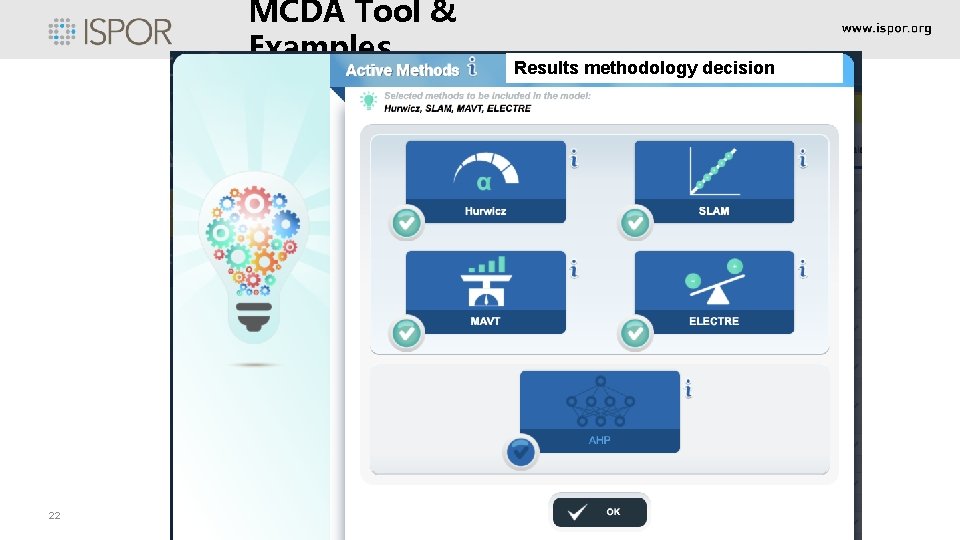
SECTION 5 RESULTS: Apply each MCDA ranking method and it’s applicability in decision-making: Hurwitz, SLAM, MAVT and AHP.
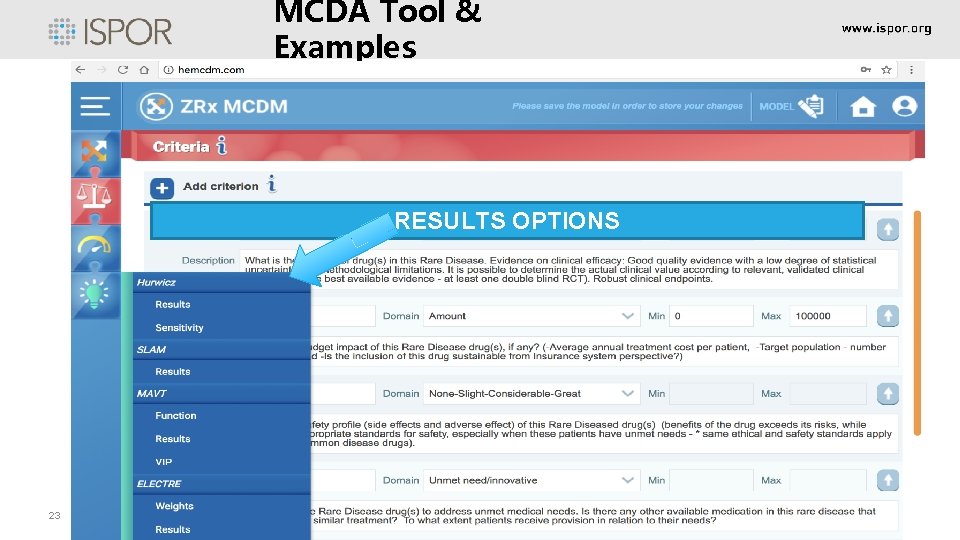
MCDA Tool & Examples 22 Results methodology decision
MCDA Tool & Examples RESULTS OPTIONS 23
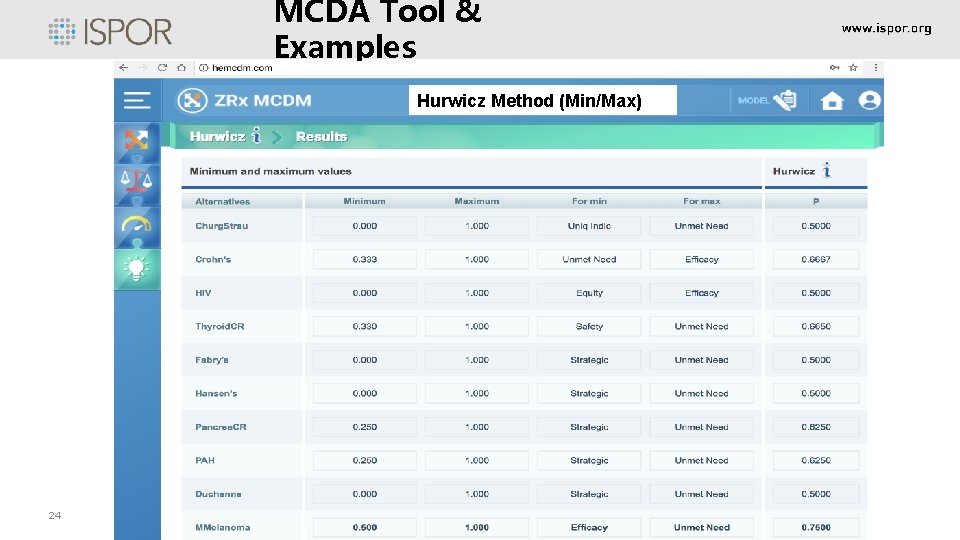
MCDA Tool & Examples Hurwicz Method (Min/Max) 24
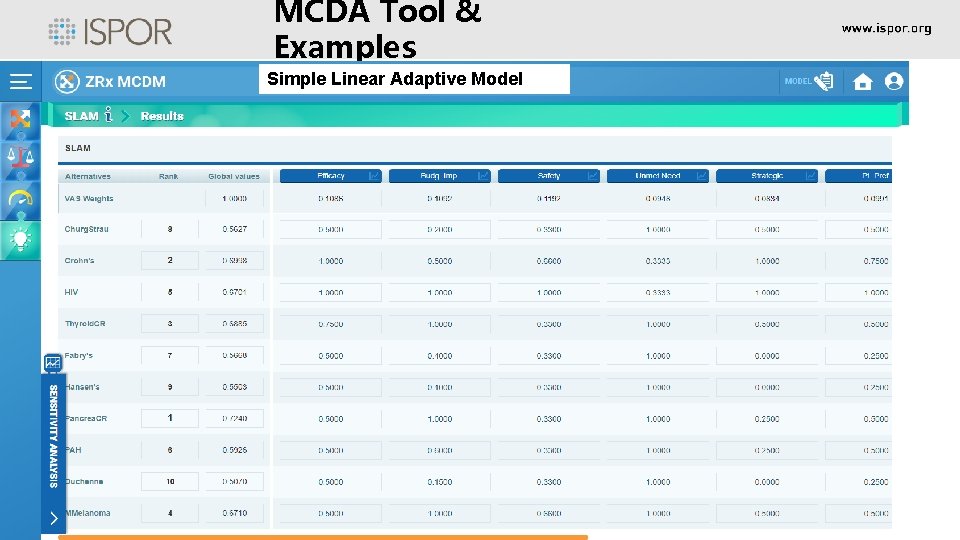
MCDA Tool & Examples Simple Linear Adaptive Model 25
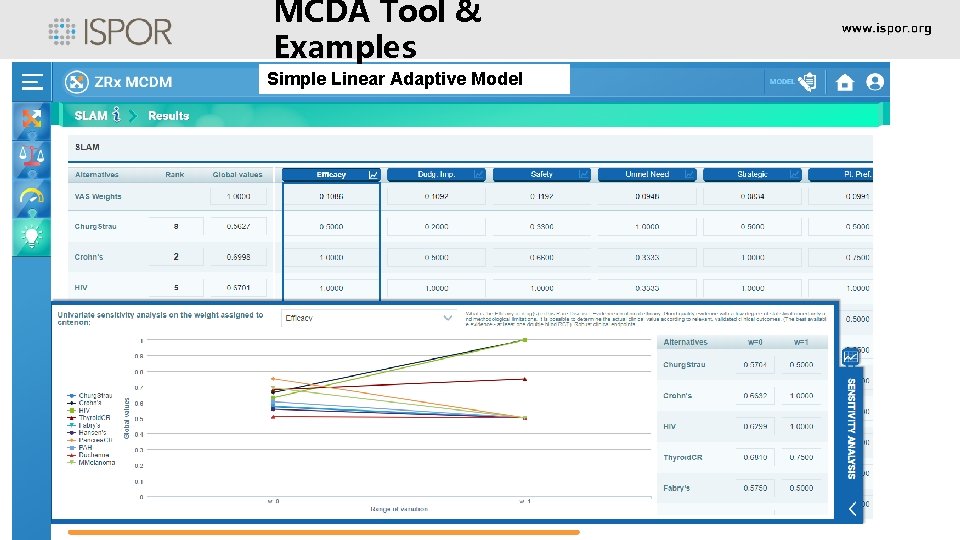
MCDA Tool & Examples Simple Linear Adaptive Model 26
MCDA Tool & Examples Multi-Attribute Value Theory g Swin hts Weig MOVE TO ADJUST RESPONSE 27
MCDA Tool & Examples Multi-Attribute Value Theory 28
MCDA Tool & Examples Multi-Attribute Value Theory 29
MCDA Tool & Examples Analytic Hierarchy Process 30
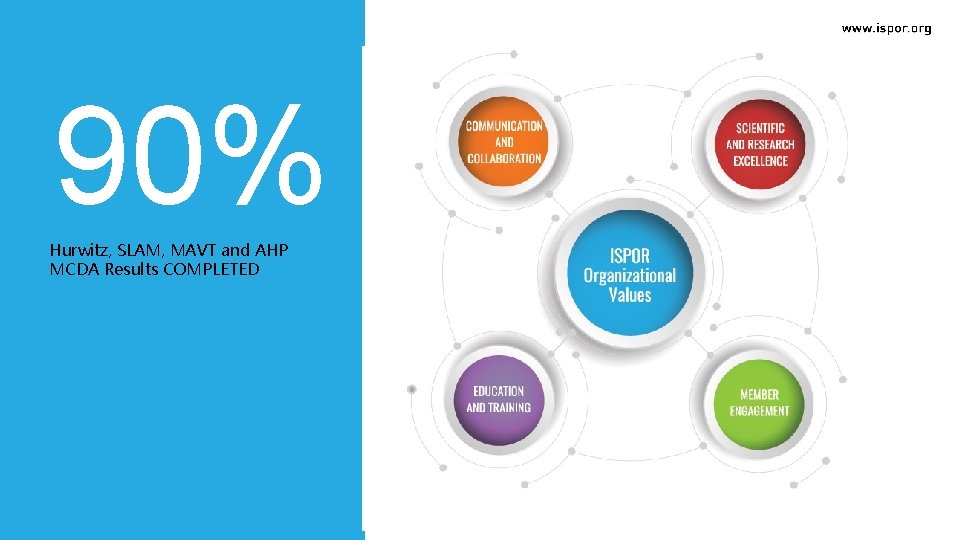
90% Hurwitz, SLAM, MAVT and AHP MCDA Results COMPLETED
Lessons learned - Robust MCDA : 1) Deliberate on criteria 2) Psychometric testing of criteria description of outmost importance 3) Results method selection important: from simplest to more advanced (different results) 4) Polling stakeholder responses together and merging them together using median before calculating results gives robust results 5) Re-assess on an annual basis 6) Keep it simple…
ISPOR, the professional society for health economics and outcomes research (HEOR), is an international, multistakeholder, nonprofit dedicated to advancing HEOR excellence to improve decision making for health globally. The Society is the leading source for scientific conferences, peer-reviewed and MEDLINE-indexed publications, good practices guidance, education, collaboration, and tools/resources in the field. ISPOR’s community of more than 20, 000 individual and chapter members from 120+ countries includes a wide variety of healthcare stakeholders, including researchers, academicians, regulators and assessors, public and private payers, healthcare providers, industry, and patient representatives. The Society’s leadership has served as an unbiased resource and catalyst for innovation in the field for more than 20 years.